
Reviewed · JAIPUR TEMPLE TOURS
Temple tour of Jaipur with ropeway ride
Jaipur’s temple life comes into focus on this 5.5-hour circuit, which moves from early morning Hindu offerings to Jain teachings, Sikh service, sacred bathing tanks, and a hilltop temple reached by ropeway. I like the morning start, when worshippers stop at the Ganesh temple before work, and I like the mix of religions rather than a tour limited to one tradition. The hilltop ride adds a fine city view and a change of pace.
The main consideration is that this is a busy route with several stops packed into a short time. You will walk, remove yourself from the shade at times, and need to dress modestly. The ropeway ticket is not included, so allow extra money for that part.
Key points at a glance
- Morning offerings at an 18th-century Ganesh temple: See local worship before the day gets going.
- Six different religious sites: Hindu, Jain, and Sikh traditions all have a place on the route.
- Galta Ji’s sacred water tanks: Watch customs at the famous monkey temple complex and leave time for photographs.
- A roughly 10-minute ropeway ride: Reach a hilltop temple while looking over the forest and Jaipur.
- A working Sikh communal kitchen: You can help prepare meals served to people from every background.
- Private or small-group format: Hotel pickup, an English-speaking guide, and drop-off are included within Jaipur.
A morning built around living worship
I would choose this tour if you want to understand how religion fits into daily Jaipur life, not simply collect photographs of ornate buildings. The temples are active places of prayer, music, offerings, service, and conversation. Your guide explains what you are seeing, which matters because customs can be easy to misread when you are on your own.
The day begins with pickup from your Jaipur hotel or another location you provide within the city. The exact starting time depends on availability, but the supplied information describes a morning departure. One booking began at 8:30 a.m., a useful time for getting ahead of traffic and catching early worship.
The route is by car with a driver and local English-speaking guide. Private and small-group arrangements are available. That gives you more room to ask questions than a large coach tour, though the experience can still feel full because the schedule includes many temples.
Other temple visits near India we have written up
- New Delhi: Akshardham Temple Tour with Water and Light Show
★ 4.8 · 313 reviews - Old Delhi Food-Spice Market-Temples Tour Soon Featured on NETFLIX
★ 5.0 · 304 reviews - Private Guided Spiritual Walk in Banganga Hindu Temples
★ 5.0 · 271 reviews
Ganesh worship before the workday
The first stop is an 18th-century Ganesh temple. Lord Ganesha, recognized by his elephant head, is the focus of worship here, and the most interesting part is not just the image itself. You see local people making early offerings before heading to work.
I like this beginning because it puts the temple in its proper setting. You are not arriving only after the daily activity has ended. Offerings, gestures, and short prayers give you a glimpse of ordinary religious practice. Your guide can explain the meaning of what is happening, while you watch from a respectful distance.
This is a good place to remember that religious sites are not stages set up for photography. Dress modestly, follow instructions, and do not use flash. Food and drinks are not allowed inside the temples.
White marble at Birla Mandir
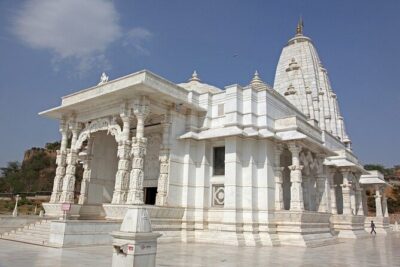
Next comes the Birla temple, also known as Birla Mandir in the tour descriptions. It is built from white marble on a raised platform, with a modern architectural style that differs from the older temple settings elsewhere in Jaipur.
The temple is valued for its clean lines and detailed decoration. Engravings on its columns include Hindu gods and saints from other parts of the world, so look carefully rather than rushing through. One morning visit also coincided with worship, making the building feel less like a monument and more like a functioning place of faith.
I would give this stop a little time for both architecture and atmosphere. The raised position helps the temple read clearly from outside, while the pale marble catches the light. Your guide can also help explain the figures and names you may otherwise pass without understanding.
A short lesson in Jain philosophy
The Jain temple adds a different religious voice to the morning. Here, the guide introduces Jain philosophy and helps you compare it with the Hindu sites you have already seen.
The value of this stop is the contrast. Instead of hearing one broad explanation of Indian religion, you get a chance to see how beliefs and practices differ among communities. The supplied details do not specify the temple’s name, so I would treat this as an interpretive visit rather than expect a major landmark with a long sightseeing stop.
Keep your expectations practical. This is a temple tour, not a formal religious studies course. Still, if you ask questions, the small-group or private format should give you a better chance to explore the basics with your guide.
A different set of gates, same trip:
- Taj Mahal Sunrise with Lord Shiva Temple:- All Inclusive
★ 5.0 · 207 reviews - Old Delhi Temples and Spiritual Sites Private 6-Hour Tour
★ 4.8 · 204 reviews - Private Delhi Temples and Spiritual Sites 6 Hours Tour
★ 5.0 · 171 reviews - Tipu Palace + Koté Vishnu + Fort + KR Market + Jain Temple = Bengaluru Pété Walk
★ 5.0 · 150 reviews
Galta Ji and its sacred water tanks
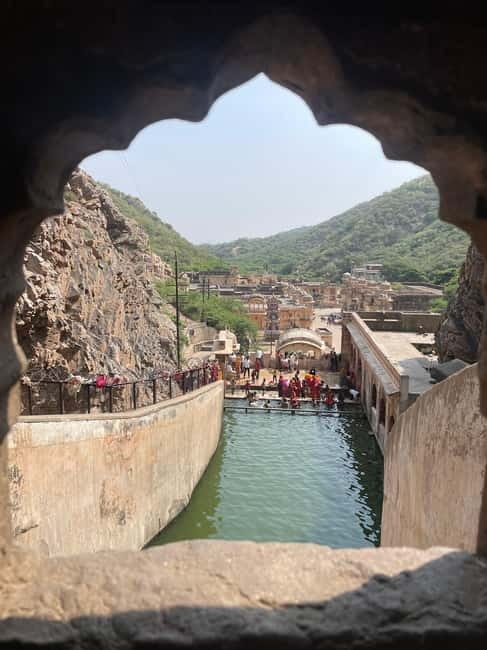
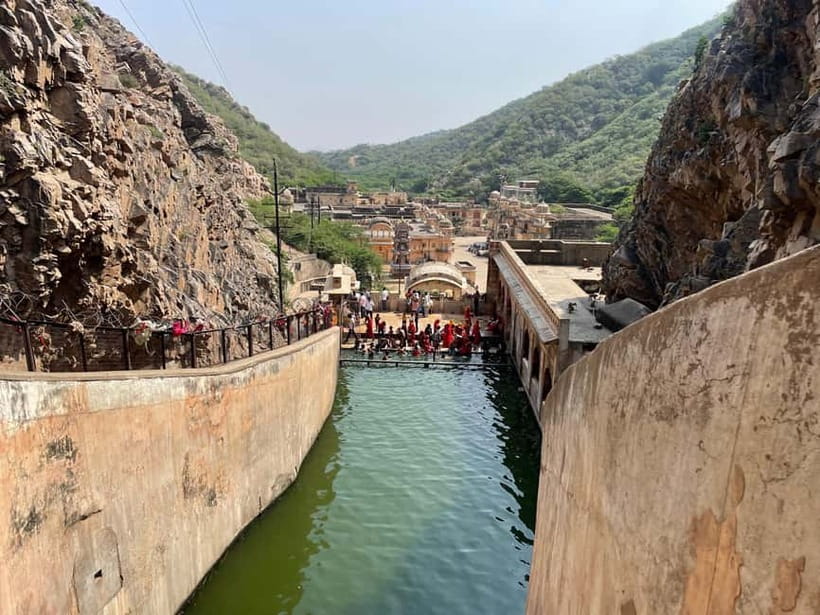
The tour then reaches Galta Ji, widely called the monkey temple. The attraction is the wider heritage temple complex, including its sacred water tanks. These tanks are central to rituals and customs at the site, and you may see people carrying out religious practices around the water.
This is one of the stops where respectful behavior matters most. Watch first, photograph only when appropriate, and follow the guide’s advice. Food and drinks are not permitted inside the temples, and the instructions also ask you to respect local customs and traditions.
You get free time for photography, which is useful because Galta Ji offers more than one quick photo point. Bring a camera, but do not let it distract you from what is happening. The site is also one of the more active walking portions of the route, so comfortable shoes are important.
The name monkey temple points to the animals associated with the complex, and the itinerary includes wildlife viewing. Still, this should not be treated as a wildlife tour. The main purpose is the temple complex, its tanks, and its religious life.
The ropeway to a temple above the forest
One of the tour’s most memorable changes of scene comes when you take a ropeway to a temple on top of a hill. The ride takes about 10 minutes, and the view opens across the forest and temple complex below.
A safety briefing is included before the cable car ride. You ride up, spend time at the hilltop temple with your guide, and then take the ropeway back down. The aerial view is the clear highlight for anyone who wants a wider sense of Jaipur beyond its streets and buildings.
The exact temple name is not provided in the tour details, so I would book this for the ropeway experience, the hilltop setting, and the view rather than for a specific famous shrine. The ropeway ticket costs extra. Check the current price before you go, since the advertised $38 per person covers the tour services but not this admission.
If you dislike heights, this section deserves some thought. The tour’s suitability information also excludes people with mobility impairments and wheelchair users, and it is not recommended for people over 80. The ride itself is short, but the day includes walking and getting in and out of transport.
An old Hanuman temple after the ride
After taking the ropeway down, you visit one of Jaipur’s oldest Hanuman temples. Hanuman is a major Hindu figure associated with strength, devotion, and service, and this stop brings you back from the broad view above the city to a more focused place of worship.
The supplied description does not give the temple’s name, so your guide’s explanation is especially useful here. Ask about the rituals, the image of Hanuman, and how this visit connects with the Ganesh temple and Birla Mandir earlier in the day.
A tour with this many temples can begin to blur together. I would keep a simple mental note of what changes from one site to the next: the age of the building, the style of worship, the religious tradition, and the role the temple plays for local people. That makes the route easier to remember.
Sikh service in the communal kitchen
The Sikh temple, or Gurudwara, gives the day one of its most human and practical stops. You can observe religious ceremonies and visit the communal kitchen, where meals are prepared for hundreds of people each day.
The kitchen is open to people of every religion, caste, and nationality. You may be able to help alongside other volunteers, depending on what is happening when you arrive. This is not just a room to look at. It shows the Sikh principle of service in a direct, useful way.
Music may also be part of the visit. One booking described arriving while a band was playing, creating a powerful atmosphere inside the temple. Your guide will explain the basic etiquette, but modest clothing and respectful conduct are essential.
If you have never visited a Gurudwara, expect to follow rules that differ from those at Hindu temples. Listen carefully, observe what others do, and take part only when invited or when the guide says it is appropriate. The communal kitchen is a chance to participate, not a guaranteed cooking class.
What the $38 price covers
At $38 per person, the tour offers good value if you want transport, a guide, and a structured look at several religious traditions in one morning. Hotel pickup and drop-off are included, as are visits to the Ganesh, Birla, Jain, Sikh, monkey, and Hanuman temples.
The value comes from the range. Hiring transport between all these sites on your own would require planning, navigation, and separate explanations at each stop. Here, one English-speaking guide gives the visits a common thread.
The price is less attractive if you only want to see one or two major temples or prefer to move slowly. Six religious sites in about 4.5 hours of sightseeing, within a total activity time of 5.5 hours, means each stop has limits. The ropeway ticket, meals, and personal expenses are extra, so the final cost will be higher than the headline price.
You can reserve now and pay later, and cancellation is free up to 24 hours before the start time. Those terms help if your Jaipur schedule is still changing.
Clothing, walking, and practical preparation
Wear comfortable shoes. You will walk through temple grounds and around the Galta Ji complex, and the day includes stairs or uneven surfaces in places, though the exact conditions are not specified.
Dress for religious sites. Shorts, short skirts, sleeveless shirts, and clothing that exposes too much skin are not allowed. A hat and sunscreen will help, especially during outdoor walking and time around the water tanks. Carry water for comfort, but remember that food and drinks cannot enter the temples.
Bring a camera, but leave the drone at your hotel. Drones, alcohol, drugs, and nudity are not allowed. Flash photography is also prohibited inside the temples.
An English-speaking live guide is provided. Past bookings identified guides named Harshit and Ansh, though you should not assume either will lead your tour. Harshit was praised for answering questions and helping a couple feel comfortable, while Ansh was described as careful and reassuring during a solo visit. The guide assignment can change.
Who will get the most from this tour
I would recommend this experience to a first-time Jaipur visitor who wants cultural context without arranging several separate visits. It suits you particularly well if you want to compare Hindu, Jain, and Sikh traditions, see active worship, and add a ropeway ride to the day.
It is also a strong choice for solo visitors who want organized transport and a local guide. One solo booking used a motorbike with the guide, but the general tour description specifies a driver and car, so transport may vary by booking. Confirm the arrangement if that matters to you.
I would not choose it if you need wheelchair access, have limited mobility, or want a slow, quiet temple visit. The route is active and packed. It is also not recommended for people over 80. Anyone sensitive to heights should consider the ropeway before booking.
Should you book the Jaipur temple tour?
Book it if you want a wide cultural introduction to Jaipur in one morning, with real worship, a communal kitchen, sacred water tanks, and a hilltop ropeway ride. The strongest parts are the early Ganesh offerings, the contrast between three religious traditions, and the chance to see Sikh service in action.
Skip it if you prefer to spend an hour at each temple, dislike structured sightseeing, or want all admission costs included. At $38, it is a sensible price for transport and guiding, but remember to add the ropeway ticket and any personal spending.
For most visitors with comfortable shoes, modest clothing, and an interest in living religious traditions, this is a rewarding way to see a side of Jaipur that palace visits alone cannot provide.
FAQ
How long does the Jaipur temple tour last?
The activity lasts 5.5 hours. The sightseeing portion is listed as about 4.5 hours, with the remaining time covering transport and the movement between sites.
What temples are included?
The route includes an 18th-century Ganesh temple, Birla temple, a Jain temple, the Sikh temple or Gurudwara, Galta Ji or the monkey temple, a hilltop temple reached by ropeway, and an old Hanuman temple.
Is the ropeway ticket included?
No. The ropeway ticket is not included in the tour price and must be paid separately.
Is hotel pickup available?
Yes. Pickup and drop-off are included from your hotel or another location within Jaipur that you provide.
What language does the guide speak?
The live tour guide speaks English. Private and small-group options are available.
Can I take photographs during the tour?
You can bring a camera and have free time for photography at Galta Ji. Flash photography is not allowed inside the temples, and food and drinks are not allowed inside either.
Is the tour suitable for people with mobility impairments?
No. The experience is not suitable for people with mobility impairments or wheelchair users. It is also not recommended for people over 80, and comfortable shoes are required because walking is involved.
Newly written up around India
- Bandipur Tiger Reserve with Somnathpur Temple Tour★ 5.0 · 21 reviews
- Day trip from Bangalore to Lepakshi for Temple architecture & paintings★ 5.0 · 15 reviews
- Full Day Private Tour of Temples of Bengaluru★ 5.0 · 5 reviews
- Lepakshi Temple and Nandi Hills Day Trip from Bangalore★ 4.5 · 3 reviews
- Bull temple layout Heritage walk★ 5.0 · 13 reviews
- Lepakshi Temple Day Tour from Bangalore★ 5.0 · 3 reviews
- Lalbagh+Bull Temple+Tipu Palace+Market+Lunch=Bangalore City Tour★ 5.0 · 9 reviews
- Private Full-Day Amritsar Tour: The Golden Temple & Wagah Border★ 5.0 · 14 reviews
Jaipur Temple Tours, compared.
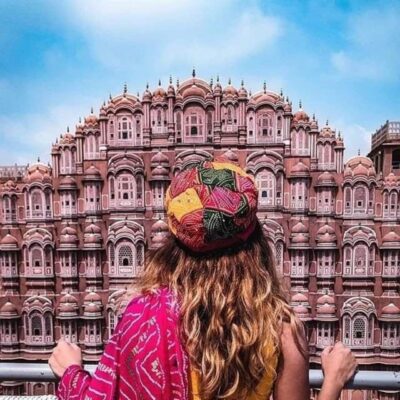
Jaipur sightseeing tour with monkey temple (Galta ji temple)
Read our review →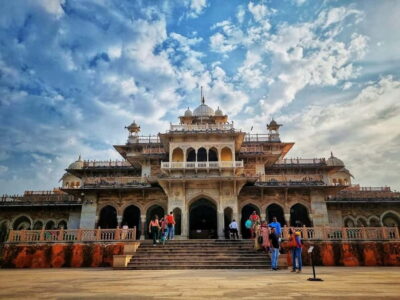
Private Full-Day Jaipur Guided Tour with Monkey Temple
Read our review →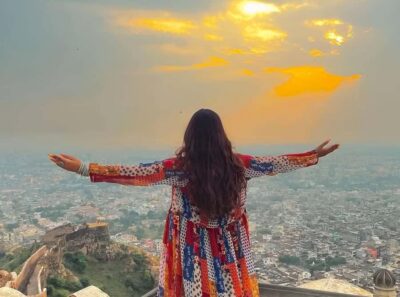
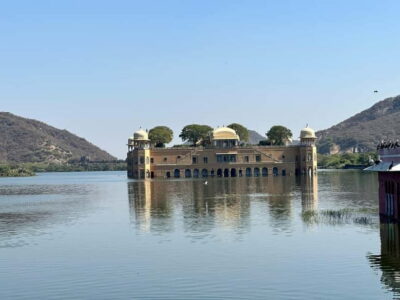
Full-Day Tuk-Tuk Sightseeing Tour with Monkey Temple
Read our review →
Browse the lists this tour appears in