
Reviewed · TEMPLE WALKING TOURS
Tipu Palace + Koté Vishnu + Fort + KR Market + Jain Temple = Bengaluru Pété Walk
Bengaluru’s old quarter hits you with everything at once: teak palace rooms, temple carvings, flower sellers, sacred spaces, traffic, smells, and shouting vendors. This 2.5 to 3-hour walk links the city’s major historic sights with the daily action of KR Market, giving you a quick, vivid lesson in old Bengaluru.
I like the excellent mix of monuments and ordinary city life, and I like that guides such as Vijay, Raghu, Vanaja, and Vasuki add history, local advice, and practical help with the metro or lunch. The main drawback is simple: this is a busy urban walk, and the market can be hot, crowded, noisy, and tiring. Afternoon departures may also find the Hindu temple closed.
Key points to know
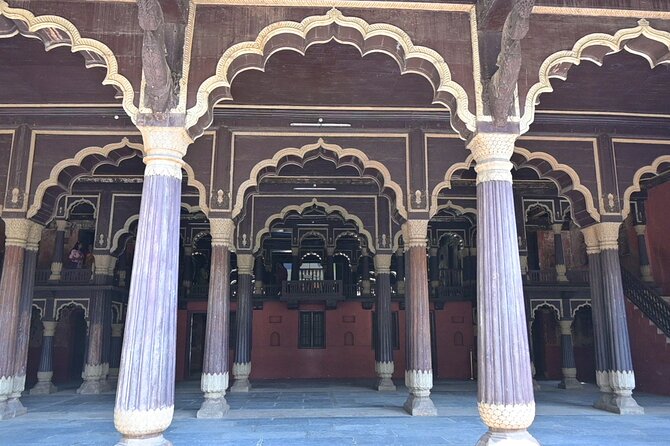
- Tipu Sultan’s Summer Palace: See a 230-year-old teak building with Islamic architectural details.
- Five very different stops: The route joins a palace, Hindu temple, fort, wholesale market, and Jain temple.
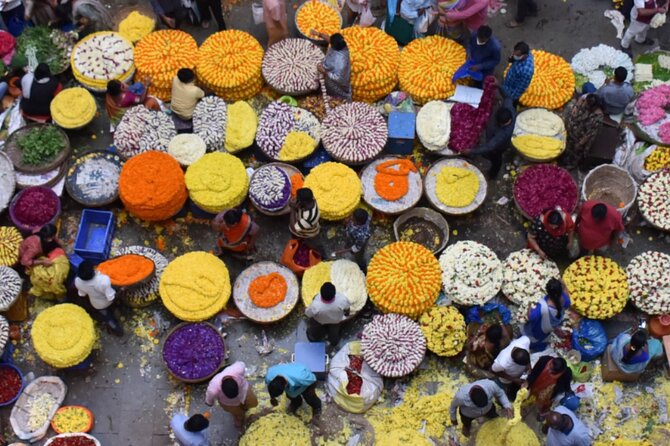
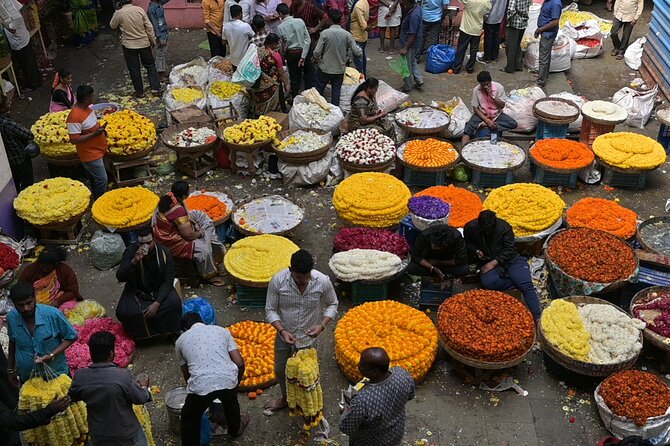
- KR Market is the sensory high point: Flower stalls, porters, bicycles, animals, buyers, and sellers fill the lanes.
- Small-group format: The maximum group size is 10, useful in tight market streets.
- Dress matters: Cover your legs and shoulders, and bring a scarf for the Jain temple.
- Useful finish: The walk ends near Chickpet Metro Station, and guides may help with onward transport or shopping advice.
Why this Bengaluru walk works so well
Many city tours separate grand sights from everyday life. This one puts them side by side. You begin at a royal palace, step into a Hindu temple, see the remains of an old fort, push through a working market, and finish at a Jain shrine. In a short time, you get a practical introduction to Bengaluru’s political, religious, commercial, and social past.
I would choose this walk early in a Bengaluru visit. The route gives you enough context to make later sightseeing more meaningful. You will also learn how the old center fits into the modern city, especially when the guide helps you reach the metro or points out places to eat and shop.
The group limit of 10 is useful here. KR Market is not a place where you want to follow a large flag through a crowd. A small group can stop without blocking every passerby, and you have a better chance of asking questions about the places and customs you are seeing.
The listed price is $33.55 per person. That is fair value if you want a guide to connect five separate sights and help you navigate the old quarter. Entry to the monuments is included, which keeps the final cost straightforward. Lunch, transport, and gratuities are extra, and optional hotel transport may be available for a small additional fee.
More Temple Walking Tours in India
- Private Guided Spiritual Walk in Banganga Hindu Temples
★ 5.0 · 271 reviews - Bangalore: Palace, Temples, Fort & Markets Walking Tour
★ 4.9 · 97 reviews - Old Bangalore Historical Walk thro Palace, Temples, Fort & Market
★ 5.0 · 60 reviews
Starting at Tipu Sultan’s Summer Palace
The walk begins at Tipu Sultan’s Summer Palace on Tippu Sultan Palace Road. The building is about 230 years old and made largely from teak. Its style reflects Islamic design, but the palace is not a huge royal complex. The appeal comes from its surviving structure, carved details, and the chance to discuss Tipu Sultan and the period when this part of southern India was shaped by competing rulers and military powers.
You get about 30 minutes here. That is enough for an introduction, a close look at the building, and questions without letting the palace take over the whole morning or afternoon.
I like this as a starting point because it gives the walk a clear historical anchor. You begin with power and royal architecture, then move quickly into places that still function as religious and commercial centers. The contrast is the point.
Admission to the palace is included. Ask the guide to explain which features are original and how the palace relates to the surrounding fort area. The description emphasizes the teak construction and typical Islamic architecture, so this stop is best understood through close observation rather than expecting a vast museum collection.
Kote Venkataramana Temple and the Hindu tradition
Next door is Kote Venkataramana Temple, also called Kote Vishnu in the tour title. Chikkadevaraja Wodeyar built it in 1690. Its stone walls carry carved figures from Hindu mythology, giving you a chance to see a different architectural language from the palace you have just left.
The temple visit lasts about 30 minutes. Entry is free, but access depends on opening hours and seasonal changes. This matters most for afternoon departures. One afternoon group could not enter because the temple was closed, so you should treat interior access as possible rather than guaranteed.
If the temple is open, the guide can explain the imagery and the role of the site in local religious life. You may also receive a blessing, as one visitor did during a visit with guide Phaneesh. Be respectful around worshippers, keep your voice low, and follow instructions about where to stand.
Your clothing matters here and at the Jain temple later. Wear trousers or a long skirt and cover your shoulders. A scarf is useful for women, and an extra pair of socks can come in handy if you are asked to remove shoes or walk on a surface that is hot or dusty.
Bangalore Fort and the fragments of an old defense
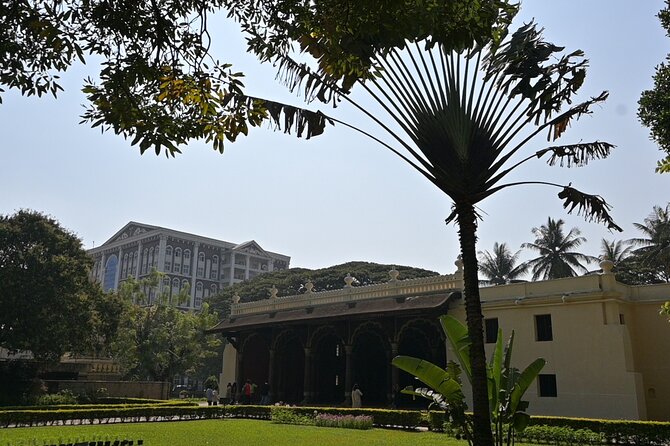
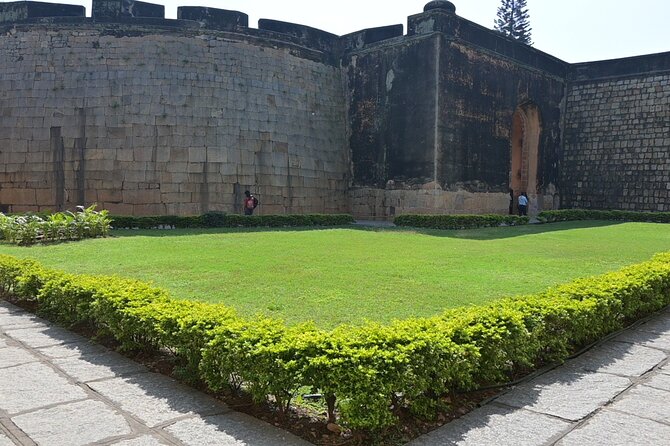
Bangalore Fort follows the temple. Kempegowda, the founder of Bengaluru, built the first fort in mud during the 16th century. Hyder Ali rebuilt it in stone in the 1760s. Only about 5 percent of the original fort remains open to visitors today.
That small surviving section can be easy to underestimate. It is not a sprawling fort experience with towers and long walls. Its value is in understanding how the city developed from a fortified settlement into a major modern center. The guide fills in the missing pieces, showing how much of the old structure has disappeared.
You spend around 30 minutes here. The site is described as well maintained, and it offers a calmer pause before the market. I would use this stop to ask questions about Kempegowda, Hyder Ali, Tipu Sultan, and the changes that turned old Bengaluru into the city you see today.
The fort is also a useful reminder that this tour is about remains and layers, not perfectly preserved monuments. If you need grand architecture at every stop, the limited surviving area may feel brief. If you enjoy putting fragments into a larger story, it works well.
A different set of gates, same trip:
- New Delhi: Akshardham Temple Tour with Water and Light Show
★ 4.8 · 313 reviews - Old Delhi Food-Spice Market-Temples Tour Soon Featured on NETFLIX
★ 5.0 · 304 reviews - Taj Mahal Sunrise with Lord Shiva Temple:- All Inclusive
★ 5.0 · 207 reviews - Old Delhi Temples and Spiritual Sites Private 6-Hour Tour
★ 4.8 · 204 reviews
KR Market, where Bengaluru moves at full speed
The most memorable part of the walk for many people is Sri Krishnarajendra Market, usually called KR Market. This is where the tour shifts from historical explanation to direct contact with the city’s working rhythm.
For about 30 minutes, you move through an environment filled with vendors, workers, porters, hawkers, buyers, bicycles, cows, and dogs. The flower market is a major highlight. The colors and smells can be extraordinary, especially when heaps of flowers and floral arrangements fill the stalls.
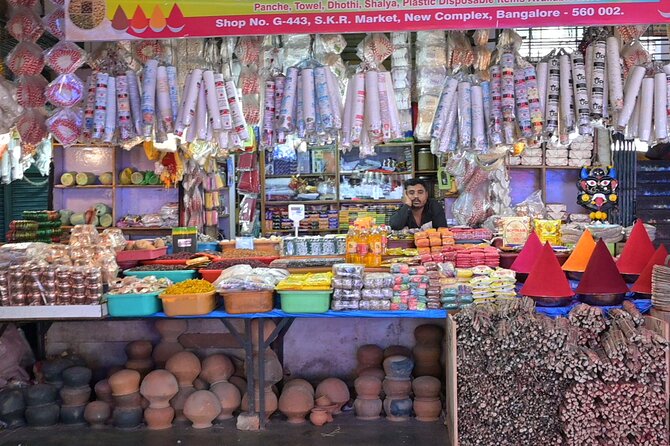
This is not a polished food hall or a calm shopping arcade. It is a working wholesale market, so expect clutter, close quarters, uneven movement, and plenty of noise. Wear comfortable shoes and keep your belongings secure. One person specifically advised carrying a mask for the flower market and fair market, a sensible precaution if strong smells, dust, or crowded conditions bother you.
I like that the guide leads you through rather than simply dropping you at the entrance. The lanes can be confusing, and it is easy to miss the most interesting corners when you are alone. Guides such as Vijay have also helped people take photographs, find the metro, and understand what they are seeing without getting in the way of business.
The market is the place to let the tour slow down mentally, even if the surroundings are fast. Watch how goods move, notice the work behind the displays, and ask about the flowers, food, and shopping practices. If you want a quiet, orderly walk, this is the hardest section. If you want to see Bengaluru as a working city rather than a set of monuments, it is the essential stop.
Shri Adinath Jain Shwetamber Mandir
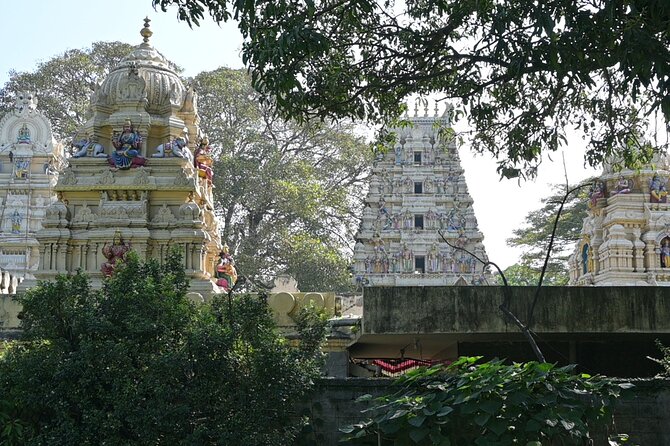
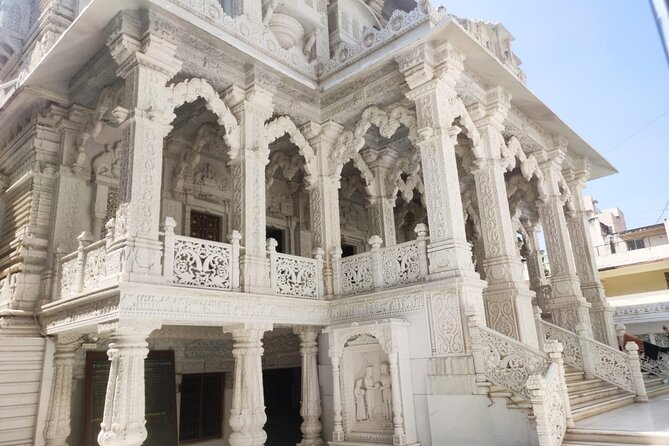
The final stop is Shri Adinath Jain Shwetamber Mandir on Chickpet Road. Jainism began in India at least 2,500 years ago and developed alongside Buddhism. Its central ideas include non-violence and vegetarian ethics, and the temple gives the tour a quieter ending after the market’s noise.
You get roughly 30 minutes here. The temple is a valuable addition because it introduces a religious tradition that many short Bengaluru tours leave out. It also changes the pace. After the palace, fort, traffic, and market, you have time to look carefully and consider how different religious communities have shaped the old city.
Cover your legs and shoulders. Women should carry a scarf, and everyone should be ready to follow temple rules. Entry is free, but working hours and seasonal changes can affect access to all religious sites on the route.
The tour ends close to Chickpet Metro Station. That is practical if you plan to continue sightseeing, return to your hotel, or explore more of the old quarter. Some guides have walked people toward the metro or helped them arrange an Uber after the tour.
Timing, heat, walking, and group size
The full experience takes about 2.5 to 3 hours, with roughly 30 minutes at each of the five stops. The route covers a lot of ground in a short period, so you should have a moderate level of fitness. You will be standing, walking through crowded streets, and pausing at places where there may be little shade.
I would choose the morning departure if you have a choice. One group found the early timing cooler and less crowded. A morning start may also improve your chances of entering the Hindu temple, though opening hours can change.
An afternoon walk can still work well, especially if you want to see KR Market in full motion. Just allow for more heat, more fatigue, and the possibility that Kote Venkataramana Temple will be closed. The tour provider may offer hotel pickup and return for an additional fee if you prefer not to manage the start and finish yourself.
French, Italian, and German-speaking guides may be available, but they are subject to availability. English-language guides named in past bookings include Vijay Kumar, Raghu, Vanaja, Vasuki, Varun, Ramesh, Govinda, Phaneesh, and Ramakrishna Aithal. The exact guide is not guaranteed, but the repeated strength of the guiding is a major reason to book this walk rather than attempt the same route alone.
What the guides add to the experience
The best guide for this route does more than recite dates. You need someone who can explain temple customs, keep the group together in the market, answer unexpected questions, and help with practical details after the official walk ends.
Vijay is especially useful if you want help beyond the monuments. He has helped people use the metro, find a safe place to order a car, and get advice on lunch. Other guides have paused when someone became unwell, offered tea or coffee, taken photographs, and adjusted the pace.
That personal attention matters because the route crosses several different settings. A palace needs historical context. A Hindu temple needs respectful interpretation. A Jain shrine needs an explanation of its beliefs. KR Market needs local navigation and a sense of when to stop, watch, and move on.
You should also feel free to ask about silk, souvenirs, and other Bengaluru shopping. The provider specifically offers help with those questions after the walk. That can save you from buying the first attractive item you see in a tourist-facing shop.
Who should book this walk
This tour suits you if you have limited time and want a first look at Bengaluru’s old center. It is also a good choice if you are visiting India for the first time and want several different experiences in one outing: palace, temple, fort, market, and Jain shrine.
Solo women may appreciate the company and route guidance. One solo participant felt safe throughout and received help getting to a place where she could order a car. Families with older children may also enjoy the market and colorful flower stalls, provided everyone is comfortable with noise, crowds, and walking.
You may want a different plan if you dislike busy streets, need guaranteed temple access, or want a slow architectural tour. The walk moves at a useful pace, but it cannot offer long, quiet visits at every location. It is a sampler with strong local context, not a private deep study of one monument.
Should you book the Bengaluru Pété Walk?
Book it if you want to feel how old Bengaluru works today, not just photograph its surviving buildings. The palace, fort, and temples give you history, but KR Market supplies the pulse, color, smell, and human activity that make the route memorable.
Choose a morning departure when possible, dress for temple visits, bring water and a scarf, and wear shoes suited to several hours on foot. At $33.55, the walk is good value for a short introduction, especially with entry fees included and a small group capped at 10.
I would skip it only if you need a quiet, highly predictable outing. For everyone else, this is one of the better ways to get your bearings in central Bengaluru and leave with practical ideas for food, shopping, transport, and further sightseeing.
FAQ
How long does the Bengaluru Pété Walk last?
The walk lasts approximately 2.5 to 3 hours. Each of the five main stops is planned for about 30 minutes.
Where does the tour begin and end?
It begins at Tipu Sultan’s Summer Palace, 42 Tippu Sultan Palace Road, Bengaluru. It ends at Shri Adinath Jain Shwetamber Mandir on Chickpet Road, close to Chickpet Metro Station.
What is included in the price?
Entry fees to all monuments are included. Lunch, transport, and tips for the guide are not included.
What should I wear for the temples?
Your legs and shoulders should be covered. Women should carry a scarf, and an extra pair of socks may be useful.
Is the tour suitable for people with limited mobility?
The tour requires a moderate level of physical fitness. It includes walking through crowded market streets and visiting several sites over roughly three hours.
Can the tour include hotel transport?
You should provide your Bengaluru hotel details when booking. Hotel transport to and from the walk may be available for a small additional fee.
More temple and market days in India
- Seoul: Palace, Temple and Market Guided Foodie Tour at Night
★ 4.9 · 750 reviews - Chiang Mai: Elephants, Sticky Waterfalls, Market and Temple
★ 4.9 · 227 reviews - Bangkok: Night Bike Tour with Temples & Flower Market Visit
★ 5.0 · 223 reviews - Chiang Mai Temples and Market Tuk-Tuk Evening Night Tour
★ 4.5 · 201 reviews
More Market Visits in India
- Bangkok: City Highlights Temple and Market Walking Tour
★ 4.5 · 3,990 reviews - Mini Group Xian Day Tour to Terracotta Army, City Wall, Pagoda and Muslim Bazaar
★ 5.0 · 1,320 reviews - Bangkok: Railway and Floating Market Tour with Dragon Temple
★ 4.6 · 1,225 reviews - Bangkok: Night Bike Tour with Temples & Flower Market Visit
★ 4.8 · 751 reviews
Newly written up around India
- Varanasi in a Day Ancient Temples Sarnath and Ghats★ 5.0 · 17 reviews
- Hidden Corners of Varanasi Secret Alleys Temples and Traditions★ 5.0 · 9 reviews
- Akshardham Temple Tour Exhibition, Light & Water Show with Transfers★ 4.5 · 29 reviews
- Transfer from Jodhpur to Udaipur via Jain Temple in Ranakpur★ 4.6 · 28 reviews
- Private Transfer From Jodhpur To Udaipur Via Ranakpur Jain Temple★ 4.5 · 35 reviews
- Private Transfer From Udaipur To Jodhpur Via Jain Temple & Kumbhalgarh Fort★ 4.5 · 63 reviews
- Kunjapuri Temple Sunrise Trek With Professional Guide★ 5.0 · 13 reviews
- Private Guided Trek to Kunjapuri Temple & Waterfall at Sunrise★ 5.0 · 14 reviews
Temple Walking Tours, compared.
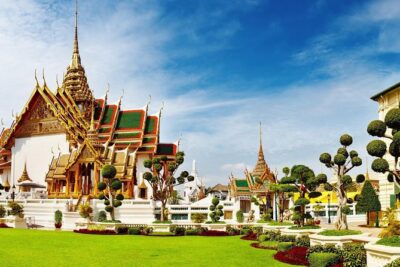
City Highlights Temple and Market Walking Tour
Read our review →
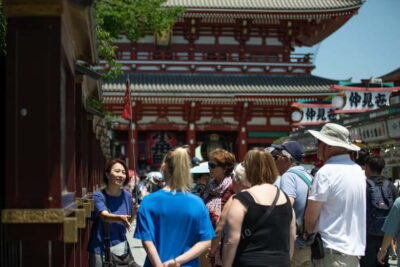
Asakusa Walking Tour with Sensoji Temple Visit
Read our review →
3 Hour Old City and Temples Guided Walking Tour
Read our review →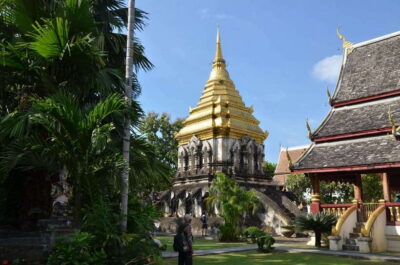
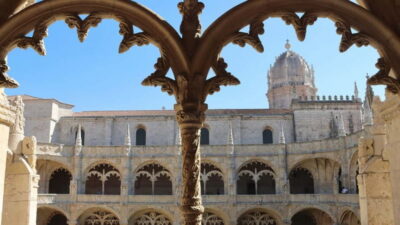
Belém Walking Tour with Jerónimos Monastery Ticket
Read our review →
Asakusa Senso-ji Temple and Old Tokyo Walking Tour
Read our review →Belem Walking Tour with Jeronimos Monastery Ticket
Read our review →Browse the lists this tour appears in