
Reviewed · MEIJI SHRINE & SENSO-JI TOURS
Asakusa Senso-ji Temple and Old Tokyo Walking Tour
Senso-ji is easy to reach but not always easy to understand. The temple grounds, shopping lanes, shrine customs, and crowds can blur together on a first visit. This small-group walk gives you a clear path through Asakusa, with stories and simple guidance that help the neighborhood make sense.
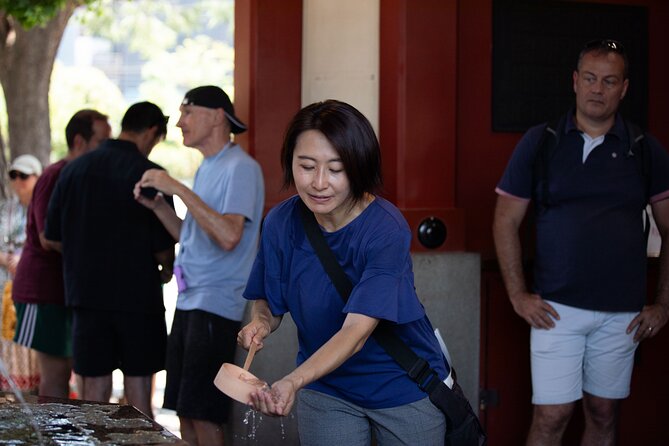
I like the maximum group size of 12, which should make it easier to hear the guide and ask questions. I also like the practical focus: you learn how to purify yourself, pray at Buddhist and Shinto sites, handle temple fortunes, and choose food or souvenirs in the surrounding streets.
The main consideration is time. Two hours goes quickly in Asakusa, and the tour does not include food or drinks. You will get advice about local snacks and izakayas, but you will need to return on your own if you want a proper meal or more shopping time.
Key points to know before booking
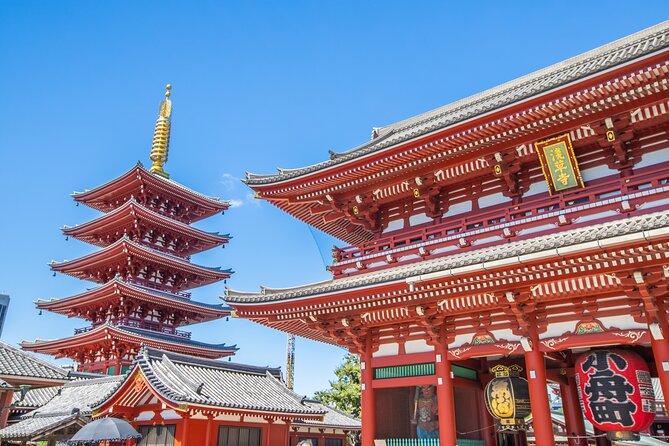
- Senso-ji with useful context: Learn why the temple matters instead of simply taking photos at the gate.
- Two religious traditions in one walk: Compare Buddhist customs at Senso-ji with Shinto practices at Asakusa Shrine.
- Small group, personal attention: The tour accepts no more than 12 people, making questions and photos easier.
- A practical ending: Finish near Azuma Bridge, with views toward Tokyo Skytree and the Asahi Beer Hall.
- Food and shopping advice included: Hoppy Street, Nakamise, and Shin Nakamise add local flavor beyond the temple grounds.
- Strong value at $20: For a short introduction to one of Tokyo’s oldest districts, the price is modest.
Why this short Asakusa walk works well
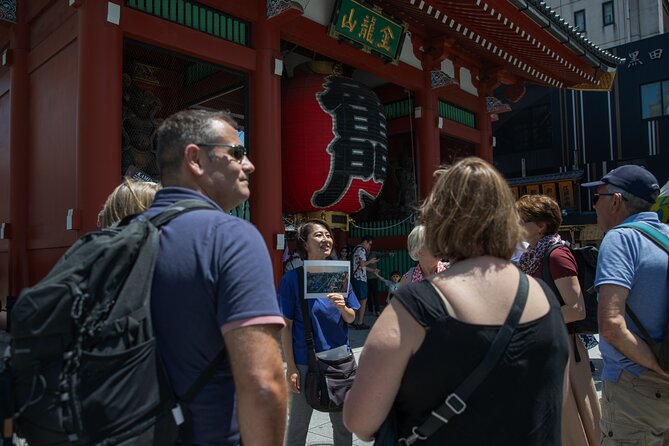
Asakusa rewards a guide because the most interesting details are easy to miss. Senso-ji is famous for its large gate and red lantern, but the surrounding area also shows how Buddhist and Shinto traditions sit side by side in Japan. A guide can explain the difference while you are standing in the right place, rather than leaving you to sort it out later from a sign or guidebook.
The route is also manageable. At about two hours, it fits neatly into a first morning in Tokyo, an afternoon between other plans, or a spare window before dinner. The walk does not try to cover all of eastern Tokyo. That is a strength. You get a focused introduction to Asakusa without spending half a day on transport.
The tour is offered in English and uses a mobile ticket. The meeting point is at Tokiwado Kaminari-okoshi Honpo, at 1-chome-3-2 Asakusa. The tour ends near Azuma Bridge, at 2-chome-1-16 Kaminarimon. Since the start is in a crowded part of Asakusa, allow time to locate your guide. The meeting area can be confusing, especially if you arrive just before the start.
The guide roster varies. Past tours have been led by Aya, Glenda, Loc, Keiko, Polina, Rio, Ayaka, Hiroko, Nana, and others. The strongest pattern is clear explanation of Japanese history, Buddhism, Shinto, and everyday customs. Aya is noted for keeping an eye on every person in the group and taking photos. Glenda is praised for speaking clearly and using visual material to explain Senso-ji. Loc and Polina are noted for strong background in Asakusa and Japanese culture.
You cannot request a specific guide based on the information provided, so book this for the format and route rather than for one named person.
More Temple Walking Tours in Japan
- Tokyo: Asakusa Walking Tour with Sensoji Temple Visit
★ 4.8 · 1,583 reviews - Tokyo: Meiji Shrine Walking Tour — Shinto & Imperial System
★ 4.9 · 266 reviews - Tokyo: Meiji Jingu Shrine and Shinto Culture Walking Tour
★ 5.0 · 245 reviews
Nakamise and Kaminarimon: your first look at old Asakusa
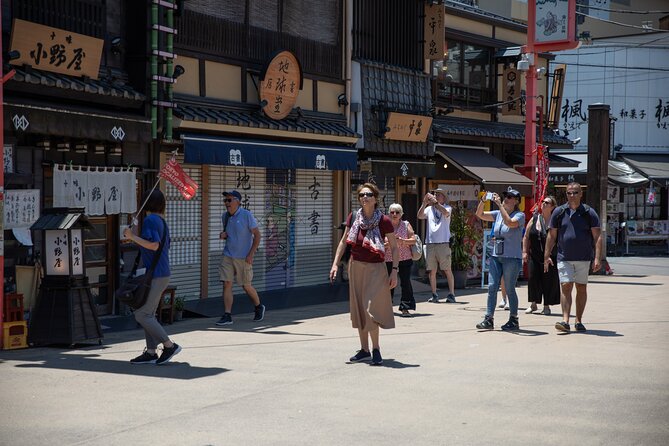
The walk begins around Kaminarimon and Nakamise Shopping Street. Nakamise leads toward Senso-ji and is lined with stalls selling snacks, small gifts, and traditional items. The stop is listed at about 10 minutes, so think of it as an orientation rather than a full shopping session.
This is a useful place to learn how to read Asakusa. The street is not simply a row of souvenir shops. It is the approach to a major temple, and its position helps explain why the area has long been tied to worship, commerce, and public life. Your guide can point out what is worth noticing before you return later at your own pace.
The drawback is crowding. Nakamise can be packed, and the route is not suited to slow browsing while the group is moving. If you see a snack or gift you want, make a mental note and come back after the tour. You will have more room to shop without worrying about losing the group.
The meeting area itself may be the least relaxed part of the experience. One booking made at the last minute described finding the guide as slightly tricky in the crowd. Keep your phone charged, use the mobile ticket, and arrive early enough to look around without rushing.
Senso-ji Temple: the heart of the tour
The main stop is Senso-ji, with about 30 minutes set aside for the temple. This is where the tour earns most of its price. The guide explains the temple’s place in Asakusa and gives you a way to connect the buildings, rituals, and surrounding streets.
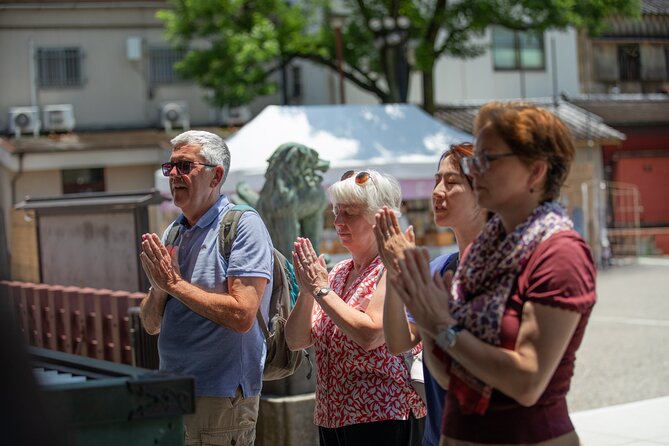
You can expect more than a quick photo stop. The tour covers how to purify yourself, how to pray, and how to use temple fortunes. The guide also explains the religious setting, giving you basic distinctions between Buddhism and Shinto. That foundation is useful for the rest of a Japan trip, especially if you plan to visit other temples and shrines in Kyoto, Nara, or Tokyo.
I especially like the emphasis on how to behave. Many first-time visitors worry about making a mistake at a temple or shrine. A calm explanation removes that stress and lets you take part respectfully. You are not just looking at a famous building. You are learning what people do when they arrive.
Several guides have been praised for answering questions rather than rushing through a speech. Glenda, for example, has used a binder with pictures to explain the temple and related history. Other guides have helped with photos and paused so people could look around. Those details matter in a place as crowded as Senso-ji, where it is easy to feel hurried.
One limitation is that 30 minutes is not enough for every corner of the temple grounds. If Senso-ji is a major reason for your Tokyo visit, plan to return after the tour. The guided portion gives you context; the second visit gives you time for photos, people-watching, and a slower look.
Asakusa Shrine: seeing Buddhist and Shinto customs together
Next comes Asakusa Shrine, also called Sanja-sama, with about 15 minutes scheduled. It sits beside Senso-ji and is dedicated to the three men connected with the temple’s founding.
This short stop is important because it gives the tour a clear religious comparison. Senso-ji is Buddhist, while Asakusa Shrine is Shinto. Seeing both in the same small area makes the difference easier to grasp than a general explanation in a book.
Your guide may walk you through shrine customs and explain how to approach the site. The emphasis is not on memorizing rules. It is on understanding why people bow, purify themselves, pray, or draw a fortune. That practical information is one of the tour’s best features for a first visit to Japan.
The timing is brief, so do not expect an extended shrine study. Still, the stop balances the temple visit and keeps the walk from becoming a single-site tour. It also gives you a quieter contrast to the heavy foot traffic around Nakamise.
More Meiji Shrine and Senso-ji Tours in Japan:
- Tokyo Panoramic 1 Day: Meiji Shrine, Asakusa, Odaiba and SKYTREE®
★ 4.5 · 1,222 reviews - Tokyo: Asakusa and Tokyo’s Oldest Temple Senso-ji Tour
★ 4.9 · 352 reviews - Tokyo: Meiji Shrine and Shinto Culture Walking Tour
★ 5.0 · 225 reviews - Tokyo: Meiji Shrine Walking Tour — Shintoism & Imperial System
★ 5.0 · 209 reviews
Hoppy Street and Shin Nakamise: the everyday side of Asakusa
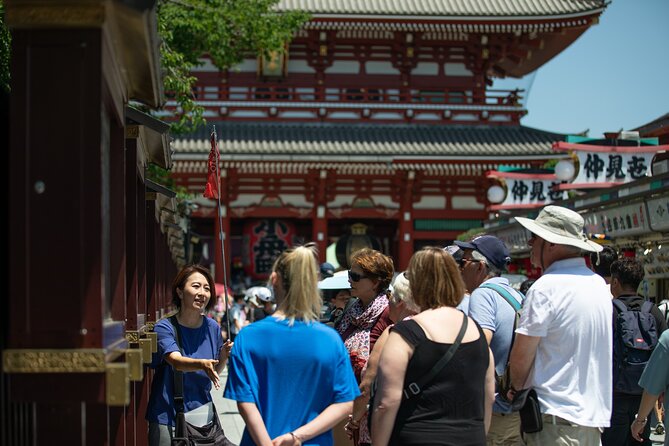
Hoppy Street offers a change of mood. The area is known for izakayas and the Hoppy drink, a non-alcoholic beer-flavored beverage. The stop is listed at about 10 minutes, so you will see the character of the street and learn what makes it popular, but you will not receive a full food tour.
This is where the route feels less formal. Instead of grand gates and ritual spaces, you get a look at casual dining and local evening life. A guide can tell you where to return for food, which is valuable because the area can feel confusing when you first walk through it.
Shin Nakamise adds another layer. It extends the shopping area with more modern shops and boutiques. Together, Nakamise and Shin Nakamise show two sides of Asakusa: traditional goods and a more contemporary retail strip.
The tour does not include tastings, meals, or drinks. That is worth noting if you expect a food experience. Guides such as Aya have offered useful suggestions for snacks and dinner, and one guide helped a solo visitor choose local food to try. But you pay for anything you eat, and you may prefer to return after the walk when you are not watching the clock.
I would leave part of your schedule open after the tour. That gives you time to try a recommended snack, browse a shop, or return to Hoppy Street. The advice is more useful when you have time to act on it.
Azuma Bridge: a practical finish with city views
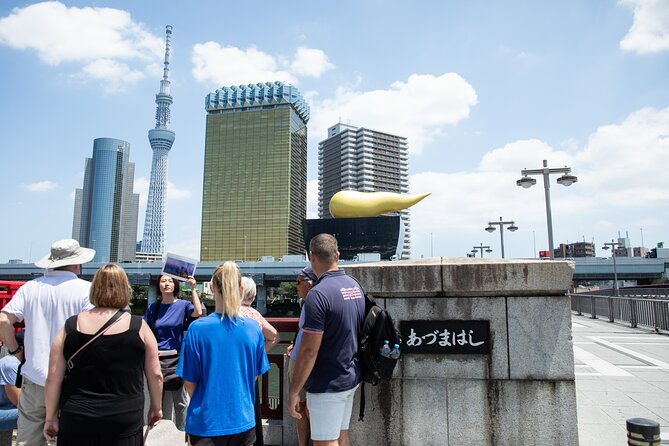
The tour ends near Azuma Bridge after a stop of about 10 minutes. The bridge crosses the Sumida River and links Asakusa with Kuramae. From here, you can look toward Tokyo Skytree and the distinctive Asahi Beer Hall building.
This is a good finishing point because it gives you a broader view after the dense temple streets. You have moved from a gate, through a shopping lane, past shrines and pubs, and finally out toward the river. The ending also leaves you in a useful area for continuing your day.
Do not expect a long photo session at the bridge. The schedule remains tight, and weather or crowds can affect how long the group stays. Still, it is a worthwhile final stop, especially if you want a city view that is different from the temple approach.
Since the walk ends away from the starting point, pay attention to the location. That is not a problem, but it helps to know that you will finish near Azuma Bridge rather than return to Kaminarimon.
What $20 gets you in practical terms
At $20 per person, this is an inexpensive guided introduction to Asakusa. You are paying for an English-speaking local guide, a small group of up to 12 people, cultural explanations, and help with customs that are difficult to understand from signs alone.
The value is strongest if you are visiting Tokyo for the first time. A guide can help you avoid wasting time, locate the main sights, and understand the difference between a Buddhist temple and a Shinto shrine. The advice on food and shopping adds value, even though purchases are not included.
The price is less compelling if you already know Asakusa well or prefer to explore without a schedule. The major sites are free to enter, and you can walk between them on your own. In that case, the tour’s value depends on how much you want interpretation and questions answered.
A 4.8 rating from 561 reviews, with 96 percent recommending the experience, suggests a strong record. The most consistently praised qualities are guide friendliness, clear English, explanations of rituals, historical background, and practical local tips. The occasional concern is not about the sights themselves. It is the crowded meeting area and the limited time for food or independent browsing.
Who should book this Asakusa experience?
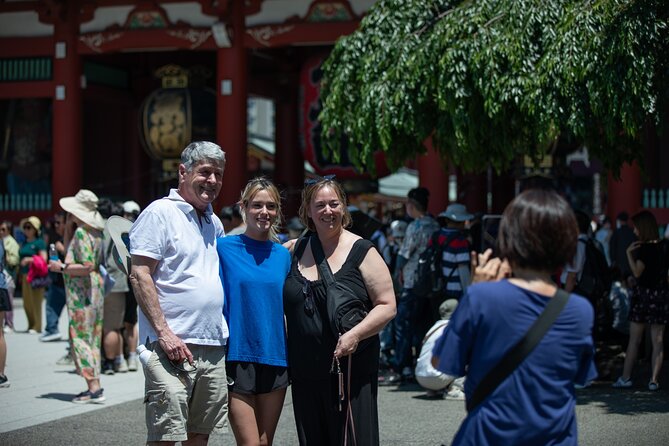
I would choose this tour for a first morning in Tokyo, particularly if Senso-ji is high on your list but you do not yet understand temple and shrine etiquette. It also suits solo visitors, couples, and small families who want a little company without joining a huge group.
It is a good fit if you value questions and conversation. The small group gives you a better chance to ask about customs, history, shopping, or food. Guides have also helped take photos, which can be useful when you are traveling alone or as a pair.
You should think twice if you want a food tour, extensive shopping time, or a slow photographic visit. Food, drinks, transport, insurance, and gratuities are not included. The walk is also dependent on good weather.
The cancellation policy is straightforward: cancel at least 24 hours before the start for a full refund. Changes or cancellations inside that window are not accepted for a refund. If poor weather forces the operator to cancel, you are offered another date or a full refund.
Should you book the Asakusa walking tour?
Book it if you want a clear, low-cost introduction to Senso-ji and old Asakusa rather than a long sightseeing production. The temple, shrine, shopping streets, Hoppy Street, and river views fit together well, and the guide adds the customs and background that you could easily miss alone.
I would book it early in your Tokyo stay, then keep time afterward for food and shopping. If you already know the district or want to explore entirely at your own pace, save the $20 and walk it yourself. For most first-time visitors, though, the short route and practical explanations make this a sensible start to Tokyo.
FAQ
How long does the Asakusa walking tour last?
The tour lasts approximately two hours. Individual stops range from about 10 to 30 minutes, with time spent walking between the main sights.
What places does the tour visit?
The route includes Nakamise Shopping Street and Kaminarimon, Senso-ji Temple, Asakusa Shrine, Hoppy Street, Shin Nakamise, and Azuma Bridge.
What is the maximum group size?
The tour accepts a maximum of 12 participants.
Is the tour conducted in English?
Yes. An English-speaking local guide leads the walking tour.
Are food and drinks included?
No. Food, drinks, and personal expenses are not included. Guides may offer food and shopping recommendations, but you pay separately for anything you purchase.
Where does the tour start and finish?
The meeting point is Tokiwado Kaminari-okoshi Honpo at 1-chome-3-2 Asakusa, Taito City. The tour finishes near Azuma Bridge at 2-chome-1-16 Kaminarimon.
Can I cancel for a full refund?
Yes, if you cancel at least 24 hours before the experience start time. Cancellations or changes made less than 24 hours before the start are not refunded. If poor weather causes the tour to be canceled, you are offered another date or a full refund.
Newly written up around Japan
- Kyoto: Fushimi Inari Taisha Shrine Walking Tour with Guide★ 4.8 · 18 reviews
- Kyoto: Fushimi Inari Shrine Walking Tour★ 5.0 · 72 reviews
- Tokyo History: Sensoji Temple & Asakusa District Private Tour★ 5.0 · 28 reviews
- Tokyo Private Tour: Temples, Culture & Modern City Highlights★ 5.0 · 56 reviews
- From Tokyo: Snow Monkey Park & Zenko-ji Temple Private Tour★ 4.9 · 42 reviews
- Osaka Temple Cool Foot Bath & Matcha Experience〈45min〉★ 4.9 · 82 reviews
- Nagano/Tokyo: Snow Monkey and Zenkoji Temple Private Tour★ 4.8 · 54 reviews
- Nara: Great Buddha, Kasuga Shrine & Deer Park Tour★ 4.8 · 62 reviews
Meiji Shrine & Senso-ji Tours, compared.
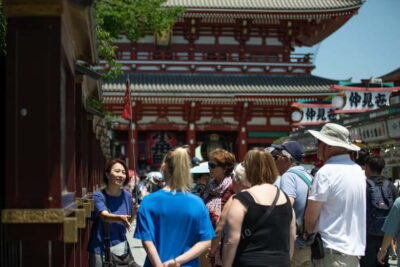
Asakusa Walking Tour with Sensoji Temple Visit
Read our review →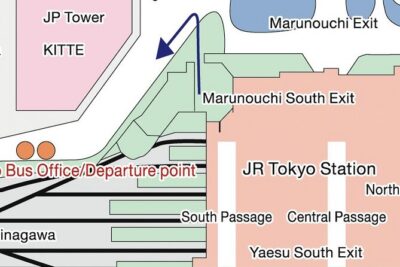
Tokyo Panoramic 1 Day: Meiji Shrine, Asakusa, Odaiba and SKYTREE®
Read our review →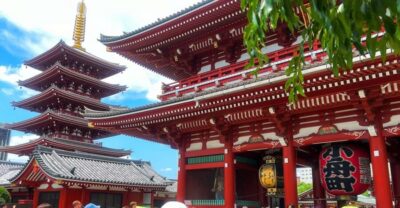
Asakusa and Tokyo’s Oldest Temple Senso-ji Tour
Read our review →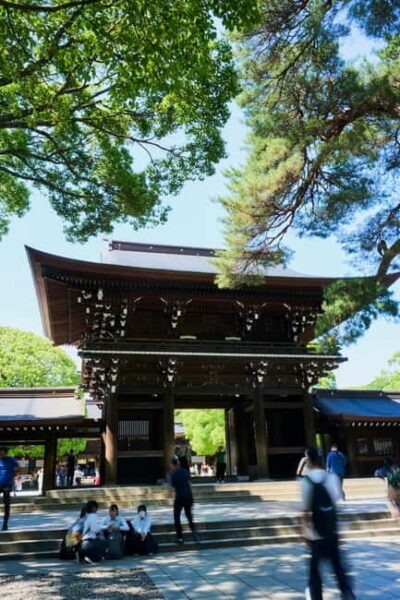
Meiji Shrine Walking Tour — Shinto & Imperial System
Read our review →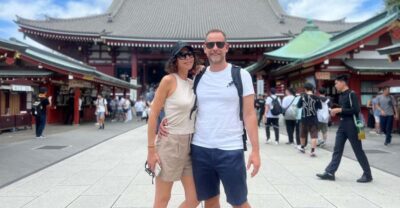
Meiji Jingu Shrine and Shinto Culture Walking Tour
Read our review →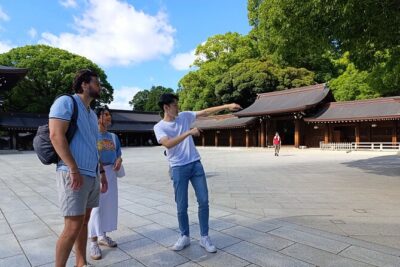
Meiji Shrine Walking Tour — Shintoism & Imperial System
Read our review →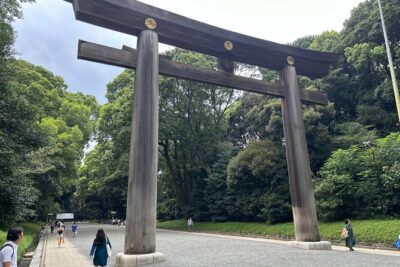
Tokyo Morning Tour: Asakusa, Meiji Shrine and Tsukiji Fish Market
Read our review →Browse the lists this tour appears in