
Reviewed · MEIJI SHRINE & SENSO-JI TOURS
Tokyo: Meiji Shrine and Shinto Culture Walking Tour
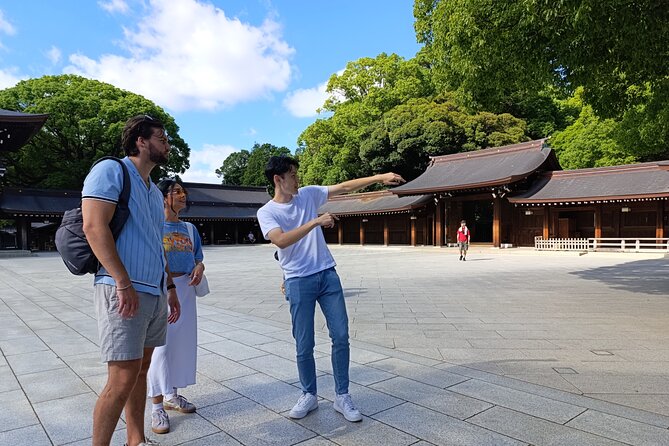
Tokyo’s Meiji Jingu is more than a quick photo stop. The shrine’s towering wooden torii and quiet forest paths create a surprising break from Harajuku, while a guide explains the Shinto customs that are easy to miss on your own. You’ll see how to enter respectfully, cleanse your hands, and approach the main shrine.
I like the small group size, capped at 15, because it leaves room for questions. I also like the clear cultural focus. Guides such as Yumi, Sara, Haydn, Matt-san, and Benjamin have been praised for explaining rituals, the Meiji Restoration, and useful ways to get around Tokyo.
The main consideration is the pace. This is a walking tour, not a quick shuttle between sights, and rain or warm weather can make the forest route less comfortable. The guide adds real value, but you’ll need to stay with the group and allow the full two hours.
Key points to know before booking
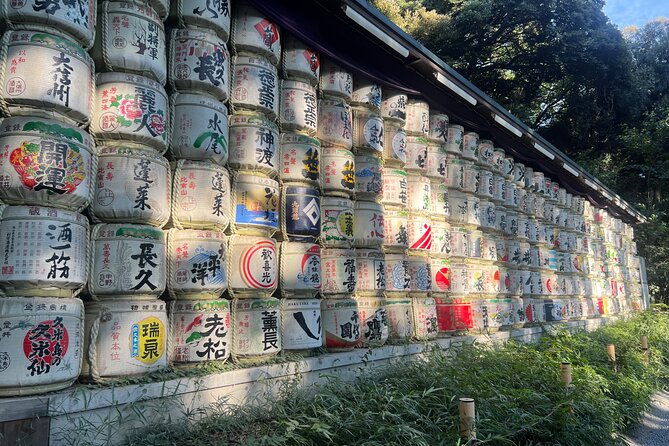
- A 12-meter torii sets the tone: The shrine’s largest wooden myojin-style gate is 17.1 meters wide and makes an impressive first sight.
- The forest is part of the experience: Meiji Jingu sits inside a 70-hectare artificial forest in one of Tokyo’s busiest districts.
- Shinto customs get explained clearly: You’ll learn about bowing, ritual cleansing, and proper shrine behavior.
- The tour costs $18 per person: Admission is included, making the guide fee modest for a focused two-hour introduction.
- The group is limited to 15 people: That is small enough for questions without the high price of a private tour.
- Several strong guides lead this experience: Yumi, Sara, Haydn, Matt-san, and Benjamin have each received praise for warmth and clear explanations.
Why Meiji Jingu works so well with a guide
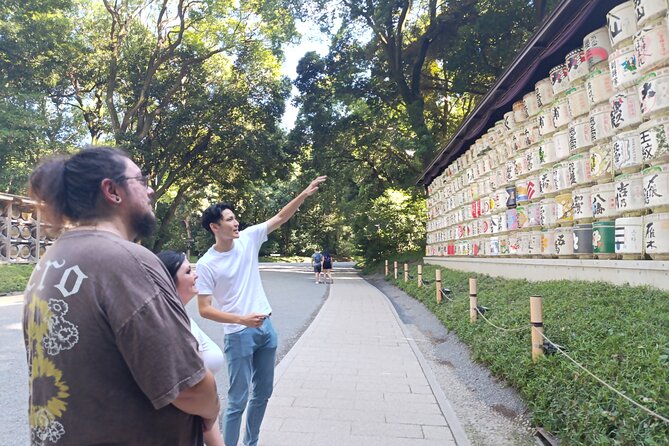
Meiji Jingu can look simple at first: a broad path, a large gate, a forest, and a shrine courtyard. The meaning is less obvious. You may notice visitors bowing at the entrance, washing their hands, or standing in front of the main shrine, but without context, these acts can seem like a sequence of rules.
A guide turns those actions into a readable part of Japanese religious life. You’ll learn what the torii represents, why people pause before entering, and how the cleansing station fits into Shinto practice. That matters because Meiji Jingu is an active place of worship, not only a historic monument.
The tour also helps separate Shinto from Buddhism. The experience centers on a shrine dedicated to the deified spirits of Emperor Meiji and Empress Shoken. Your guide can explain the customs in front of you, at the moment you see them, instead of leaving you to decode signs later.
For first-time visitors to Japan, this is useful groundwork. Once you understand the basic etiquette here, other shrines around Tokyo become easier to approach respectfully.
More Temple Walking Tours in Japan
- Tokyo: Asakusa Walking Tour with Sensoji Temple Visit
★ 4.8 · 1,583 reviews - Tokyo: Meiji Shrine Walking Tour — Shinto & Imperial System
★ 4.9 · 266 reviews - Tokyo: Meiji Jingu Shrine and Shinto Culture Walking Tour
★ 5.0 · 245 reviews
Meeting in Harajuku and entering the forest
The tour begins at the Starbucks Coffee at With Harajuku, 1-chome 14-30 Jingumae, Shibuya. This is a practical meeting point near public transportation and close to the Harajuku side of Meiji Jingu.
Give yourself enough time to find the exact Starbucks rather than simply heading toward the shrine. With Harajuku is a named commercial complex, and the meeting point is not described as one of the shrine gates. A mobile ticket is provided, so keep your booking available on your phone.
From the meeting point, the walk leads toward Meiji Jingu. The change in atmosphere is one of the tour’s best features. Harajuku is known for busy streets and youthful shopping, while the shrine grounds quickly become wooded and quiet. The contrast makes the visit more memorable than arriving at an isolated religious site with no sense of its place in the city.
You’ll spend much of the time on foot. The tour lasts about two hours, so comfortable shoes are sensible. The route is not presented as a difficult hike, and most people can take part, but you should still expect steady walking through the grounds.
The giant torii and the first lesson in shrine etiquette
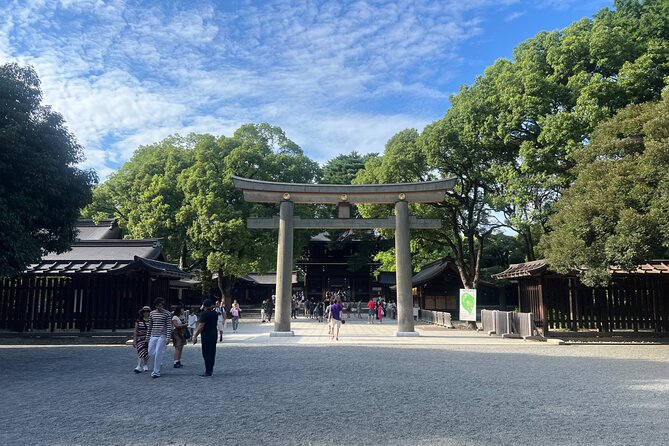
One of the first major sights is Meiji Jingu’s enormous wooden torii. It is described as the largest wooden torii of its myojin style in Japan, measuring 12 meters high and 17.1 meters wide.
Numbers help here, but the gate is best understood in person. Its height changes your sense of scale before you even reach the shrine proper. It also marks a shift from ordinary city space into a sacred area.
Your guide can show you how to approach the gate respectfully. This includes the custom of bowing before entering and again when leaving. Such gestures are easy to overlook if you are focused on taking photographs, yet they are among the most useful details in the tour.
This is also a good point to ask questions. Shinto etiquette can seem formal, but the guide’s job is to explain what the actions mean rather than simply tell you to copy them. The best guides on this experience have been described as friendly, patient, and interactive, which helps make the subject accessible for families and first-time visitors.
A 70-hectare forest in central Tokyo
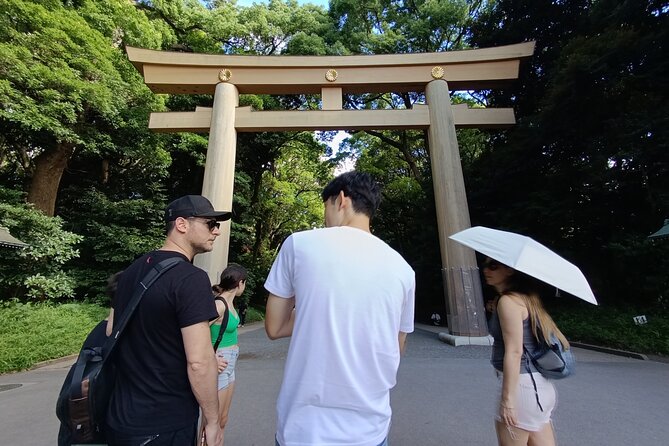
Meiji Jingu occupies a massive artificial forest of about 70 hectares. That fact gives the walk its unusual character. You are still in central Tokyo, but the shrine grounds feel separated from the city by trees and distance.
The forest is not just decoration around the shrine. It shapes the whole experience. The long approach slows you down and gives your guide time to discuss the site, the imperial connection, and the role of nature in Shinto practice.
The path can also be the most comfortable part of the tour during hot weather, since the trees provide shade. Rain is a different matter. One guide, Matt-san, was specifically praised for thoughtful explanations and kind guidance during a rainy visit, but you should still bring suitable protection if the forecast is wet.
You may want to allow extra time after the tour to enjoy the grounds at your own pace. The formal activity returns to the meeting point, so the guided portion does not end at a different Tokyo neighborhood. That makes planning easy, but it also means you should decide in advance if you want to continue exploring Harajuku afterward.
More Temple Walking Tours in Tokyo
- Tokyo: Meiji Shrine Walking Tour — Shintoism & Imperial System
★ 5.0 · 209 reviews
Understanding Emperor Meiji and Empress Shoken
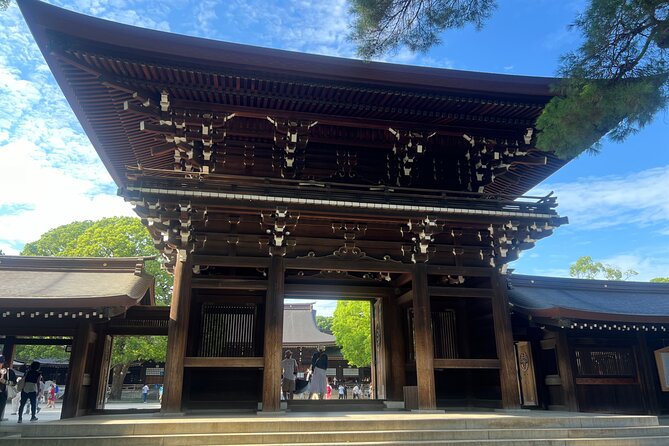
Meiji Jingu was established in 1920 and is dedicated to Emperor Meiji and Empress Shoken. Their place in modern Japanese history gives the shrine a focus beyond ritual.
Emperor Meiji is closely tied to the Meiji Restoration and the period when Japan changed rapidly from a feudal society into a modern state. The tour uses the shrine as an entry point into that story. A guide can connect the person commemorated here with the wider changes that shaped Japan.
You should not expect a full political history course in two hours. The value is more practical: you gain enough context to understand why this shrine matters and why it occupies such an important place in Tokyo’s public memory.
The strongest guiding style appears to combine history with conversation. Sara has been praised for making the tour interactive, while Haydn was noted for explaining the Meiji Shrine and Shinto culture in detail. Yumi has also been praised for offering useful Tokyo tips along with shrine information. These details suggest that the experience can be helpful beyond the gates themselves, especially if this is one of your first Tokyo activities.
The main shrine and Shinto rituals
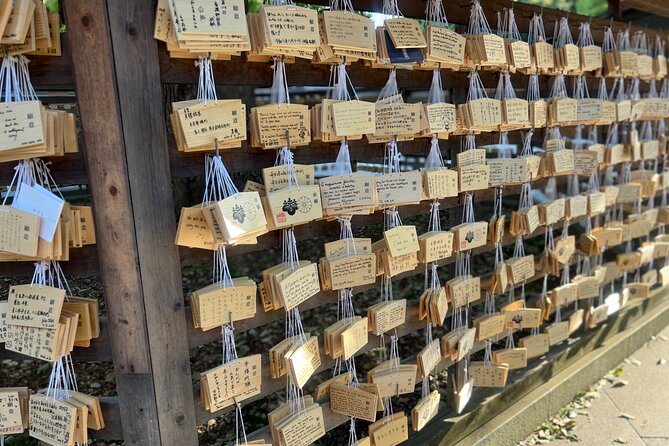
The central shrine area is where the religious customs become most visible. Your guide explains how to clean your hands and mouth at the purification station, how to approach the shrine, and what visitors are doing when they pray.
The exact acts matter less than understanding the attitude behind them. Shinto practice places importance on cleanliness, respect, and the boundary between ordinary and sacred space. You do not need prior religious knowledge to follow along, and the guide can help you avoid treating the shrine like a simple photo backdrop.
This is one of the clearest reasons to choose the tour instead of walking through Meiji Jingu alone. Without explanation, you might see the cleansing ritual as a tourist custom. With explanation, you recognize it as part of the way people prepare themselves before prayer.
The main shrine is also the point where the tour’s pace may feel most controlled. The guide needs to explain the customs while allowing space for worship. Keep your voice low, follow instructions, and take photographs only where appropriate. The experience is designed to help you understand the site, not interrupt it.
What the small group changes
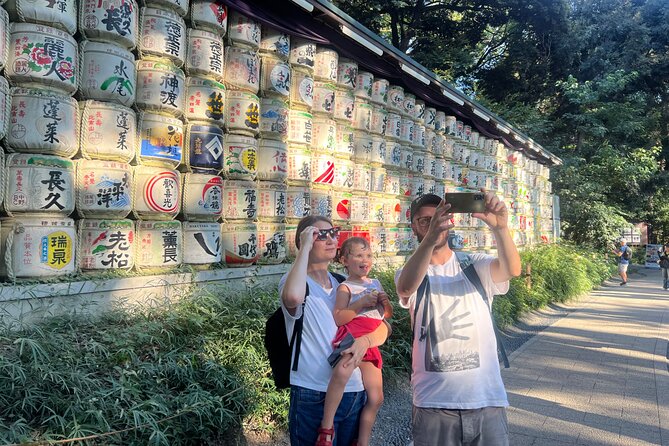
The maximum group size is 15 people. That is not a private tour, but it is small enough to keep the guide within conversational range.
A larger group can make a shrine walk feel like a moving lecture. Here, you have a better chance to hear explanations along the forest route and ask about unfamiliar details. The group size also matters if you are visiting with family. One family of four found the guide, Sara, fun and interactive during a June visit, which suggests the format can work well for different ages.
Still, small group does not mean completely flexible. You follow a set route and share the guide’s attention with other people. If you want to spend ten minutes photographing one gate or move at your own pace, a self-guided visit may suit you better.
The group limit is best for people who want structure without paying private-tour rates. At $18 per person, the price is modest for a guided cultural walk with admission included.
Is $18 good value?
At $18, this is one of the easier Tokyo activities to justify if you want cultural context. You are paying for about two hours of guiding, historical explanation, help with shrine etiquette, and admission to Meiji Jingu. Tips are not included.
The value depends on your interests. If you already know Shinto customs and have read about Emperor Meiji, you may prefer to visit alone. The shrine grounds are accessible enough for independent exploration, and you can take as much time as you want without a fixed schedule.
For a first visit, the guide fee is more appealing. You get help interpreting what you see, and the small group leaves room for questions. The tour can also prevent a common Tokyo problem: visiting a famous site, taking a few pictures, and leaving without understanding why it matters.
The booking record shows strong demand, with the activity booked more than 10 times in the previous week. That does not guarantee a particular guide or departure experience, but it is a useful reminder to check availability if your Tokyo dates are fixed.
Which guide might you get?
The available information identifies several guides connected with particularly strong experiences. Yumi has been praised for clear explanations and practical Tokyo advice. Sara has been described as friendly, interactive, and effective with a family group.
Haydn has been noted for detailed explanations of Shinto culture and the shrine grounds. Matt-san received praise for guiding calmly through rain while connecting Meiji Restoration history with Emperor Meiji’s achievements. Benjamin was described as kind and especially good at explaining customs such as bowing and ritual cleansing.
You should not assume you will receive one specific guide unless your booking confirms it. The useful point is that the experience is not dependent on a single personality in the information provided. Several guides have been singled out for warmth, clarity, and cultural explanation.
Who should book this walking tour?
I would choose this tour for a first-time Tokyo visit, especially if you want more than a quick look at a famous shrine. It suits solo visitors, couples, and families who appreciate a guide but do not want to pay for a private outing.
It is also a good match if Japanese religious customs feel unfamiliar. The tour gives you a respectful way to learn by watching real practices at an active shrine. You can then use that understanding at other Shinto sites in Japan.
The tour is less suitable if you dislike fixed walking routes or want a quiet visit without conversation. It may also be less appealing for anyone with limited tolerance for rain, heat, or extended time on foot. The activity is about two hours and ends back at the starting point, so you cannot treat it as a quick one-way stop on the way to another attraction.
Free cancellation is available up to 24 hours before the start time. Changes or cancellations made less than 24 hours before the experience are not accepted for a refund, and the cut-off uses Tokyo local time.
Should you book Meiji Jingu with a guide?
I would book it if you want to understand what you are seeing rather than simply pass through the gates. The $18 price, included admission, modest group size, and clear focus on Shinto practice make this a sensible introduction to one of Tokyo’s most important shrines.
Choose a self-guided visit if you already know the customs or want complete freedom to linger. Choose this tour if you want someone to explain the bowing, purification, symbolism, and connection to Emperor Meiji while the details are right in front of you.
The best reason to book is simple: Meiji Jingu looks impressive on its own, but the guide helps you read the place.
FAQ
How long does the Meiji Shrine and Shinto Culture Walking Tour last?
The tour lasts approximately two hours.
How much does the tour cost?
The listed price is $18 per person.
Is admission to Meiji Jingu included?
Yes. An admission ticket is included.
Where does the tour begin?
The meeting point is Starbucks Coffee at With Harajuku, 1-chome 14-30 Jingumae, Shibuya, Tokyo 150-0001.
Where does the tour end?
The activity ends back at the meeting point.
How large is the tour group?
The maximum group size is 15 people.
Is a mobile ticket available?
Yes. The experience includes a mobile ticket.
Are tips included?
No. Tips are not included.
Can I cancel for a full refund?
Yes, if you cancel at least 24 hours before the experience start time. Cancellations made less than 24 hours before the start time are not refunded.
More Meiji Shrine and Senso-ji Tours in Tokyo
- Tokyo Panoramic 1 Day: Meiji Shrine, Asakusa, Odaiba and SKYTREE®
★ 4.5 · 1,222 reviews - Tokyo: Asakusa and Tokyo’s Oldest Temple Senso-ji Tour
★ 4.9 · 352 reviews - Tokyo Morning Tour: Asakusa, Meiji Shrine and Tsukiji Fish Market
★ 5.0 · 128 reviews - Tokyo History: Sensoji Temple & Asakusa District Private Tour
★ 5.0 · 28 reviews
Newly written up around Tokyo
- Tokyo History: Sensoji Temple & Asakusa District Private Tour★ 5.0 · 28 reviews
- Tokyo Private Tour: Temples, Culture & Modern City Highlights★ 5.0 · 56 reviews
- From Tokyo: Snow Monkey Park & Zenko-ji Temple Private Tour★ 4.9 · 42 reviews
- From Tokyo: Nikko Toshogu Shrine and Kegon Waterfall Tour★ 4.0 · 42 reviews
- Tokyo: Snow Monkey Park and Zenkoji Temple Private Day Tour★ 4.7 · 127 reviews
- Tokyo Morning Tour: Asakusa, Meiji Shrine and Tsukiji Fish Market★ 5.0 · 128 reviews
- Tokyo Zen Meditation at Private Temple with Monk★ 5.0 · 178 reviews
- From Tokyo: Private Tour Snow Monkey Park & Zenko-ji Temple★ 4.7 · 184 reviews
Meiji Shrine & Senso-ji Tours, compared.
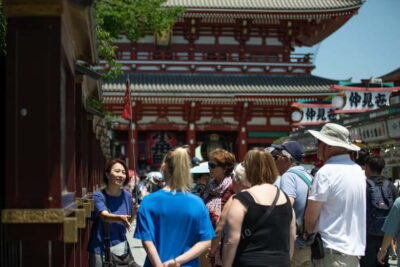
Asakusa Walking Tour with Sensoji Temple Visit
Read our review →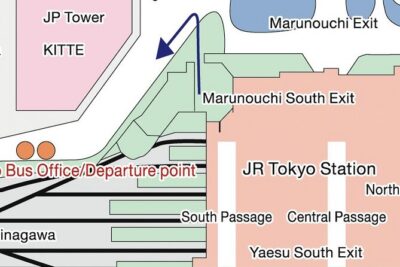
Tokyo Panoramic 1 Day: Meiji Shrine, Asakusa, Odaiba and SKYTREE®
Read our review →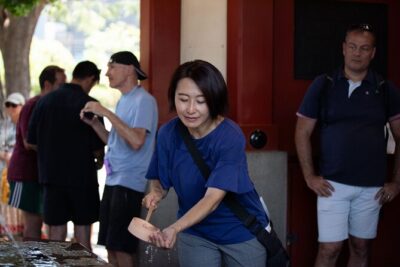
Asakusa Senso-ji Temple and Old Tokyo Walking Tour
Read our review →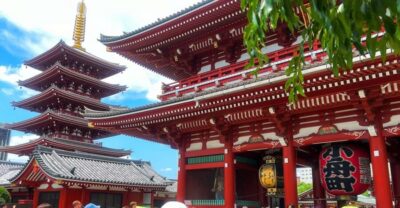
Asakusa and Tokyo’s Oldest Temple Senso-ji Tour
Read our review →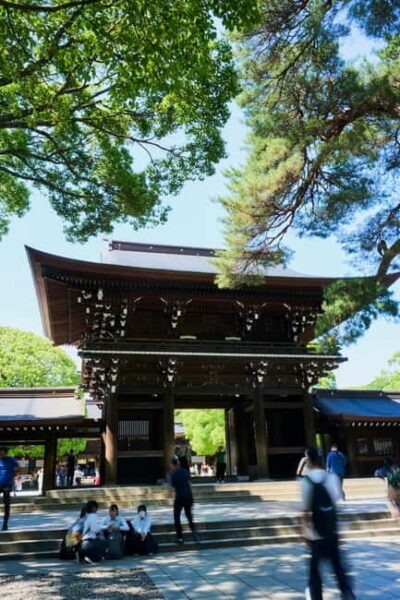
Meiji Shrine Walking Tour — Shinto & Imperial System
Read our review →
Meiji Jingu Shrine and Shinto Culture Walking Tour
Read our review →
Meiji Shrine Walking Tour — Shintoism & Imperial System
Read our review →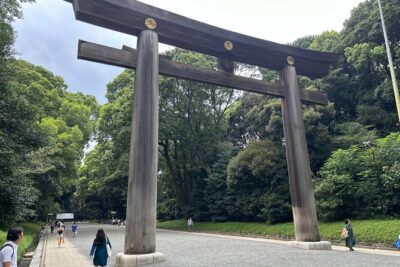
Tokyo Morning Tour: Asakusa, Meiji Shrine and Tsukiji Fish Market
Read our review →Browse the lists this tour appears in