
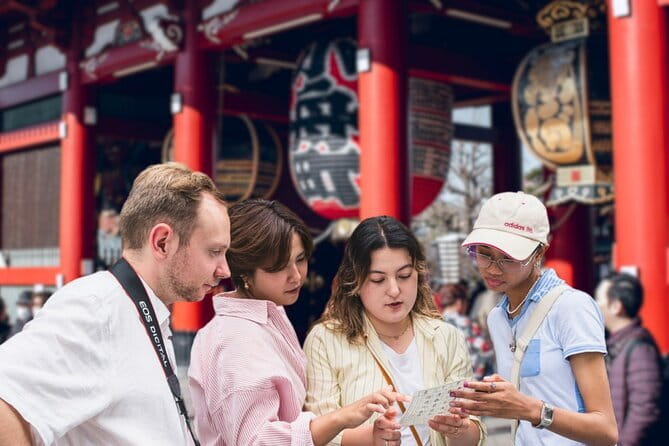
Reviewed · MEIJI SHRINE & SENSO-JI TOURS
Tokyo: Asakusa Temple & Shrine Walking Tour with Local Guide
Asakusa’s big attraction is not just Sensoji Temple. It is the way a busy old district lets you see Buddhist and Shinto customs side by side, with a guide explaining what to do instead of leaving you to copy the nearest person. I like the opening views of Tokyo Skytree and the gold Asahi building sculpture, and I like the small-group size, limited to eight people.
I also like that the tour treats rituals as part of the visit: washing your hands, drawing an omikuji fortune, using incense, and learning the correct way to pray. The main tradeoff is simple: this is a walking tour through crowded, weather-exposed streets, and it is not suitable for wheelchair users, people with mobility impairments, or those with low fitness.
Key points at a glance
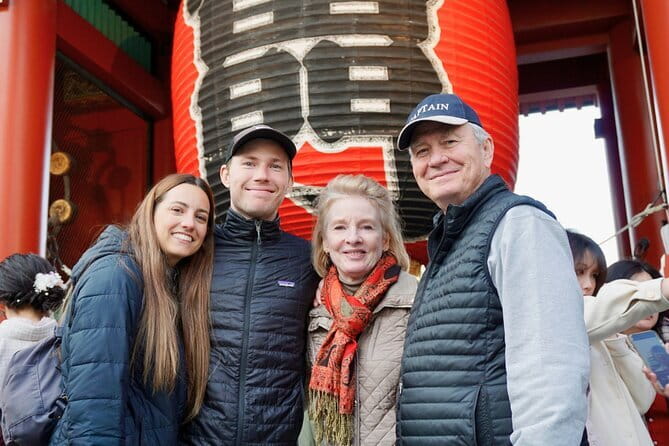
- Start with two useful city views: See Tokyo Skytree from Azuma Bridge, then look down over the Sensoji grounds from the Asakusa Culture Tourist Information Center.
- Learn the difference between two faiths: Your guide explains Buddhist customs at Sensoji and Shinto practices at Asakusa Shrine.
- Take part in simple rituals: Try temizu hand washing, incense for physical and mental healing, omikuji fortune telling, and temple prayer.
- Keep the group personal: With no more than eight people, you can ask questions and request help with translations, photos, food, or later plans.
- See more than the headline sights: Smaller temples and tucked-away sacred sites add useful context to the famous gates and shopping street.
- Plan for ordinary city conditions: Wear comfortable shoes, bring water, and dress for rain or heat because the tour runs outdoors in all weather.
Why the first ten minutes matter at Azuma Bridge
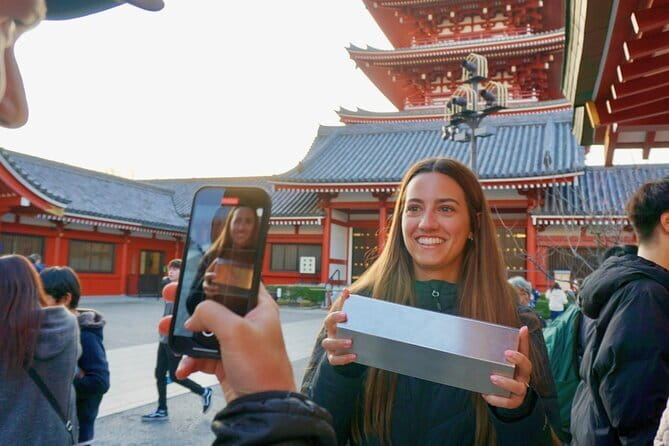
The tour begins near Burger King Asakusa Azumabashi, although your exact meeting point can depend on the option you book. From there, you walk to Azuma Bridge for a short riverside stop.
This opening view gives you a quick sense of Asakusa’s unusual mix. Tokyo Skytree rises in the distance, while the Asahi building complex supplies the famous gold sculpture locals call the golden poop. It is an amusing photo stop, but it also helps you place the neighborhood within modern Tokyo before you turn toward its older religious center.
Your guide spends about ten minutes here. That is enough time for photos and an introduction without using up the tour’s best hours. If you are carrying shopping bags or arriving straight from a train, remember that this is a walking tour from the first step.
More Temple Walking Tours in Japan
- Tokyo: Asakusa Walking Tour with Sensoji Temple Visit
★ 4.8 · 1,583 reviews - Tokyo: Meiji Shrine Walking Tour — Shinto & Imperial System
★ 4.9 · 266 reviews - Tokyo: Meiji Jingu Shrine and Shinto Culture Walking Tour
★ 5.0 · 245 reviews
The best overhead view of Sensoji
Next comes the Asakusa Culture Tourist Information Center, a modern building opposite the main temple approach. The tour uses its upper level for a view across the Sensoji area.
I consider this one of the most useful stops because the temple grounds can feel confusing at street level. From above, you can see the route through Kaminarimon Gate, Nakamise shopping street, Hozomon Gate, and the main temple area. Your guide can explain how the pieces fit together before you enter the crowd.
This is also a smart photo opportunity. Ask your guide to point out the best angle for the temple grounds and surrounding buildings. The stop lasts about fifteen minutes, so you get a clear view without turning the tour into a long photography session.
Kaminarimon Gate and its 700-kilogram lantern
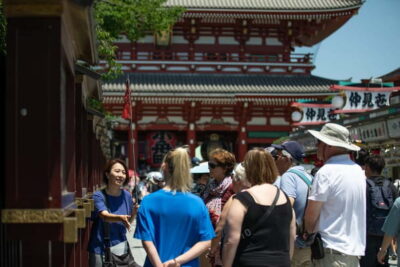
At Kaminarimon, or Thunder Gate, you meet Asakusa’s most recognizable entrance. The enormous red lantern weighs about 700 kilograms, and the guide explains the story behind its name and its role at the gateway to Sensoji.
It is easy to walk through, take a quick picture, and miss the details. A guide gives you a reason to pause. You learn what the gate represents and why it has become such a strong visual symbol of Asakusa.
The area can be packed, especially around the lantern. A small group helps, but you should still expect people moving in every direction and limited time for a clear photo. Your guide may adjust the pace or position to avoid the worst of the crowd.
Nakamise Street: snacks, souvenirs, and useful advice
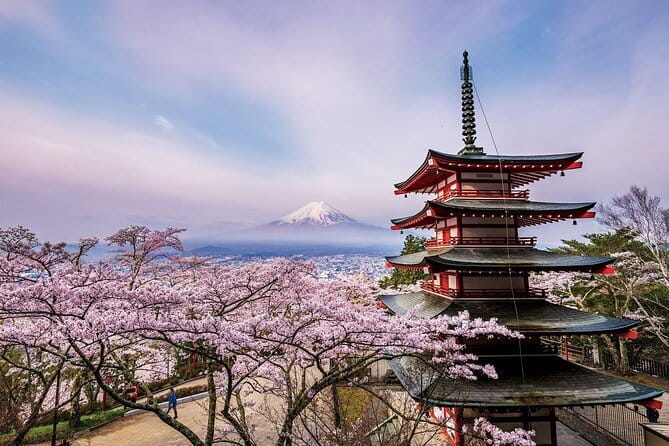
From Kaminarimon, you continue along Nakamise shopping street. This is the main commercial approach to Sensoji, lined with food stalls, sweets, souvenirs, and traditional-looking goods.
The value here is not simply having time to shop. Your guide explains the cultural meaning behind some treats and souvenirs, points out where to find good items, and can help with translation. If you are unsure what a snack is, or want to ask a shopkeeper a question, this is the moment to use the guide.
The itinerary allows about fifteen minutes on Nakamise. That is enough for a look and perhaps a small purchase, but not a serious shopping trip. Personal purchases are not included in the $30 price, so keep your wallet separate from the tour fee.
Families may enjoy this section most because the shopping street breaks up the historical explanation. Children can look at food and souvenirs while still moving toward the temple. The drawback is that the street is crowded, and browsing can quickly eat into your time.
More Temple Walking Tours in Tokyo
- Tokyo: Meiji Shrine and Shinto Culture Walking Tour
★ 5.0 · 225 reviews - Tokyo: Meiji Shrine Walking Tour — Shintoism & Imperial System
★ 5.0 · 209 reviews - Tokyo: Asakusa & Tokyo’s Oldest Temple Senso-ji Walking Tour
★ 4.6 · 21 reviews - Tokyo: Meiji Shrine Walking Tour with Local Guide
★ 4.9 · 9 reviews
Hozomon Gate and the less obvious sacred sites
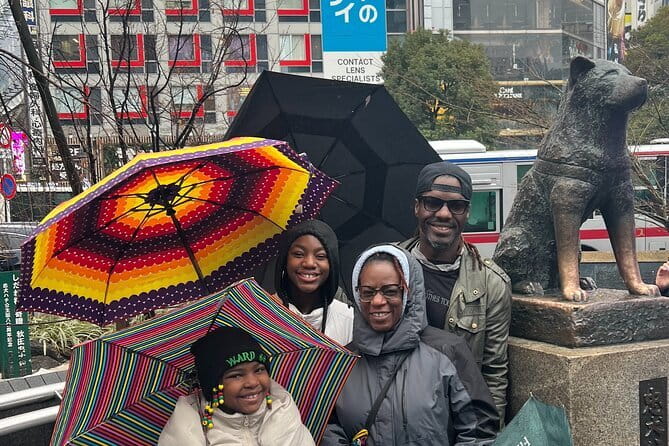
Hozomon Gate marks another major entrance to the Sensoji complex. It is larger and more imposing than Kaminarimon, and it brings you closer to the main temple hall.
The tour also includes smaller temples and shrine sites that many people pass without understanding. The supplied route does not name every one, so the exact stops may vary, but the point is clear: you are not only following the standard path from gate to temple.
These quieter corners help explain how Asakusa works as a religious district rather than a single monument. Your guide discusses the older streets, local vendors, and the way religious sites fit into daily life. If you want photos away from the main entrance, ask. Guides such as Nicolas and Erik have also helped people continue toward nearby areas after the tour, including Kappabashi Street, though that extra help is not part of the fixed two-hour route.
Sensoji Temple and the right way to pray
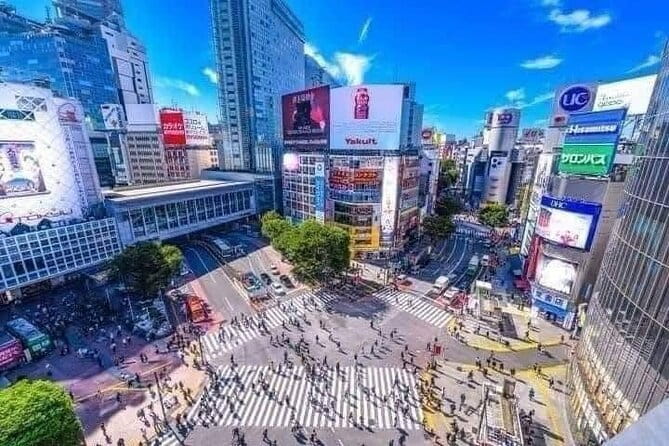
The tour spends about thirty minutes at Sensoji, the central Buddhist temple and the oldest temple in Tokyo according to the activity description. This is the longest stop, and rightly so. There is enough time to see the hall, learn the basic story of the site, and ask questions about Buddhist practice.
One practical benefit is learning how to pray correctly. Your guide explains the Buddhist process and shows you how to bow. You also learn where to walk and how to behave around the gates and sacred areas. These details matter because Japanese religious sites have customs that are easy to miss when you are on your own.
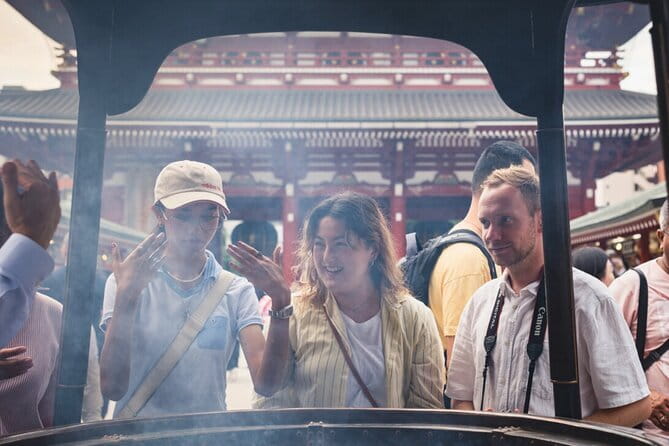
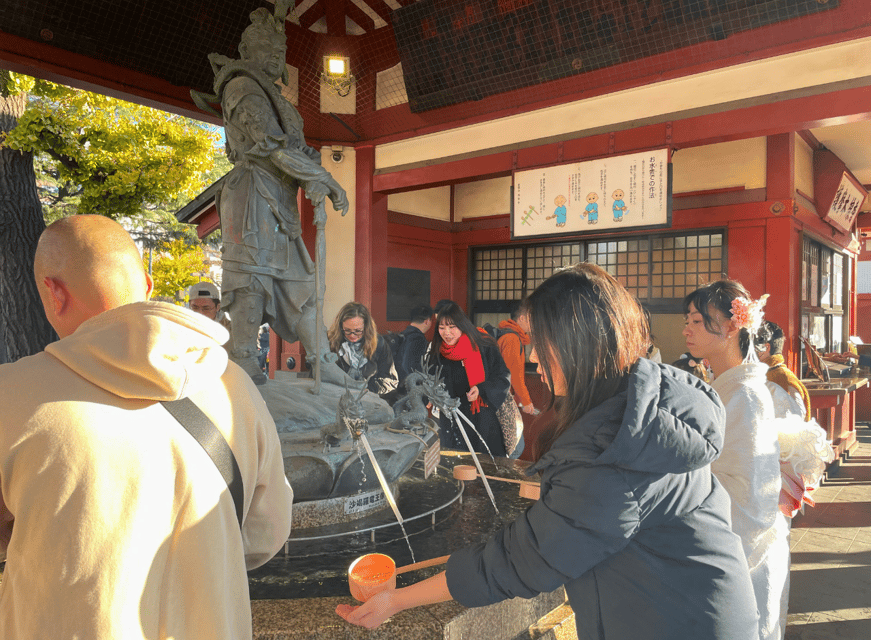
The tour encourages participation, not just observation. You may take part in temizu, the hand-washing ritual, draw an omikuji fortune, and use incense smoke in a traditional act associated with healing the body and mind. The guide explains what each action means, so it does not feel like a random sequence of motions.
Omikuji can be fun, but remember that fortune telling is a cultural practice, not a guarantee about your future. If you receive an unfavorable fortune, your guide can explain the customary response.
Asakusa Shrine and the contrast with Buddhism
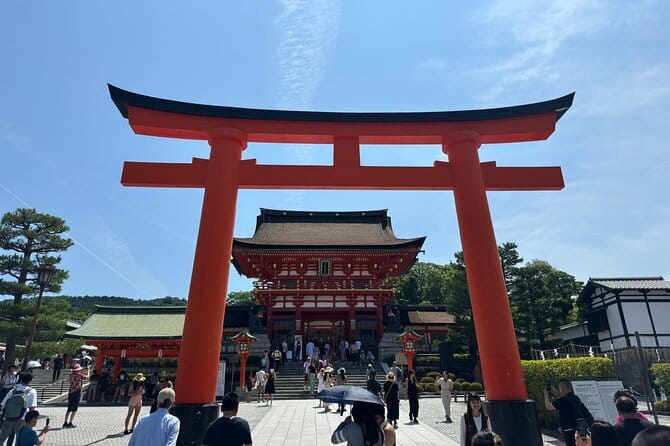
Asakusa Shrine is the next major stop, with about fifteen minutes set aside for the visit. It sits beside Sensoji but follows Shinto customs, giving you a direct comparison in just a few steps.
This is one of the strongest reasons to book the tour early in your Tokyo stay. You learn that Japan’s religious life is not neatly divided into separate boxes. At Sensoji, you follow Buddhist prayer customs. At Asakusa Shrine, your guide explains the Shinto approach, including how to bow and what to do at the torii gates.
You also learn which side to walk on and how to approach the shrine respectfully. The guide explains the differences in a clear, practical way, rather than turning the stop into a lecture. That balance works well if you are curious about religion but do not want an academic class.
The stop is short, so you will not receive an exhaustive study of Shinto or Buddhism. You will, however, leave with enough understanding to visit other temples and shrines with more confidence.
What the small group changes
The group is capped at eight participants, though some departures may be smaller. Several bookings have ended up with only one or a few people, which can make the outing feel close to a private walk.
That size matters in Asakusa. You can hear the guide, keep together at crossings, and ask questions without waiting behind a large crowd. You can also ask for help that is not strictly part of the route, such as photo-taking, translations, restaurant suggestions, or directions for later sightseeing.
The guide team has included Nicolas, Erik, Nana, Lino, Diane, Ayaka, Arief, Somi, and others. The strongest praise centers on clear explanations, patience with children, relaxed pacing, and a willingness to answer questions. Nana, for example, made the tour accessible for children aged five and eight, while other guides adjusted the pace during heavy rain or intense summer heat.
Because guides differ, your experience will depend partly on who leads your departure. The common format is consistent, but the personality and emphasis may change. Some guides focus more on spirituality, while others add more local food, shopping, or neighborhood advice.
Is $30 a fair price?
At $30 per person, this is a modestly priced two-hour introduction to Asakusa. You are paying for a guide, not admissions or food, and personal snacks and souvenirs cost extra.
The value comes from the interpretation. You can walk through Kaminarimon, Nakamise, Sensoji, and Asakusa Shrine without paying for a tour, but you may miss the meaning of the rituals and the difference between the two faiths. You may also spend time guessing which customs to follow or overlook smaller sites entirely.
For a solo visitor, the price buys company and a chance to ask questions. For a couple, it can make the first visit feel more focused. For a family, the guide can turn a formal temple stop into something children can understand. If you already know Asakusa well, the basic route may feel familiar, but the smaller sites and ritual explanations can still add value.
The reserve-now-and-pay-later option and free cancellation up to 24 hours before the start give you some planning flexibility. Check the exact starting time and meeting point when booking, since options can vary.
Who should book this walk?
I would choose this tour for a first visit to Tokyo, especially if you want cultural context without spending half a day in a museum. It also suits solo visitors who prefer a friendly introduction, couples who want better photos and a clear route, and families with children old enough to walk for two hours.
You should be comfortable walking outdoors, standing at temple sites, and moving through busy streets. Wear comfortable shoes and bring water. Vending machines are available during the tour, but carrying your own bottle is wise on a hot day.
There is no dress code, tattoos are welcome, and the tour does not ask you to dress formally. Still, weather matters. Bring rain protection or sun protection as needed because the walk runs in rain or shine.
The tour is not suitable for wheelchair users, people with mobility impairments, or people with a low level of fitness. Smoking, drones, alcohol, and drugs are not allowed.
If you are interested in wearing a kimono, ask about the partner rental shop located two minutes from the meeting point. That arrangement is separate from the walking tour, but the location makes it an easy add-on.
Should you book the Asakusa Temple and Shrine Walking Tour?
Book it if you want to understand what you are seeing, not just photograph it. The best parts are the overhead temple view, the clear comparison between Sensoji and Asakusa Shrine, and the chance to try everyday religious rituals with guidance.
Skip it if you prefer to wander alone, want a longer shopping session, or cannot comfortably manage two hours on foot. For most first-time visitors, $30 is a sensible price for a compact introduction, especially when the group stays small and the guide takes questions.
I would schedule it near the start of your Tokyo visit. Afterward, you will know how to approach temples and shrines, what to look for on later visits, and which parts of Asakusa deserve a slower return.
FAQ
How long does the Asakusa walking tour last?
The tour lasts two hours, including the stops at Azuma Bridge, the Asakusa Culture Tourist Information Center, Kaminarimon, Nakamise Street, Hozomon Gate, Sensoji Temple, Asakusa Shrine, and smaller sacred sites.
Where does the tour start?
The listed starting point is Burger King Asakusa Azumabashi, but the exact meeting point may vary depending on the option you book. Check your booking details before setting out.
How large is the tour group?
The group is limited to eight participants. Some departures may have only one or a few participants.
Which languages are available?
The tour is available in English and French.
What does the $30 price include?
The price includes a guided walking tour of Asakusa, a small-group format, visits to Sensoji Temple, Asakusa Shrine, smaller local temples, the elevated viewpoint, and guidance with cultural rituals.
Are food and souvenirs included?
No. Personal expenses such as snacks and souvenirs are not included.
What should I bring?
Bring comfortable walking shoes and water. Dress for the weather because the tour takes place outdoors in rain or sunshine.
Can I cancel the booking?
You can cancel up to 24 hours in advance for a full refund. The reserve-now-and-pay-later option lets you hold a place without paying immediately.
More Meiji Shrine and Senso-ji Tours in Tokyo
- Tokyo Panoramic 1 Day: Meiji Shrine, Asakusa, Odaiba and SKYTREE®
★ 4.5 · 1,222 reviews - Tokyo: Asakusa and Tokyo’s Oldest Temple Senso-ji Tour
★ 4.9 · 352 reviews - Tokyo Morning Tour: Asakusa, Meiji Shrine and Tsukiji Fish Market
★ 5.0 · 128 reviews - Tokyo Morning Tour: Meiji Shrine, Asakusa & Fish Market
★ 4.9 · 44 reviews
Newly written up around Tokyo
- Tokyo: Snow Monkey and Zenkoji Temple Day Trip In Low Price★ 5.0 · 5 reviews
- Tokyo: Gotokuji Culture Walk & Lucky Cat Temple Experience★ 4.9 · 5 reviews
- :Tokyo,Shibuya /Meiji Shrine tour in KIMONO/English-friendly★ 5.0 · 4 reviews
- Tokyo: Sensoji Temple & Street Food: Private Tour with guide★ 4.6 · 8 reviews
- Tokyo: Visit 5 Shrines & Collect Goshuin on Private Tour★ 5.0 · 3 reviews
- Tokyo War History Tour: Yasukuni Shrine & War Museum★ 4.5 · 6 reviews
- Tokyo: Shibuya Sky, Harajuku & Meiji Shrine Highlights Tour★ 4.5 · 9 reviews
- Tokyo: Private Meiji Shrine & Harajuku Highlights Tour★ 4.5 · 4 reviews
Meiji Shrine & Senso-ji Tours, compared.
Asakusa Walking Tour with Sensoji Temple Visit
Read our review →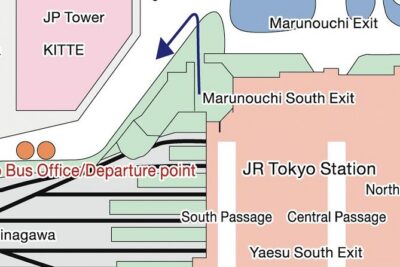
Tokyo Panoramic 1 Day: Meiji Shrine, Asakusa, Odaiba and SKYTREE®
Read our review →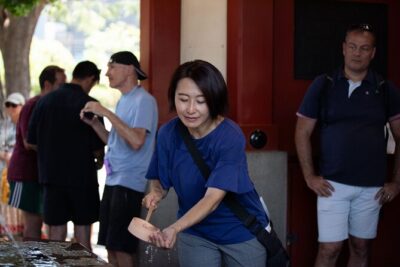
Asakusa Senso-ji Temple and Old Tokyo Walking Tour
Read our review →
Asakusa and Tokyo’s Oldest Temple Senso-ji Tour
Read our review →
Meiji Shrine Walking Tour — Shinto & Imperial System
Read our review →
Meiji Jingu Shrine and Shinto Culture Walking Tour
Read our review →
Meiji Shrine Walking Tour — Shintoism & Imperial System
Read our review →Browse the lists this tour appears in