
Reviewed · MEIJI SHRINE & SENSO-JI TOURS
Tokyo Morning Tour: Meiji Shrine, Asakusa & Fish Market
Tokyo’s best morning moments come in quick succession here: quiet cedar paths at Meiji Shrine, fish stalls at Tsukiji, then temple lanes and snack shops in Asakusa. I like the clever route, which gives you three very different sides of Tokyo before lunch. I also like the guides’ personal touch. Yosuke, Lax, Lex, Yo Yo, Ken, and Remu are praised for clear English, patience, and strong explanations of Japanese religion and daily life.
The main consideration is pace. Four and a half hours is enough for an introduction, not a slow study of each district. You also pay for your own sushi, sashimi, croquettes, sweets, and public transport, so the $83 price is not the full cost of the morning.
Key points at a glance
- Start with Meiji Shrine: Walk through a peaceful Shinto setting before Tokyo fully wakes up.
- Eat at Tsukiji Outer Market: Set aside money for fresh sushi, sashimi, and other market food.
- See two major faith traditions: Guides explain Shinto customs at Meiji Shrine and Buddhist traditions around Senso-ji.
- Taste Asakusa as you walk: Croquettes and Japanese sweets make the historic district more than a sightseeing stop.
- Use the guide well: Ask about religion, food, neighborhood life, and the differences between the places you see.
- Allow for transport costs: Public transportation is not included and is listed at about 550 yen.
A smart first morning in Tokyo
This tour works because the route has a clear rhythm. You begin in a quiet forested shrine setting, shift to the sharp smells and close quarters of a food market, then finish among the lanterns, shops, and temple grounds of Asakusa.
That change of mood is the real attraction. You do not spend the morning looking at versions of the same Tokyo. Instead, you get a short lesson in how the city holds old customs, food culture, and modern urban life together.
The meeting point is in front of IKEA Harajuku. From there, the experience lasts 270 minutes, or four and a half hours. You finish in Asakusa, which is useful if you want to keep exploring the area on your own, stop for lunch, or continue toward other parts of eastern Tokyo.
The route involves walking, sightseeing, shopping, and public transport. Wear comfortable shoes and keep your morning flexible. The schedule gives you about an hour at Meiji Shrine, 110 minutes at Tsukiji Outer Market, and about an hour in Asakusa. That is a good balance for a first look, though anyone who likes to linger over every food stall may want more time at Tsukiji.
More Meiji Shrine and Senso-ji Tours in Tokyo:
- Tokyo: Asakusa Walking Tour with Sensoji Temple Visit
★ 4.8 · 1,583 reviews - Tokyo Panoramic 1 Day: Meiji Shrine, Asakusa, Odaiba and SKYTREE®
★ 4.5 · 1,222 reviews - Tokyo: Asakusa and Tokyo’s Oldest Temple Senso-ji Tour
★ 4.9 · 352 reviews
Meiji Shrine: Tokyo begins with calm
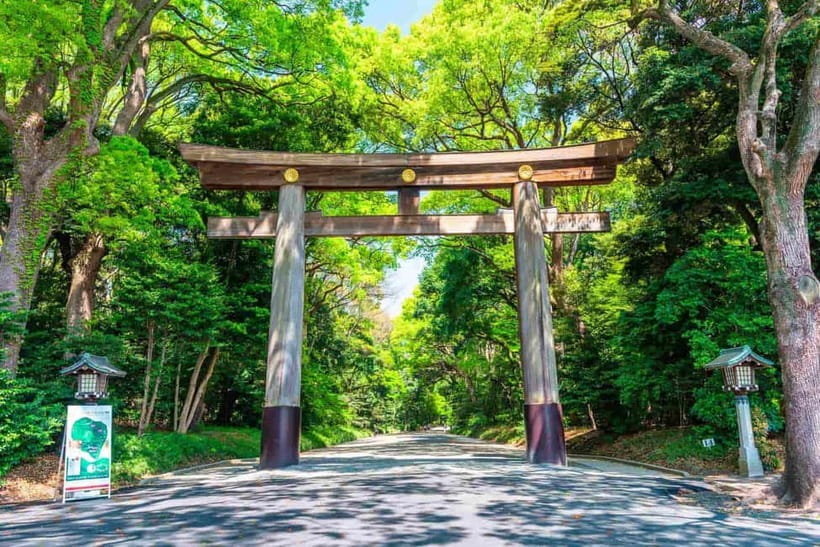
Meiji Shrine is the quietest part of the morning. You enter a major Shinto shrine set among broad paths and tall trees, a striking contrast to the busy streets around Harajuku.
Your guide can explain the basic ideas behind Shinto, including the customs that make a shrine visit meaningful. This matters because Meiji Shrine is not simply an attractive place for photographs. It is a working religious site, and a little guidance helps you understand how to behave respectfully.
Expect roughly one hour here. That gives you time to walk through the grounds, look at the shrine buildings, and hear about Japanese religious practice without turning the stop into a long lecture. Guides such as Lex, Yo Yo, Remu, and Yosuke are praised for explaining the differences between Shinto and Buddhism in a clear way.
That comparison is one of the strongest parts of the experience. Visitors often see shrines and temples during a Japan trip but leave with a blurred idea of what separates them. A good explanation at the start of the day gives you a useful frame for the later visit to Senso-ji.
Some tours include a fire ceremony or discussion of one, and the supplied experience details place particular emphasis on that spiritual side of the tour. Since ceremonies can depend on timing and local practice, do not treat a specific ritual as guaranteed for every departure. The sure thing is the visit to Meiji Shrine and the guide’s cultural explanation.
I especially like this first stop for anyone arriving in Tokyo with no background in Japanese religion. The setting slows you down and gives you context before the food and crowds begin. Families may also appreciate having a guide explain customs in simple terms rather than trying to work them out from signs.
Tsukiji Outer Market: the food center of the morning
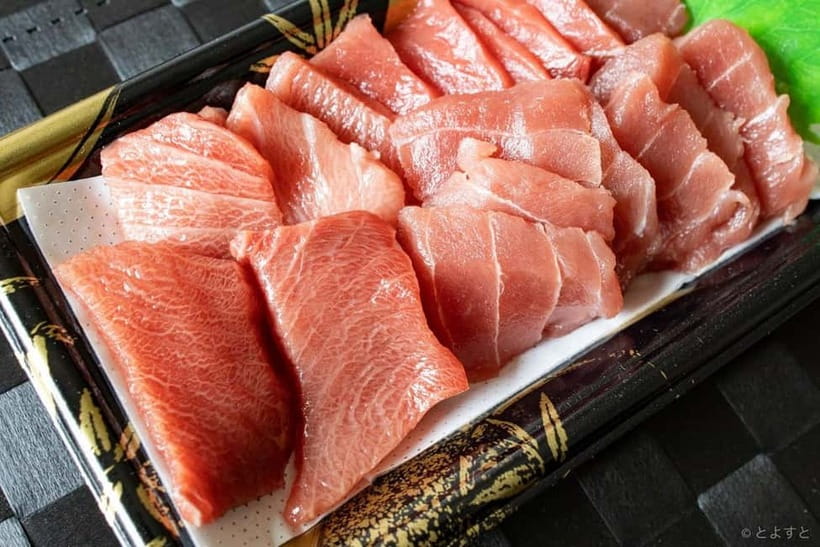
After Meiji Shrine, the mood changes completely at Tsukiji Outer Market. The allotted 110 minutes makes this the longest stop, and that is sensible. Tsukiji is best understood by walking, looking, smelling, and tasting rather than by rushing through a single landmark.
The focus is fresh sushi and sashimi from market stalls. Food purchases are not listed among the included items, so budget extra for anything you eat. The $83 tour price covers the guide and stated admissions, but it does not mean every snack or meal is covered.
That distinction matters. You should arrive ready to choose what appeals to you, not expecting a full meal to be part of the ticket. Your guide can point out useful places and help explain what you are seeing, which is particularly handy if unfamiliar fish, cuts, or Japanese food terms leave you guessing.
Tsukiji is not presented as a formal museum. It is a food district where the pleasure comes from seeing the working market atmosphere and making your own choices. You might find sushi, sashimi, and other small bites, but the exact selection can vary.
I like this stop because it gives the morning a strong local flavor. Meiji Shrine explains belief and custom. Tsukiji shows how food fits into everyday Tokyo life. The contrast is more valuable than either stop would be on its own.
The tradeoff is that food markets can feel crowded and fast-moving. You will need to stay with the group and make quick choices if you want to eat during the allotted time. The tour is better for sampling several things than for sitting down to a long, relaxed meal.
If you are eager to try raw fish, this is the part to plan around. If you do not eat seafood, the guide’s historical and cultural explanations still give the stop value, but your personal benefit may be smaller than that of someone who enjoys sushi and sashimi.
Asakusa: snacks, temples, and old Tokyo
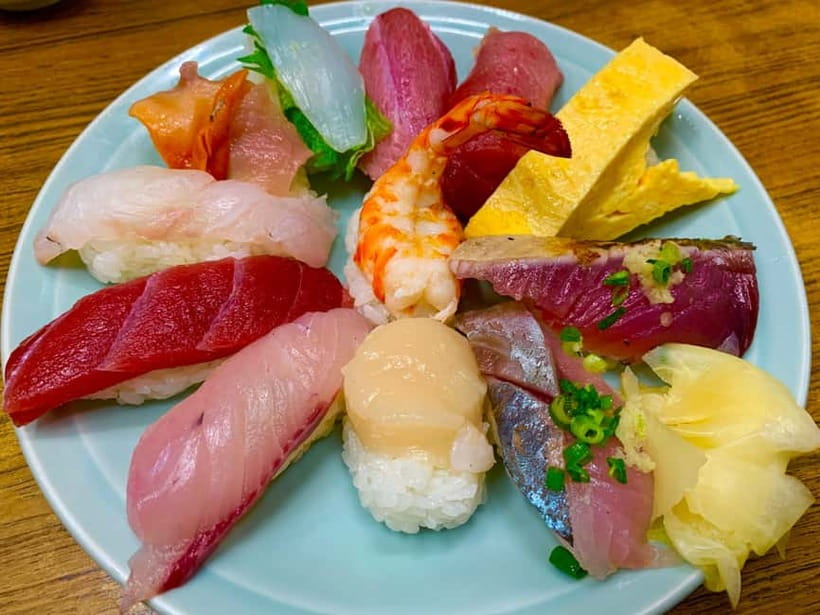
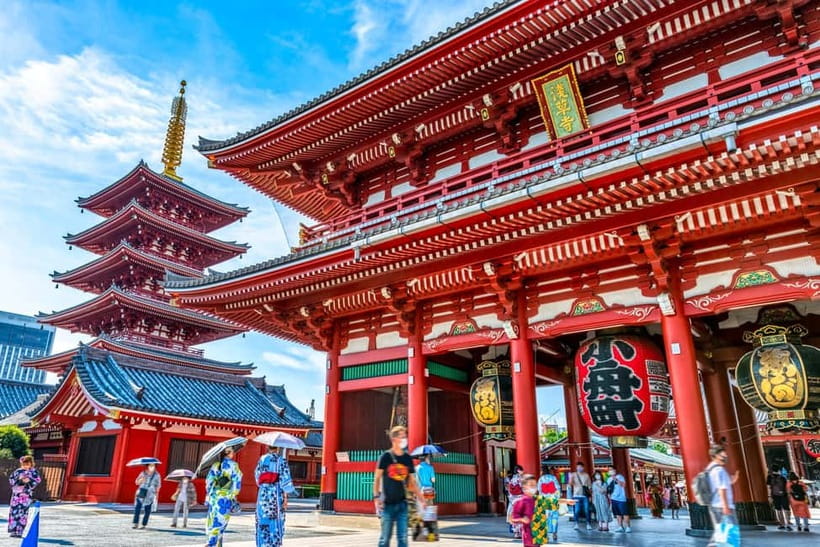
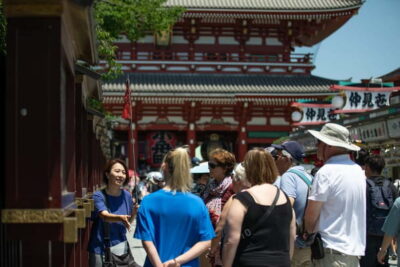
The final district is Asakusa, where the tour ends after about an hour. This is the most traditional-looking section of the route, with historic streets, shopping, and Senso-ji Temple.
The experience here is not only about taking in the temple from a distance. You walk through the area, browse, and taste local-style snacks such as croquettes and Japanese sweets. Those small bites make the stop feel active. You are not simply being led from one photo point to another.
Senso-ji also completes the religious comparison begun at Meiji Shrine. Meiji represents Shinto, while Senso-ji gives you a Buddhist setting. Guides are praised for explaining both the customs and the historical relationship between the traditions, including the way Japanese religious life has brought them together over time.
That explanation is particularly helpful at Senso-ji, where the visual details can be easy to admire without understanding. Ask your guide about the differences between a shrine and a temple, the meaning of the rituals, and how local people use these places today.
Asakusa is also the practical end point of the tour. You are not returned to Harajuku, so plan your afternoon from this side of Tokyo. The arrangement is convenient if you want to continue sightseeing in Asakusa, eat lunch nearby, or explore more of the city’s eastern districts.
An hour is enough for an introduction, but it is not enough to cover every shop and temple corner. If Asakusa is high on your list, treat this tour as your orientation. You can return later with a better sense of where to spend your time.
More Market Visits in Tokyo:
- Tokyo Morning Tour: Asakusa, Meiji Shrine and Tsukiji Fish Market
★ 5.0 · 128 reviews - Bangkok: City Highlights Temple and Market Walking Tour
★ 4.5 · 3,990 reviews - Mini Group Xian Day Tour to Terracotta Army, City Wall, Pagoda and Muslim Bazaar
★ 5.0 · 1,320 reviews - Bangkok: Railway and Floating Market Tour with Dragon Temple
★ 4.6 · 1,225 reviews
The guides make the difference
A walking tour of familiar Tokyo sights can be ordinary if the guide simply points and recites facts. This experience depends heavily on the individual leading your group, and the available guide names include Yosuke, Lax, Lex, Yo Yo, Ken, and Remu.
The strongest praise centers on four qualities: clear English, care with the group, cultural insight, and a positive attitude. Yosuke is noted for answering questions, checking that families are comfortable, and explaining subjects accurately. Lax is described as thoughtful, patient, and engaging. Lex is praised for combining warmth with useful information about Meiji Shrine.
Yo Yo receives particular praise for passion and personal attention. Remu is associated with explanations of Shinto, Buddhism, and the fire ceremony. Ken is singled out for making cultural information easy to follow.
Guide assignments can change, so you should not book solely around one name. Still, these details tell you what to expect from the experience at its best. This is not meant to be a silent transfer between attractions. Ask questions and let the guide connect the places.
I would ask about how shrine etiquette differs from temple etiquette, why Tsukiji remains important to Tokyo’s food culture, and what local people come to Senso-ji to do. These questions turn a standard sightseeing route into a more useful introduction to Japan.
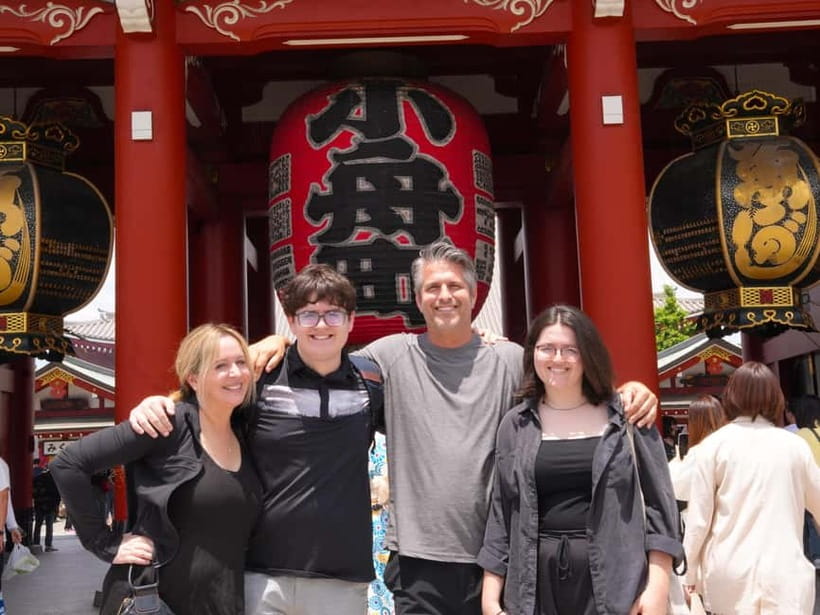
Photos taken during the tour are included, which is a pleasant extra for families or solo visitors who want a few group shots without having to ask strangers. The greater value, though, is the guide’s interpretation of what you are seeing.
What the $83 price really covers
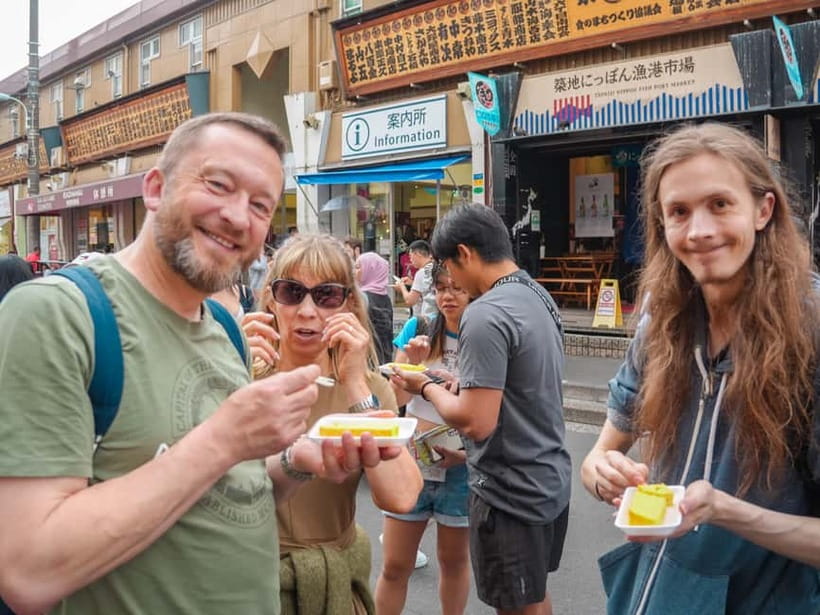
At $83 per person, this is not the cheapest way to see Meiji Shrine, Tsukiji, and Asakusa. You can visit the districts independently for less, especially if you are comfortable using Tokyo’s transport system and doing your own research.
The price makes more sense if you want structure and explanation. You receive an English-speaking guide, photos, historical insight into the districts, and stated admission to Meiji Jingu Shrine, Tsukiji Fish Market, and Senso-ji Temple. Public transport costs about 550 yen extra, and food is also an additional expense.
Think of the tour as paying for time saved and cultural context. You do not have to plan the order of the stops, work out the connections, or figure out how Shinto and Buddhism fit into the same morning. A guide can also help you make better choices at the market and explain details you might otherwise miss.
For a first day in Tokyo, that can be a fair exchange. For an experienced Japan visitor who already knows the city and prefers to set an easy pace, the value is less clear.
The food budget deserves special attention. Sushi, sashimi, croquettes, and sweets sound like a full morning of eating, but the ticket does not list those purchases as included. I would carry enough yen for snacks and avoid booking the tour with the assumption that lunch is covered.
Timing, walking, and who will enjoy it
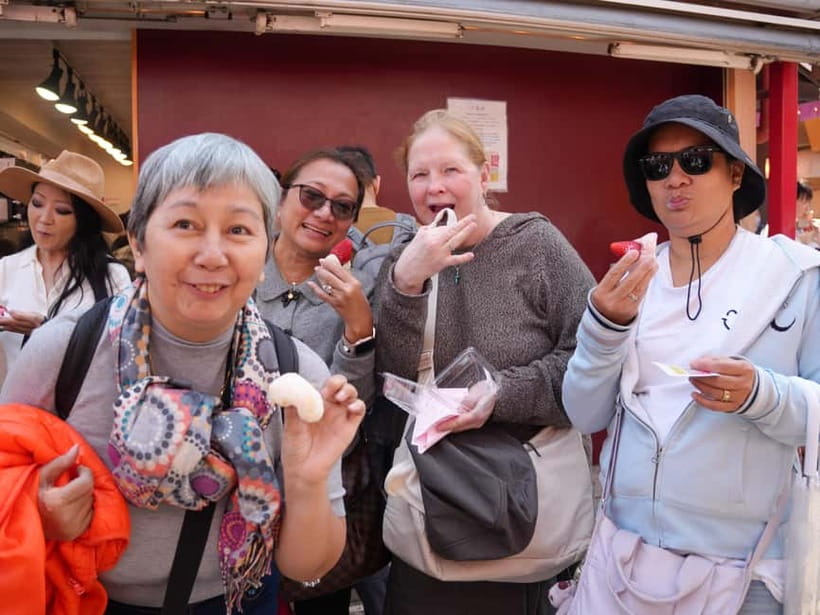
The morning schedule is the tour’s strength and its limit. You see three major areas in 270 minutes, but each visit is an introduction. The early timing is useful because Meiji Shrine is peaceful in the morning and the market is best approached as part of the day’s opening rhythm.
You will be walking through shrine grounds, market streets, and temple areas. The tour also uses public transportation, so allow for station movement and transfers. No special transport arrangement is included.
This tour suits you if:
- You have only a few days in Tokyo.
- You want cultural context rather than a self-guided checklist.
- You enjoy trying small portions of Japanese food.
- You want to compare Shinto and Buddhism.
- You prefer finishing in Asakusa so the rest of your day remains open.
- You are traveling with family and want a guide to keep the morning organized.
It may not suit you if you want a long, unhurried breakfast, extensive shopping time, or a deep focus on only one district. Tsukiji fans may want several hours there, while temple enthusiasts may prefer to return to Asakusa alone.
The tour also works well as a first Tokyo activity because it gives you a practical sense of the city’s scale and neighborhoods. After this morning, you will know where you want to spend more time and what kinds of places deserve another visit.
Booking details worth knowing
You meet in front of IKEA Harajuku and finish in Asakusa. Check the available starting times before booking, since the tour’s appeal depends on doing the route in the morning.
The activity is conducted in English with a live guide. You can cancel up to 24 hours in advance for a full refund, and the reserve-now, pay-later option keeps your plans flexible.
The stated rating is 4.9 from 44 reviews, with repeated praise for guide quality, cultural explanations, and the feeling of personal care. I would treat that as encouragement rather than a promise that every departure will feel identical. The guide on your day will shape the tone, and the size of your group will affect how easily you can ask questions.
Should you book this Tokyo morning tour?
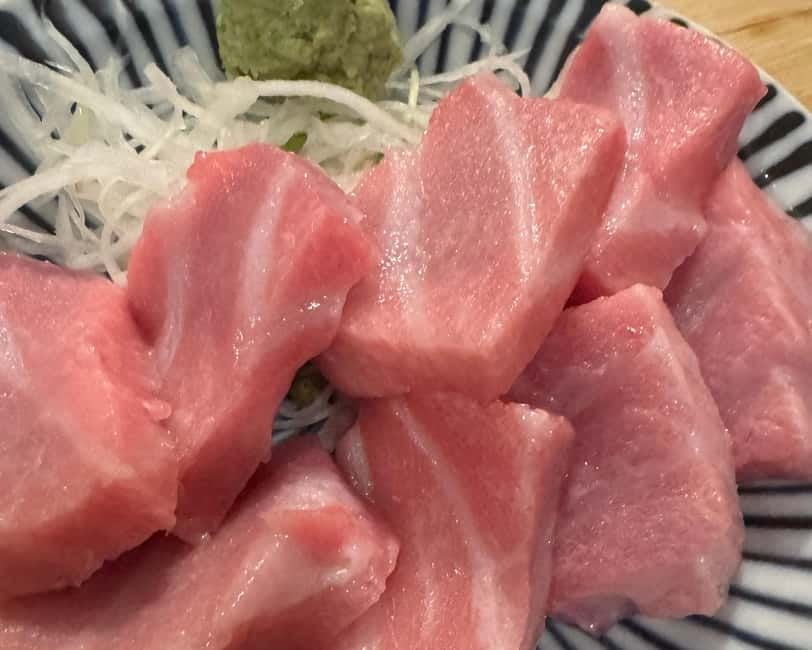
Book it if you want a compact, guided introduction to Tokyo that mixes religion, food, and historic neighborhoods. The strongest reason to go is not any single attraction. It is the way Meiji Shrine, Tsukiji, and Asakusa explain different parts of Japanese life in one morning.
I would recommend it most for first-time visitors, families, solo visitors who want company, and anyone who finds Japanese religious customs difficult to understand alone. Guides such as Yosuke, Lax, Lex, Yo Yo, Ken, and Remu have shown the kind of warmth and care that can make a short tour feel personal.
Skip it if you prefer to move slowly, eat a full meal at the market, or keep your sightseeing costs as low as possible. In that case, visit the districts independently and spend the saved money on food.
For most first visits, though, the route is well chosen. Bring comfortable shoes, reserve money for food and transport, ask questions, and treat the morning as an orientation to Tokyo rather than a complete tour of each district.
FAQ
Where does the tour begin?
The meeting point is in front of IKEA Harajuku.
Where does the tour finish?
The tour finishes in Asakusa.
How long does the experience last?
The duration is 270 minutes, or four and a half hours.
Which places are included in the route?
The route includes Meiji Shrine, Tsukiji Outer Market, and Asakusa, including Senso-ji Temple.
Is public transportation included?
No. Public transportation is not included and costs around 550 yen.
Is food included in the tour price?
Food purchases are not listed as included. You should budget separately for sushi, sashimi, croquettes, and Japanese sweets.
More temple and market days in Tokyo
- Bangkok: Night Bike Tour with Temples & Flower Market Visit
★ 4.8 · 751 reviews - Seoul: Palace, Temple and Market Guided Foodie Tour at Night
★ 4.9 · 750 reviews - Old Delhi Food-Spice Market-Temples Tour Soon Featured on NETFLIX
★ 5.0 · 304 reviews - Chiang Mai: Elephants, Sticky Waterfalls, Market and Temple
★ 4.9 · 227 reviews
Newly written up around Tokyo
- Tokyo: Snow Monkey and Zenkoji Temple Day Trip In Low Price★ 5.0 · 5 reviews
- Tokyo: Gotokuji Culture Walk & Lucky Cat Temple Experience★ 4.9 · 5 reviews
- :Tokyo,Shibuya /Meiji Shrine tour in KIMONO/English-friendly★ 5.0 · 4 reviews
- Tokyo: Visit 5 Shrines & Collect Goshuin on Private Tour★ 5.0 · 3 reviews
- Tokyo War History Tour: Yasukuni Shrine & War Museum★ 4.5 · 6 reviews
- Tokyo: Sensoji Temple & Street Food: Private Tour with guide★ 4.6 · 8 reviews
- Tokyo: Shibuya Sky, Harajuku & Meiji Shrine Highlights Tour★ 4.5 · 9 reviews
- Tokyo: Private Meiji Shrine & Harajuku Highlights Tour★ 4.5 · 4 reviews
Meiji Shrine & Senso-ji Tours, compared.
Asakusa Walking Tour with Sensoji Temple Visit
Read our review →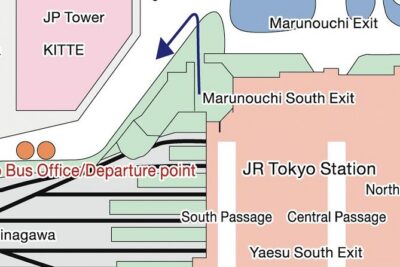
Tokyo Panoramic 1 Day: Meiji Shrine, Asakusa, Odaiba and SKYTREE®
Read our review →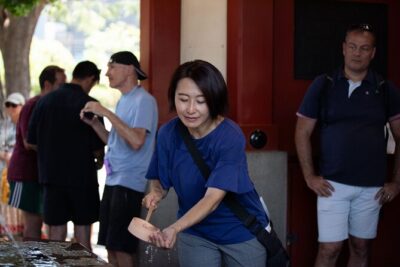
Asakusa Senso-ji Temple and Old Tokyo Walking Tour
Read our review →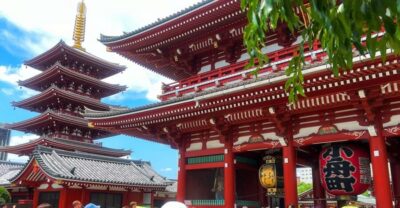
Asakusa and Tokyo’s Oldest Temple Senso-ji Tour
Read our review →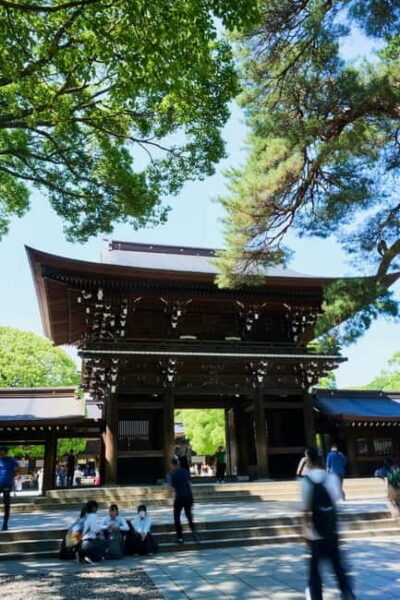
Meiji Shrine Walking Tour — Shinto & Imperial System
Read our review →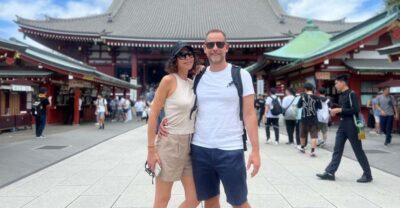
Meiji Jingu Shrine and Shinto Culture Walking Tour
Read our review →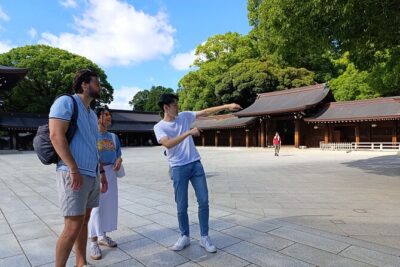
Meiji Shrine Walking Tour — Shintoism & Imperial System
Read our review →Browse the lists this tour appears in