
Reviewed · TOKYO TEMPLE TOURS
Tokyo: Buddhism and Shinto Temple Tour with a Real Local
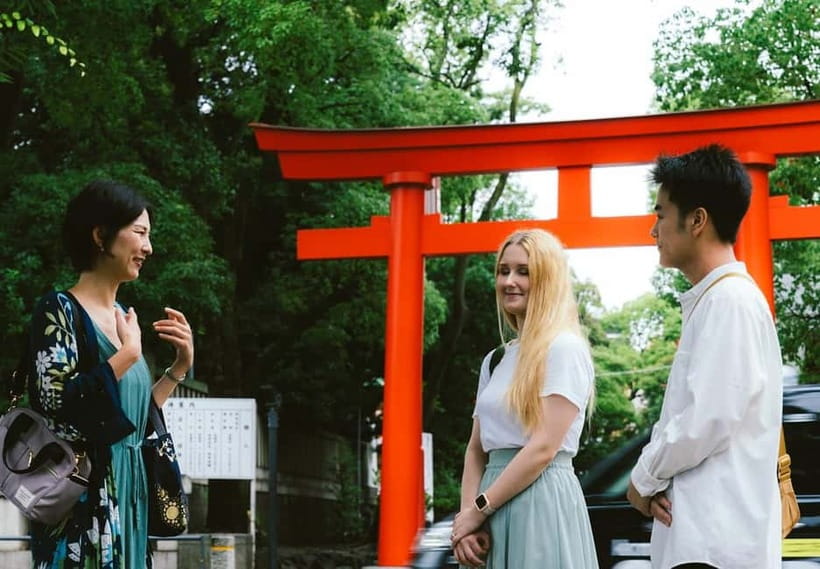
The most memorable part of this two-hour walk is the Fukagawa Fudo-do fire ceremony, where pounding drums and blazing flames form part of serious Buddhist worship, not a tourist show. Guide Manami Watanabe explains each stage quietly, along with the customs that help you watch without getting in the way.
I like the small group, limited to six, and I like the unusual balance between Buddhism and Shinto. You get more than a quick temple stop: Manami explains why both faiths matter in daily Japanese life, then adds family stories tied to Tomioka Hachimangu Shrine.
The main consideration is that this is a respectful cultural visit, not a casual photo walk. Photography, video, and audio recording are not allowed inside, and you must follow clothing and seating rules during the ceremony.
Key points to know before you book
- The fire ceremony is treated as worship: You watch from appropriate seating rather than taking the best central places reserved for the Buddhist community.
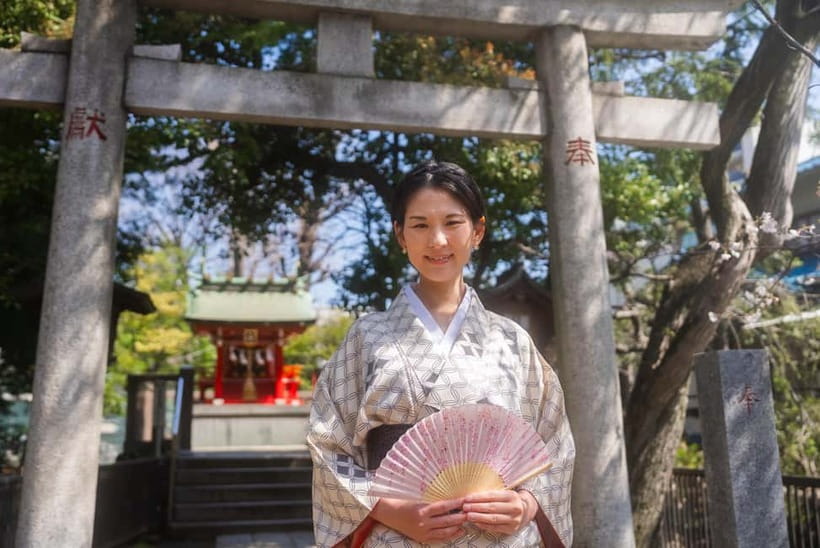
- Manami brings academic and local knowledge: She was born and raised in the area and holds a Ph.D. in cultural heritage protection.
- You visit both religions: The route compares Buddhist customs at Fukagawa Fudo-do with Shinto traditions at Tomioka Hachimangu.
- The neighborhood is East Tokyo’s Shitamachi: Monzennakacho gives you a look at a historic local district beyond the city’s headline sights.
- The group stays intimate: A maximum of six people makes it easier to ask questions and hear explanations.
- Bring the right clothes: Short skirts, sleeveless shirts, see-through clothing, hats, and shoes indoors are not permitted.
Why Monzennakacho makes a fine setting
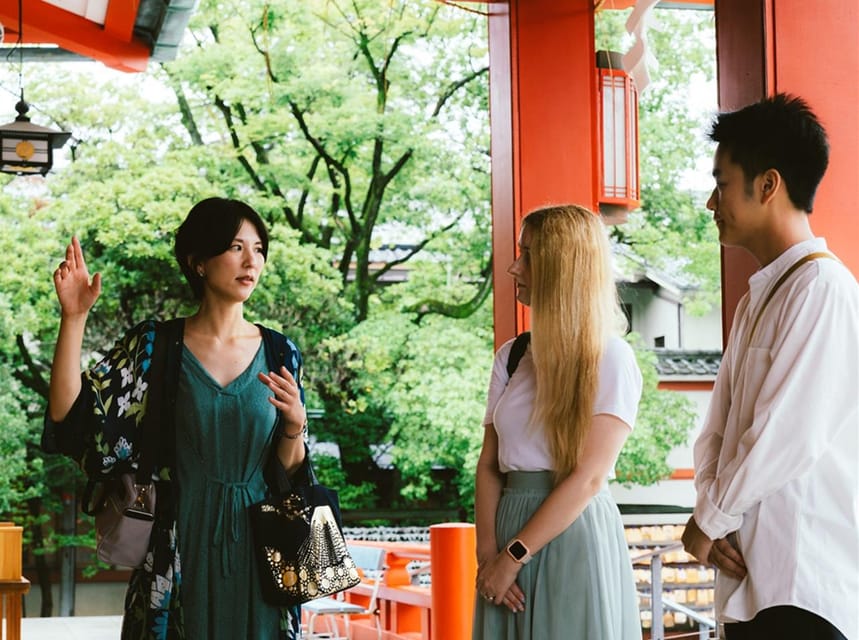
Monzennakacho sits in East Tokyo, in the area traditionally known as Shitamachi. That word points to the old low-town districts where local community life, neighborhood temples, shrines, small shops, and working streets shaped the city.
You meet outside Exit 4 of Monzennakacho Station, served by the Toei Oedo and Tokyo Metro Tozai lines. The meeting point is beside Kusuri no Fukutaro, the drugstore with the red sign. Use the stairs at Exit 4 rather than an elevator, and do not assume another Kusuri no Fukutaro is the right one. The directions matter because there are multiple exits and a wrong turn can put you at a different drugstore.
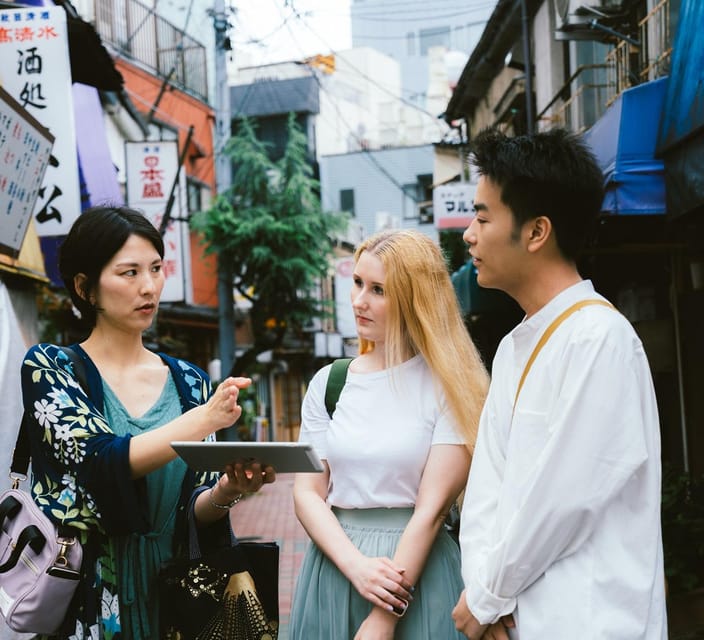
From the station, the walk begins around the Oyoko River. This first guided section lasts about 10 minutes. It is not the grand opening view of Tokyo that you get from a tower or river cruise. Instead, it helps you see the neighborhood as a place where water, streets, worship, and ordinary routines meet.
You then continue to Tatsumi-shindo for another 10-minute explanation. This short stop gives Manami room to set up the religious background before the larger temple visit. If you have ever found Japanese temples and shrines beautiful but confusing, this early context should help you notice what you are seeing.
Other temple visits near Tokyo we have written up
- Tokyo: Asakusa Walking Tour with Sensoji Temple Visit
★ 4.8 · 1,583 reviews - Nikko: Kegon Falls, Lake Chuzenji & Toshogu Temple
★ 4.6 · 1,577 reviews - Tokyo: Nikko Toshogu Shrine and Kegon Waterfall Tour
★ 4.5 · 1,266 reviews
Understanding Buddhism and Shinto without mixing them up
One of the tour’s best features is its side-by-side approach. Many first-time visitors see a gate, a bell, a rope, a statue, or a place to make an offering and treat all of it as one version of Japanese religion. Manami explains how Buddhism and Shinto differ, while also showing why Japanese people may take part in both.
That distinction is useful because the two traditions have different histories, symbols, spaces, and forms of worship. You learn how to approach a Buddhist temple and a Shinto shrine properly, rather than relying on a single set of habits for both.
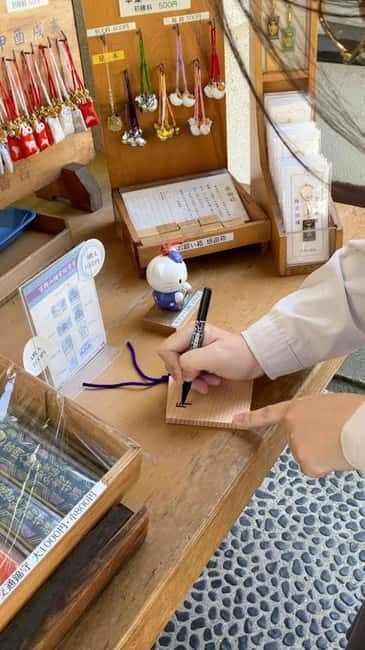
The lesson also covers everyday details that are easy to miss. At Tomioka Hachimangu, you hear about white fortune-telling papers, wooden wish plaques, goshuin stamps, Shinto symbols, sake, and sumo. These are not random decorations. Each connects to a larger part of Japanese religious or cultural life.
Manami’s academic background adds structure, but the local connection keeps the talk grounded. She was born and raised in the area, and the tour ends with stories about her family’s connection to Tomioka Hachimangu. That personal link gives the shrine a sense of place beyond its formal name.
What happens at Naritasan Fukagawa Fudo-do
The central visit lasts about 40 minutes at Naritasan Fukagawa Fudo-do Buddhist Temple. The fire ceremony is the reason to choose this experience over a basic neighborhood walk.
Expect forceful drumbeats, flames, chanting or ritual activity, and a carefully ordered ceremony. The supplied information stresses that the guide explains the ritual scene by scene, using explanation sheets while you observe in silence. That format is especially helpful if you have never attended a Buddhist fire ceremony and do not know what to watch for.
The ceremony is not presented as entertainment. That difference shapes the whole visit. Some tour groups take the front middle seats to get the clearest view of the fire and drums. This experience intentionally does not do that, because those places should be available to the Buddhist community. You may not get the most dramatic camera angle, but you get a more respectful way to attend.
You also learn small rules that many visitors would not know. Crossing your legs while seated can be considered rude to Buddha and the monks. Proper clothing matters, and shawls are provided if you need to cover your shoulders or knees. Shoes cannot be worn indoors, and hats are not allowed.
These rules may feel strict if you expect a standard sightseeing stop. I see them as part of the value. The ceremony makes more sense when you understand that the people around you may be there for worship, not sightseeing. Your role is to watch, listen, and leave the ritual space undisturbed.
Photography is not allowed inside. Video and audio recording are also prohibited. That means you should prepare to put your phone away and rely on your attention instead of trying to document every moment. For some people, this will be a drawback. For others, it may make the ceremony easier to appreciate.
Tomioka Hachimangu and the Shinto side of the route
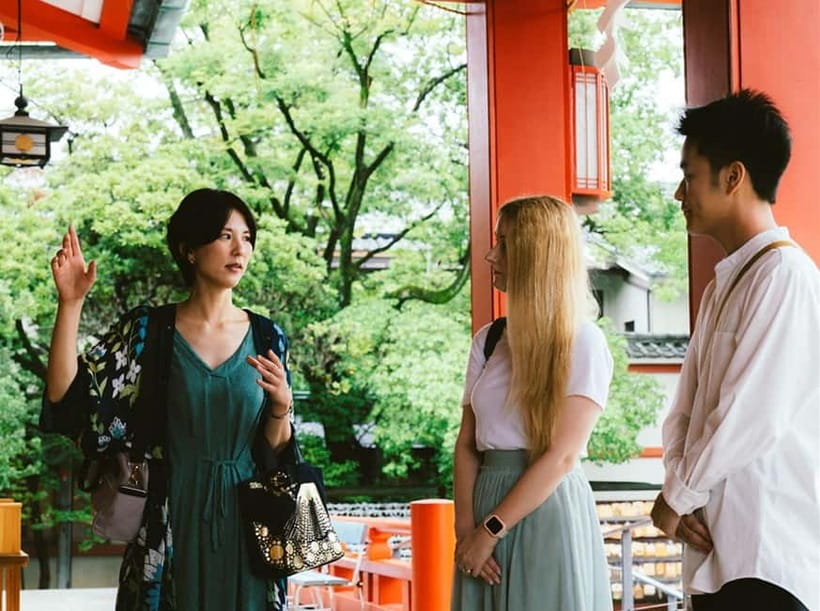
After the Buddhist temple, the tour continues to Tomioka Hachimangu Shrine for about 25 minutes. The mood changes. The shrine offers a calmer setting for discussing Shinto symbols and customs, and the stop gives the tour a useful second half instead of ending after the fire ritual.
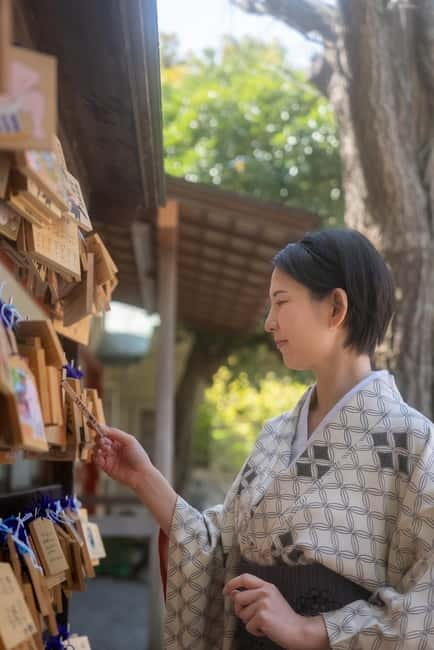
Manami explains the meaning of the shrine’s white fortune-telling papers and wooden wish plaques. She also discusses goshuin stamps, which many visitors collect in temple and shrine books. You learn why sake matters to Shinto and how sumo connects with the shrine.
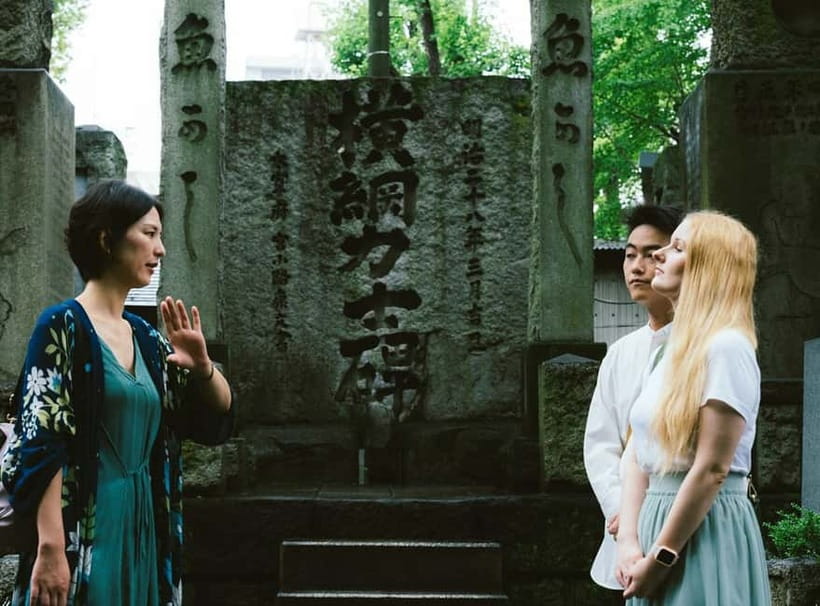
The sumo rocks are another specific feature to look for. The supplied details call them impressive, so you should expect the guide to explain their connection to sumo and the shrine rather than simply point them out as stones. This is the kind of detail that is easy to pass without a guide.
Tomioka Hachimangu also helps explain the difference between seeing a place and understanding it. Without context, you might take a quick photo of the gate, make an offering, and move on. With Manami, the symbols and customs have a clearer place in Japanese religious life.
The route returns to Monzennakacho Station after the shrine. In total, the tour takes about two hours. That is long enough to include both major religious sites without turning into a tiring half-day outing.
A different set of gates, same trip:
- Tokyo Panoramic 1 Day: Meiji Shrine, Asakusa, Odaiba and SKYTREE®
★ 4.5 · 1,222 reviews - Tokyo: Zen Meditation at a Private Temple with a Monk
★ 5.0 · 510 reviews - Mt. Fuji Heritage Tour: Traditional Villages, Lakes & Shrine
★ 4.5 · 509 reviews - Tokyo: Samurai Entertainment Night Show in Kanda Shrine
★ 4.6 · 417 reviews
Why the guide matters here
This experience depends heavily on the guide. The subject is not just architecture. It involves ceremony, etiquette, religious terms, and the sensitive line between observing worship and treating it like a performance.
Manami Watanabe speaks English and has a Ph.D. in cultural heritage protection. Her role is not limited to leading you from station to temple. She explains Buddhism and Shinto, answers questions, interprets the fire ritual, and gives practical guidance about behavior and photography.
The personal side matters too. The tour closes with her family stories about Tomioka Hachimangu. That is a useful contrast to a guide who only repeats general facts. You get local connection along with formal study.
The five-star feedback supplied for this experience repeatedly praises Manami’s kindness, patience, and ability to explain Japanese culture. One booking party was only two people, which shows that the six-person limit can sometimes result in a very personal outing. The group size will vary, but the stated maximum is small enough for direct conversation.
The $62 price and what it buys you
At $62 per person, this is not the cheapest way to see a Tokyo temple. You could visit the neighborhood independently for far less, especially if you only want photographs and a quick look around.
The value appears in the access and interpretation. The price includes admission to the Fukagawa Fudo-do fire ceremony, a guided walk through the historic neighborhood, an English-speaking local host, and shawls for anyone who needs extra coverage. You are paying for a carefully explained religious experience, not just transport between sights.
The ceremony is the key price question. If you want to witness it respectfully and understand what is happening, $62 is reasonable for a two-hour small-group experience. If you prefer to wander alone, take photographs, and move at your own pace, the cost may feel high.
You should also bring a little cash. Small coins are used for optional offerings at the temple and shrine, though they are not included. Drinks and comfortable shoes are sensible too, since the experience includes walking between several stops.
Free cancellation is available up to 24 hours before the start, and you can reserve while paying later. Starting times vary, so you need to check availability for your date.
Who will enjoy this tour most
I would choose this for someone who wants cultural context rather than a checklist of famous Tokyo landmarks. It suits first-time visitors who are curious about Japanese religion but do not know how Buddhist and Shinto practices differ.
It also works well for repeat visitors. Monzennakacho offers a less tourist-focused side of Tokyo, and the fire ceremony gives you a reason to see the district through local religious life rather than through major attractions.
The tour is a good fit if you:
- Want a small group with time for questions
- Prefer a local guide with formal academic training
- Care about respectful behavior at religious sites
- Want to attend a Buddhist fire ceremony
- Are interested in both Buddhism and Shinto
- Can follow strict rules about clothing and recording
It is less suitable if your priority is photography. You cannot take photographs inside the ceremony, and video and audio recording are forbidden. It may also feel slow if you want to see many sights in a short time, since the focus is on explanation and observation.
The tour is not suitable for children under five or people over 80, according to the stated requirements. Anyone with mobility concerns should also consider the walking and the meeting point, where using the stairs at Exit 4 is specifically recommended.
Practical preparation for the morning or afternoon
Wear comfortable shoes and clothing that covers your shoulders and knees. Avoid short skirts, sleeveless shirts, see-through clothing, and hats. Shawls are available if you need one, but dressing appropriately from the start is simpler.
Turn off recording habits before entering the temple. You cannot take photographs inside, and you cannot record video or audio. A small notebook may be useful if you want to remember terms, but the ceremony itself should be watched in silence.
Allow extra time to find Exit 4. Go outside through the stairs beside the station and look for the red Kusuri no Fukutaro sign. Do not use another station exit simply because it seems closer, since another drugstore with the same name can cause confusion.
The group is limited to six people, but bring your questions. The experience is built around explanation, and its strongest value comes from understanding the customs rather than merely standing in the buildings.
Should you book this Monzennakacho tour?
Book it if you want a respectful, carefully explained look at Japanese religious life and you are willing to follow the rules. The combination of a local guide, academic background, fire ceremony, and two different religious sites gives this short tour more substance than a standard temple photo stop.
Skip it if you mainly want unrestricted photography, a fast-paced sightseeing circuit, or a casual food-and-drink outing. The ceremony requires silence and restraint, and the route asks you to pay attention.
For most culturally curious visitors, I see the $62 fee as fair, especially with admission included and the group capped at six. Manami’s local roots, patient explanations, and family connection to Tomioka Hachimangu are the strongest reasons to choose this particular experience.
FAQ
Where does the tour meet?
Meet outside Exit 4 of Monzennakacho Station, served by the Oedo and Tozai subway lines. Look for the Kusuri no Fukutaro drugstore with the red sign.
Should I use a specific station exit?
Yes. Use Exit 4, not another exit. The directions recommend using the stairs rather than the elevator so you can find the drugstore more easily.
How long does the experience last?
The tour lasts two hours and finishes back at Monzennakacho Station.
How large is the group?
The group is limited to six participants.
Is the tour conducted in English?
Yes. The live tour guide speaks English.
Is admission to the fire ceremony included?
Yes. Admission to the fire ceremony at Fukagawa Fudo-do is included in the price.
Can I take photographs or record the ceremony?
No. Photography, video recording, and audio recording are not allowed inside. The ceremony is observed in silence.
What should I wear and bring?
Wear comfortable shoes and clothing that is not short, sleeveless, or see-through. Bring cash and drinks. Small coins for optional offerings are not included, and shawls are available for anyone who needs to cover their shoulders or knees.
Newly written up around Tokyo
- Tokyo: Snow Monkey and Zenkoji Temple Day Trip In Low Price★ 5.0 · 5 reviews
- Tokyo: Gotokuji Culture Walk & Lucky Cat Temple Experience★ 4.9 · 5 reviews
- :Tokyo,Shibuya /Meiji Shrine tour in KIMONO/English-friendly★ 5.0 · 4 reviews
- Tokyo: Sensoji Temple & Street Food: Private Tour with guide★ 4.6 · 8 reviews
- Tokyo: Visit 5 Shrines & Collect Goshuin on Private Tour★ 5.0 · 3 reviews
- Tokyo War History Tour: Yasukuni Shrine & War Museum★ 4.5 · 6 reviews
- Tokyo: Shibuya Sky, Harajuku & Meiji Shrine Highlights Tour★ 4.5 · 9 reviews
- Tokyo: Private Meiji Shrine & Harajuku Highlights Tour★ 4.5 · 4 reviews
Tokyo Temple Tours, compared.
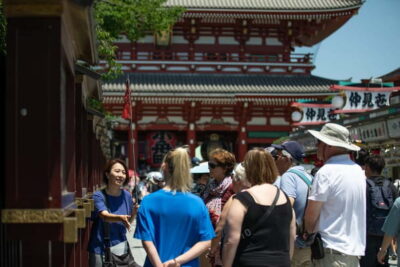
Asakusa Walking Tour with Sensoji Temple Visit
Read our review →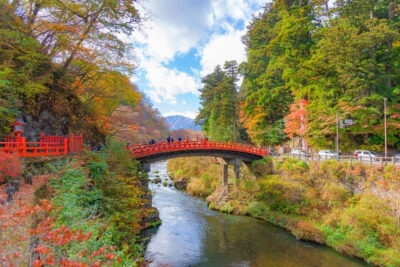
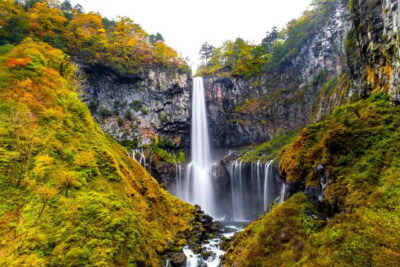
Nikko Toshogu Shrine and Kegon Waterfall Tour
Read our review →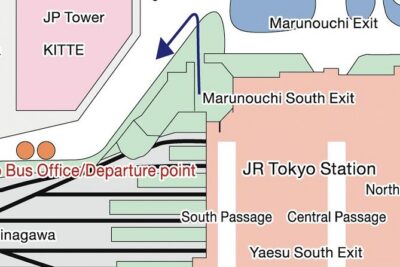
Tokyo Panoramic 1 Day: Meiji Shrine, Asakusa, Odaiba and SKYTREE®
Read our review →
Mt. Fuji Heritage Tour: Traditional Villages, Lakes & Shrine
Read our review →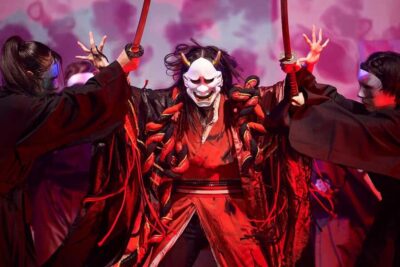
Samurai Entertainment Night Show in Kanda Shrine
Read our review →
Asakusa and Tokyo’s Oldest Temple Senso-ji Tour
Read our review →Browse the lists this tour appears in