
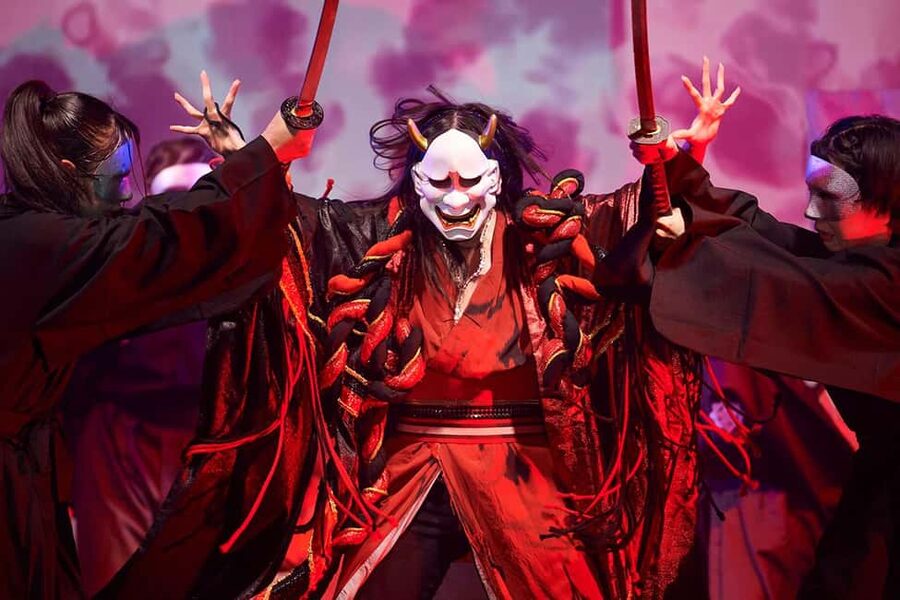
Reviewed · TOKYO TEMPLE TOURS
Tokyo: Samurai Entertainment Night Show in Kanda Shrine
Kanda Myojin Shrine provides a memorable setting for this samurai theater night, where the story of Taira no Masakado unfolds through swordplay, dance, music, costumes, and dramatic lighting. The show is more theatrical than a historical reenactment, with folklore and modern stage effects working side by side.
I like the intimate venue and the chance to meet the cast after the performance. I also like the flexible food and drink choices, especially the individual chicken hot pot option. The main drawback is that the story can be hard to follow if you expect long spoken explanations, and no photography or recording is allowed during the show.
Key points to know before booking
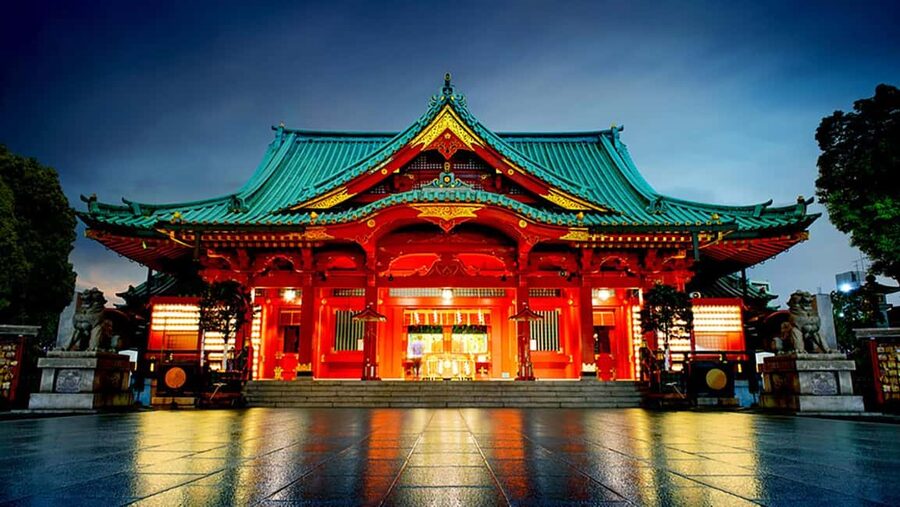
- The show begins at 8:15 PM: Doors open at 7 PM, with food and drinks served before the performance.
- Taira no Masakado is the central figure: His story is presented through theatrical scenes, folklore, music, and movement.
- The setting adds real atmosphere: You enter through the grounds of Kanda Myojin Shrine before going downstairs to the show restaurant.
- Food is optional and ordered separately: A chicken hot pot course is available, along with an à la carte menu.
- The cast meets you afterward: From 9:15 to 10 PM, you can take photos with the performers and speak with them.
- Seats are assigned by the restaurant: You cannot request a particular seat, and the first four rows count as front seating.
Kanda Myojin Shrine makes the evening feel special
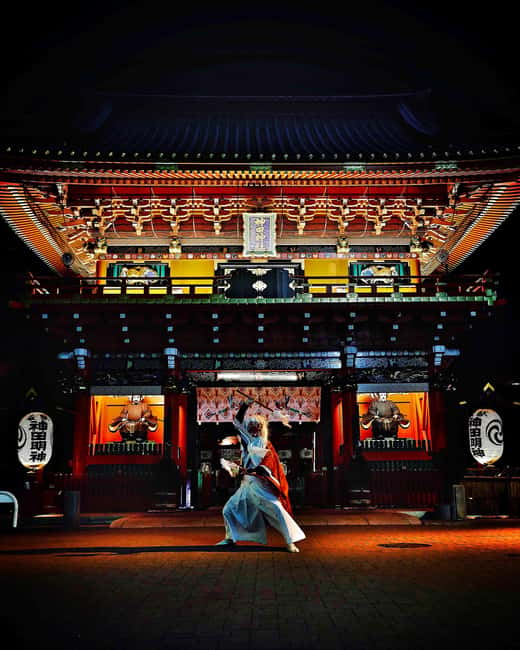
Kanda Myojin, also called Kanda Myojin Shrine, is one of Tokyo’s best-known Shinto shrines. It is associated with prosperity in business and good fortune in love, and its grounds are an appealing place to visit after dark.
The experience takes place at The Show restaurant in the basement of Kanda-Myojin Bunka-Koryu-kan. That arrangement gives you two different moods in one evening. First, you walk through a historic shrine complex. Then you enter a compact performance room built for dinner and live theater.
I like this setting because it gives the night more character than a show in a standard hotel or theater. The shrine grounds provide the sense of place, while the small room keeps you close to the performers. One useful tip is to allow extra time to find the exact entrance. The shrine is easy enough to reach, but the restaurant location can be confusing if you arrive at the last minute.
The doors open at 7 PM. Try to arrive early rather than aiming for the 8 PM deadline. You need to be seated by 8 PM, and entry is not allowed after 8:15 PM. Arriving early also gives you time to order food and drinks before the stage action starts.
Other temple visits near Tokyo we have written up
- Tokyo: Asakusa Walking Tour with Sensoji Temple Visit
★ 4.8 · 1,583 reviews - Nikko: Kegon Falls, Lake Chuzenji & Toshogu Temple
★ 4.6 · 1,577 reviews - Tokyo: Nikko Toshogu Shrine and Kegon Waterfall Tour
★ 4.5 · 1,266 reviews
What the evening schedule looks like
The timing is straightforward:
- 7 to 8:15 PM: Arrival, food, and drinks
- 8:15 to 9:15 PM: Samurai performance
- 9:15 to 10 PM: Photos and conversation with the performers
- 10 PM: Closing time
Although the activity is advertised as lasting two to three hours, the scheduled evening runs for about three hours from opening to closing. The actual show lasts one hour, so the rest of the experience is social time, dining, and photographs.
The pre-show hour is not just filler. You can settle in, place your food order, and read the short explanation of the story before the performance begins. Drinks and other à la carte orders should be placed before showtime. Once the performance starts, your attention will be on the stage, and you may not have another chance to order.
Some diners describe the food as simple but satisfying, while others especially enjoy the hot pot format. That range makes sense. This is dinner theater, not a destination restaurant. You are paying for the full evening, and the food supports the experience rather than carrying it.
Taira no Masakado, presented as theater rather than a history lesson
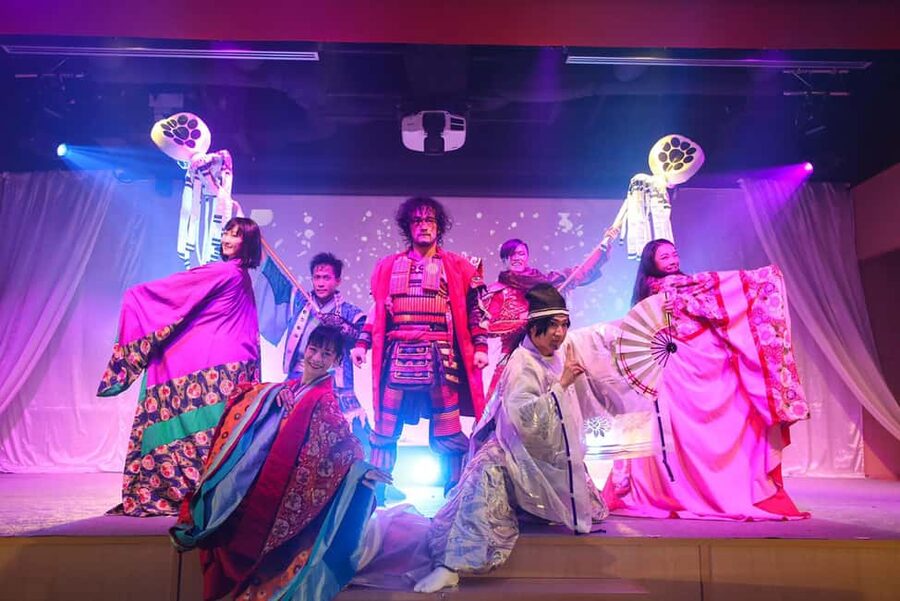
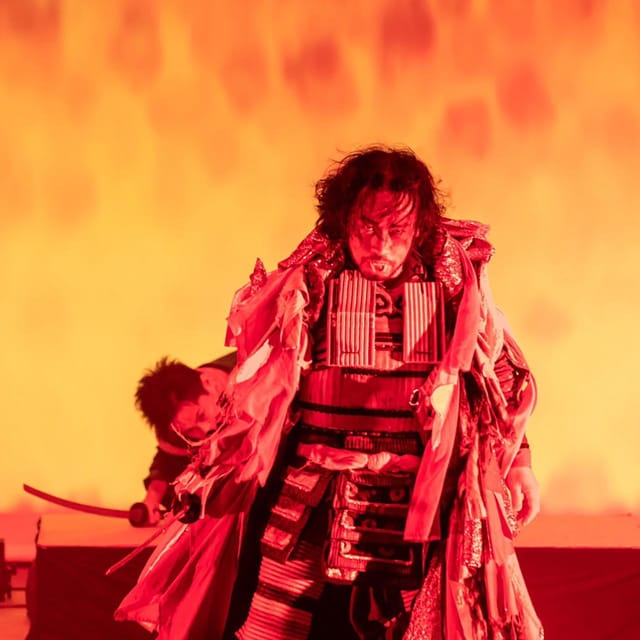
The performance centers on Taira no Masakado, a legendary warrior and rebel associated with Kanda Myojin. The story draws on Japanese folklore and presents Masakado as a figure whose spirit continued to matter after his death.
You should not expect a documentary-style account of medieval Japan. The show uses dramatic movement, fantasy elements, music, lighting, sound effects, and visual storytelling. Some scenes are easier to understand through the actors’ expressions and gestures than through spoken dialogue.
A short printed guide helps explain what happens in each section. Read it while you eat or drink before the lights go down. This small bit of preparation makes the story easier to follow, especially if you do not already know Masakado’s place in Japanese tradition.
The production also includes other characters and legends. Certain scenes feature figures such as the Spiderwoman and the Butterfly and the Black Fox. The result is a collection of dramatic episodes rather than a strictly linear samurai battle story.
That distinction matters. If you want a detailed explanation of samurai armor, military tactics, or sword schools, this may not be the right choice. If you want a lively stage interpretation of Japanese folklore, the mix of traditional material and modern theater works well.
Swordplay, dance, costumes, and modern stage effects
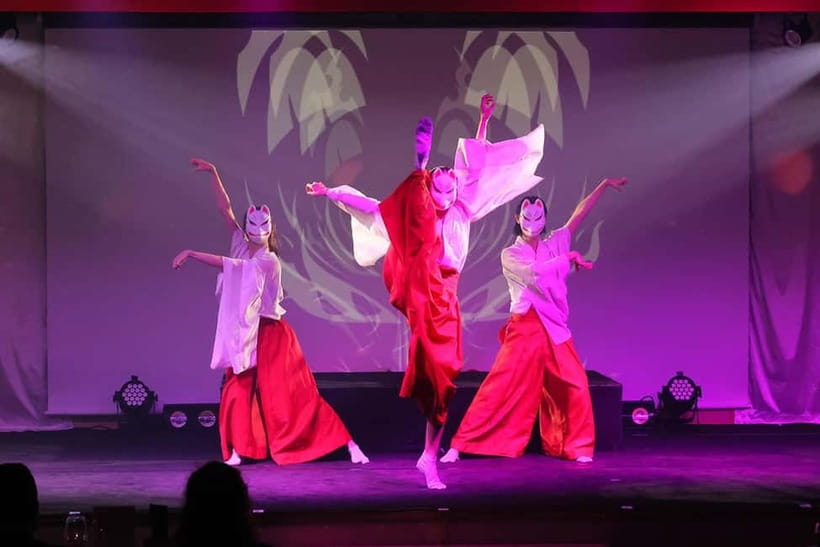
The one-hour show is built around movement. The cast uses swordplay, dance, choreographed gestures, music, and facial expression to carry the story. The action is designed for a small room, so you are close enough to notice the actors’ expressions and physical control.
The production also uses lighting and sound effects to shift the mood from one scene to the next. That modern touch helps keep the show moving and gives it a quality closer to live-action anime than to a formal historical drama. The costumes provide much of the visual impact, with each character clearly presented through clothing and stage appearance.
The show has plenty of energy, but you should keep your expectations in check about sword fighting. One audience member wanted more extended combat and more focus on the development of sword skills. That is a fair point. The performance includes swordplay, but its main purpose is storytelling and theatrical movement, not a technical martial arts demonstration.
I would describe it as a visual dance drama with samurai themes. The actors do not rely on long speeches to explain every event. Instead, the show asks you to follow the music, movement, costumes, and emotional tone of each scene.
A different set of gates, same trip:
- Tokyo Panoramic 1 Day: Meiji Shrine, Asakusa, Odaiba and SKYTREE®
★ 4.5 · 1,222 reviews - Tokyo: Zen Meditation at a Private Temple with a Monk
★ 5.0 · 510 reviews - Mt. Fuji Heritage Tour: Traditional Villages, Lakes & Shrine
★ 4.5 · 509 reviews - Tokyo: Asakusa and Tokyo’s Oldest Temple Senso-ji Tour
★ 4.9 · 352 reviews
Dinner choices: hot pot, à la carte food, and drinks
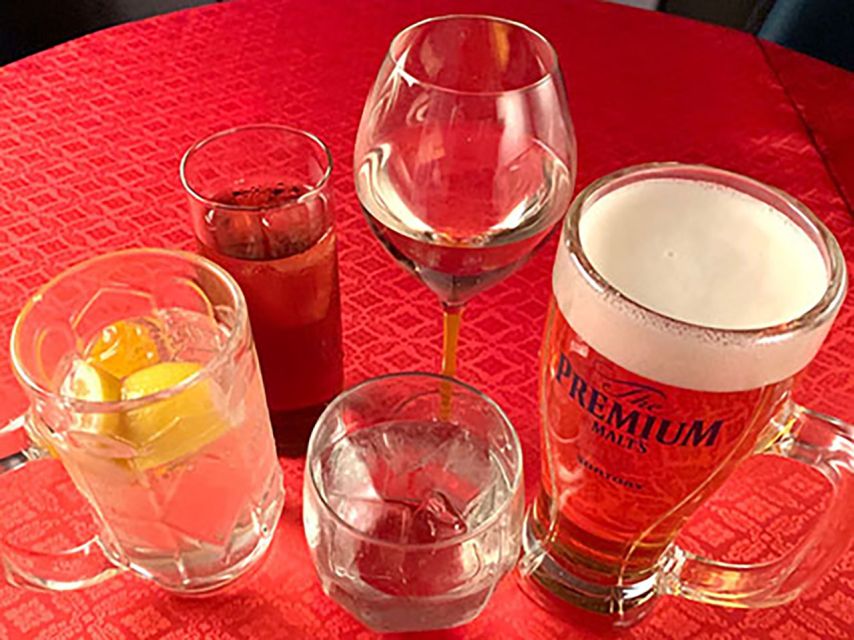
The standard activity includes the samurai show and either one drink or unlimited drinks, depending on the option you choose. Food is not automatically included, although an à la carte menu is available.
One listed course features an individual chicken hot pot. Your pot arrives with seasonal vegetables and broth, and you add the chicken yourself. Once the meat changes color, you dip it into the sauce and eat it. Udon noodles can be added toward the end, which keeps them from becoming overcooked.
This is a fun choice if you want a hands-on Japanese meal and enough food to make the evening feel like dinner rather than a theater visit with snacks. Vegetarian udon has also been available, but you should check the current menu and option details when booking.
Other food mentioned by diners includes fried chicken, French fries, gyoza, soup, ice cream, fruit, and a fried churro-style dessert. Menu choices and prices can change, so treat those as examples rather than a guaranteed selection.
The unlimited-drink option can be good value if you plan to drink during the pre-show hour. Alcoholic and nonalcoholic drinks have been available, but remember that ordering is meant to happen before the show. If you order a drink just before the performance, you may not get a chance to finish it during the action.
For the clearest comparison, think of the $41 price as the entry cost for the performance plus the included drink option, not as a full dinner package. Add food if you want the dinner theater format. If you are mainly interested in the show, you can keep the meal portion modest.
The small room is part of the appeal
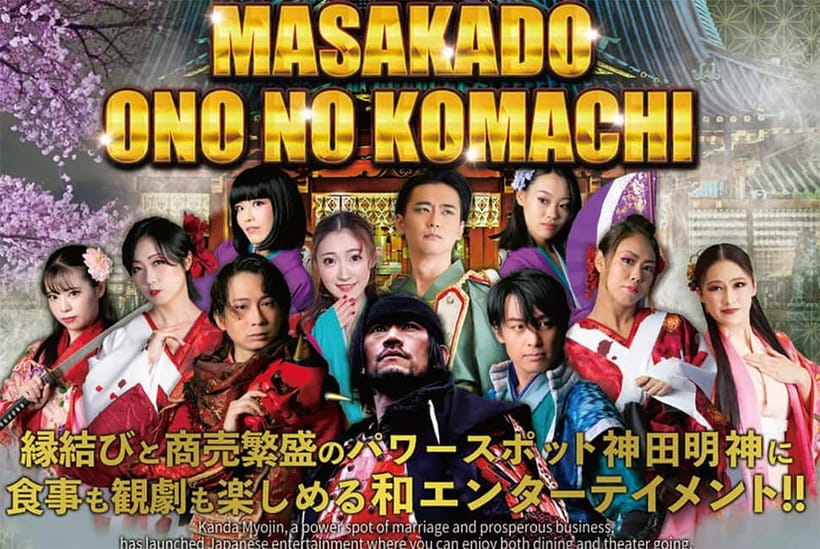
The venue is intimate, with the audience seated close to the stage. That makes the performance feel personal and helps the cast connect with the room. You are not watching distant figures on a large stage.
The trade-off is that you do not control your exact position. Seats are assigned by the restaurant, and no seat requests are accepted. The first four rows are classified as front seating, but you should not assume you can choose one.
If you care strongly about getting close to the stage, check the available seating option before booking. Otherwise, accept the assignment and focus on the benefit of a compact room. The performance uses movement across the stage and sometimes beyond it, so a fixed front-row seat is not the only way to feel involved.
The experience is wheelchair accessible. One important practical point is to allow time for movement through the shrine and venue. A wheelchair user described the return trip to the hotel as challenging, so arranging your evening transport in advance may make the end of the night easier.
Meeting the cast after the final scene
The photo period from 9:15 to 10 PM is one of the strongest parts of the experience. After the final scene, the performers come out to speak with the audience and pose for pictures.
You can take photos with the dancers and actors free of charge during this period. This is also your chance to ask about the costumes, characters, or performance. Several cast members speak with visitors in English, and the friendly interaction makes the evening feel less formal.
Do not confuse the photo period with permission to record the show. Cameras, video, and audio recording are not allowed during the performance. Photography and video are permitted at the designated time afterward, including photos with the cast.
Tipping is not required in Japan, and it is not listed as part of the activity. Some people may choose to offer a tip as a personal thank-you, but you should not feel pressured. The important thing is to follow the staff’s instructions and keep the photo line moving.
Who will enjoy this samurai show
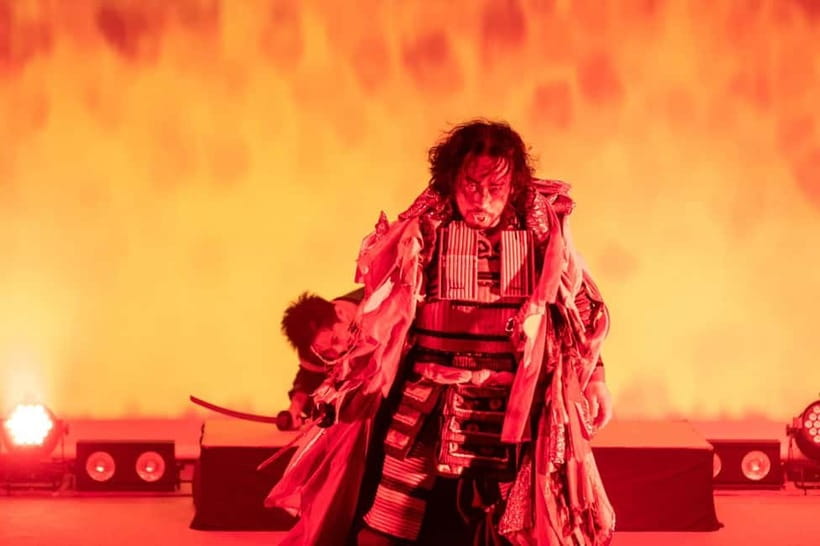
This is a good choice for anyone who wants an evening activity that combines Japanese culture, live theater, and a shrine visit. It works especially well for first-time visitors who want something beyond a standard sightseeing stop.
Families with older children can also enjoy it. Children around ten and twelve have found the performance entertaining, though the best age depends on your child’s interest in stage action and folklore. The show is energetic rather than frightening, but some scenes may feel intense to younger children.
You may also enjoy it if you are traveling alone. The meal setting and pre-show atmosphere give you something to do before the curtain, and the cast interaction makes the night feel social without requiring you to arrive with a group.
I would be more cautious if your main goal is historical accuracy, extended sword combat, or a quiet formal dinner. The story can be confusing, the food is secondary to the performance, and the modern effects may not suit someone seeking a strictly traditional presentation.
Is $41 a good value?
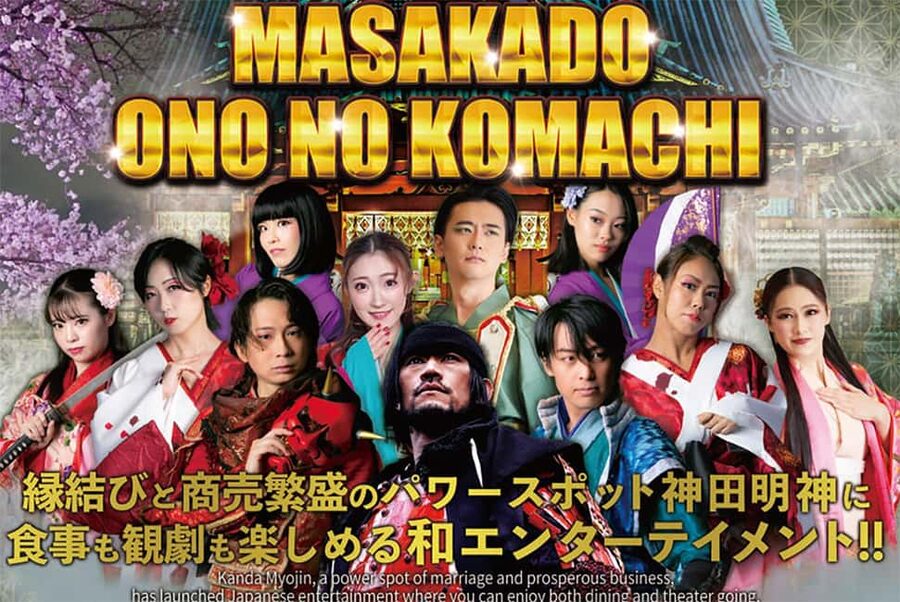
At $41 per person, the basic price is reasonable for Tokyo if you value the full evening rather than only the one-hour show. You receive the performance, one drink or an unlimited-drink package depending on the option, access to the shrine setting, and free photos with the performers afterward.
The value improves if you choose the unlimited-drink option and plan to arrive at 7 PM. It also improves if you want a complete night out and add the hot pot or another meal. If you only want a short samurai demonstration, the price may feel high because much of the evening includes dining and social time.
The cast interaction is a real part of the value. Many stage shows end when the curtain falls. Here, the performers remain available for photos and conversation for 45 minutes, which gives you a more personal memory of the evening.
Free cancellation up to 24 hours before the activity and the option to reserve now and pay later also make it easier to fit into a changing Tokyo schedule. Still, check the exact food and drink option before paying, since those inclusions vary.
My recommendation
I would book this show if you want a compact, entertaining introduction to Japanese folklore with a memorable setting. The best reasons to go are the close-up theater, striking costumes, energetic cast, and post-show photos.
Go in knowing that this is theatrical samurai storytelling, not a museum lesson or a pure sword-fighting exhibition. Arrive at 7 PM, read the story guide before the lights go down, order all food and drinks early, and save your camera for the final photo period. With those expectations, the evening offers good value and a welcome change from Tokyo’s usual sightseeing routine.
FAQ
Where does the samurai show take place?
The show takes place at The Show restaurant in the basement of Kanda-Myojin Bunka-Koryu-kan, within the Kanda Myojin Shrine complex.
What time should I arrive?
Doors open at 7 PM. You should arrive in time to be seated by 8 PM because entry is not possible after 8:15 PM.
When is the samurai performance?
The performance runs from 8:15 to 9:15 PM.
Is food included in the ticket?
Food is not included in the basic activity. An à la carte menu is available, and a chicken hot pot course may be selected as an option.
What drinks are included?
The activity includes either one drink or unlimited drinks, depending on the option you select.
Can I take photos or videos during the show?
No. Cameras, video recording, and audio recording are not allowed during the performance. Photos and videos are allowed during the designated period after the show.
Can I take a photo with the performers?
Yes. From 9:15 to 10 PM, you can take photos with the performers and speak with them.
Newly written up around Tokyo
- Tokyo History: Sensoji Temple & Asakusa District Private Tour★ 5.0 · 28 reviews
- From Tokyo: Snow Monkey Park & Zenko-ji Temple Private Tour★ 4.9 · 42 reviews
- Tokyo Private Tour: Temples, Culture & Modern City Highlights★ 5.0 · 56 reviews
- From Tokyo: Nikko Toshogu Shrine and Kegon Waterfall Tour★ 4.0 · 42 reviews
- Tokyo: Snow Monkey Park and Zenkoji Temple Private Day Tour★ 4.7 · 127 reviews
- Tokyo Morning Tour: Asakusa, Meiji Shrine and Tsukiji Fish Market★ 5.0 · 128 reviews
- Tokyo Zen Meditation at Private Temple with Monk★ 5.0 · 178 reviews
- From Tokyo: Private Tour Snow Monkey Park & Zenko-ji Temple★ 4.7 · 184 reviews
Tokyo Temple Tours, compared.
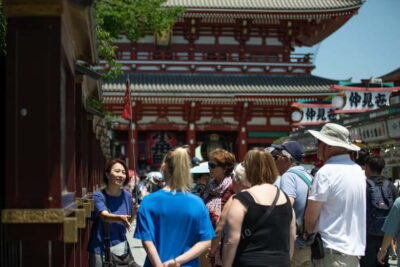
Asakusa Walking Tour with Sensoji Temple Visit
Read our review →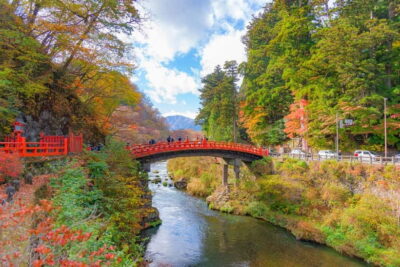
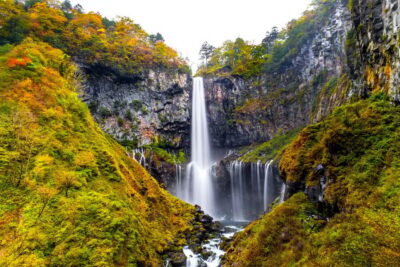
Nikko Toshogu Shrine and Kegon Waterfall Tour
Read our review →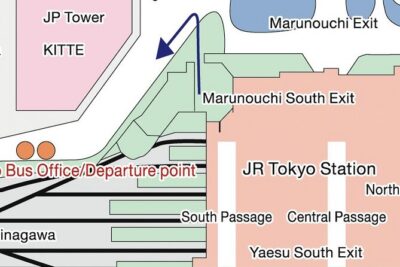
Tokyo Panoramic 1 Day: Meiji Shrine, Asakusa, Odaiba and SKYTREE®
Read our review →
Mt. Fuji Heritage Tour: Traditional Villages, Lakes & Shrine
Read our review →
Asakusa and Tokyo’s Oldest Temple Senso-ji Tour
Read our review →
Imperial Palace, Sensō-ji Temple, & Tokyo Tower Tour
Read our review →Browse the lists this tour appears in