
Reviewed · TOKYO TEMPLE TOURS
Tokyo: Zen Meditation at a Private Temple with a Monk
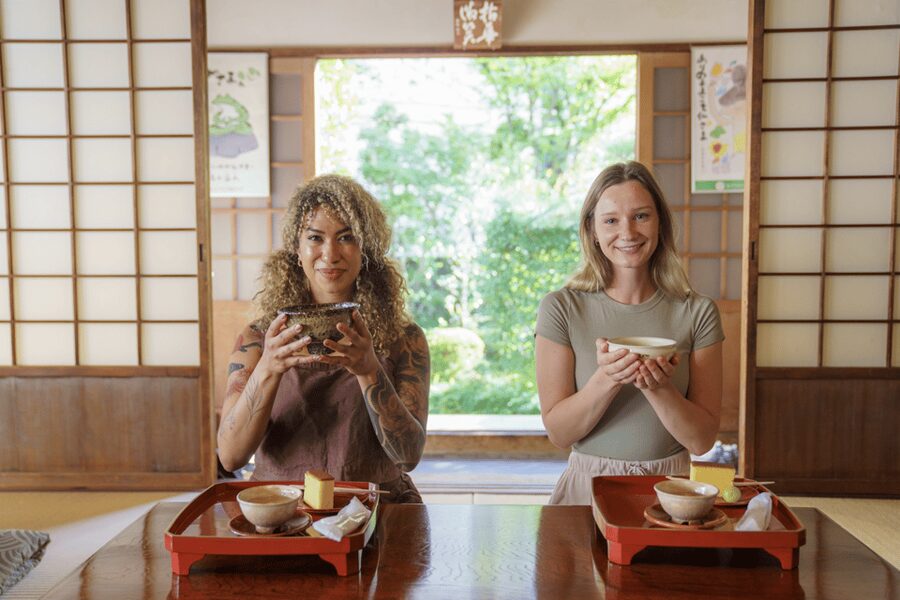
A quiet temple in central Tokyo is the setting for this unusually personal introduction to Zen. You sit on tatami, learn the basics of Zazen meditation, and spend time with a resident monk rather than simply looking at a temple from outside. I like the calm setting and the chance to ask direct questions about Buddhist practice, daily life, and Japanese culture. I also like the thoughtful finish: matcha, sweets, and calligraphy give the session a hands-on cultural side.
The main consideration is that this is an introduction, not a long meditation retreat. The advertised visit lasts 90 minutes, and the meditation periods may be fairly short, so experienced practitioners could want more sitting time. You also need to find the correct Family Mart meeting point and have WhatsApp ready for contact from the guide.
Key points at a glance
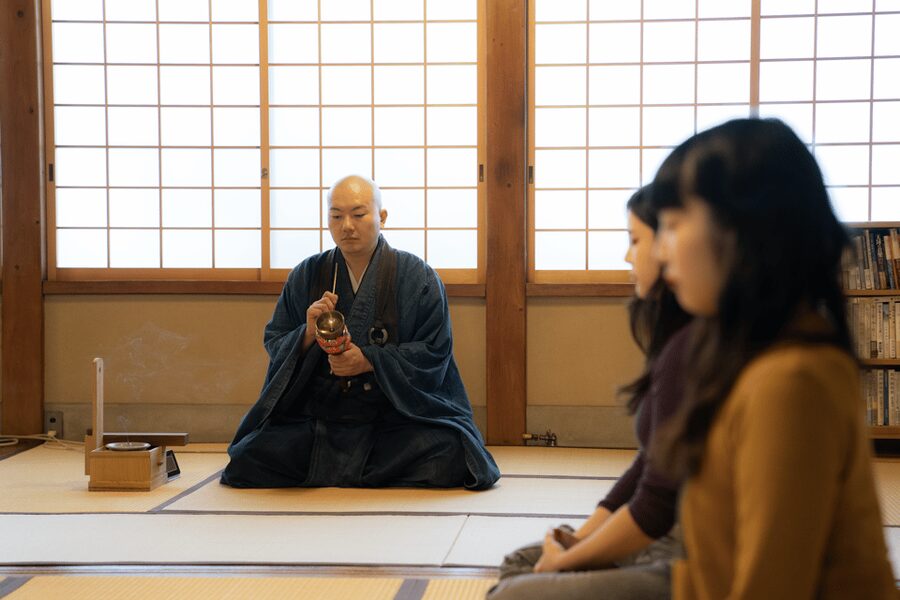
- A private Asakusa temple: Enter a temple not generally open to the public, with a history spanning more than 400 years.
- A monk-led lesson: Learn Zazen posture, breathing, and basic Zen ideas directly from the resident monk.
- English support: Guides such as Tamami, Kazu, and Shota explain the setting and translate the monk’s teaching.
- More than meditation: The visit can include calligraphy, chanting, matcha, sweets, and an open question period.
- A compact schedule: At $55 per person and 90 minutes, it fits neatly into a morning or afternoon in Asakusa.
- Simple meeting details: Meet near Tawaramachi Station, but check which of the two nearby Family Mart branches is correct.
Entering a private temple near Tawaramachi
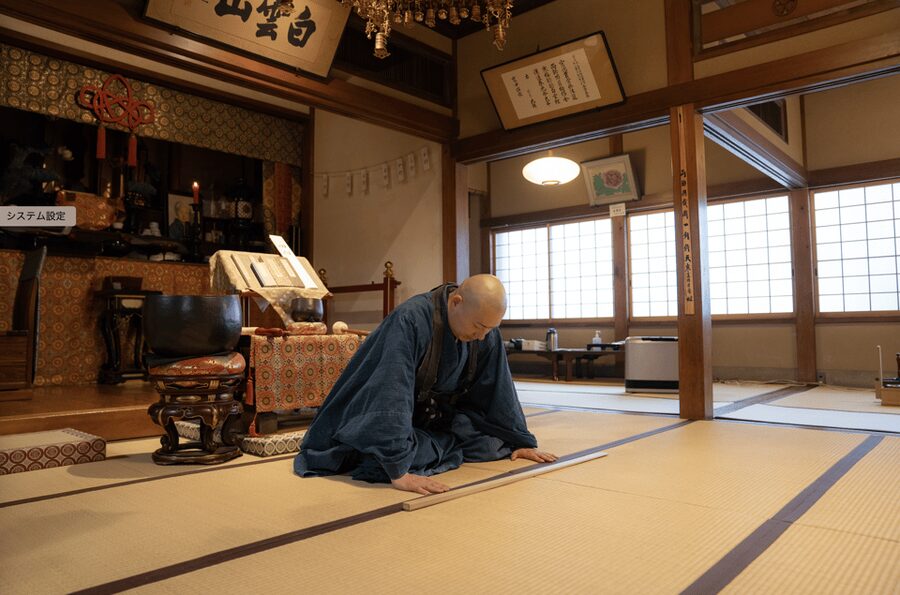
The first appealing feature is the setting. Asakusa is famous for Senso-ji and its busy approach streets, but this experience takes you into a much smaller temple space away from the usual sightseeing flow. You meet in front of a Family Mart about two minutes from Tawaramachi Station on the Ginza Line, then enter with the guide.
This meeting point is easy to reach, but it deserves care. There are two Family Mart branches in the area, so do not rely only on the store name. Check the exact instructions before you leave your hotel, and watch for a WhatsApp message from the guide. Having WhatsApp installed before the visit is part of the practical preparation.
Inside, the mood changes quickly. You trade city noise for tatami, incense, a small sacred space, and a close conversation rather than a large tour group moving past a display. The temple has been connected with several generations of monks, and the setting gives the visit a sense of continuity that a standard cultural demonstration cannot quite match.
The experience is not presented as a public temple tour. It is a guided visit into a private place, with entry arranged for the activity. That makes it feel special, but it also calls for good manners. Follow the guide’s instructions about where to sit, when to take photos, and how to move through the temple.
Other temple visits near Tokyo we have written up
- Tokyo: Asakusa Walking Tour with Sensoji Temple Visit
★ 4.8 · 1,583 reviews - Nikko: Kegon Falls, Lake Chuzenji & Toshogu Temple
★ 4.6 · 1,577 reviews - Tokyo: Nikko Toshogu Shrine and Kegon Waterfall Tour
★ 4.5 · 1,266 reviews
Meeting the guide and the monk
Your English-speaking guide is an important part of the experience. The monk’s explanations are translated and placed in cultural context, so you are not left trying to follow unfamiliar Buddhist terms on your own. Tamami is frequently associated with this activity, and other sessions may be led by Kazu or Shota.
Tamami’s role goes beyond basic translation. She explains Japanese customs, helps the group settle into the meditation, answers practical questions, and may take photographs during the visit. That support matters because the session is intimate, and a good guide helps you feel comfortable without turning a quiet ritual into a loud performance.
The resident monk, Namiki-san, leads the teaching. The tone is friendly and open rather than stern. The time with him is one of the strongest reasons to book this instead of simply visiting a famous temple. You can ask about Zen, meditation, temple life, Japanese customs, and the ideas behind the practice.
You should not expect a theological lecture aimed at specialists. The teaching is designed for ordinary visitors, including people who have never meditated. That makes it useful for beginners, while anyone with prior experience can still ask more focused questions during the final discussion.
Learning how Zazen works
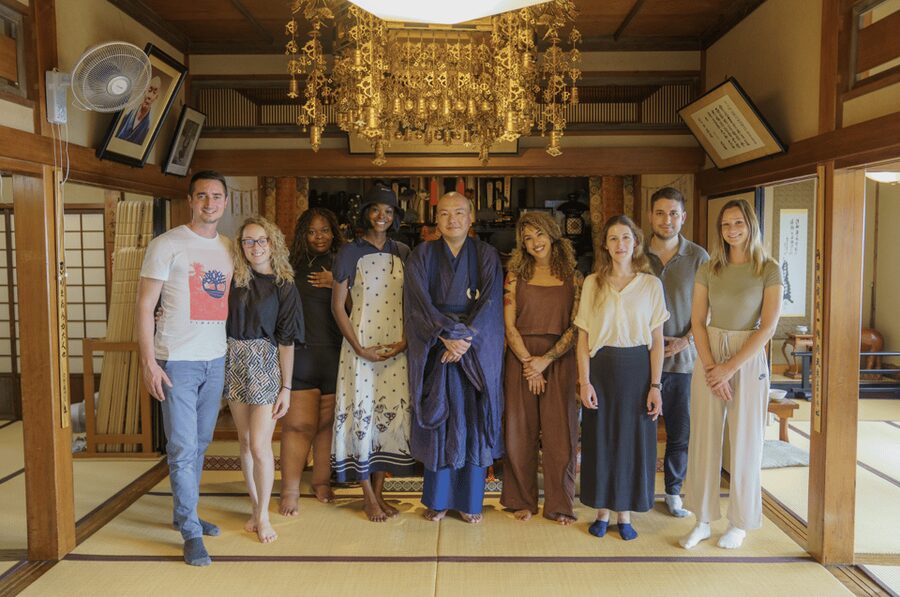
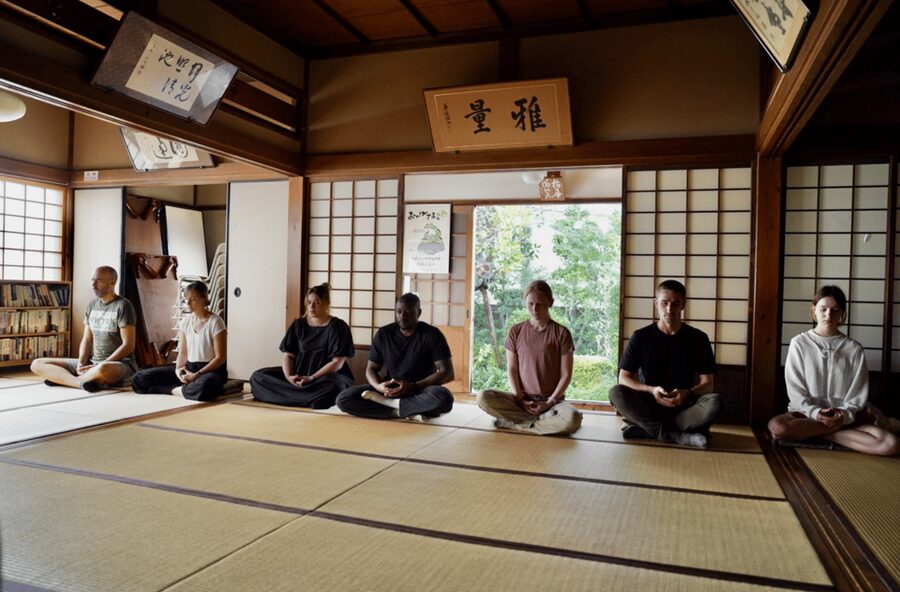
Zazen means seated meditation, and the monk explains its basic principles before you try it. The focus is on posture, breathing, attention, and the effort to set aside the constant stream of outside concerns. You are not simply told to close your eyes and relax. The session gives you a window into the discipline behind Zen meditation.
Expect to sit on tatami and follow instructions from the monk. The emphasis is on breathing in a steady rhythm and bringing your attention back when the mind wanders. That last part is worth remembering: the goal is not to produce a perfectly empty mind. It is to notice distraction and return to the practice.
The sitting periods appear to vary with the group and the shape of the session. One version includes two meditations of about 10 minutes each. Another description refers to roughly 25 minutes of silent sitting. Treat this as a short introduction rather than an extended retreat. If you are new to meditation, the length is manageable. If you already sit regularly, you may wish the meditation portion lasted longer.
A traditional meditation stick may also be used if you ask the monk. This is not something to fear. It is part of the traditional atmosphere and can help you understand how formal Zen practice differs from a casual mindfulness class. Ask the guide or monk about it before the session if you are curious.
The practical value here is simple. Tokyo can be exciting from morning until night, but a structured pause helps you notice how quickly your attention jumps from one thing to another. Even a short sitting can make the rest of your day feel less hurried.
Calligraphy turns silence into a hands-on activity
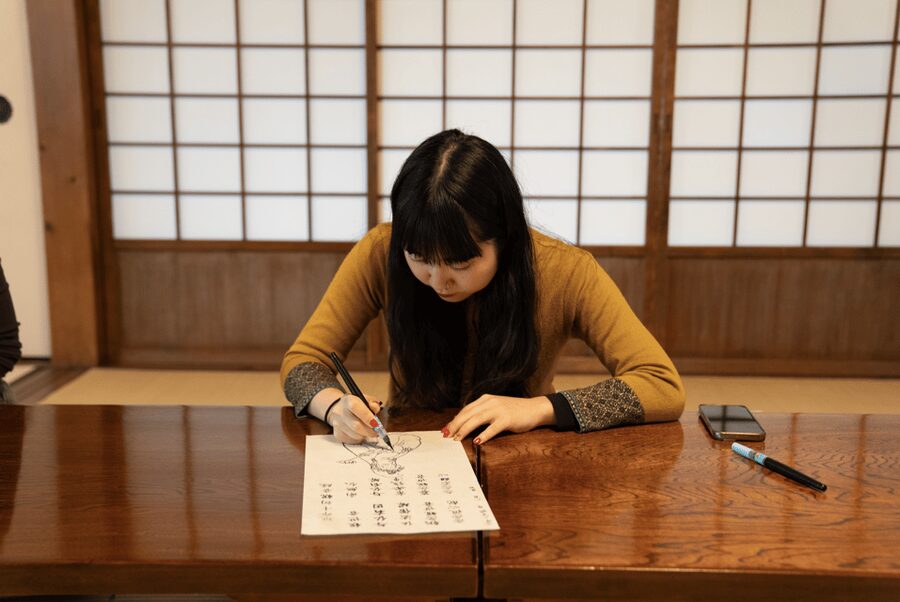
Calligraphy is not always listed as a central feature, but it appears in many versions of the experience and is one of its nicest surprises. You receive a brush and practice writing while the monk may chant. The exercise gives your hands something precise to do after the stillness of meditation.
This is not presented as a formal calligraphy class with a long technical lesson. It is closer to a mindful cultural activity. You concentrate on the movement of the brush, the shape of each mark, and the sound of the chanting. That makes it a natural bridge between meditation and tea.
The calligraphy also gives you something tangible to keep. One participant described displaying the finished work at home as a reminder to continue making space for meditation. Your result may not look like a master’s work, of course, but that is not the point. The value is in slowing down and taking part.
If calligraphy is especially important to you, confirm what will be included when you book, since the core description promises Zen meditation and tea while calligraphy appears as an additional activity in many sessions. The guide can explain the plan for your date.
A different set of gates, same trip:
- Tokyo Panoramic 1 Day: Meiji Shrine, Asakusa, Odaiba and SKYTREE®
★ 4.5 · 1,222 reviews - Mt. Fuji Heritage Tour: Traditional Villages, Lakes & Shrine
★ 4.5 · 509 reviews - Tokyo: Samurai Entertainment Night Show in Kanda Shrine
★ 4.6 · 417 reviews - Tokyo: Asakusa and Tokyo’s Oldest Temple Senso-ji Tour
★ 4.9 · 352 reviews
Matcha, sweets, and a conversation without a script
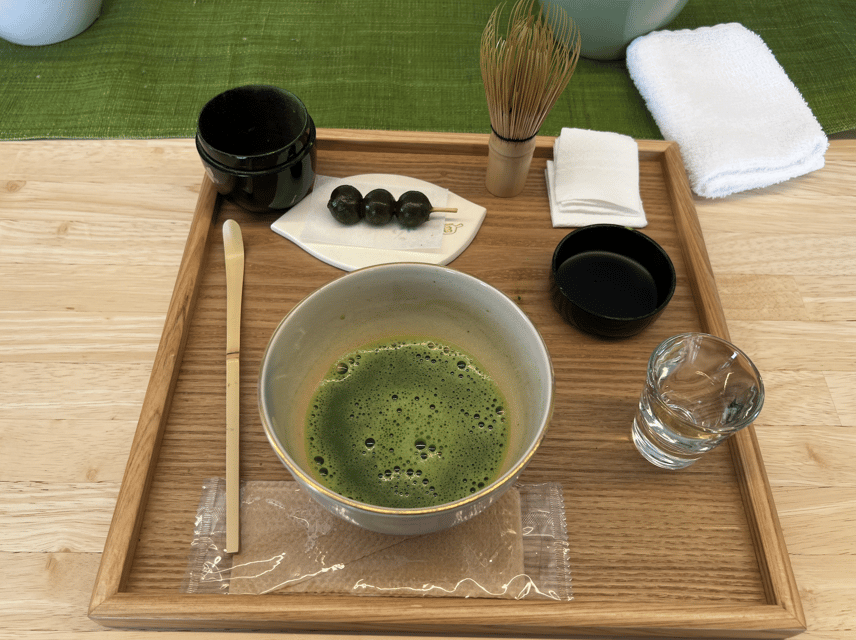
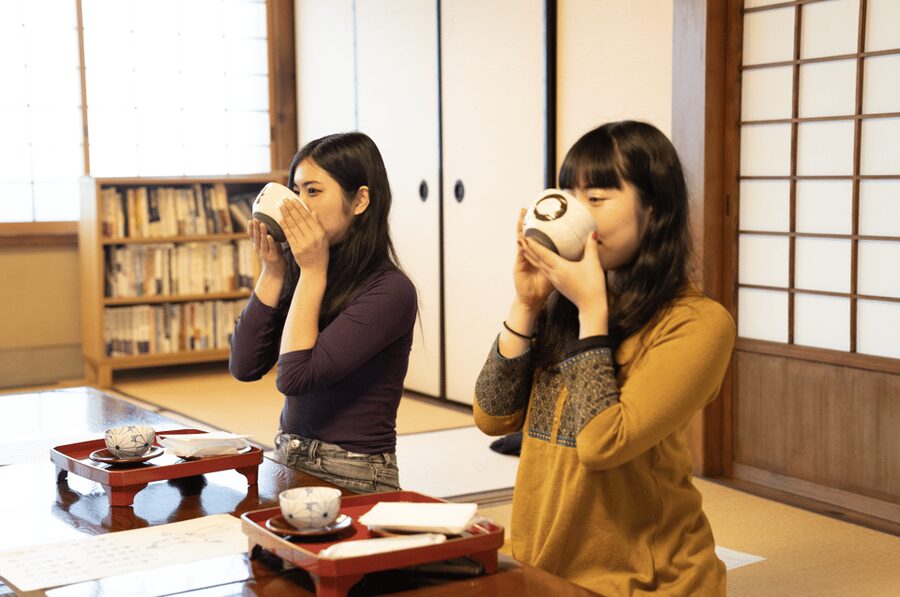
The final part shifts from instruction to exchange. You take part in a small matcha tea ceremony, often with traditional sweets, then sit for questions with the monk. The tea is not just a snack added to fill time. It gives you a chance to notice a slower style of hospitality and to consider the link between attention and ordinary actions.
The question period is where the activity becomes personal. You can ask about meditation, Zen Buddhism, the temple, Japanese life, stress, or the monk’s own experience. The discussion is informal and human. The monk is described as patient and sometimes funny, which helps keep the conversation from feeling stiff.
Some of the practical advice shared during these talks is easy to carry home: give full attention to small tasks, keep your surroundings orderly, avoid comparing yourself with other people, and look closely at the roots of anger. You do not need to accept every idea as a complete answer to modern stress. Still, these simple suggestions give the visit more substance than a photo opportunity.
The tea ceremony also brings the group together. Meditation can feel private, but sharing tea and questions makes the session social without losing its quiet tone. If you are shy about speaking, you can listen. If you have been curious about Buddhism but never had a chance to ask a monk anything directly, this is your opening.
What the $55 price gets you
At $55 per person, the experience is not the cheapest way to spend 90 minutes in Tokyo. You can visit major temples for little or no entry cost, and you can drink matcha elsewhere for less. The price makes more sense when you see what is included: access to a private temple, a guide, English translation, monk-led instruction, meditation, tea, and often calligraphy.
You are paying for access and interpretation as much as for the activities. Without the guide, you might sit in a beautiful room but miss the meaning of the posture, the ceremony, or the monk’s comments. The English support is especially useful because the value rests on conversation, not just observation.
I think the cost is fair for a first Zen experience, a special-occasion activity, or a cultural visit that gives you direct contact with a monk. It is less compelling if your only goal is a long period of silent meditation. In that case, look for a dedicated meditation center with a longer sitting schedule.
The 90-minute length helps the value. You get several distinct parts without giving up an entire day of sightseeing. Place it before or after exploring Asakusa, but leave enough time to arrive calmly. Rushing into a meditation session after getting lost near the station would miss the point.
Who will enjoy this most
This suits first-time meditators particularly well. The monk explains the practice in plain terms, the guide helps with translation, and the sitting periods are short enough to feel approachable. You do not need to know Buddhist vocabulary or have a regular meditation habit.
It also works for couples, friends, and solo visitors who want something quieter than another observation deck or food stop. The private setting and question period give you room to take part at your own level. You can meditate seriously, focus on the cultural side, enjoy the tea, or do a little of all three.
Families with older children or teenagers may find the calligraphy and sweets helpful, but the activity still requires quiet behavior and seated attention. Very young children may find the format difficult, and the supplied details do not state a minimum age or special child arrangements, so ask before booking.
Experienced meditators should set expectations carefully. You may value the monk’s perspective and the traditional setting, but the practice time is not guaranteed to be long. The strongest reason for you to go would be the access to the temple and the conversation, not an intensive meditation schedule.
Photography is allowed, according to the activity details and practical experience of the visit. Be respectful and follow the guide’s timing. Taking a few photos after the formal practice is more fitting than treating the meditation room like a photo studio.
Practical planning for your Asakusa morning
The meeting point is in front of Family Mart near Tawaramachi Station, on the Ginza Line. Confirm the branch carefully because two are located in the area. The guide contacts you through WhatsApp, so download it in advance and keep an eye on messages.
Transportation is not included. You make your own way to the meeting point, and the activity does not provide hotel pickup. The nearby subway station makes the start straightforward once you have the correct store.
The tour is offered in English with a live guide. Translation is central to the format, especially during the monk’s teaching and the question period. If you want to ask something specific, write it down before you arrive so you do not forget it once the conversation begins.
Wear clothes that let you sit comfortably. The information does not set out a formal dress code, but you are entering a sacred place, so modest, tidy clothing and quiet behavior are sensible. Remove or silence anything that could interrupt the meditation.
Cancellation is free up to 24 hours before the start, and you can reserve now and pay later. That gives you some flexibility when arranging a busy Tokyo schedule. Check available start times because the exact departure time is not fixed.
Should you book this Zen meditation?
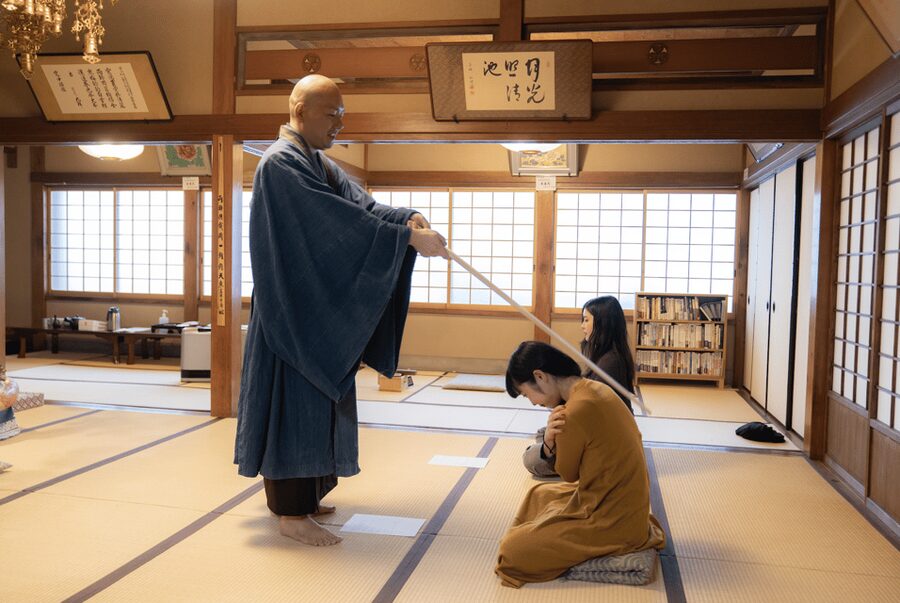
Book it if you want a calm, personal cultural experience and are curious about what Zen practice feels like in a working temple. The combination of a monk, a private setting, English translation, calligraphy, matcha, and open questions gives the 90 minutes real variety.
I would especially recommend it early in your Tokyo visit. The breathing practice and quiet room offer a useful break from the city, while the monk’s advice can shape how you approach the rest of your trip. It is also a good choice for someone who wants an authentic encounter but does not have time for a full retreat.
Skip it if you want a long, silent meditation session with no cultural extras. You may find the sitting periods too brief, and the tea and calligraphy may feel like distractions from your main goal. For most curious visitors, though, $55 buys more than a meditation class. It gives you a respectful way into a private temple and a real conversation with the person who lives its practice.
FAQ
Where does the Zen meditation experience meet?
You meet in front of a Family Mart in the Asakusa area, about two minutes from Tawaramachi Station on the Ginza Line.
Are there two Family Mart stores near the meeting point?
Yes. There are two branches in the area, so check the exact meeting instructions carefully before you go.
How long does the activity last?
The advertised duration is 90 minutes. The exact balance between meditation, calligraphy, tea, and conversation can vary.
Is the activity conducted in English?
Yes. It includes an English-speaking live guide who helps translate and explain the monk’s teaching.
Who leads the meditation?
A resident monk, Namiki-san, explains Zen and leads the meditation practice. Guides such as Tamami, Kazu, or Shota may assist with translation and cultural explanations.
What is included in the $55 price?
The price includes the Zen experience, guide, temple entry, the monk’s explanation, and matcha tea.
Is transportation included?
No. You arrange your own transportation to and from the meeting point.
Can I cancel for a full refund?
Yes. You can cancel up to 24 hours before the activity for a full refund.
Do I need WhatsApp?
You should download WhatsApp before the tour because the guide will contact you through it to help arrange a smooth meeting.
Newly written up around Tokyo
- Tokyo History: Sensoji Temple & Asakusa District Private Tour★ 5.0 · 28 reviews
- Tokyo Private Tour: Temples, Culture & Modern City Highlights★ 5.0 · 56 reviews
- From Tokyo: Snow Monkey Park & Zenko-ji Temple Private Tour★ 4.9 · 42 reviews
- From Tokyo: Nikko Toshogu Shrine and Kegon Waterfall Tour★ 4.0 · 42 reviews
- Tokyo Morning Tour: Asakusa, Meiji Shrine and Tsukiji Fish Market★ 5.0 · 128 reviews
- Tokyo: Snow Monkey Park and Zenkoji Temple Private Day Tour★ 4.7 · 127 reviews
- Tokyo Zen Meditation at Private Temple with Monk★ 5.0 · 178 reviews
- From Tokyo: Private Tour Snow Monkey Park & Zenko-ji Temple★ 4.7 · 184 reviews
Tokyo Temple Tours, compared.
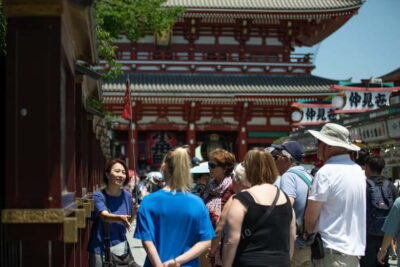
Asakusa Walking Tour with Sensoji Temple Visit
Read our review →
Nikko Toshogu Shrine and Kegon Waterfall Tour
Read our review →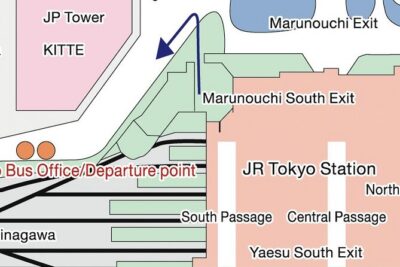
Tokyo Panoramic 1 Day: Meiji Shrine, Asakusa, Odaiba and SKYTREE®
Read our review →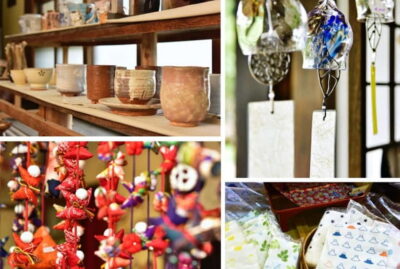
Mt. Fuji Heritage Tour: Traditional Villages, Lakes & Shrine
Read our review →
Samurai Entertainment Night Show in Kanda Shrine
Read our review →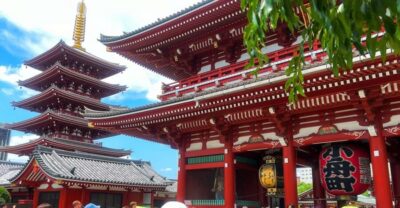
Asakusa and Tokyo’s Oldest Temple Senso-ji Tour
Read our review →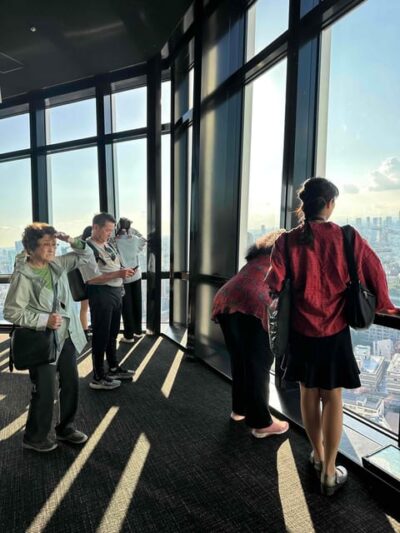
Imperial Palace, Sensō-ji Temple, & Tokyo Tower Tour
Read our review →Browse the lists this tour appears in