
Reviewed · TOKYO TEMPLE TOURS
Tokyo Zen Meditation at Private Temple with Monk
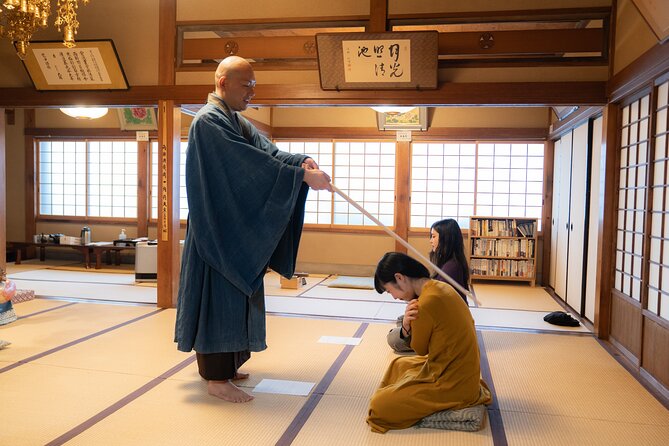
A private temple in Asakusa, a welcoming monk, and a quiet ninety minutes make this Zen meditation experience one of Tokyo’s more unusual cultural outings. You learn the basics of seated meditation, practice it yourself, and finish with matcha, sweets, calligraphy, and open conversation.
I like the direct access to the monk and the English-speaking guide who explains customs without making you feel lost. I also like the setting: Kinryu-ji is a 400-year-old temple that is not open to the general public. The main drawback is that the meeting address can be confusing, so confirm the exact spot before you go.
Key points to know before booking
- A private visit to Kinryu-ji Temple: This 400-year-old temple is not normally open to the public.
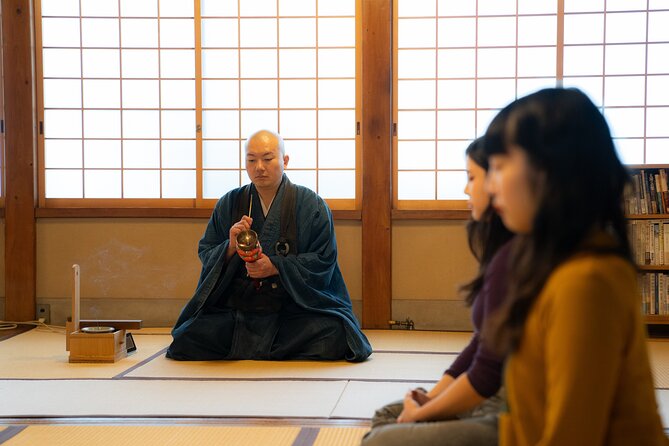
- Personal instruction from a monk: You learn the principles and techniques of zazen, or seated meditation, then practice them.
- More than meditation: Calligraphy or sutra copying, a short tea ceremony, sweets, and prayer may all be part of the session.
- English support throughout: Guides such as Kazu and Tamami help explain the monk’s words, customs, and etiquette.
- A small-group format: The maximum group size is 15 people, which allows some room for questions.
- A useful location in Asakusa: The meeting point is near public transportation, but check the exact address in advance.
A quiet corner of Asakusa
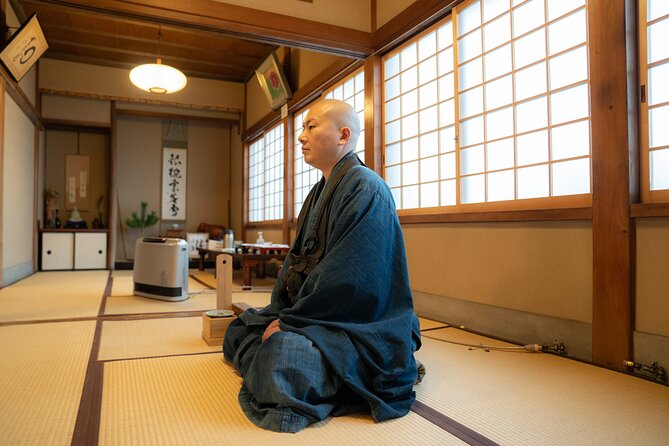
Tokyo can be loud, crowded, and fast. This experience gives you ninety minutes in a very different setting. At Kinryu-ji Temple, you leave the usual sightseeing rhythm behind and sit with a monk in a place that is not open to the general public.
The temple dates back more than 400 years. That does not mean you are signing up for a long lecture on temple architecture. The focus is practical: a short introduction to Japanese culture and Zen, followed by instruction in zazen.
I like that balance. You are not simply looking at a temple, taking a photograph, and leaving. You are given a way to use the room. You sit, listen, breathe, and try the practice yourself.
The temple also gives the experience a sense of occasion. A meditation class in a hotel meeting room could teach similar breathing techniques, but it would not carry the same cultural meaning. Here, the setting is part of what you pay for.
Other temple visits near Tokyo we have written up
- Tokyo: Asakusa Walking Tour with Sensoji Temple Visit
★ 4.8 · 1,583 reviews - Nikko: Kegon Falls, Lake Chuzenji & Toshogu Temple
★ 4.6 · 1,577 reviews - Tokyo: Nikko Toshogu Shrine and Kegon Waterfall Tour
★ 4.5 · 1,266 reviews
Meeting the guide and monk
Your English-speaking guide helps make the experience work for an international audience. The monk leads the religious and meditation portions, while the guide explains points that might otherwise be hard to follow.
Two guides named in the experience are Kazu and Tamami. Kazu has been praised for being warm and helpful, while Tamami is described as upbeat, clear, and good at taking photographs. Guides can change, so treat those names as examples rather than a guarantee.
This guide support matters more than it might seem. Zen terms, prayer customs, calligraphy, and tea etiquette can be difficult to understand from gestures alone. A good interpreter gives you the background without interrupting the calm mood.
The monk is presented as approachable and open to questions. That is an important part of the outing. You are not expected to arrive with any knowledge of Buddhism, and you do not need to speak Japanese. The format is designed to let you ask about meditation, religious customs, or ordinary life at the temple.
The maximum group size is 15 people. That is not a private session for one couple, but it is still far smaller than a major Tokyo attraction. If the group is full, the question period may feel less personal. Even so, the chance to speak with a monk is unusual for a short city tour.
Learning zazen in simple steps
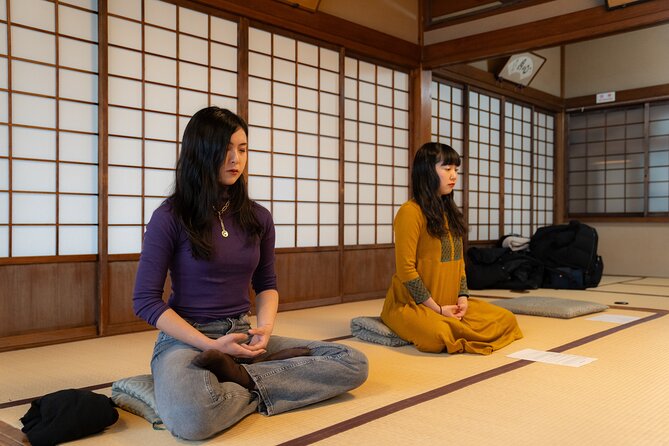
The central activity is zazen, the seated meditation practice associated with Zen Buddhism. The monk first explains its purpose and basic technique. You then try it under his direction.
Do not expect a long silent retreat. This is an introduction, not a monastic training session. The value is in learning enough to understand what the practice asks of you and why posture, breathing, and attention matter.
Some people arrive with meditation experience. Others have never meditated before. The session is built to accommodate both. If you are new to meditation, the guide and monk give you a clear starting point. If you already practice, you may appreciate hearing how the method is explained within a Japanese temple.
The atmosphere is calm, but the experience is not solemn from beginning to end. The monk is described as friendly and humorous, which helps keep the session comfortable. You can expect a serious introduction to Zen without the stiffness of a formal ceremony meant only for specialists.
One detail deserves a practical note. One account describes receiving a traditional tap from the monk during meditation. This may be connected with the use of a meditation stick in Zen practice, but the supplied details do not establish that it is offered to every participant. If the possibility concerns you, ask the guide before the session begins.
Calligraphy, sutra copying, and prayer
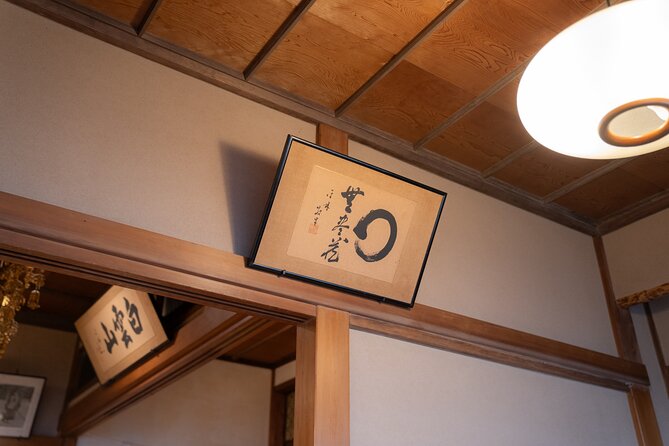
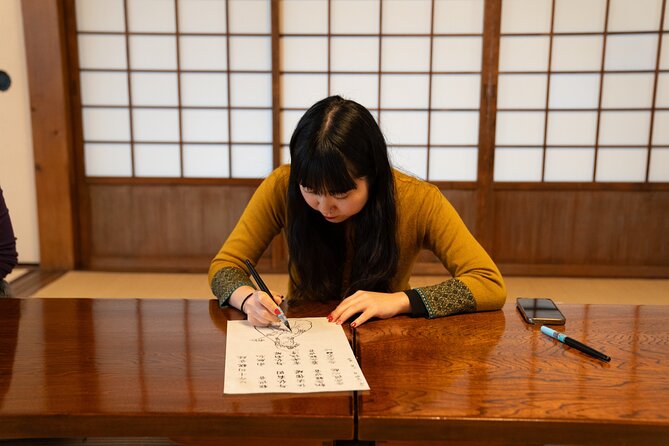
The meditation is often paired with a writing activity. Depending on the session, this may be Japanese calligraphy or copying part of a Buddhist sutra. The activity gives your hands something to do while your mind settles.
I find this a smart addition. Sitting still can be harder than expected, especially after a busy morning in Tokyo. Calligraphy slows the pace in a different way. You focus on the brush, the characters, and the movement rather than trying to force your mind to become blank.
You are not being judged on artistic skill. The point is attention and participation. Even a simple piece of writing becomes a tangible reminder of the visit.
The experience may also include a formal prayer or an explanation of how to pray at the temple. This helps place meditation within its religious setting. Zen is not presented only as a modern relaxation method. You get a glimpse of Buddhist customs as they are practiced in a temple.
The exact combination of activities can vary. The information describes meditation, calligraphy or sutra copying, prayer, and tea, while individual accounts mention slightly different mixes. Think of the writing and prayer portions as likely elements of the session, not a rigid list delivered in precisely the same order every time.
A different set of gates, same trip:
- Tokyo Panoramic 1 Day: Meiji Shrine, Asakusa, Odaiba and SKYTREE®
★ 4.5 · 1,222 reviews - Tokyo: Zen Meditation at a Private Temple with a Monk
★ 5.0 · 510 reviews - Mt. Fuji Heritage Tour: Traditional Villages, Lakes & Shrine
★ 4.5 · 509 reviews - Tokyo: Samurai Entertainment Night Show in Kanda Shrine
★ 4.6 · 417 reviews
Matcha, sweets, and an open question period
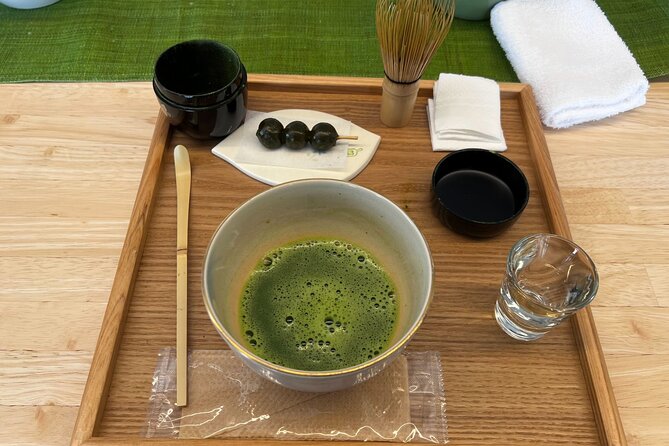
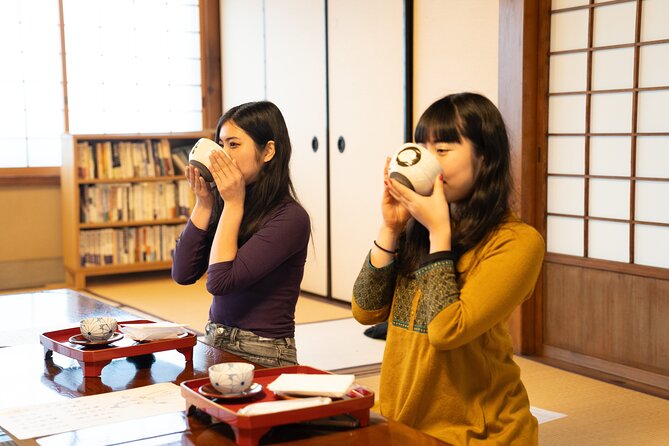
The final part is a short matcha tea ceremony with tea and snacks. This is not described as a full formal tea-school demonstration lasting several hours. It is a compact introduction that lets you try matcha and learn about the meaning of the ritual.
For many people, this is the easiest point at which to relax and talk. You can ask the monk about Zen, Buddhism, meditation, temple customs, or other topics. The open question period is one of the strongest reasons to choose this experience over a basic sightseeing visit.
The monk’s willingness to answer questions gives the outing a human side. You are not only receiving prepared information. You can raise the question that occurred to you during meditation or ask about something you noticed in the temple.
Matcha can have a strong, bitter taste, though sweets are provided. If you are looking for a full meal, this is not it. The tea and snacks are a cultural part of the visit, not a substitute for lunch.
Why the private temple setting matters
Tokyo has many famous temples, but a famous site is not always the best place to understand daily religious practice. Major sights can be crowded, visually impressive, and difficult to experience quietly.
Kinryu-ji offers a different kind of access. The temple is described as private and not open to the general public. That makes the visit feel more personal, though you should not expect a large museum collection or a long list of monuments to inspect.
The setting also supports the pace of the activity. You are not rushing between several stops. There is one stop, one temple, and one focused program. For someone who has spent the day crossing Tokyo by train, that simplicity is welcome.
Photography is allowed within the temple, including photographs with the monk. Tamami, in particular, has been noted for taking many pictures. Ask before photographing during a prayer or meditation moment, and follow the guide’s instructions. A respectful photograph is a souvenir. A camera pointed at every quiet moment can change the mood for everyone.
The value of $56.16
At $56.16 per person, this costs more than a simple visit to a public temple. That comparison is fair, but incomplete. Your price includes entrance, an English-speaking guide, the Zen session, the tea experience, snacks, and photographs with the monk.
The main value is access. You are paying for a planned meeting with a monk in a temple that is not open to the general public. You are also paying for translation and explanation, which makes the experience possible for visitors who do not speak Japanese.
The price makes the most sense if you want participation rather than observation. If your goal is to see as many Tokyo sights as possible, you may prefer to spend the same money on several separate attractions. If you want a quiet cultural activity with personal contact, the cost is easier to justify.
At roughly an hour and a half, it also fits neatly into a Tokyo day. You can schedule it between other activities in Asakusa or use it as a break from crowded streets. The compact length is useful, but it also means the meditation and tea ceremony are introductions rather than extensive study.
Getting there and avoiding the meeting-point problem
The meeting point is listed at Japan, 111-0042 Tokyo, Taito City, Kotobuki, 2-chōme 1-13, Kairaku Building. The activity begins and ends at the meeting point, and it is near public transportation. Private transportation is not included.
The address deserves extra attention. One participant reported being sent to the wrong FamilyMart by the initial directions. I would contact Travel Japan Together Tokyo before the day of the experience, confirm the exact building, and arrive early.
This is especially important in Tokyo, where a small address error can put you on the wrong side of a station or in front of a similar convenience store. Keep the meeting instructions available on your phone, and do not assume the first FamilyMart you see is the right landmark.
Most people can participate, and confirmation is provided at booking. The group can be as large as 15 people. The supplied information does not give a detailed dress code or accessibility description, so ask the operator if you have specific mobility or clothing concerns.
Who will enjoy this experience most
I would choose this for someone who wants to understand more than the visible side of Japan. It suits a first-time visitor who is curious about Buddhism, a regular meditator who wants to learn about Japanese Zen, or a family looking for a calm activity that works across language barriers.
It is also a good option for couples. The temple, tea, writing activity, and photographs give you several shared moments without the pace of a standard walking tour.
Families can participate, but the ninety-minute format includes seated meditation and quiet listening. Very young children may find that difficult. The provided information says most participants can take part, but it does not set a minimum age.
You should think twice if you dislike structured cultural activities or want a long period of silent meditation. The program includes teaching, interpretation, writing, tea, and questions. It is broad rather than intense.
You should also keep expectations realistic. This is not a retreat, a certification course, or a chance to become a Zen practitioner in one visit. It is a well-contained introduction with access to a monk and a private temple.
What I would remember before booking
The experience is highly praised for three things: the monk’s warm manner, the guides’ help, and the mix of activities. Those strengths are connected. Meditation alone could feel abstract. Tea alone could feel brief. Calligraphy alone could feel like a craft lesson. Together, they give you several ways to understand the temple.
I would also remember that the exact flow may change. The supplied details include meditation, calligraphy, sutra copying, prayer, tea, sweets, and photographs. Not every account describes every part in the same way, so ask the guide at the start what your session will include.
Plan to arrive early. Confirm the meeting point. Keep your schedule flexible enough that you do not have to rush out during the question period.
Free cancellation is available if you cancel at least 24 hours before the local start time. Changes or cancellations made less than 24 hours before the start are not accepted for a refund.
Should you book the Kinryu-ji Zen experience?
Book it if you want a personal cultural encounter rather than another famous Tokyo photo stop. The private temple access, English support, monk-led meditation, calligraphy, matcha, and question period give you plenty for the $56.16 price.
I would especially recommend it for first-time meditators, curious families, couples, and anyone who wants a quieter morning or afternoon in Asakusa. Confirm the meeting point and understand that this is a short introduction, not a full retreat.
Skip it if you want a fast sightseeing stop, a full tea ceremony, or a long period of silent practice. For everyone else, this is a thoughtful way to slow down and meet a side of Tokyo that most visitors cannot reach on their own.
FAQ
Where does the Zen meditation experience take place?
The experience takes place at Kinryu-ji Temple in Asakusa, Tokyo. The temple has a history spanning more than 400 years and is not open to the general public.
How long does the experience last?
The activity lasts approximately 1 hour and 30 minutes.
What activities are included?
The session includes a Zen experience, seated meditation instruction and practice, an English-speaking guide, entrance to the temple, matcha tea and snacks, and photographs with the monk. Calligraphy, sutra copying, and prayer are also described as parts of the experience.
Will I be able to speak with the monk?
Yes. The program includes free conversation and a question period with the monk. You can ask about meditation, Buddhism, temple customs, or other topics.
Is English support available?
Yes. An English-speaking guide accompanies the experience and helps explain Japanese culture, Zen, and the monk’s instruction.
How many people can join?
The maximum group size is 15 participants.
Is transportation included?
Private transportation is not included. You meet at the stated location in Taito City, and the activity ends back at the meeting point. The meeting area is near public transportation.
Can I cancel for a full refund?
Yes, if you cancel at least 24 hours before the experience’s local start time. Cancellations or changes made less than 24 hours before the start are not accepted for a refund.
Newly written up around Tokyo
- Tokyo History: Sensoji Temple & Asakusa District Private Tour★ 5.0 · 28 reviews
- Tokyo Private Tour: Temples, Culture & Modern City Highlights★ 5.0 · 56 reviews
- From Tokyo: Snow Monkey Park & Zenko-ji Temple Private Tour★ 4.9 · 42 reviews
- From Tokyo: Nikko Toshogu Shrine and Kegon Waterfall Tour★ 4.0 · 42 reviews
- Tokyo: Snow Monkey Park and Zenkoji Temple Private Day Tour★ 4.7 · 127 reviews
- Tokyo Morning Tour: Asakusa, Meiji Shrine and Tsukiji Fish Market★ 5.0 · 128 reviews
- From Tokyo: Private Tour Snow Monkey Park & Zenko-ji Temple★ 4.7 · 184 reviews
- Tokyo: Meiji Shrine Walking Tour — Shintoism & Imperial System★ 5.0 · 209 reviews
Tokyo Temple Tours, compared.
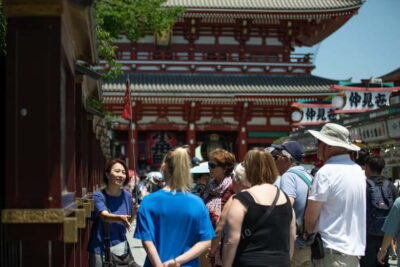
Asakusa Walking Tour with Sensoji Temple Visit
Read our review →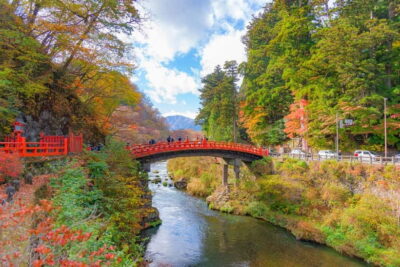
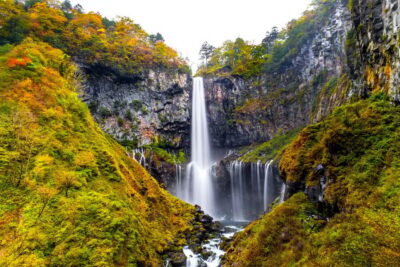
Nikko Toshogu Shrine and Kegon Waterfall Tour
Read our review →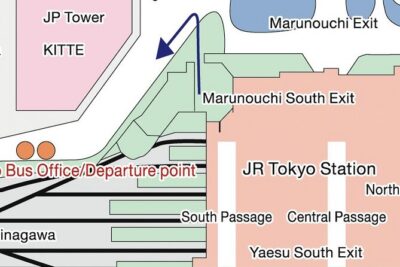
Tokyo Panoramic 1 Day: Meiji Shrine, Asakusa, Odaiba and SKYTREE®
Read our review →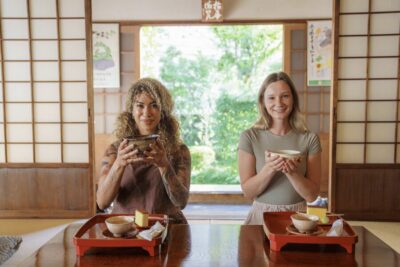
Mt. Fuji Heritage Tour: Traditional Villages, Lakes & Shrine
Read our review →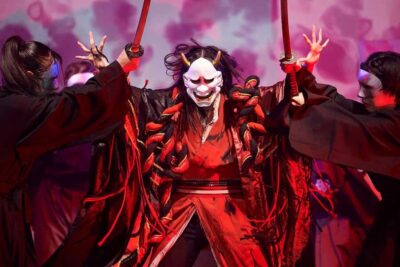
Samurai Entertainment Night Show in Kanda Shrine
Read our review →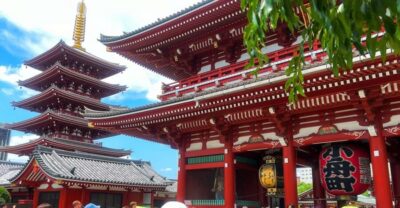
Asakusa and Tokyo’s Oldest Temple Senso-ji Tour
Read our review →Browse the lists this tour appears in