
Reviewed · WORKSHOPS
Chinese Kungfu class in old temple beside Forbidden Ci
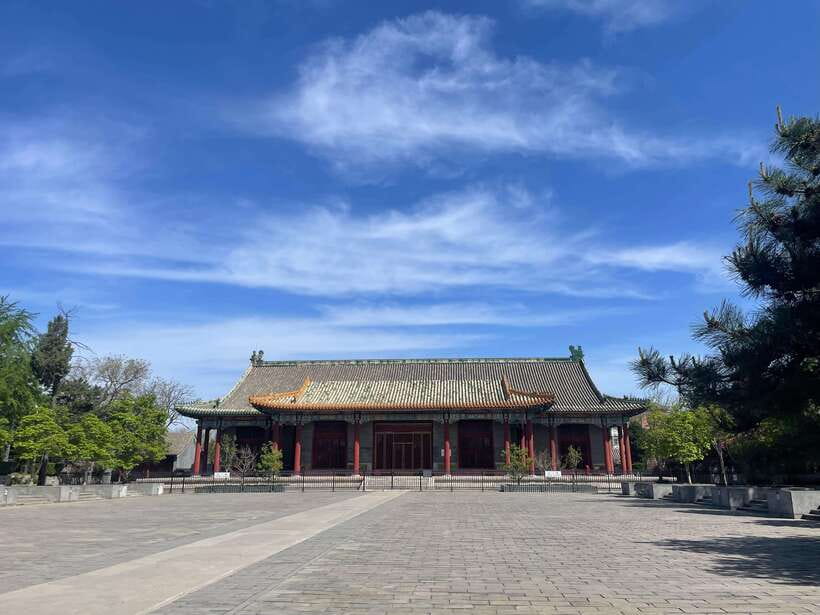
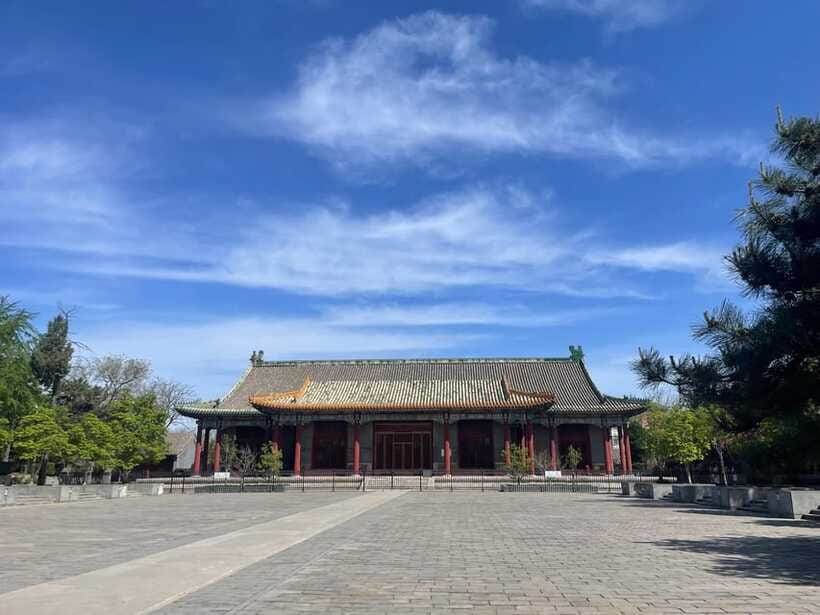
The unusual part here is the setting: you practice traditional kungfu at Pudusi, a former royal temple tucked into the hutongs beside the Forbidden City. This is not a stage show. You learn basic movements, then work through their practical use in self-defense.
I like the personal instruction and the strong sense of place. Limeng provides English translation, while the Shaolin-trained teacher corrects your movements and adapts the lesson when possible. The main consideration is that the class itself lasts about one hour, so this is an introduction, not a full martial arts course. Also, the activity information says three days, which appears to refer to booking validity rather than three days of training.
Key points to know
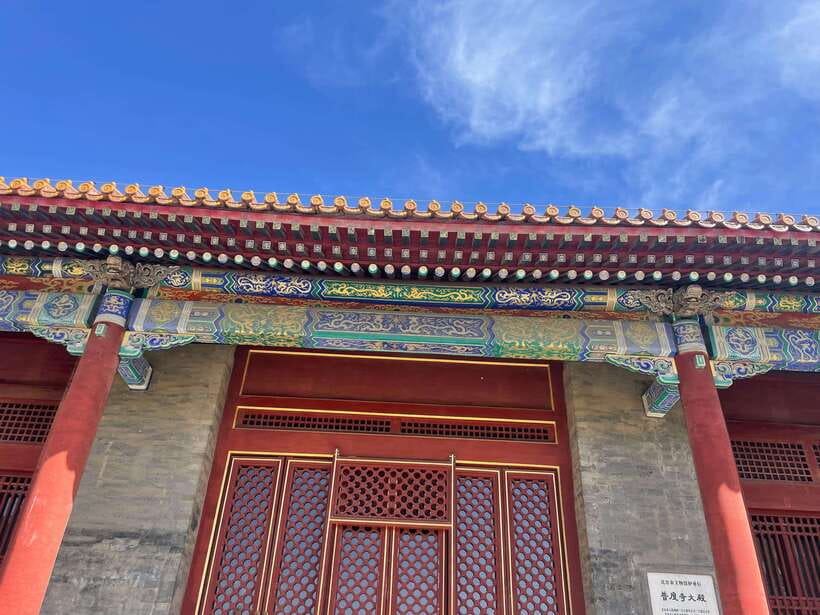
- Train beside the Forbidden City: The class takes place at Pudusi, a nearly 700-year-old royal temple in a hutong residential area near the Forbidden City’s east gate.
- Learn practical kungfu: The lesson covers basic training, traditional forms, attack movements, and self-defense techniques.
- English help is provided: Limeng can translate the master’s explanations and answer questions during the session.
- Expect about one hour of kungfu: The pace suits beginners, although a private lesson may allow more personal attention.
- A tea ceremony may be added: Some bookings begin with tea, snacks, and cultural discussion in a small hutong house.
- Bring a spare shirt: The class involves real physical practice, and one participant sensibly recommended changing afterward.
Training kungfu beside an old royal temple
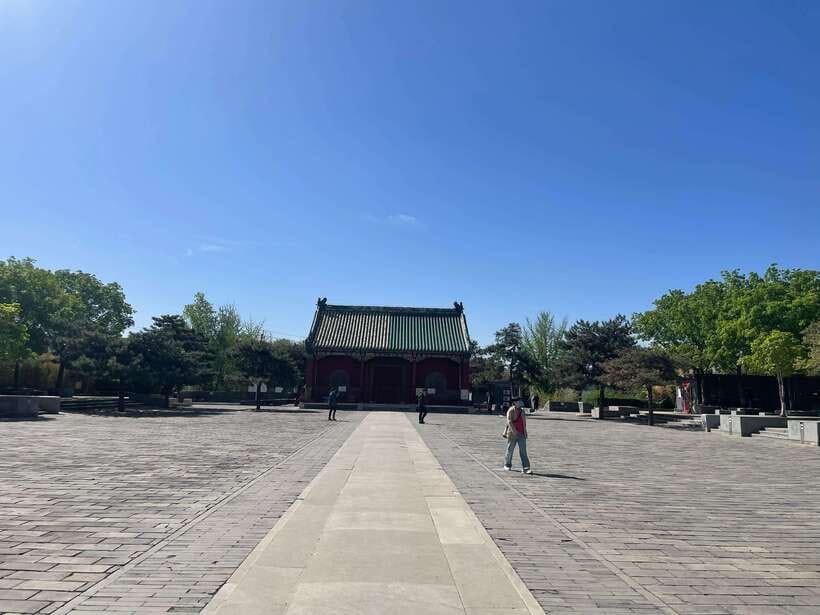
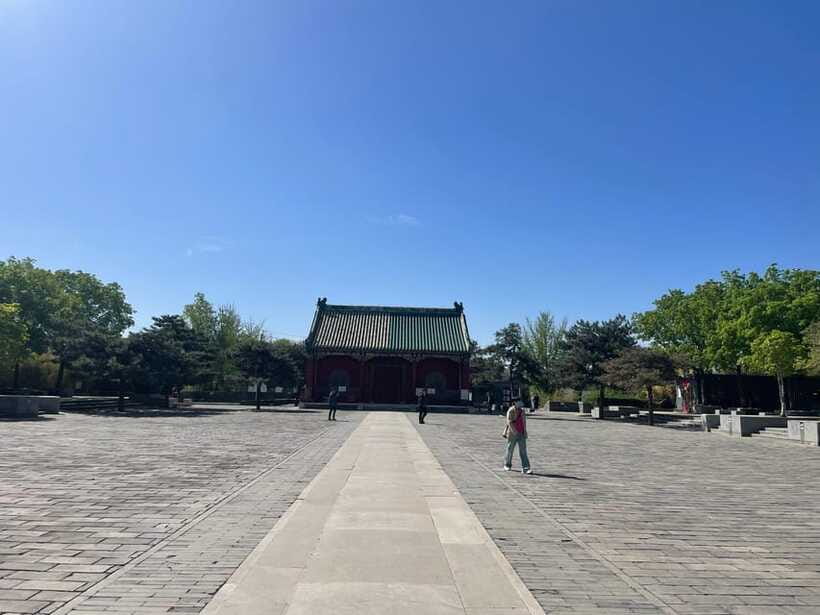
Beijing has no shortage of martial arts demonstrations, but this experience puts you in a more ordinary local setting. Pudusi sits among hutong homes beside the Forbidden City, connecting the lesson to the city’s older neighborhoods rather than placing it in a modern studio or tourist theater.
The temple’s claimed history reaches back nearly 700 years, and its connection with the imperial area gives the class a strong sense of place. You are not simply learning a few movements in a rented room. You are practicing in a site linked to Beijing’s royal past, with residential lanes and old temple buildings close by.
That setting matters because kungfu is not only a collection of kicks and punches. The lesson presents it as a traditional Chinese practice with discipline, control, and practical purpose. You get a small window into how martial arts are taught, explained, and used, rather than a polished performance designed only for photographs.
The location is also convenient if you are already visiting the Forbidden City. Pudusi is beside its east gate, so the class can fit naturally into a day in central Beijing. Still, you should check the exact meeting instructions carefully. The experience takes place in a hutong and temple area, not inside the Forbidden City itself.
More temple visits with a hands-on workshop in Beijing:
- Beijing: Temple Of Heaven+Tai Chi Class+Tea Ceremony
★ 5.0 · 8 reviews - Kyoto: Calligraphy class at Buddhist temple in city center
★ 5.0 · 167 reviews - Seoul: Vegan Temple Food Class, Jogyesa & Changdeokgung Tour
★ 4.6 · 34 reviews
What happens during the one-hour class
The teacher begins by introducing the basic principles and movements of Chinese kungfu. The exact material can vary, but the class is designed for beginners and includes simple training exercises before moving toward practical techniques.
You can expect demonstrations followed by practice. The master shows a movement, Limeng translates the explanation, and you try it yourself. The teacher then watches your form and makes corrections. That last part is important. Kungfu movements can look simple when performed quickly, but posture, balance, hand position, and timing all matter.
The lesson includes Shaolin kungfu and other traditional styles. The teacher is described as having trained in Shaolin from the age of five, and his background includes several forms of traditional Chinese martial arts. The emphasis is not just on copying a dramatic pose. You are shown how movements can work in practical situations.
Self-defense forms a central part of the class. You may practice ways to defend yourself and respond to an attack, with instruction adjusted to the group when possible. One participant specifically found the self-defense movements useful for women, while others appreciated being corrected until the movement was done properly.
Do not expect to leave as a trained fighter after one hour. That would be an unrealistic promise. What you can gain is a clear first lesson, a few basic movements, and a better understanding of how traditional kungfu links technique with body control and self-defense.
The teacher, Limeng, and the value of translation
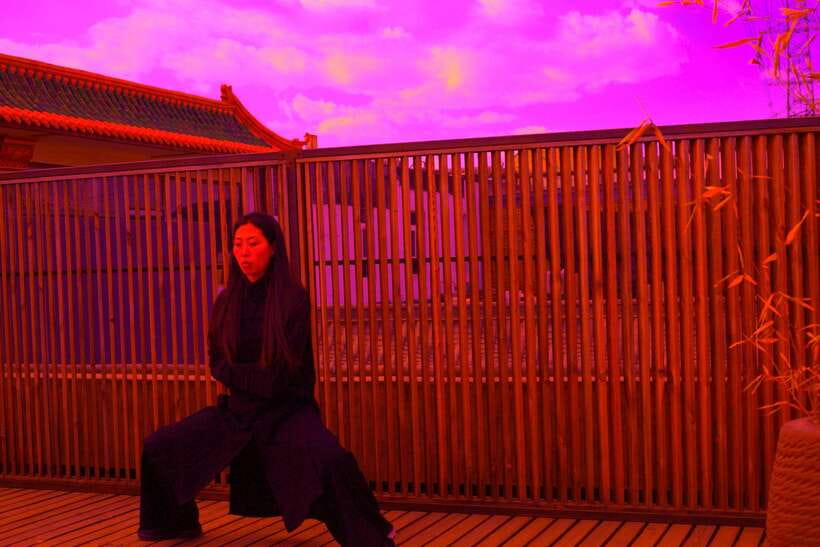
The master’s name is not given in the activity details, but his role is clear. He is the martial arts specialist, demonstrating the movements and correcting technique. His experience appears best suited to students who want more than a quick photo opportunity.
Limeng is the English-speaking host and translator. This makes a real difference because martial arts instruction depends on small details. A direct explanation of where to place your weight or how to turn your wrist is much more useful than watching a silent demonstration.
Limeng also helps connect the kungfu lesson with the wider cultural experience. She has translated explanations, answered questions, helped accommodate schedules, and in some cases sent videos at the end of the activity. If you have a specific interest, such as self-defense, basic forms, or the cultural side of kungfu, tell her early so the lesson can be shaped around it.
The language support is one of the strongest practical reasons to choose this class. The listed language is English, and the experience uses a teacher plus translator rather than asking you to follow a demonstration without explanation.
A hutong tea ceremony can add another hour
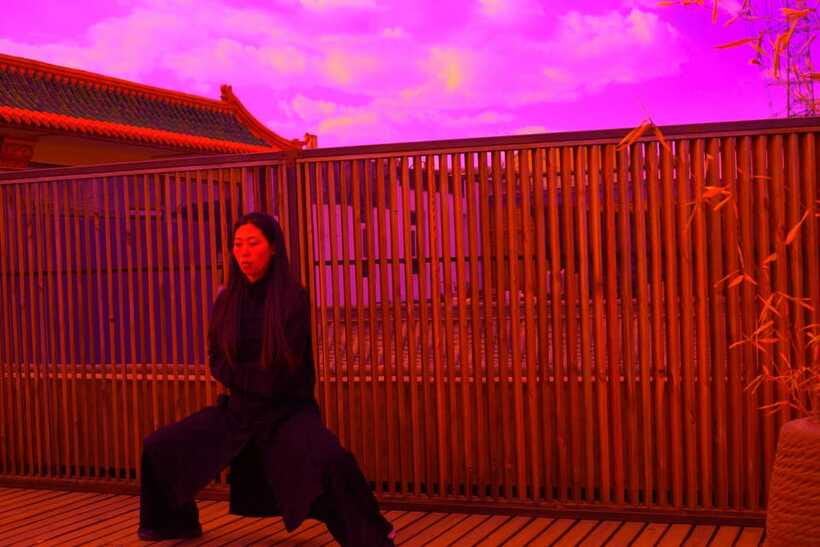
Some bookings include a tea ceremony before the martial arts class. This takes place in a small house in the hutong, where Limeng explains the ceremony and introduces two types of Chinese tea. A small snack may be served as well.
The tea portion lasts about an hour when included, so it changes the shape of the outing. Instead of a quick martial arts lesson, you get a broader cultural visit that combines tea, conversation, and kungfu. It also gives you time to ask about Chinese customs and compare everyday life in China with your own home culture.
The tea ceremony is not listed as part of the basic kungfu inclusions, so you should confirm whether it is included in the option you book. The core activity includes the kungfu master, Chinese martial arts instruction, and practical technique. Tea is an additional feature mentioned in some sessions.
I like the pairing because the two parts balance each other. Tea offers a quiet introduction to local custom, while kungfu is active and physical. If you only want martial arts, the tea may make the outing longer than necessary. If you want a fuller cultural morning, it adds useful context.
Other temple visits near Beijing we have written up
- Beijing: The Temple of Heaven or Summer Palace Entry Ticket
★ 4.6 · 1,286 reviews - Beijing Classic Full-Day Tour including the Forbidden City, Tiananmen Square, Summer Palace and Temple of Heaven
★ 4.0 · 610 reviews - Temple of Heaven Ticket
★ 5.0 · 482 reviews - Temple Heaven, Lama Temple, Summer Palace & Peking Duck Bus Tour
★ 5.0 · 377 reviews
How difficult is the class?
The class is suitable for first-timers. Several people with no previous martial arts experience were able to learn basic movements during the session, and the teacher is described as patient and willing to correct students.
You still need to expect some physical effort. The class includes repeated exercises and practical defense movements, and at least one participant suggested bringing an extra T-shirt. Wear clothing that allows comfortable movement, even though the supplied information does not set out a formal dress code.
Children can be accommodated according to the available feedback, but the activity does not give a specific minimum age or child policy. If you are booking for children, ask the provider before reserving. The teacher has adjusted instruction for different needs, but the precise format depends on the group.
A one-to-one class can be especially worthwhile. One participant happened to receive private instruction and found it highly personalized. Another first-time student also had a one-to-one session and valued the patient teaching. You should not assume every booking is private, but a small group or individual lesson gives you more time for corrections.
What the $45 price offers
At $45 per person, this is a reasonable price for a one-hour specialist lesson in central Beijing, especially because the fee includes a professional kungfu master, instruction in Shaolin and other traditional styles, and practical technique.
The value is not based on class length alone. You are paying for the setting, the English translation, and access to a teacher with long-term martial arts training. A standard exercise class could offer more time for less money, but it would not place you beside the Forbidden City in a historic temple area or explain the cultural setting as part of the experience.
The value improves if you receive personal attention. One-to-one instruction gives you more direct correction, while a small group lets you learn with friends and share the experience. The activity is also a good fit for people who want something beyond sightseeing but do not want to commit to a multi-day martial arts program.
Kungfu uniforms are available separately. The provider offers traditional practice clothing consisting of an outer and inner top with trousers, with sizes and colors available by contacting them. The uniform is not included in the $45 price, so treat it as an optional purchase rather than part of the class.
Timing, flexibility, and the three-day note
The activity information lists a three-day validity period and asks you to check available starting times. Since the actual kungfu session lasts about one hour, I would read this as a booking window rather than three consecutive days of training.
The provider has shown some flexibility with timing. A class start was adjusted to suit a participant’s schedule, and a late arrival was accommodated on another occasion. That is helpful, but you should still aim to arrive on time. The class depends on a teacher and translator meeting you at a particular place.
Free cancellation is available up to 24 hours before the activity for a full refund. You can also reserve now and pay later, which helps if your Beijing schedule is still changing.
The activity is offered by Bayi Teahouse. Because the class is located near a major landmark and in hutong lanes, allow enough time to find the meeting point. The provided information does not specify transport arrangements, hotel pickup, or an exact street address, so confirm those details before the day of your class.
The most authentic part is the ordinary setting
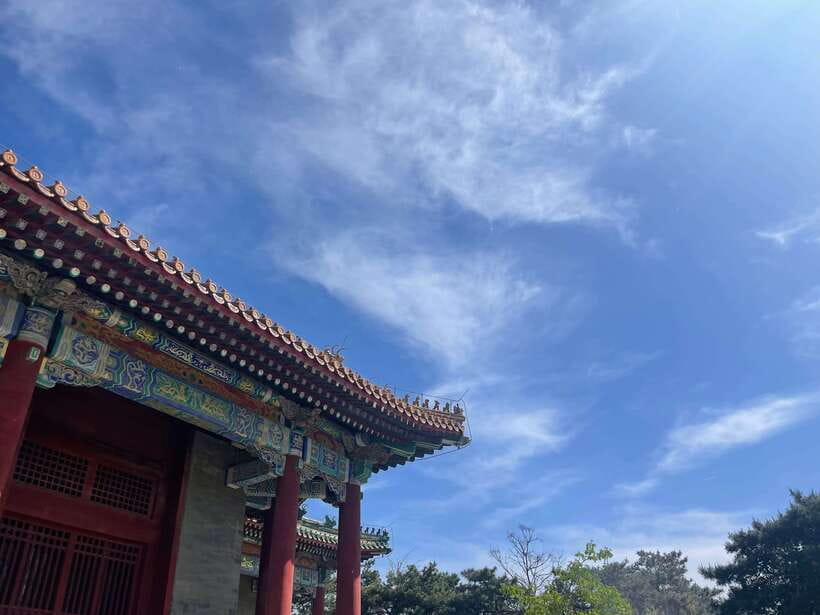
The best feature here is not a dramatic demonstration. It is the way the lesson takes place in a local area with a temple, hutong homes, and the Forbidden City nearby.
That setting gives you a more grounded view of Beijing. You can connect an old imperial landmark with a living neighborhood and a traditional practice that is still taught today. The class feels personal because you are learning directly from a teacher, not watching a large group perform from a distance.
The experience also avoids making kungfu seem like movie choreography. The focus on stance, movement, defense, and practical use gives the lesson a serious purpose. You will still have fun, but the class asks you to pay attention and try the movements correctly.
The main limitation is scale. You will not receive a full history of Chinese martial arts or a long training program. The teacher’s background covers several styles, but the time is short. Think of this as a well-placed introduction with cultural context, not a complete course.
Who should book this experience?
I would choose this class if you are curious about Chinese martial arts, want hands-on activity near the Forbidden City, or prefer a small cultural experience to another standard sightseeing stop.
It suits:
- First-time martial arts students
- Couples, friends, and small groups
- Visitors who want practical self-defense basics
- Families asking for a child-friendly cultural activity
- People interested in hutongs, tea, and traditional Chinese customs
- Anyone who wants a personal class with English translation
It may not suit you if you want advanced sparring, a long training session, or a carefully structured multi-day course. The class lasts about an hour, and the level is introductory even when the teacher has advanced experience.
Should you book the Pudusi kungfu class?
Yes, if you want a short, personal, and place-specific activity in Beijing. The combination of a Shaolin-trained master, Limeng’s English translation, practical self-defense, and a nearly 700-year-old temple beside the Forbidden City gives the $45 price solid value.
Book it with sensible expectations. You are buying an introduction, not professional fighter training. Wear comfortable clothes, bring a spare shirt, confirm the meeting point and start time, and ask whether the tea ceremony is included in your chosen option.
If you have room in your itinerary, this is a smart way to add movement and local culture to a Forbidden City day. The setting does much of the work, but the patient instruction and useful translation are what make the class worth your time.
FAQ
How long does the kungfu class last?
The kungfu class lasts about one hour. Some bookings also include a tea ceremony lasting about one hour.
Where does the class take place?
The class takes place at Pudusi, a nearly 700-year-old former royal temple in a hutong area beside the east gate of the Forbidden City.
How much does the activity cost?
The listed price is $45 per person.
Is the class suitable for beginners?
Yes. The lesson introduces basic Chinese kungfu training and practical techniques, making it suitable for people with no previous martial arts experience.
Is English translation available?
Yes. English support is provided, and Limeng translates the master’s explanations and helps answer questions.
What will I learn?
You will learn basic traditional kungfu movements, elements of Shaolin and other Chinese styles, and practical ways to use techniques for self-defense and attack movements.
Is the tea ceremony included?
A tea ceremony is available in some sessions, but it is not listed among the basic kungfu inclusions. Confirm whether it is part of your selected booking.
Can I buy a kungfu uniform?
Yes. Traditional practice clothing is available for purchase separately. It includes an outer and inner top with trousers, and you can contact the provider about sizes and colors.
Newly written up around Beijing
- Private Tour to Lama Temple, Tian’anmen Square and Forbidden City★ 5.0 · 3 reviews
- Private Day to T-Square, Forbidden city, Temple of heaven, Summer palace Tour★ 5.0 · 54 reviews
- Private Day Trip of Forbidden City, Temple of Heaven and Summer Palace★ 4.5 · 3 reviews
- Private Half-Day Temple of Heaven and Lama Temple Tour★ 5.0 · 13 reviews
- Private Day Tour:Tiananmen Square,Forbidden City Temple of Heaven★ 5.0 · 16 reviews
- Private Tour to the Temple of Heaven and Tea tasting at the Maliandao Tea city★ 5.0 · 3 reviews
- Local’s Beijing: Forbidden City Insider Tour +Temple +Duck Feast★ 4.5 · 66 reviews
- Temple of Heaven Ticket with Optional Guide Service★ 5.0 · 120 reviews
Workshops, compared.
Calligraphy class at Buddhist temple in city center
Read our review →
Vegan Temple Food Class, Jogyesa & Changdeokgung Tour
Read our review →
Full-Day Private Water Temple Ritual & Yoga Class
Read our review →

My Son Hindu Temples & Terracotta Workshop PRIVATE TOUR
Read our review →
Kanazawa: Samurai Swordsmanship Lesson at a rented temple
Read our review →
Cooking Class in a former Artist Monastery in the Heart of Monopoli
Read our review →Browse the lists this tour appears in