
Reviewed · TICKETS
Confucius Temple and Imperial College Entrance Ticket
Beijing’s Temple of Confucius and Guozijian Museum gives you a quieter look at imperial China’s education system, just a short walk from the Lama Temple. I like the low price and the freedom to explore at your own pace. I also like the hundreds of stone steles, which record scholars who passed the Imperial Examination. The main caution is practical: make sure both QR codes work before you arrive.
This is a simple ticket rather than a packed sightseeing day. You can visit independently, or select the English-speaking guide option for added explanation. The museum has English information throughout, so you can still get a lot from a self-guided visit, especially if you allow two or three hours.
Key points to know before you go
- A short walk from the Lama Temple: Pair two important religious and educational sites in the same part of Beijing.
- A ticket for two linked institutions: Your admission covers the Temple of Confucius and the former Guozijian imperial college.
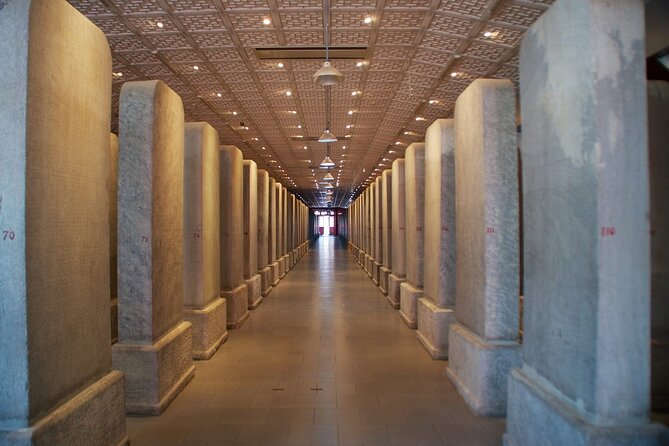
- Hundreds of examination steles: Look for the stone records naming scholars who passed China’s imperial examinations.
- English information is available: You can explore independently without needing a guide for every display.
- Optional English-speaking guide: Choose the guide upgrade if you want the buildings and rituals explained as you go.
- Allow two to three hours: A quick visit is possible, but reading the displays takes time.
Why this small Beijing museum matters
The Temple of Confucius and Guozijian Museum explains a side of imperial China that is easy to miss when you focus only on palaces and city walls. This was a place of learning, official ceremony, and public recognition for scholars who succeeded in the Imperial Examination system.
The Temple of Confucius was built in 1302. Officials came here to honor and offer sacrifices to Confucius, the philosopher whose teachings shaped government, family life, education, and public service across China.
Next door, the Guozijian was constructed in 1306. It served as the imperial college during the Yuan, Ming, and Qing dynasties. In practical terms, this was the highest educational institution in imperial China, where selected students prepared for a system of examinations that could lead to government office.
I like this pairing because the two sites answer different questions. The temple shows how Confucius was honored. The college shows how his ideas were tied to education and government. You do not just look at old halls. You see the system that trained officials and ranked academic achievement.
More Entry Tickets in Beijing:
- Beijing: The Temple of Heaven or Summer Palace Entry Ticket
★ 4.6 · 1,286 reviews - Temple of Heaven Ticket
★ 5.0 · 482 reviews - Beijing: Lama Temple (Yonghe Temple) Admission Ticket
★ 4.8 · 297 reviews
Walking from the Lama Temple
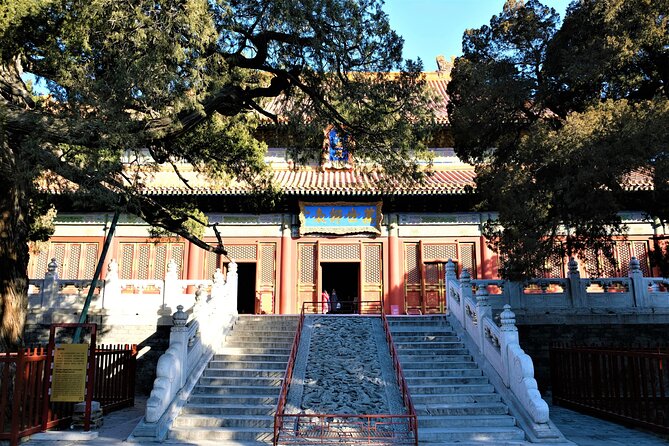
The location makes this ticket easy to fit into a larger day. The Temple of Confucius and Guozijian Museum is a short walk from the Lama Temple, another major Beijing sight. Both are near public transportation, so you do not need to arrange a special transfer just to reach the entrance.
That nearby pairing is useful if you are planning your own sightseeing. You can visit the Lama Temple first, walk over, and then spend a slower period among the halls and stone inscriptions. The experience does not include a wider city tour, transport, meals, or a full-day guide, so you will need to organize the rest of your schedule yourself.
The walk between the two sites also helps put the visit in context. You move from a place of Buddhist worship to a complex devoted to Confucian teaching and imperial education. They represent different parts of Beijing’s religious and civic life, yet they sit close enough to visit in one outing.
Entering the Temple of Confucius
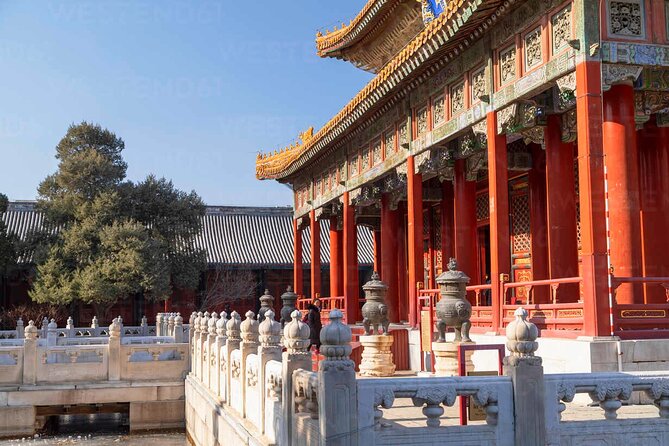
The Temple of Confucius is the first major part of the visit. It is the second-largest Confucian temple in China, after the temple in Qufu, Confucius’ hometown.
The focus here is not on ordinary classroom learning. This was a ceremonial place where officials honored Confucius and made offerings. As you move through the temple area, look for statues, carved details, and inscriptions connected with Confucian scholarship.
The scale is important. A brief walk through the grounds will give you the basic impression, but the temple rewards a slower pace. The displays and English instructions help you understand what you are seeing, especially if you are not already familiar with Confucian traditions.
The stone steles are among the most useful features for independent visitors. They record the names of scholars who passed the Imperial Examination. Instead of treating the examination as an abstract idea, you can see its successful candidates recorded in stone.
I would take time to study how many names appear and to think about what that list meant in its own period. Passing the examination could change a scholar’s social position and open a path into official service. The steles are quiet, formal, and less immediately dramatic than a palace throne, but they tell you a great deal about how status was earned.
Seeing the Guozijian imperial college
The Guozijian Museum sits beside the temple and forms the second half of the visit. It was originally built in 1306 and served as the imperial college under the Yuan, Ming, and Qing dynasties.
This is where the visit shifts from ceremony to education. You can expect scholarly halls and displays that explain the educational system of imperial China. The material helps connect the temple’s respect for Confucius with the practical training of students and officials.
I find this part especially useful for visitors who want more than attractive historic buildings. The Guozijian shows how education was organized at the highest level. It also gives meaning to the examination steles next door. The scholars named there were not simply praised for private study. They had succeeded within a system linked to government service.
The museum is made up of several halls, so you will not be finished in a few minutes unless you move quickly. English instructions and exhibit information are available throughout. That makes the self-guided option workable, though you should expect to read rather than simply stroll.
Other temple visits near Beijing we have written up
- Beijing Classic Full-Day Tour including the Forbidden City, Tiananmen Square, Summer Palace and Temple of Heaven
★ 4.0 · 610 reviews - Temple Heaven, Lama Temple, Summer Palace & Peking Duck Bus Tour
★ 5.0 · 377 reviews - Temple Heaven, Summer Palace, Lama Temple, Hutong Bus Tour
★ 4.7 · 319 reviews - Beijing: Entry to Temple of Heaven Park
★ 4.6 · 314 reviews
Self-guided visit or English-speaking guide
The basic admission works well if you like setting your own pace. You can stop at the displays that interest you, move quickly through less familiar material, and spend extra time with the stone steles and carvings.
The English information is a real advantage. You do not need a guide just to understand the main exhibits. This makes the ticket a good choice for independent visitors, couples, and small groups who prefer not to follow a fixed explanation.
The optional English-speaking guide changes the experience. A guide can explain why the temple was built, how the college functioned, and how the examination system fits into imperial government. That added context may matter if this is your first close look at Confucian institutions.
I would choose the guide if you enjoy asking questions or want the buildings explained while you are standing in front of them. I would choose the ticket alone if you already know something about Chinese history or prefer reading and exploring without a set pace.
The information provided does not name a specific guide, so you should not book expecting a particular person. The guide is an option attached to the experience, not something included automatically with every ticket.
How much time should you allow?
The stated duration is one day, but that refers to the validity of the outing rather than a full day of scheduled activities. There is no long itinerary with several city stops. You are visiting one connected museum complex.
For a fast look, you may need much less time. If you want to read the English displays and examine the halls, carvings, statues, and steles, plan on two to three hours.
That timing makes this a flexible stop. You can place it between other activities in central Beijing rather than giving it an entire day. It is also a good choice for a day when you want some indoor and sheltered museum time instead of moving constantly between large outdoor monuments.
I would avoid squeezing it into a very tight schedule. The low ticket price may make the visit feel easy to add, but rushing past the educational displays would remove much of its value.
Is the $8 ticket good value?
At about $8 per person, this is an inexpensive way to visit two historically connected institutions. The value comes from the amount of context you can get for the price, not from a long guided program or a large number of included services.
You receive entrance to the Temple of Confucius and Guozijian Museum. An English-speaking guide is included only if you select the related guide option. There is no indication that transport, food, or other Beijing attractions are part of the ticket.
For me, the price is strongest when you treat this as a focused museum visit. You can spend two or three hours learning how imperial education worked, then continue on foot to nearby sights. The experience is less attractive if you want a full-day tour with transportation and a guide managing every detail.
Group discounts are available, which can make the cost even more appealing for a larger party. Since the booking is a private activity for your group, you are not placed with unrelated visitors. At the same time, the available information does not describe the size of the group or the exact discount, so check the selected option before paying.
Ticket delivery and the QR code issue
The ticket is sent five days before the travel date. That timing is important. Do not wait until the morning of your visit to check your email or booking messages. Save the ticket details before you leave for the museum.
A previous booking problem involved one invalid QR code in a two-person reservation. Both people were eventually admitted because the guard understood the problem, but you should not rely on that kind of help.
If you book for two or more people, check every QR code as soon as you receive the tickets. Confirm that the number of codes matches the number of people in your party, and keep the provider’s contact phone number available in case something fails at the entrance.
This is a small step, but it can prevent a stressful start. The provider says contact information is supplied for questions, so use it before arrival if anything looks wrong.
Who will enjoy this experience most?
I would recommend this ticket to anyone interested in how education and government worked in imperial China. It is particularly useful for history-minded visitors who want something more focused than a major palace complex.
It also suits people who are already visiting the Lama Temple. The nearby location lets you build a half-day around two very different institutions without arranging extra transportation.
Independent visitors will appreciate the English displays and flexible pace. You can visit without a guide and still understand the main material. Families with older children may also find the examination steles and educational system easier to discuss than a long sequence of formal palace rooms.
The optional guide is best for people who want a clear narrative. If you do not enjoy reading museum panels, the guide may make the halls and inscriptions easier to follow.
I would think twice if you have only a few minutes in Beijing or want a highly active tour. The appeal here lies in careful looking and reading. The site is not designed as a fast photo stop.
Practical booking advice
You receive confirmation when you book, and the experience can be canceled for a full refund up to 24 hours before the local start time. Changes or cancellations made less than 24 hours in advance are not accepted for a refund.
Most people can take part, and the site is near public transportation. The activity is private to your group, but the basic ticket does not automatically include an English-speaking guide.
Because the experience is often booked about 15 days in advance, I would reserve early if it fits your dates. That is especially sensible if you want the guided option or are coordinating a larger group.
Should you book the Temple of Confucius ticket?
Book it if you want a low-cost, self-paced visit that explains imperial education and gives you a close look at Confucian ceremony, scholarly halls, and examination records. The short walk from the Lama Temple makes it easy to add to a Beijing sightseeing day.
Choose the ticket-only option if you are comfortable reading English displays. Choose the guide upgrade if you want the stories and connections explained as you move through the complex.
Skip it if you are looking for a full-day city tour, included transport, or a packed schedule of famous landmarks. This is a focused cultural stop, and its rewards come from giving it time. Check your QR codes when they arrive, allow two to three hours, and you will be better prepared to appreciate what this modest-priced ticket offers.
FAQ
Where is the Temple of Confucius and Guozijian Museum?
It is in Beijing, a short walk from the Lama Temple and near public transportation.
What does the ticket include?
The ticket includes entrance to the Temple of Confucius and Guozijian Museum.
Is an English-speaking guide included?
An English-speaking tour guide is included only if you select the related guided option.
Can I visit without a guide?
Yes. English instructions and exhibit information are available throughout the museum.
How long does the visit take?
You can visit in less time if you move quickly, but two to three hours is a useful allowance if you want to read the displays.
What can I see at the Temple of Confucius?
You can see statues, carvings, ceremonial areas, and stone steles recording scholars who passed the Imperial Examination.
What was the Guozijian?
The Guozijian was the imperial college during the Yuan, Ming, and Qing dynasties. It was originally built in 1306.
When was the Temple of Confucius built?
The Temple of Confucius was originally built in 1302.
When will I receive my ticket?
The ticket will be sent five days before the travel date.
Can I cancel for a full refund?
Yes. You can cancel at least 24 hours before the experience start time for a full refund. Changes or cancellations made less than 24 hours before the start time are not accepted for a refund.
Newly written up around Beijing
- Private Tour to Lama Temple, Tian’anmen Square and Forbidden City★ 5.0 · 3 reviews
- Private Day to T-Square, Forbidden city, Temple of heaven, Summer palace Tour★ 5.0 · 54 reviews
- Private Day Trip of Forbidden City, Temple of Heaven and Summer Palace★ 4.5 · 3 reviews
- Private Half-Day Temple of Heaven and Lama Temple Tour★ 5.0 · 13 reviews
- Private Day Tour:Tiananmen Square,Forbidden City Temple of Heaven★ 5.0 · 16 reviews
- Private Tour to the Temple of Heaven and Tea tasting at the Maliandao Tea city★ 5.0 · 3 reviews
- Local’s Beijing: Forbidden City Insider Tour +Temple +Duck Feast★ 4.5 · 66 reviews
- Temple of Heaven Ticket with Optional Guide Service★ 5.0 · 120 reviews
Tickets, compared.
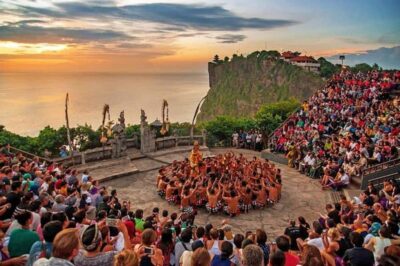
Kecak Fire Dance Show & Uluwatu Temple Entry Ticket
Read our review →
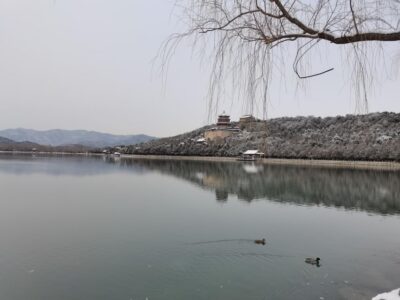
The Temple of Heaven or Summer Palace Entry Ticket
Read our review →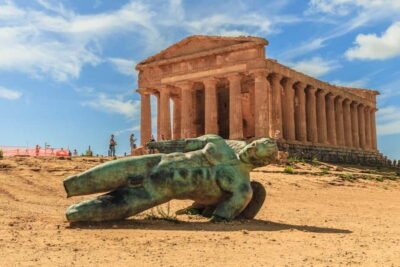
Valley of the Temples Ticket & App Audioguide
Read our review →
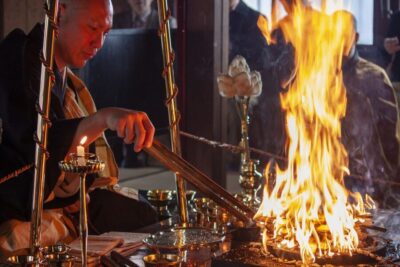
Belém Walking Tour with Jerónimos Monastery Ticket
Read our review →Browse the lists this tour appears in