
Reviewed · TOKYO TEMPLE TOURS
From Tokyo: Nagano, Zenkoji Temple, Snow Monkeys Day Trip.
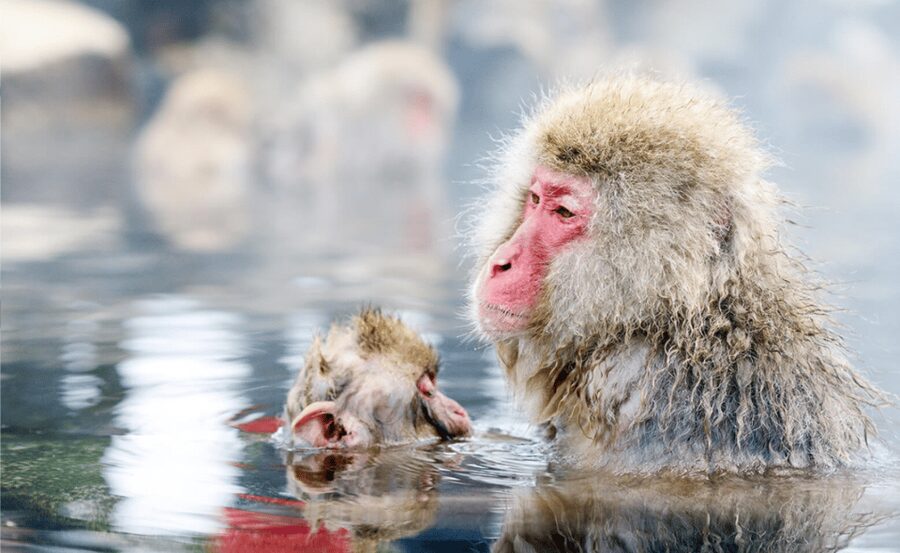
The best part of this long day is the chance to see Japanese macaques soaking in hot springs at Jigokudani Monkey Park, then connect that famous wildlife scene with Zenkoji Temple and the old town of Obuse. It is a big day, but it gives you three very different views of Nagano.
I like the private format, especially for a group of up to six. You get hotel or Airbnb pickup in Tokyo, your own vehicle, an English or Japanese-speaking guide, and no need to manage Japan’s train connections. I also like the cultural mix: Zenkoji Temple and local sake give the day more depth than a wildlife stop alone.
The trade-off is the distance. Each drive is listed at about 2 hours and 45 minutes, and Tokyo traffic can make the morning pickup up to 30 minutes late. There is also moderate walking at the monkey park, so this is not a good choice for wheelchair users, people with back problems, or children under 12.
Key points to know before booking
- Snow monkeys in natural hot springs: Jigokudani is the star attraction, with macaques bathing and socializing in warm water, especially in cold weather.
- A private group of up to six: You share the vehicle only with your party, which makes the long drive easier to manage.
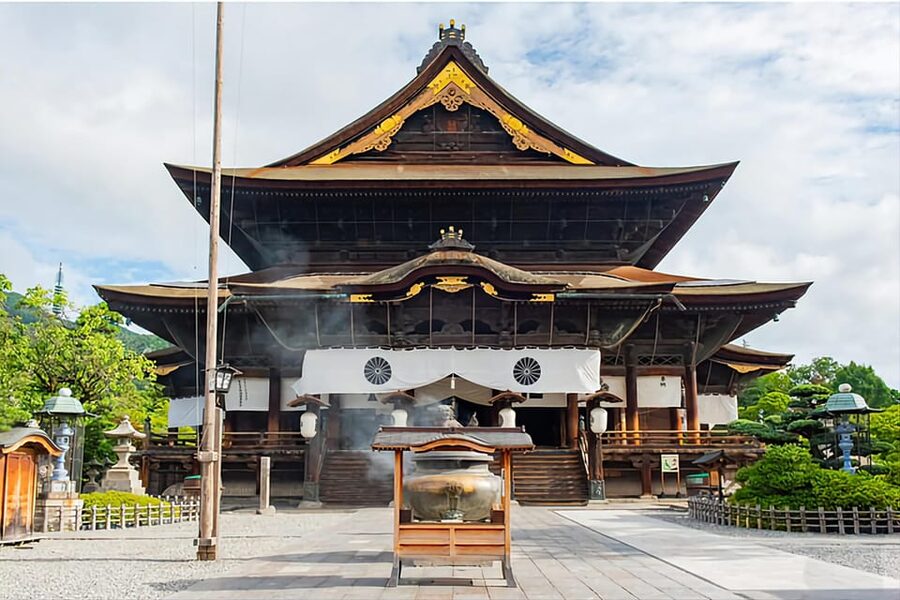
- Zenkoji Temple has broad spiritual appeal: The historic temple welcomes visitors of all beliefs and offers quiet grounds, impressive architecture, and a useful cultural pause.
- Obuse adds food and drink: The town is known for chestnut sweets, local sake, historic streets, and a brewery visit with tasting.
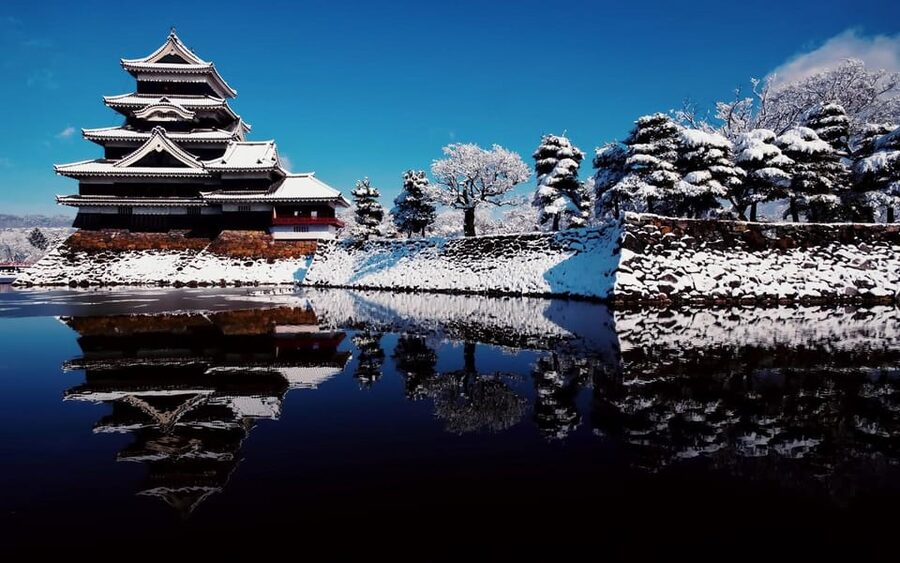
- Matsumoto Castle may be included: The schedule lists a photo stop, visit, guided tour, and free time, although the main description focuses more on Zenkoji, the monkeys, and Obuse.
- Plan for a full day outdoors: Wear warm clothes and sturdy shoes, and bring water, snacks, and a camera.
Why this Tokyo to Nagano day trip works
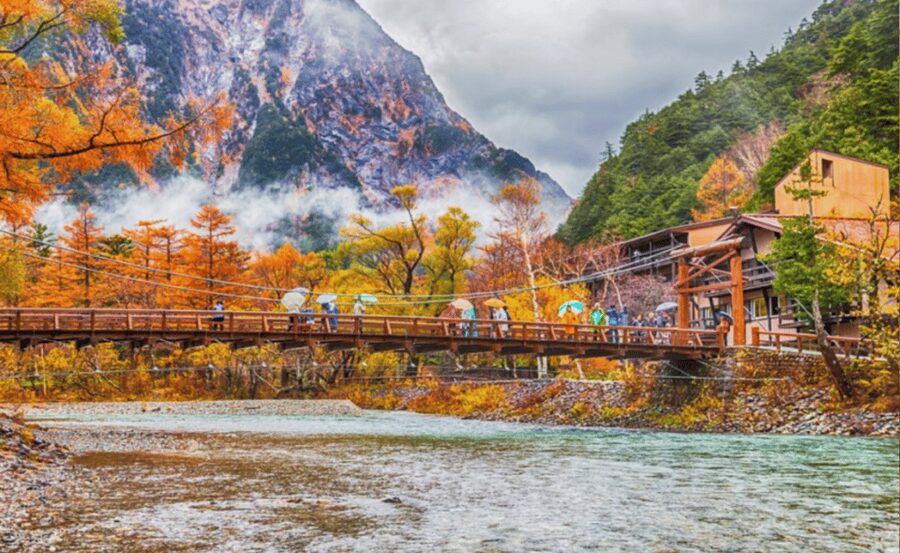
Tokyo has plenty to keep you busy, but Nagano offers a sharp change of pace. The city’s central districts give way to temple grounds, mountain scenery, rural food traditions, and macaques living around hot springs. This tour packs those contrasts into one private outing.
You should think of it as a sightseeing road trip rather than a relaxed day tour. The total duration is 12 hours, and the listed drive time alone is about 5 hours and 30 minutes. That leaves a substantial part of the day for visits, meals, walking, and stops, but the schedule will feel full.
That long ride is the main cost of choosing private transport. In return, you avoid planning several train and bus connections to reach Jigokudani Monkey Park. For a group of six, the $792 group price works out to $132 per person before any extras. That can be fair value if your group wants door-to-door service and a guide for a difficult-to-link collection of sights.
For one or two people, the price is harder to justify unless convenience matters more than saving money. The private van, fuel, tolls, parking, Wi-Fi hotspot, entrance fees for Zenkoji and the monkey park, and hotel pickup are included. You are paying for time saved in transport planning as much as for the sightseeing itself.
More Day Trips in Tokyo:
- Tokyo Panoramic 1 Day: Meiji Shrine, Asakusa, Odaiba and SKYTREE®
★ 4.5 · 1,222 reviews - From Tokyo: Nagano Snow Monkey Park Zenkoji Temple Day Trip
★ 5.0 · 8 reviews - From Tokyo: Snow Monkeys and Zenkoji Temple Day Trip
★ 4.9 · 7 reviews
The road from Tokyo to Nagano
Pickup is available from your hotel or Airbnb within Tokyo. Because Tokyo traffic can be heavy, the driver may arrive up to 30 minutes late. I would keep the start of your day flexible and avoid scheduling anything immediately after your planned return.
The vehicle is described as luxury transportation, with parking fees, fuel, tolls, and a Wi-Fi hotspot included. That matters on a day with long stretches in the van. You can use the ride to rest, look out at the changing scenery, or stay connected, although you should still carry water and snacks.
A private vehicle also gives your group more control over small matters. If you need a short pause, want to discuss the order of stops, or prefer more explanation at a temple, you can speak directly with your guide. The guide speaks English or Japanese, but no individual guide names are provided, so you cannot request a particular person based on the information available.
Matsumoto Castle: an important schedule detail
The route lists Matsumoto Castle as a stop with a photo opportunity, a visit, guided touring, and free time. That is worth noting because the longer description gives detailed attention to Zenkoji Temple, Jigokudani Monkey Park, and Obuse, but does not explain the castle visit in the same way.
Before booking, confirm whether Matsumoto Castle is part of your exact departure schedule. If it is included, it adds a major historic sight to an already packed day. If the stop is only a brief photo break, you should set your expectations accordingly.
The itinerary gives no exact amount of time for Matsumoto Castle. That uncertainty matters because every extra stop affects the time available at Zenkoji, the monkey park, and Obuse. A castle visit can be a worthwhile addition, but on a 12-hour round trip from Tokyo, the day has limited room for delays.
Zenkoji Temple and its open-door tradition
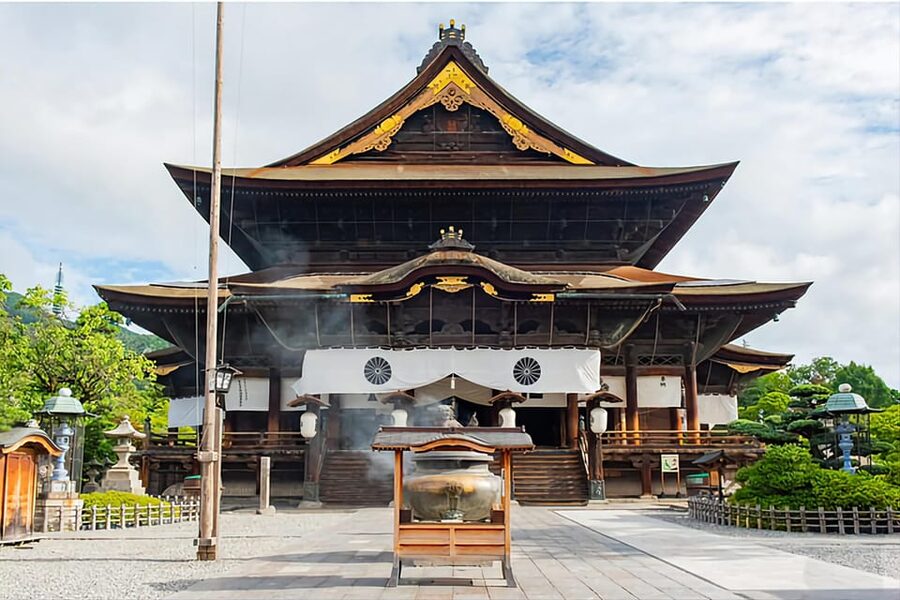
Zenkoji Temple is one of the day’s strongest cultural stops. Founded in the 7th century, it is among Japan’s most respected Buddhist temples and is known for welcoming people of all beliefs. The grounds provide a calmer setting after the long drive from Tokyo.
You will have about an hour listed for the temple visit, including guided sightseeing and time to look around. That is enough to appreciate the architecture and atmosphere, but not enough for a slow, detailed exploration of every corner. Stay close to your guide at the beginning so you understand what you are seeing, then use any free time for photos and quiet observation.
I especially like this stop because it keeps the trip from becoming a simple wildlife excursion. Zenkoji gives you a sense of Nagano’s spiritual importance, while the guide can explain why the temple matters rather than leaving you to look at the buildings without context.
Wear shoes that are easy to walk in. The temple grounds are part of a day that also includes the monkey park, and you will be on your feet for much of the outing. Warm clothing is sensible in every season if you are visiting the monkeys, with extra layers particularly important in winter.
Other temple visits near Tokyo we have written up
- Tokyo: Asakusa Walking Tour with Sensoji Temple Visit
★ 4.8 · 1,583 reviews - Nikko: Kegon Falls, Lake Chuzenji & Toshogu Temple
★ 4.6 · 1,577 reviews - Tokyo: Nikko Toshogu Shrine and Kegon Waterfall Tour
★ 4.5 · 1,266 reviews - Tokyo: Zen Meditation at a Private Temple with a Monk
★ 5.0 · 510 reviews
Jigokudani Monkey Park and the famous macaques
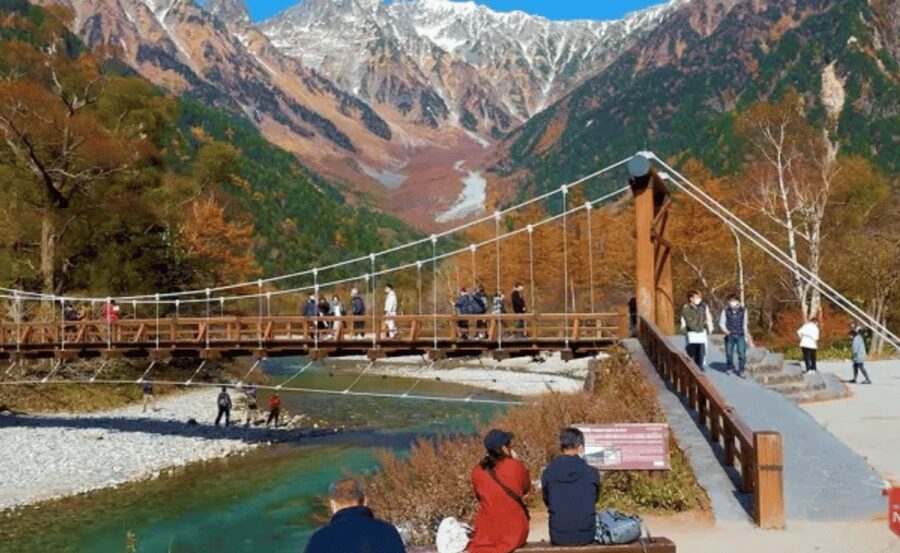
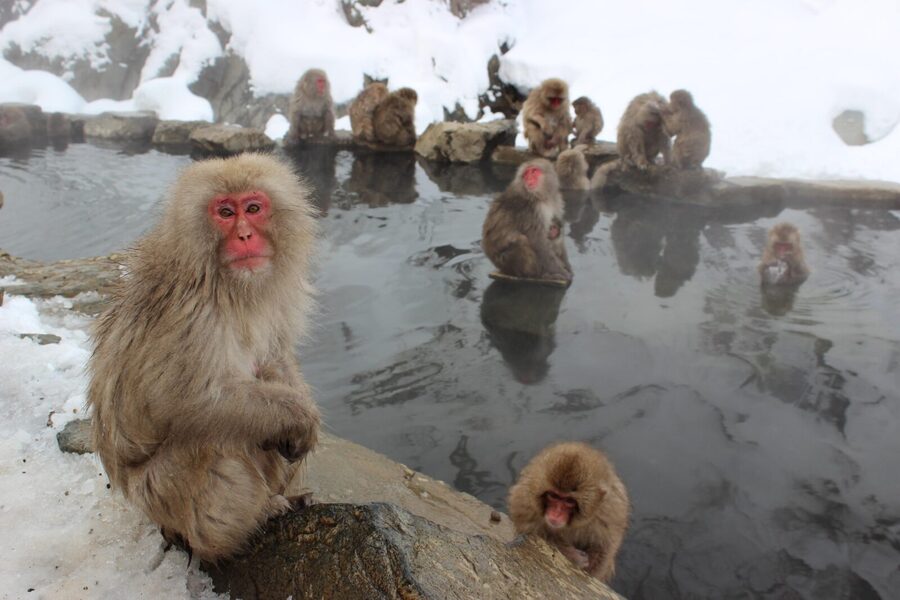
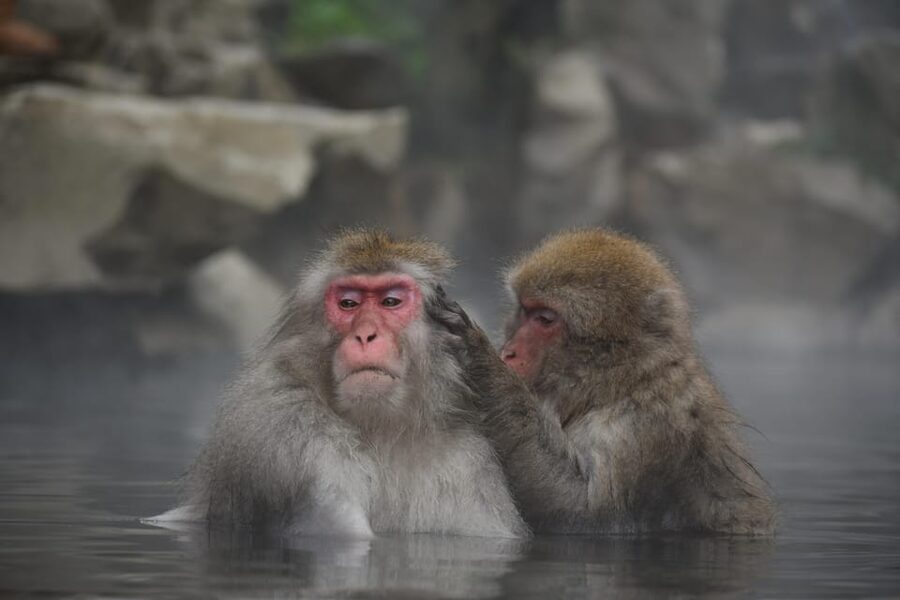
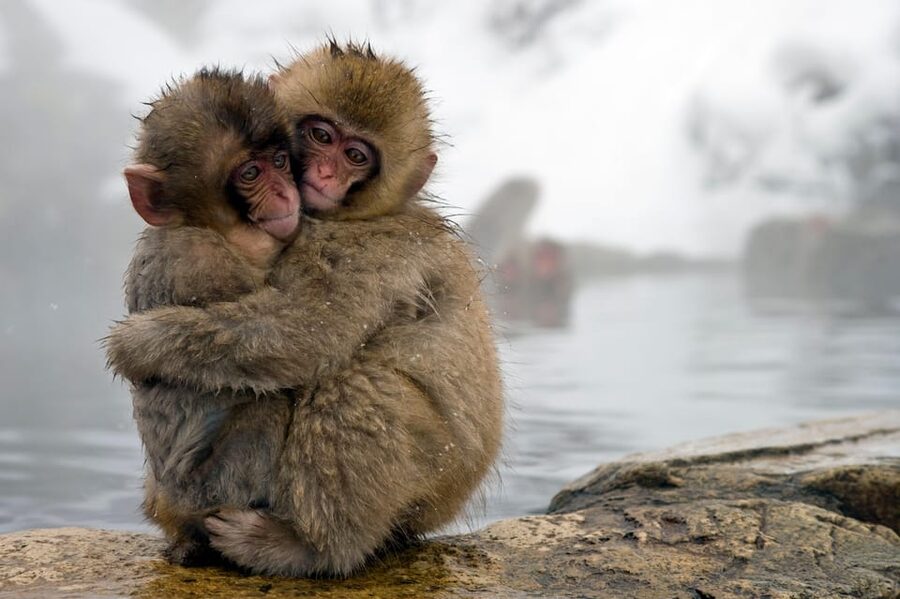
Jigokudani Monkey Park is the main reason many people choose this trip. Japanese macaques, often called snow monkeys, are known for sitting in the park’s hot springs during cold weather. Seeing them relax in warm water while the surrounding area feels wintry is the kind of scene that photographs well and stays in your memory.
The visit is listed as about one hour, including a guided tour, sightseeing, a photo stop, and wildlife viewing. That is a fairly tight window. You may have enough time to see the bathing area and watch the monkeys interact, but you should not expect a long, unhurried nature walk.
The approach involves moderate walking, which is why comfortable shoes are essential. The tour information specifically warns that it is not suitable for wheelchair users or people with back problems. Children under 12 are also not permitted on this experience.
Your guide can add useful context about macaque behavior and the park’s history. That guidance is valuable because the animals are the focus, but their activity is not controlled for the camera. You may see them bathing, sitting nearby, or interacting with one another. The setting and animal behavior are naturally variable, even though the hot springs are the signature sight.
Bring your camera, but keep your attention on the animals as well. A telephoto lens is not mentioned as part of the tour, so use whatever camera you already carry. Warm clothing is especially important here. The tour specifically recommends dressing warmly, and cold weather is part of what makes the macaques’ hot-spring behavior so striking.
Lunch and a taste of Nagano
Lunch takes place at a local restaurant after the monkey park. The description points to Nagano specialties such as buckwheat soba and hearty hotpot, with fresh, seasonal ingredients shaping the meal.
No fixed restaurant or menu is named, so you should treat lunch as a chance to sample regional food rather than a guaranteed dish-by-dish tasting. If you have dietary needs, ask the operator before departure. The supplied information does not promise special menus or dietary accommodations.
This meal is well placed in the day. After walking at the monkey park, you will want a proper break before continuing to Obuse. It also gives the guide a natural opening to explain how Nagano’s local ingredients fit into the region’s food culture.
Obuse, sake, chestnuts, and Hokusai
Obuse is a smaller and more leisurely stop. The town is described through its historic buildings, picturesque streets, local snacks, and chestnut sweets. After the temple and the monkey park, this is the portion of the day where you can simply walk, look around, and enjoy a slower rhythm.
The brewery visit includes a sake tasting and an explanation of traditional brewing methods and different varieties of sake. You will learn how to enjoy this familiar Japanese drink, not just sample it. Since alcohol is involved, pace yourself, particularly because you still have the drive back to Tokyo.
There is a small inconsistency in the supplied schedule: the detailed description calls this a sake tasting, while the stop list uses the words wine tasting. I would confirm with Japan Ichiban Tours that the planned tasting is sake at a local brewery. The main description clearly identifies sake as the intended experience.
The Hokusai Museum is also described as part of the Obuse visit. It is dedicated to Katsushika Hokusai, the ukiyo-e artist known for famous woodblock prints and paintings. The museum gives the town an art connection, not just a food and drink angle.
The schedule lists about one hour for Obuse, including a walk, local snacks, a tasting, and a photo stop. That is not much time for all of those activities. If the Hokusai Museum is important to you, confirm whether admission and enough visiting time are included. The only entrance fees specifically listed as included are for Zenkoji Temple and Jigokudani Monkey Park.
The return to Tokyo and the real value of the private format
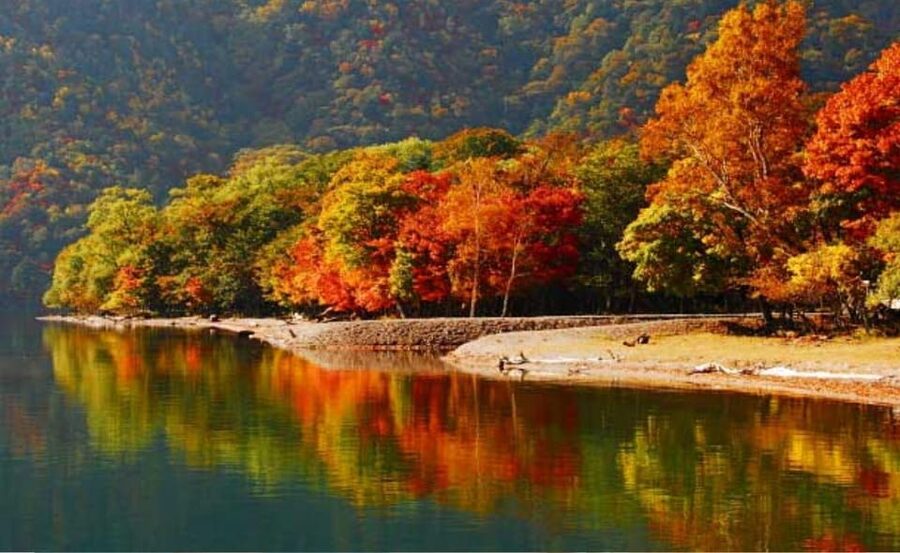
After Obuse, you return to Tokyo by van, with another drive of about 2 hours and 45 minutes listed. Traffic can stretch that time, especially as you approach the city. You will probably be tired by the end, but the private vehicle means you do not have to navigate a late series of train and bus connections.
This is where the private group format earns its keep. A party of up to six can divide the $792 price among themselves, making the cost more reasonable. You also receive hotel or Airbnb drop-off, rather than ending at a station and arranging your own final ride.
For a couple, the value depends on your priorities. If you want the simplest possible way to reach the monkey park and prefer having a guide explain Zenkoji, the price may feel worthwhile. If you are comfortable planning public transport and would rather spend less, this is not the budget choice.
The four existing ratings average 4.3 out of 5. The strongest practical themes are punctuality, kindness, and the beauty of the natural setting. One useful warning comes through clearly: there is more walking than some people expect. Take that seriously when deciding if this day suits you.
Who should book this experience?
I would recommend it most strongly to a private group that wants to see the snow monkeys without handling a complicated route from Tokyo. Families with older children, couples who value convenience, and small groups interested in both culture and nature are likely to get the most from it, provided everyone can manage the walking.
It is also a good fit if you want a guide rather than a self-guided checklist. The English or Japanese-speaking guide can connect the temple, macaques, food, sake, and art into a single regional story.
I would hesitate if you dislike long drives, need an easy-access route, or want deep, unhurried time at each stop. The day tries to cover Matsumoto Castle, Zenkoji, the monkey park, lunch, Obuse, sake, and possibly the Hokusai Museum. That is a lot for one day.
Before paying, confirm the exact stop order, whether Matsumoto Castle is included, how much time is planned at Obuse, and whether the tasting is sake or wine. Those details can change the balance of the day.
Should you book the Nagano snow monkey day trip?
Book it if seeing the macaques is high on your Japan wish list and you want a private, guided route from Tokyo. The combination of snow monkeys, Zenkoji Temple, and Obuse gives you a wider view of Nagano than a single sightseeing stop.
Skip it if you want a slow day or if the long round-trip drive feels tiring. The price makes the most sense for a full group of up to six, and the moderate walking means you should arrive prepared with warm clothes, good shoes, water, snacks, and a camera. For the right group, this is a convenient way to reach a memorable corner of Japan without taking on the transport planning yourself.
FAQ
How long is the Tokyo to Nagano day trip?
The experience lasts 12 hours. The listed drive time is about 2 hours and 45 minutes each way between Tokyo and the Nagano area.
Is hotel pickup included?
Yes. Pickup and drop-off are included from your hotel or Airbnb within Tokyo.
Can the pickup be late?
Yes. Because of Tokyo traffic, the driver may be up to 30 minutes late.
Is this a private tour?
Yes. It is designed for a private group of up to six people.
What languages does the guide speak?
The guide speaks English or Japanese.
Are transportation costs included?
Yes. Luxury transportation, fuel, parking fees, tolls, and a Wi-Fi hotspot are included.
Are entrance fees included?
Entrance fees to Zenkoji Temple and Jigokudani Monkey Park are included.
Is Matsumoto Castle included?
Matsumoto Castle appears in the schedule as a stop with a photo opportunity, a visit, guided touring, and free time. Because the detailed description focuses on other stops, confirm the exact castle arrangements before booking.
Is lunch included?
Lunch is part of the day at a local restaurant, but the supplied information does not state that the meal cost is included in the tour price.
What should I bring?
Bring comfortable shoes, warm clothing, a camera, water, and snacks. You should expect a moderate amount of walking.
Is the tour suitable for children?
The experience is not suitable for children under 12.
Is the tour wheelchair accessible?
No. The tour is not suitable for wheelchair users or people with back problems.
Newly written up around Tokyo
- Tokyo: Snow Monkey and Zenkoji Temple Day Trip In Low Price★ 5.0 · 5 reviews
- Tokyo: Gotokuji Culture Walk & Lucky Cat Temple Experience★ 4.9 · 5 reviews
- :Tokyo,Shibuya /Meiji Shrine tour in KIMONO/English-friendly★ 5.0 · 4 reviews
- Tokyo: Sensoji Temple & Street Food: Private Tour with guide★ 4.6 · 8 reviews
- Tokyo: Visit 5 Shrines & Collect Goshuin on Private Tour★ 5.0 · 3 reviews
- Tokyo War History Tour: Yasukuni Shrine & War Museum★ 4.5 · 6 reviews
- Tokyo: Shibuya Sky, Harajuku & Meiji Shrine Highlights Tour★ 4.5 · 9 reviews
- Tokyo: Private Meiji Shrine & Harajuku Highlights Tour★ 4.5 · 4 reviews
Tokyo Temple Tours, compared.
Asakusa Walking Tour with Sensoji Temple Visit
Read our review →
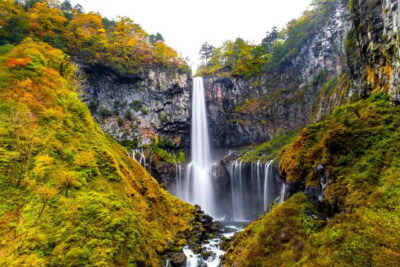
Nikko Toshogu Shrine and Kegon Waterfall Tour
Read our review →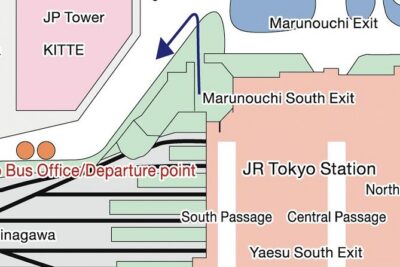
Tokyo Panoramic 1 Day: Meiji Shrine, Asakusa, Odaiba and SKYTREE®
Read our review →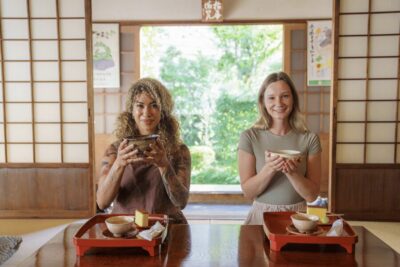
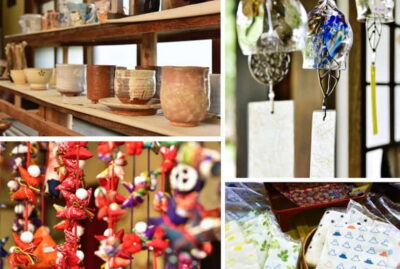
Mt. Fuji Heritage Tour: Traditional Villages, Lakes & Shrine
Read our review →
Samurai Entertainment Night Show in Kanda Shrine
Read our review →
Asakusa and Tokyo’s Oldest Temple Senso-ji Tour
Read our review →Browse the lists this tour appears in