
Reviewed · SEOUL TEMPLE TOURS
Gyeongbokgung Palace, Jogyesa Temple and Bukchon village
Seoul’s old royal center makes the most sense on foot, and this tour links three very different places in one tidy route: Jogyesa Temple, Gyeongbokgung Palace, and Bukchon village. You start with Buddhist calm, move through royal history, then finish among traditional homes and steep lanes.
I like the way the tour combines a palace entrance ticket and a traditional herbal tea with an English-speaking guide. I also like the human touch reported from guide Lee, who has used a Korean board game to make a break more social and helped visitors who had no Korean phone number stay in touch by email.
The main thing to consider is the pace and length. This is a roughly three-hour walking tour, and Bukchon includes some uphill or uneven streets. It is a good introduction, but anyone wanting a slow, detailed study of every site may find the route moves on before they have seen it all.
Key points at a glance
- Start at Anguk Station Exit 6: The meeting point puts you close to the traditional districts on the route.
- Visit Jogyesa Temple: See the head temple of the Jogye Order of Korean Buddhism and begin with Seoul’s spiritual side.
- Walk through Gwanghwamun Square: Pause by the statue of King Sejong and connect modern Seoul with Korean history.
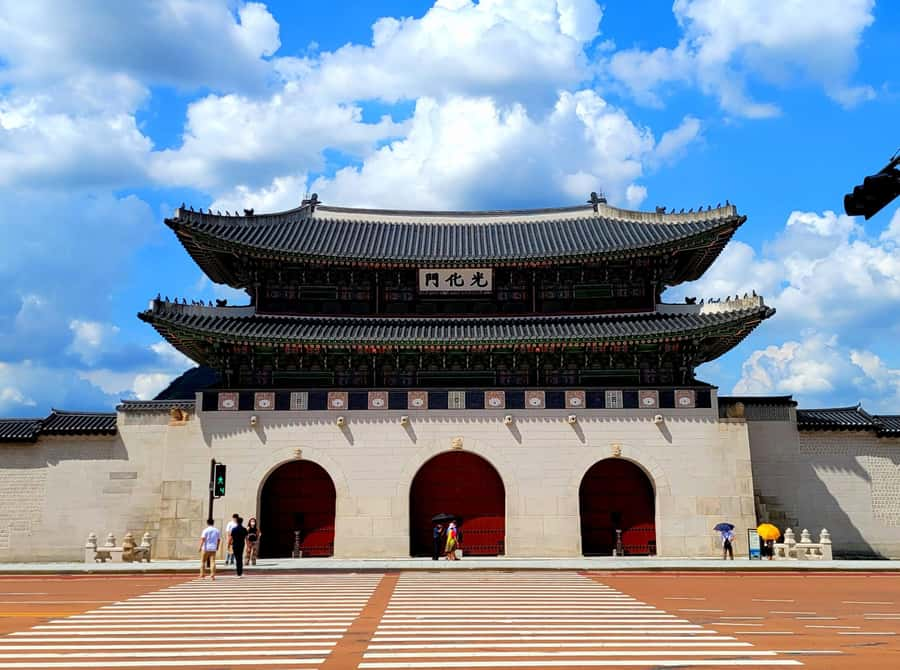
- Enter Gyeongbokgung Palace: Explore the Joseon Dynasty’s main palace, founded in 1395.
- Try a traditional herbal tea: The drink is included, while meals and other food are not.
- Finish in Bukchon village: See traditional architecture and fine city views, with a moderate walk through the neighborhood.
Why this three-hour route works well in Seoul
Seoul can feel enormous when you first arrive. Its modern towers, broad roads, markets, palaces, temples, and residential lanes do not always fit together on a map. This walk gives you a useful first framework without asking you to spend a full day on one sight.
The route also has a sensible rhythm. Jogyesa Temple offers a quiet opening, Gwanghwamun Square gives you a wide public space and a major national figure, Gyeongbokgung supplies the royal centerpiece, and Bukchon ends with traditional streets and views.
You should expect to walk for much of the experience. The tour does not include hotel pickup or drop-off, so you need to reach the meeting point yourself and make your own way onward at the end. Since the activity finishes back at the meeting point, it is easy to plan another stop nearby afterward.
Other temple visits near Seoul we have written up
- Seoul: Palace, Temple and Market Guided Foodie Tour at Night
★ 4.9 · 750 reviews - Seoul: Mt Seorak + Naksansa Temple or Nami Island Group Tour
★ 4.7 · 422 reviews - Best Things to Do – Half Day Seoul Trip (Seoul Palace & Temple)
★ 5.0 · 190 reviews
Starting with Buddhist calm at Jogyesa Temple
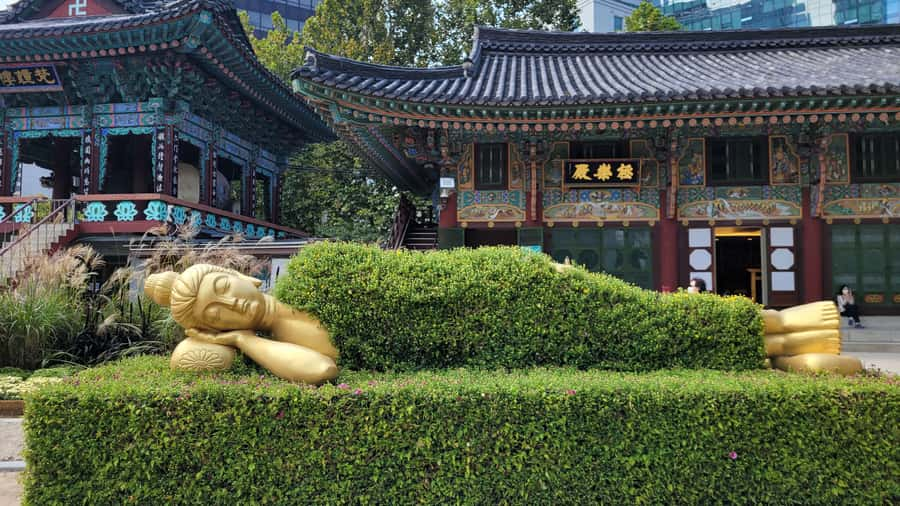
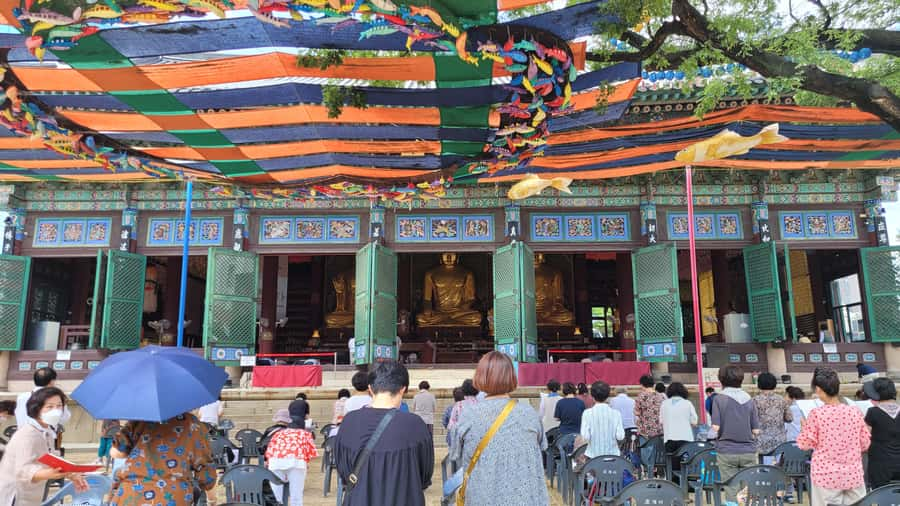
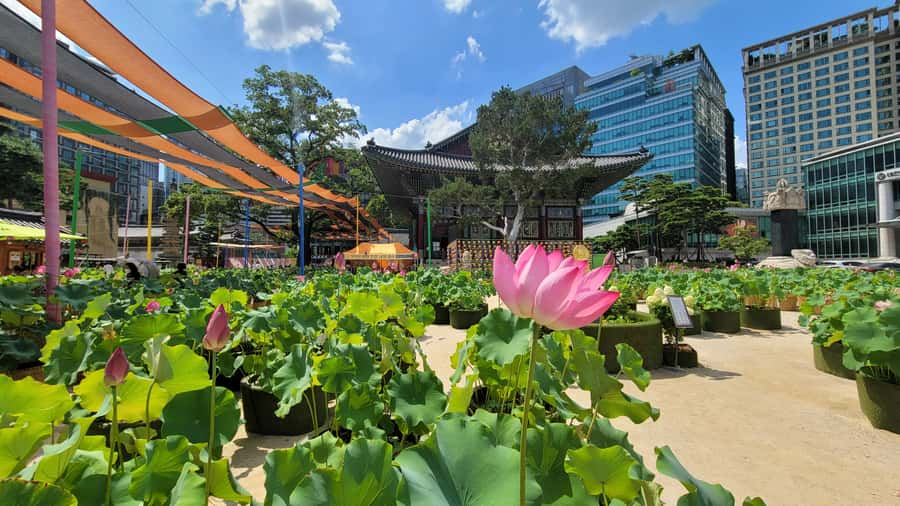
Jogyesa Temple is a strong first stop because it introduces a side of Korea that a palace tour alone would miss. It is the head temple of the Jogye Order of Korean Buddhism, and the visit gives you a chance to notice the role of Buddhist practice in Korean culture.
The setting also helps you settle into the tour. Instead of beginning with a crowded road or a long palace explanation, you start among temple buildings and a place of worship. Your guide can use this stop to explain customs, symbols, and the difference between seeing a temple as a visitor and understanding its place in Korean life.
The temple sits in Insadong, an area known for traditional tea houses and restaurants. That makes the starting district useful beyond the tour itself. If you arrive early or stay afterward, you have an easy place to look for Korean food, tea, and crafts.
Do remember that this is an active religious site, not simply a photo stop. Keep your voice low and follow the guide’s instructions. The supplied information does not promise a private temple visit or a special ceremony, so expect an outside cultural visit rather than a religious event arranged just for the group.
King Sejong and the open space of Gwanghwamun
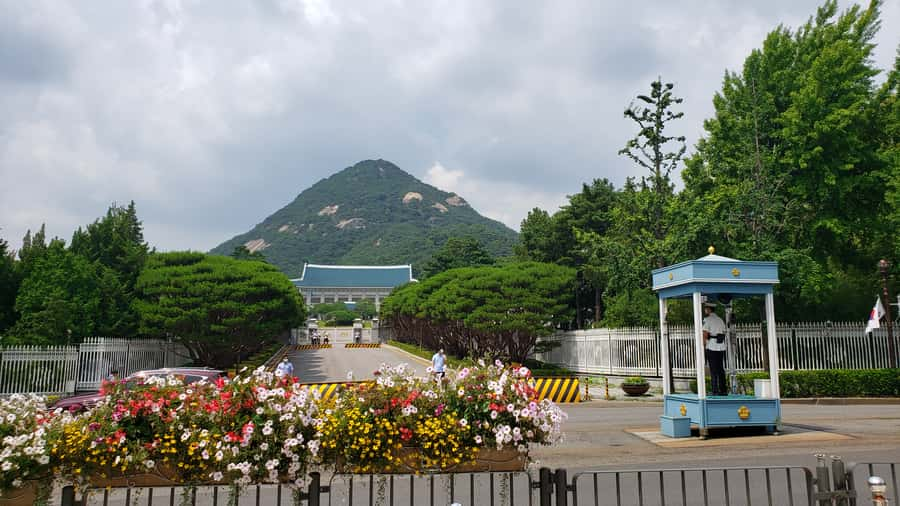
From Jogyesa, the walk continues toward Gwanghwamun Square. The square is a useful bridge between old and new Seoul, with a broad urban setting and the statue of King Sejong.
King Sejong is closely linked with the Korean language, so this stop gives the guide a natural opening to discuss Korean writing and culture. The tour specifically aims to teach language and cultural context along the way, not just point out buildings.
This part of the route also breaks up the tighter streets around the temple and later village. You get room to look around and place the palace district within the wider city. I find stops like this valuable because they help you understand how a historic center functions as part of a living capital.
The drawback is that a public square is less intimate than a temple or village lane. If you prefer small details at every stop, this section may feel brief. Its value is mainly in orientation, the statue, and the historical connection rather than in a long visit indoors.
Entering Gyeongbokgung, Seoul’s royal centerpiece
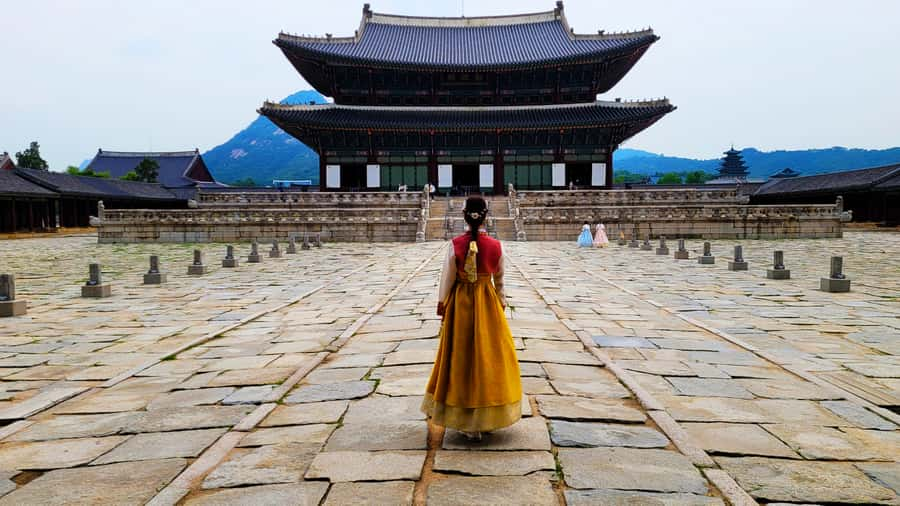
Gyeongbokgung is the heart of the tour. Founded in 1395, it was the main palace of the Joseon Dynasty, and the entrance ticket is included in the price. That matters because you are not merely walking around the palace exterior or viewing it from a public street.
Inside, your guide can explain the Joseon era and show how the palace fits into Korean history. The benefit of a guided visit is not only knowing dates. It is understanding why this palace matters, what made it the main royal seat, and how the buildings relate to the period being discussed.
You should allow yourself to look beyond the most obvious photo angles. Palace grounds reward attention to rooflines, courtyards, gates, and the way the buildings sit against the surrounding city. The tour is designed as an overview, so you will get a clear introduction rather than an exhaustive examination of every structure.
A traditional drink is included at the palace, described as traditional herbal tea. This is a pleasant pause in the walking route and gives the cultural discussion a practical shape. It also helps distinguish the experience from a basic palace admission ticket.
Food is not included. The tea is a cultural refreshment, not a meal, so plan to eat before or after the tour if you need something substantial. You may also want to avoid arriving hungry if you prefer to spend the entire walk focused on the guide.
Guide Lee has made this break especially memorable for some groups by introducing a Korean board game. That is not something you should treat as guaranteed on every departure, but it shows the kind of small cultural exchange that can make a short tour feel less formal and more personal.
A different set of gates, same trip:
- Mount Seorak and Naksansa Temple One Day Tour from Seoul
★ 4.5 · 167 reviews - Seoul: War Memorial, Jogyesa Temple & Tapgol Park Tour
★ 4.8 · 56 reviews - Seoul: Vegan Temple Food Class, Jogyesa & Changdeokgung Tour
★ 4.6 · 34 reviews - Seoul: UNESCO Sites tour: Palace, Shrine & Bukchon Village
★ 4.8 · 26 reviews
Walking the lanes of Bukchon village
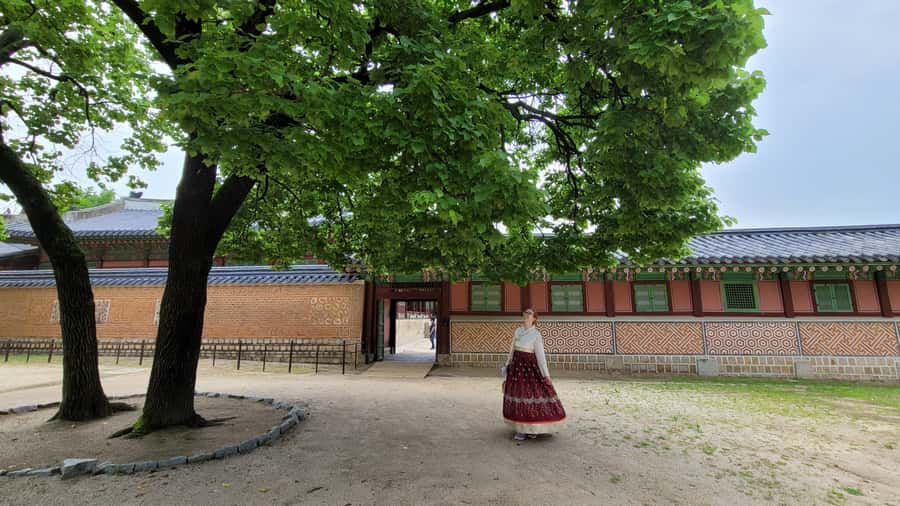
Bukchon is the final major stop, and it changes the mood again. Here, the focus shifts from royal grounds to traditional residential architecture. The narrow streets and attractive buildings offer a closer look at how older forms of Korean housing appear within present-day Seoul.
The walk through the village is described as moderate, with beautiful views. You should be ready for some walking through lanes and possibly sloping streets, but the information provided does not describe a strenuous hike. Comfortable shoes are the one item specifically recommended, and that advice is worth taking seriously.
Bukchon is often the place where the tour feels most immediate. A palace can feel grand and carefully arranged, while a residential neighborhood gives you smaller visual details at street level. You can look at roof shapes, walls, doorways, and the contrast between traditional design and the city beyond.
This is also the section where you should be considerate. Bukchon is a village area, not only a sightseeing set. Keep noise down, avoid blocking lanes, and follow your guide’s directions. The tour includes the neighborhood walk, but it does not promise a fixed number of stops or a long explanation at every viewpoint.
If you want extra time for photographs or more background on the village, you may feel the schedule is a little tight. One useful improvement would be an additional village stop, but the tour’s strength is that it gives you a broad introduction to several important parts of Seoul in one morning or afternoon.
The guide can make the difference
The supplied details identify English as the tour language, and guide Lee is specifically associated with several departures. Her style comes through as patient, friendly, well organized, and willing to discuss questions rather than simply recite facts.
That matters on a history-heavy route. Gyeongbokgung and King Sejong can easily become a list of names and dates. A guide who connects the palace to Korean language, customs, and daily life gives you more to remember.
Lee has also been able to communicate by email with people who did not have a Korean phone number. That is useful practical support, especially if you are arranging a meeting in a foreign city. Still, you should not assume Lee will lead every departure. The guide is included, but individual guide assignment can vary.
The tour seems best suited to people who enjoy conversation and questions. It can work for families, older visitors, and younger adults, provided everyone is comfortable walking for about three hours. The relaxed style and board game example suggest that the experience is not rigidly academic.
What the $82 price includes
At $82 per person, this is not the cheapest way to see these districts. You can visit public areas on your own, and Seoul’s palace admission alone does not normally justify the full cost. The value comes from the route planning, English explanations, palace entry, cultural drink, and the time saved figuring out how the places connect.
I would consider the price reasonable if you are visiting Seoul for the first time and want a guided introduction in a compact format. You receive access to Gyeongbokgung, an organized walk through four major cultural settings, and a person who can answer questions about Korean history and language.
The value is weaker if you already know the palace district well or prefer to explore at your own speed. Independent visitors can linger longer in Bukchon, stop for meals in Insadong, and choose how much time to spend at the palace.
No food is included, and transportation to and from the meeting point is your responsibility. Build those costs and a meal into your day. The tour does include the palace ticket and herbal tea, so you will not need to pay separately for those listed items.
Practical planning before you book
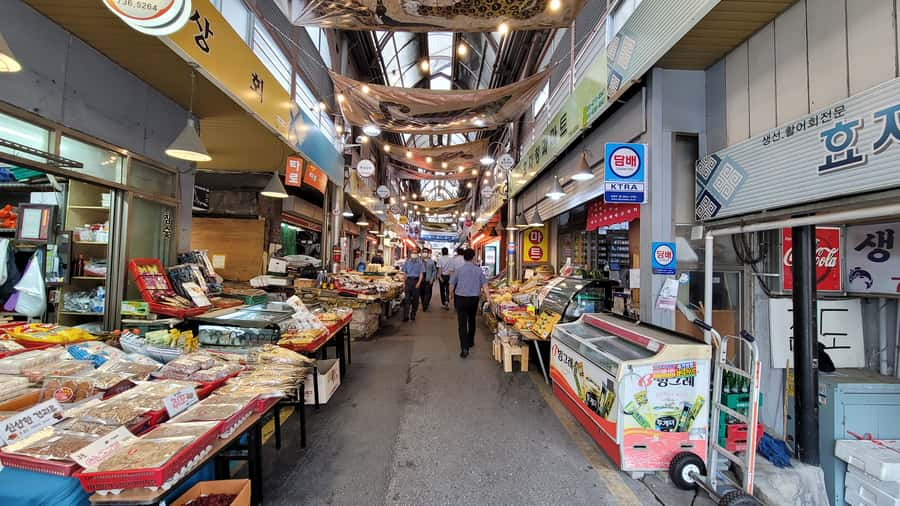
Meet at Anguk Station Exit 6. The activity ends back at the meeting point, which keeps the plan simple and lets you return to the Insadong and Anguk area afterward.
Wear comfortable shoes. This is the clearest practical requirement, and the moderate village walk makes it more important than fashionable footwear. The route combines temple grounds, palace spaces, city streets, and village lanes, so shoes that work on different surfaces will serve you well.
Pets, mobility scooters, alcohol, and drugs are not allowed. The operator also states that it is not responsible for loss, illness, injury, accidents, or damage to people or property. Take ordinary care with your belongings and your footing.
You can reserve now and pay later, which helps if your Seoul plans are still shifting. Cancellation is available up to 24 hours before the tour for a full refund. These terms make the booking less risky, but you still need to check the exact departure details when you reserve.
Who should choose this Seoul walk?
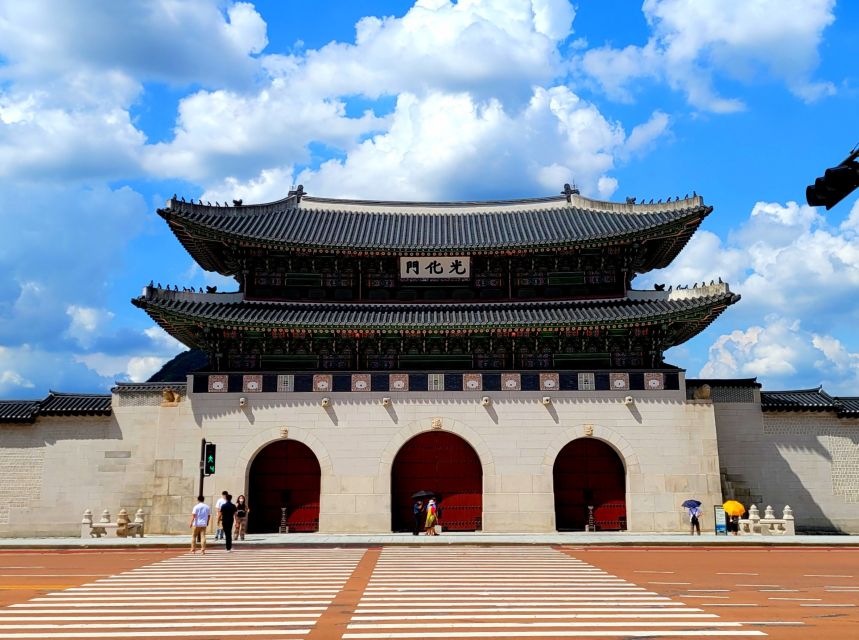
I would recommend it most strongly to a first-time visitor who wants the main cultural sights explained in one outing. You get temple, public square, royal palace, traditional neighborhood, language, and food culture without having to design the route yourself.
It also suits families and mixed-age groups. The route is active but not presented as a strenuous hike, and the guide’s use of a Korean board game shows how the experience can include children or adults who do not want nonstop historical commentary.
It is less suitable for someone with limited walking ability, since mobility scooters are not allowed and the tour is on foot. It may also disappoint palace specialists who want long, detailed time at each building.
Should you book it?
Book this tour if you want a friendly, guided introduction to Seoul’s traditional center and value context as much as sightseeing. The strongest reasons are the well-shaped route, included palace admission, herbal tea, and the chance to learn from a guide such as Lee, who brings patience and personal touches to the walk.
Skip it if you would rather move slowly, eat along the way, or spend a full day exploring Gyeongbokgung and Bukchon on your own. At $82, you are paying for guidance and convenience, not just entry tickets. For a first visit, that can be good value. For a repeat visit, independent exploration may give you more freedom.
FAQ
Where does the tour start?
Meet your guide at Anguk Station Exit 6.
Where does the tour end?
The activity ends back at the meeting point.
How long does the tour last?
The walk is described as roughly three hours.
Which language is the tour offered in?
The tour is offered in English.
Is the Gyeongbokgung Palace entrance included?
Yes. The palace entrance ticket is included.
Is a traditional drink included?
Yes. A traditional herbal tea is included at the palace.
Is food included?
No. Food is not included in the tour price.
What should I bring?
Bring comfortable shoes for the walking route. Pets, mobility scooters, alcohol, and drugs are not allowed.
Newly written up around Seoul
- Seoul: War Memorial, Jogyesa Temple & Tapgol Park Tour★ 4.8 · 56 reviews
- Seoul Sunrise & Sunset Hike + Temple & K-Food Adventure★ 4.8 · 6 reviews
- Seoul: Vegan Temple Food Class, Jogyesa & Changdeokgung Tour★ 4.6 · 34 reviews
- Seoul: Temple & Starfield COEX Mall Gourmet Tour in Gangnam★ 4.7 · 22 reviews
- Seoul: UNESCO Sites tour: Palace, Shrine & Bukchon Village★ 4.8 · 26 reviews
- Seoul: Night Bongeunsa Temple Guided Tour★ 5.0 · 11 reviews
- Seoul: 4-Hour Guided Tour to Palace, Bukchon, Jogyesa Temple★ 5.0 · 3 reviews
- Danyang Tour:Guinsa Temple & Bobaljae & Cheongpung Cable Car★ 5.0 · 15 reviews
Seoul Temple Tours, compared.
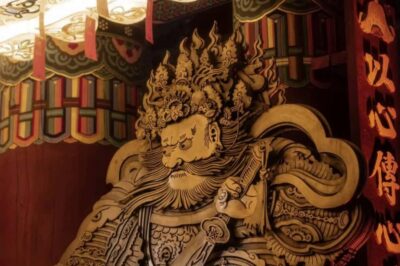
Palace, Temple and Market Guided Foodie Tour at Night
Read our review →
Mt Seorak + Naksansa Temple or Nami Island Group Tour
Read our review →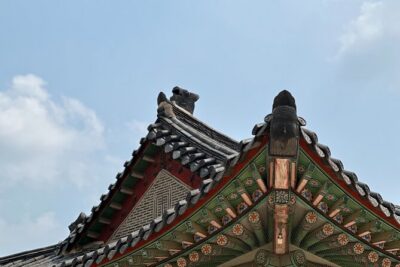
Best Things to Do – Half Day Seoul Trip (Seoul Palace & Temple)
Read our review →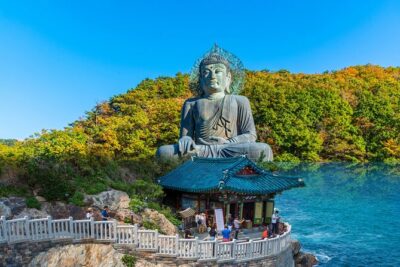
Mount Seorak and Naksansa Temple One Day Tour from Seoul
Read our review →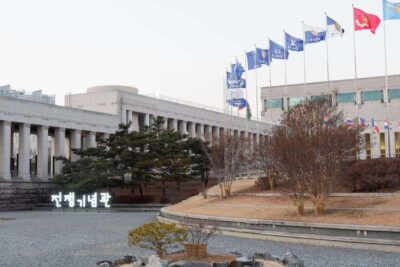
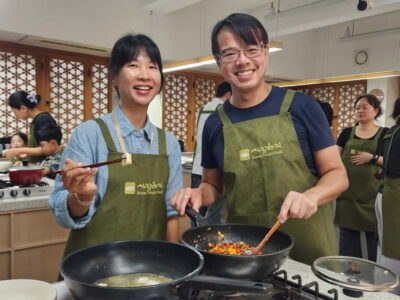
Vegan Temple Food Class, Jogyesa & Changdeokgung Tour
Read our review →
UNESCO Sites tour: Palace, Shrine & Bukchon Village
Read our review →
Temple & Starfield COEX Mall Gourmet Tour in Gangnam
Read our review →Browse the lists this tour appears in