
Reviewed · SEOUL TEMPLE TOURS
Seoul: War Memorial, Jogyesa Temple & Tapgol Park Tour
Seoul’s past comes into sharp focus on this compact afternoon route. You move from tanks and aircraft at the War Memorial of Korea to the peaceful courtyard of Jogyesa Temple, then finish in Tapgol Park, where Korea’s 1919 independence movement began and a Squid Game scene was filmed.
I like the mix of serious history and everyday Seoul, and I like having an English-speaking guide to connect the stops. Guides including Connie, Leo, Jang, Mrs. Park, and Melvin have been praised for clear explanations, patience, and help with photos. The main drawback is the moderate walking and limited time, so this is not the best choice for wheelchair users or anyone wanting a slow museum visit.
Key points to know
- See military history up close: The War Memorial includes tanks, aircraft, and a major third-floor United Nations Memorial Cemetery section.
- Connect modern Korea to the present: The National Museum of Korean Contemporary History covers South Korea from the late 19th century to today.
- Visit Seoul’s active Buddhist center: Jogyesa Temple is the main temple of the Jogye order and remains a working place of worship.
- Stand where independence was declared: Tapgol Park marks the beginning of the March 1 Korean Independence Movement in 1919.
- Add a playful pop-culture detail: The tour includes a lottery and points out Tapgol Park’s connection to Squid Game Season 2.
- Use the afternoon well: Air-conditioned minivan transport links four central stops without asking you to plan several subway transfers.
A serious Seoul afternoon with a lighter ending
This tour works because it does not treat Seoul as only a palace-and-shopping destination. Its route follows the city through war, political change, religion, independence, and modern popular culture. You get a more grounded look at South Korea than a day spent only taking palace photos.
The afternoon tour begins at the lobby of the Koreana Hotel’s office building. The exact meeting point can vary by booking option, so check your confirmation carefully. The tour ends with drop-off at Myeongdong Cathedral, which is useful if you plan to continue sightseeing, shopping, or eating in central Seoul.
The price is $42 per person. That is a fair rate if you value an English-speaking guide, entrance fees, and transport in an air-conditioned minivan. You are paying for context and convenience rather than a long museum visit or a private car. The group size can be small, and that gives you a better chance to ask questions. Some guests have also had private-tour arrangements, but you should not assume that every departure will be private.
Other temple visits near Seoul we have written up
- Seoul: Palace, Temple and Market Guided Foodie Tour at Night
★ 4.9 · 750 reviews - Seoul: Mt Seorak + Naksansa Temple or Nami Island Group Tour
★ 4.7 · 422 reviews - Best Things to Do – Half Day Seoul Trip (Seoul Palace & Temple)
★ 5.0 · 190 reviews
The War Memorial of Korea: tanks, aircraft, and difficult questions
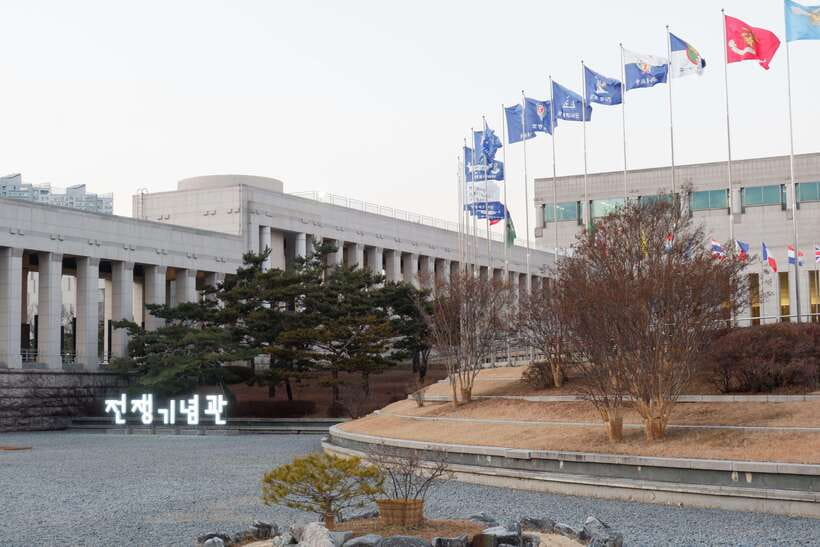
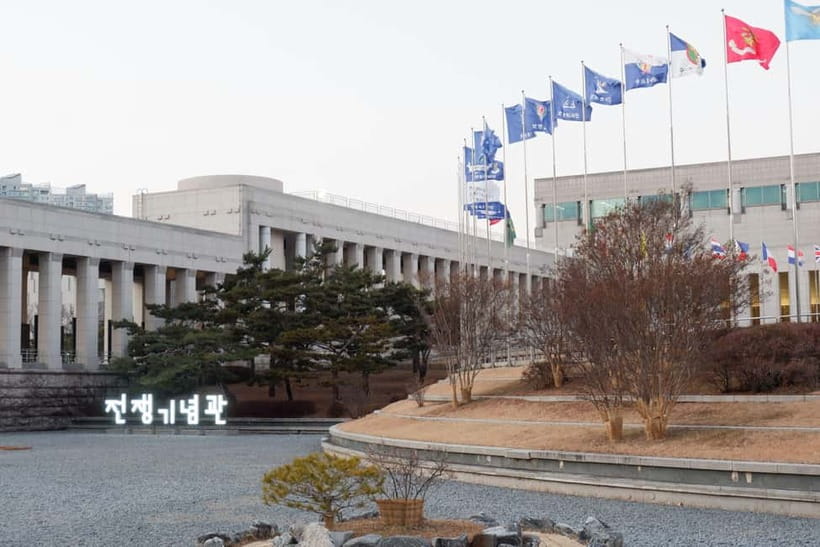
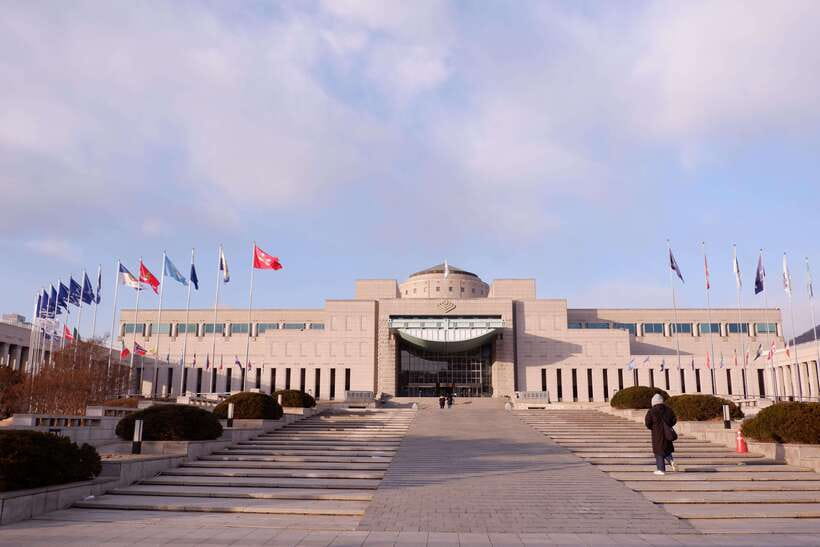
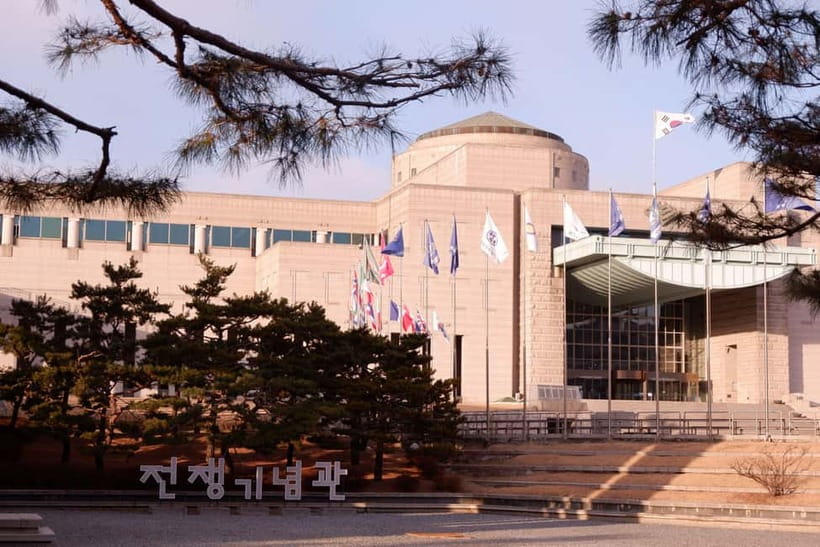
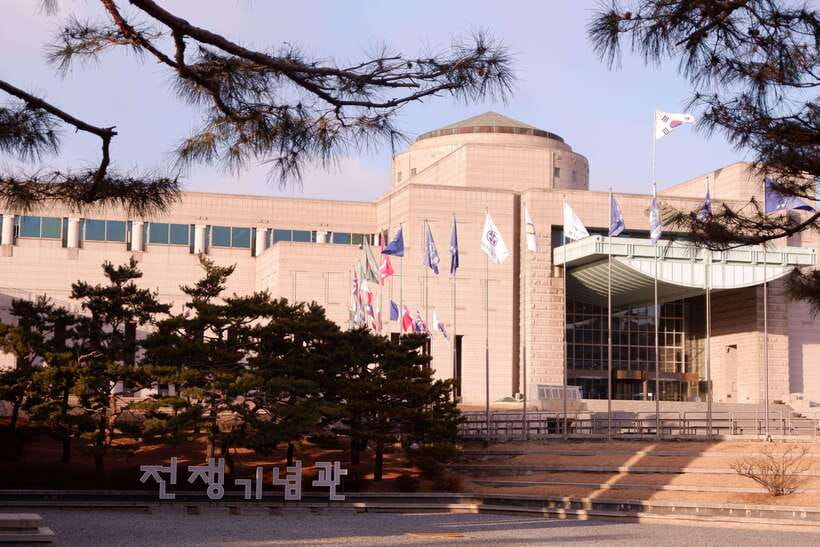
The War Memorial is the emotional center of the route. Established in 1994, it presents the Korean War and other parts of Korea’s military past while stressing the cost of conflict and the hope of reunification between North and South Korea.
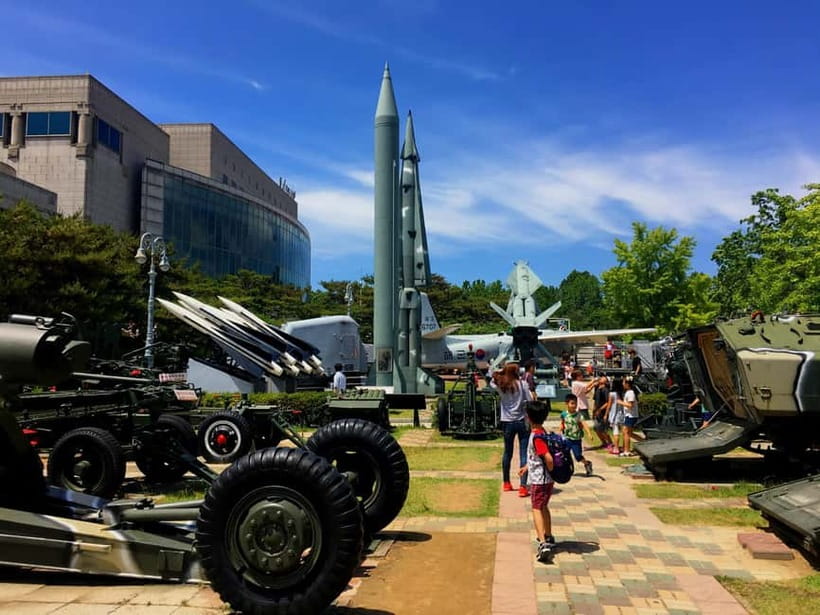
The outdoor and indoor displays include tanks and aircraft, which gives the visit an immediate, visual pull. Even if military museums are not normally high on your list, the large equipment helps explain the scale of the wars and the technology used. You are not simply looking at objects behind glass. You can see the physical size of the machines and consider what they meant for people on the ground.
The tour focuses mainly on the third-floor United Nations Memorial Cemetery section. This is an important detail. The War Memorial is large, and a guided visit helps you concentrate on one of its most meaningful areas instead of trying to cover every gallery in a short afternoon.
Your guide’s role matters here. Names such as Connie, Leo, Jang, Mrs. Park, and Melvin have been associated with friendly, clear guiding on this route. Leo has also been praised for keeping a good pace for an older family member, while Connie has been noted for adding personal stories and making the visit feel welcoming. That kind of human explanation can make a solemn museum easier to understand.
Allow time for walking between displays. Comfortable shoes are essential, especially if your tour group moves through several sections before continuing by minivan. The museum is not a quick photo stop, but the schedule also means you will not have unlimited time to read every panel.
The National Museum of Korean Contemporary History
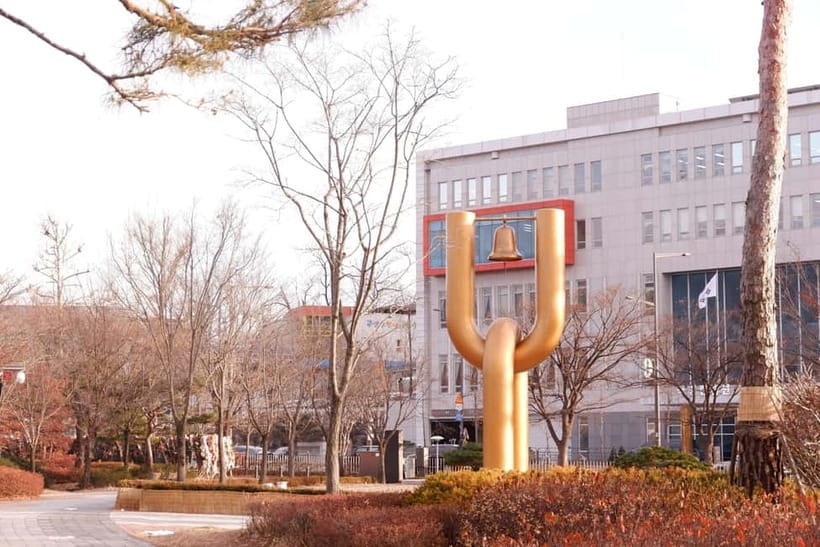
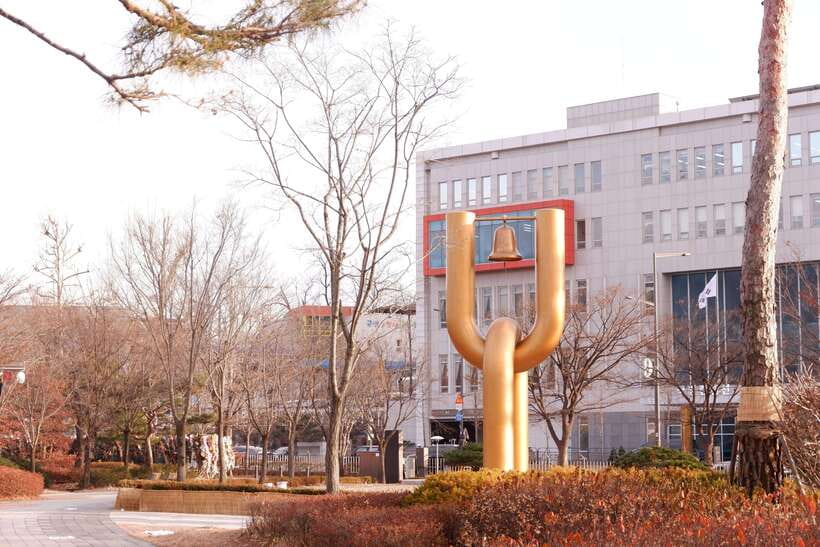
The next stop shifts from war to nation-building. The National Museum of Korean Contemporary History opened on December 26, 2012, and its four permanent exhibition halls cover the period from the late 19th century to the present day.
This museum helps you place modern Seoul in context. The country’s recent story includes dramatic political, social, and economic change, and the museum gives you a structured way to follow that movement. If you have already seen old palaces and traditional neighborhoods, this stop fills in the more recent chapters.
I would pay close attention to the guide’s explanations here, since the museum covers a broad span of time. A brief guided introduction can help you understand what to focus on. The tour is designed to give you a useful overview, not a full academic study, so anyone fascinated by modern Korean politics or society may want to return independently.
That is also the tradeoff. The afternoon schedule gives you several major places, but it does not allow long, quiet visits at every one. If you prefer to read every exhibit label, you may find the pace brisk. If you want a clear introduction before exploring Seoul on your own, the stop earns its place.
Jogyesa Temple and the working side of Seoul
Jogyesa Temple offers a welcome change of mood. It is the chief temple of the Jogye order, the branch of Korean Buddhism most closely associated with Korean Buddhist practice. The temple promotes the idea of people living together and the Bodhisattva spirit, which places compassion and care for others at the center of its message.
This is not only an old building preserved for sightseeing. Jogyesa has lived through Korea’s difficult modern period and remains an active religious site. You may find the courtyard calmer than the city streets around it, even though the temple sits in central Seoul.
Your guide can explain the temple’s role and help you behave respectfully during the visit. Keep your voice low, follow any posted instructions, and remember that people may be there to pray rather than pose for photos. The stop is especially good for visitors who want more than architecture. It shows how religion continues to fit into modern city life.
The tour does not provide hanbok, so plan your clothing accordingly. You can still enjoy the temple without traditional dress, and the visit is more about the site’s religious and civic meaning than costume photography.
A different set of gates, same trip:
- Mount Seorak and Naksansa Temple One Day Tour from Seoul
★ 4.5 · 167 reviews - Seoul: Vegan Temple Food Class, Jogyesa & Changdeokgung Tour
★ 4.6 · 34 reviews - Seoul: UNESCO Sites tour: Palace, Shrine & Bukchon Village
★ 4.8 · 26 reviews - Seoul: Temple & Starfield COEX Mall Gourmet Tour in Gangnam
★ 4.7 · 22 reviews
Tapgol Park, independence, and the lottery moment
Tapgol Park is a small public park near Insadong, but its importance is much larger than its size. In 1919, it was the starting point of the March 1 Korean Independence Movement, which called for Korea’s independence from Japanese rule.
That fact gives the final stop real weight. After seeing war equipment and studying modern national change, you arrive at a place tied directly to public calls for independence. The park helps bring those political ideas down to street level. This is where people gathered, spoke, and acted.
Tapgol Park also has a current pop-culture connection. It appears briefly in Squid Game Season 2, episode 1, during the scene where the recruiter hands out bread and lottery tickets to homeless people before stamping on the remaining bread. The tour includes a lottery, so you get a playful nod to that scene without losing the park’s real historical importance.
The lottery is a small extra, not the main reason to book the tour. Still, it gives the final stop an easygoing finish after the heavier subjects earlier in the day. If you know the show, you will recognize the reference. If you do not, the guide can still explain why the moment is connected to the park.
Tapgol Park is near Insadong, so the ending leaves you well placed for more central Seoul exploring. The official drop-off is at Myeongdong Cathedral, though, so confirm the exact end point for your selected option.
What the guide adds to the route
This experience depends heavily on the guide. The four stops are worthwhile on their own, but their meaning is easier to grasp when someone connects them.
Connie has been described as friendly, considerate, and good at adding personal stories. Jang has been praised for answering questions and making visitors feel welcome. Mrs. Park has been noted for patience and kindness, while Leo has been recognized for his timing, photography help, and ability to adjust the pace for an older guest.
Those details matter because this route includes sensitive subjects and several different types of sites. A good guide can explain the War Memorial without turning it into a list of weapons, then shift naturally to Buddhism, independence, and modern television.
You should feel free to ask questions, especially at the National Museum of Korean Contemporary History. Small groups give you more opportunities to do that, though group size can vary. The guide may also help with photos, a useful benefit at Jogyesa Temple and Tapgol Park.
Afternoon tour or full-day option?
The afternoon version covers the War Memorial, the National Museum of Korean Contemporary History, Jogyesa Temple, and Tapgol Park. It is the right choice if you already have a Seoul plan for the morning or want a focused introduction to modern Korea.
A full-day option adds Gyeongbokgung Palace, the Royal Guard Changing Ceremony, Bukchon Hanok Village, or Namsangol Hanok Village on Sundays, Bugak Skyway, a Ginseng Museum, and Gwangjang Market. Lunch at Gwangjang Market is at your own expense. The same afternoon route follows those morning stops.
Choose the full-day option if you want to combine Seoul’s royal, traditional, food, and modern sides in one organized day. Choose the afternoon tour if you dislike packed schedules or have limited energy. The full-day plan covers much more, but it also means a longer day and more walking.
The full-day meeting point is in front of Sejong Hotel at Myeongdong Station Exit 10. The afternoon meeting point is the lobby of the Koreana Hotel’s office building. Do not use the wrong meeting point, since the departure details differ by option.
Walking, transport, and practical comfort
Transport is by air-conditioned minivan, which is a real advantage in Seoul’s hot, cold, or rainy weather. The tour runs rain or shine, and the vehicle gives you a break between stops. It also saves you from working out several subway connections during a short afternoon.
You should still expect a moderate amount of walking. Wear comfortable shoes, especially for the War Memorial and the outdoor section of Tapgol Park. The tour is not suitable for wheelchair users, and children must be accompanied by an adult. Unaccompanied minors are not allowed.
Food and drinks are not included on the afternoon tour. Bring water or buy it along the way, and plan a meal before or after the activity. Alcohol and drugs are not permitted.
The tour is offered in English. If you want a slow, highly detailed museum visit, the schedule may feel too tight. If you want a practical introduction with transport and a local guide, the balance is more appealing.
Who should book this Seoul tour?
I would recommend this experience to first-time visitors who want to understand more than Seoul’s royal palaces. It suits history-minded visitors, fans of Korean modern culture, and anyone who likes a route with several distinct themes.
Families can also benefit, especially if children are interested in tanks, aircraft, or Squid Game. Keep in mind the walking and the serious subject matter at the War Memorial. Older visitors may appreciate the minivan and a guide who can keep the pace manageable, but this is not a mobility-accessible tour.
At $42 per person, the value is strongest when you count the entrance fees, air-conditioned transport, and explanations at four central stops. You are not buying a luxury experience or unlimited time at each museum. You are buying a well-shaped afternoon that removes much of the planning work.
Should you book it?
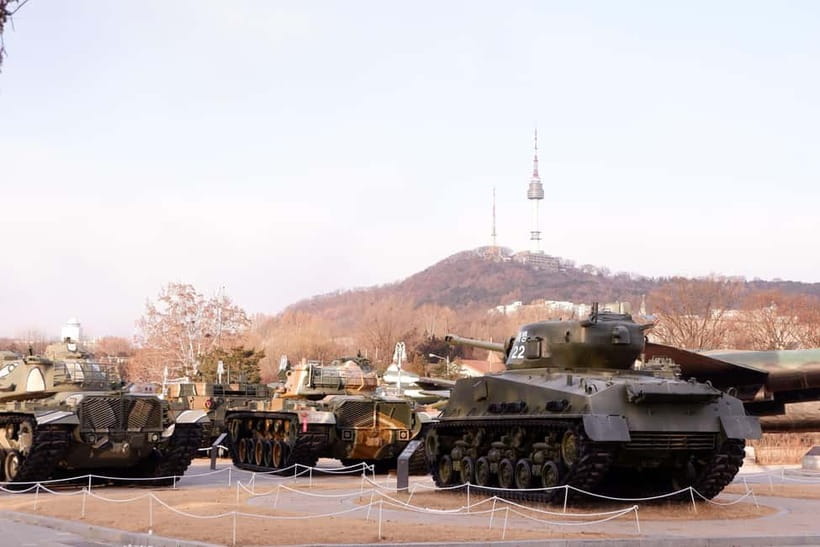
Book this tour if you want Seoul’s modern story presented in a clear, efficient way, with a little pop culture and a lottery at the end. The combination of the War Memorial, contemporary history museum, Jogyesa Temple, and Tapgol Park gives you a useful sense of how conflict, faith, independence, and national identity fit together.
Skip it if you want a relaxed, photo-first outing, a palace-heavy itinerary, or a fully accessible tour. For most visitors with comfortable shoes and an interest in Korea beyond the usual royal sights, this is a strong half-day choice. You leave with more context for the city around you, which is exactly what a good guided tour should provide.
FAQ
How much does the afternoon tour cost?
The listed price is $42 per person. Entrance fees, an English-speaking professional guide, air-conditioned minivan transport, and the lottery are included.
Where does the afternoon tour begin?
The designated departure point is the lobby of the Koreana Hotel’s office building. The meeting point may vary depending on the option booked, so check your booking details.
Where does the tour end?
The afternoon tour ends with drop-off at Myeongdong Cathedral. The activity information also states that the end point may vary by meeting-point option, so confirm the details for your booking.
What places are included in the afternoon itinerary?
The afternoon route includes the War Memorial of Korea, mainly the third-floor United Nations Memorial Cemetery section, the National Museum of Korean Contemporary History, Jogyesa Temple, and Tapgol Park.
Is transportation included?
Yes. Transport is provided by air-conditioned minivan.
Is food included?
No. Food and drinks are not included. Lunch at Gwangjang Market is an own-expense item on the full-day option.
Is the tour available in English?
Yes. The listed tour language is English.
Is the tour suitable for wheelchair users?
No. The tour is listed as not suitable for wheelchair users. A moderate amount of walking is involved, and comfortable shoes are recommended.
Can children join the tour?
Children can join, but they must be accompanied by an adult. Unaccompanied minors are not allowed.
Newly written up around Seoul
- Seoul Sunrise & Sunset Hike + Temple & K-Food Adventure★ 4.8 · 6 reviews
- Seoul: Vegan Temple Food Class, Jogyesa & Changdeokgung Tour★ 4.6 · 34 reviews
- Seoul: Temple & Starfield COEX Mall Gourmet Tour in Gangnam★ 4.7 · 22 reviews
- Seoul: UNESCO Sites tour: Palace, Shrine & Bukchon Village★ 4.8 · 26 reviews
- Seoul: Night Bongeunsa Temple Guided Tour★ 5.0 · 11 reviews
- Seoul: 4-Hour Guided Tour to Palace, Bukchon, Jogyesa Temple★ 5.0 · 3 reviews
- Gyeongbokgung Palace, Jogyesa Temple and Bukchon village★ 5.0 · 12 reviews
- Danyang Tour:Guinsa Temple & Bobaljae & Cheongpung Cable Car★ 5.0 · 15 reviews
Seoul Temple Tours, compared.
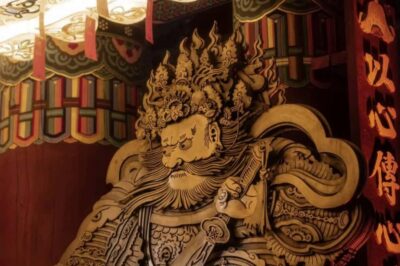
Palace, Temple and Market Guided Foodie Tour at Night
Read our review →
Mt Seorak + Naksansa Temple or Nami Island Group Tour
Read our review →
Best Things to Do – Half Day Seoul Trip (Seoul Palace & Temple)
Read our review →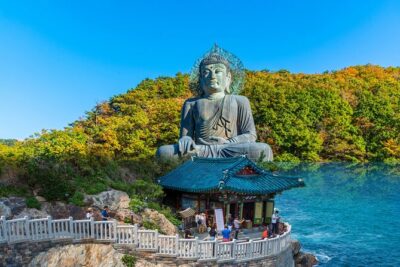
Mount Seorak and Naksansa Temple One Day Tour from Seoul
Read our review →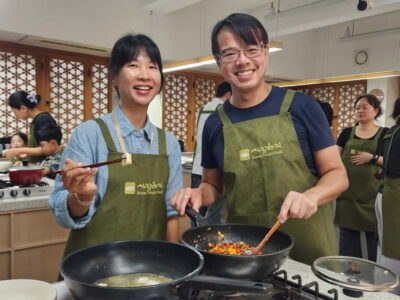
Vegan Temple Food Class, Jogyesa & Changdeokgung Tour
Read our review →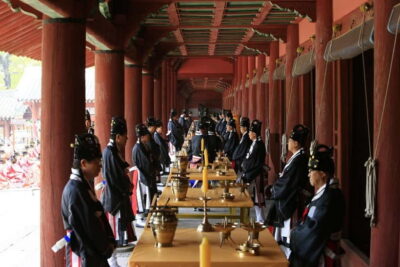
UNESCO Sites tour: Palace, Shrine & Bukchon Village
Read our review →
Temple & Starfield COEX Mall Gourmet Tour in Gangnam
Read our review →
Danyang Tour:Guinsa Temple & Bobaljae & Cheongpung Cable Car
Read our review →Browse the lists this tour appears in