
Reviewed · SEOUL TEMPLE TOURS
Seoul: 4-Hour Guided Tour to Palace, Bukchon, Jogyesa Temple
Gyeongbokgung Palace is the heart of this experience, but the real subject is the Confucian thinking behind its design. With guide Paul Koo, you do not simply walk past painted gates and royal courtyards. You learn why the palace was built as it was, and how architecture reflected the values of Joseon Korea. I like the clear cultural focus, and I like that the tour connects royal buildings with ordinary life at the Folk Museum. The main consideration is cost: $152 covers up to two people, but admission and transport are extra.
This is a good choice if you want Seoul’s historic center explained in plain English rather than seen as a string of photo stops. Paul has been praised for his detailed explanations, help with photos, and ability to make Korean history easy to follow. Four hours is enough for a useful introduction, though the palace receives most of the time, so the later stops are shorter.
Key points at a glance
- Confucian ideas guide the tour: Learn how Joseon’s national philosophy shaped palace design, rituals, and traditional homes.
- Gyeongbokgung gets the main share of time: The palace visit lasts about 2 hours and 20 minutes, making it the clear centerpiece.
- Paul Koo leads in English: His explanations cover history, religion, architecture, and daily life, with practical help for photographs.
- Bukchon adds old Seoul beside modern Seoul: Traditional hanoks are viewed alongside metropolitan buildings and N Seoul Tower.
- The Folk Museum gives daily life a place: Exhibits cover birth, marriage, illness, aging, death, seasonal customs, and ceremonies.
- It is a private tour for up to two people: The price can make more sense for a couple or two friends who want a personal pace.
Why the Confucian focus changes what you see
Many palace visits in Seoul can become a march through gates, halls, and courtyards. You take a photo, hear a date, and move on. This tour aims to give those buildings a larger meaning by explaining Confucianism as the central idea of Joseon society.
That approach matters because Gyeongbokgung was not just a royal residence. It was built in 1395 as the main palace of the Joseon Dynasty and as a major expression of the dynasty’s political and moral order. Its scale, position, and layout were tied to the values of the period.
I like this kind of explanation because it gives you something to watch for. The palace becomes more than attractive rooflines and painted wood. You can consider how authority, ceremony, family order, and public life were represented through buildings.
Paul Koo’s strength, based on the details of this experience, is his ability to explain Korean traditional culture through that Confucian frame. He also covers Korean Buddhism and common life, so the tour is not limited to kings and court officials. You get a path from official architecture to household customs and religious practice.
Other temple visits near Seoul we have written up
- Seoul: Palace, Temple and Market Guided Foodie Tour at Night
★ 4.9 · 750 reviews - Seoul: Mt Seorak + Naksansa Temple or Nami Island Group Tour
★ 4.7 · 422 reviews - Best Things to Do – Half Day Seoul Trip (Seoul Palace & Temple)
★ 5.0 · 190 reviews
Gyeongbokgung: about 2 hours and 20 minutes at Seoul’s grand palace
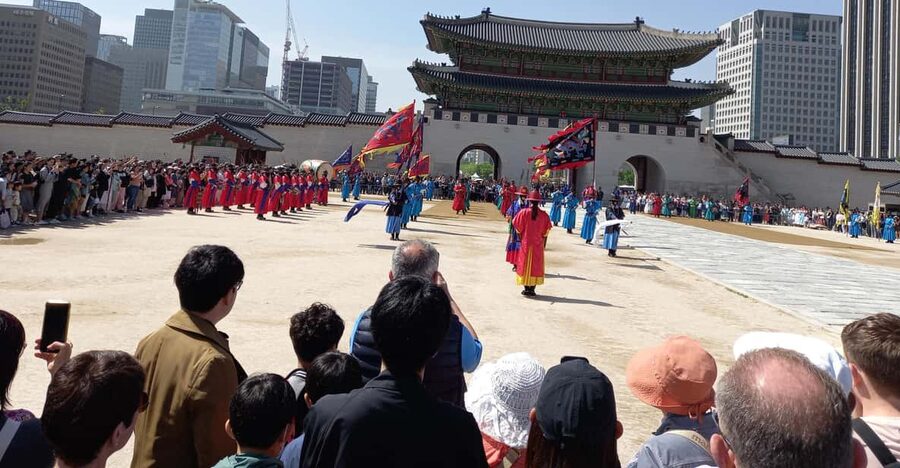
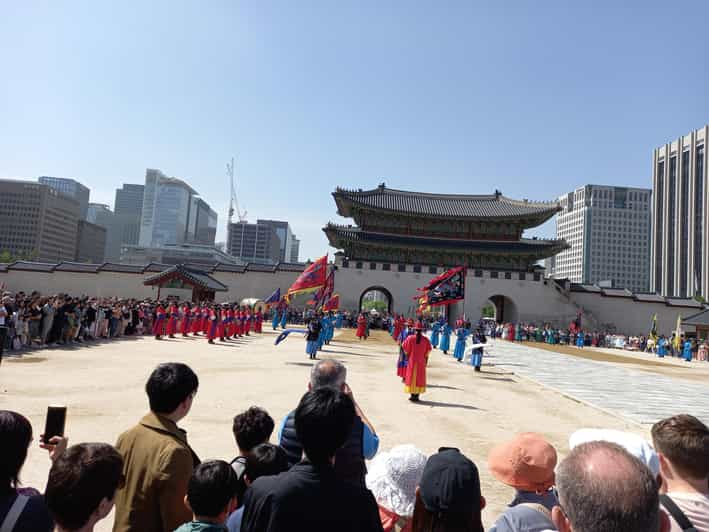
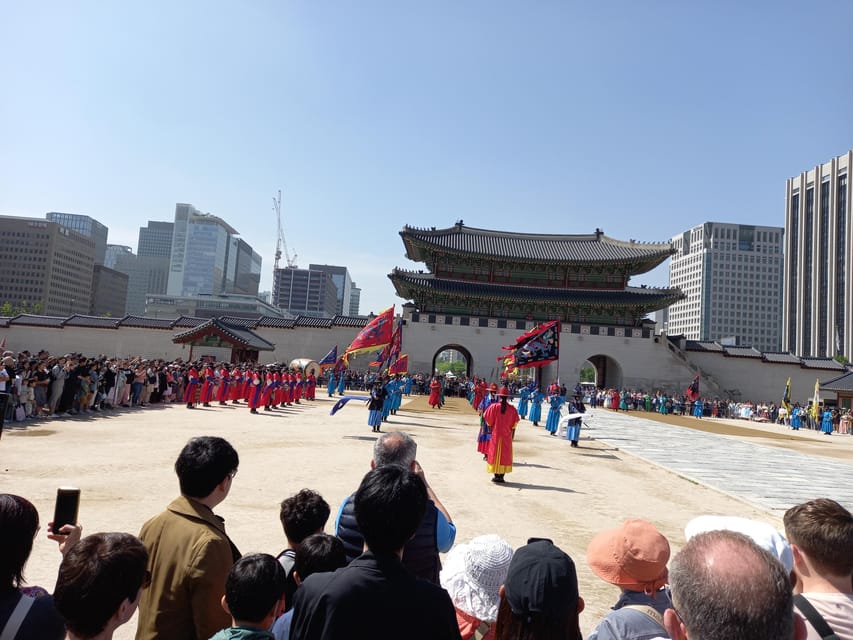
The tour begins at Gwanghwamun Square, a practical and easy-to-recognize starting point in central Seoul. From there, Gyeongbokgung receives the largest block of time, about 2 hours and 20 minutes. That tells you where the experience puts its weight.
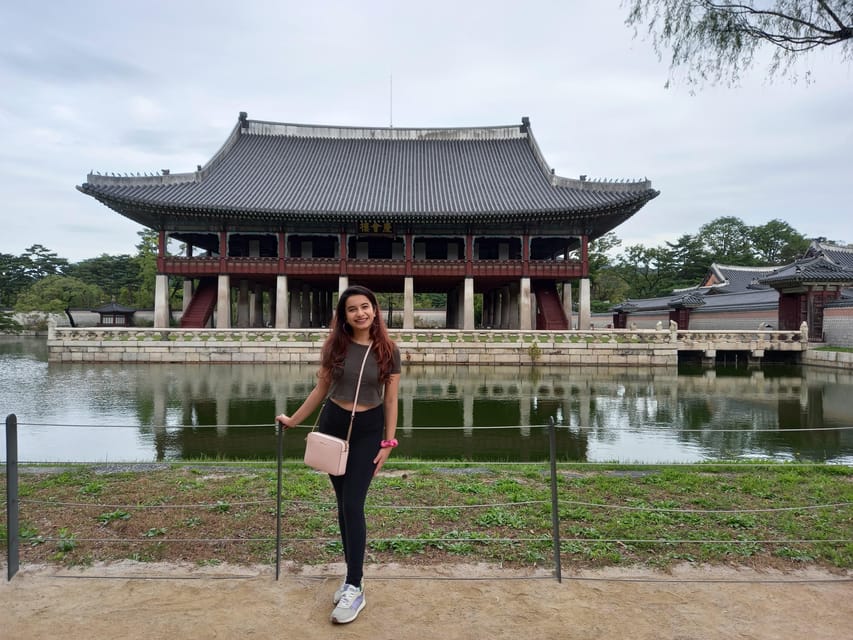
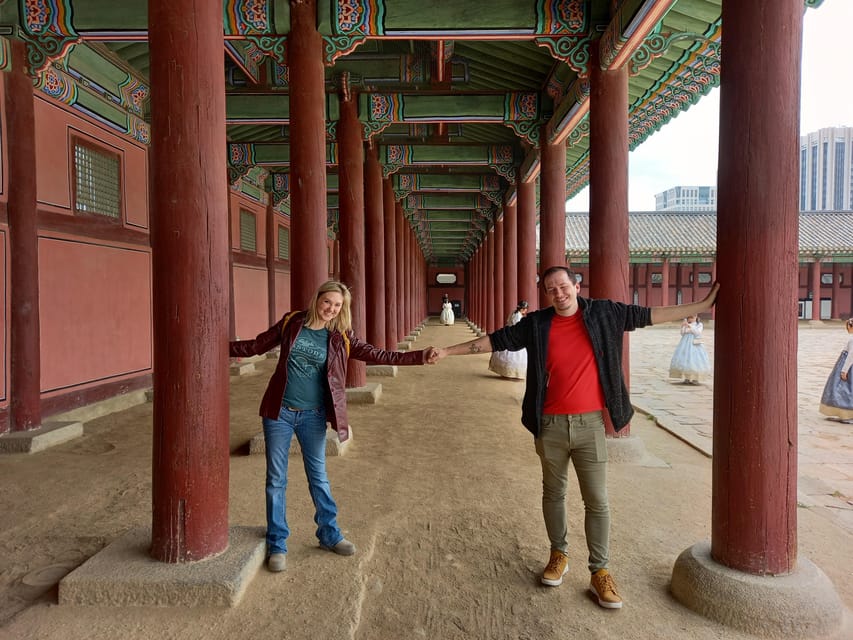
Gyeongbokgung is described as the largest and most magnificent of Seoul’s palaces. It is also the only one of the main palaces built on flat land and arranged according to an authentic Confucian palace structure. Those details make the site especially useful for a guided visit. You are not only seeing a restored historic place. You are looking at a carefully planned statement about Joseon power and order.
The palace is the best part of the experience for anyone interested in architecture. Paul can help you read the site as a system rather than a collection of separate buildings. The guide’s role is especially valuable here because the visual details can be beautiful without being self-explanatory.
Plan for a slow visit. Two hours and 20 minutes is a substantial amount of time, but Gyeongbokgung is also the sort of place where rushing would defeat the purpose. You will have time for explanations, photos, and the wider setting around the royal buildings.
The tradeoff is that a long palace visit leaves less time for the final stops. If you want a fast tour that checks off many Seoul sights, this may feel deliberate. If you want to understand the main site, the extra time is well used.
Admission is not included, so add the palace ticket to your budget. The price also does not include transportation between stops. Since the group is private, you can ask about the order and meeting arrangements after booking, but you should confirm the plan with Paul in advance.
The National Folk Museum: Joseon life beyond the court
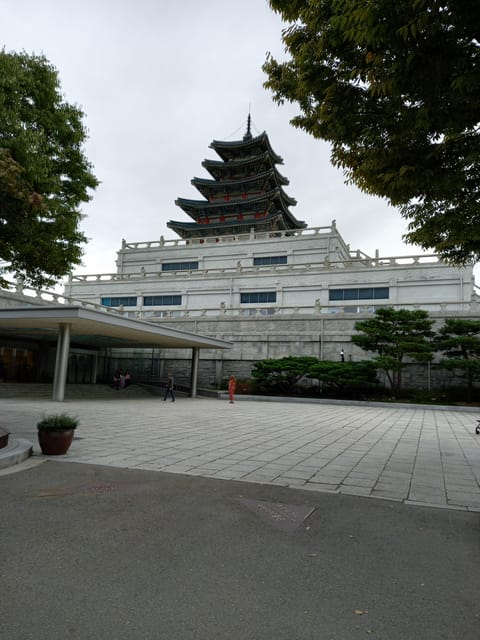
The National Folk Museum of Korea follows Gyeongbokgung for about 30 minutes. That is a short visit, but it adds an important counterpoint to the palace.
The museum presents the life of ordinary people during the Joseon period. Its displays cover seasonal activities and the main stages of life, from birth and childhood through marriage, aging, illness, treatment, and death. Ceremonies and commemorative events help show how beliefs and customs shaped daily routines.
I value this stop because it keeps the tour from becoming too focused on rulers and grand buildings. Palace architecture tells you how the state wanted order to appear. Folk displays help you think about how that order was reflected in family life and community customs.
Thirty minutes will not allow a long museum visit. You should treat it as a focused introduction rather than a chance to see every exhibition. The guide’s explanations are useful here because the museum’s value lies in linking objects and rituals to a broader way of life.
If you are more interested in common life than royal architecture, you may wish the museum had more time. Still, its position in the tour makes sense. After seeing the formal world of the palace, you get a short look at the people and traditions that made up Joseon society.
Bukchon Hanok Village and the old-new Seoul view
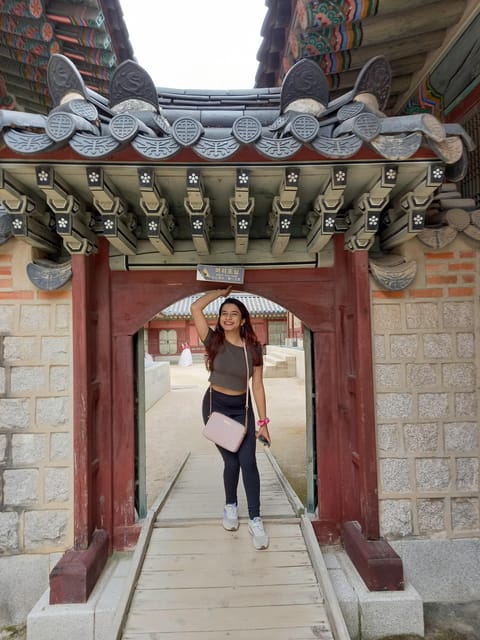
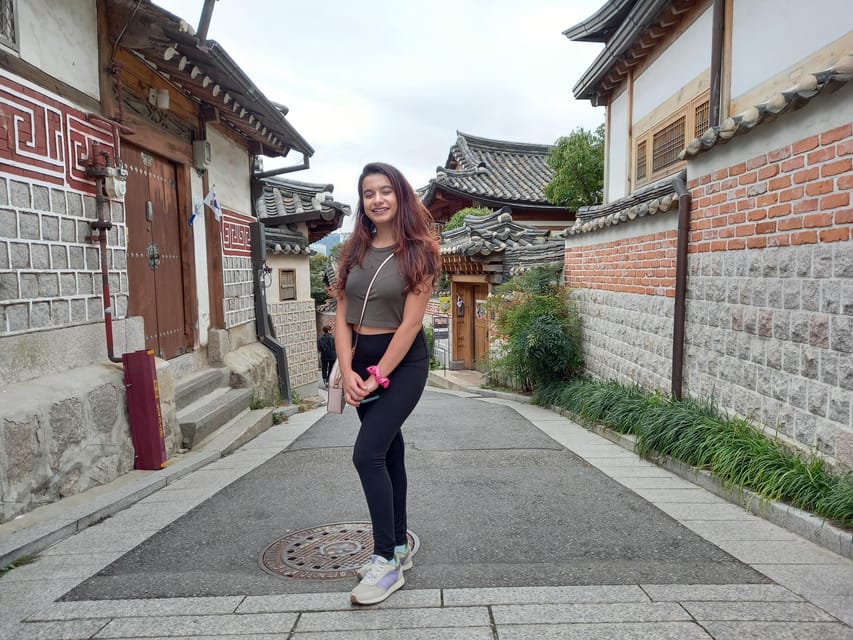
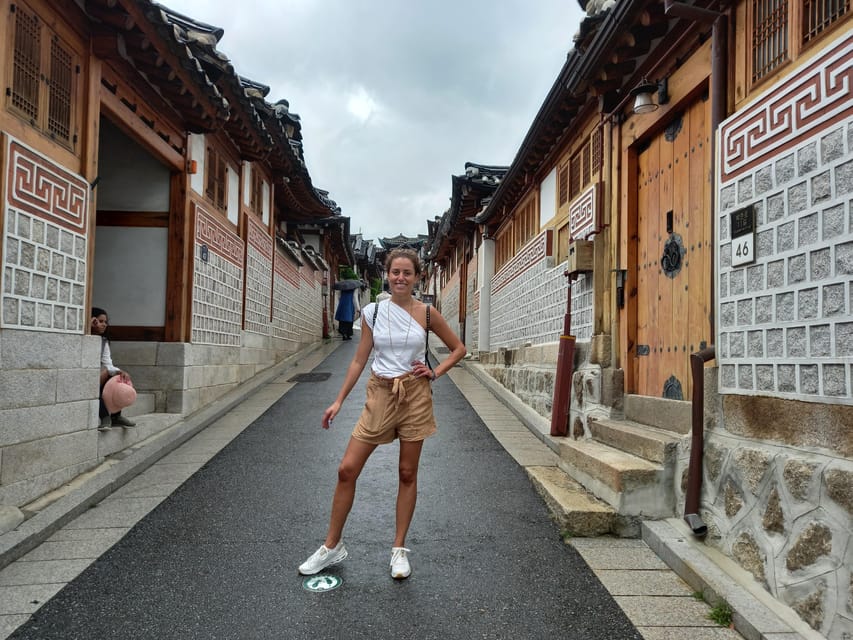
Bukchon Hanok Village receives about 40 minutes. Bukchon is known for its traditional Korean homes, or hanoks, and contains the largest cluster of them in Seoul, about 1,000 in total according to the tour information.
The appeal is the contrast. Traditional rooflines and narrow residential streets appear within modern Seoul, with metropolitan buildings and N Seoul Tower visible in the wider view. You are seeing an older form of Korean housing in a city that has changed around it.
This is also a good place for photographs, and Paul has been specifically praised for knowing strong spots and angles. That practical help can matter. A pretty street is not always easy to frame, especially when you want both the hanoks and the modern city behind them.
The visit is guided, so Paul can explain what makes a hanok different from a palace structure and how the village fits into Seoul’s traditional culture. The supplied information does not promise a visit inside a private home, so you should expect to view the village streets and buildings from public areas.
Keep the 40-minute limit in mind. Bukchon is a substantial area, and the tour offers an introduction rather than a full neighborhood walk. The village is also a residential district, so respectful behavior matters. Follow Paul’s lead and avoid treating people’s homes as scenery.
A different set of gates, same trip:
- Mount Seorak and Naksansa Temple One Day Tour from Seoul
★ 4.5 · 167 reviews - Seoul: War Memorial, Jogyesa Temple & Tapgol Park Tour
★ 4.8 · 56 reviews - Seoul: Vegan Temple Food Class, Jogyesa & Changdeokgung Tour
★ 4.6 · 34 reviews - Seoul: UNESCO Sites tour: Palace, Shrine & Bukchon Village
★ 4.8 · 26 reviews
Insadong: a short finish with religious context
The final listed stop is Insadong, with about 30 minutes of guided time. This is where Jogyesa Buddhist Temple enters the experience.
Jogyesa is a small temple, but it has major importance as the headquarters of a Korean Buddhist organization. It was built in 1926 in Insadong and sits close to Gyeongbokgung. That combination makes it a useful contrast with the Joseon palace. Gyeongbokgung expresses Confucian royal order, while Jogyesa introduces Korean Buddhist life in a more urban setting.
The temple also helps widen the cultural picture. A tour focused on Confucianism could leave you with the impression that one tradition explains everything. Jogyesa shows that Korean culture also includes important Buddhist institutions and practices.
Thirty minutes is enough for an introduction, but not a long temple study. You will need to keep moving if the group is to finish on time. The short stop works best if you want a first look at Jogyesa while learning why it matters, rather than a detailed religious tour.
The highlights also refer to Bongeunsa Buddhist Temple, a place where older religious architecture meets modern Seoul. However, the stated four-hour route lists Gwanghwamun Square, Gyeongbokgung, the National Folk Museum, Bukchon, and Insadong. Bongeunsa is not included in that listed sequence, so ask Paul before booking if seeing Bongeunsa is essential to you.
What Paul Koo adds to the four-hour format
The guide makes the biggest difference on this experience. Paul Koo leads in English and presents himself as a specialist in Korean Confucian culture. His explanations cover the spirit of the Joseon period, the role of architecture, religious background, and the daily customs shown at the Folk Museum.
The strongest feedback about his guiding style points to three practical strengths. He explains Korean history in detail, makes difficult cultural ideas easy to understand, and helps with photographs. That combination suits a first visit, especially if you want more than dates and names.
Paul’s approach is also useful for people who are unsure how to read traditional architecture. Without some context, a palace can look like a series of similar halls. With a guide, you can connect the buildings to the values and ceremonies they were designed to express.
This is a private group, limited to the person or pair who books. That gives you a more personal setting than a large walking tour. You can choose the meeting place and time after booking, and meeting at your hotel is possible. Request confirmation from the guide in advance, since the meeting details are arranged after the reservation.
Is $152 good value for two people?
The price is $152 per group of up to two people, not per person. For a couple or two friends, that works out to $76 each before admission and transport. The fee covers four hours of Paul’s guiding and cultural explanations.
That is not the cheapest way to see Gyeongbokgung. You can visit the palace and surrounding districts independently for less money, especially if you are comfortable reading signs and researching the sites yourself.
The value comes from the private format and the specialist subject. You are paying for interpretation, not just movement between attractions. If Paul’s explanations help you understand why the palace has its particular structure, why the Folk Museum presents life in stages, and how Buddhism fits beside Confucian culture, the tour can save you considerable preparation time.
The price is less attractive for a solo visitor because the full group rate applies to one or two people. It is also less suitable if you want a relaxed meal, extensive shopping, or long museum visits. Food and drinks are not included, and you will need to cover transportation and admission separately.
A sensible budget includes the tour fee plus those extra costs. The information also refers to N Seoul Tower admission as excluded, but N Seoul Tower is not part of the stated route. Confirm that point if it matters to your plans.
Who should book this private Seoul tour?
I would recommend it most strongly to first-time Seoul visitors who want a clear explanation of traditional Korean culture. It suits couples, friends, and small private groups who prefer to ask questions as they go.
It is especially good for you if:
- You want architecture explained through Confucian ideas.
- You enjoy history but prefer plain explanations over academic lectures.
- You want a guide who can help with photos as well as facts.
- You have four hours for central Seoul and want the palace to receive serious attention.
- You value a private group more than the lowest possible price.
You may want another plan if your priority is shopping, food, or a broad tour of many neighborhoods. You may also find the schedule too concentrated if you prefer to spend a full morning in one museum or move at a very slow pace.
Wear comfortable shoes and allow time for walking between sites. Transportation is not included, so clarify how the group will move from one stop to the next. Since the meeting time and place are chosen after booking, confirm those details and the exact route before the day of the tour.
Should you book it?
Book this tour if you want Gyeongbokgung to make sense, not just look beautiful. The private setting, English guidance, and Confucian focus give the four hours a clear purpose. Paul Koo’s detailed history explanations and help with photo angles add practical value.
Skip it if you want the cheapest possible palace visit, a food-focused outing, or a fast list of Seoul attractions. The $152 group price is easiest to justify for two people who care about context and personal guidance. For that audience, this is a thoughtful introduction to Seoul’s palace culture, traditional neighborhoods, folk customs, and Buddhist heritage.
FAQ
How long is the tour?
The tour lasts four hours.
How much does the tour cost?
The price is $152 per private group of up to two people.
Is the tour private?
Yes. It is offered as a private group experience.
What language does the guide speak?
The live tour guide speaks English.
Where does the tour begin?
The listed starting location is Gwanghwamun Square. The meeting place and time can be chosen after booking, and you can request to meet at your hotel.
Which places are included in the stated route?
The route includes Gyeongbokgung, the National Folk Museum of Korea, Bukchon Hanok Village, and Insadong. Gwanghwamun Square is the starting location.
Are admission tickets and transportation included?
No. Palace admission, N Seoul Tower admission, transportation, food, drinks, and insurance are not included.
Newly written up around Seoul
- Seoul: War Memorial, Jogyesa Temple & Tapgol Park Tour★ 4.8 · 56 reviews
- Seoul Sunrise & Sunset Hike + Temple & K-Food Adventure★ 4.8 · 6 reviews
- Seoul: Vegan Temple Food Class, Jogyesa & Changdeokgung Tour★ 4.6 · 34 reviews
- Seoul: Temple & Starfield COEX Mall Gourmet Tour in Gangnam★ 4.7 · 22 reviews
- Seoul: UNESCO Sites tour: Palace, Shrine & Bukchon Village★ 4.8 · 26 reviews
- Seoul: Night Bongeunsa Temple Guided Tour★ 5.0 · 11 reviews
- Gyeongbokgung Palace, Jogyesa Temple and Bukchon village★ 5.0 · 12 reviews
- Danyang Tour:Guinsa Temple & Bobaljae & Cheongpung Cable Car★ 5.0 · 15 reviews
Seoul Temple Tours, compared.
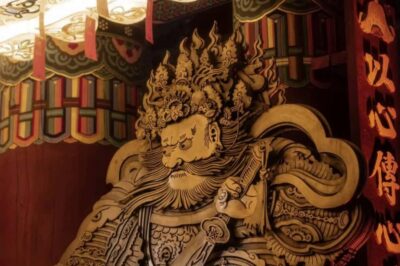
Palace, Temple and Market Guided Foodie Tour at Night
Read our review →
Mt Seorak + Naksansa Temple or Nami Island Group Tour
Read our review →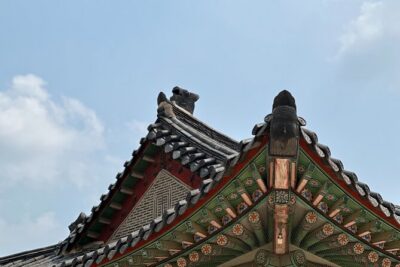
Best Things to Do – Half Day Seoul Trip (Seoul Palace & Temple)
Read our review →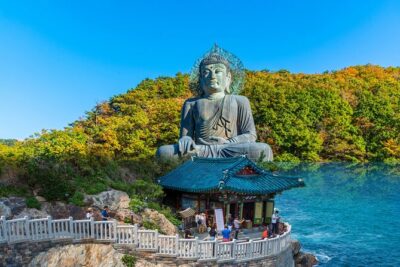
Mount Seorak and Naksansa Temple One Day Tour from Seoul
Read our review →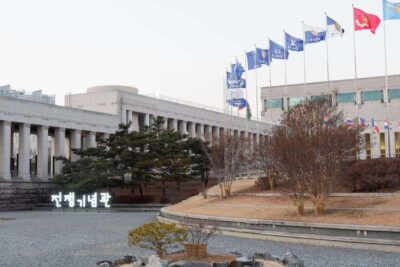
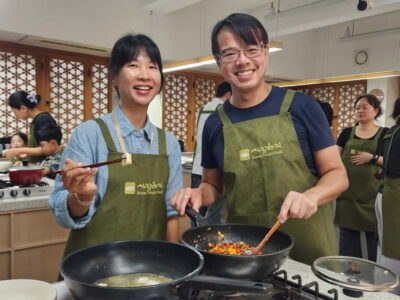
Vegan Temple Food Class, Jogyesa & Changdeokgung Tour
Read our review →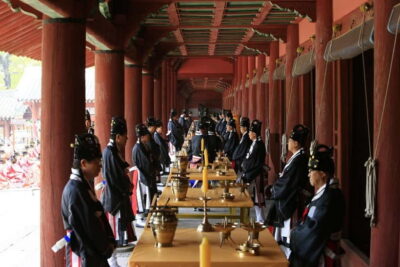
UNESCO Sites tour: Palace, Shrine & Bukchon Village
Read our review →
Temple & Starfield COEX Mall Gourmet Tour in Gangnam
Read our review →Browse the lists this tour appears in