
Reviewed · MUMBAI TEMPLE TOURS
Mumbai: Local Markets & Temples Tour
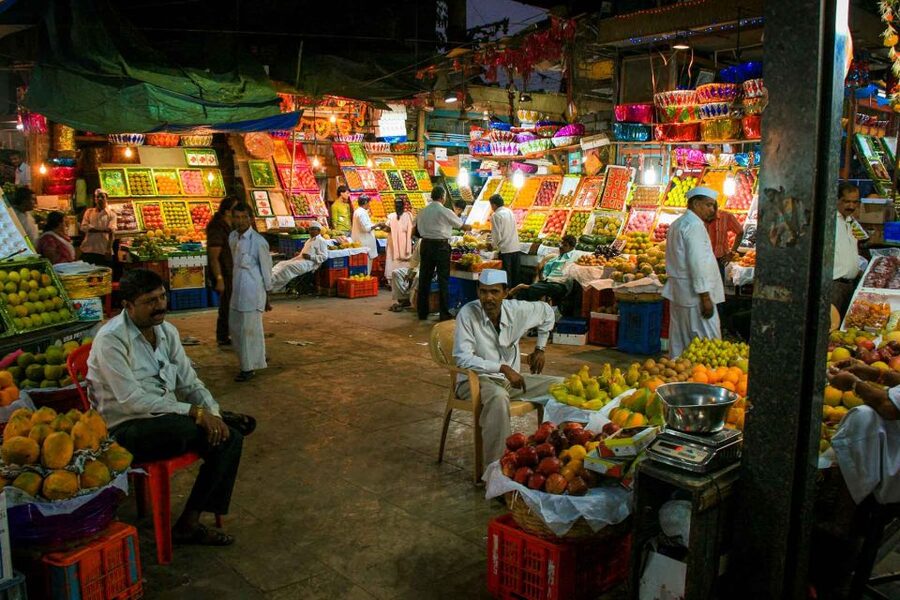
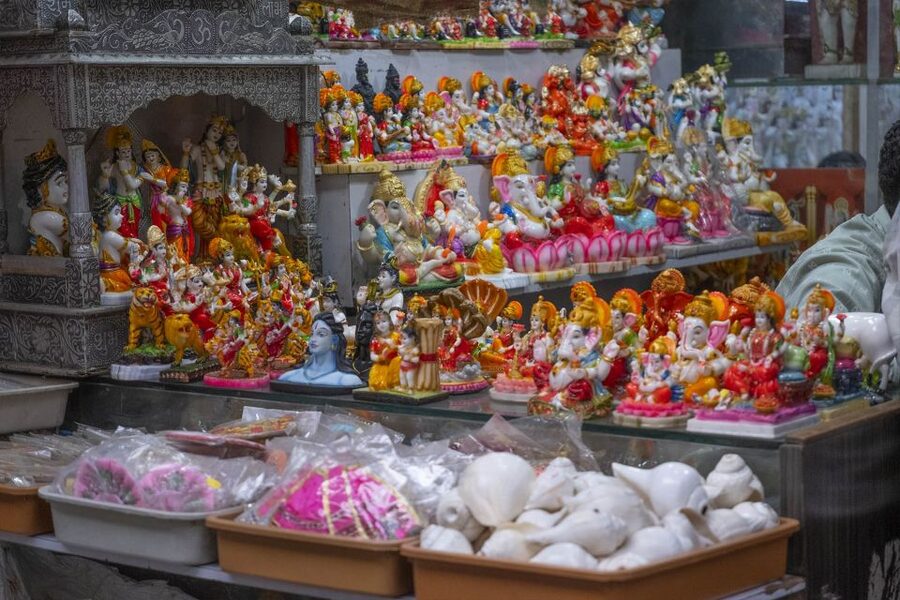
Mumbai reveals itself in its markets. At Crawford Market, fruit, vegetables, meat, flowers, and daily necessities move through one of the city’s busiest trading areas. Nearby lanes lead to textiles, jewelry, food shops, old temples, and a cow shelter that cares for more than 350 animals.
I like two things right away. First, you see where local shopping happens, not a polished shopping center built for sightseers. Second, the route connects commerce with faith, from Mumbadevi Temple to Bombay Panjrapole. The main consideration is pace: two and a half to three hours is enough for an introduction, but not enough for a slow look at every market stall.
Key things to know before you book
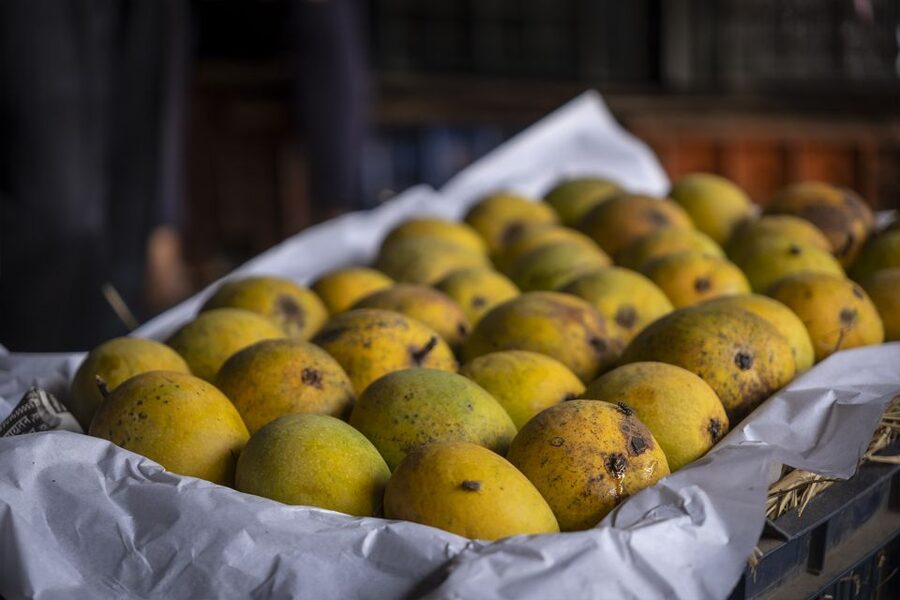
- Crawford Market gives you a close look at Mumbai’s wholesale trade, with fruit, vegetables, meat, flowers, and other goods moving through a crowded urban setting.
- Mangaldas Market is the city’s largest indoor wholesale textile market, a useful stop if you want to see where locals buy clothing and fabric.
- Mumbadevi Temple explains the city’s name, linking modern Mumbai with an older Hindu tradition.
- Bombay Panjrapole cares for more than 350 cows, offering a different kind of cultural stop from the markets and temples.
- The route includes a 15-minute black-cab ride and plenty of walking, so comfortable shoes matter.
- Guides such as Rakesh and Javid have been praised for a gentle, personal approach, though your assigned guide may be someone else.
Why this short market walk works
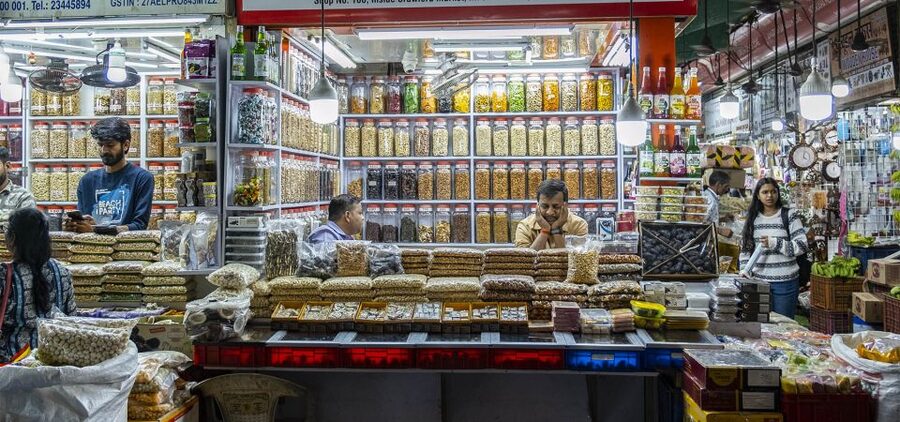
This is not a tour for ticking off grand monuments. It is a street-level look at Mumbai, where a colonial-era building may sit beside a temple lane, a flower seller, a jewelry shop, and a food stall. The route helps you read the city through its working districts.
I especially like the way the tour joins several parts of daily life. You see wholesale buying at Crawford and Mangaldas, religious practice at Mumbadevi, jewelry commerce at Zaveri Bazaar, and animal care at the cow shelter. None of these stops alone fills a morning, but together they give you a sharper sense of how old and modern Mumbai overlap.
The English-speaking guide is important here. Markets can be confusing, and much of what makes them interesting is not obvious at first glance. A guide can explain what is being sold, point out notable lanes, and help you understand why a place matters rather than simply leading you through it.
The experience has a rating of 4.6 from 45 ratings, with particular praise for the guides’ personal manner and explanations. Rakesh was described as gentle and passionate, while Javid was praised for being kind, personable, and informed about local culture and history. Those qualities matter on a walk like this because the streets can feel crowded and fast-moving.
Other temple visits near India we have written up
- New Delhi: Akshardham Temple Tour with Water and Light Show
★ 4.8 · 313 reviews - Old Delhi Food-Spice Market-Temples Tour Soon Featured on NETFLIX
★ 5.0 · 304 reviews - Private Guided Spiritual Walk in Banganga Hindu Temples
★ 5.0 · 271 reviews
Starting at Regal Cinema and crossing the city by cab
The published starting point is Regal Cinema, with two starting options shown under that name. Since meeting arrangements may vary according to the option you book, check your confirmation carefully before setting out.
From the starting point, you take a black cab for about 15 minutes. This is a practical part of the route rather than a sightseeing ride, but it helps connect the starting area with the market district. You get a short rest before the walking begins, and the cab gives you a quick look at Mumbai traffic and street life.
Once you leave the cab, expect the feel of the tour to change. The route moves into lanes where goods, shoppers, carts, temple activity, and buildings all share limited space. The guide’s job is to keep the route understandable and help you focus on what is worth noticing.
The tour takes place rain or shine. Mumbai weather can change the comfort of a walking tour, so bring sensible footwear and be ready for wet streets if the forecast calls for rain. Water and cold drinks are included, but food is not.
Crawford Market and Flower Alley
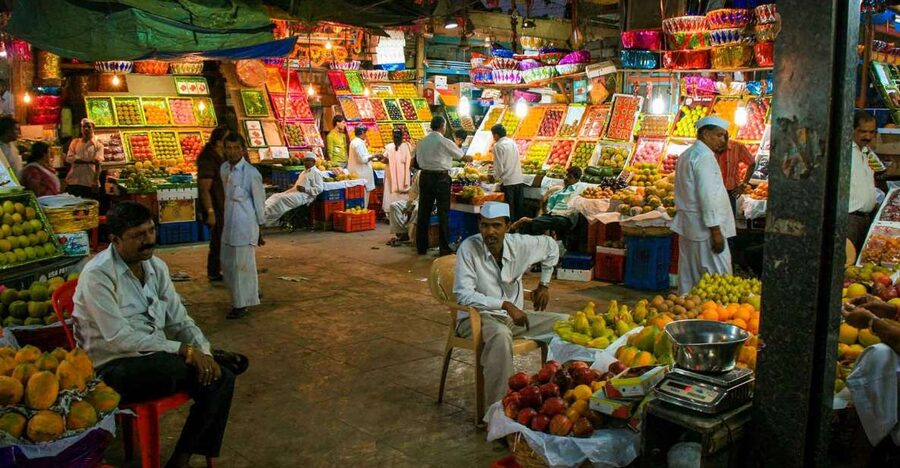
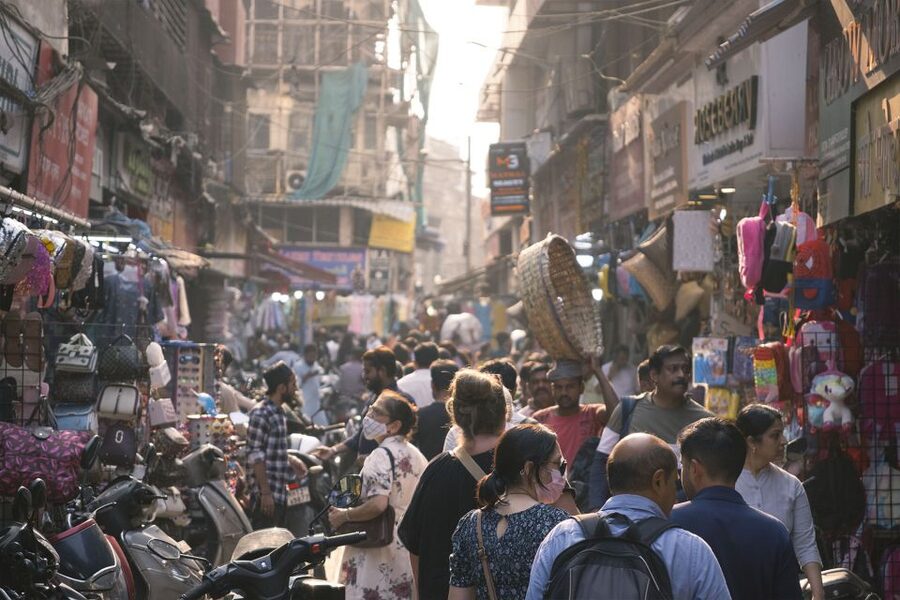
Crawford Market is the first major market stop and one of the clearest reasons to book this experience. It is one of Mumbai’s largest wholesale markets for fruit, vegetables, and meat. You are not just looking at displays made for a photo. This is a working market, and its value comes from seeing how supplies move through the city.
The guide leads a visit lasting about 15 minutes, though the overall time can vary with conditions. You may see piles of produce, sellers calling out prices, and goods being shifted through tight spaces. The market can feel noisy and crowded, which is part of its character but also a reason to stay close to your guide.
Flower Alley adds a different color and scent to the route. The tour description points to vendors selling flowers, birds, food, and other everyday goods across Mumbai’s lanes. This is one of the lesser-known market areas included in the walk, and it helps balance the better-known Crawford stop.
I would not book this tour expecting a calm, carefully arranged market visit. You might find wet floors, strong smells, crowded passages, and very little room to pause. If that sounds like too much, the short visit may feel rushed. If you want to see a functioning city market rather than a staged attraction, it is a strong part of the morning.
Mangaldas Market and the textile trade
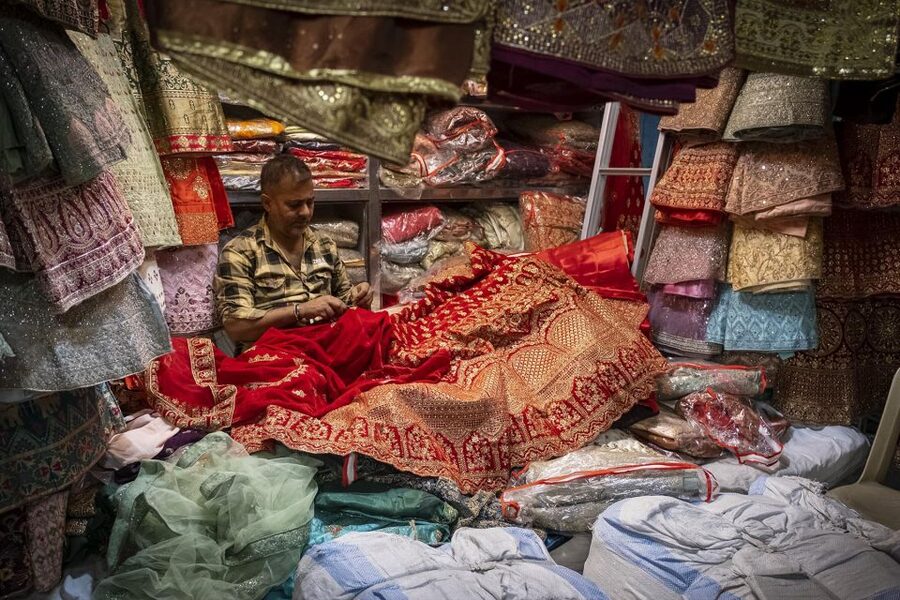
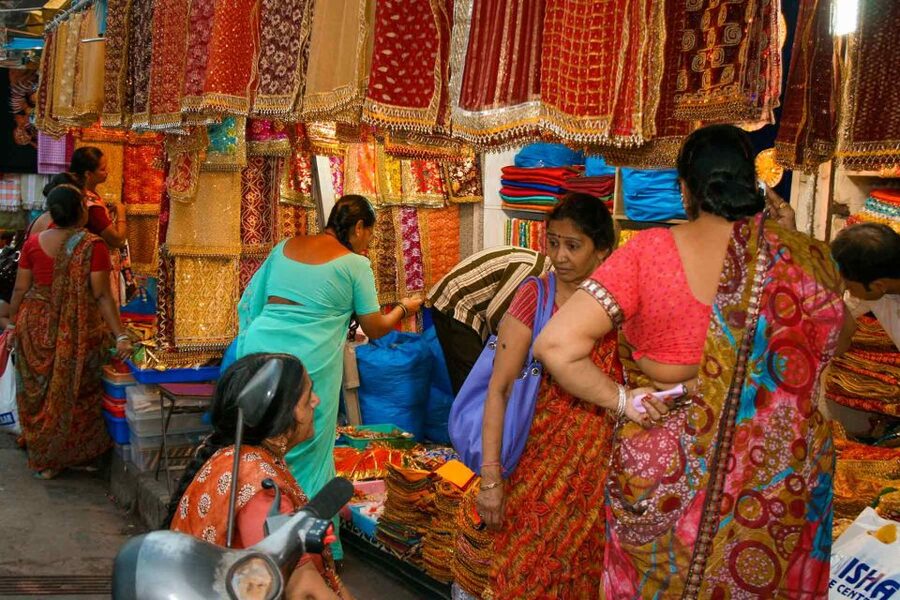
Mangaldas Market takes you into Mumbai’s clothing trade. It is described as the city’s largest indoor wholesale textile market, where locals buy clothing and fabric. The stop includes a guided visit and a walk, with some time passing through the area rather than stopping at every section.
The market matters because it shows a different side of shopping from Crawford. Crawford deals in food and household supply. Mangaldas focuses on textiles, with rows of material and clothing businesses serving local buyers. You get a sense of Mumbai as a place where wholesale trade and ordinary household needs meet.
The visit is listed at around 10 minutes. That is enough for an introduction and a few explanations, but not enough to browse in detail or shop at length. If you hope to buy fabric, ask the guide early how much time is realistic. The route has several stops still ahead, so the tour is designed more for context than for a dedicated shopping session.
For me, this is one of the most useful stops for understanding the city’s commercial life. It also gives the tour a practical edge. You are not only seeing old buildings and religious sites. You are seeing where people buy goods they use.
A different set of gates, same trip:
- Taj Mahal Sunrise with Lord Shiva Temple:- All Inclusive
★ 5.0 · 207 reviews - Old Delhi Temples and Spiritual Sites Private 6-Hour Tour
★ 4.8 · 204 reviews - Private Delhi Temples and Spiritual Sites 6 Hours Tour
★ 5.0 · 171 reviews - Tipu Palace + Koté Vishnu + Fort + KR Market + Jain Temple = Bengaluru Pété Walk
★ 5.0 · 150 reviews
Zaveri Bazaar and Mumbai’s jewelry lanes
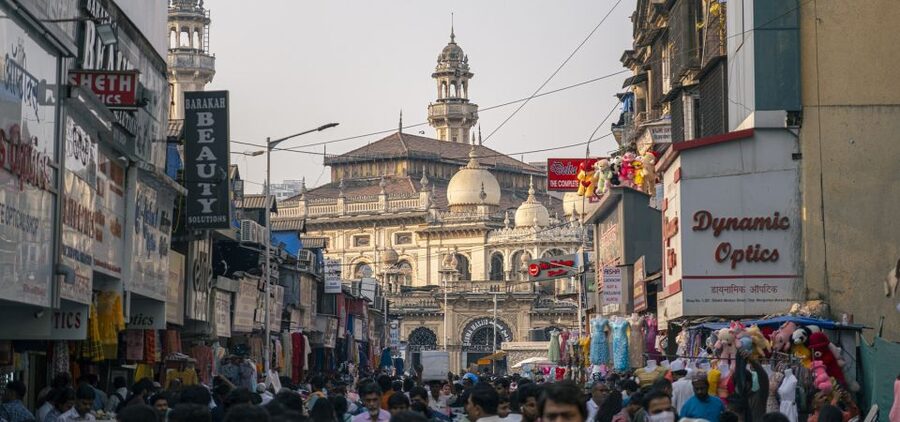
Zaveri Bazaar brings the route into one of Mumbai’s best-known jewelry districts. The stop is listed as a visit with guided sightseeing, and the schedule allows around 10 minutes.
The point here is not necessarily to shop. It is to see how another trade shapes the streets. After produce and textiles, jewelry gives you a third view of Mumbai’s market economy. Your guide can help explain what you are seeing and put the district into the wider story of the old lanes.
A short stop also means you should keep your expectations measured. You will not have time to inspect every shop or compare purchases carefully. If buying jewelry is your main goal, this tour is not a substitute for a dedicated shopping appointment. If your goal is to understand the mix of commerce in the city center, it fits well.
The route also passes a local restaurant. Food is not included, so treat this as a look at the neighborhood rather than a planned meal. You may find the stop useful for noting where you could eat later, but the tour does not promise a tasting or lunch break.
Mumbadevi Temple and the name Mumbai carries
Mumbadevi Temple is the spiritual heart of the route. The temple is historic and gives Mumbai its name, making it more than a quick religious stop. The guide explains its place in the city and leads you through the surrounding lanes.
The visit lasts about 10 minutes. That is brief, so you should expect an introduction rather than an extended temple study. Temple conditions can also affect how long you can linger. Follow your guide’s instructions and be respectful of worshippers and religious customs.
What I like here is the link between a familiar city name and a specific place of worship. Mumbai can seem like a modern business center, but Mumbadevi shows that the city’s identity also comes from older religious traditions. The temple stop gives meaning to the name you have been using all day.
One rating described the experience as complete but wished for more famous temples. That is a fair point. Mumbadevi is important, but this tour is not a grand temple circuit. Choose it for one meaningful temple tied directly to Mumbai, not for a long list of major shrines.
Bombay Panjrapole and the cow shelter
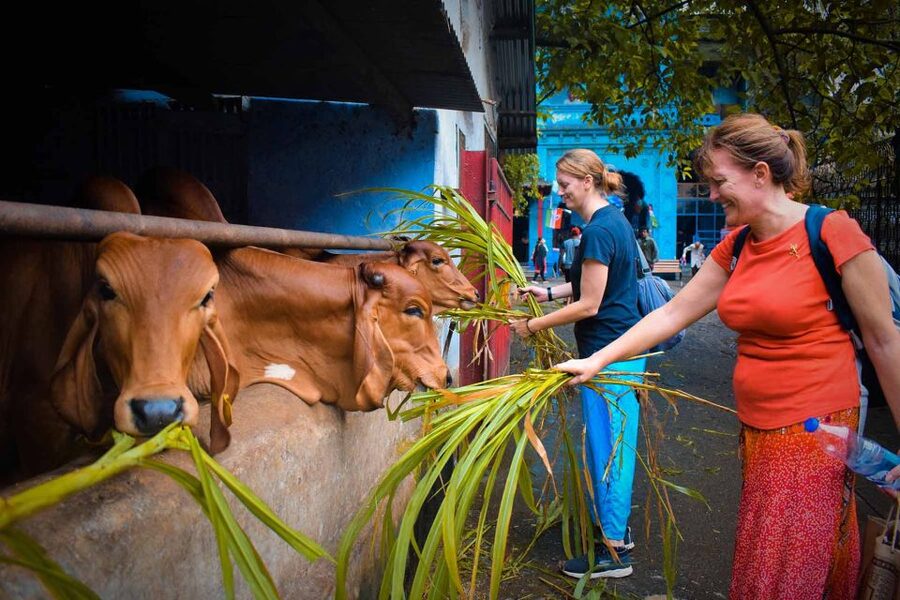
The last major stop is Shri Mumbai Panjrapole, also known as Bombay Panjrapole. This sanctuary supports more than 350 cows and focuses on their welfare. It gives the tour a quieter subject after the noise of markets and the concentration of the temple district.
The cow shelter is not simply a photo stop. It helps explain the practical place cows hold in Indian religious and social life. The tour description puts it plainly: this is a chance to see why cows have such a high place in India.
The visit is scheduled for about 15 minutes. That makes it long enough for a guided look and some explanation, though not a full animal-care visit. The stop may appeal especially to you if you want the tour to include more than shopping streets and architecture.
It also changes the mood of the morning. After seeing trade in food, clothing, and jewelry, you see an institution devoted to animal welfare. That contrast is one of the route’s more memorable features.
Timing, walking, and the real value of $27
At $27 per person, this tour offers a good amount of guided context for a half-day outing. You receive an English-speaking local guide, water or cold drinks, transport by black cab for one section, and visits to several districts and cultural sites.
The value comes less from the length of each stop than from the connections between them. On your own, you could pass through Crawford Market, Mangaldas Market, Zaveri Bazaar, Mumbadevi Temple, and Panjrapole without understanding how they fit together. The guide turns separate places into a readable route.
Still, the price does not include food, hotel pickup, or hotel drop-off. You need to reach the meeting point yourself, and you should budget for a meal afterward if you want one. The tour ends at one of two listed drop-off areas: Chhatrapati Shivaji Terminus or Charni Road Railway Station in Girgaon.
The duration is two and a half to three hours. That works well if you have limited time in Mumbai or want a first look before exploring alone. It is less suitable if you prefer to linger, bargain, shop, or take many photographs at each stop.
The tour is available as a private group, which may be worth considering if you want a slower pace or have a small party. The standard details do not state the size of a regular group, so confirm that point before booking if group size matters to you.
Who should book this Mumbai market tour?
I would recommend it to first-time visitors who want a fast, guided introduction to old market districts. It also suits people who enjoy street scenes more than formal museum visits, and anyone curious about how shopping, worship, and animal care share the same city center.
The tour is a good match if you want:
- A guide to explain confusing market areas
- A short cultural experience between larger sightseeing plans
- Local shopping districts rather than tourist-only shops
- One historic temple connected to Mumbai’s name
- A visit to a working cow sanctuary
- A private group option
I would think twice if your main goal is serious shopping. The stops are short, and the schedule covers several places. You may see fabric or jewelry that interests you but have little time to compare, bargain, or arrange purchases.
I would also avoid booking it as your only temple experience in Mumbai. Mumbadevi is important, but the route includes one main temple and several market stops. It is best understood as a city-life tour with religious context, not a temple pilgrimage.
The free-cancellation policy allows cancellation up to 24 hours before the activity for a full refund, and reserve-now, pay-later booking is available. Those terms are useful if your Mumbai schedule is still shifting, though you should still check the exact meeting point and starting time attached to your booking.
Should you book it?
Book this tour if you want Mumbai explained from street level. At $27, it gives you a guide, a short cab transfer, several working markets, Mumbadevi Temple, and a cow shelter in one compact outing.
Skip it if you want a relaxed shopping trip, a food tour, or a long temple visit. For everyone else, especially first-time visitors with only a few hours, this is a practical way to see how Mumbai’s commerce and faith meet in its oldest lanes.
FAQ
How long does the Mumbai Local Markets and Temples Tour last?
The tour lasts about two and a half to three hours.
What language is the tour conducted in?
The tour is conducted in English with a live English-speaking guide.
Where does the tour start?
The listed starting location is Regal Cinema. The exact meeting point may vary depending on the option you book.
Is transportation included?
A 15-minute black-cab ride is included as part of the route. Hotel pickup and hotel drop-off are not included.
Which markets does the tour visit?
The route includes Crawford Market, Mangaldas Market, and Zaveri Bazaar. It also includes Flower Alley and other older market lanes.
Does the tour visit a temple?
Yes. The tour visits Mumbadevi Temple, the historic Hindu temple associated with Mumbai’s name.
What is Bombay Panjrapole?
Bombay Panjrapole is a cow sanctuary that cares for more than 350 cows.
Is food included?
No. Food is not included, though the route passes a local restaurant.
Can I cancel the booking?
You can cancel up to 24 hours in advance for a full refund. Reserve-now, pay-later booking is also available.
Newly written up around India
- Divine Delhi: Full-Day Tour of Temples & Spiritual Sites★ 4.5 · 3 reviews
- 6-hour Temples tour of Bhubaneswar including hotel pick-up & drop-off★ 4.0 · 3 reviews
- Bhubaneswar city tour & Konark Sun Temple in private car with guide★ 5.0 · 29 reviews
- Full Day Tour of Konark Temple and Puri★ 5.0 · 7 reviews
- Puri Jagannath, Konark Sun temple, Pattachitra art in best of Odisha in 2 days★ 5.0 · 10 reviews
- Bandipur Tiger Reserve with Somnathpur Temple Tour★ 5.0 · 21 reviews
- Day trip from Bangalore to Lepakshi for Temple architecture & paintings★ 5.0 · 15 reviews
- Full Day Private Tour of Temples of Bengaluru★ 5.0 · 5 reviews
Mumbai Temple Tours, compared.
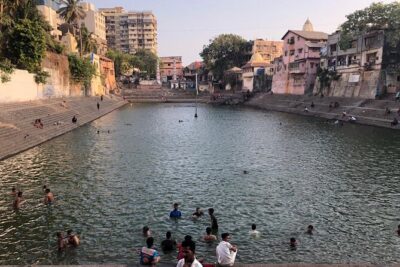
Private Guided Spiritual Walk in Banganga Hindu Temples
Read our review →
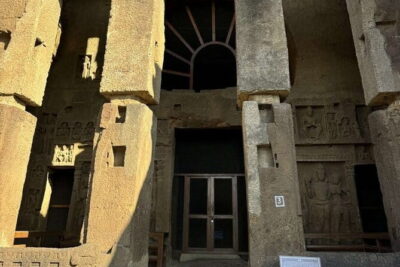
Sanjay Gandhi National Park+ Kanheri Caves + Temple +Tigar Safari
Read our review →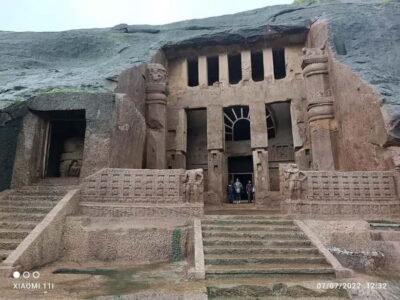
Buddhist Kanheri Caves with Golden Pagoda Temple
Read our review →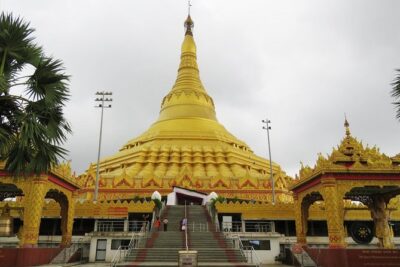
Kanheri Cave with Global Vipassana Pagoda Tour in Private Vehicle
Read our review →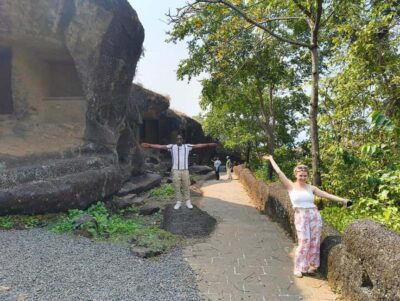
Mumbai Kanheri Caves & Golden Pagoda – A Buddhist Settlement
Read our review →
Private tour for Kanheri Caves and Golden Pagoda
Read our review →Browse the lists this tour appears in