
Reviewed · FUSHIMI INARI SHRINE TOURS
Osaka/Kyoto: Arashiyama, Nara & Fushimi Inari Shrine w/Lunch
The big draw here is simple: you can see three major sights around Kyoto and Nara in one day without working out several train routes. You walk beneath Arashiyama’s bamboo, meet Nara’s free-roaming deer, gaze at Todai-ji’s huge Buddha, and pass through the red gates of Fushimi Inari.
I like two things in particular. Lunch is included at a 120-year-old Kyoto townhouse, and the air-conditioned bus takes the strain out of a long day. Guides such as Gary, Nick, Eric, Mike, and Nik have been praised for keeping people on time, sharing useful local facts, and helping with photos and shrine customs.
The tradeoff is the clock. You are fitting four major stops into roughly nine hours, so Fushimi Inari and some sightseeing periods can feel short. Arrive early at the exact meeting point, since the bus leaves promptly and a missed departure is not refunded.
Key points at a glance
- Three headline sights in one day: Arashiyama, Nara Park and Fushimi Inari are linked without separate train planning.
- A proper included lunch: Choose Kobe beef shabu-shabu, Kyoto pork shabu-shabu, or vegetarian curry rice in a traditional townhouse.
- Air-conditioned transport: A large shuttle bus offers welcome relief in Japan’s summer heat.
- Mostly self-guided stops: Your guide explains the plan and gives advice, then you explore each site at your own pace.
- Optional Todai-ji admission: The temple’s entrance fee is not included, so bring extra money if you want to enter.
- Flexible finish: Return to the meeting point, with the option to get off at Kyoto or Osaka depending on the booking arrangement.
One day, four famous places
This is a sightseeing sprint, not a slow Kyoto walk. The route is designed for someone who wants the main sights and has limited time, or who would rather let a guide and driver handle the roads.
The day begins at Osaka Villa Namba or the Kyoto VIP Lounge, depending on your booking. The exact meeting point can vary, so check your confirmation carefully. You need to arrive at the selected location, not simply at whichever departure point is most convenient. Each bus has its own passenger list and guide.
Once everyone is aboard, the guide normally explains the day, meeting times, and where to return at each stop. Guides named Gary, Nick, Eric, Mike, Tracy, Kevin, and Nik have led different departures, so you cannot request a particular person based on another departure. The strongest pattern across the feedback is that the guides keep the day moving while adding plenty of jokes, facts, and practical help.
This is not a tour where the guide walks beside you at every temple. Once you leave the bus, you generally explore independently and return at the appointed time. That setup gives you freedom, but you must watch the clock.
More Fushimi Inari Shrine Tours in Kyoto:
- Osaka/Kyoto:Kinkakuji,Arashiyama,FushimiInariShrine,NaraPark
★ 4.1 · 1,596 reviews - Kyoto: 3-Hour Fushimi Inari Shrine Hidden Hiking Tour
★ 4.9 · 270 reviews - Kyoto Tea Ceremony & Kiyomizu-dera Temple Walking Tour
★ 5.0 · 115 reviews
Arashiyama Bamboo Forest: beautiful, brief, and busy
Arashiyama Bamboo Forest is the morning’s scenic opener. Tall bamboo rises on both sides of the walking path, creating a cool, green corridor that feels quite different from the city streets. It is one of Kyoto’s most photographed spots, and you will have an obvious place for the classic bamboo-backdrop picture.
The appeal is the setting rather than a long list of monuments. Take a steady walk, look upward, and notice how the bamboo shifts in the breeze. The path can be crowded, so patience helps. You may also want to leave time for the surrounding scenery rather than stopping at the first photo point and turning straight back.
The cool shade can be a real gift in hot weather. One departure described the bamboo walk as a welcome break from the heat, especially before the more exposed stops later in the day.
Do not expect a quiet forest for a full morning. This is a popular sight, and the tour gives you a limited window. If Arashiyama is your main reason for visiting Kyoto, a private or slower visit would allow more time. If you want a strong first taste of the area, the stop does its job well.
Lunch in a 120-year-old Kyoto townhouse
Lunch at Kyoto Wasabi is one of the tour’s best practical features. The restaurant occupies a traditional Kyo-Machiya townhouse that has welcomed diners for more than 120 years. The old setting gives the meal more character than a standard stop at a modern restaurant near a bus park.
Your main choice is usually one of three options:
- Kobe beef shabu-shabu
- Kyoto pork shabu-shabu
- Vegetarian curry rice
The shabu-shabu format lets you cook thin slices of meat in a hot broth at the table. Kobe beef is the premium choice, with the soft texture and rich flavor people expect from high-grade wagyu. Pork shabu-shabu offers a less expensive-feeling but still satisfying alternative, with tofu and broth adding substance. Vegetarian curry rice gives non-meat eaters a clear option rather than a token side dish.
The meal is filling enough for a busy sightseeing day, though one person found the portion a little modest. You should also allow time for the meal rather than treating it as a quick snack. The restaurant setting is part of the point.
Kobe beef aburi sushi may be available as an additional purchase on the day. It is not part of the stated lunch inclusion, so consider it an optional extra, not something built into the $61 price.
Nara Park and Todai-ji: deer, crackers, and a giant Buddha
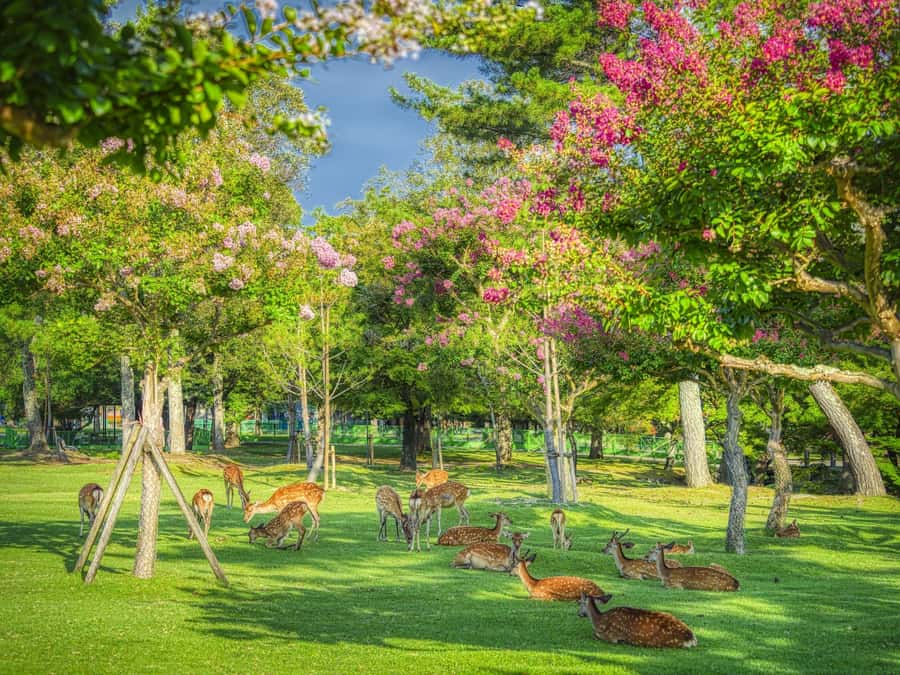
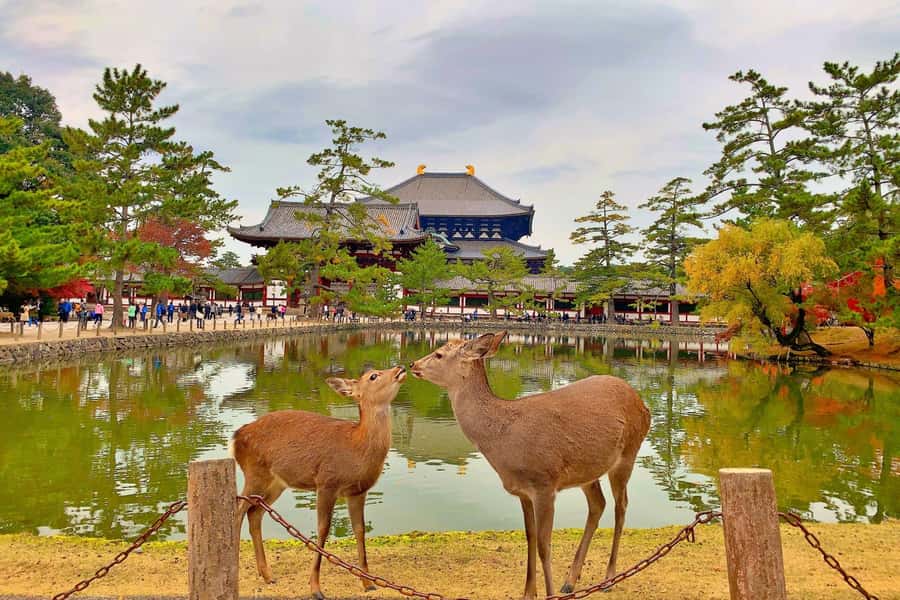
Nara Park changes the tone of the day. Instead of bamboo paths and shrine gates, you get open parkland and deer wandering near the walkways. The deer are wild animals, even though they are accustomed to people. Keep your movements calm and do not disturb them.
If you buy deer crackers, be ready for direct negotiations. Once the deer see food, they may follow closely and expect a quick handover. Keep food away once it is gone, and pay attention to the people around you. The deer encounter is fun, but it is not a petting-zoo experience.
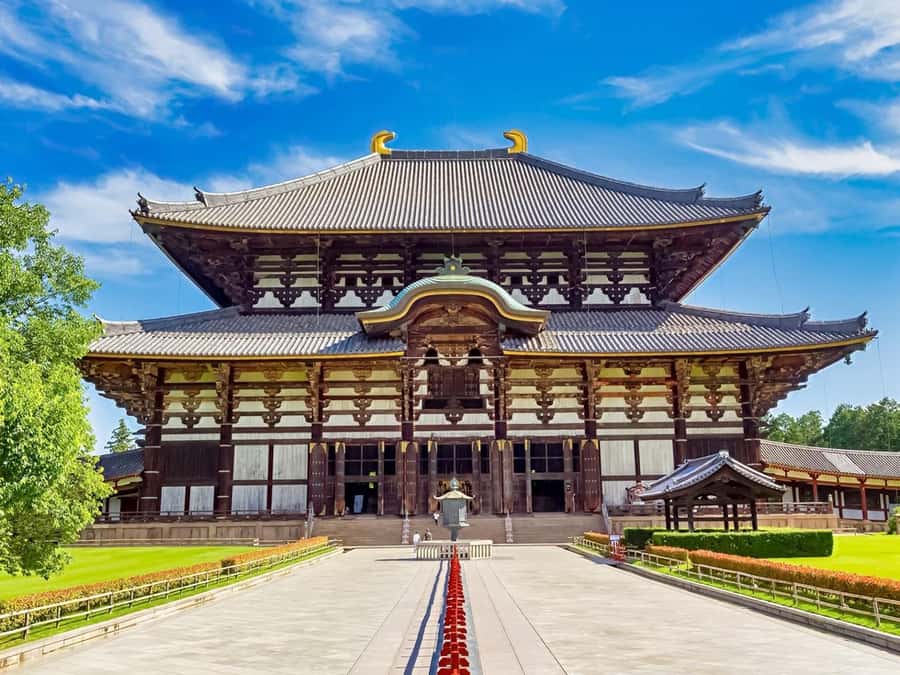
The stop also brings you to Todai-ji Temple, famous for its enormous bronze Buddha. The temple building is traditionally described as the world’s largest wooden structure, and the scale becomes clear as you approach it. The Buddha, about 15 meters tall, gives the visit real weight after the lighter fun of Nara Park.
Todai-ji admission is optional and not included in the tour price. If you want to enter the temple, budget separately. If you stay outside, you can still experience the park and exterior, but you will miss the main interior sight.
The timing here can work well for a first visit, though families or photographers may want more freedom. Some departures allow around 80 minutes at a stop, which is enough to see the main points if you walk with purpose. It is less generous if you want a slow deer encounter, a full temple visit, and lunch or snacks along the way.
More temple visits with lunch in Kyoto:
- Kyoto Zen Meditation & Garden Tour at a Zen Temple with Lunch
★ 5.0 · 441 reviews - Teotihuacan, Guadalupe Shrine & Tlatelolco Day Tour with Lunch
★ 5.0 · 11,603 reviews - From Bangkok: Ayutthaya Temples Guided Tour with Lunch
★ 4.7 · 10,535 reviews - Baku: Gobustan, Mud Volcano, Fire Mount, Temple Lunch Entry
★ 4.9 · 3,246 reviews
Fushimi Inari Shrine: red gates with a strict timetable
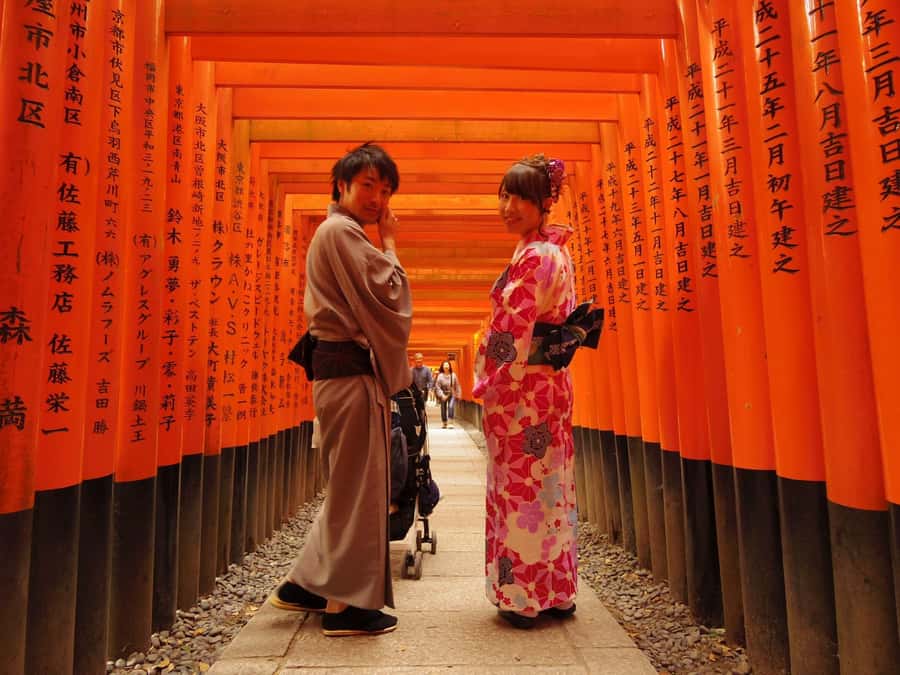
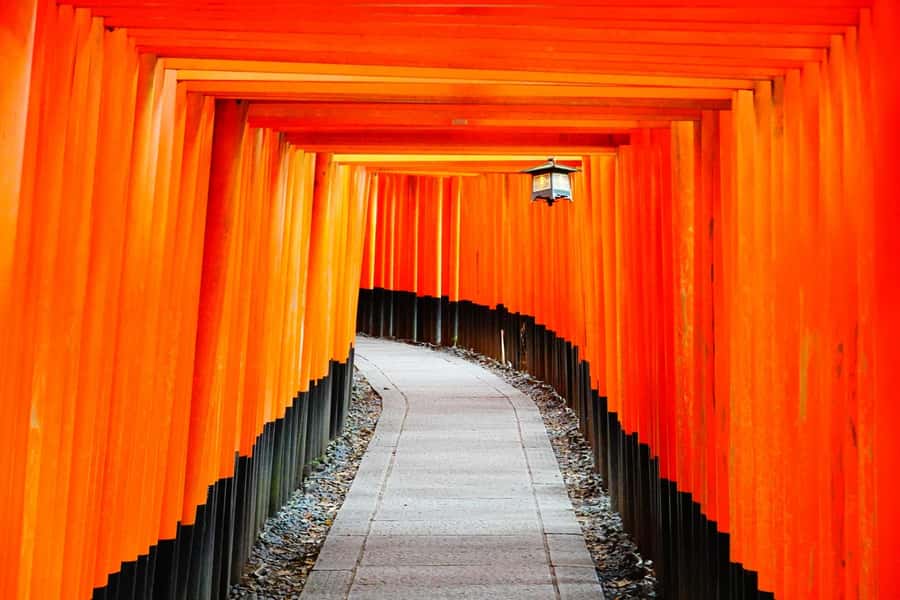
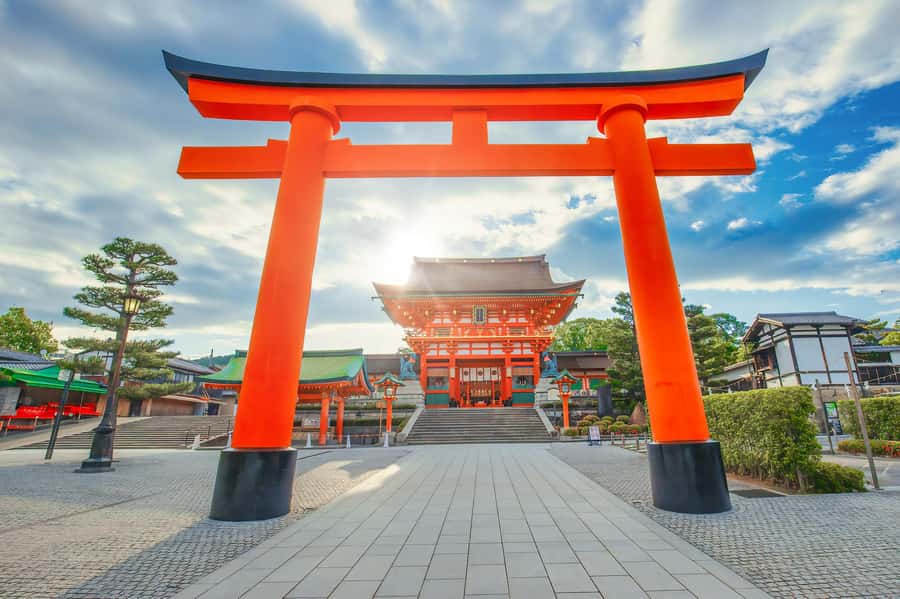
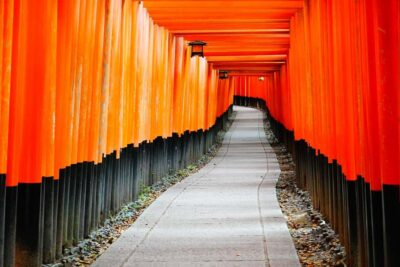
Fushimi Inari is the final major sight, and it may be the most instantly recognizable. Thousands of vermilion torii gates form tunnels up Mount Inari. Each gate was donated in connection with hopes for prosperity, business success, household safety, or other personal goals.
You do not need to climb the entire mountain to understand the appeal. The first gate paths give you the famous repeating red frames and the best quick photographs. If you keep walking, the crowds can thin in places, but your available time may not allow a long ascent.
This is where the schedule feels tightest. The bus parking area is not right at the shrine entrance, and walking between the two uses part of your stop. The site is also popular late in the day, so moving quickly through the gates is not always possible. Around 1 hour and 20 minutes can be manageable for a focused visit, but it is not a leisurely exploration of Mount Inari.
Listen carefully to your guide’s instructions about where to return. The guides can also explain basic shrine etiquette and help you understand where to offer a prayer or receive a blessing. Gary was specifically praised for helping with shrine customs, while Nik was praised for practical care in hot weather.
What the bus ride adds to the day
The air-conditioned vehicle is more important than it may sound. Arashiyama, Nara, and Fushimi Inari are not next-door stops, and the day includes plenty of walking. A cool seat between locations gives you time to rest your feet and refill your energy.
The bus also removes the need to compare train lines, transfers, and station exits. That is a real saving in Osaka and Kyoto, where the rail system is excellent but can still be confusing on a first visit. The driver and guide handle the route while you look out the window or listen to the day’s explanation.
This is a group transfer, not a private car. Buses may be full, and there may not be phone charging points. Bring a charged phone or power bank if you rely on it for photos, maps, or contact details.
The tour usually takes about nine hours, but traffic and unexpected delays can change the schedule. Extra stops may be needed to keep the route on track. You should avoid booking a tight evening reservation immediately afterward, especially if you need to travel on from the final drop-off.
How good is the $61 value?
At $61 per person, the price is strong for a full-day outing that includes transport, a guide, lunch, taxes, and handling charges. Kobe beef lunch alone could make a self-planned day more expensive, depending on the restaurant you choose. You are also paying for convenience and for the ability to cover several distant sights in one sweep.
The value is best if you are staying in Osaka, have only one free day for Kyoto-area sights, or do not want to arrange transport yourself. The tour also works well early in a Japan trip, when you want a broad look at the region before deciding where to return in more depth.
The value is weaker if you already know Kyoto and Nara well, want long temple visits, or dislike fixed departure times. A rail-based independent day would give you more control, although you would need to organize the route, meals, station transfers, and timing yourself.
Lunch is a key part of the calculation. You receive a real meal in a traditional setting, with meat and vegetarian choices. Todai-ji admission is the main expected extra, and Kobe beef aburi sushi is an optional on-site purchase.
Who will enjoy this tour most?
I would choose this for a first-time visitor who wants the headline sights with minimal transport planning. Families can benefit from the straightforward bus arrangement, though children may find the long day and fixed schedule tiring.
It also suits solo visitors. You do not need to navigate unfamiliar rail connections alone, and the group structure makes it easy to follow the day. The guides often take photos, point out useful locations, and keep everyone accounted for.
This is less suited to travelers seeking quiet, detailed temple time. You will get orientation and local context from the bus, but the actual stop is mostly yours to explore. Think of it as a guided framework with independent sightseeing inside each stop.
Summer visitors should take the heat seriously. Guides have handed out cooling wipes, fans, and reminders to refill water bottles on especially hot days, but you should still bring water, sun protection, and shoes suitable for steady walking. The bus is air-conditioned, yet most sightseeing happens outdoors.
Booking details that matter
You can start from the Osaka or Kyoto meeting option shown for your booking and return by bus with the choice of Kyoto or Osaka drop-off where offered. Hotel pickup and hotel return are not included.
The meeting point matters more than usual. Arriving at the wrong lounge or trying to board a different bus may mean missing the tour. Contact assistance is listed as available during weekday business hours, from 9:30 a.m. to 6 p.m. Japan time, so ask about a meeting-point change at least two days before departure.
English and Chinese commentary are available. On larger groups, both languages may be used, which can make some explanations take longer. The bus leaves promptly, and late arrivals are not accommodated.
Cancellation is allowed up to 24 hours before departure for a full refund. If extreme weather or a natural disaster cancels the tour, a full refund is provided.
Should you book it?
Book this day trip if you want maximum sightseeing for a moderate price, a traditional lunch, and simple transport from Osaka or Kyoto. The guides are a major part of the experience, with Gary, Nick, Eric, Mike, Nik, Tracy, and Kevin all noted for humor, helpful instructions, and careful timekeeping on different departures.
Skip it if you want to linger at Fushimi Inari, explore Arashiyama beyond the bamboo path, or spend half a day inside Todai-ji. For everyone else, this is a practical first look at Kyoto and Nara. Keep your expectations focused: it is a well-packed introduction, not a slow cultural retreat.
FAQ
How long does the tour take?
The tour takes approximately nine hours, though traffic and unforeseen conditions can change the schedule.
Where does the tour start?
The start point depends on the option booked. Meeting points include Osaka Villa Namba and the Kyoto VIP Lounge.
Can I finish the tour in Osaka or Kyoto?
The return journey offers the option to disembark in Kyoto or Osaka when available for the selected booking.
Is lunch included?
Yes. Lunch is included, with Kobe beef shabu-shabu, Kyoto pork shabu-shabu, or vegetarian curry rice options.
Is the Todai-ji Temple entrance fee included?
No. Entrance to Todai-ji is optional and the admission fee is not included.
What languages are available?
The tour is offered in English or Chinese. Depending on group size, commentary may be given in both languages.
What happens if I arrive late?
The bus leaves promptly and cannot wait for late arrivals. Arriving at the wrong meeting point or missing the departure may result in missing the tour without a refund.
Newly written up around Kyoto
- Kyoto: Fushimi Inari Taisha Shrine Walking Tour with Guide★ 4.8 · 18 reviews
- Kyoto: Fushimi Inari Shrine Walking Tour★ 5.0 · 72 reviews
- Kyoto Tea Ceremony & Kiyomizu-dera Temple Walking Tour★ 5.0 · 115 reviews
- Kyoto: Calligraphy class at Buddhist temple in city center★ 5.0 · 167 reviews
- Kyoto: Zen Meditation at a Private Temple with a Monk★ 5.0 · 202 reviews
- Kyoto: Arashiyama Bamboo, Temple, Matcha, Monkeys & secret spots★ 5.0 · 219 reviews
- Kyoto: 3-Hour Fushimi Inari Shrine Hidden Hiking Tour★ 4.9 · 270 reviews
- KYOTO Tea Ceremony with kimono near by Imamiya Jinjya Shrine★ 5.0 · 343 reviews
Fushimi Inari Shrine Tours, compared.
Osaka/Kyoto:Kinkakuji,Arashiyama,FushimiInariShrine,NaraPark
Read our review →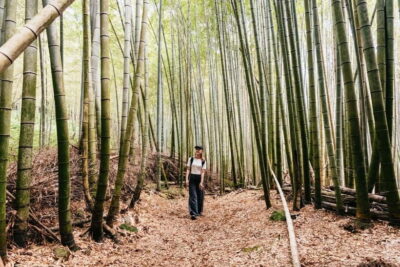
Kyoto Tea Ceremony & Kiyomizu-dera Temple Walking Tour
Read our review →Full Day Kyoto Tour : Bamboo Forest, Golden Temple, Fushimi Inari
Read our review →
Fushimi Inari Taisha Shrine Walking Tour with Guide
Read our review →Browse the lists this tour appears in