
Reviewed · FUSHIMI INARI SHRINE TOURS
Osaka/Kyoto:Kinkakuji,Arashiyama,FushimiInariShrine,NaraPark
Seeing four of Kansai’s big sights in one day is the main appeal here. You’ll meet the free-roaming deer at Nara Park, gaze up at Todai-ji’s Great Buddha, walk beneath Arashiyama’s bamboo, admire Kinkaku-ji’s gold-leaf pavilion, and pass through the torii gates of Fushimi Inari Shrine.
I like the simple coach transport and the guides, especially names such as Harry, Gary, Tracy, Mike, Panda, and Nick, who are praised for clear meeting instructions, history, photos, and good humor. I also like the choice of ending in either Kyoto or Osaka. The tradeoff is a long, tightly timed day, with crowds, lots of walking, and limited time at some stops.
Key points at a glance
- Four major sights in one day: The route covers Nara, Arashiyama, Kinkaku-ji, and Fushimi Inari without making you piece together several train and bus journeys.
- Nara comes early: You visit the deer and Todai-ji before the later Kyoto stops, which can make the first part of the day feel especially rewarding.
- Arashiyama time depends on lunch: You get 60 minutes there with the Kobe beef lunch, or 120 minutes without it.
- Kobe beef is an Osaka-only option: The Shabu-Shabu meal includes an explanation of Wagyu grading and preparation.
- The guide makes the difference: Some guides use photo booklets, quizzes, shortcuts, and organized meeting points to keep a large group moving.
- Expect a full day: The tour lasts about nine hours, though traffic and group delays can change the schedule.
Four famous places without four separate transport plans
This tour is built for a visitor who wants the major Kyoto and Nara sights in one sweep. From Osaka or Kyoto, you ride in an air-conditioned bus between stops instead of working out a chain of local trains, buses, and walking routes.
That convenience matters. Nara, Arashiyama, Kinkaku-ji, and Fushimi Inari sit in different parts of the region. You can reach them independently, but fitting all four into one day takes careful planning and leaves little room for a missed connection. Here, the guide tells you where to go and when to return to the bus.
The price is $66 per person, before any optional lunch or the Todai-ji admission fee. That is a reasonable rate for a full-day coach outing that includes a guide, vehicle, taxes, and Kinkaku-ji admission. It is less appealing if you prefer slow visits, quiet temple time, or the freedom to change plans.
The group can be large. That keeps the cost down, but busy sites can split the party, and a late person can hold up the departure. The bus leaves promptly, so you need to treat every return time as firm.
More Fushimi Inari Shrine Tours in Kyoto:
- Osaka/Kyoto: Arashiyama, Nara & Fushimi Inari Shrine w/Lunch
★ 4.4 · 754 reviews - Kyoto: 3-Hour Fushimi Inari Shrine Hidden Hiking Tour
★ 4.9 · 270 reviews - Kyoto Tea Ceremony & Kiyomizu-dera Temple Walking Tour
★ 5.0 · 115 reviews
Nara Park and Todai-ji begin the day
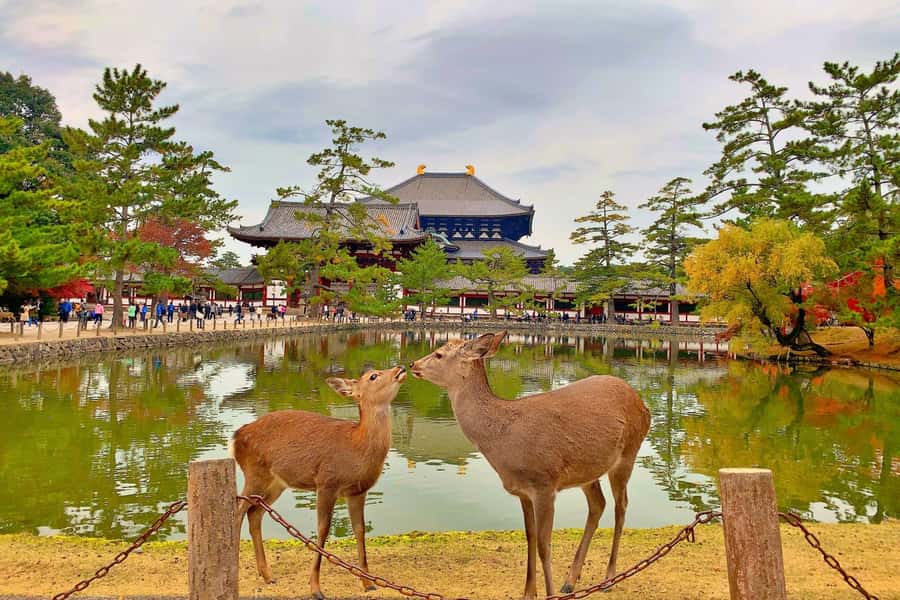
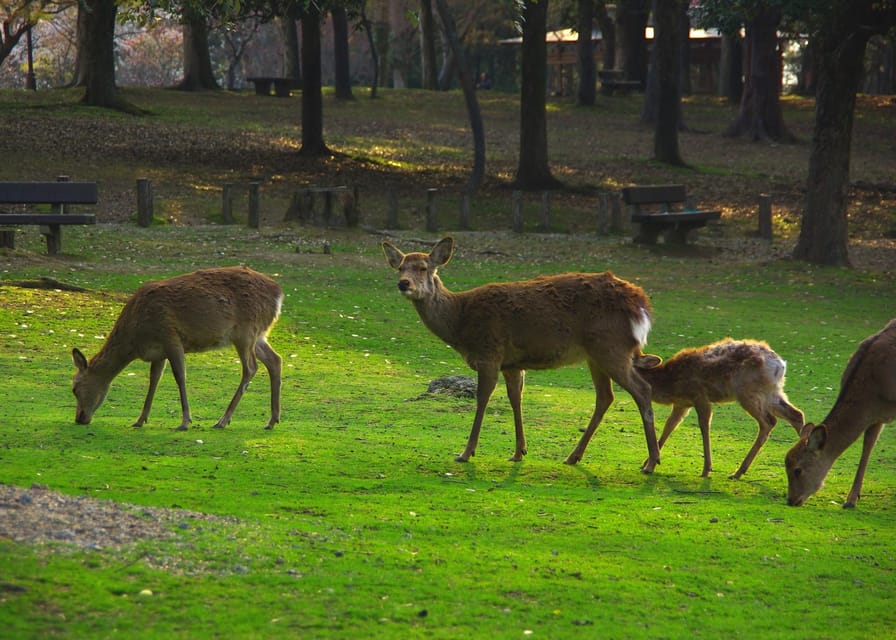
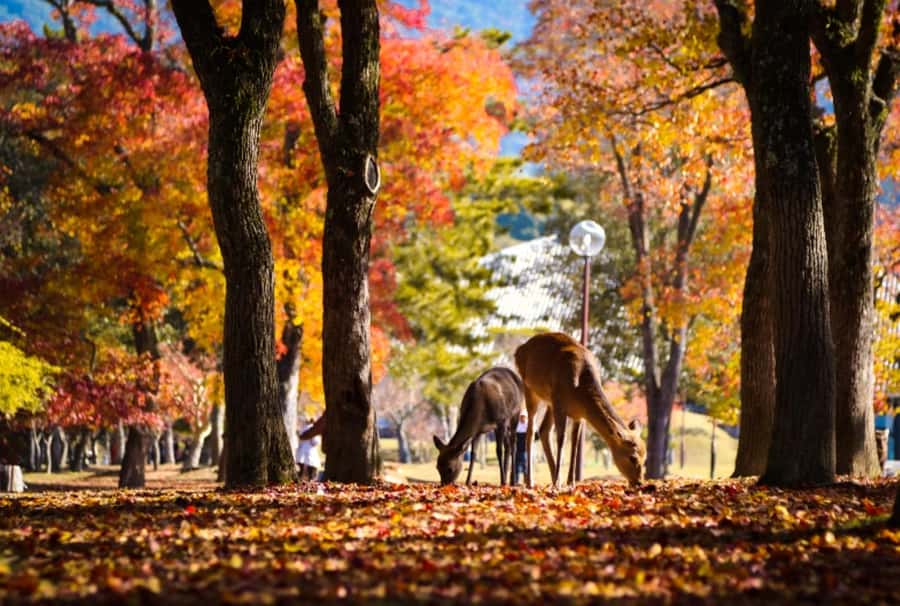
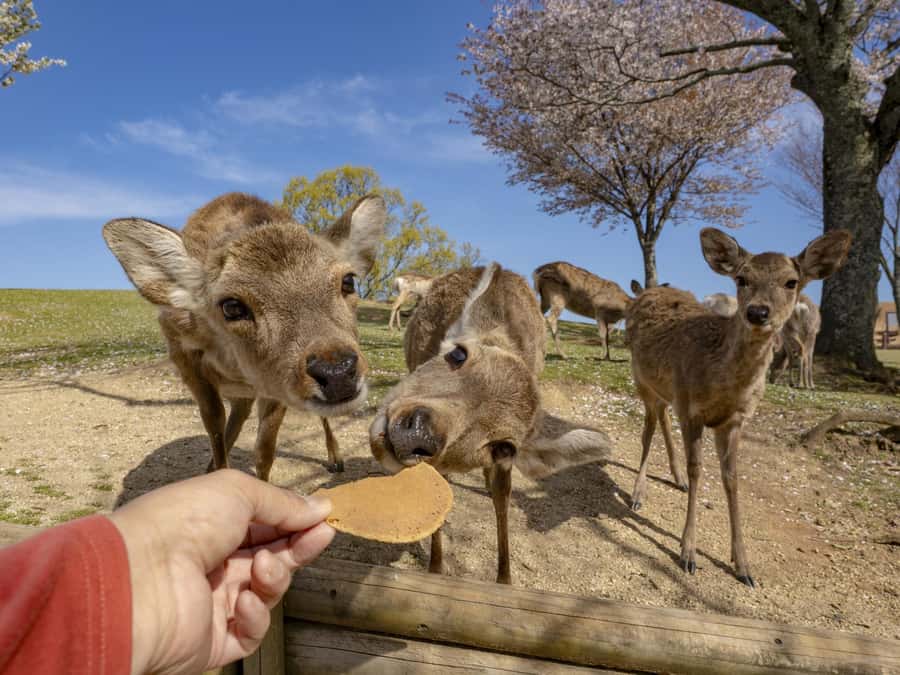
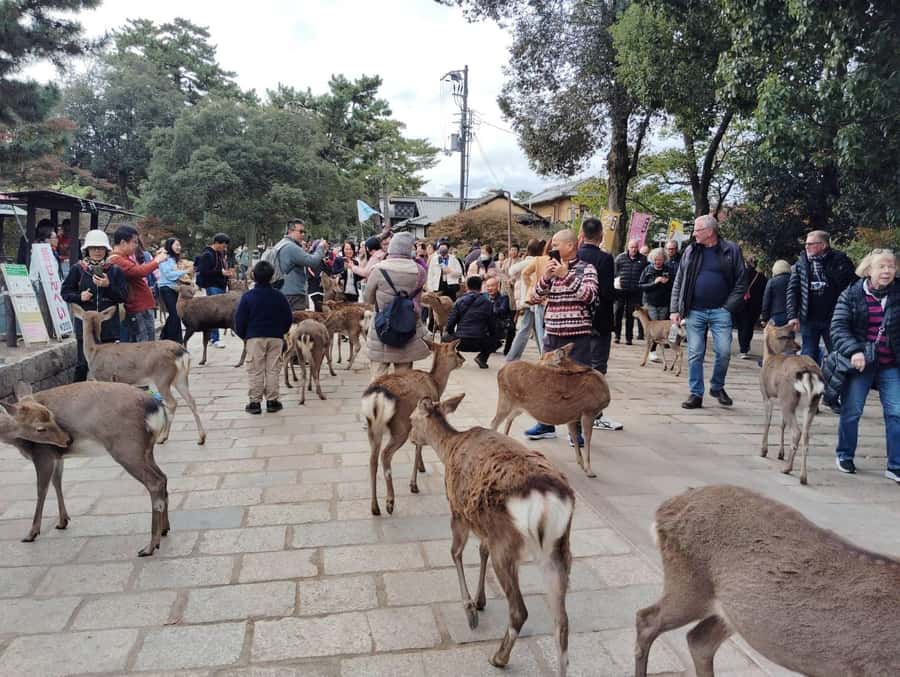
Nara Park gives you an immediate change of pace. Deer roam freely through the park, and you can get close to them while walking through this historic setting. They are wild animals, so keep your hands calm and do not disturb them.
The deer are the lighthearted part of the morning, but Todai-ji supplies the scale. This UNESCO World Heritage site is home to a roughly 15-meter Great Buddha inside a huge wooden temple hall. The building is famous for its size and for being the largest wooden structure in the world.
Todai-ji admission is not included, so bring extra money for that ticket. Kinkaku-ji admission is included, which is a useful distinction to remember when comparing the total cost.
The Nara stop is not only about photographs. It gives you time to see how a major religious site fits into an open public park, with deer moving around the paths and temple grounds. Still, you should expect walking, crowds, and a visit shaped by the group schedule rather than your own pace.
Several guides are praised for taking the group to the entrance, explaining what to do, and then allowing free time. That arrangement works well if you want direction without having to remain beside the guide every minute. Guides such as Harry and Tracy are also noted for repeating return times and checking that everyone is back on the bus.
The Kobe beef lunch choice from Osaka
If you depart from Osaka, you can add a Kobe Beef Shabu-Shabu lunch. The meal lasts 50 minutes, followed by about 60 minutes in Arashiyama. The lunch option is not offered in the same way for Kyoto departures, and it changes the shape of the afternoon.
Shabu-Shabu is cooked at the table in simmering broth. The meal comes with an explanation of Kobe beef and the strict standards associated with this famous Wagyu. The appeal is the fine marbling and soft texture, but the practical point is time: lunch is organized for you, so you do not need to search for a restaurant during a packed sightseeing day.
The lunch option has received strong praise for food quality and the restaurant setting. It can be a smart choice if you want a planned meal and enjoy trying Japanese beef. Some visitors also order Kobe beef aburi sushi on site for an added charge.
The cost is less clear from the available information, so check the booking option before you pay. Also remember that this meal leaves you with less time in Arashiyama. If the bamboo grove is your priority, skipping the organized lunch gives you two hours there instead of one.
Arashiyama’s bamboo grove in 60 or 120 minutes
Arashiyama is the stop most affected by your lunch decision. With lunch, you get approximately 60 minutes. Without lunch, you get about 120 minutes to explore and eat on your own.
The Bamboo Grove is the obvious target. Tall green stalks line the path, with sunlight filtering through in places. It is a memorable setting, but it is also one of the most crowded points on the route. A slow walk through the grove can take much of your allotted time, especially if you stop for photographs.
You also have access to local food shops and traditional dining options during the free period. With two hours, you can combine the bamboo path with lunch or browsing. With one hour, you need to choose. The bamboo grove, food, shops, and nearby sights cannot all receive equal attention.
A few guides, including Harry, have been praised for showing people a shorter and especially scenic route through the area. That can help, but you should not assume the group will have time for every path. The bus schedule controls the visit.
I would choose the no-lunch option if Arashiyama is high on your list or if you like to make your own food choices. I would choose the Kobe beef lunch if you want an easy meal, are departing from Osaka, and accept a shorter bamboo visit.
Other temple visits near Kyoto we have written up
- Kyoto: Tea Ceremony Ju-An at Jotokuji Temple
★ 4.9 · 3,207 reviews - Arashiyama Bamboo, Temple, Monkeys, or Secret Sake Brewery
★ 4.8 · 886 reviews - Kyoto: Arashiyama Bamboo Forest, Monkeys, Matcha & Temple Tour
★ 5.0 · 759 reviews - Kyoto Zen Meditation & Garden Tour at a Zen Temple with Lunch
★ 5.0 · 441 reviews
Kinkaku-ji and the shine of the Golden Pavilion
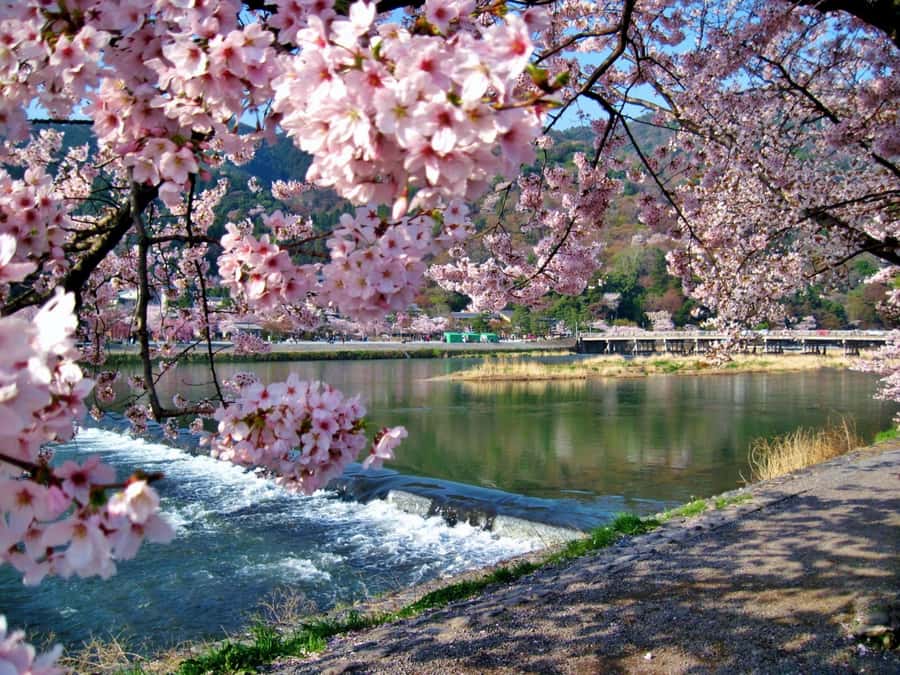
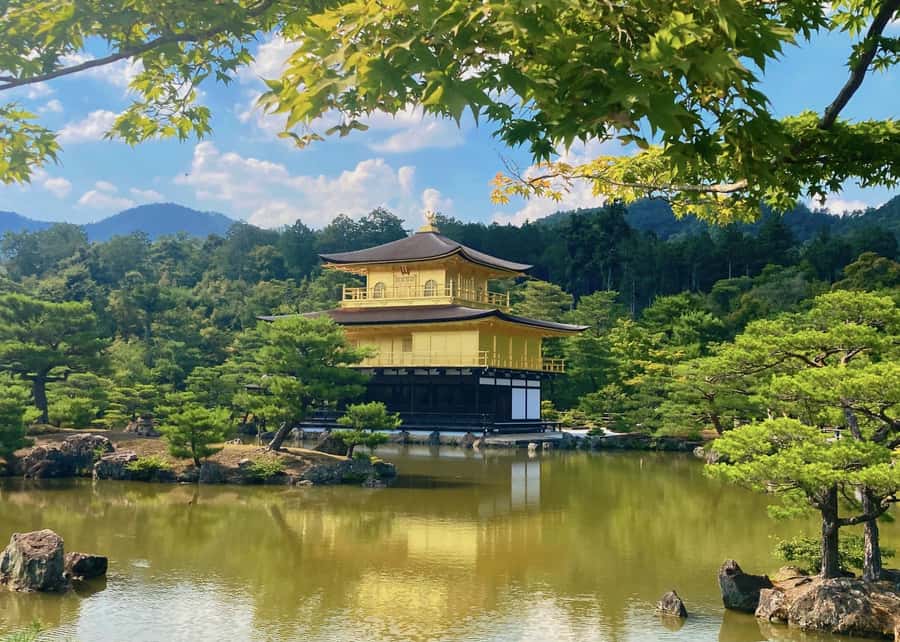
Kinkaku-ji, also called the Golden Pavilion, is one of Kyoto’s most recognizable sights. Its gold-leaf exterior reflects in the pond, and the surrounding gardens provide a calmer setting after the busy Arashiyama stop.
The admission ticket is included, which makes this one of the clearer value points in the package. You still follow the temple path with the group schedule, so this is not a long garden visit. The main reward is seeing the pavilion itself and walking the prescribed route around the pond.
Timing can affect the view. One guide’s route placed Kinkaku-ji in the afternoon, when the light made the gold walls especially striking. You cannot count on identical weather or lighting, but the stop is visually strong even when the sky is dull.
This is a place where expectations matter. You do not enter the pavilion for an extended interior visit. The experience centers on the exterior, its reflection, the gardens, and the cultural importance of the site. If you want a deep, quiet temple study, visit separately. If you want the classic Kyoto image without arranging transport, this stop does its job well.
Fushimi Inari and the red torii gates
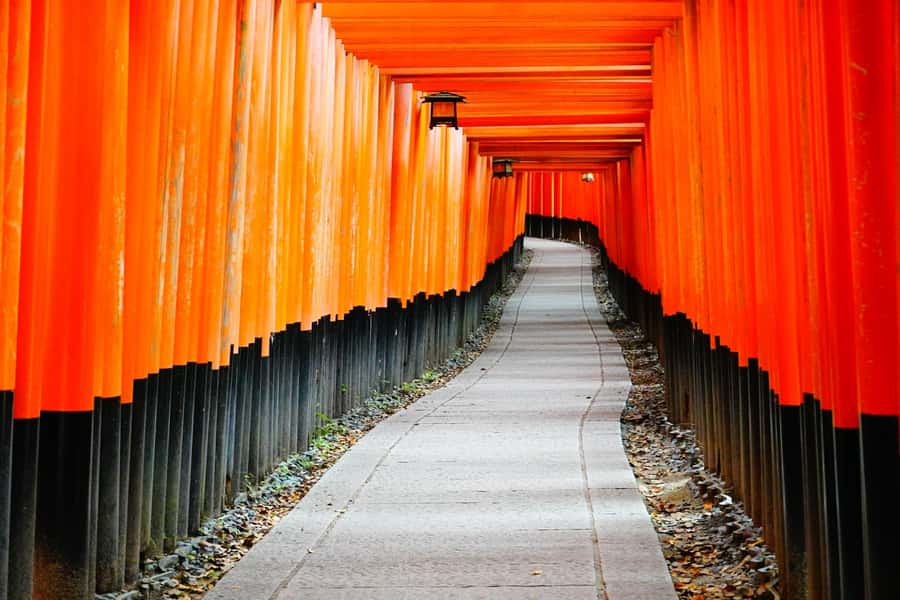
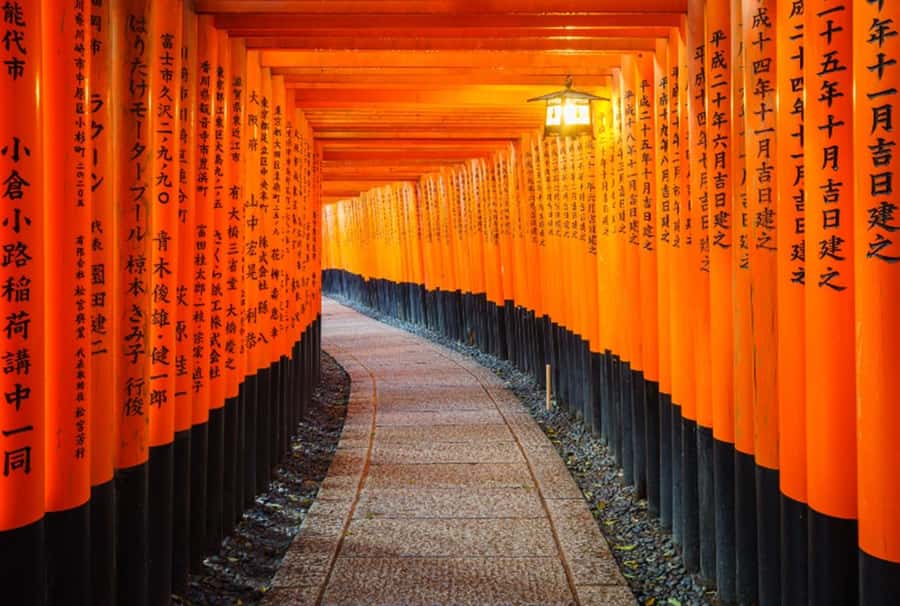
The final major stop is Fushimi Inari Shrine, a Shinto site associated with Inari Okami, a deity linked with prosperity, household safety, and success. Its famous path runs under thousands of vermilion torii gates toward Mount Inari.
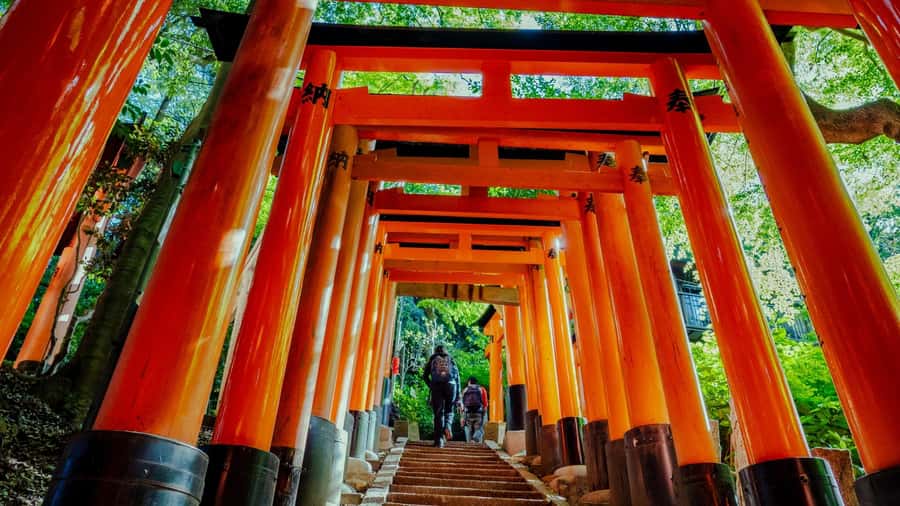
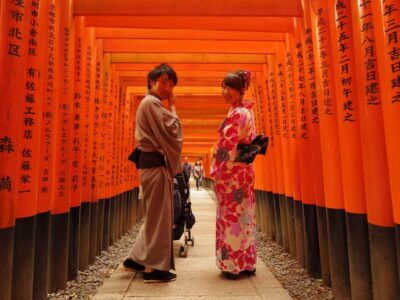
The gates are the visual signature of the shrine. They create a tunnel effect, and even a short walk gives you the sense of why this is one of Kyoto’s most photographed places. The full mountain route is far longer than the scheduled stop, so you should focus on enjoying the portion you can reach rather than trying to complete the climb.
Fushimi Inari can be crowded, and the group may spread out along the gate path. Listen carefully to the meeting instructions and keep track of the return time. The guide may lead you to the entrance and then let you explore independently.
Ending here gives the day a strong final image, but it also means you may be tired. By this point, you may have walked through Nara Park, Todai-ji, Arashiyama, Kinkaku-ji, and Fushimi Inari. Wear shoes you can walk in for several hours and save some energy for the torii path.
Guides, group size, and the value of organization
The guide is the variable that most affects the day. English and Chinese commentary are available, and on some departures both languages may be used. That can mean a longer explanation at certain points, though it also lets mixed-language groups travel together.
The strongest guiding style combines history with practical help. Harry is praised for humor, kindness, and repeated assistance. Gary is known for prepared schedules, photo booklets, detailed explanations, and taking people to less obvious paths. Tracy is praised for quizzes, friendly interaction, and careful checks before departure. Mike, Nick, Panda, and others are also noted for clear information and help with photographs.
Do not expect every departure to feel identical. Guide assignments can change, and English fluency may vary. One account found the guide informative but limited in spoken English. That is worth keeping in mind if detailed live commentary is your main reason for booking.
The group format works best when you follow instructions. The guide usually explains where to meet and when to return, but you remain responsible for finding the bus. A few people have found it easier when the guide set a very clear departure point rather than leaving everyone to remember where the coach was parked.
What the long day feels like
The advertised duration is about nine hours, though traffic, crowds, and delays can change that. Some departures may feel shorter or longer depending on the starting city and route. One full-day account began early and returned around the evening, with more than 20,000 steps.
That is the real cost beyond the ticket price: energy. The bus gives you a place to sit between stops, but each destination includes walking, standing, stairs, or crowded paths. The schedule is efficient rather than relaxed.
The upside is that you can see four major sites in a single day. People who tried to cover the same ground by public transport would need to manage several connections and watch the clock closely. Here, you can rest on the bus and let the driver handle the roads.
The downside is that you may leave wanting more time at Nara or Arashiyama. Some people would gladly trade a little time at the bamboo grove for a longer visit with the deer and Todai-ji. That is a personal choice, but the fixed route does not let you customize the balance.
Meeting points and practical details
Your meeting point depends on the option you book, and hotel pickup and drop-off are not included. Read the departure details carefully and arrive early. The assigned bus and guide are tied to the selected meeting point, and arriving at the wrong location or missing the bus can mean losing the tour without a refund.
You can finish in Kyoto or Osaka, depending on the option selected. That flexibility is useful if you are moving between the two cities or want to end closer to your evening plans.
The tour may make extra stops to keep the planned sights on schedule if traffic or other problems arise. Severe weather or a natural disaster can lead to cancellation with a full refund. Standard cancellation is available up to 24 hours before departure for a full refund.
The provider’s contact line is listed as available during weekday business hours in Japan, from 9:30 a.m. to 6 p.m. Do not rely on a last-minute message outside those hours if you are unsure about the meeting point. Ask for help at least two days before departure if you need to change it.
Who should book this day trip?
I would book this tour if you have limited time in Kansai, want the major sights handled in one package, or feel uneasy about linking several local transport routes. It is also a good fit for solo visitors, families who prefer a coach between stops, and anyone who wants a guide to explain the cultural setting.
I would be more cautious if you dislike crowds, large groups, fixed departure times, or short visits. Independent visitors who want to hike far up Mount Inari, linger in Arashiyama, or spend a full morning at Todai-ji should split these places across separate days.
At $66, the tour offers good practical value because it combines transport, guiding, taxes, and Kinkaku-ji admission. Add the Todai-ji ticket and any Kobe beef upgrade when calculating the real cost. The strongest reason to book is not luxury. It is the amount of ground you can cover without spending the day studying train maps.
Should you book it?
Book it if your goal is to collect the essential Kyoto and Nara sights in one well-managed day. Choose no lunch if Arashiyama matters most, or select the Kobe beef meal from Osaka if you prefer a planned Japanese lunch and accept less bamboo grove time.
Go independently if you want quiet temple visits, long walks, or control over every minute. For everyone else, this is a busy but sensible introduction to four major places, with the guide and driver taking care of the hardest part: getting between them.
FAQ
How long does the tour last?
The tour is approximately nine hours, but traffic, group delays, and other unforeseen conditions can change the total time.
Where does the tour start?
You begin at a designated VIP Lounge meeting point in Osaka or Kyoto. The exact meeting point depends on the option you book.
Can I finish the tour in either Osaka or Kyoto?
Yes. You can choose to end in Kyoto or Osaka, depending on the selected option.
Is lunch included?
Lunch is optional. Departures from Osaka can include a Kobe Beef Shabu-Shabu meal. Without the lunch option, you have free time to eat in Arashiyama.
How much time do I get in Arashiyama?
With the lunch option, the schedule allows about 60 minutes in Arashiyama after 50 minutes for lunch. Without lunch, you get about 120 minutes in Arashiyama.
Are all temple entrance fees included?
Kinkaku-ji admission is included. Todai-ji admission is not included.
What languages are available?
The tour offers English or Chinese-speaking guides. Depending on the group size, commentary may be given in both languages.
Is hotel pickup included?
No. Hotel pickup and drop-off are not included, so you must reach the assigned meeting point yourself.
Newly written up around Kyoto
- Kyoto: Fushimi Inari Taisha Shrine Walking Tour with Guide★ 4.8 · 18 reviews
- Kyoto: Fushimi Inari Shrine Walking Tour★ 5.0 · 72 reviews
- Kyoto Tea Ceremony & Kiyomizu-dera Temple Walking Tour★ 5.0 · 115 reviews
- Kyoto: Calligraphy class at Buddhist temple in city center★ 5.0 · 167 reviews
- Kyoto: Zen Meditation at a Private Temple with a Monk★ 5.0 · 202 reviews
- Kyoto: Arashiyama Bamboo, Temple, Matcha, Monkeys & secret spots★ 5.0 · 219 reviews
- Kyoto: 3-Hour Fushimi Inari Shrine Hidden Hiking Tour★ 4.9 · 270 reviews
- KYOTO Tea Ceremony with kimono near by Imamiya Jinjya Shrine★ 5.0 · 343 reviews
Fushimi Inari Shrine Tours, compared.
Osaka/Kyoto: Arashiyama, Nara & Fushimi Inari Shrine w/Lunch
Read our review →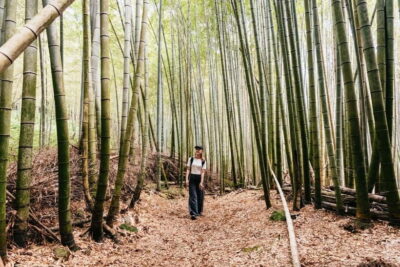
Kyoto Tea Ceremony & Kiyomizu-dera Temple Walking Tour
Read our review →Full Day Kyoto Tour : Bamboo Forest, Golden Temple, Fushimi Inari
Read our review →
Fushimi Inari Taisha Shrine Walking Tour with Guide
Read our review →Browse the lists this tour appears in