
Reviewed · KYOTO TEMPLE TOURS
Kyoto: Tea Ceremony Ju-An at Jotokuji Temple
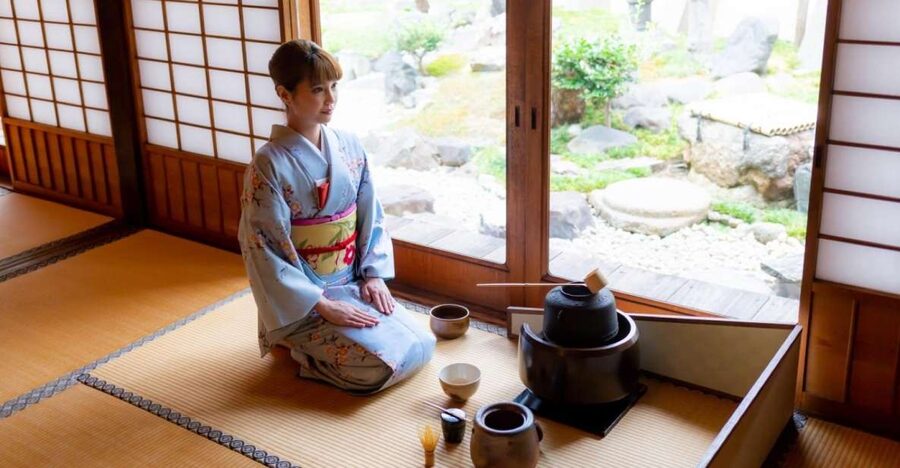
Kyoto’s Tea Ceremony Ju-An gives you more than a cup of matcha. You enter through the gates of Jotokuji Temple, take part in a purification ritual, and then learn why each movement in the tea room matters. The setting feels calm and traditional without making you sit through a four-hour formal ceremony.
I like the small group of up to 10 people, since you have room to ask questions and try the tea yourself. I also like the warm English guidance, with hosts such as Kate explaining the customs while the tea master demonstrates each careful step. The main drawback is practical: the tearoom has three steps and is not wheelchair accessible, even though the temple grounds are.
Key points to know before you book
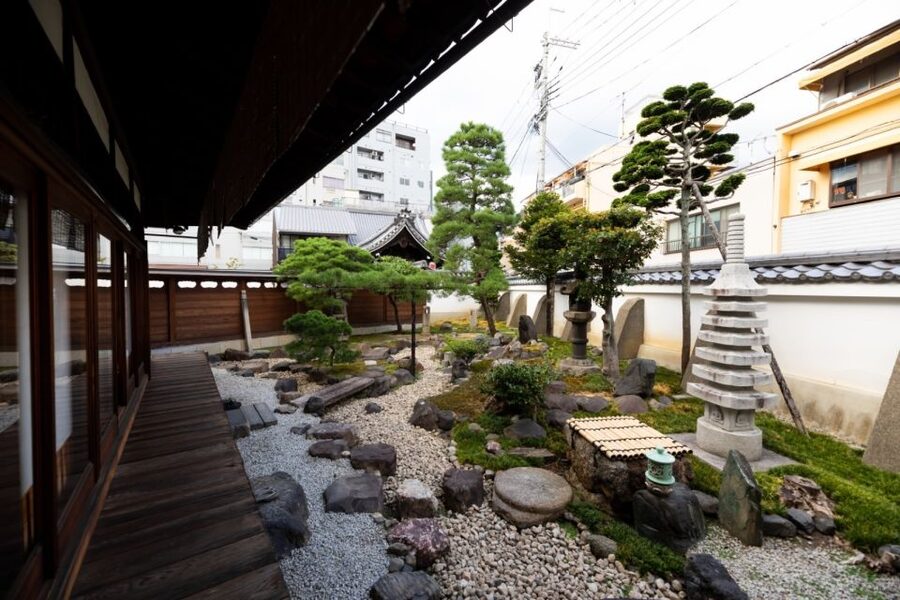
- A temple setting, not a modern tea studio: You enter through Jotokuji Temple and see the main hall, purification fountain, Grand Tearoom, and parish shop before the workshop begins.
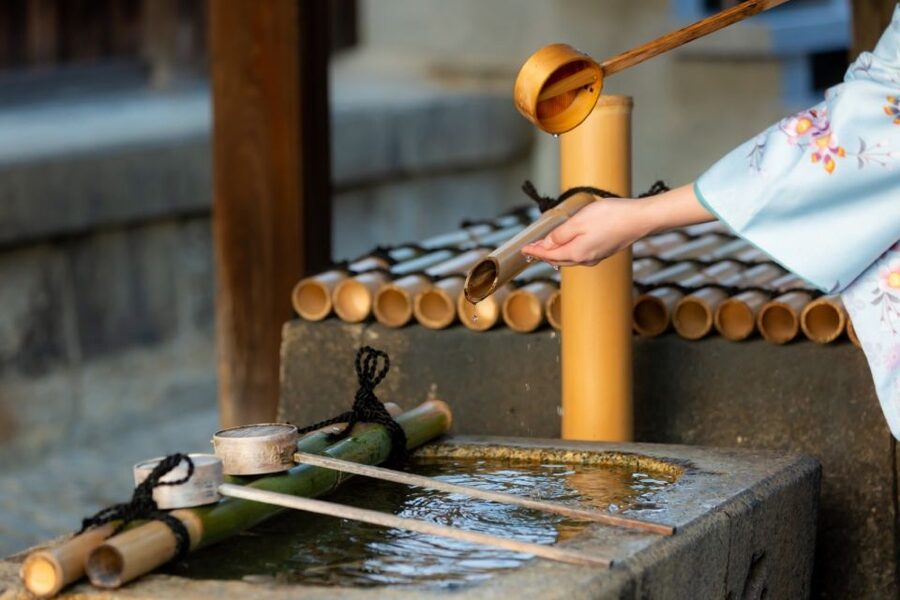
- Purification comes first: The ceremony opens with a traditional cleansing ritual, an important part of understanding Japanese temple etiquette.
- You do more than watch: After the demonstration, you can prepare your own matcha with guidance from the hosts.
- English explanations stay central: Kate and the tea master explain the purpose behind the gestures, tools, sweets, and tea.
- Small and manageable: The group limit is 10, and the full activity lasts about 70 minutes.
- Floor seating is not your only option: Stools and chairs can be provided, but the tearoom itself still requires negotiating three steps.
Entering Jotokuji Temple in central Kyoto
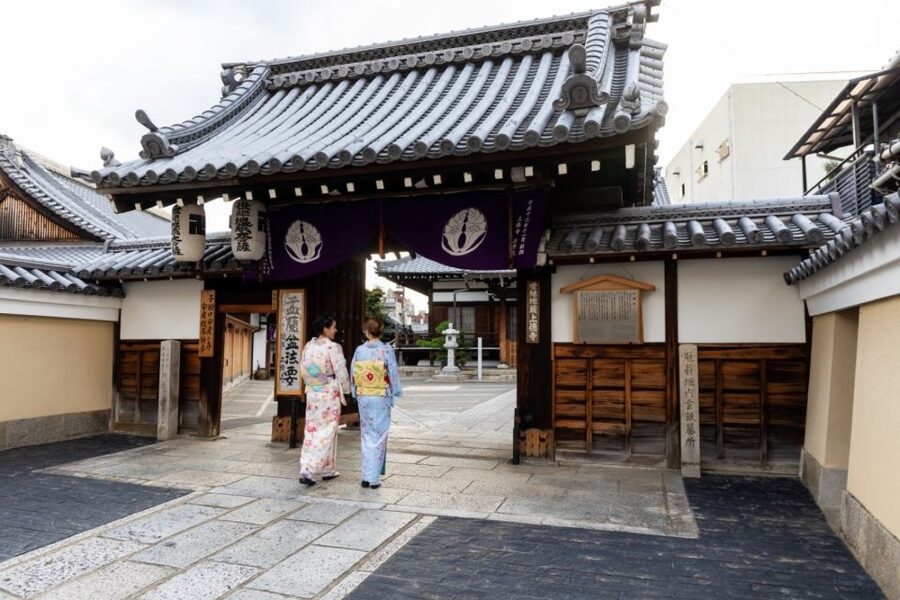
Your experience begins at Tea Ceremony Ju-An, at 556 Gojo-sagaru, Tominokoji Dori, in Kyoto’s Shimogyo Ward. Once inside the temple, face the Main Hall and look to your left for the steps leading to the tea room.
Do not rush straight to the room. The first part gives you time to notice where you are. You pass the entrance to the Grand Tearoom and a parish shop, then meet near the red benches where your guide waits. This short pause helps you get your bearings and lets the temple setting become part of the experience rather than a mere backdrop.
You can look around the temple, admire its architecture, and pause beside the purification fountain. In good weather, the red benches offer a pleasant place to sit before the start. If rain arrives, you can wait beneath the shop’s gable or inside the Grand Tearoom.
That arrangement is useful because it removes some of the usual stress of a timed activity. You have a clear meeting area, a sheltered option in bad weather, and a short introduction before entering the tearoom. I would still arrive with enough time to find the temple entrance, since the activity begins inside the grounds rather than at a large street-side office.
Other temple visits near Kyoto we have written up
- Osaka/Kyoto:Kinkakuji,Arashiyama,FushimiInariShrine,NaraPark
★ 4.1 · 1,596 reviews - Arashiyama Bamboo, Temple, Monkeys, or Secret Sake Brewery
★ 4.8 · 886 reviews - Kyoto: Arashiyama Bamboo Forest, Monkeys, Matcha & Temple Tour
★ 5.0 · 759 reviews
The purification ritual sets the tone
Before tea, you take part in a traditional purification ritual. For many visitors from outside Japan, this is one of the most useful parts of the session because it explains a custom you may otherwise see without understanding.
The ritual is not presented as a performance to watch from a distance. Your guide explains what you are doing and why it belongs at the start of the visit. That simple context changes the way you look at temple fountains and other acts of cleanliness during the rest of your Japan trip.
This is also where the activity finds its balance. The presentation is respectful, but it does not treat you as if you should already know the rules. You can ask questions, follow along, and learn without worrying about making a serious mistake.
The temple itself adds weight to the moment. Architecture, gates, the Main Hall, and the quiet around the fountain give you a sense of place before the matcha arrives. You are not simply attending a lesson about tea. You are entering a setting where ceremony, hospitality, and attention to surroundings belong together.
Removing your shoes and entering the Grand Tearoom
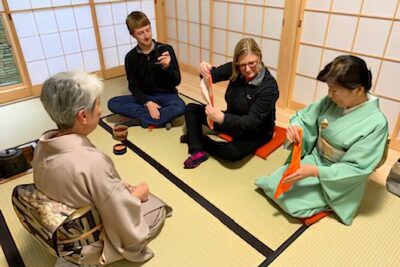
When it is time to begin, you remove your shoes at the entrance to the Grand Tearoom. Your group then takes its seats inside.
Traditional tea rooms often use floor seating, and that can be part of the cultural experience. It can also be uncomfortable for people with stiff knees or limited mobility. Ju-An offers seats and stools for those who are not comfortable sitting in the traditional position, which is a thoughtful practical touch.
There are still three steps into the tearoom. The temple itself is wheelchair accessible, but the tearoom is not, so wheelchair users should not book this activity. This is the clearest limitation to consider before paying.
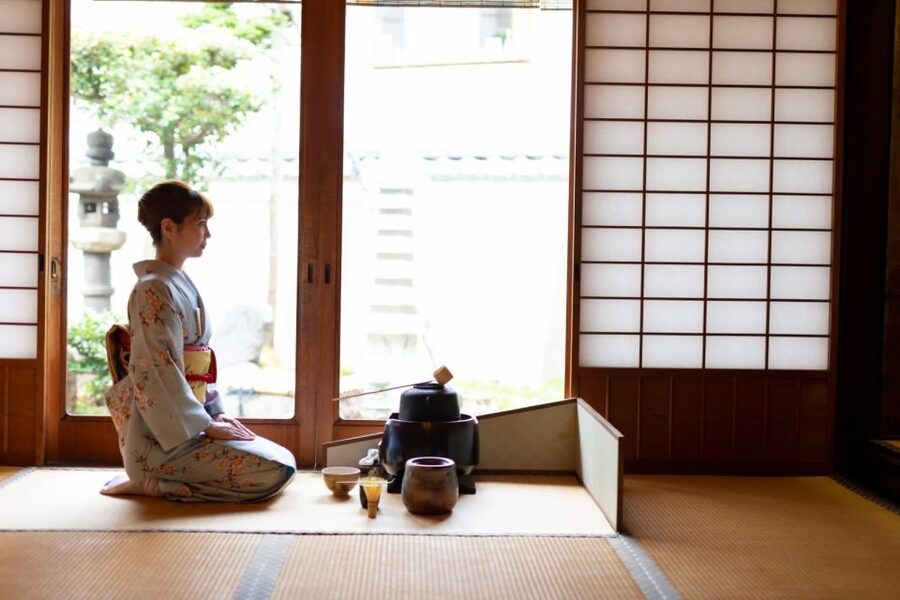
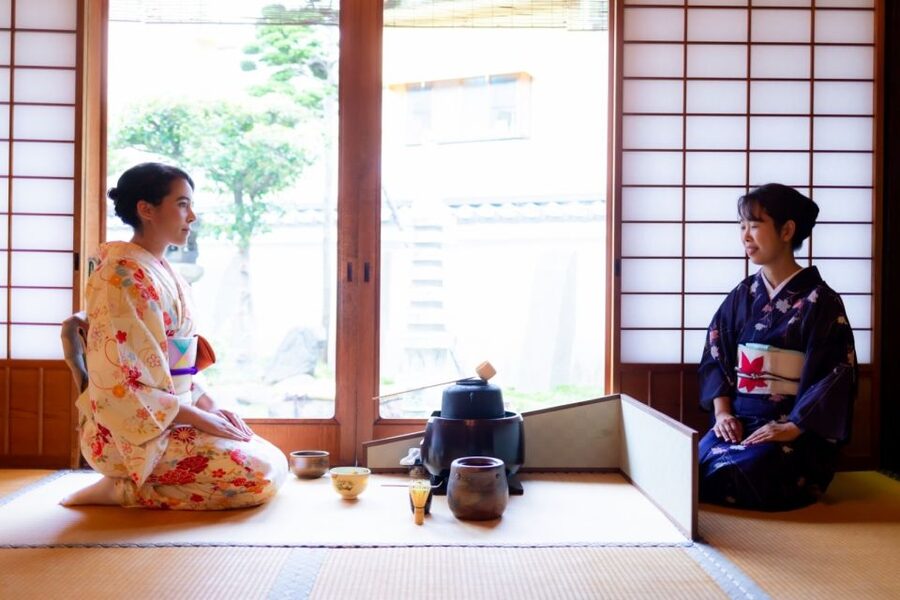
Once seated, the room shifts the mood. Outside, you have the temple grounds and the movement of Kyoto. Inside, attention narrows to the tea utensils, the host, and the sequence of actions. The room is not presented as a stage set. Its plain traditional character helps you notice small details.
Watching the tea master prepare matcha
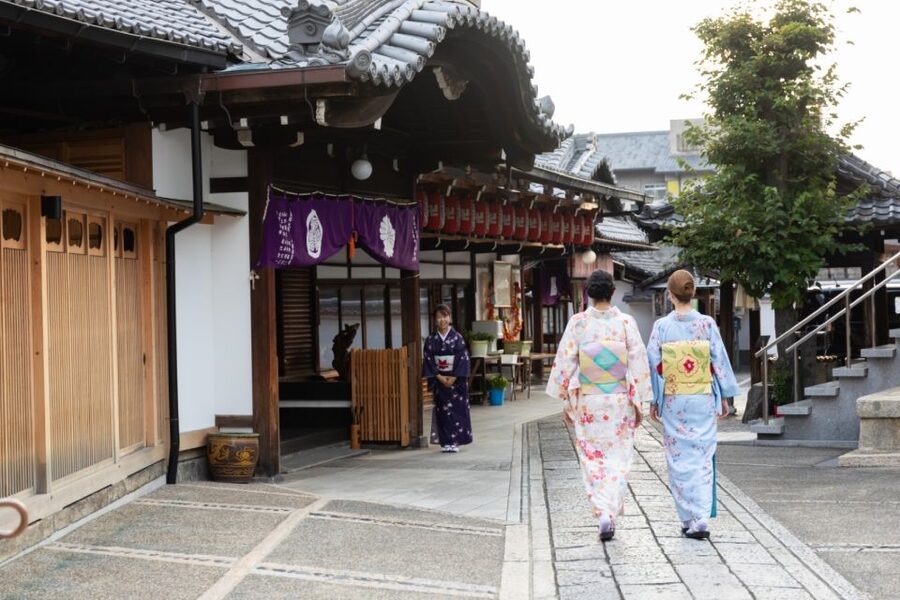
The tea master demonstrates how matcha is prepared, with the guide explaining the meaning of the movements in English. The pace is deliberate. The careful handling of the bowl, whisk, and other implements shows why chanoyu is about much more than drinking powdered green tea.
You learn how to receive and drink the tea properly, along with the customs that surround the bowl. The instructors explain the importance of the ceremony and the ideas behind its order and gestures. Several people who have taken the activity found the explanations clear, engaging, and easy to follow, even when the subject became more detailed.
The English support matters here. Tea ceremony has many small rules, and a silent demonstration could leave you guessing. With a guide such as Kate interpreting and answering questions, you can follow the action instead of simply watching hands move.
The tea master’s role is equally important. A translator can explain the meaning, but the demonstration shows the skill and control behind the preparation. You see how each movement is measured, then get a chance to try the process yourself.
A different set of gates, same trip:
- Osaka/Kyoto: Arashiyama, Nara & Fushimi Inari Shrine w/Lunch
★ 4.4 · 754 reviews - Kyoto Zen Meditation & Garden Tour at a Zen Temple with Lunch
★ 5.0 · 441 reviews - Kyoto: Zen Experience in a Hidden Temple
★ 5.0 · 437 reviews - KYOTO Tea Ceremony with kimono near by Imamiya Jinjya Shrine
★ 5.0 · 343 reviews
Making your own matcha
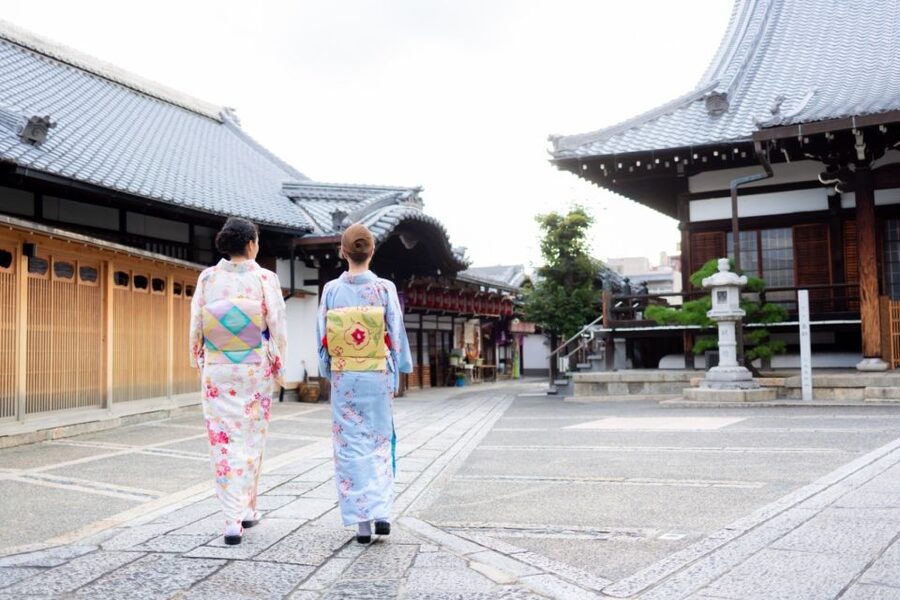
The hands-on section is one of the strongest reasons to choose this activity. You do not only observe a tea master making matcha. Under guidance, you can prepare your own cup using the ceremonial tools.
This is a gentle introduction rather than an examination. The hosts explain what to do, help when needed, and give you room to take part. That makes the experience suitable for first-time visitors who might otherwise feel nervous about handling unfamiliar utensils.
You also learn through your hands. The whisking motion, the texture of the tea, and the care needed to prepare it make the lesson easier to remember than a talk alone. Matcha can taste strong and grassy, but preparing it yourself gives you a better sense of the drink and the work behind a smooth cup.
Sweets are served with the tea. They provide a pleasant contrast to matcha’s sharper flavor and are part of the hospitality of the session. The combination of sweets, tea, and quiet surroundings helps keep the ceremony welcoming rather than overly formal.
What the 70-minute format gets right
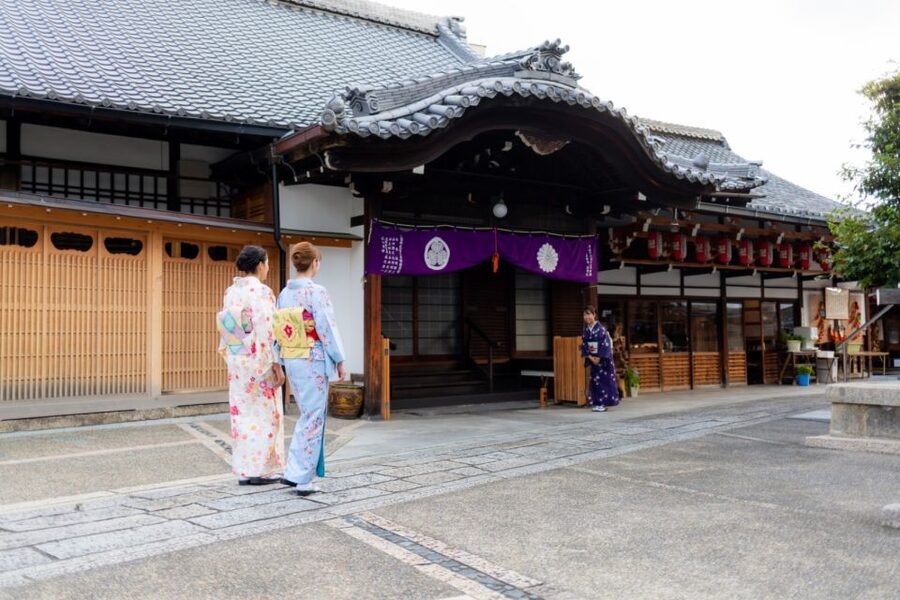
A full traditional tea ceremony can take several hours. This Ju-An session lasts about 70 minutes, so it is best understood as an introduction to chanoyu rather than a complete formal ceremony.
That shorter format is a strength for most visitors. You receive the key elements: temple entry, purification, cultural explanation, a tea master’s demonstration, matcha tasting, sweets, and your own attempt at preparation. You can fit it into a busy Kyoto day without giving up half a day.
The trade-off is that the session cannot explore every layer of tea culture in great depth. If you already study chanoyu or want an extended formal ceremony, this may feel brief. For a first experience, though, the length is sensible. You get enough time to understand the purpose of the rituals without fatigue setting in.
The small group also helps the schedule work. With no more than 10 participants, the hosts can answer questions and watch as people prepare their tea. A larger class might feel cheaper, but it would likely reduce your time with the tools.
Why the $29 price is good value
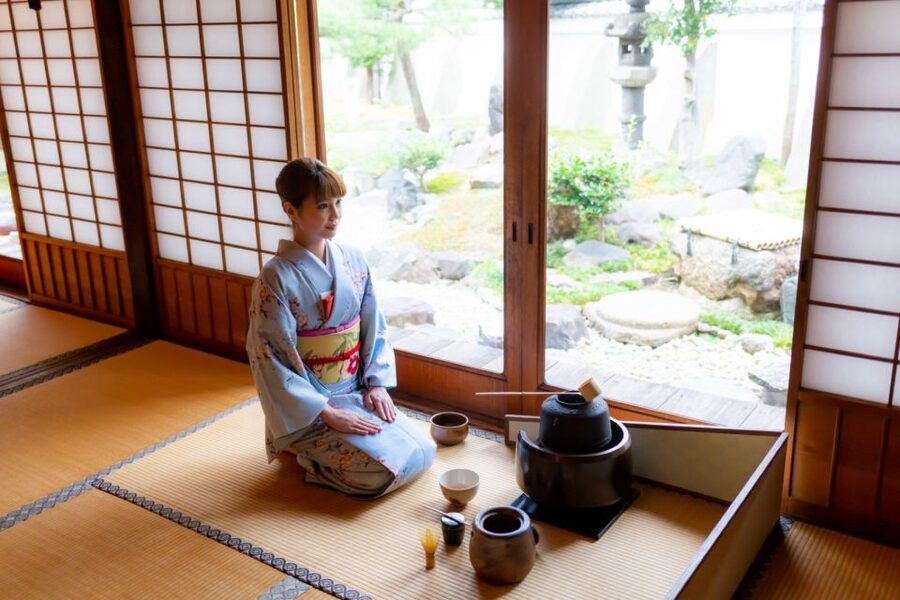
At $29 per person, the activity offers a fair amount for the money. You are paying for a guided cultural lesson in a temple setting, not just a quick matcha tasting. The price includes the English-speaking guide and the chanoyu workshop ceremony.
The value comes from the combination of access and explanation. You could buy matcha elsewhere in Kyoto, but you would not automatically learn the purification ritual, the etiquette around drinking tea, or the reasons behind the tea master’s gestures. You also would not have someone on hand to guide your own preparation.
The temple setting adds value without requiring a separate admission-style visit. You get time to notice the grounds before entering the room, and the quiet atmosphere helps the ceremony feel connected to its surroundings.
Meals are not included, but that is not a serious concern. This is a focused 70-minute activity, not a dining experience. You receive tea and sweets, while larger food needs remain your responsibility.
A kimono is also not included and can be rented separately. You do not need one to take part. If dressing up is important to you, plan that as an extra cost and allow enough time around the activity.
The people who will enjoy this most
I would recommend Ju-An to anyone who wants a cultural activity with real participation rather than a simple photo opportunity. It suits first-time visitors to Japan, couples, families with older children, and solo visitors who enjoy asking questions in a small group.
It is especially useful if you have been seeing temple customs around Kyoto but want someone to explain them. The purification ritual and tea etiquette give you context that carries into the rest of your sightseeing.
You do not need to be a tea enthusiast. The instructors explain the basics clearly, and the hands-on part keeps the session active. People who are curious about Japanese philosophy, daily customs, or traditional arts will get the most from it.
I would be more cautious if you dislike floor-based cultural activities, though stools and seats are available. I would also skip it if you need step-free access into the tearoom. The temple grounds can accommodate wheelchair users, but the room cannot.
Small touches that improve the experience
The strongest part of the activity is its tone. The hosts are patient, kind, and willing to answer questions. The explanations cover both the practical steps and the reasons behind them, so the ceremony does not feel like a string of unexplained gestures.
The atmosphere is another strength. The temple, quiet room, traditional decorations, tea, and sweets create a peaceful break from Kyoto’s busy sightseeing streets. You do not need to pretend to understand everything. The session gives you permission to observe, ask, and try.
I also like that the experience connects old customs with modern visitors. The ceremony remains respectful, but the instructors make it approachable. You are not expected to know how to sit, bow, hold the bowl, or whisk the tea before you arrive.
The hosts also seem to make an effort to include everyone in the group. That matters in a shared activity, where one confident participant can otherwise take all the attention. A smaller class gives quieter people a better chance to participate.
Practical advice for planning your visit
Book a time that allows you to arrive early. The meeting point is inside Jotokuji Temple, and you want a few minutes to locate the Main Hall, left-hand steps, and red benches without hurrying.
Wear socks you are comfortable removing and putting back on, since shoes come off before entering the Grand Tearoom. Choose clothing that allows you to sit comfortably, even if you plan to use a stool.
Rain does not cancel the basic meeting arrangement. You can wait under the shop’s gable or inside the Grand Tearoom, while the red benches are available in suitable weather. The temple remains part of the experience, but the amount of outdoor waiting may change.
The activity is conducted in English. If you want a quiet, reflective introduction, a morning session may suit you, though you should check the available start times when booking. The provider allows cancellation up to 24 hours in advance for a full refund and offers a reserve-now, pay-later option, which can help if your Kyoto plans are still shifting.
Should you book Tea Ceremony Ju-An?
Book it if you want a well-priced, hands-on introduction to Japanese tea culture in a genuine temple setting. The 70-minute length, English guidance, small group, sweets, and chance to make your own matcha make it easy to fit into a Kyoto itinerary.
The experience is not a full four-hour formal tea ceremony, and the tearoom is not wheelchair accessible. Those are important limits. For most first-time visitors who want to understand the customs without committing half a day, Ju-An offers a thoughtful and practical choice.
FAQ
How long does the Tea Ceremony Ju-An experience last?
The activity lasts 70 minutes.
How much does the experience cost?
The listed price is $29 per person.
Where does the tea ceremony take place?
It takes place at Jotokuji Temple in Kyoto, at Tea Ceremony Ju-An, 556 Gojo-sagaru, Tominokoji Dori, Shimogyo-Ku.
How do I find the tearoom inside the temple?
Once inside, face the Main Hall and look to the left. A few steps lead to the tea room.
Is the activity conducted in English?
Yes. The instructor and guide provide explanations in English.
How many people can join the group?
The group is limited to 10 participants.
Do I get to prepare my own matcha?
Yes. After the tea master demonstrates the process, you can prepare your own tea with guidance.
Is food included?
Meals are not included. Matcha tea and sweets are part of the ceremony experience.
Can I wear a kimono?
A kimono is not included, but it can be rented separately.
Is the tea room wheelchair accessible?
No. The temple is wheelchair accessible, but the tearoom has three steps and is not accessible to wheelchair users.
Can I use a stool instead of sitting on the floor?
Yes. Seats and stools can be provided for people who are not comfortable sitting in the traditional position.
Can I cancel for a refund?
You can cancel up to 24 hours before the activity for a full refund.
Newly written up around Kyoto
- Kyoto: Fushimi Inari Taisha Shrine Walking Tour with Guide★ 4.8 · 18 reviews
- Kyoto: Fushimi Inari Shrine Walking Tour★ 5.0 · 72 reviews
- Kyoto Tea Ceremony & Kiyomizu-dera Temple Walking Tour★ 5.0 · 115 reviews
- Kyoto: Calligraphy class at Buddhist temple in city center★ 5.0 · 167 reviews
- Kyoto: Zen Meditation at a Private Temple with a Monk★ 5.0 · 202 reviews
- Kyoto: Arashiyama Bamboo, Temple, Matcha, Monkeys & secret spots★ 5.0 · 219 reviews
- Kyoto: 3-Hour Fushimi Inari Shrine Hidden Hiking Tour★ 4.9 · 270 reviews
- KYOTO Tea Ceremony with kimono near by Imamiya Jinjya Shrine★ 5.0 · 343 reviews
Kyoto Temple Tours, compared.
Osaka/Kyoto:Kinkakuji,Arashiyama,FushimiInariShrine,NaraPark
Read our review →
Arashiyama Bamboo, Temple, Monkeys, or Secret Sake Brewery
Read our review →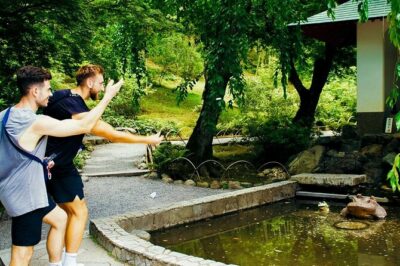
Arashiyama Bamboo Forest, Monkeys, Matcha & Temple Tour
Read our review →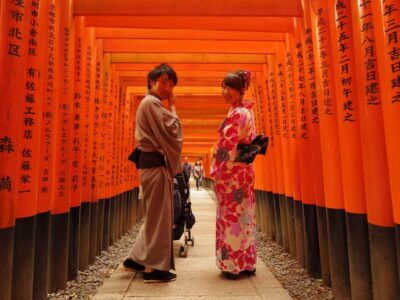
Osaka/Kyoto: Arashiyama, Nara & Fushimi Inari Shrine w/Lunch
Read our review →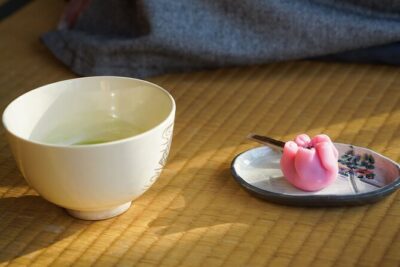
Kyoto Zen Meditation & Garden Tour at a Zen Temple with Lunch
Read our review →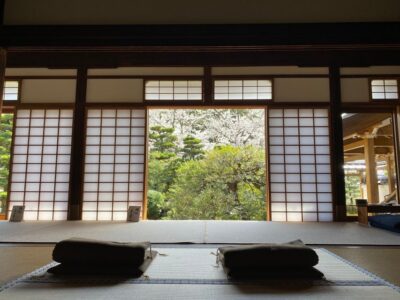
KYOTO Tea Ceremony with kimono near by Imamiya Jinjya Shrine
Read our review →
Browse the lists this tour appears in