
Reviewed · FUSHIMI INARI SHRINE TOURS
KYOTO: Tempio Kiyomizu Pagode Gion “Geisya” (Guida Italiana)
Kyoto’s most famous old streets make much more sense when someone explains what you are seeing. This five-hour tour links Kiyomizu-dera, Sannenzaka, Ninenzaka, and Gion in a sensible walking route, with Italian-speaking guide Omae adding the cultural and religious details that are easy to miss on your own.
I like that transport and entrance tickets are included, and I like the chance to ask questions in Italian rather than rely on a guidebook. The main consideration is the price, $117 per person, which is fair for a private or small-group experience with transport, but high if you only want a quick look at the sights.
Key points to know before booking
- Kiyomizu-dera begins the experience: You spend about an hour at Kyoto’s best-known Buddhist temple, with guided sightseeing rather than a simple entrance visit.
- The old streets connect naturally: Sannenzaka and Ninenzaka follow the temple visit on foot, with sweet shops, souvenirs, cafés, and traditional Kyoto scenery.
- Omae leads in Italian: The guide is praised for clear explanations, good humor, attention to detail, and the ability to answer questions about Japanese culture.
- Gion is part of a wider route: The tour gives you about 30 minutes in Kyoto’s famous entertainment district before continuing toward Minami-za and Pontocho.
- The price covers key extras: Bus transport and scheduled monument entrance fees are included, so you do not need to manage those costs during the outing.
- The schedule has some flexibility: Route and timing changes can be requested as far as possible, useful for families, private groups, or travelers with special needs.
Why this route works for a first look at Kyoto
Kyoto can feel scattered at first. Major temples, old shopping lanes, theaters, and traditional entertainment districts sit in different parts of the city, and it is not always obvious how they fit together.
This tour solves part of that problem by connecting several major sights in one east-central Kyoto route. You start at Kyoto Station, ride for about 15 minutes, visit Kiyomizu-dera, then walk through the historic streets toward Gion and Pontocho.
I like the order. Kiyomizu-dera gives you the major temple experience first. The walking section then shifts from religious Kyoto to everyday sightseeing, food shops, traditional lanes, and the old entertainment quarter.
The tour lasts five hours, so it is not a rushed photo stop. At the same time, the published sightseeing times are fairly short at some locations: about one hour at Kiyomizu-dera and about 30 minutes in Gion. If you want a long, slow temple visit or plenty of time for shopping, you should ask about the schedule before booking.
More Fushimi Inari Shrine Tours in Kyoto:
- Osaka/Kyoto:Kinkakuji,Arashiyama,FushimiInariShrine,NaraPark
★ 4.1 · 1,596 reviews - Osaka/Kyoto: Arashiyama, Nara & Fushimi Inari Shrine w/Lunch
★ 4.4 · 754 reviews - Kyoto: 3-Hour Fushimi Inari Shrine Hidden Hiking Tour
★ 4.9 · 270 reviews
Meeting at Kyoto Station without confusion
The meeting point is at Kyoto Station’s central north entrance, also called the Karasuma-Guchi side. You meet in the open space between the four escalators in front of the taxi terminal, not the bus terminal.
A useful visual clue is Kyoto Tower. From the meeting area, the tower should be in front of you toward the upper left, not the upper right. That small detail matters in a large station where several exits can look alike.
You receive an email by the day before with confirmation and more precise meeting instructions. I would still arrive early. Kyoto Station is easy to use once you know where you are, but it is not a place where you want to search for a meeting point at the last minute.
The first transport leg takes about 15 minutes by bus or coach. Since the transport cost is included, you can focus on following the guide rather than working out fares and routes at the start of the day.
Kiyomizu-dera: the main cultural anchor
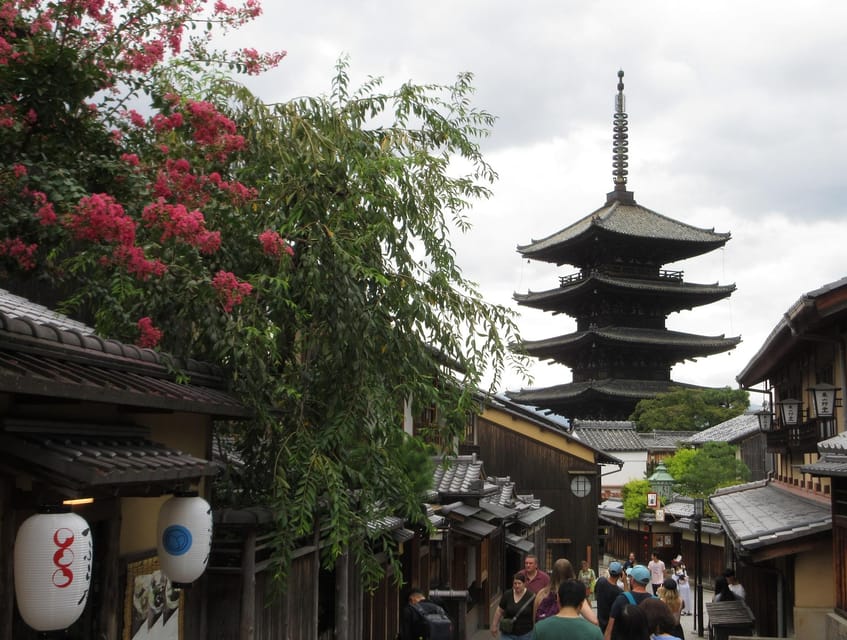
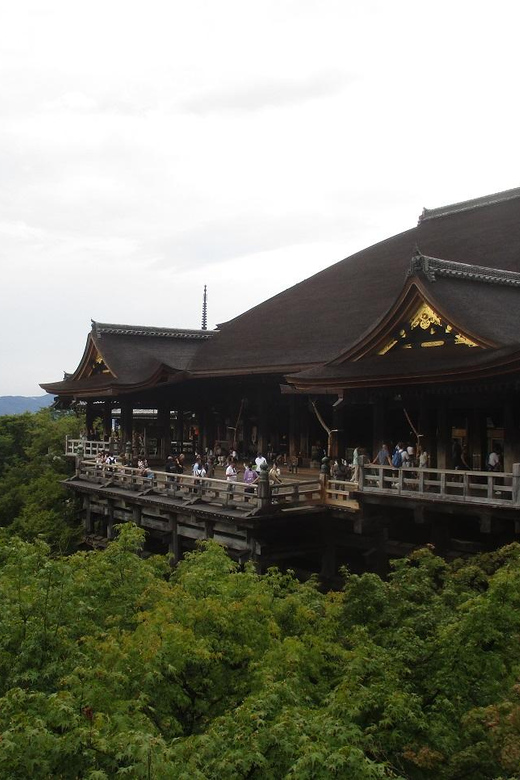
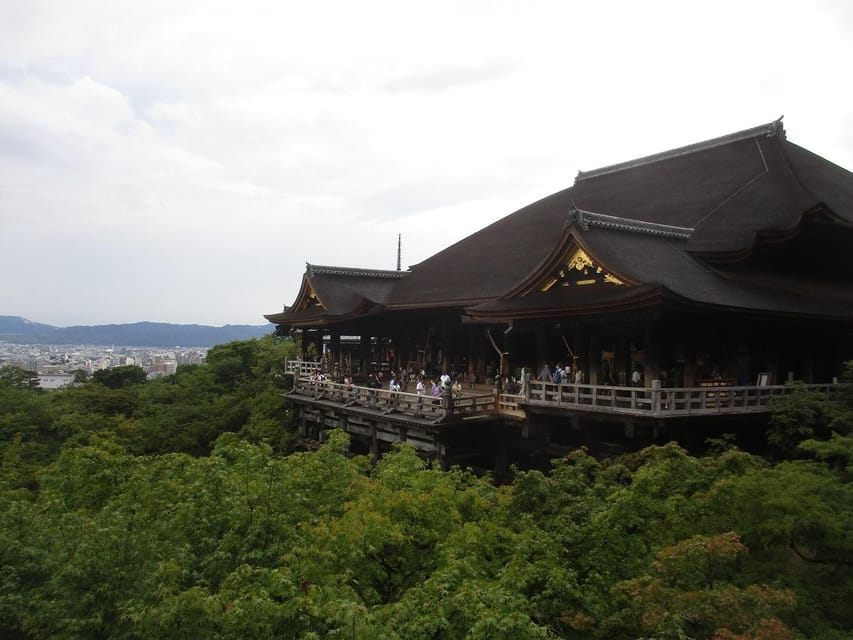
Kiyomizu-dera is the center of the experience. The temple sits at the end of old pilgrimage routes and has shaped this part of Kyoto for centuries. The surrounding district developed from the eighth century onward, so the visit is not just about one building. It is about the connection between temple, pilgrimage, commerce, and sightseeing.
You have about one hour for a guided visit and sightseeing. That is enough to understand the site and hear the key explanations, but it may feel brief if you want to examine every hall or spend time taking photographs.
This is where an Italian-speaking guide can make a real difference. Religious buildings in Japan often have symbols, rituals, and architectural details that are not obvious at first glance. Omae explains these points in Italian and answers questions during the route, helping you connect what you see with Japanese Buddhist and cultural traditions.
The guide’s reputation is one of the strongest reasons to book this experience. Feedback describes Omae as friendly, quick-witted, accurate, and careful with details. Those qualities matter at Kiyomizu-dera, where a short explanation can turn a beautiful structure into a place with meaning.
The temple visit also gives you a strong beginning because it sets the tone for the rest of the walk. You are not simply moving between famous addresses. You are following a route that grew around religious visits and later became one of Kyoto’s main sightseeing areas.
Sannenzaka and Ninenzaka: Kyoto on foot
After Kiyomizu-dera, you walk a few minutes to Sannenzaka, then continue toward Ninenzaka. The route includes several short walking sections, with about three minutes through Sannenzaka, two minutes through Ninenzaka, and around 15 minutes onward toward Gion.
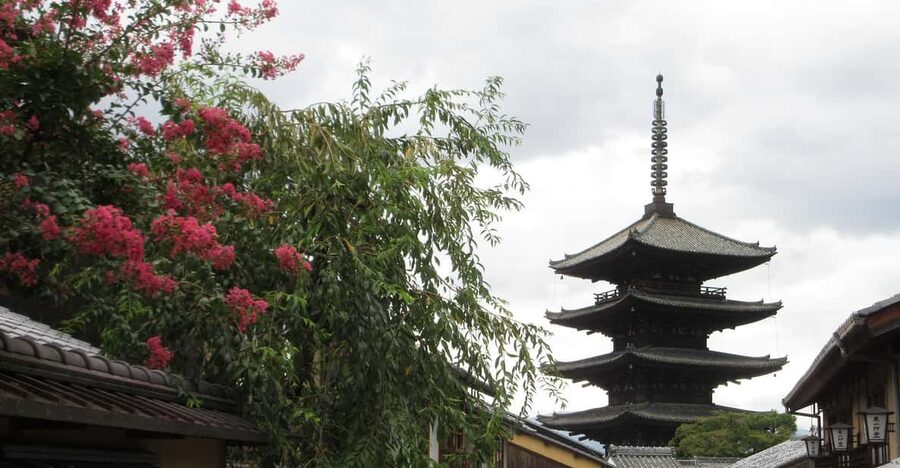
These lanes are lined with souvenir shops, sweets, cafés, and places aimed at visitors of all ages. That makes the area fun and easy to enjoy, but it also means this is not a quiet residential walk. You should expect a commercial sightseeing district built around the temple routes.
I like this part because it shows how Kyoto’s old pilgrimage roads still function today. The streets are not museum pieces. They are active shopping and walking areas where temple culture, local food, souvenirs, and modern tourism meet.
The short scheduled times are worth noting. Sannenzaka and Ninenzaka are listed as walking stops rather than long guided visits. If you want to browse sweets, buy gifts, or stop for coffee, tell the guide early. The tour allows itinerary and timing requests as far as possible, but the full route still needs to fit into five hours.
The walking route may suit you best if you want a clear introduction rather than a free afternoon of shopping. You will see the main character of the district, learn why the streets matter, and continue to Gion without having to plan every turn yourself.
Other temple visits near Kyoto we have written up
- Kyoto: Tea Ceremony Ju-An at Jotokuji Temple
★ 4.9 · 3,207 reviews - Arashiyama Bamboo, Temple, Monkeys, or Secret Sake Brewery
★ 4.8 · 886 reviews - Kyoto: Arashiyama Bamboo Forest, Monkeys, Matcha & Temple Tour
★ 5.0 · 759 reviews - Kyoto Zen Meditation & Garden Tour at a Zen Temple with Lunch
★ 5.0 · 441 reviews
Gion: more than a geisha label
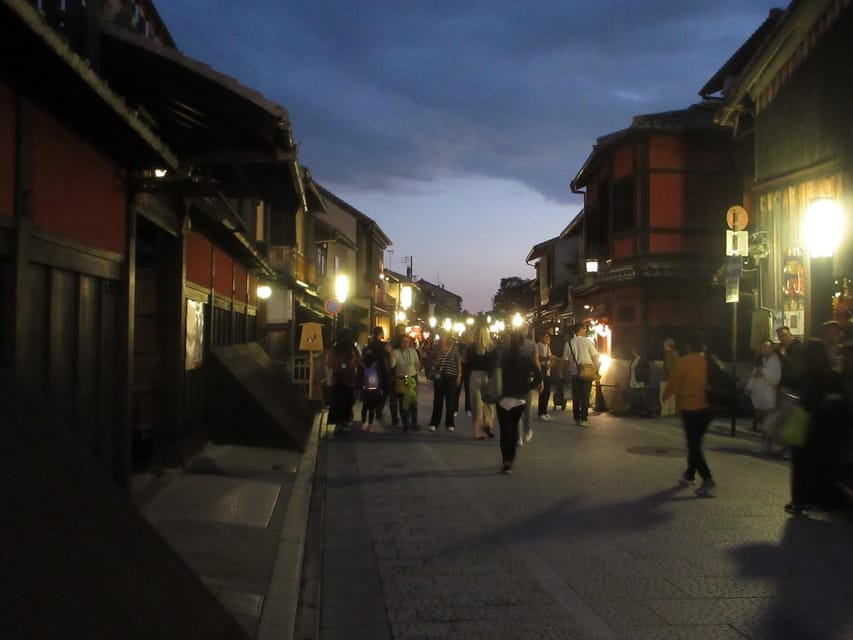
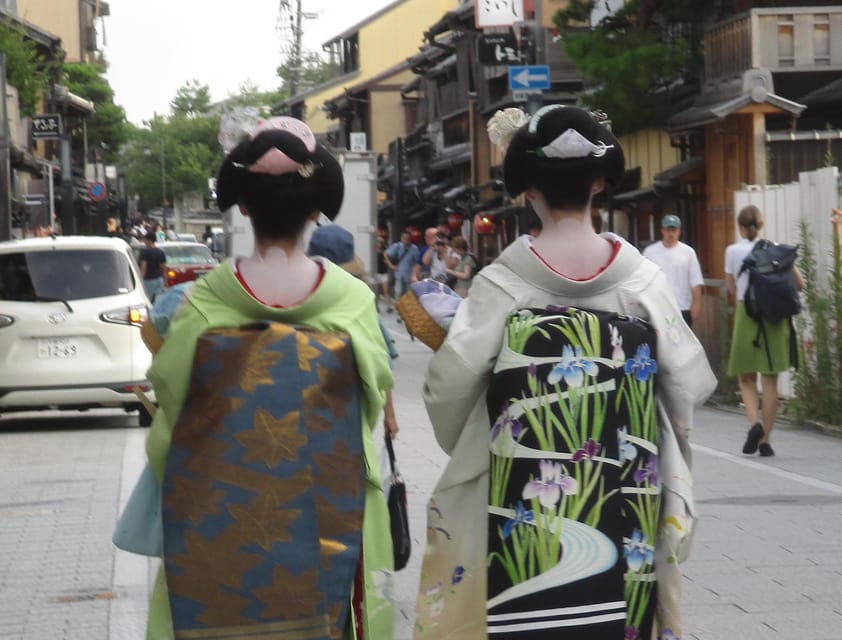
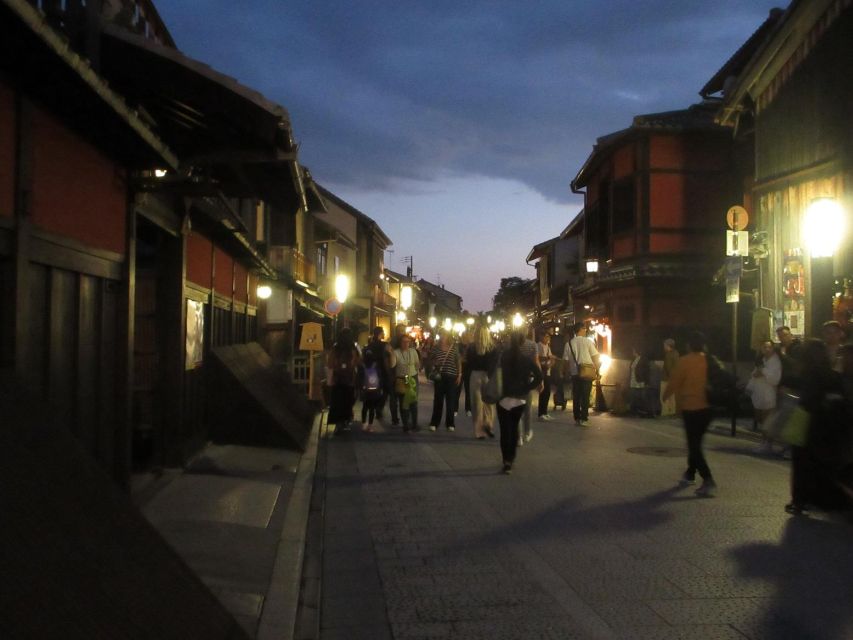
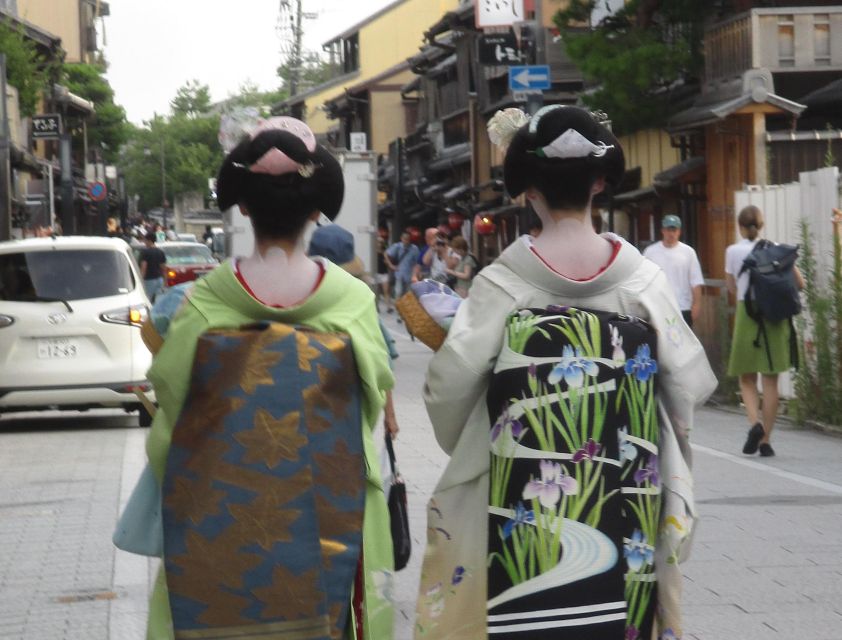
Gion receives about 30 minutes of guided sightseeing. This is Kyoto’s famous entertainment district, associated with tea houses, traditional arts, and geisha culture.
The title of the experience uses the word geisha, but you should not book it expecting a guaranteed geisha sighting. The information promises a visit to Gion and explanations of its historical, cultural, and religious details, not a scheduled meeting with a geisha or maiko.
That distinction is important. Gion is best understood as a historic district with a particular role in Kyoto’s traditional entertainment culture. A guide can explain the setting and customs, while you should behave respectfully and avoid treating the area like a stage set.
Thirty minutes is enough for an introduction, especially after the earlier temple and street visits. It is not enough for a long exploration of every lane. If Gion is your main reason for booking, ask if more time can be shifted there from another part of the route.
Omae’s ability to answer questions is especially useful here. The district raises plenty of natural questions about Japanese customs, traditional performers, tea houses, and the difference between public streets and private establishments. You can ask directly in Italian instead of trying to build an explanation from scattered signs and guidebook notes.
Minami-za and Pontocho finish the walk
After Gion, the route passes by Kyoto Minami-za, with about three minutes listed for the stop. Minami-za is Kyoto’s traditional kabuki theater, though this experience includes a pass-by rather than a theater performance or interior visit.
That brief stop adds another piece to the story of Kyoto’s traditional entertainment. It also helps connect Gion with the final part of the route rather than ending abruptly after the district.
The tour finishes at Pontocho after a short walk. Pontocho is one of Kyoto’s best-known traditional dining and entertainment lanes, so the ending places you in a useful area for continuing your evening.
Because the activity ends at Pontocho rather than returning you to Kyoto Station, plan your next step before the tour begins. The guide provides assistance during the itinerary, but the supplied details do not promise return transport after the finish.
What the $117 price really covers
At $117 per person, this is not a budget walking tour. The value comes from the combination of an Italian-speaking guide, transport, entrance fees, and help throughout a five-hour route.
If you are comfortable navigating Kyoto, reading English or Japanese signs, and arranging temple tickets yourself, you may find the cost hard to justify. You can visit the same general areas independently for less, especially if you spend little on transport and choose not to join paid guided visits.
The calculation changes if you want Italian. A guide who can explain religious practices, history, customs, and local details in your own language saves time and reduces the chance of missing context. The strong feedback about Omae’s preparation, warmth, and careful explanations supports the idea that the guide is the main value, not simply the transport.
The price also makes more sense for a private booking or a group that values flexibility. The experience is available as a group or individual tour, and itinerary changes can be requested as far as possible. Ask in advance what can be adjusted if you want more time at Kiyomizu-dera, more time in Gion, or fewer shopping stops.
Who will get the most from this experience
I would recommend this tour to several types of visitors:
- Italian-speaking visitors who want cultural explanations without a language barrier.
- First-time visitors who want to see Kyoto’s most recognizable east-side sights in one outing.
- Couples and families who prefer a guide to manage the route and transport.
- Visitors who want to ask detailed questions about Buddhism, Japanese customs, and traditional entertainment.
- People with limited time who want a structured five-hour introduction.
It may be less suitable if you prefer to wander alone, spend hours shopping, or set your own pace at every stop. The route has flexibility, but it is still a guided program with several planned locations.
The experience is marked as wheelchair accessible. Since the route includes temple grounds, old pilgrimage streets, and several walking sections, you should discuss your needs when arranging the tour. The provider offers assistance during the itinerary, and advance communication is the sensible approach.
The guide makes the biggest difference
The most repeated praise is directed at Omae. The feedback describes a guide who is personable, accurate, prepared, and able to explain Japanese culture in fluent Italian.
That combination is useful because this route asks you to move between very different parts of Kyoto. At Kiyomizu-dera, you need religious and historical context. In Sannenzaka and Ninenzaka, you need help understanding how pilgrimage roads became shopping streets. In Gion, you need cultural background and good manners.
A friendly guide also changes the feel of a five-hour walk. You can ask why a custom exists, what a building was used for, or how a district fits into Kyoto’s past and present. Several comments specifically praise Omae’s attention to questions and details, so this is not a tour where you should simply follow silently.
The 4.7 rating from 17 reviews is encouraging, though the number is still modest. I would treat the guide as the central reason to choose this activity, with the route and included fees as useful additions.
Practical details that affect your day
The full duration is five hours, with starting times available according to the date you select. The route begins at Kyoto Station and ends at Pontocho, so it works well if you want to continue into the evening afterward.
Transport and scheduled admission fees are included. You should still allow room in your budget for food, drinks, sweets, and souvenirs, since the route passes through commercial streets filled with places to stop.
The tour is conducted in Italian, and the provider offers assistance during the itinerary. Flexible schedules and routes can be requested, but changes are subject to what is possible on the day and within the five-hour duration.
Cancellation is free up to 24 hours before the activity for a full refund. You can also reserve now and pay later, which is useful if your Kyoto plans are still taking shape.
Should you book this Kyoto tour?
Book it if you want a guided Italian introduction to Kyoto’s most famous temple and traditional districts, especially if you value questions and cultural explanation over simply collecting photographs.
The strongest case is Omae. His friendly style, careful explanations, and command of Italian are repeatedly praised, and those qualities fit this route well. The included transport and entry fees make the $117 price easier to understand, particularly for a private booking or a group.
Skip it if you want a slow, independent day with long shopping stops or a guaranteed geisha encounter. For everyone else, this is a well-planned way to connect Kiyomizu-dera, the old temple lanes, Gion, Minami-za, and Pontocho without having to solve Kyoto’s transport and cultural puzzles alone.
FAQ
What language is the tour conducted in?
The tour is conducted in Italian, with a live Italian-speaking guide.
How long does the experience last?
The experience lasts five hours.
Where does the tour start?
It starts at Kyoto Station, at the central north entrance on the Karasuma-Guchi side.
How do I find the meeting point at Kyoto Station?
Meet in the space between the four escalators in front of the taxi terminal, not the bus terminal. Kyoto Tower should be visible in front of you toward the upper left from this position.
Where does the tour finish?
The tour finishes at Pontocho.
Are transport and entrance tickets included?
Yes. The price includes the scheduled transport and entrance fees for the monuments visited during the route.
Is the tour wheelchair accessible?
Yes, the activity is listed as wheelchair accessible.
Can the itinerary or schedule be changed?
Flexible itineraries and times can be requested as far as possible. Changes depend on what can be arranged within the tour.
Can I cancel the booking?
Yes. You can cancel up to 24 hours in advance for a full refund.
Newly written up around Kyoto
- Kyoto:Kiyomizu-dera Temple Rent a kimono and ride a rickshaw★ 4.8 · 7 reviews
- Kyoto: Kiyomizudera, Sanjusangendo, Ginkakuji and Higashiyama.★ 5.0 · 3 reviews
- Kyoto: Shakyo & Matcha in Historic Temple Garden★ 5.0 · 4 reviews
- KYOTO: Golden Pagoda, Bamboo Forest, Arashiyama (Italian)★ 4.9 · 5 reviews
- Kyoto:Quiet Arashiyama and Sagano Temples★ 4.8 · 5 reviews
- Kyoto kiyomizu Temple : Maiko and Samurai Couple Photoshoot★ 4.8 · 25 reviews
- Kyoto: Nara, Todaiji, Kasuga Taisha Shrine Private Full Day★ 4.9 · 18 reviews
- Kyoto : Kiyomizu-dera Temple : kimono and Indoor photo shoot★ 4.6 · 5 reviews
Fushimi Inari Shrine Tours, compared.
Osaka/Kyoto:Kinkakuji,Arashiyama,FushimiInariShrine,NaraPark
Read our review →
Osaka/Kyoto: Arashiyama, Nara & Fushimi Inari Shrine w/Lunch
Read our review →
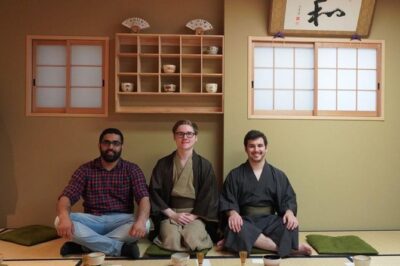
Kyoto Tea Ceremony & Kiyomizu-dera Temple Walking Tour
Read our review →Full Day Kyoto Tour : Bamboo Forest, Golden Temple, Fushimi Inari
Read our review →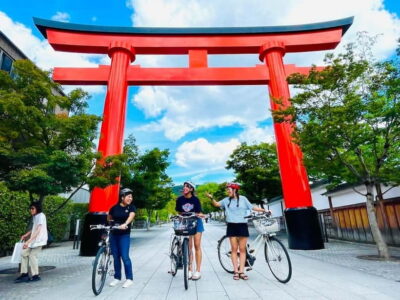
Fushimi Inari Shrine and Tofukuji Temple E-Bike Tour
Read our review →
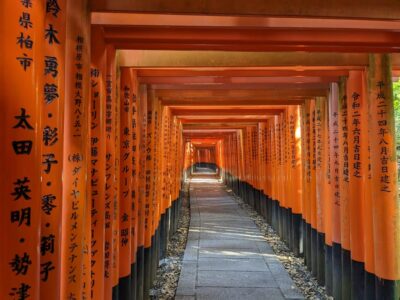
Early Morning Fushimi Inari Shrine – Beat the Crowds
Read our review →Browse the lists this tour appears in