
Reviewed · TOKYO TEMPLE TOURS
Tokyo: Evening Tour – Temples, Neon Streets & Culture
Tokyo changes character after sunset. Temples grow quiet, lanterns come on, and the streets around Shibuya, Shinjuku, and Akihabara turn into a moving wall of light. This private evening walk lets you see several sides of the city without fighting the worst daytime heat or crowds.
I like the freedom to shape the route around your interests, and I like the personal scale. Guides such as Deen and Sofia have adjusted walks for specific interests and even for a guest recovering from knee surgery. The tradeoff is that the $83 price does not cover train fares, food, shopping, or entrance tickets, so your final cost will be higher.
Key details at a glance
- Start after 4 PM: The tour runs into the evening, with the latest finish around 11 PM.
- Choose your Tokyo: See Asakusa, Shibuya, Shinjuku, Akihabara, or lesser-known streets, depending on your plans and interests.
- Private group format: You are not folded into a large coach group, and the guide can adjust the pace.
- Use public transit: Trains and subways connect the neighborhoods, with fares paid separately.
- Good for photographers: Your guide may take photos when available, and evening signs, lanterns, and crossings provide strong picture opportunities.
- Flexible for families and mobility needs: Children under 12 join free when included in the booking, and the activity is listed as wheelchair accessible.
Why Tokyo is better after dark
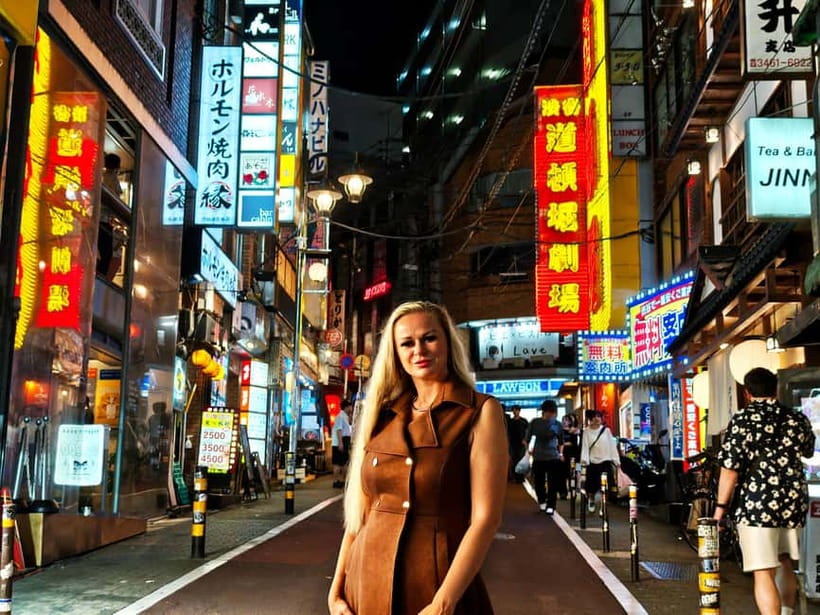
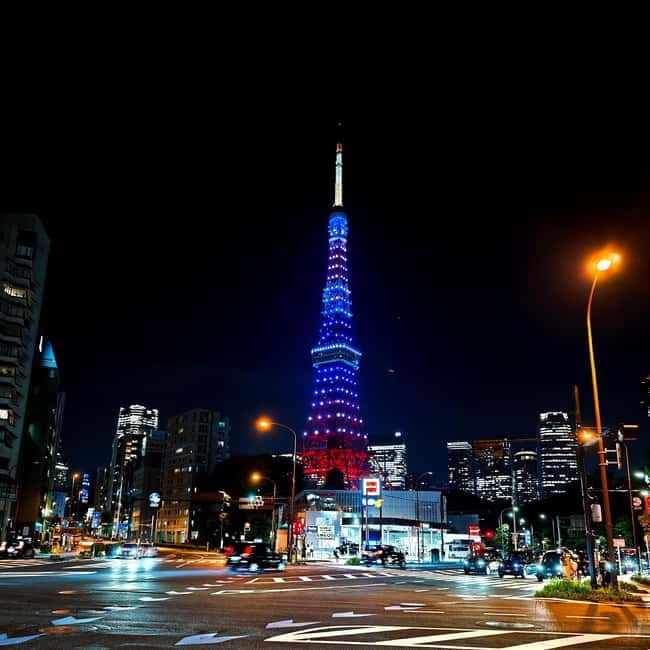
Tokyo is not one city experience. It is a collection of districts, each with its own rhythm. In the afternoon, the heat and crowds can make a long walk tiring. By early evening, the light softens, shops and restaurants come alive, and the city becomes easier to enjoy at a steady pace.
That timing matters most in summer. You still need comfortable clothes and good shoes, but an evening start removes the hottest part of the day. You also get more dramatic lighting for photos, especially around temples and major commercial streets.
The tour can begin any time after 4 PM, and most walks last three to four hours. The exact route depends on your meeting point, interests, walking speed, and how much time you want in each district. You should think of this as a guided introduction to Tokyo at night, not a fixed checklist of every major sight.
Other temple visits near Tokyo we have written up
- Tokyo: Asakusa Walking Tour with Sensoji Temple Visit
★ 4.8 · 1,583 reviews - Nikko: Kegon Falls, Lake Chuzenji & Toshogu Temple
★ 4.6 · 1,577 reviews - Tokyo: Nikko Toshogu Shrine and Kegon Waterfall Tour
★ 4.5 · 1,266 reviews
Asakusa after the lanterns come on
Asakusa offers the clearest contrast between old Tokyo and the modern city. The area is home to Tokyo’s oldest temple, and after sunset its lanterns and traditional architecture take on a calmer look. The thinning crowds can make it easier to notice details that get lost during the day.
Your guide can explain what you are seeing, point out photogenic angles, and help you understand how the temple district fits into modern Tokyo. This is a strong opening for anyone who wants more than neon signs. You get a sense of the city’s spiritual side before moving into its louder entertainment districts.
The practical point is timing. The temple area may be quieter in the evening, but some shops and attractions may have closed by then. If your priority is browsing daytime stores or entering a particular site, confirm your plans before booking the evening route. For atmosphere and photographs, though, Asakusa works very well after dark.
Shibuya Crossing under giant screens
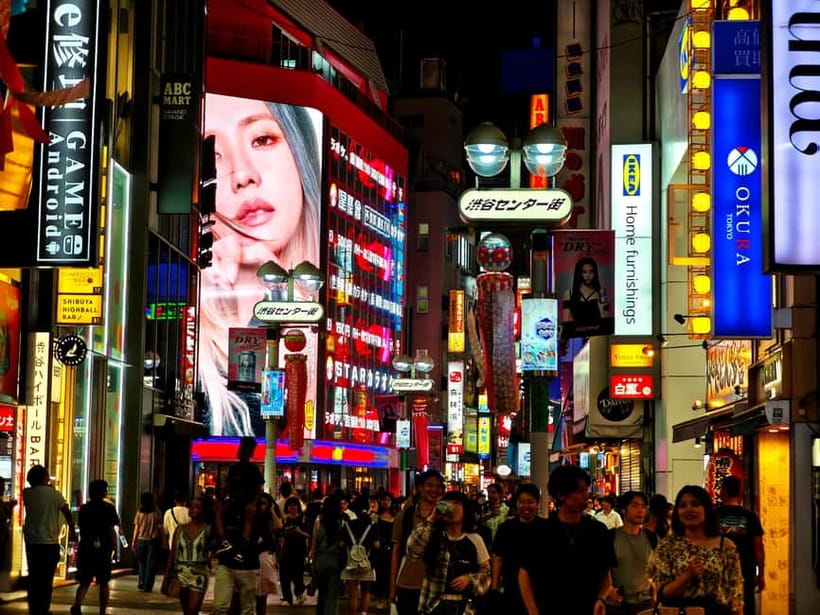
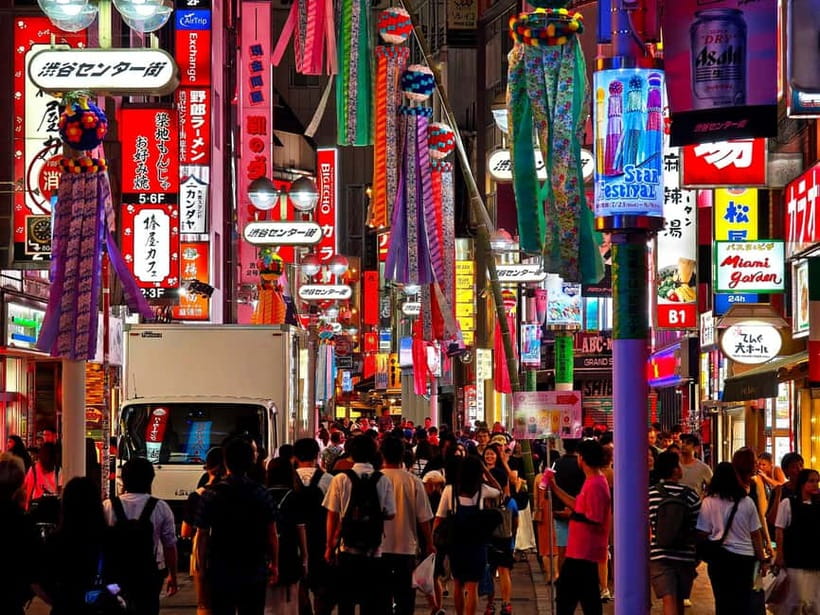
Shibuya is Tokyo at full volume. At the famous crossing, streams of pedestrians move in every direction while enormous signs and screens light the buildings above. The scene is familiar from films and photographs, but seeing it in person gives you a better feel for the scale and order of the city.
A guide adds value here by helping you approach the area without wasting time finding the best vantage point. You can also get context about the surrounding streets instead of treating the crossing as a quick photo stop.
Shibuya is not a quiet, reflective place, and it can feel intense if you prefer smaller streets. Your guide can help balance the main crossing with backstreets or other stops, depending on your energy and interests. This flexibility is useful because three hours passes quickly once public transit and photo stops are included.
Shinjuku from Omoide Yokocho to Kabukicho
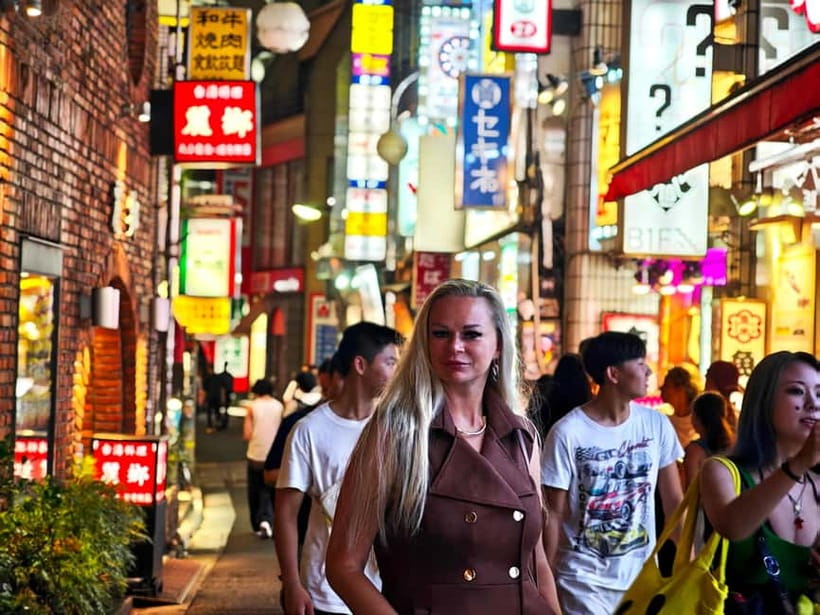
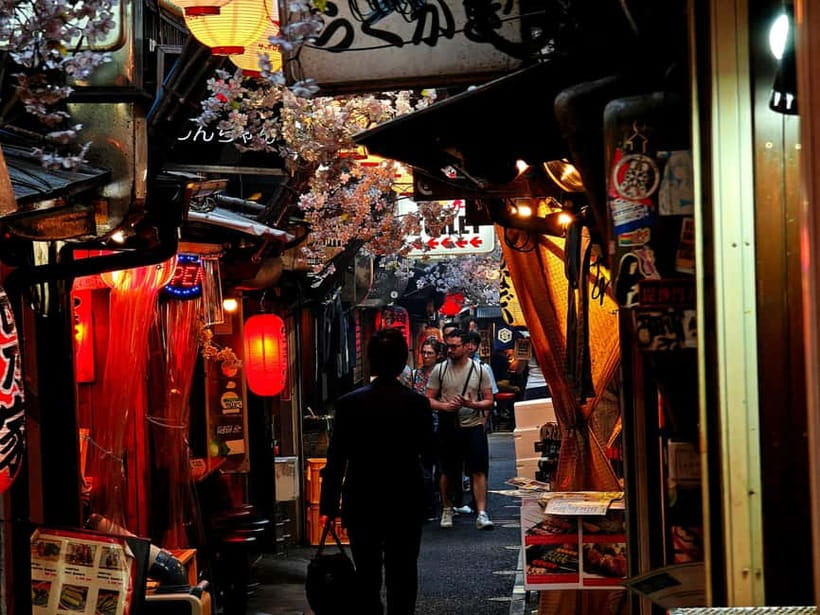
Shinjuku gives you the most recognizable night district on the route. Omoide Yokocho is a compact maze of narrow lanes and small eateries, while Kabukicho brings glowing signs, karaoke bars, game arcades, and late-night entertainment.
The point is not simply to walk past signs. A local guide can help you understand how the district is arranged and steer you through streets that might be confusing on your own. You can ask questions, pause for photographs, or adjust the pace rather than being pushed along with a large group.
Food and drinks are not included, so you can choose to stop for a snack or meal at your own expense. That can be a useful way to make the evening feel more personal, but it also means you should budget for it. The tour itself is focused on walking and orientation, not on a set restaurant meal.
Shinjuku is also one of the later parts of the experience. Since tours can continue until 11 PM, this district may suit you if you want to see Tokyo’s night scene rather than finish at dinner time. If you are traveling with young children, tired walkers, or anyone who prefers an early night, ask for a gentler route.
A different set of gates, same trip:
- Tokyo Panoramic 1 Day: Meiji Shrine, Asakusa, Odaiba and SKYTREE®
★ 4.5 · 1,222 reviews - Tokyo: Zen Meditation at a Private Temple with a Monk
★ 5.0 · 510 reviews - Mt. Fuji Heritage Tour: Traditional Villages, Lakes & Shrine
★ 4.5 · 509 reviews - Tokyo: Samurai Entertainment Night Show in Kanda Shrine
★ 4.6 · 417 reviews
Akihabara when anime and games light the streets
Akihabara offers a different side of Tokyo. After dark, the district’s anime, gaming, and technology culture becomes especially visible through its signs, shops, and themed streets. You do not need to be an expert fan to appreciate the visual spectacle.
The guide can adjust the focus here. If you already love anime or games, you can spend more time in the area. If you are simply curious, your guide can explain what makes Akihabara distinct without assuming that you know the characters, products, or local customs.
As with Shinjuku, individual businesses and entrance costs are not included. The tour gives you a way to find your bearings and decide what deserves a return visit. That is often more useful than trying to cover every shop in one short evening.
The value of a private route
The strongest feature here is the private format. You are not committed to one rigid sequence, and the guide can tailor the walk to your interests and ability. One guest, Deen, adjusted the plan for someone recovering from knee surgery. Sofia also shaped a walk around a guest’s interests and shopping needs.
That does not mean the experience is effortless. Tokyo involves stairs, station corridors, crossings, and a lot of standing, even when the route is shortened. The listed wheelchair accessibility is encouraging, but you should share mobility needs when arranging the meeting point and route. The guide can then decide how much walking and public transit is sensible.
The same flexibility helps if you care about shopping. Sofia helped a guest identify suitable gifts to take home, which is a practical benefit if you do not know where to look. You can ask for help with gifts, photography, nightlife, temples, anime, or general orientation.
Getting around by train and subway
The tour uses Tokyo’s public transportation system between neighborhoods. Private car or bus transport is not included, and you pay your own public transit fares. This keeps the experience close to ordinary city life, but it also adds a small layer of planning.
Wear shoes that you can walk in for several hours. Bring a charged smartphone, since you may need it for meeting details, communication, and navigation during transit. A camera is useful, but a phone is enough for most photo stops.
The total distance varies with the route and your pace. You may spend a long stretch in one district, or move between several neighborhoods for a broader look at Tokyo. If you want to see all four major areas in three hours, expect a quick pace and limited time at each stop. If you prefer conversation and detail, choose fewer neighborhoods.
What the $83 price really buys
At $83 per person, this is not the cheapest way to walk through Tokyo. You still pay for trains, food, shopping, and any admission fees. The value comes from the guide’s time, local direction, route planning, and ability to adjust the evening around you.
For a first night in Tokyo, that can be worthwhile. The city is easy to reach by train but not always easy to read. A guide can save you from spending half the evening wandering between districts, especially if you want to combine old temples with nightlife.
The price makes more sense for a private group than for a solo visitor trying to keep costs low. It also suits families and small groups who would rather set their own pace. If you already know Tokyo well, or only want a single neighborhood, you may get better value from exploring independently and spending the money on dinner or a special attraction.
The score of 4.6 from six ratings points to a strong experience, though the sample is small. The clearest pattern is personal service: Deen and Sofia received praise for adjusting routes, interests, and walking demands. That is more useful to me than generic claims about seeing the city, because flexibility is what separates this walk from a standard group tour.
Who will enjoy this evening walk
I would consider this tour if you are visiting Tokyo for the first time and want a fast, useful introduction to several districts. It is also a good fit if you want evening photographs, prefer private guiding, or find Tokyo’s transit and nightlife confusing.
It suits:
- Couples and families who want a route shaped around their own interests
- Small groups who dislike large organized tours
- Photographers looking for temple lighting, neon streets, and city scenes
- Summer visitors who want to avoid the hottest hours
- People interested in shopping, anime, nightlife, temples, or general Tokyo orientation
- Anyone who benefits from a slower or shorter walking route
It may not suit you if you want a formal meal, private vehicle, long temple visits, or admission to several attractions. It is also not ideal if you want to see one neighborhood in great depth, since the tour is designed to connect several parts of the city.
Booking, timing, and useful preparation
You can cancel up to 24 hours before the activity for a full refund, and the reserve-now, pay-later option gives you some flexibility while finalizing your plans. The exact meeting time and location are confirmed after booking, so do not assume that hotel pickup is automatic.
Hotel or location pickup on foot is available as an optional add-on. Ask about this before the tour if you would rather begin near where you are staying. Otherwise, be ready to meet at the confirmed location.
English and Spanish are offered. The information also notes Italian availability in the practical instructions, so check the language option when booking if Italian is important to you. Children under 12 join free, but they still need to be included in the reservation.
Bring:
- Comfortable walking shoes
- Comfortable clothes
- A charged smartphone
- A camera, if you want dedicated photo equipment
Give the guide a clear idea of your interests before the walk. Saying that you want temples, shopping help, anime, nightlife, photography, or a slower pace will make the three hours more useful.
Should you book this Tokyo night tour?
Book it if you want a private, adjustable introduction to Tokyo after dark and value a guide who can connect Asakusa, Shibuya, Shinjuku, or Akihabara without forcing you into a large group. The best reason to choose it is the personal route planning, backed by examples of guides adapting for interests and limited mobility.
Skip it if you want an all-inclusive evening with transport, meals, and entrance fees already covered. You should also skip it if you prefer to linger in one district rather than move around the city.
For most first-time visitors, I would book it early in the trip, ideally on an evening when you can return to a favorite neighborhood later. Keep extra money ready for transit and food, wear proper shoes, and tell the guide what matters to you. That is how you get the most from the $83 price.
FAQ
When does the Tokyo evening tour start?
You can start any time after 4 PM. The exact starting time is confirmed after booking.
How long does the tour last?
The advertised duration is three hours, though tours typically last three to four hours and may continue until 11 PM at the latest.
Which Tokyo neighborhoods can the tour visit?
Possible areas include Asakusa, Shibuya, Shinjuku, and Akihabara. The guide may also choose lesser-known alleys, rooftop views, or photogenic backstreets based on the day and your interests.
Is the tour private?
Yes. It is organized as a private group experience, so the guide can adjust the route and pace for your group.
Are public transportation costs included?
No. You pay separately for trains and other public transportation used during the tour.
Is hotel pickup included?
Pickup from your hotel or another location on foot is available as an optional add-on. The meeting details are confirmed after booking.
Which languages are available?
The tour is offered in English and Spanish. The practical information also lists Italian availability, so confirm the language option when booking.
Are children allowed to join?
Yes. Children under 12 join free, but you must include them in the booking.
Is the tour wheelchair accessible?
Yes, the activity is listed as wheelchair accessible. You should share mobility needs when arranging the route because the amount of walking and public transit can vary.
Can I cancel for a refund?
Yes. You can cancel up to 24 hours in advance for a full refund. The reserve-now, pay-later option also lets you book without paying immediately.
Newly written up around Tokyo
- Tokyo: Snow Monkey and Zenkoji Temple Day Trip In Low Price★ 5.0 · 5 reviews
- Tokyo: Gotokuji Culture Walk & Lucky Cat Temple Experience★ 4.9 · 5 reviews
- :Tokyo,Shibuya /Meiji Shrine tour in KIMONO/English-friendly★ 5.0 · 4 reviews
- Tokyo: Sensoji Temple & Street Food: Private Tour with guide★ 4.6 · 8 reviews
- Tokyo: Visit 5 Shrines & Collect Goshuin on Private Tour★ 5.0 · 3 reviews
- Tokyo War History Tour: Yasukuni Shrine & War Museum★ 4.5 · 6 reviews
- Tokyo: Shibuya Sky, Harajuku & Meiji Shrine Highlights Tour★ 4.5 · 9 reviews
- Tokyo: Private Meiji Shrine & Harajuku Highlights Tour★ 4.5 · 4 reviews
Tokyo Temple Tours, compared.
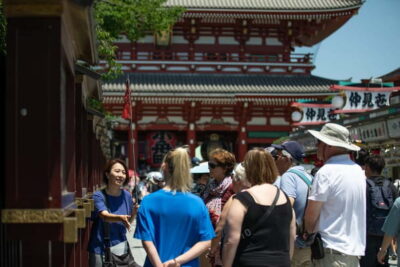
Asakusa Walking Tour with Sensoji Temple Visit
Read our review →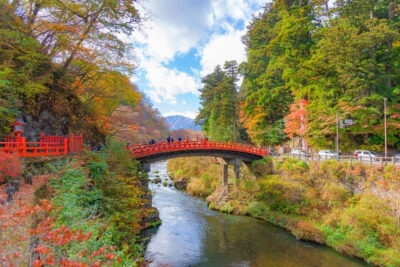
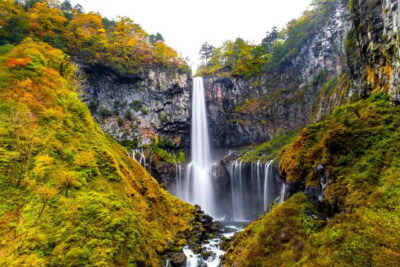
Nikko Toshogu Shrine and Kegon Waterfall Tour
Read our review →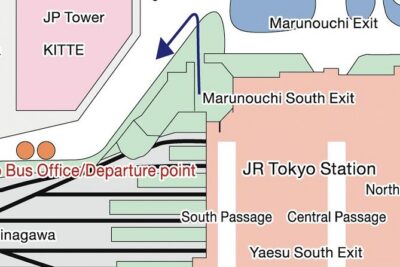
Tokyo Panoramic 1 Day: Meiji Shrine, Asakusa, Odaiba and SKYTREE®
Read our review →

Mt. Fuji Heritage Tour: Traditional Villages, Lakes & Shrine
Read our review →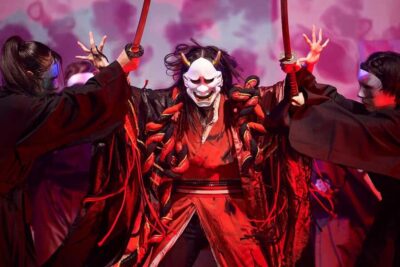
Samurai Entertainment Night Show in Kanda Shrine
Read our review →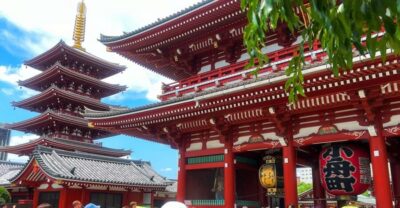
Asakusa and Tokyo’s Oldest Temple Senso-ji Tour
Read our review →Browse the lists this tour appears in