
Reviewed · CYCLING TOURS
E-Bike Nara Highlights – Todaiji, Knives, Deer, Shrine
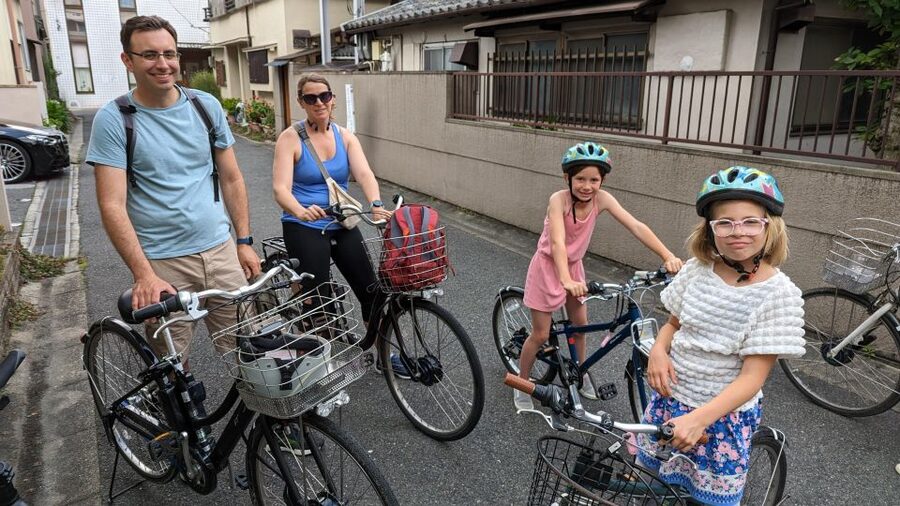
Nara’s famous sights spread across a large park, and an e-bike makes the distance easy. In three and a half hours, you can see Todaiji, bow to the deer, visit Kasuga Taisha, pause at Ukimido, and still have time for a family-run knife shop. I especially like the mix of major sights and local craft, plus the way guides such as Chris, Remi, Robert, and Melody add history and practical help along the way.
I also like that the tour includes Todaiji admission, deer crackers, a Japanese snack, and shopping assistance. The main caution is pace: the riding can be fairly brisk, so this is not the right pick if you want a slow bicycle outing or are unsure on a bike. One recent account also found a bicycle less suitable for a taller rider, so mention your height and riding needs when booking.
Key points to know before you book
- Kintetsu Nara Station start: The bike base is less than five minutes from Kintetsu Nara Station, not JR Nara Station.
- A lot in 210 minutes: The route links Nandaimon Gate, Todaiji, Mt. Wakakusa, Kasuga Taisha, Ukimido, and Nara Park.
- More than deer: You get an introduction to Japanese cutlery and help choosing a knife or souvenir.
- Good guide support: Guides including Chris, Remi, Robert, Melody, Elodie, and Jean-Yves have been praised for history, patience, safety, and photography help.
- Useful inclusions: E-bike rental, Todaiji entry, deer crackers, and one Kanoko snack are included.
- Ride with care: Bicycle insurance is not included, and helmets are supplied only when available and requested.
Why an e-bike works so well in Nara Park
Nara is often treated as a simple half-day stop: arrive, see the deer, visit Todaiji, and leave. That plan misses the scale of the park. The temple, shrine, wooded paths, open views near Mt. Wakakusa, and Ukimido are spread out, and walking between them takes time and energy.
This tour uses electric bicycles to connect the major points without turning the day into a long march. You still ride, steer, and pay attention to other people, but the motor helps with distance and hills. A 60-year-old rider who described being out of shape still managed the route comfortably, while a parent traveling with children found the bikes especially useful for keeping the family moving.
You should be comfortable on a bicycle before booking. The guide leads at a forward pace, and the tour is designed to cover ground rather than stop every few minutes. This works well for a first visit or a short stay in Nara. If you prefer a lazy ride with long pauses, a walking visit may suit you better.
The tour is offered as a private or small-group experience. A single person may book, but at least two customers are needed for the session to operate. If that minimum is not reached, the provider may cancel and offer a new date or a full refund.
More Cycling Tours in Japan:
- Bangkok: Temples, Canals & Local Life Bike Tour
★ 4.9 · 3,511 reviews - Bangkok: Night Bike Tour with Temples & Flower Market Visit
★ 4.8 · 751 reviews - Siem Reap: Bike the Angkor Temples – Full-Day 30km Tour
★ 5.0 · 463 reviews
Starting near Kintetsu Nara Station
The meeting point is at 16-1 Takamaichicho, in front of the LIFE 21 building. It is a short walk from Kintetsu Nara Station, which is the important detail. Do not head to JR Nara Station by mistake. Arrive 15 minutes early so there is time to meet the guide, sort out the bicycles, and get ready.
Look for the guide in a navy cap and red polo shirt with the JTA uniform. Bring comfortable clothes, comfortable shoes, cash, and your passport. Alcohol, drugs, pets, and audio recording are not allowed.
The guides speak English, and French may be available. French is not guaranteed on a shared tour because the group may include several nationalities, with English used as the main language. Contact the provider ahead of time if a French-speaking guide is essential.
Nara Park and the right way to feed the deer
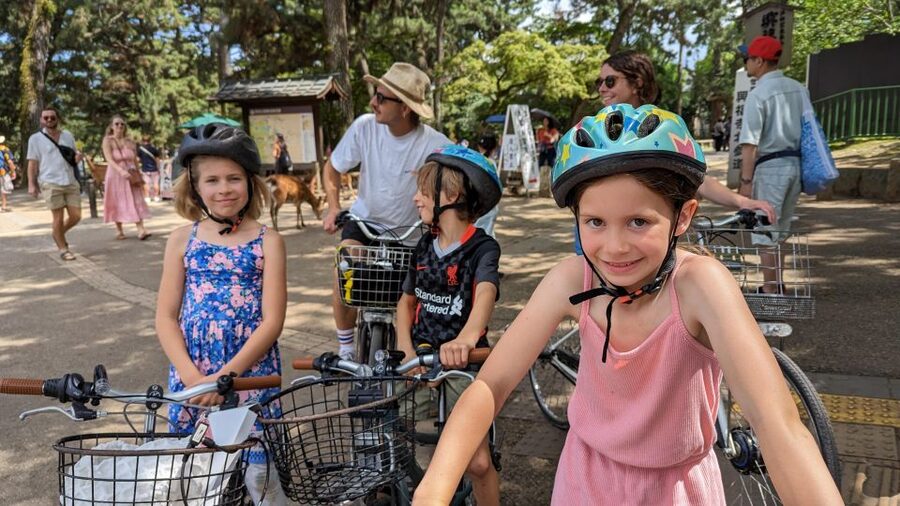
The first stretch through Nara Park gives you an immediate sense of why bicycles help. Deer appear along the paths and open spaces, while the route lets you see more of the park than a direct walk between the station and Todaiji.
The tour provides deer crackers, called shika senbei, for feeding. Your guide explains the Nara way, which matters because the deer are accustomed to people but are still animals with their own habits. Feeding goes best when you follow the guide’s instructions, keep the crackers controlled, and show the deer your empty hands when the food is gone.
There is an extra charge for more crackers. You also need to keep an eye on bags and belongings around the deer. The feeding stop is fun, but the real value is learning how to take part respectfully rather than treating the animals like a photo prop.
Nandaimon Gate and the scale of Todaiji
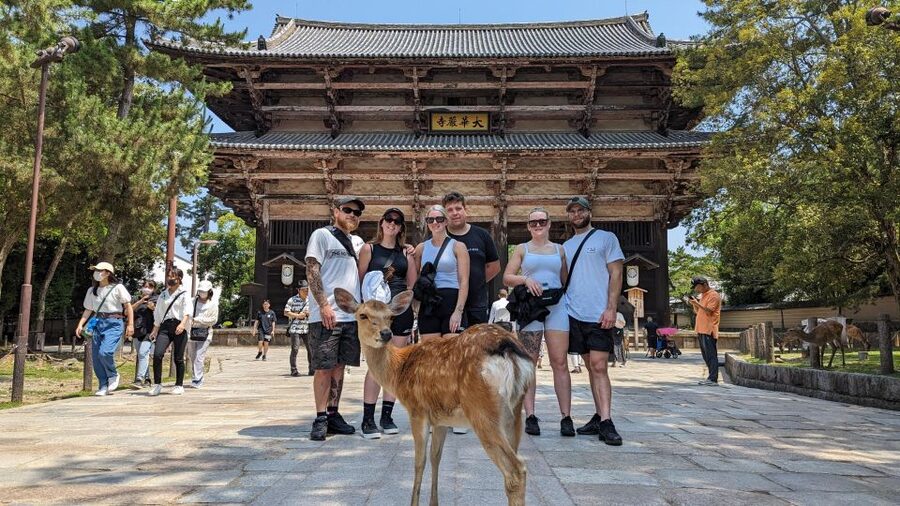
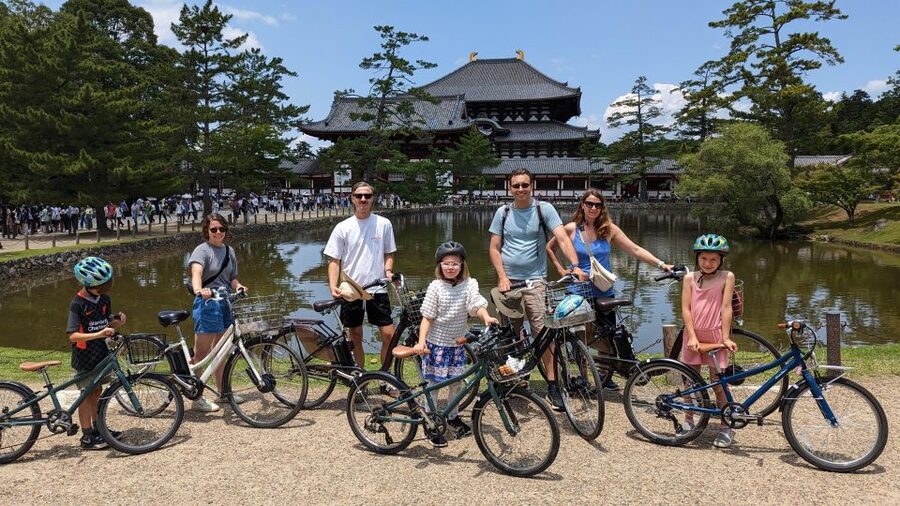
Nandaimon Gate is the first major architectural stop. It is a good place for photographs and for a guide to explain the setting before you enter Todaiji. The gate frames the approach and gives you a clear sense of the size of the temple complex.
At Todaiji, the tour includes admission, so you do not need to arrange a separate ticket. You get about 45 minutes for the temple, with time for sightseeing, photographs, shopping, and your own look around. Part of the visit is guided, and part is self-directed.
This balance works well. A guide can explain what you are seeing, then give you space to take it in at your own pace. The temple is the centerpiece of the route, so do not expect every detail of the huge complex to be covered. The schedule gives you a strong introduction, not an all-day temple study.
Because Todaiji is one of Nara’s busiest sights, a morning departure may be a smart choice. One couple specifically chose the morning to avoid some of the crowds. If your schedule permits, starting early can make the temple approach more comfortable, especially in warmer months.
A different set of gates, same trip:
- Kyoto: Tea Ceremony Ju-An at Jotokuji Temple
★ 4.9 · 3,207 reviews - Osaka/Kyoto:Kinkakuji,Arashiyama,FushimiInariShrine,NaraPark
★ 4.1 · 1,596 reviews - Tokyo: Asakusa Walking Tour with Sensoji Temple Visit
★ 4.8 · 1,583 reviews - Nikko: Kegon Falls, Lake Chuzenji & Toshogu Temple
★ 4.6 · 1,577 reviews
Mt. Wakakusa and the value of seeing the park between sights
The ride past Mt. Wakakusa is brief, about 15 minutes, but it adds something that a temple-only visit lacks. You pass through the park with scenic views and deer along the way, rather than moving from one indoor attraction to another.
The e-bike is useful here because the route is not entirely flat. A rider who toured with a teenage son noted that the electric assistance made the hills easy. You still need to pedal and control the bicycle, but the motor reduces the effort.
This is one of the tour’s quieter strengths. The route is not just a series of famous stops. The time between stops lets you see how the temple, forest, open slopes, and park paths fit together.
Japanese knives at Kikuichimonjushirokanenaga

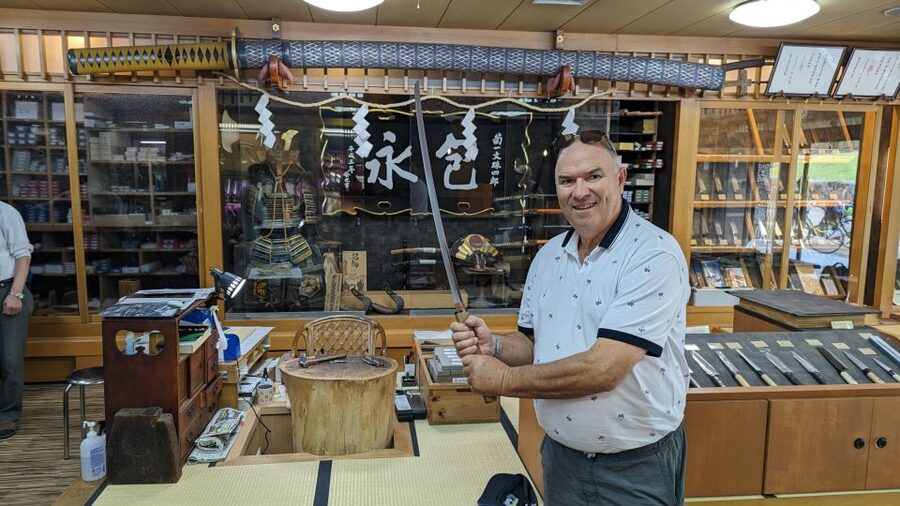
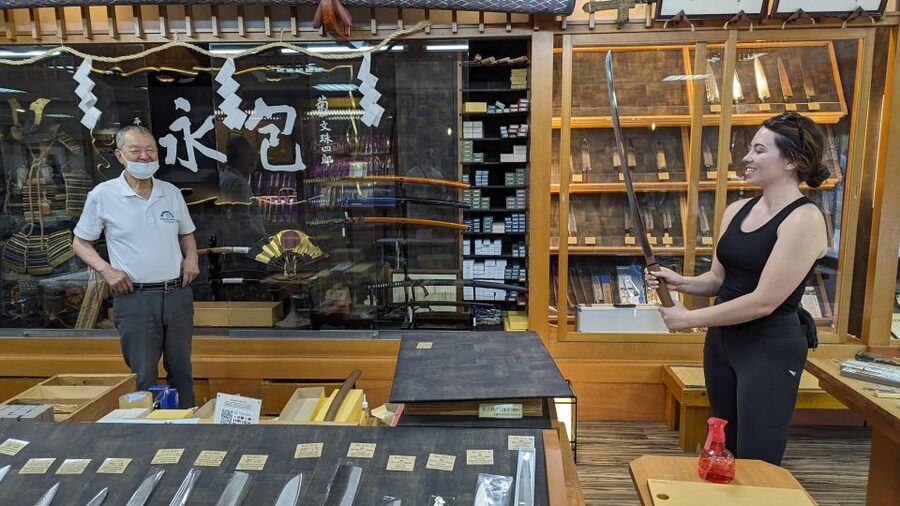
The knife stop gives the tour its most unusual feature. At Kikuichimonjushirokanaga Honten, you get an introduction to Japanese cutlery and its history, followed by time to browse, ask questions, and consider a purchase.
The shop has a connection with a family associated with sword making, which gives the stop a useful cultural angle. This is not simply a souvenir counter added to fill time. You can learn how Japanese blades relate to older craft traditions and get help choosing something practical.
Shopping assistance is included if you want it. That can be valuable when you are comparing blade types, sizes, uses, and prices in an unfamiliar language. One guide was especially helpful at the shop because of the established relationship between the tour company and the store.
You do not need to buy anything. Still, plan honestly. Several people who expected to browse only ended up considering knives or wishing they had bought a set or a few gifts. Extra purchases are not part of the $90 tour price, and you should bring cash as requested.
The stop lasts about 30 minutes and also includes a Japanese snack called Kanoko for each person. Food and drinks beyond that snack are not included.
Kasuga Taisha and its lanterns
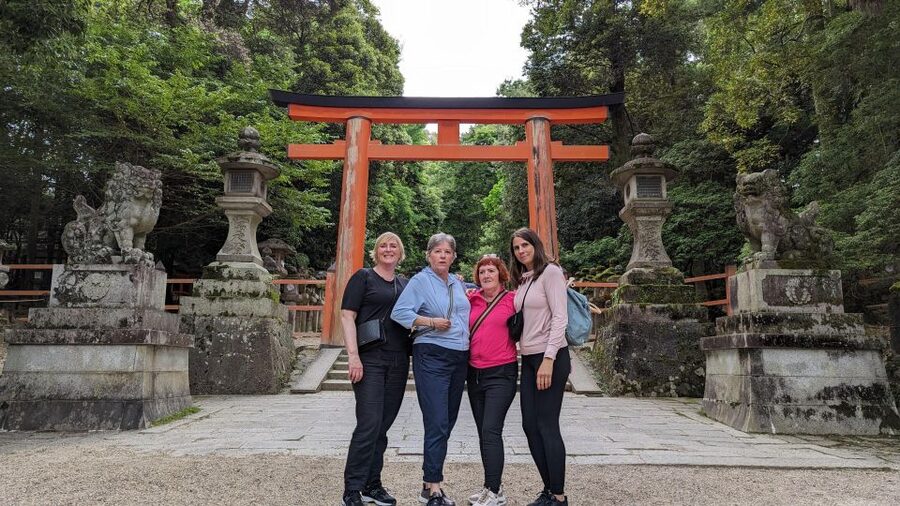
Kasuga Taisha brings a different mood from Todaiji. The tour allows about 30 minutes for photographs, sightseeing, walking, and wildlife viewing. The shrine is known for its many stone and bronze lanterns, with the route highlighting its thousand-lantern character.
Your guide can help explain the difference between the Buddhist temple visit and the Shinto shrine visit. That context is useful because the buildings, symbols, and religious traditions can otherwise blur together during a packed day of sightseeing.
You do not get unlimited time at Kasuga Taisha. The stop is enough for a clear introduction and photographs, but anyone wanting to explore every path or spend a long time in the shrine grounds may want to return independently. The e-bike tour is about range and variety, not extended visits at each place.
Ukimido and the return through Nara Park
The route returns through Nara Park and pauses at Ukimido for about 15 minutes. This is a scenic break and a chance to slow down after the larger temple and shrine stops.
The itinerary also includes another short stretch through the park before returning to the bike base. That final ride helps you see the park from a different angle and gives the day a natural finish instead of ending immediately after the last major attraction.
The total duration is listed as 210 minutes, though one group’s outing ran long because the guide and participants were comfortable extending it. Do not count on extra time if you have a train to catch. Leave a buffer after the tour, especially if you are continuing from Kintetsu Nara Station or connecting onward.
Guides, bicycles, and group feel
The guide is a major part of the value. Chris was praised for being friendly and flexible. Remi has helped visitors connect Nara’s sites with wider Japanese culture. Robert has led the route with detailed explanations and attention to safety. Melody has been described as professional, patient, and helpful, including when transport delays affected a meeting time.
Other named guides include Elodie, Jean-Yves, Christian, Christoph, and Mattheus. The recurring strengths are clear explanations, patience, local context, and willingness to answer questions. Some guides take photographs during the outing and share them afterward, which is a useful bonus if you want more pictures of the group.
The bicycles have generally been described as being in good condition and easy to use. One person reported a bicycle that needed better maintenance and did not suit a taller rider. That is the main practical warning in an otherwise strong record. Tell the provider about height, age, and riding ability in advance, and ask about the available bicycle if fit is important.
Helmets can be requested, but availability is limited. Bicycle insurance is not included. You are expected to ride properly, so this is not an appropriate first-ever cycling experience.
For children under 10, child seats can be provided, with up to one seat per e-bike. Families should confirm the arrangement before booking.
Is $90 a fair price?
At $90 per person, this is not the cheapest way to see Nara. You could walk around Nara Park on your own, pay individual admission, buy deer crackers, and skip the cutlery visit.
The price makes more sense when you value time and structure. It covers the e-bike, Todaiji entry, deer crackers, the Kanoko snack, a bilingual guide, and a planned route through several major areas. A walking version of the same circuit could take much longer, particularly in hot weather or with children.
The knife introduction also adds something you are unlikely to get from a standard temple visit. Shopping help can be worth paying for if you are interested in Japanese blades but do not know what to look for.
Still, the cost may feel high if you are already comfortable navigating Nara, have a full day available, or want to spend hours inside Todaiji and Kasuga Taisha. The tour earns its price through convenience, coverage, and guide support, not through luxury equipment or a long meal.
Who should book this Nara e-bike tour?
I would choose this experience if you have only one day in Nara, want to see more than the deer and Todaiji, or dislike spending hours walking between sights. It is also a strong fit for families with older children, active couples, solo visitors who want a planned route, and anyone interested in Japanese knives.
It suits riders who can manage a steady pace and short hills. You will get more from the tour if you ask questions, take advantage of the guide’s cultural explanations, and leave room in your luggage for a possible knife purchase.
I would choose something else if you cannot ride confidently, need a very slow pace, require a guaranteed French-speaking guide on a shared tour, or want long, unhurried visits at each shrine and temple. In those cases, arrange private transport or visit Nara on foot over a longer day.
With a rating of 4.8 from 186 reviews, the tour has a strong record, and its best qualities are practical: a well-planned route, friendly guides, and a way to cover a large area without exhausting yourself. For most first-time visitors, I think the mix of deer, temples, shrine lanterns, scenery, and knife craft justifies the price.
FAQ
Where does the tour meet?
Meet at 16-1 Takamaichicho, in front of the LIFE 21 building, at the bicycle base. It is less than a five-minute walk from Kintetsu Nara Station.
Is the meeting point near JR Nara Station?
No. The meeting point is near Kintetsu Nara Station, not JR Nara Station.
How long does the experience last?
The scheduled duration is 210 minutes, or three and a half hours.
What languages are available?
The listed languages are English and French. French is not guaranteed on a shared tour, so contact the provider in advance if you need a French-speaking guide.
Is Todaiji admission included?
Yes. The Todaiji entrance fee is included in the tour price.
Are deer crackers included?
Yes. Deer crackers are included, but extra crackers cost more.
Is bicycle insurance included?
No. Bicycle insurance is not included. You should be able to ride a bicycle properly before booking.
Can children under 10 join?
Yes. Child seats can be provided for young riders under 10, with up to one child seat per e-bike.
Are helmets provided?
A helmet can be requested, but helmets are subject to availability.
Can a solo visitor book?
Yes, but the tour requires at least two customers for the session to operate. If a solo booking does not reach that minimum, the provider may offer a new date or a full refund.
Newly written up around Japan
- Kyoto: Fushimi Inari Taisha Shrine Walking Tour with Guide★ 4.8 · 18 reviews
- Kyoto: Fushimi Inari Shrine Walking Tour★ 5.0 · 72 reviews
- Tokyo History: Sensoji Temple & Asakusa District Private Tour★ 5.0 · 28 reviews
- Tokyo Private Tour: Temples, Culture & Modern City Highlights★ 5.0 · 56 reviews
- From Tokyo: Snow Monkey Park & Zenko-ji Temple Private Tour★ 4.9 · 42 reviews
- Osaka Temple Cool Foot Bath & Matcha Experience〈45min〉★ 4.9 · 82 reviews
- Food & Cultural Walking Tour around Zenkoji temple in Nagano★ 5.0 · 58 reviews
- Full Day Kyoto Tour : Bamboo Forest, Golden Temple, Fushimi Inari★ 5.0 · 84 reviews
Cycling Tours, compared.

Night Bike Tour with Temples & Flower Market Visit
Read our review →
Half-Day Ubud Electric Cycling Tour to Tirta Empul Water Temple
Read our review →Night Bike Tour with Temples & Flower Market Visit
Read our review →Browse the lists this tour appears in