
Reviewed · HISTORICAL TOURS
Mt. Fuji Heritage Tour: Traditional Villages, Lakes & Shrine
Mt. Fuji is the star, but the best part of this day is how many different sides of the mountain you see. You move from a thatched-roof village and lakeside gardens to a Shinto shrine, a famous pagoda, and clear spring ponds. It is a busy day, but it gives you a broad look at the Fuji area without the fuss of arranging several regional buses.
I like the excellent variety of stops and the low $50 price. I also like the practical care built into the day. Guides such as Sia, Kazi, Wanting, Alex, and Rachel have been praised for clear meeting instructions, firm timing, and help with families. The main drawback is simple: this is a long shared tour, and traffic or crowds can shorten time at some stops.
The best reasons to choose this Fuji day trip
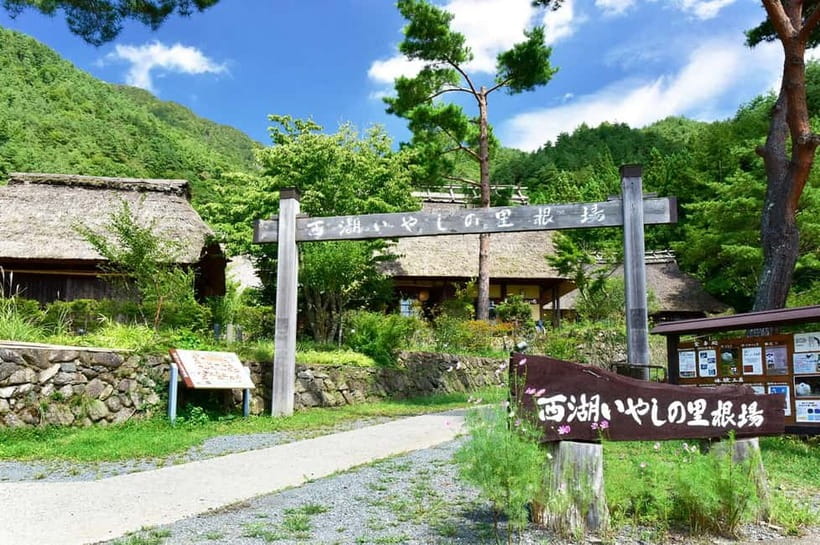
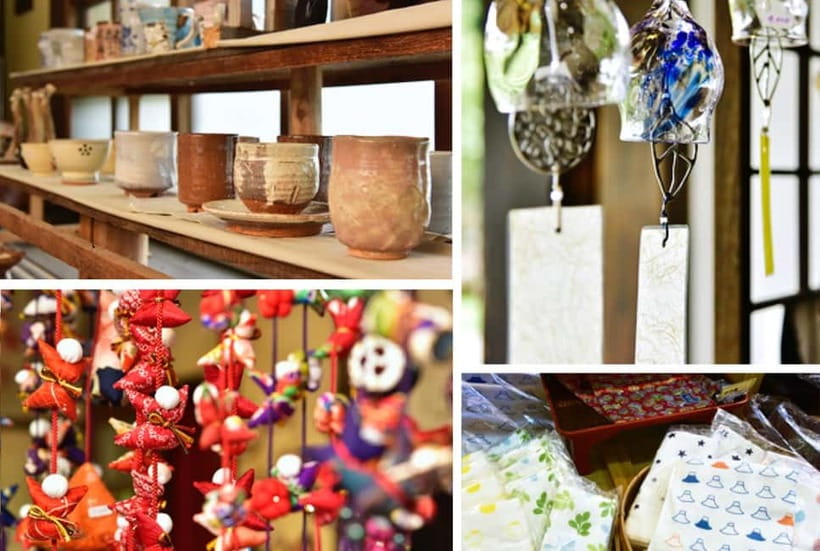
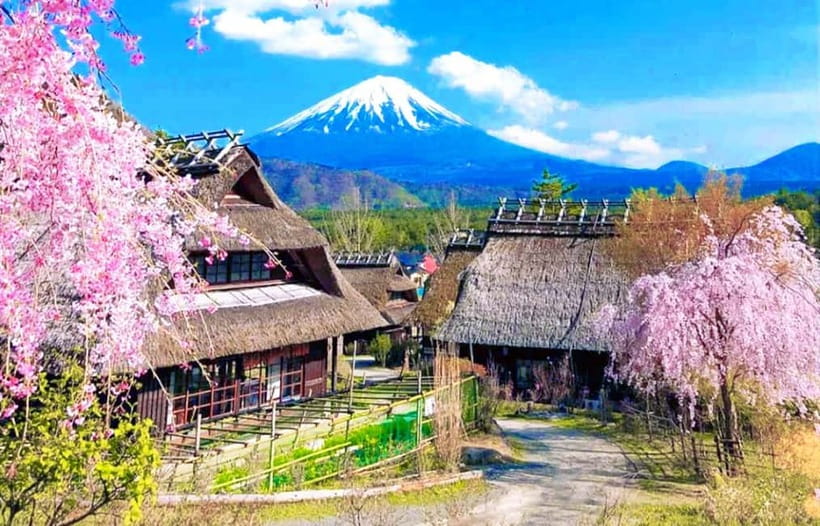
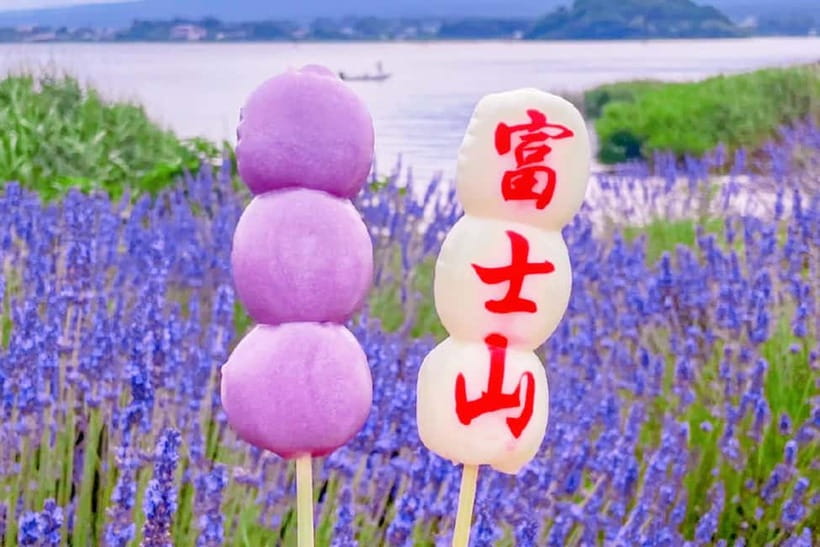
- Saiko Iyashi no Sato Nenba: Walk among traditional thatched houses with Mt. Fuji behind them, and try local snacks at the entrance.
- Seasonal scenery: Oishi Park brings lavender in summer, while the Maple Corridor is especially colorful from October 26 to November 20.
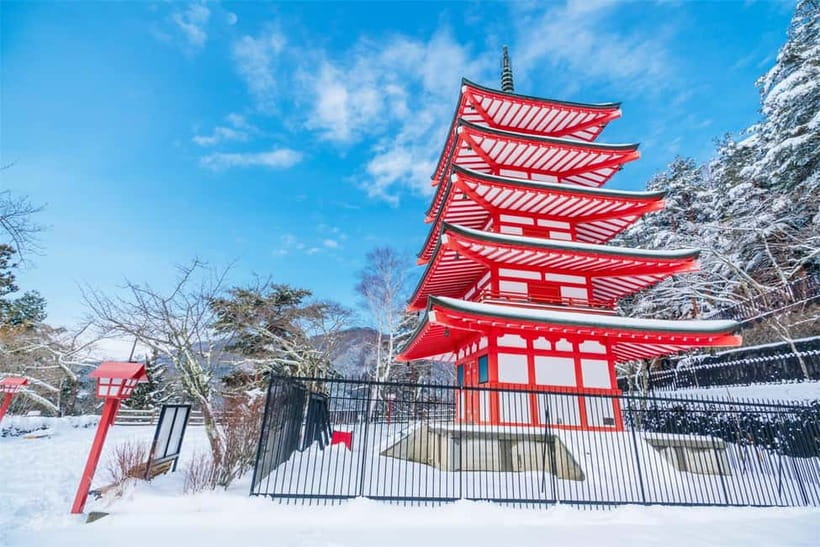
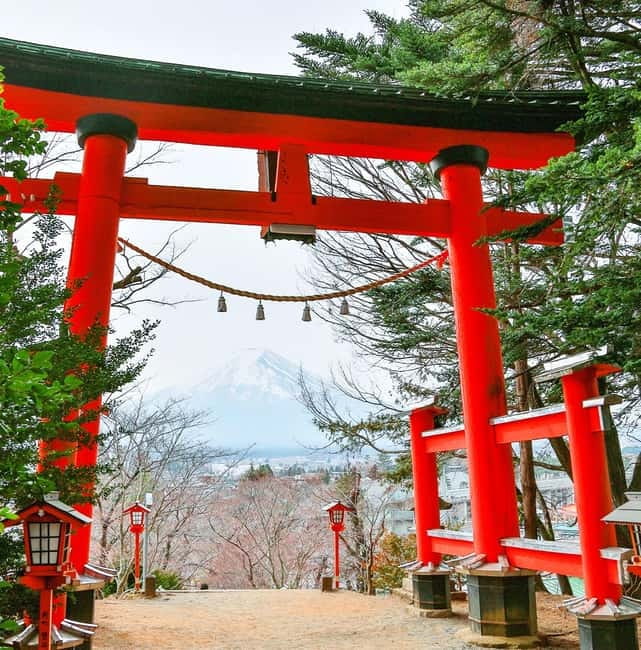
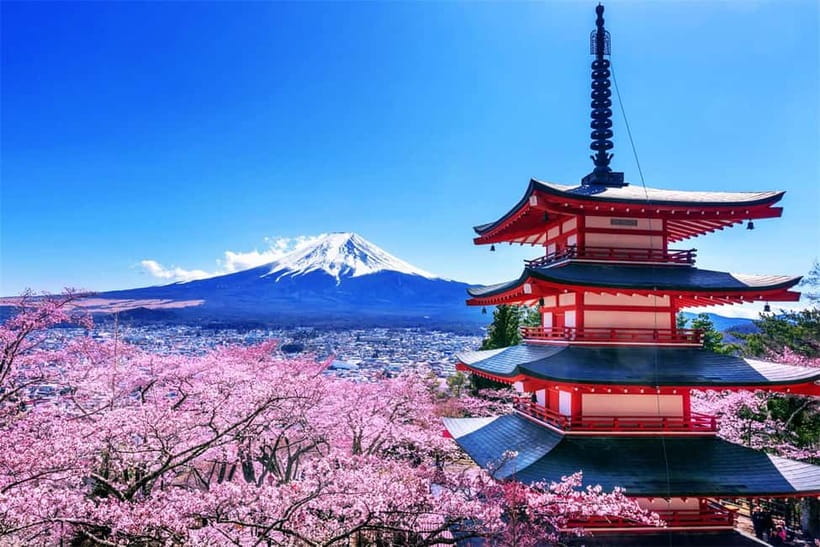
- The classic pagoda view: Arakurayama Sengen Park gives you the famous Fuji, pagoda, and red shrine composition after a stair climb.
- Oshino Hakkai springs: Finish with eight clear ponds, local food, and a quieter feel than the main photo stops.
- Useful multilingual guiding: The tour operates in English, Japanese, and Traditional Chinese.
- Strong value at $50: Transport, a guide, driver, parking, and admission to Saiko Iyashi no Sato Nenba are covered.
Why this 10-hour Fuji tour works
This tour is built for you if you want the headline sights in one day rather than a slow stay around Lake Kawaguchi. You leave from the Tokyo MODE Gakuen area in Marunouchi, spend about two and a half hours reaching the Fuji region, then return to Tokyo after another two and a half hours on the road.
That travel time matters. You are not getting a quick hop from Tokyo to one viewpoint. You are trading a long bus day for a package of places that are awkward to connect by public transport in a single outing. At $50 per person, the transport alone makes the price attractive, especially when parking, a driver, a guide, and one admission fee are included.
The shared format keeps the cost down, but it also means you need to stay aware of the clock. Your guide will give return times and meeting points, and you should be back at the bus early rather than squeezing in one last photo. Arrive 15 minutes before departure. Late arrivals and no-shows are not refunded.
Guides have been a major part of the experience. Sia is praised for calm organization, clear directions, and keeping mixed-age families together. Kazi is noted for friendly explanations and a steady pace. Wanting, Alex, Rachel, and others have also led departures. The guide assigned to your day can vary, but expect explanations in multiple languages rather than a private, one-language tour.
More History Tours in Tokyo:
- Tokyo History: Sensoji Temple & Asakusa District Private Tour
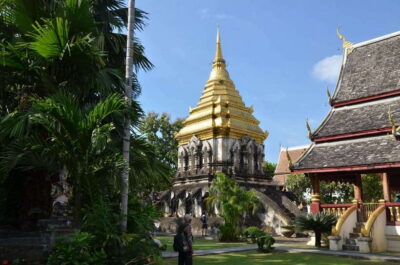
★ 5.0 · 28 reviews - Chiang Mai: Historic Temples and City Guided Walking Tour
★ 4.7 · 650 reviews - Malta: Prehistoric Temples, Limestone Heritage & Blue Grotto
★ 4.2 · 412 reviews
Saiko Iyashi no Sato Nenba and the Fuji postcard
The first major stop is Saiko Iyashi no Sato Nenba, a recreated traditional village beside Lake Saiko. Its thatched-roof houses give you a very different Fuji setting from the urban views around Tokyo. If the mountain is clear, the roofs and summit form the sort of frame that makes your camera work hard.
You have about an hour here, including a guided visit and time for photos. The village entrance has Japanese street snacks, so this is a good place to buy something small if breakfast was early. Cash is useful because some shops and attractions may not accept cards.
You can also rent a ninja costume for an extra fee. It is a playful option for photos, especially with children, but it is not part of the $50 tour price. Souvenir shops at this and the other stops operate independently, so purchases are your own responsibility.
The stop is more than a quick roadside viewpoint, but one hour still passes quickly. I would first walk to the best Fuji-facing position, then explore the houses and food stalls. If clouds cover the mountain, the village remains pleasant, but the famous view loses some of its force. Fuji visibility is never guaranteed, so check the forecast and set your expectations accordingly.
Lake Kawaguchi, Oishi Park, and the seasonal choice
The bus continues toward Lake Kawaguchi, one of the most useful bases for Fuji views. The schedule includes sightseeing around the lake and a 40-minute stop at Oishi Park.
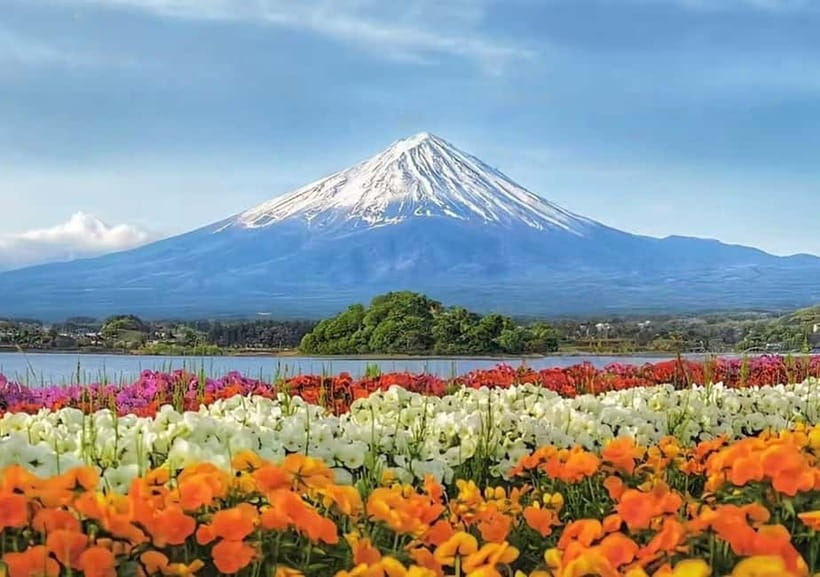
Oishi Park is particularly appealing in summer, when lavender fills the fields with color and scent. In other seasons, the garden setting and open view toward Fuji still make it a worthwhile photo stop. The mountain may appear directly beyond the lake and planted areas, giving you a softer, more spacious view than the village stop.
The schedule changes during peak autumn foliage. From October 26 to November 20, the tour goes to the Maple Corridor instead of Oishi Park. This is important when you book because you are not getting both places during that period. The Maple Corridor is known for fiery fall leaves framing snow-capped Fuji, and the seasonal swap makes sense if autumn color is your priority.
You get about 40 minutes at the Maple Corridor as well. That is enough for photos and a short walk, but not a leisurely afternoon under the trees. Autumn weekends and holidays can bring heavy traffic, so the overall return to Tokyo may run late. Do not schedule a timed dinner, show, or airport connection after the tour.
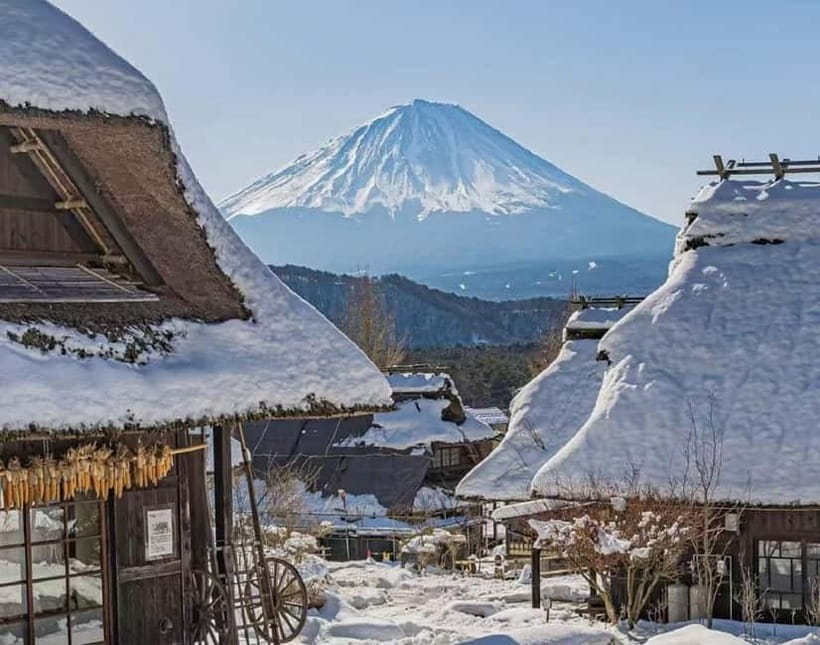
The seasonal difference also affects what kind of day you are buying. Summer favors lavender and open lake views. Late October to late November favors red foliage. Winter can bring crisp air and, if the weather cooperates, a snow-covered Fuji. The tour runs year-round, but the mountain itself is the uncertain part.
Arakurayama Sengen Park and the famous pagoda climb
The most iconic photo stop comes at Arakurayama Sengen Park. This is the place associated with the classic composition of Chureito Pagoda, Mt. Fuji, and the surrounding city and hills.
Getting to the viewpoint requires stairs. The schedule gives roughly 40 minutes at the park, followed by shorter time at Arakura Fuji Sengen Shrine and Chureito Pagoda. That combination means you should wear comfortable shoes and keep your pace practical. The climb is a real consideration for anyone with limited mobility, and the experience is not suitable for wheelchair users.
The stairs are part of the appeal. On the way up, you pass the shrine area before reaching the higher viewpoint. Once there, you can take the expected wide shot, then look for a quieter angle if the crowd allows. The pagoda is attractive on its own, but Fuji visibility makes this stop memorable. When clouds cover the summit, you still get the pagoda and shrine, though not the full picture seen in travel posters.
The stop is broken into several short time blocks, so do not spend all your time at the first shrine gate. If you want a goshuin stamp at the pagoda, one useful trick is to submit your book before climbing the stairs, since collection can take time. That small bit of planning may save you from choosing between the stamp and the viewpoint.
This is also where the tour feels most scheduled. You may wish for extra time at the top, especially in clear weather, but the group must continue to the next stop. Follow the guide’s meeting instructions closely. The return path and bus area can feel less obvious when many groups are moving at once.
Other temple visits near Tokyo we have written up
- Tokyo: Asakusa Walking Tour with Sensoji Temple Visit
★ 4.8 · 1,583 reviews - Nikko: Kegon Falls, Lake Chuzenji & Toshogu Temple
★ 4.6 · 1,577 reviews - Tokyo: Nikko Toshogu Shrine and Kegon Waterfall Tour
★ 4.5 · 1,266 reviews - Tokyo Panoramic 1 Day: Meiji Shrine, Asakusa, Odaiba and SKYTREE®
★ 4.5 · 1,222 reviews
Lunch is flexible, but plan it yourself
Lunch is not included. The schedule allows a 40-minute break at a local restaurant, and the guide may suggest a place or help organize the stop. Some departures have included a comfortable sit-down meal, while the choice of restaurant has not suited everyone equally.
You have three sensible options: bring food, buy something at one of the attractions, or eat at the suggested restaurant. I would carry a small meal or snacks even if you plan to purchase lunch. The tour covers several stops, and you will enjoy them more if you are not waiting for food while watching the clock.
Bring cash. Some local food stalls and small shops may not accept credit cards. This is also your chance to try regional snacks later at Oshino Hakkai, so you do not need to spend your whole food budget at lunch.
Oshino Hakkai and the clear spring ponds
Oshino Hakkai is the final major stop, with about 70 minutes to explore. The area is known for eight clear spring ponds fed by melted snow from Mt. Fuji. Water, reflections, small bridges, and traditional buildings give this stop a calmer mood after the crowds and stairs at the pagoda.
The ponds are photogenic in any season, though the view changes with light and weather. You can take your time here more than at some of the earlier stops, but 70 minutes is still not enough for an unhurried village afternoon. Use the first few minutes to understand the layout, then make room for food and shopping.
Local treats include freshly made rice crackers and wasabi ice cream. The wasabi flavor is the sort of small regional experiment that makes a stop feel less routine, even if it is not for everyone. Cash will again be useful.
Oshino Hakkai is a good final stop because it does not depend entirely on a clear summit. Fuji may reflect in the ponds, but the springs and village setting still give you something to see if clouds roll in. Afterward, the bus returns to Tokyo, with the drive taking about two and a half hours in normal conditions.
Weather, crowds, and the limits of a packed day
Every Fuji tour needs a weather warning. You can follow the route perfectly and still miss the mountain. Clouds may arrive during the day, or Fuji may be visible from one stop and hidden at the next. Several departures have had good views early, followed by cloud cover later, so keep your camera ready rather than waiting for the final stop.
This is not a quiet retreat. It is a photo-focused sightseeing day with several popular places. The reward is range. The cost is less time at each location and less freedom to linger.
Traffic is another concern, especially on weekends and Japanese holidays. Return time can slip, and attractions may be shortened, adjusted, or canceled if conditions require it. I would avoid booking anything important after the bus is due back in Tokyo.
The bus itself gives you useful rest between stops. Several departures have been described as comfortable and well paced, with time to sit down between walks. Still, ten hours is a full day. Families can manage it, and parents have brought very young children, but you should carry water, snacks, and whatever your group needs for a long shared outing.
Who gets the most value from the $50 price
I think this is strong value for first-time visitors to the Fuji area. For $50, you receive round-trip transport, a driver, a multilingual guide, parking, and admission to Saiko Iyashi no Sato Nenba. You also reach five distinct sightseeing areas without arranging local connections.
The value is strongest if you want the famous view at Chureito Pagoda and the traditional village in the same day. It is also useful for families and groups who would otherwise struggle to coordinate transport. Guides have helped with meeting points, lunch timing, photo locations, and keeping large family groups together.
The price is less compelling if you want a slow, independent day. You will not control the length of each stop, and lunch, snacks, costumes, souvenirs, and other personal spending are extra. A private car or overnight stay would offer more freedom, but it would cost much more.
The tour is not suitable for wheelchair users. Even for people without mobility limits, comfortable shoes are essential because of the pagoda stairs and the amount of walking across the day.
Practical preparation before you go
The night before departure, you receive the guide’s contact number and the vehicle license plate number. Keep that information available, especially if you are meeting the group in a busy Tokyo area.
The exact meeting point can vary by booking option, so check your confirmation carefully. The listed Tokyo meeting area is Tokyo MODE Gakuen, 1-chome-5-1 Marunouchi, and the tour returns to the designated Tokyo drop-off point.
Bring:
- Comfortable shoes
- Water
- Cash
- Snacks or a packed lunch
- A weather layer suitable for a full outdoor day
The guide may communicate through a messaging app before the tour. This has helped people locate the meeting place and understand the day’s timing. Stay alert for updates, arrive early, and do not assume the bus will wait.
Free cancellation is available up to 24 hours before departure for a full refund, and you can reserve now and pay later. Those policies help if your Tokyo plans are still moving, but they do not change the late-arrival rule.
Should you book this Mt. Fuji tour?
Book it if you want a well-priced, full-day introduction to the Fuji region, especially if your wish list includes the thatched village, Oishi Park or autumn’s Maple Corridor, Chureito Pagoda, and Oshino Hakkai. You get the big views, several cultural stops, and a guide who helps keep the day moving.
Skip it if you need wheelchair access, dislike fixed schedules, or have an important evening reservation that cannot move. Also remember that no tour can promise a clear Fuji. The best reason to book is the range of experiences, not a single guaranteed photograph.
For most first-time visitors staying in Tokyo, I would consider the $50 cost worthwhile. Pack lunch, wear good shoes, check the forecast, and treat the mountain view as a bonus rather than a contract. That is the right mindset for a long but rewarding day around Fuji.
FAQ
How long is the Mt. Fuji Heritage Tour?
The tour lasts about 10 hours, including the bus rides between Tokyo and the Fuji area.
Where does the tour start and finish?
The listed meeting and drop-off location is Tokyo MODE Gakuen, 1-chome-5-1 Marunouchi. The exact meeting point may vary depending on the option booked.
Is lunch included?
No. You may bring food, buy lunch at an attraction, or eat at a restaurant suggested by the guide. A 40-minute meal break is included in the schedule.
Which languages are available?
Live guiding is available in English, Japanese, and Traditional Chinese. The shared group format means explanations may be given in multiple languages.
Is admission to Saiko Iyashi no Sato Nenba included?
Yes. Admission to Saiko Iyashi no Sato Nenba is included, along with the guide, driver, parking fee, and pickup and drop-off at the designated meeting point.
Will I definitely see Mt. Fuji?
No. Weather can block the mountain, so clear views are not guaranteed. Check the forecast before you go.
Does the tour visit Oishi Park and the Maple Corridor?
The schedule normally includes Oishi Park and the Maple Corridor. During peak autumn foliage, from October 26 to November 20, the tour goes to the Maple Corridor instead of Oishi Park.
Is the tour suitable for wheelchair users?
No. The tour is not suitable for wheelchair users, and the Chureito Pagoda viewpoint requires climbing stairs.
What should I bring?
Bring comfortable shoes, water, cash, and food or money for lunch. Arrive at the meeting point 15 minutes early because late arrivals and no-shows are not refunded.
Newly written up around Tokyo
- Tokyo History: Sensoji Temple & Asakusa District Private Tour★ 5.0 · 28 reviews
- Tokyo Private Tour: Temples, Culture & Modern City Highlights★ 5.0 · 56 reviews
- From Tokyo: Snow Monkey Park & Zenko-ji Temple Private Tour★ 4.9 · 42 reviews
- From Tokyo: Nikko Toshogu Shrine and Kegon Waterfall Tour★ 4.0 · 42 reviews
- Tokyo: Snow Monkey Park and Zenkoji Temple Private Day Tour★ 4.7 · 127 reviews
- Tokyo Morning Tour: Asakusa, Meiji Shrine and Tsukiji Fish Market★ 5.0 · 128 reviews
- Tokyo Zen Meditation at Private Temple with Monk★ 5.0 · 178 reviews
- From Tokyo: Private Tour Snow Monkey Park & Zenko-ji Temple★ 4.7 · 184 reviews
Historical Tours, compared.
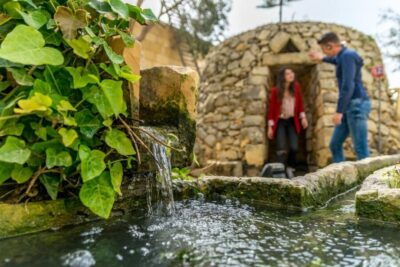
Malta: Prehistoric Temples, Limestone Heritage & Blue Grotto
Read our review →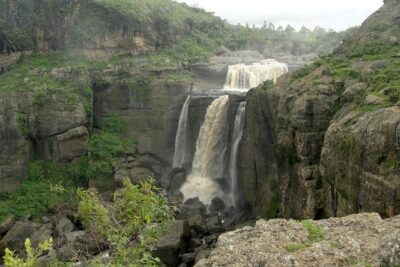
Day Trip From Addis Ababa See Historical Monastery,Stunning Nature,Animals,Birds
Read our review →
Beijing Historical Tour II including Summer Palace, Lama Temple & Panda Garden
Read our review →
“Porto: Fado Show with Guided Tour in a Historic Monastery”
Read our review →
Private Half-Day Temples and Cultural Tour in Kuala Lumpur
Read our review →
World heritage Somnathpur sculptures and Talakadu temple mystery
Read our review →
Old Bangalore Historical Walk thro Palace, Temples, Fort & Market
Read our review →Browse the lists this tour appears in