
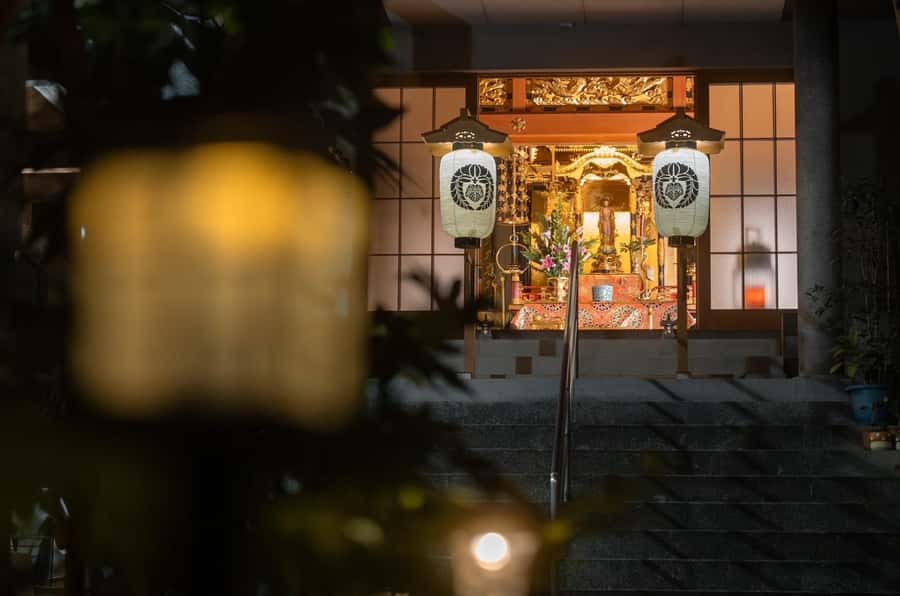
Reviewed · JAPAN TEMPLE TOURS
Osaka Temple Cool Foot Bath & Matcha Experience〈45min〉
The best part of this 45-minute temple experience is its smart pairing of quiet culture and physical relief. You learn how to worship, offer incense, and prepare matcha, then settle into a cooling foot bath with a light scrub massage. It is a useful antidote to a day of Osaka walking.
I especially like the hands-on matcha lesson and the fact that staff take photos with your own smartphone. The yukata photo gives you a keepsake without adding a separate photo session. The main consideration is time: 45 minutes is enough for a gentle introduction, but not a long tea ceremony or a full spa treatment.
Key points at a glance
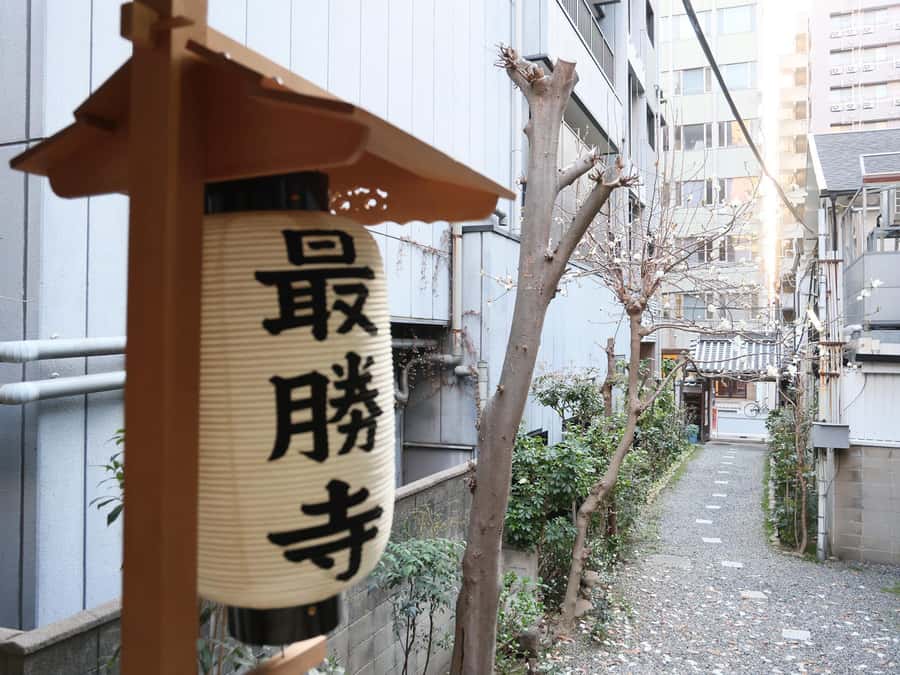
- Temple customs come first: Learn about worship, incense offering, kneaded incense, and meditation before the refreshments.
- The foot bath targets tired feet: A cooling soak and light scrub massage make this well suited to a busy sightseeing day.
- You prepare your own matcha: The activity explains the process instead of simply handing you a bowl.
- Wagashi and matcha ice cream are included: Traditional sweets soften the tea’s earthy flavor.
- Yukata photos cost no extra effort: Staff take pictures with your smartphone during the visit.
- The price is $34 per person: That is fair if you value several small cultural activities in one short session.
A quiet reset in the middle of Osaka
Osaka is a city of bright signs, full trains, shopping streets, and serious eating. That energy is part of the fun, but your feet may want a different itinerary by the end of the day. This experience answers with a temple setting, warm hospitality, matcha, and a cooling soak.
The activity is not built around sightseeing from one famous object to another. Instead, it gives you a short period to pay attention to actions that can be easy to miss on a standard temple visit. You learn how worship works, take part in incense rituals, and sit with the flavor and preparation of matcha.
That makes the experience useful for someone who wants more than a quick photograph at a temple gate. It also suits anyone who wants a calm break without giving up the chance to learn something distinctly Japanese.
Other temple visits near Japan we have written up
- Kyoto: Tea Ceremony Ju-An at Jotokuji Temple
★ 4.9 · 3,207 reviews - Osaka/Kyoto:Kinkakuji,Arashiyama,FushimiInariShrine,NaraPark
★ 4.1 · 1,596 reviews - Tokyo: Asakusa Walking Tour with Sensoji Temple Visit
★ 4.8 · 1,583 reviews
What the 45-minute visit is really like
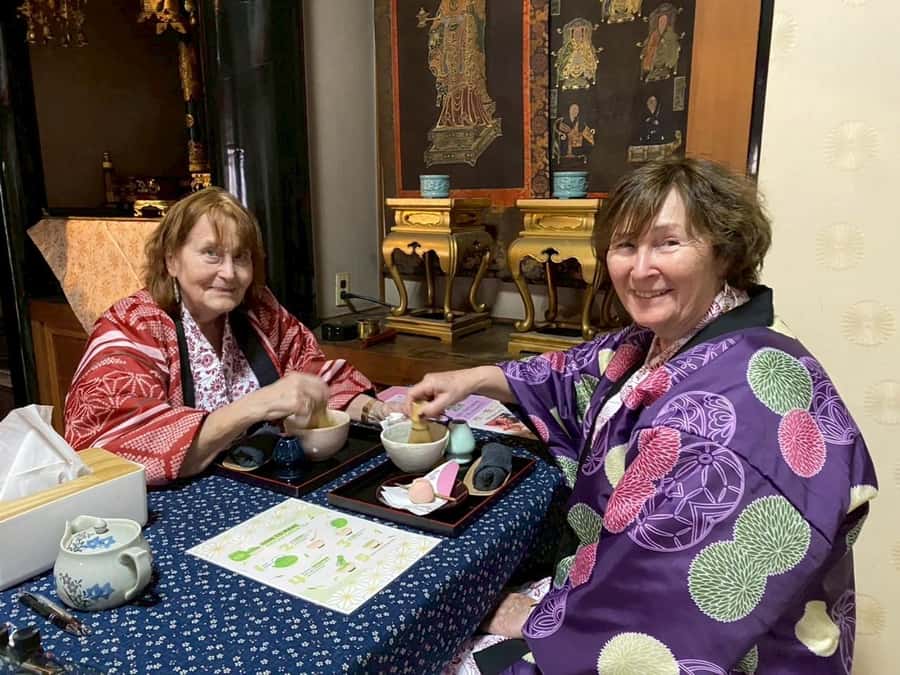
The session moves through several compact activities. Expect an introduction to the temple, worship and incense offering, kneaded incense and meditation, the foot bath, and the matcha portion with sweets. The exact order may vary by option or host, but the format is designed to keep you involved rather than simply watching.
The short duration matters. You will not spend half a day here, and you should not expect a formal tea school course. Instead, the experience gives you a clear taste of several customs in one sitting.
That compact format is a strength for a first visit to Osaka. You can fit it between sightseeing plans, or use it near the end of a long day. It is also a good choice if your group has mixed interests. One person can enjoy the temple setting, another the matcha, and another the foot care.
Learning to worship without guessing
A temple visit can feel awkward when you are unsure what to do. This experience explains the act of worship rather than leaving you to copy the nearest person. You take part in worship and incense offering, with guidance on the meaning and basic practice.
The kneaded incense and meditation section adds a slower rhythm. You apply the incense and take a quiet moment before moving on. That pause gives the visit a sense of purpose, even though the whole activity is brief.
I like this part because it treats temple customs as lived practices, not decorative background. You are not just sitting in a beautiful place while someone talks. You take part in a few simple actions and learn why they matter.
The meditation element is also practical. You do not need prior experience, and the session is not presented as an advanced religious lesson. It is a gentle introduction for someone who wants to understand the setting respectfully.
The cooling foot bath and scrub massage
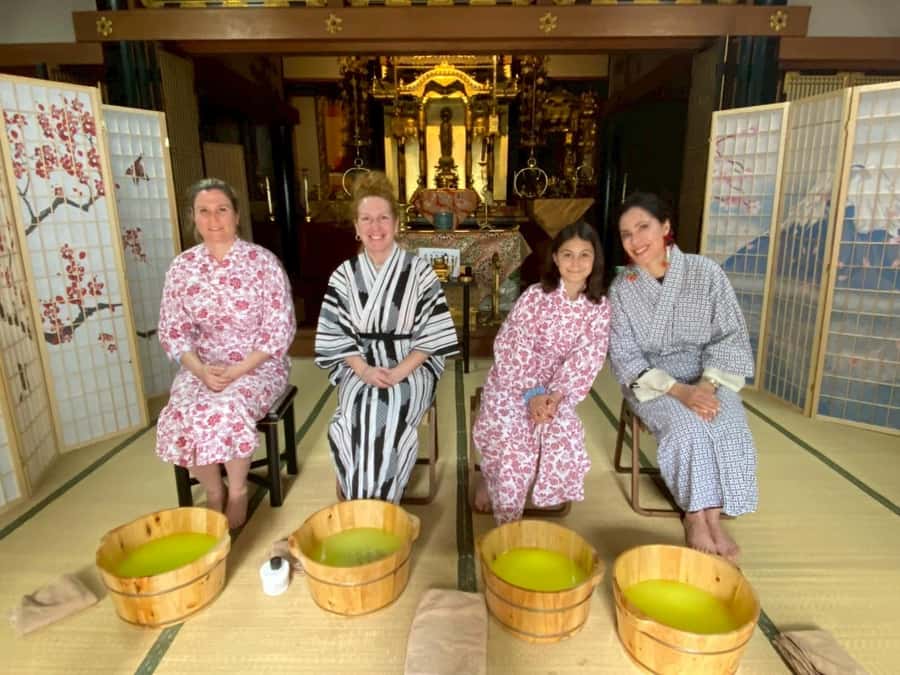
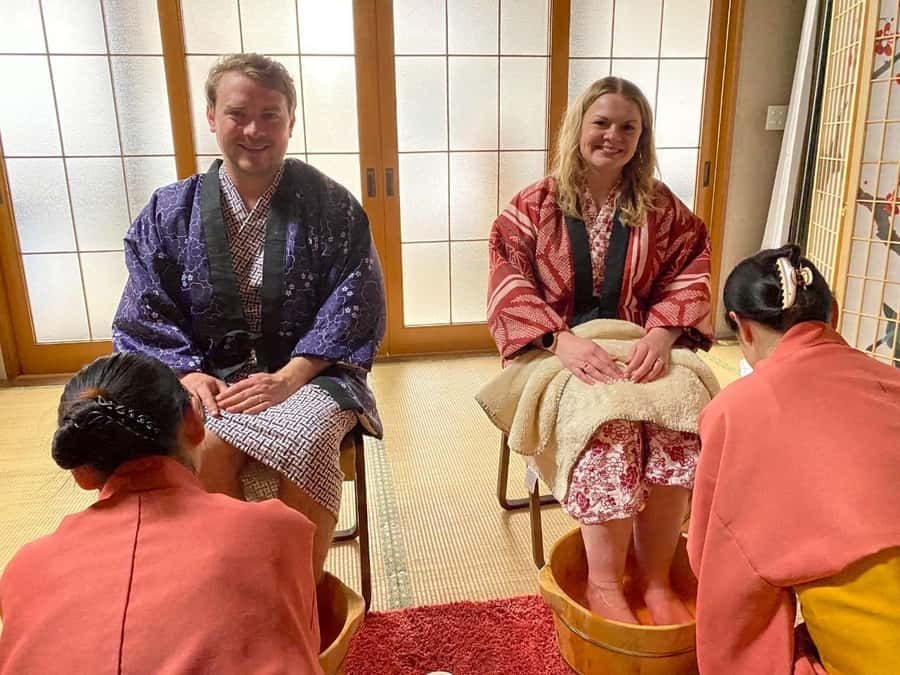
The foot bath is likely to be the most welcome part after a full day on Osaka’s streets. Your feet soak while you receive a little scrub massage, giving you a chance to rest rather than keep moving from one sight to the next.
Keep your expectations in proportion. This is not a long professional massage, and the description promises only a light foot massage. If you want a full-body treatment or a lengthy spa appointment, book a dedicated massage service instead.
For a short cultural activity, though, the foot care is a strong touch. It changes the pace from instruction to comfort. You can listen, relax, and let your feet recover while the rest of the experience continues.
Several hosts receive particularly warm praise for their care and manner. Yuiitsumuni is named as a friendly guide who led the full session, while Yumi and Vanessa are also mentioned in connection with kind, welcoming instruction. Staff assignments may vary, so treat those names as examples rather than a promise of a specific host.
A different set of gates, same trip:
- Nikko: Kegon Falls, Lake Chuzenji & Toshogu Temple
★ 4.6 · 1,577 reviews - Tokyo: Nikko Toshogu Shrine and Kegon Waterfall Tour
★ 4.5 · 1,266 reviews - Tokyo Panoramic 1 Day: Meiji Shrine, Asakusa, Odaiba and SKYTREE®
★ 4.5 · 1,222 reviews - 1-Day Snow Monkeys, Zenko-ji Temple & Sake in Nagano
★ 5.0 · 1,020 reviews
Matcha, wagashi, and matcha ice cream
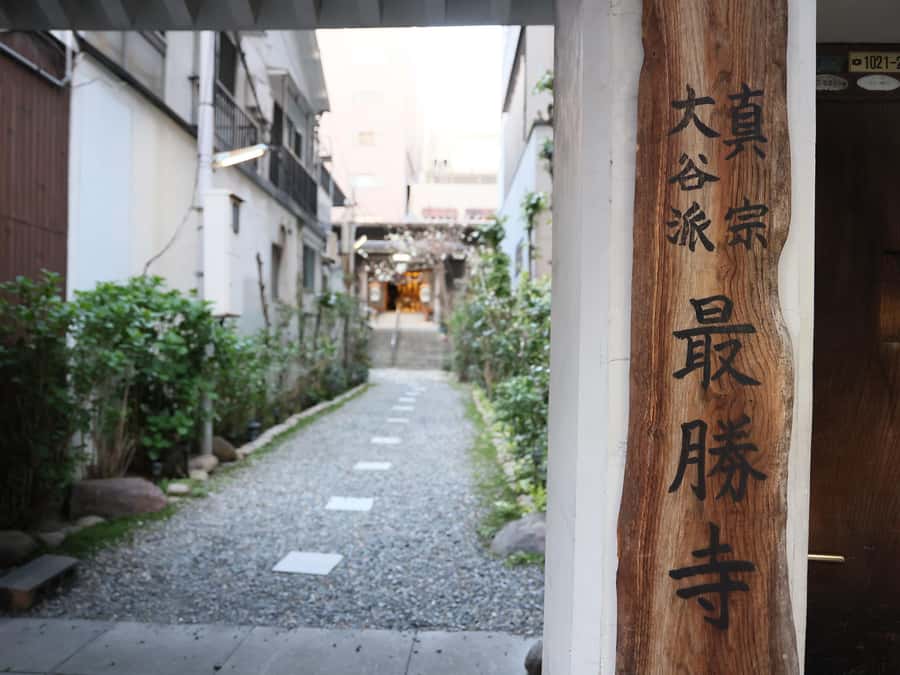
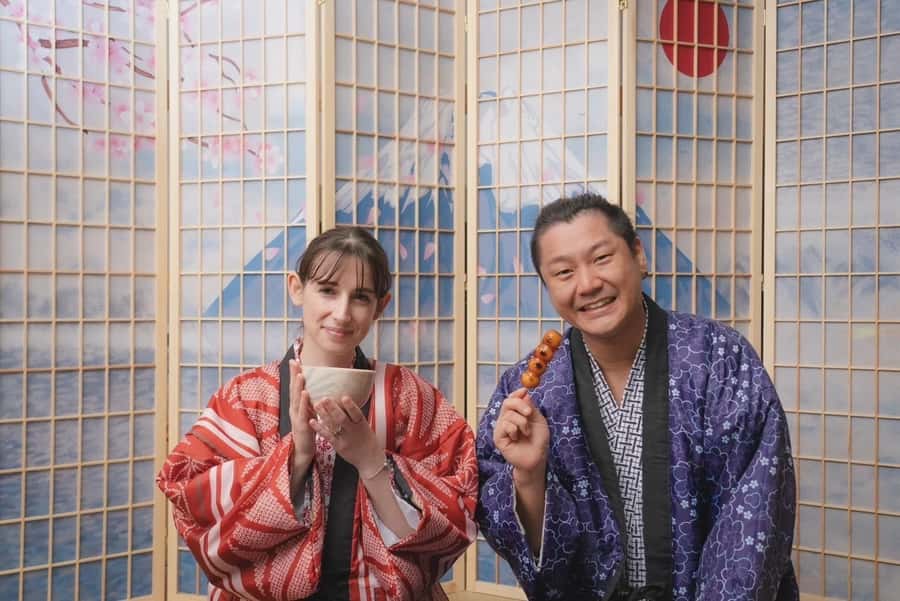
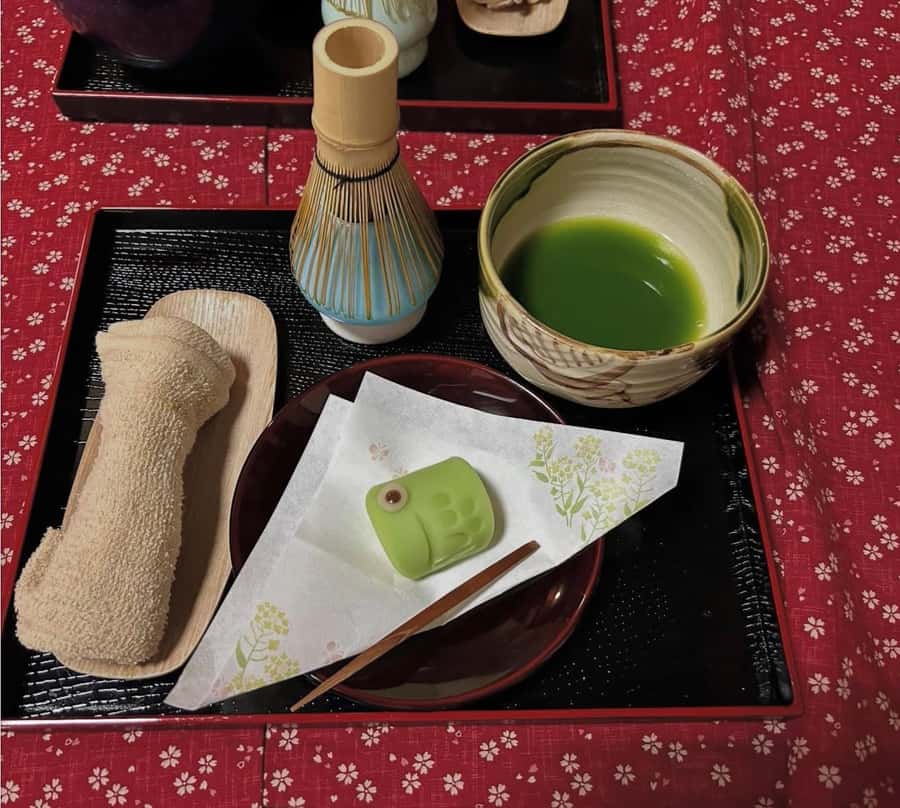
The tea section is hands-on. You learn how to make matcha instead of simply receiving a prepared cup. That small difference matters because whisking the tea gives you a better feel for its texture, aroma, and earthy taste.
The experience also includes wagashi, the small traditional Japanese sweets often served with tea. The sweetness provides balance, especially if you are new to matcha’s slightly bitter flavor. Matcha ice cream is included as well, adding a familiar cold dessert to the more formal tea setting.
You may find the pace of preparation relaxed rather than fast. One piece of feedback jokingly wished for quicker whisking. That is a useful clue: this is meant to be a calm lesson, not a rapid demonstration before the next stop.
Pay attention to the cup and serving details. One account singled out the beautifully designed cup as part of the pleasure. Small objects carry much of the charm in a tea setting, and the staff explain enough of the process for you to notice those details.
Wearing a yukata and taking home photos
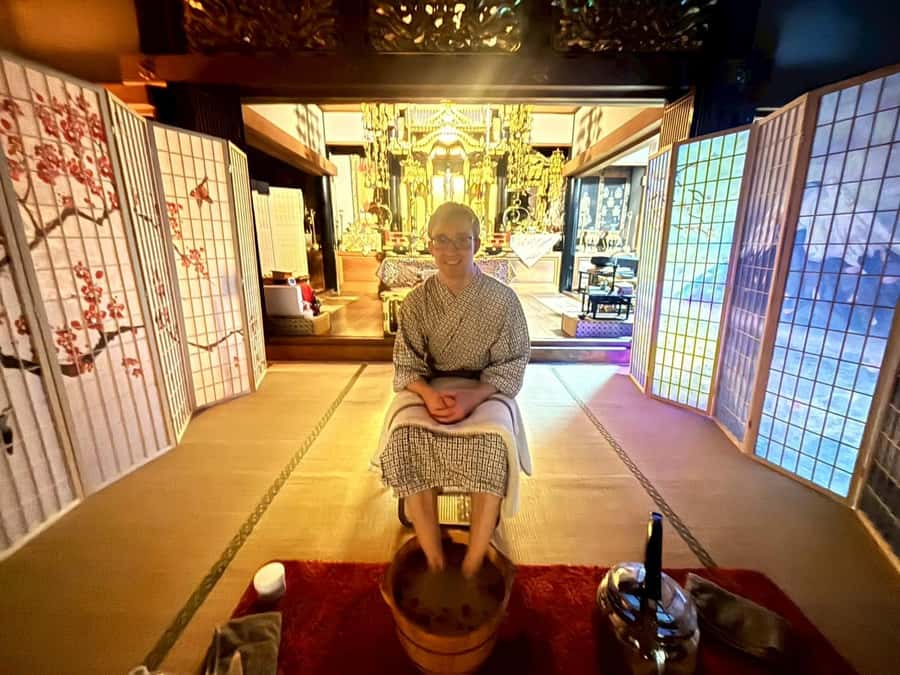
A yukata, a light traditional Japanese robe, is part of the photo experience. Staff help you put it on properly, then take commemorative photos using your smartphone. This is a simple but valuable feature for couples, families, and solo visitors who usually struggle to get good pictures of themselves.
The phone requirement is worth noting. You need to bring a charged smartphone if you want the photos taken directly onto your device. The experience says staff will take the pictures and gift them to you, but it does not promise professional cameras, printed images, or a large photo package.
The yukata also adds context to the visit. It lets you take part in a visual tradition rather than simply posing in ordinary sightseeing clothes. At the same time, this is a short photo opportunity, not a full costume rental session with an extended outdoor shoot.
If you collect temple stamps, one host has a shrine stamp available. The wording around the site differs, so ask on arrival if collecting stamps matters to you. It can be a nice extra, but do not book the activity solely for that feature.
What makes the $34 price fair
At $34 per person, the experience bundles several things that would otherwise be separate: temple instruction, worship customs, incense, meditation, a foot bath, a light scrub massage, matcha, wagashi, matcha ice cream, yukata use, and smartphone photos.
The value is strongest if you want a short, organized introduction. You do not have to research tea etiquette, find a suitable temple activity, or arrange a foot treatment on your own. The staff connect the pieces in one visit.
The price is less compelling if your main goal is a long tea ceremony. A formal ceremony can focus much more closely on movement, utensils, silence, and seasonal details. Here, the tea is one part of a wider experience.
It is also not the best value for someone who only wants a massage. The foot bath and massage are deliberately light. Think of the cost as payment for a cultural sampler with a comfort break, not as the rate for a spa appointment.
Who should book this experience
I would point this toward first-time visitors who want a manageable introduction to Japanese customs. You get enough explanation to understand the basics, but the session does not demand specialist knowledge or a whole morning.
It is especially suited to:
- Couples wanting a shared cultural activity and a useful souvenir photo
- Solo visitors who need help taking pictures
- Anyone with sore feet after a high-mileage sightseeing day
- People curious about matcha but unsure about joining a formal tea ceremony
- Families or mixed-age groups looking for a calm indoor or temple-based break
- Visitors who enjoy hands-on activities more than passive sightseeing
The activity also works well at the end of a first day in Osaka. You can use it to slow down after arriving, recover from walking, and begin learning about local customs without committing to a longer class.
Who may want something different
You may want another option if you are seeking a serious study of tea ceremony. The session covers the basics and lets you prepare matcha, but its 45-minute structure leaves limited time for extended explanation or repeated practice.
It may also disappoint if you expect a powerful massage. The foot treatment is a small part of the cultural program, with a soak and light scrub massage rather than a full therapeutic service.
Finally, the activity may feel too gentle if your ideal Osaka day is all food stalls, shopping, and fast-moving sights. The point here is to pause. That is exactly why it works for some schedules and feels slow for others.
Language, timing, and booking details
Japanese and English are offered, so you can take part without needing to understand Japanese instruction. Meeting points vary by the option you book, and the activity finishes back at the meeting point.
The advertised length is 45 minutes. Allow a little mental space around that time for meeting up and getting settled, but do not expect a long half-day commitment.
You can reserve now and pay later, which helps if your Osaka schedule is still changing. Cancellation is free up to 24 hours in advance. Check the meeting point tied to your selected option before you leave, since that detail is not the same for every booking choice.
My take on the cultural value
The best feature is the way the activity connects body, place, and custom. You begin with worship and incense, calm your attention through meditation, rest your feet, and then handle matcha and sweets. Each part is modest, but together they create a coherent break from ordinary sightseeing.
I also appreciate that the staff explain the steps. Without guidance, a temple visit can become a quick photo stop, and matcha can seem like an unfamiliar bitter drink. Here, you get enough background to understand what you are doing and why the sequence matters.
The experience does not pretend to be a complete course in Buddhism, temple etiquette, or tea ceremony. That honesty is important. You get an accessible starting point, a little comfort, and a personal memory in a short block of time.
Should you book it?
Book this if you want a short cultural activity with real participation, especially after a day of walking. The foot bath, matcha preparation, sweets, and yukata photo give you more variety than a basic tea tasting.
Skip it if you want a long, formal tea ceremony or a substantial massage. At $34, the value comes from the combination of temple customs, refreshments, foot care, and photos. For many Osaka itineraries, that mix makes it a sensible 45-minute reset rather than a major standalone attraction.
FAQ
How long does the Osaka Temple Cool Foot Bath and Matcha Experience last?
The experience lasts 45 minutes.
How much does the experience cost?
The listed price is $34 per person.
Is matcha included?
Yes. Matcha is included, and you also learn how to prepare it during the experience.
Are Japanese sweets included?
Yes. Wagashi, small traditional Japanese sweets, are included. Matcha ice cream is included as part of the matcha experience as well.
Does the experience include a foot massage?
Yes. You receive a cooling foot bath with a light scrub massage and a little foot massage.
Can I wear a yukata?
Yes. A commemorative photo wearing a yukata is included, and staff help you wear it properly.
Do staff take photos?
Yes. Staff take photos with your smartphone and give the photos to you.
What languages are available?
The experience is offered in Japanese and English.
Can I cancel for a full refund?
Yes. You can cancel up to 24 hours in advance for a full refund. You can also reserve and pay later, so nothing is due at the time of booking.
Newly written up around Japan
- Kyoto: Fushimi Inari Taisha Shrine Walking Tour with Guide★ 4.8 · 18 reviews
- Kyoto: Fushimi Inari Shrine Walking Tour★ 5.0 · 72 reviews
- Tokyo History: Sensoji Temple & Asakusa District Private Tour★ 5.0 · 28 reviews
- From Tokyo: Snow Monkey Park & Zenko-ji Temple Private Tour★ 4.9 · 42 reviews
- Tokyo Private Tour: Temples, Culture & Modern City Highlights★ 5.0 · 56 reviews
- Nara: Great Buddha, Kasuga Shrine & Deer Park Tour★ 4.8 · 62 reviews
- Food & Cultural Walking Tour around Zenkoji temple in Nagano★ 5.0 · 58 reviews
- Full Day Kyoto Tour : Bamboo Forest, Golden Temple, Fushimi Inari★ 5.0 · 84 reviews
Japan Temple Tours, compared.
Osaka/Kyoto:Kinkakuji,Arashiyama,FushimiInariShrine,NaraPark
Read our review →
Asakusa Walking Tour with Sensoji Temple Visit
Read our review →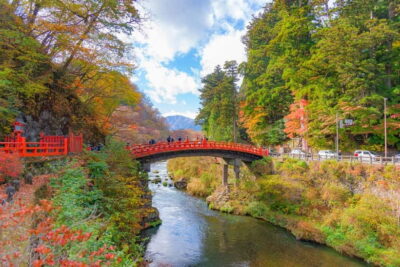
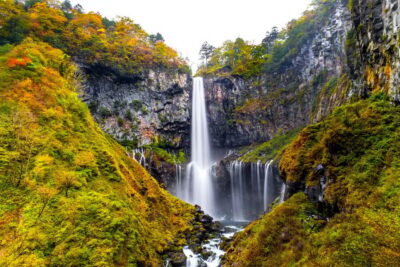
Nikko Toshogu Shrine and Kegon Waterfall Tour
Read our review →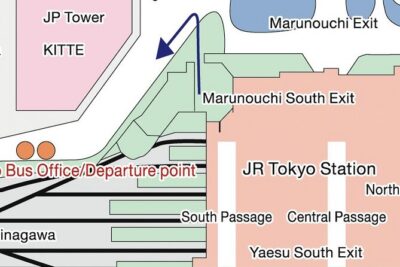
Tokyo Panoramic 1 Day: Meiji Shrine, Asakusa, Odaiba and SKYTREE®
Read our review →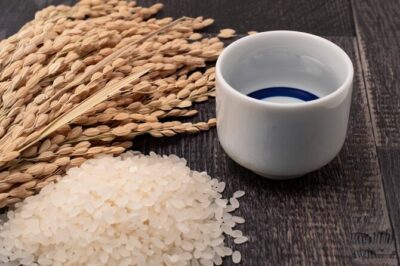
1-Day Snow Monkeys, Zenko-ji Temple & Sake in Nagano
Read our review →
Arashiyama Bamboo, Temple, Monkeys, or Secret Sake Brewery
Read our review →Browse the lists this tour appears in