
Reviewed · OSAKA TEMPLE TOURS
Osaka: Mind & Spirit Balance Temple Reiki Healing
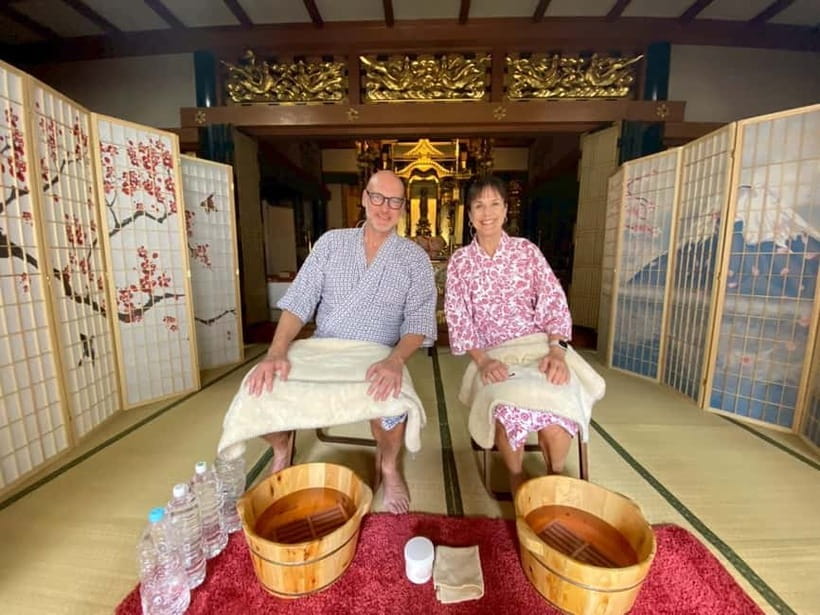
A small temple in the middle of Osaka is an unusual place for a massage, and that is the main appeal here. You change into a yukata, offer incense, sit through a short meditation with a bell and kneaded incense, then move into foot care, oil massage, Reiki, and tea.
I like the mix of hands-on body care and non-contact Reiki, since you get both physical relaxation and a quieter spiritual element. I also like the tea ceremony and temple introduction, which give the visit more purpose than a standard spa appointment. The main point to consider is privacy: treatments are individual, but the tea portion may be shared with other participants.
Key points before you book
- A two-hour temple wellness visit: The session combines Japanese worship customs, meditation, massage, Reiki, and tea rather than offering a massage alone.
- Arisa and Naomi may guide your visit: Both are praised for kind, professional care, with Arisa specifically noted for her massage and tea ceremony.
- The treatment has several stages: Expect a foot bath and scrub massage, full-body oil massage, and non-contact Reiki healing.
- The setting matters: The experience takes place in a small historic temple in central Osaka, not a conventional hotel spa.
- Tea may not be private: Your treatment is individual, but the matcha ceremony can include other participants unless you arrange a fully private visit.
- Meeting directions need care: Search Google Maps for Japanese Massage -the one&only- or the nearby restaurant Tossa de coracao, not only the temple name.
Why this Osaka temple experience feels different
Most massages ask you to lie down, switch off, and let the therapist work. This one gives you a small cultural program before and after the body treatment. That changes the pace. You are not simply fitting a massage between sightseeing stops. You are setting aside two hours for a quieter look at Japanese customs.
The temple setting is central to the experience. You receive an introduction to the temple’s history and Japanese worship culture, then make an incense offering. For a first visit to Japan, these details can help you understand what you are seeing rather than treating the temple as a pretty backdrop.
The space is also small, which helps explain the limit of three participants. You should expect a more personal appointment than a large spa session, although the compact setting means the tea ceremony may include others. If you need complete privacy from start to finish, contact the provider before booking.
The experience costs $161 per person. That is a serious price for two hours, especially if you are comparing it with a regular massage. The value comes from the complete package: temple access, a guided cultural explanation, yukata use, foot bath, scrub massage, full-body oil massage, Reiki, tea, Japanese sweets, and smartphone photos. If you want only firm bodywork, this is probably not the best use of your budget. If you want a calm cultural activity with wellness built in, the price makes more sense.
Other temple visits near Osaka we have written up
- Osaka: Minoh, Katsuoji Temple, & Minoh Falls Full-day Tour
★ 4.9 · 172 reviews - Full Day Kyoto Tour : Bamboo Forest, Golden Temple, Fushimi Inari
★ 5.0 · 84 reviews - Osaka Temple Cool Foot Bath & Matcha Experience〈45min〉
★ 4.9 · 82 reviews
Arriving at the right entrance in Osaka
The meeting instructions deserve your attention. Enter Japanese Massage -the one&only- into Google Maps. If you enter only the temple’s name, you may be sent to the back entrance and lose time trying to find the correct door.
A second useful landmark is the restaurant Tossa de coracao. The activity is right next to it. Save both names before you set out, especially if you are arriving after dark or moving through an unfamiliar part of Osaka.
The provider is Japanese Massage 唯一無二, also presented as the one&only. The activity includes a live guide, and the small group limit keeps the visit from feeling like a large tour. Still, the meeting point is not explained by the temple name alone, so this is one outing where a quick map check is worth doing before leaving your hotel.
Changing into a yukata and slowing the pace
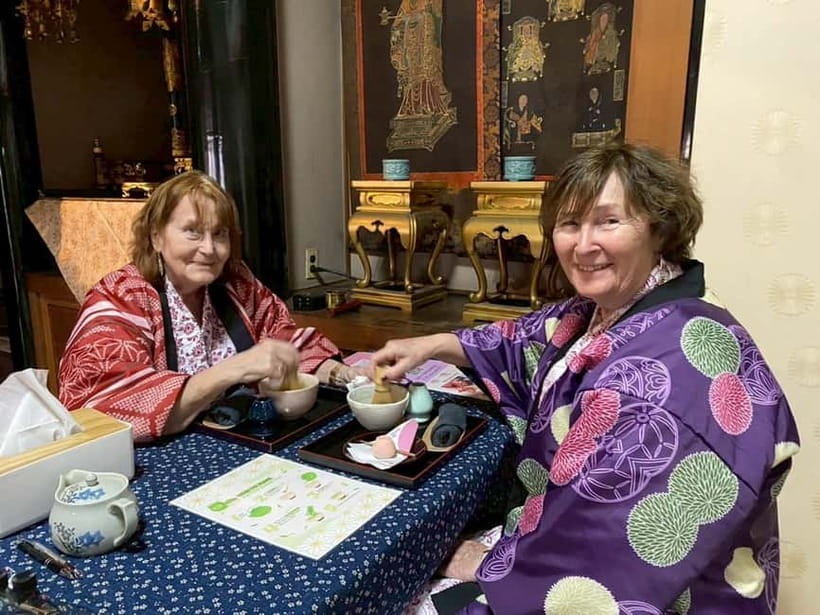
The visit begins with a welcome drink and a change into a yukata. This is not just a photo prop. The change of clothing signals that you are leaving ordinary sightseeing mode and entering a slower, more traditional setting.
A yukata is lighter and less formal than a kimono, making it practical for a relaxed cultural activity. You do not need to bring one, since wearing it is part of the experience. You also receive a complimentary smartphone photo in the temple, giving you a simple keepsake without the cost of a separate photo session.
The photos are a nice extra, but I would not book this for the picture alone. The real value is the sequence of small rituals and treatments. The photo simply helps you remember the setting and clothing afterward.
Incense, bell meditation, and Japanese worship customs
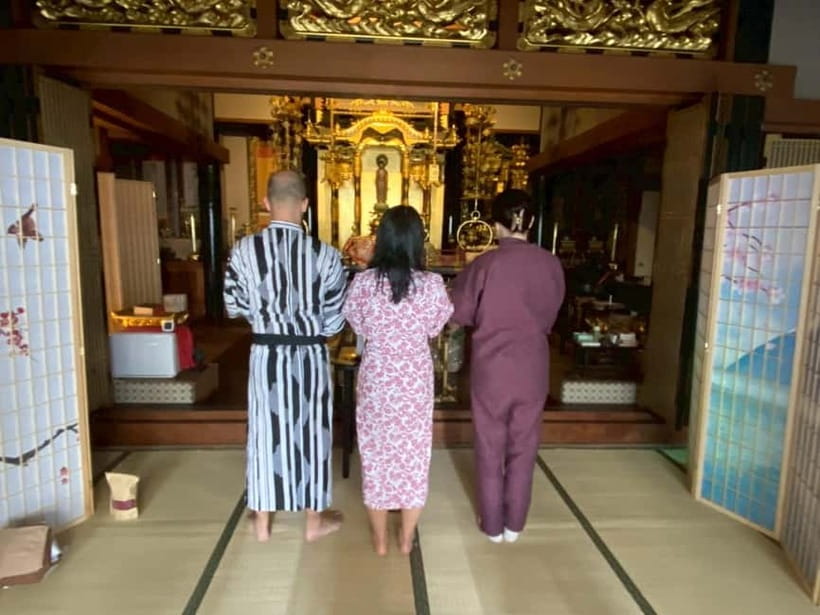
After changing, you visit the temple and take part in an incense offering. The guide explains the temple’s background and basic Japanese worship culture, which is useful if you are unsure how to behave in a religious space.
The program also includes meditation with a bell and kneaded incense. These are short, structured moments rather than a full meditation retreat. That makes them approachable if you have never meditated before or if you find long silent sessions difficult.
The incense element gives the temple visit a physical sense of place. You hear the bell, smell the incense, and follow a simple ritual with guidance. The point is not to master every religious detail in two hours. It is to give you a respectful introduction before the massage begins.
I like this part because it keeps the activity tied to its setting. Without it, the temple would be little more than a treatment room with decorative appeal. With it, you get a small lesson in how a sacred place is used.
A different set of gates, same trip:
- Osaka: Minoh Waterfall & Katsuo-ji Temple Half-Day Tour
★ 4.7 · 27 reviews - Osaka Temple Head Spa &Matcha Facial – Refresh & Glow〈90min〉
★ 5.0 · 24 reviews - Osaka: Temple Tour and Traditional Calligraphy Lesson
★ 4.9 · 24 reviews - Osaka Morning Tour: Shitennoji Temple, Shinsekai &Doutonbori
★ 5.0 · 23 reviews
Foot bath and scrub massage first
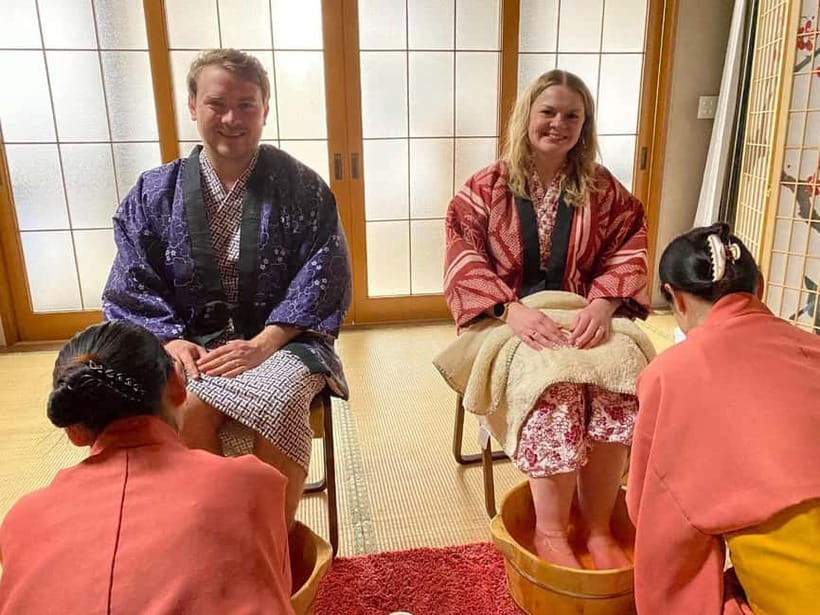
The body care begins with a foot bath and scrub massage. This is a practical opening because it helps you settle before the longer treatment. After a day of walking around Osaka, your feet may be the part of your body most ready for attention.
The foot bath also gives the session a gentle start. You are not rushed straight onto a massage table after arriving. Instead, the treatment moves from warm water and foot care toward the full-body work.
The supplied details do not specify the water temperature, products, or exact length of this section, so do not expect a precise spa menu. Think of it as one stage in a broader relaxation program rather than a separate foot treatment with a long menu of options.
Full-body oil massage with essential oils
The full-body oil massage is the most familiar part of the experience. Essential oils are included, adding scent to the treatment. The available feedback places strong emphasis on the massage, with several people describing it as highly relaxing and professionally delivered.
Arisa is specifically praised for her massage and for the care shown throughout the visit. Naomi is also named as part of the team. The tone of the experience appears gentle and personal, rather than clinical or rushed.
You should keep one distinction in mind: this is presented as a wellness and relaxation treatment, not medical care. The activity does not promise treatment for injuries or specific health conditions. If you need a particular pressure level, have an allergy, or have a concern about oils, contact the provider before your appointment.
The massage is also only one part of the two-hour schedule. You are unlikely to receive two full hours of uninterrupted bodywork because the visit includes the temple introduction, meditation, foot bath, Reiki, and tea ceremony. That is important when comparing the $161 price with a standalone massage.
Reiki as quiet, non-contact relaxation
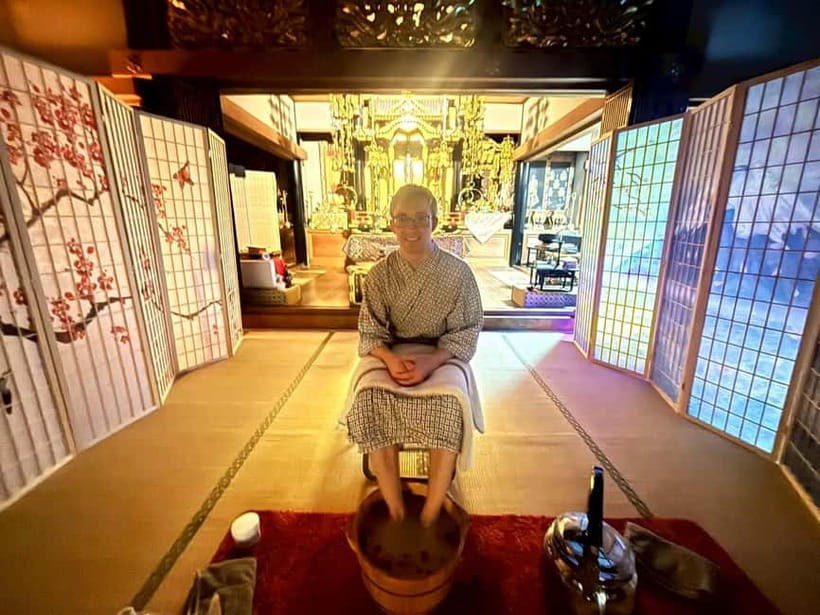
Reiki is described here as a non-contact Japanese energy healing method intended to support relaxation and emotional balance. This means it is different from the oil massage. The therapist does not rely on the same hands-on techniques used during bodywork.
The best way to approach this section is with an open but practical mind. You may find the quiet setting, stillness, and attention helpful even if you do not hold a particular view about energy healing. You should not book it expecting a medical diagnosis or a guaranteed cure.
For many people, the value is the pause. After the physical massage, the non-contact Reiki session gives you time to remain still and let the treatment settle. That contrast is one of the clever parts of the schedule. The foot bath wakes up the senses, the oil massage works directly on the body, and Reiki shifts the focus toward calm.
If you prefer vigorous massage from beginning to end, the Reiki portion may feel less active than expected. If you enjoy quiet wellness practices, it may be the part that makes this visit feel special.
Matcha, wagashi, and a shared tea ceremony
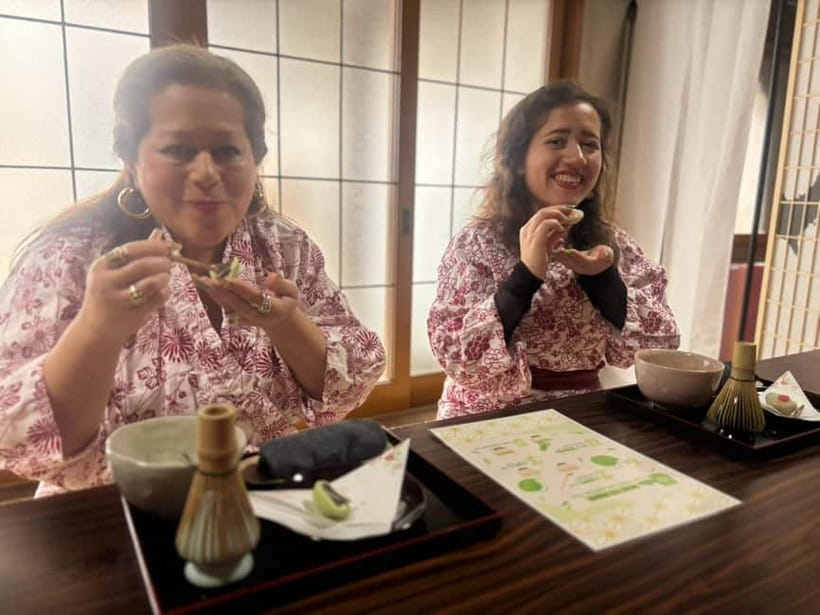
The final cultural element is a traditional Japanese tea ceremony with matcha and wagashi, or Japanese sweets. You receive an explanation of the ceremony’s cultural and historical background, so you are not simply handed a bowl of tea without context.
This is a good finish. The sweetness of wagashi balances the bitter matcha, and the ceremony brings you back into conversation after the quieter treatment. It also gives you a chance to ask questions about the customs you have just seen.
The tea ceremony may be shared with other participants. This is the clearest limitation for anyone seeking a private retreat. You can ask about a completely private arrangement, but it should not be assumed from the standard booking.
If you are traveling with a companion, sharing the tea portion may be perfectly comfortable. If you are booking for a special occasion and want every moment to be private, contact the provider in advance rather than relying on the small group size alone.
Who will get the most from the $161 price
I would recommend this to someone who wants more than a massage and has room in the budget for a two-hour cultural treat. It suits a first visit to Japan because it introduces a few customs in a calm, guided way. It also works well near the end of a longer trip, when your feet and shoulders may welcome a break from sightseeing.
The experience may be especially appealing to:
- Couples or parent and adult child pairs who want a shared cultural activity
- Visitors interested in Japanese tea, incense, and temple customs
- People who prefer gentle relaxation to a high-energy tour
- Anyone curious about Reiki but looking for a short introduction
- Those who appreciate a small group rather than a large public class
I would be more cautious if you want a private spa room, a long massage with no interruptions, or a strictly secular wellness appointment. The religious setting and ceremony are central parts of the program, not decoration around a standard massage.
The experience is also not ideal if you dislike scented oils, do not want to wear traditional clothing, or feel uncomfortable with non-contact energy healing. The provider may be able to answer questions before booking, but the published program does not list treatment customizations.
Booking details that affect your decision
The activity lasts 120 minutes, and starting times depend on availability. It includes a live guide and a maximum group size of three. The small size is useful, but remember that the tea ceremony may still be shared.
You can cancel up to 24 hours in advance for a full refund. A reserve-now, pay-later option is also offered, which helps if your Osaka schedule is still shifting. These policies are practical, but the location instructions matter just as much. Use the provider name or the nearby restaurant landmark in your map app.
The overall rating is 5 from 41 reviews, and the strongest praise centers on three things: the kindness and professionalism of the staff, the quality of the massage, and the peaceful temple setting. One person described the activity as a fine way to end a three-week Japan trip, while another made the journey from Tokyo to Osaka especially for the experience. That kind of praise suggests the visit works best as a planned highlight, not as a last-minute filler between major attractions.
Should you book this temple Reiki experience?
Book it if you want a small, gentle Osaka experience that joins Japanese customs with massage and relaxation. The foot bath, oil treatment, Reiki, yukata, incense, and tea make it far more varied than a standard spa appointment.
Skip it if your main goal is the longest possible massage or a fully private setting. The tea ceremony may be shared, and the two-hour schedule divides time among several activities.
For the right person, $161 is a fair price for a carefully arranged cultural wellness visit in a temple. I would place it near the end of an Osaka stay, when you can slow down, enjoy the tea, and leave with a photo, a calmer body, and a better sense of the rituals that shaped the experience.
FAQ
How long does the Osaka temple Reiki experience last?
The activity lasts two hours, or 120 minutes.
How much does the experience cost?
The listed price is $161 per person.
What treatments are included?
The experience includes a foot bath and scrub massage, a full-body oil massage with essential oils, and a non-contact Reiki healing session.
Is a tea ceremony included?
Yes. You take part in a traditional Japanese tea ceremony with matcha and wagashi, or Japanese sweets. The guide also explains its cultural and historical background.
Do I wear a yukata?
Yes. The experience includes changing into a yukata, along with a complimentary smartphone photo in the temple.
Is the tea ceremony private?
Not necessarily. Individual treatments are offered, but the tea ceremony may be shared with other participants. Contact the provider if you want a completely private experience.
How many people are in the group?
The activity is limited to three participants.
Where should I enter for the meeting point?
Search for Japanese Massage -the one&only- in Google Maps. You can also search for the restaurant Tossa de coracao, which is right next to the meeting point. Using only the temple name may lead you to the back entrance.
Can I cancel the booking?
You can cancel up to 24 hours in advance for a full refund. A reserve-now, pay-later option is also available.
Newly written up around Osaka
- Osaka Temple :Warm Bamboo Oil Massage – Deep Restore〈90min〉★ 5.0 · 14 reviews
- Osaka Temple :Warm Bamboo Oil Massage – Deep Restore〈60min〉★ 4.9 · 19 reviews
- Osaka Temple Head Spa &Matcha Facial – Refresh & Glow〈90min〉★ 5.0 · 24 reviews
- Osaka: Temple Tour and Traditional Calligraphy Lesson★ 4.9 · 24 reviews
- Osaka Morning Tour: Shitennoji Temple, Shinsekai &Doutonbori★ 5.0 · 23 reviews
- Osaka: Minoh Waterfall & Katsuo-ji Temple Half-Day Tour★ 4.7 · 27 reviews
- Osaka: Private Tour of Shitennoji, Osaka’s Oldest Temple★ 4.5 · 6 reviews
- Osaka: Japanese Zen Massage and Facial at the Temple/180-min★ 4.8 · 10 reviews
Osaka Temple Tours, compared.
Minoh, Katsuoji Temple, & Minoh Falls Full-day Tour
Read our review →Full Day Kyoto Tour : Bamboo Forest, Golden Temple, Fushimi Inari
Read our review →
Osaka Temple Cool Foot Bath & Matcha Experience〈45min〉
Read our review →
Minoh Waterfall & Katsuo-ji Temple Half-Day Tour
Read our review →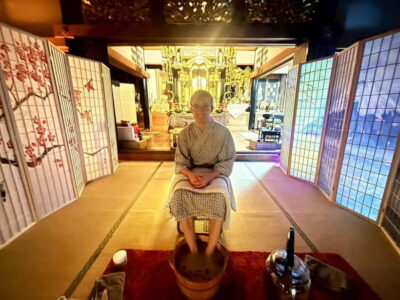
Osaka Temple Head Spa &Matcha Facial – Refresh & Glow〈90min〉
Read our review →
Osaka Morning Tour: Shitennoji Temple, Shinsekai &Doutonbori
Read our review →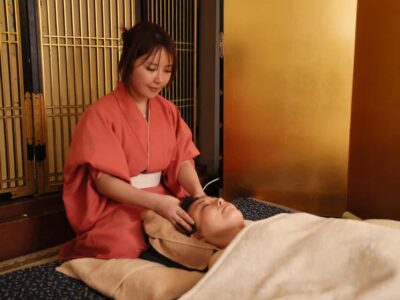
Osaka Temple :Warm Bamboo Oil Massage – Deep Restore〈60min〉
Read our review →Browse the lists this tour appears in