
Reviewed · SEOUL TEMPLE TOURS
Seoul: UNESCO Sites tour: Palace, Shrine & Bukchon Village
Seoul’s royal past comes into focus on this compact cultural tour, which links Bukchon Hanok Village, Jongmyo Shrine, and Changdeokgung Palace. You walk among old wooden homes, enter a sacred ancestral site, and see a palace built around gardens and graceful Korean design.
I like the strong mix of famous places and quiet context, plus the fact that entry fees, a guide, a driver, and van transport are included. Guides named Stella, Park, Leo, Chloe, and Orota have led departures, with praise for their history lessons, patience, and willingness to take photos. The main consideration is pace: on the full-day version, Suwon adds another major site, so expect a long day with a lunch stop at your own cost.
Key points at a glance
- Bukchon begins the cultural story: Traditional hanok homes now house cafés and cultural centers, giving you a look at old Seoul within a living neighborhood.
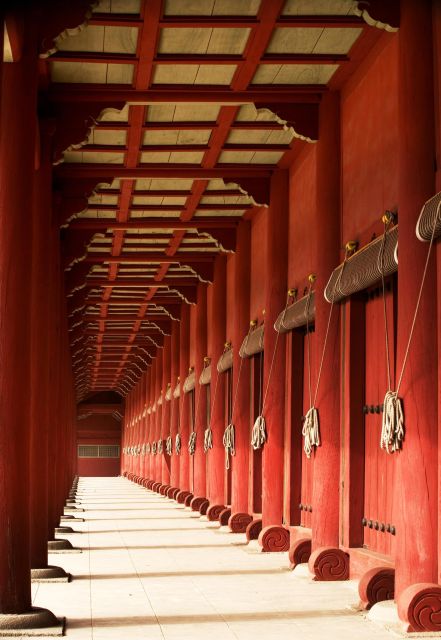
- Jongmyo Shrine is a quiet royal site: This UNESCO place was built for ancestral rites and still has links to memorial ceremonies and court music.
- Changdeokgung favors harmony over grand scale: Its buildings and gardens reflect traditional Korean design and royal life.
- The weekly schedule matters: Jongmyo is replaced by Insa-dong on Tuesday, and Changdeokgung is replaced by Gyeongbokgung on Monday.
- Suwon may turn this into a full-day outing: The longer version adds Hwaseong Fortress and Hwaseong Haenggung Palace.
- The $36 fare covers the costly basics: Admission, a professional English-speaking guide, van transfer, and driver are included, but lunch is not.
Why this Seoul UNESCO tour is worth considering
At $36 per person, this is a practical way to see several major cultural sites without arranging separate tickets or working out transport between them. The price includes admission fees and a van with driver, which matters in Seoul when your day crosses several neighborhoods and may extend as far as Suwon.
The real value comes from the guide. A palace can be a pleasant place to photograph, but the meaning of its gates, halls, courtyards, and rituals is easy to miss without explanation. The guides on this experience have been praised for clear English, strong history knowledge, and an easy manner. Park is noted for teaching Korean history and culture, Leo for his passion and careful handling of the schedule, and Chloe for helping with photos and even pointing one group toward a hanbok shop.
You should not expect an in-depth scholarly seminar at every stop. The tour is designed for general visitors who want useful context while moving through several sites. That makes it a good first cultural day in Seoul, especially if you want orientation before exploring on your own.
Other temple visits near Seoul we have written up
- Seoul: Palace, Temple and Market Guided Foodie Tour at Night
★ 4.9 · 750 reviews - Seoul: Mt Seorak + Naksansa Temple or Nami Island Group Tour
★ 4.7 · 422 reviews - Best Things to Do – Half Day Seoul Trip (Seoul Palace & Temple)
★ 5.0 · 190 reviews
Starting in Bukchon Hanok Village
The day begins at 8:30 am outside Exit 10 of Myeong-dong subway station. You meet the guide there before heading to Bukchon Hanok Village. The exact meeting details are confirmed by the local partner by email, so check your spam folder if the message does not appear.
Bukchon is a neighborhood of traditional Korean homes called hanok. Their tiled roofs, timber frames, courtyards, and narrow streets give you a clear sense of older residential Seoul. Many buildings now operate as cafés, galleries, or cultural centers, so the area combines preserved architecture with modern city life.
I like starting here because it gives you a visual introduction before the palace visits. You are not simply looking at a collection of grand official buildings. You first see how traditional forms fit into a neighborhood, then learn how royal spaces differ from ordinary homes.
Bring comfortable shoes. Bukchon is best seen on foot, and the streets can include slopes and uneven sections. It is also a working neighborhood rather than an open-air museum. Keep your voice down near homes and follow your guide’s advice about where photography is suitable.
The stop is especially useful for first-time visitors who want photographs of hanok architecture. Your guide may also help with photos, a small but welcome service praised by several people who joined the tour. If trying on hanbok is part of your Seoul plans, Chloe has helped a group find a hanbok shop, though shopping is not presented as a scheduled part of the tour.
If Bukchon is closed, the visit changes to Namsangol Hanok Village. That replacement still keeps the traditional-house theme, but it is not the same neighborhood experience, so check the operating schedule if Bukchon is a top priority.
Jongmyo Shrine and Korea’s royal rituals
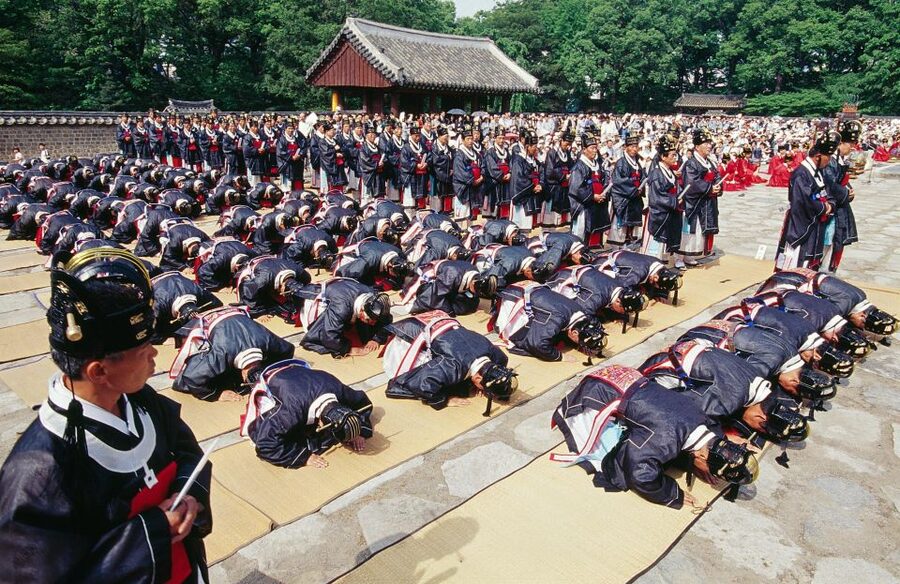
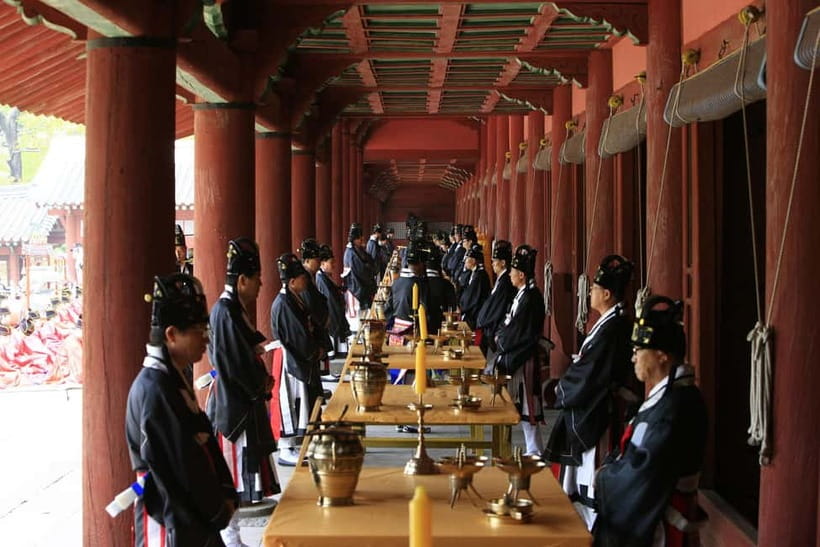
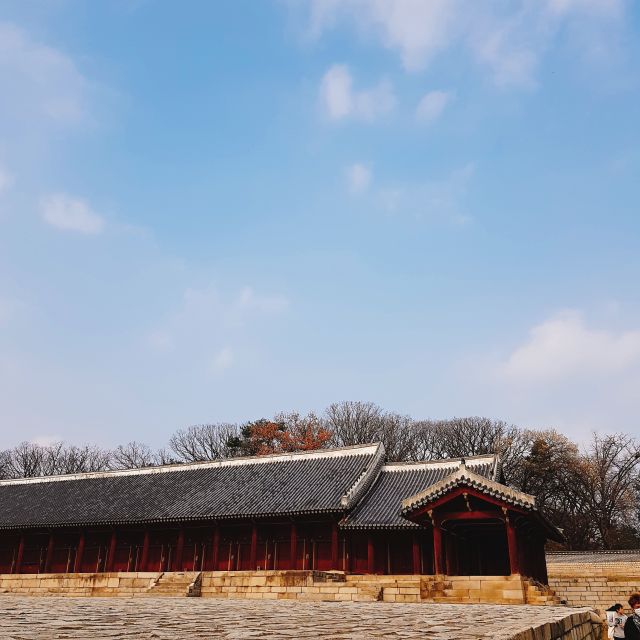
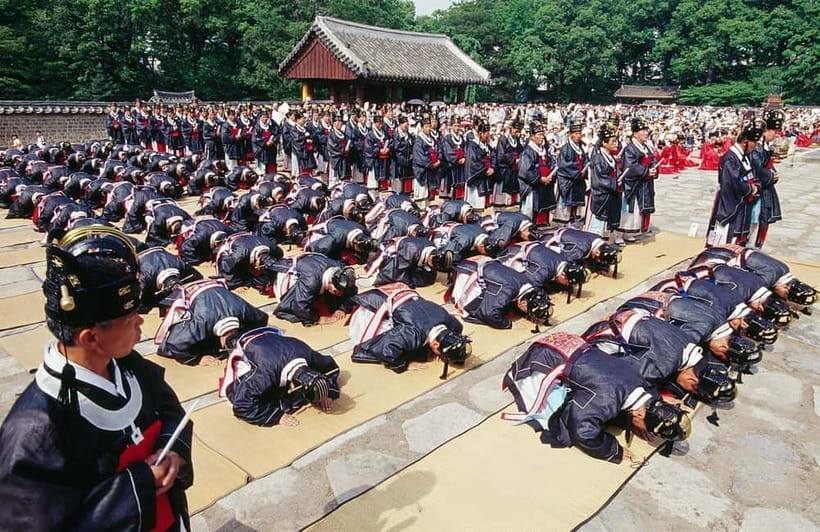
The next major stop is Jongmyo Royal Shrine, a sacred place built nearly 600 years ago for royal ancestral rites. Korean kings came here to honor earlier monarchs, and the site remains connected with traditional memorial ceremonies and court music.
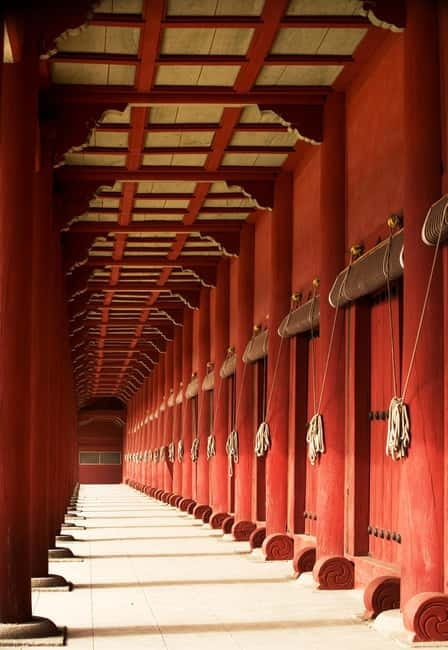
Jongmyo is not a palace designed for royal comfort. Its importance comes from ritual and memory. The long ceremonial spaces and restrained architecture encourage a quieter visit than you might have at a busy palace courtyard. Your guide helps explain why the shrine mattered to the royal court and why the spirits of past rulers are said to remain here.
This is one of the tour’s best stops for visitors who want more than attractive buildings. You learn how political authority and family ritual were tied together in Korea’s royal system. The visit also gives the day a different mood: Bukchon feels like a living neighborhood, while Jongmyo carries a solemn religious purpose.
Jongmyo is closed on Tuesdays. On that day, the tour replaces it with Insa-dong Culture Street, an older Seoul district known for antique shops, galleries, and traditional tea houses. Insa-dong is a reasonable substitute for anyone interested in Korean crafts and urban culture, but you will miss the shrine’s ritual setting.
The guide’s role is important here. A quick walk through the grounds can leave you wondering what makes the place special. Guides such as Orota and Park have been praised for making the historical details interesting and for giving people enough time at each location.
Changdeokgung Palace and its garden setting
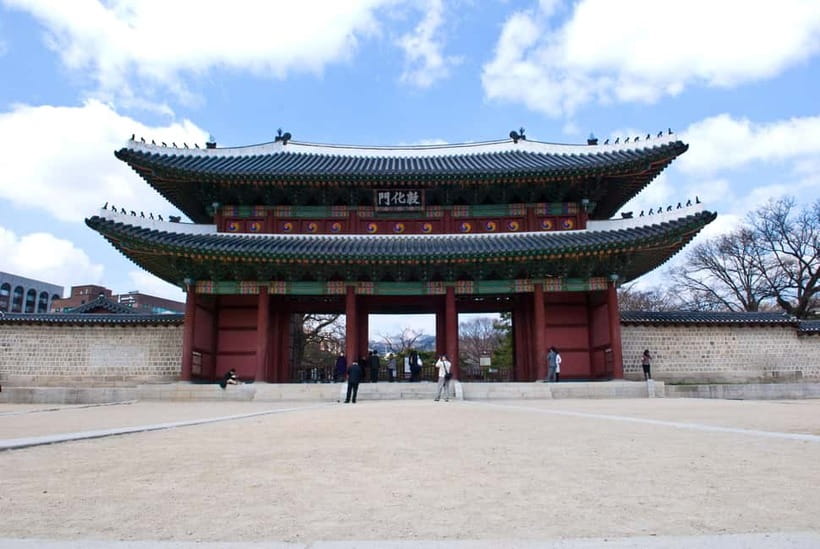
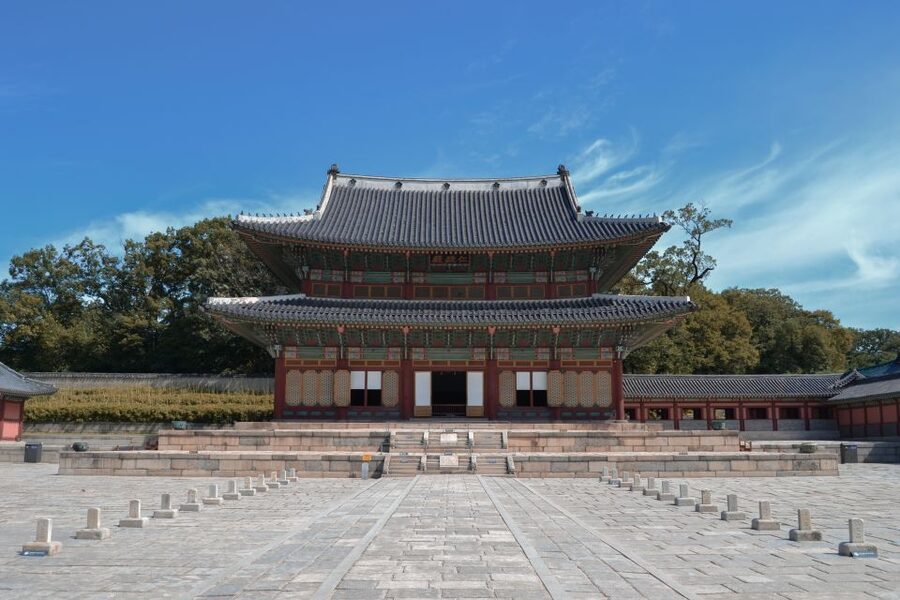
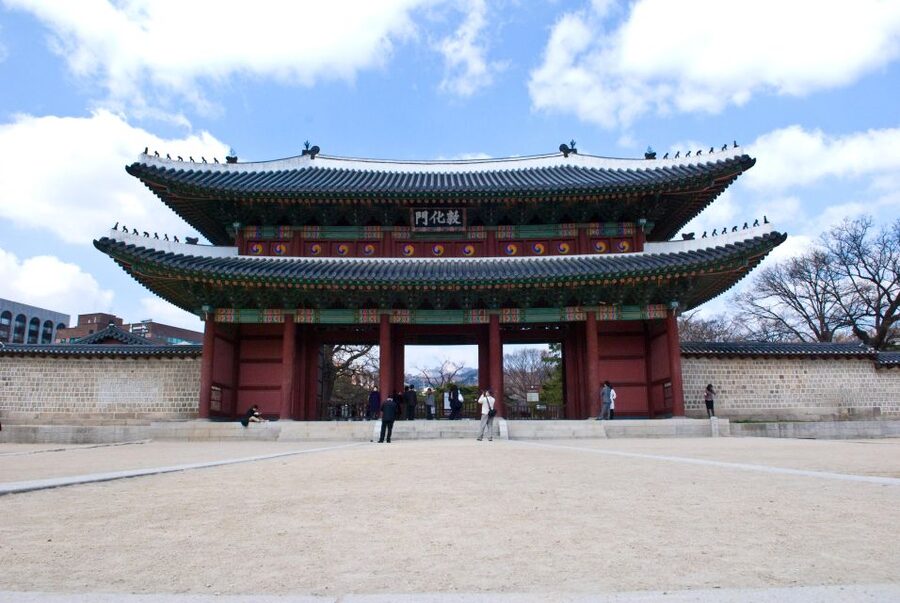
Changdeokgung Palace is the main royal highlight on the standard itinerary. It was used as a royal residence and is recognized by UNESCO for its cultural value. Its appeal comes from the way buildings, courtyards, and gardens work with the natural setting rather than trying to overpower it.
I like Changdeokgung because it feels less like a single grand monument and more like a working royal compound. You move through gates and halls, then see how the palace’s gardens and wooded areas shaped daily court life. The architecture reflects traditional Korean design, with careful proportions and a close relationship between structures and open space.
Your guide explains the palace’s place in Seoul’s royal story. That context helps you tell Changdeokgung apart from the city’s other palaces. It is not just another set of painted beams and tiled roofs. It shows how the royal household used separate spaces for ceremony, administration, and private life.
On Mondays, Changdeokgung is replaced by Gyeongbokgung Palace. Gyeongbokgung is also a major royal site, but the substitution means you should choose your booking day based on which palace you most want to see. If Changdeokgung’s gardens and more integrated design are your priority, avoid Monday.
The tour includes admission, so you do not need to budget separately for the listed sites. The pace is intended to give you time at each location, but you are still visiting several places in one outing. If you prefer to linger over architectural details, sketch, or take many photographs, a self-guided visit may offer more freedom.
A different set of gates, same trip:
- Mount Seorak and Naksansa Temple One Day Tour from Seoul
★ 4.5 · 167 reviews - Seoul: War Memorial, Jogyesa Temple & Tapgol Park Tour
★ 4.8 · 56 reviews - Seoul: Vegan Temple Food Class, Jogyesa & Changdeokgung Tour
★ 4.6 · 34 reviews - Seoul: Temple & Starfield COEX Mall Gourmet Tour in Gangnam
★ 4.7 · 22 reviews
The ginseng stop: useful context, possible sales pressure
After the heritage sites, the group stops at Cheongha Korea Ginseng. You learn about the long place of ginseng in East Asian medicine and why Korean ginseng is valued for its adaptogenic qualities, meaning it is associated with helping the body respond to stress.
This stop adds a modern commercial element to a tour otherwise focused on shrines and palaces. It may interest you if Korean health products are on your shopping list or if you want to understand why ginseng appears so often in Korean retail culture.
It is also the part of the day that may appeal less to visitors focused strictly on UNESCO sites. Treat it as an educational and shopping stop, not as another historic monument. The tour price does not imply that purchases are included, so you should feel free to listen without buying anything.
The full-day option and Suwon’s fortress
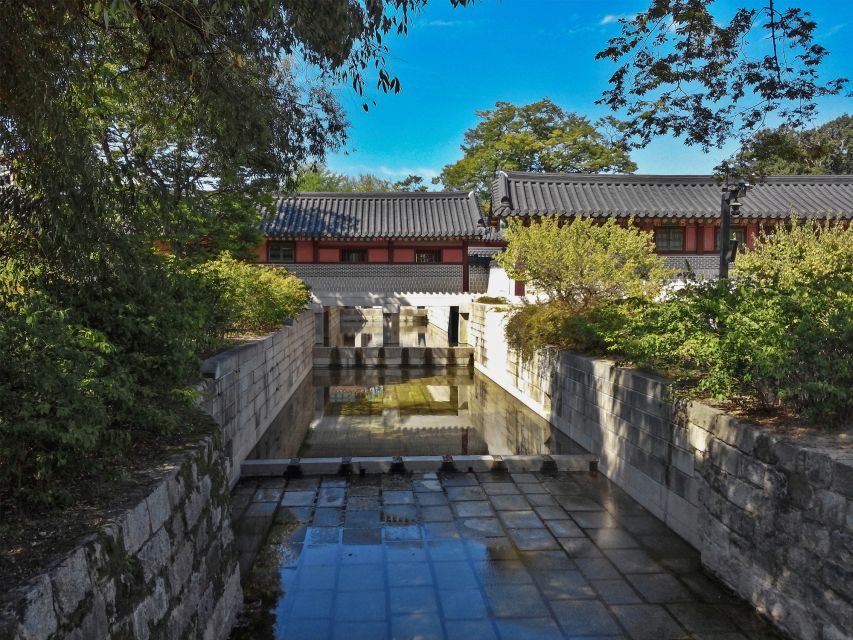
The longer itinerary continues in the afternoon to Suwon, in Gyeonggi-do Province. There you visit Suwon Hwaseong Fortress, another UNESCO World Heritage Site, followed by Hwaseong Haenggung Palace.
Hwaseong Fortress is known for its well-preserved walls and advanced military engineering from the late 18th century. It gives you a different view of Korea’s past from the palace and shrine. Instead of focusing on ritual or royal residence, the fortress shows how defense, city planning, and state power came together.
Hwaseong Haenggung Palace was a temporary residence for kings when they traveled outside the capital. That detail makes it a useful companion to Changdeokgung. Earlier in the day you see a principal royal residence in Seoul. In Suwon, you see the sort of palace complex used when the king and court needed to operate away from the capital.
The Suwon addition makes the trip far more substantial, but it also changes the rhythm. You should expect a full day with several walks, transfers, and a lunch break. Food is not included, so carry money for the meal. Since the exact total duration is not provided, allow plenty of room in your evening schedule and avoid booking a tight dinner reservation or show afterward.
If you only want the Seoul sites, check the exact version available when booking. The details describe a full-day tour that includes all listed stops, but the core description centers on Bukchon, Jongmyo, and Changdeokgung. Confirming the day’s route prevents surprises.
Guides, transport, and the feel of the day
The experience is in English and includes a professional guide, van transfer, and driver. Pickup from your hotel is not included. You meet at Myeong-dong subway station, and the outing returns to the Myeong-dong area near the subway station.
That arrangement is simple for most visitors staying in central Seoul. It also makes the tour easy to pair with an evening in Myeongdong, where you can find restaurants and shopping malls after the final drop-off. You need to get yourself to the starting point, so leave time to find Exit 10 and locate the group.
The strongest pattern in the guide feedback is personal attention. Stella is praised for clear English and a friendly introduction to Korean culture. Park is described as warm and fun, with strong history explanations. Leo is noted for passion, efficiency, and care with guests’ preferences. Chloe has helped with photos and local shopping questions, while Orota is praised for interesting historical detail and a welcoming manner.
Guide assignments can change, so you should not book expecting one specific person. Still, these names give you a useful sense of the company’s guiding style: conversational, history-focused, and attentive to photographs and practical needs.
The tour operates rain or shine. Seoul weather can change quickly, so bring suitable footwear and clothing rather than assuming every stop will be indoors. The experience is not suitable for wheelchair users, and alcohol and drugs are not allowed.
Who will get the most from this tour?
I would choose this outing if you want a clear introduction to Seoul’s royal culture without spending your first days arranging multiple tickets and routes. It suits history enthusiasts, first-time visitors, couples, and families with older children who can manage a full morning of walking.
It is also a good fit if you care about context. The guides do more than point out architecture. They explain royal ancestors, court ritual, palace design, Korean culture, and the role of ginseng. That makes the sites easier to understand later when you explore other parts of Seoul.
You may want another option if you dislike group schedules, want extensive free time for photography, or prefer to spend a whole day at one palace. The Suwon version is especially demanding for visitors who tire easily. The tour is also not suitable for wheelchair users.
Booking details that affect your decision
The cost is $36 per person. That includes entrance fees, an English-speaking professional guide, van transfer, and driver. Lunch, hotel pickup, and hotel drop-off are not included.
You can cancel up to 24 hours before the activity for a full refund, and the reserve-and-pay-later option lets you keep your plans flexible. The exact meeting point and time are confirmed by email, so do not rely only on the general meeting instruction. Check your inbox and spam folder before the tour date.
For the best match, pay attention to the day:
- Monday replaces Changdeokgung with Gyeongbokgung.
- Tuesday replaces Jongmyo Shrine with Insa-dong Culture Street.
- A closure at Bukchon replaces it with Namsangol Hanok Village.
- The longer route adds Suwon Hwaseong Fortress and Hwaseong Haenggung Palace.
Should you book it?
Book this tour if you want several important Seoul heritage sites explained in plain English, with admission and transport handled for you. The price is fair, and the guides’ warmth, photo help, and strong cultural explanations add real value.
Choose your date carefully if Changdeokgung or Jongmyo is essential. And if Suwon is included, prepare for a long day rather than a light city walk. For a first look at Seoul’s royal world, this is a well-rounded choice. For slow, highly personal exploration, use it as an introduction, then return to your favorite palace or neighborhood on your own.
FAQ
Where does the tour begin?
It begins outside Exit 10 of Myeong-dong subway station at 8:30 am. The local partner confirms the exact meeting point and time by email.
Where does the tour end?
It returns to the Myeong-dong meeting area, near the subway station. Hotel drop-off is not included.
What is included in the $36 price?
The price includes entrance fees, a professional English-speaking guide, van transfer, and driver.
Is lunch included?
No. A lunch break is provided, but you pay for your own meal.
What happens on Mondays?
Changdeokgung Palace is replaced by Gyeongbokgung Palace on Mondays.
What happens on Tuesdays?
Jongmyo Royal Shrine is closed on Tuesdays, so the tour visits Insa-dong Culture Street instead.
Is the tour suitable for wheelchair users?
No. The experience is listed as unsuitable for wheelchair users.
Newly written up around Seoul
- Seoul: War Memorial, Jogyesa Temple & Tapgol Park Tour★ 4.8 · 56 reviews
- Seoul Sunrise & Sunset Hike + Temple & K-Food Adventure★ 4.8 · 6 reviews
- Seoul: Vegan Temple Food Class, Jogyesa & Changdeokgung Tour★ 4.6 · 34 reviews
- Seoul: Temple & Starfield COEX Mall Gourmet Tour in Gangnam★ 4.7 · 22 reviews
- Seoul: Night Bongeunsa Temple Guided Tour★ 5.0 · 11 reviews
- Seoul: 4-Hour Guided Tour to Palace, Bukchon, Jogyesa Temple★ 5.0 · 3 reviews
- Gyeongbokgung Palace, Jogyesa Temple and Bukchon village★ 5.0 · 12 reviews
- Danyang Tour:Guinsa Temple & Bobaljae & Cheongpung Cable Car★ 5.0 · 15 reviews
Seoul Temple Tours, compared.
Palace, Temple and Market Guided Foodie Tour at Night
Read our review →
Mt Seorak + Naksansa Temple or Nami Island Group Tour
Read our review →
Best Things to Do – Half Day Seoul Trip (Seoul Palace & Temple)
Read our review →
Mount Seorak and Naksansa Temple One Day Tour from Seoul
Read our review →
Vegan Temple Food Class, Jogyesa & Changdeokgung Tour
Read our review →
Temple & Starfield COEX Mall Gourmet Tour in Gangnam
Read our review →
Danyang Tour:Guinsa Temple & Bobaljae & Cheongpung Cable Car
Read our review →Browse the lists this tour appears in