
Reviewed · TEMPLE SUNRISE TOURS
Seoul Sunrise & Sunset Hike + Temple & K-Food Adventure
Achasan gives you a fine Seoul payoff without sending you deep into the countryside: after a short climb, you reach views of the Han River, Lotte Tower, and the city spreading below. The mountain also has a serious past as a military lookout and defensive point, so this is more than a photo stop with a hill attached.
I like the mix of easy access and real exercise, plus the way the evening moves from mountain air to Korean food. Guides David and Sanghoon have been patient with slower hikers and happy to adjust food for special diets. The catch is simple: summer heat and stair sections can make this feel tougher than the 30-minute hike suggests.
Key points to know before you book
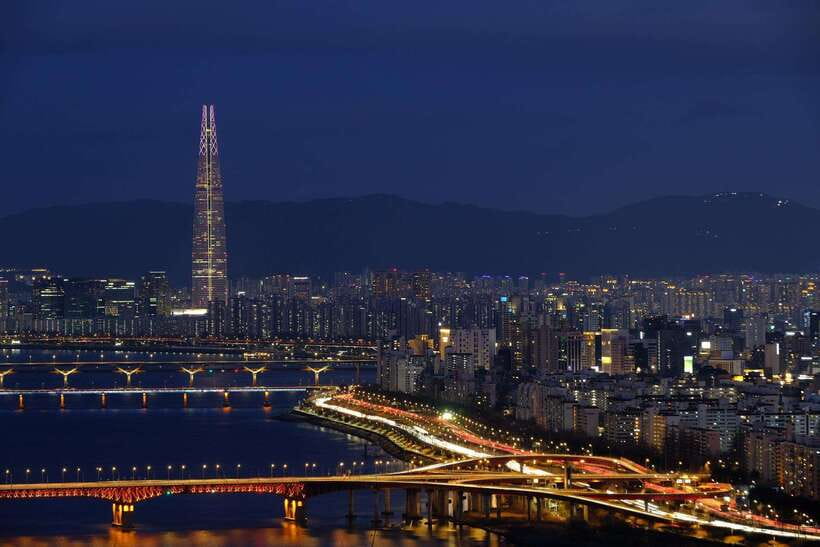
- Achasan offers big Seoul views after a short climb: You get a useful taste of hiking in the city without giving up half a day.
- The route includes stairs: Beginners can manage it, but you should expect breaks, especially in hot weather.
- The mountain has a military past: Your guide explains why Achasan mattered for defending Seoul.
- A Buddhist temple adds a quiet pause: The advertised stop is Gyeongwonjeongsa Temple, though some outings have included Yeonghwasa Temple.
- Food is part of the main event: Expect Korean street snacks, jeon, makgeolli, and a local meal.
- The small group keeps the walk personal: Numbers are limited to eight, with Korean and English guiding.
Why Achasan is a smart place to see Seoul
Seoul has plenty of famous viewpoints, but Achasan offers a different angle. You are not simply looking down from a tower or a polished observation deck. You walk uphill through a mountain setting, then look across the Han River toward the city.
The starting point is in front of Exit 1 at Gwangnaru Station on Line 5. From there, you walk about 15 minutes to the trail area. That short approach matters because you do not need a taxi or a long transfer to reach the start. The tour finishes near Achasan Station, so the route forms a practical line through the neighborhood rather than sending you back to the original meeting point.
The climb itself is listed as about 30 minutes, followed by a scenic photo stop, then another 30-minute hiking section and a short guided sightseeing segment. The wording suggests a gradual route rather than one nonstop push to a summit. Still, you should not read easy as flat. Stairs are part of the climb, and one first-time hiker needed extra rest breaks.
I would rate this as a good introduction to Seoul hiking for a reasonably active person. It is not a technical mountain walk, but it is also not a casual stroll in a park. Bring water, wear shoes with a secure sole, and avoid treating the time estimate as a race.
More Temple Sunrise Tours in Seoul:
- Angkor Wat Sunrise or Sunset Tour with Guide from Siem Reap
★ 5.0 · 12,109 reviews - Siem Reap: Angkor Wat: Small-Group Sunrise or Sunset Tour
★ 5.0 · 9,444 reviews - Siem Reap: Angkor Wat 2-Day Tour with Sunrise and Sunset
★ 4.9 · 4,429 reviews
The climb, the history, and the view
Your guide uses the walk to explain Achasan’s military importance. Its position gave defenders a useful view over routes into Seoul, and the mountain played a role as a strategic point in earlier periods. That context gives the summit more meaning. You are looking at the city from a place that once helped people watch and protect it.
The view is the main reward. You can see the Han River, Seoul’s dense urban spread, and Lotte Tower. At sunset, the light should add a changing color to the city, though the exact effect depends on weather and the time of year. The experience also offers a photo stop along the way, so you do not need to wait until the highest point to take out your camera.
The mountain has a pop-culture detail for BTS fans. One participant was especially keen to reach the spot associated with RM and V in a Run BTS episode. That connection is not the main reason to book the hike, but it adds a fun target if you follow the group.
For a beginner, the guide makes a real difference. David was patient with hikers who needed breaks, and Sanghoon has a friendly, conversational approach. A small group of no more than eight also helps. You can ask questions, keep a manageable pace, and avoid being lost in a large tour line.
The main weakness is the weather. In August, the heat made the climb feel intense, even though the route was described as manageable. If your starting time falls during a hot part of the day, carry water and expect to slow down. For a sunset departure, the heat may be kinder, but you should still check the available start time before booking.
A quiet Buddhist stop at the foot of the mountain
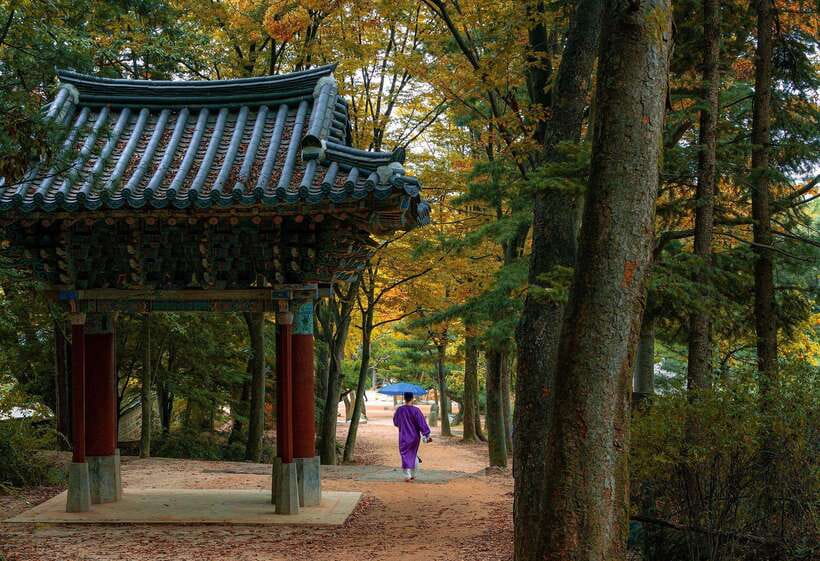
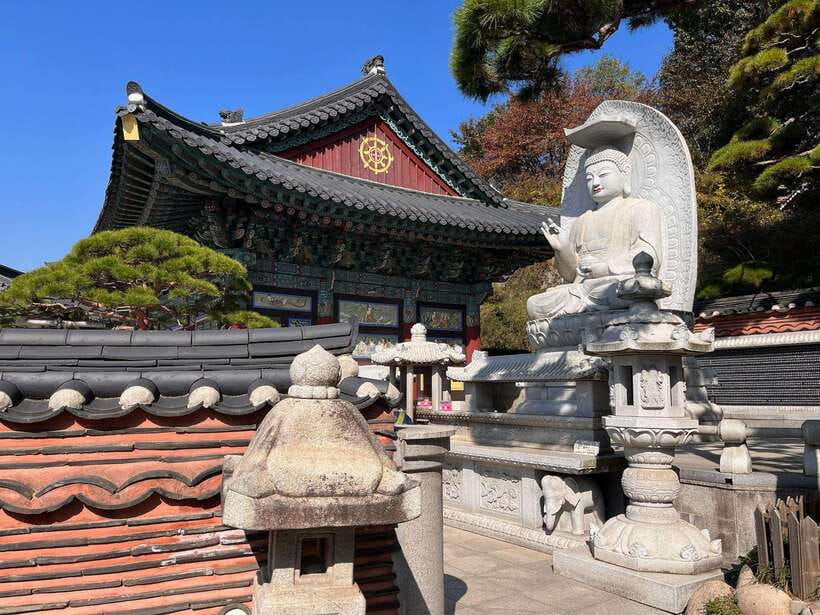
After the mountain section, the tour includes a Buddhist temple near Achasan. The advertised temple is Gyeongwonjeongsa, described as a peaceful place with Buddhist statues and carefully preserved architecture. The temple gives the outing a useful change of pace: after stairs, views, and city talk, you get a quieter setting for reflection.
Some outings have included Yeonghwasa Temple instead, so I would confirm the exact temple with the guide when you meet. That name difference may reflect the route or the day’s schedule, but it is worth checking if one temple matters to you.
Do not expect a major palace complex or a long formal temple tour. This is a short stop, listed at about 10 minutes of guided sightseeing. Its value comes from the contrast. The temple is close to the mountain, easy to add to the route, and gives you a glimpse of Korean Buddhist architecture without requiring a separate half-day visit.
The stop also helps break up the physical part of the outing. If you are a beginner, a short pause here can be welcome. If you mainly want a hard hike, it may feel brief. The tour is trying to balance nature, history, religion, and food, so no single part receives an extended treatment.
From mountain path to Korean street food
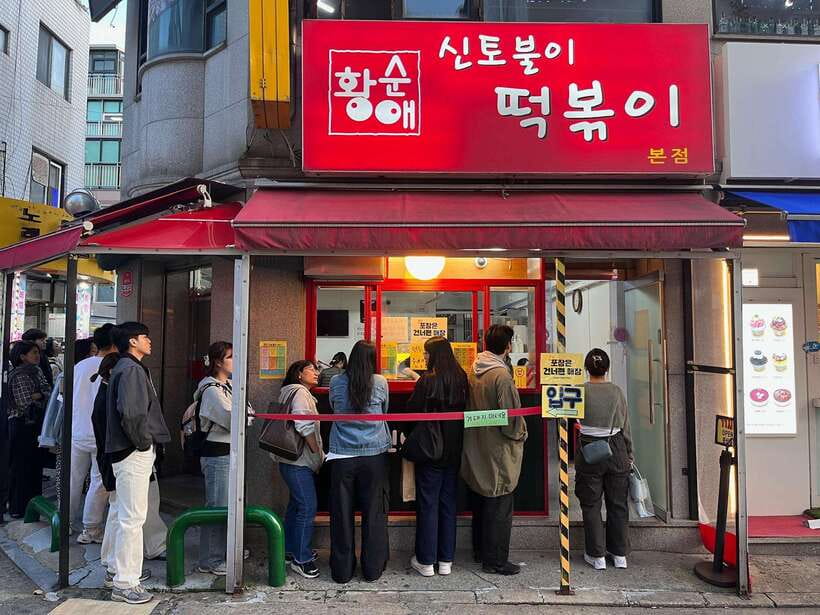
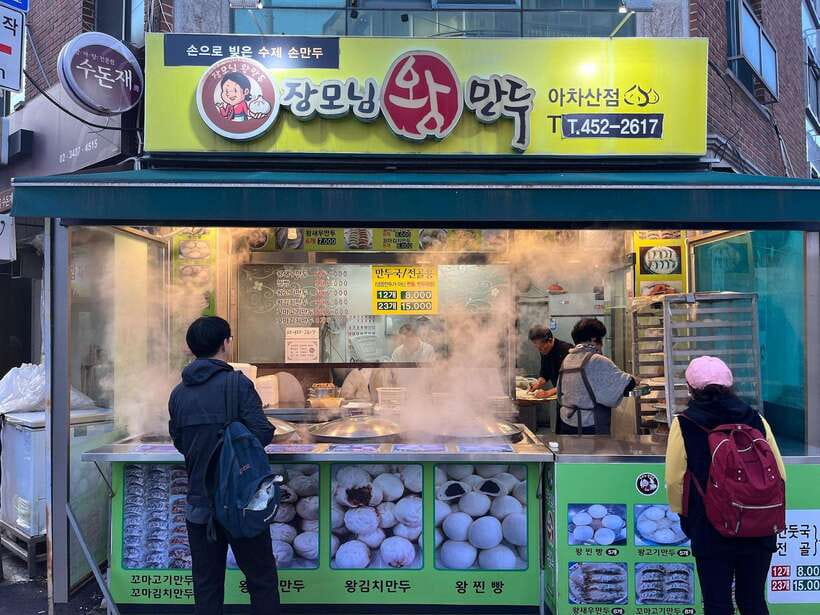
The final 75 minutes focus on eating. This is where the outing becomes more than a viewpoint walk. You may try mandu dumplings, tteokbokki spicy rice cakes, and hotteok sweet pancakes, along with other local snacks and regional dishes.
These foods give you a broad introduction to Korean everyday eating. Mandu is familiar and easy to share. Tteokbokki brings the heat and chewy texture that define one of Korea’s best-known street snacks. Hotteok supplies a sweet finish, often welcome after a savory meal and a climb.
The exact menu can change with shop opening schedules and your preferences. That flexibility is practical, not a flaw. Food stops in a neighborhood depend on what is open, and an adaptable guide can avoid forcing you into one fixed dish. If you have dietary needs, tell the guide early. Sanghoon has accommodated a special diet, so it is sensible to raise the issue before ordering.
The food is not presented as a formal tasting course with a printed menu. Think of it as a guided local eating stop, with your guide helping you understand what you are trying. That approach suits people who want a relaxed introduction to Korean dishes but may be less appealing if you want a carefully planned restaurant dinner.
More Temple Sunset Tours in Seoul:
- Athens: Cape Sounion & Poseidon Temple Sunset Half-Day Trip
★ 4.8 · 8,241 reviews - Siem Reap: Full-Day Angkor Wat Guided Tour with Sunset
★ 4.9 · 3,803 reviews - Angkor Wat Sunset Small Group Tour with Lunch Included
★ 5.0 · 3,059 reviews - Bali Sunset: Uluwatu Temple, Kecak Dance and Jimbaran Bay
★ 4.7 · 2,397 reviews
Jeon and makgeolli finish the evening

After the street snacks, you head to a traditional Korean restaurant for jeon and makgeolli. Jeon is a Korean pancake, usually savory, with a crisp surface and a soft center. It is a natural sharing dish after a walk because you can break off pieces while talking.
Makgeolli is a traditional rice wine with a cloudy appearance and a gentle, lightly sweet taste. The drink is part of the food culture, not just an alcoholic extra. If you do not drink alcohol, check with your guide about alternatives, since the supplied details do not specify a nonalcoholic replacement.
Past meals have included local noodle dishes, including cold noodles on a hot summer evening. That detail matters because the restaurant choice can change with the season and the day. You may get the planned jeon and makgeolli, or a local meal that fits the conditions and the restaurant’s menu.
I like this ending because it lets you sit down after the hike. The meal also creates time for conversation with the guide and the rest of the group. Solo visitors may find that especially useful. The food section is not just fuel. It is the social part of the tour.
Is $82 fair for three hours?
At $82 per person, this is not the cheapest way to get a hilltop view in Seoul. You are paying for a small-group guide, a planned route, historical explanation, temple visit, and food rather than only access to Achasan.
The value improves if you want several experiences in one short outing. A self-guided walk would cost less, but you would need to find the trail, understand the historical context, choose where to eat, and manage the route yourself. Here, the guide handles the transitions from station to mountain, mountain to temple, and temple to food.
The price also makes more sense for solo visitors and couples who want company without joining a large bus tour. With a maximum of eight people, the experience should feel more flexible than a standard group excursion. The food included is a significant part of the value, but personal expenses and transport to the starting point are not included.
You should also keep your expectations in line. This is a three-hour introduction, not a full mountain day, temple pilgrimage, or full Seoul food tour. If you want long trail time or a large meal with many courses, the experience may feel too short. If you want a compact evening that combines movement, views, culture, and dinner, the price is easier to justify.
Timing, fitness, and what to bring
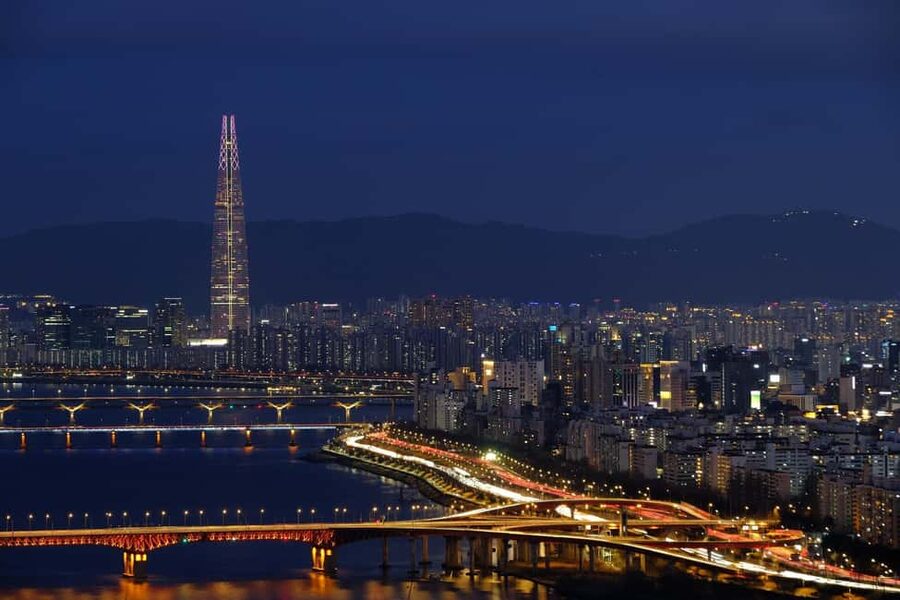
The activity is offered at different starting times, so check the schedule carefully. The route includes a photo stop and sunset viewing, but the exact light depends on when you book. The title refers to sunrise and sunset, yet the detailed route focuses on a sunset-style outing. Confirm your chosen time if catching a particular view is important.
Plan to meet 10 minutes before departure at Gwangnaru Station, Exit 1. You are responsible for reaching the meeting point and getting home afterward. The finish is near Achasan Station, so allow a little extra time to orient yourself after the meal.
Wear comfortable shoes suited to stairs and uneven mountain paths. Bring water and a camera. Smoking is not allowed during the hike. The experience is not suitable for wheelchair users or people with mobility impairments.
I would not book this as your first activity after a long flight if you are exhausted, especially in summer. On the other hand, you do not need serious hiking experience. A casual hiker can manage the route with a steady pace and a few breaks. The guide’s patience is one of the best reasons to choose the small-group format.
Who will enjoy this Achasan outing?
I would recommend it to you if you want a quick break from Seoul’s indoor sights and enjoy learning through food. It suits solo visitors, couples, and small groups who like a guide with time for conversation.
It is also a strong pick if you want a city view that feels earned. The climb is short, but reaching the overlook on foot gives the panorama more character than simply taking an elevator to a platform.
BTS fans may enjoy the added connection to Run BTS, while food-focused visitors will appreciate the combination of street snacks, jeon, makgeolli, and a local restaurant meal. The route also works well for anyone curious about Korean history but not ready to spend a full day at museums and historic sites.
I would hesitate if you dislike stairs, hot weather, group dining, or plans that allow the food menu to change. The restaurant and dishes may shift based on opening times and preferences, so you should book for the overall experience rather than one guaranteed dish.
FAQ
Where does the tour meet?
Meet in front of Exit 1 at Gwangnaru Station on Line 5. The guide waits there 10 minutes before the scheduled start.
How long is the experience?
The tour lasts three hours. The route includes a 15-minute walk, hiking sections, a scenic stop, temple sightseeing, and about 75 minutes for food.
How difficult is the hike?
The climb is described as an easy 30-minute hike, but stairs make it more demanding than a flat walk. Comfortable hiking shoes, water, and a willingness to take breaks are important.
What can I see from Achasan?
The route offers views of Seoul, the Han River, and Lotte Tower. You can also stop for photographs and, depending on the start time and conditions, sunset scenery.
Which temple will I visit?
The planned temple is Gyeongwonjeongsa Temple. Some outings have included Yeonghwasa Temple, so confirm the exact stop with your guide on the day.
What food is included?
The experience includes traditional Korean cuisine and street food. Possible dishes include mandu, tteokbokki, hotteok, jeon, and makgeolli. The menu can change based on shop hours and preferences.
Is the tour suitable for wheelchair users?
No. The experience is not suitable for wheelchair users or people with mobility impairments.
Should you book the Achasan hike?
Book this if you want a compact, social introduction to Seoul that combines a mountain view, local history, a Buddhist temple, and Korean food. The strongest reasons are the city panorama, patient small-group guiding, and the satisfying shift from trail to table.
Skip it if you want a completely flat outing, a fixed restaurant menu, or a long wilderness hike. For everyone else, $82 buys a well-shaped three-hour experience, especially if David or Sanghoon is leading your group and you value local conversation as much as the view.
More temple trips with food stops in Seoul
- Seoul: Vegan Temple Food Class, Jogyesa & Changdeokgung Tour
★ 4.6 · 34 reviews - Bangkok by Night: Temples, Markets and Food Tuk-Tuk Tour
★ 5.0 · 3,752 reviews - Bangkok: Markets, Temples and Food Night Tour by Tuk Tuk
★ 4.9 · 2,371 reviews - 1-Day Snow Monkeys, Zenko-ji Temple & Sake in Nagano
★ 5.0 · 1,020 reviews
More temple hikes and treks in Seoul
- From Barcelona: Montserrat Monastery, Easy Hike, Cable Car
★ 4.9 · 1,021 reviews - From Barcelona: Montserrat Monastery & Scenic Mountain Hike
★ 4.9 · 978 reviews - Chiang Mai – Doi Suthep Temple & Wat Pha Lat Hike
★ 4.6 · 740 reviews - From Sharm: Mount Moses Trekking, Sunrise & Monastery Visit
★ 4.2 · 698 reviews
Newly written up around Seoul
- Seoul: War Memorial, Jogyesa Temple & Tapgol Park Tour★ 4.8 · 56 reviews
- Seoul: Vegan Temple Food Class, Jogyesa & Changdeokgung Tour★ 4.6 · 34 reviews
- Seoul: Temple & Starfield COEX Mall Gourmet Tour in Gangnam★ 4.7 · 22 reviews
- Seoul: UNESCO Sites tour: Palace, Shrine & Bukchon Village★ 4.8 · 26 reviews
- Seoul: Night Bongeunsa Temple Guided Tour★ 5.0 · 11 reviews
- Seoul: 4-Hour Guided Tour to Palace, Bukchon, Jogyesa Temple★ 5.0 · 3 reviews
- Gyeongbokgung Palace, Jogyesa Temple and Bukchon village★ 5.0 · 12 reviews
- Danyang Tour:Guinsa Temple & Bobaljae & Cheongpung Cable Car★ 5.0 · 15 reviews
Temple Sunrise Tours, compared.
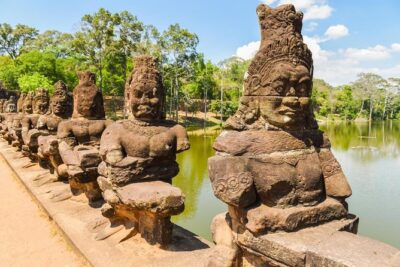
Angkor Wat Sunrise or Sunset Tour with Guide from Siem Reap
Read our review →
Angkor Wat: Small-Group Sunrise or Sunset Tour
Read our review →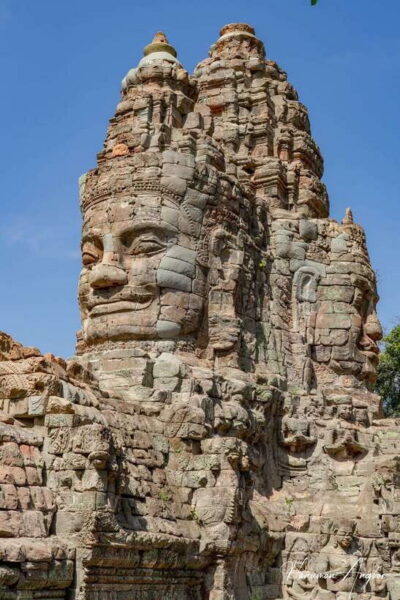
Angkor Wat 2-Day Tour with Sunrise and Sunset
Read our review →
Angkor Wat Sunrise tour with Small – Group and Guide tours
Read our review →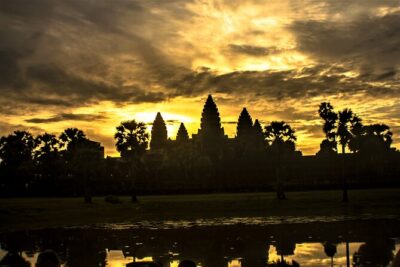
Angkor Wat Highlights and Sunrise Guided Tour from Siem Reap
Read our review →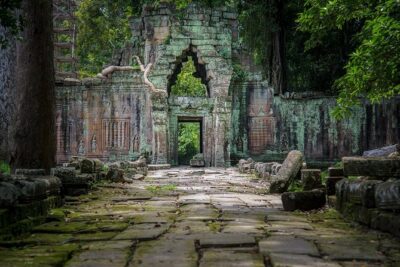
Full-Day Angkor Wat Sunrise Private Tour with Guide from Siem Reap
Read our review →
Angkor Wat Sunrise & 3 Main Temples with Breakfast – Small Group
Read our review →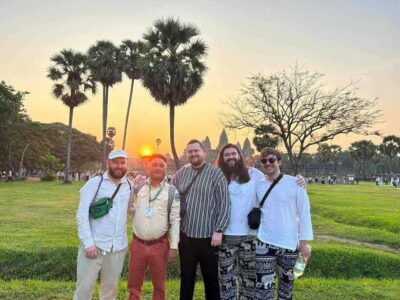
Angkor Wat Sunrise and Full-Day Sightseeing Tour
Read our review →Browse the lists this tour appears in