
Reviewed · MUSEUMS
Tokyo: Mt. Fuji, Owakudani, Hakone Shrine, & Open-Air Museum
Hakone packs art, volcanoes, mountain scenery, and old shrine culture into one busy day. The best part is the contrast: you can study a Picasso gallery in the morning, watch steam rise from a volcanic valley, then find quiet by the red torii of Hakone Shrine.
I like the three very different stops and the fact that transport, admission tickets, and a guide are included for $79. I also like the tour’s flexibility. Guides such as Juna, Icchi, and Yuichi have changed the order to beat crowds or handle rain, which matters in a place where weather and traffic can reshape the day.
The main drawback is simple: Hakone is weather-dependent and traffic-prone. Mount Fuji may be hidden, optional ropeway and pirate ship rides may not run, and a crowded day can mean less time at each stop. Still, this is a practical way to see a wide stretch of Hakone without sorting out several train, bus, and attraction connections yourself.
Key points to know before booking
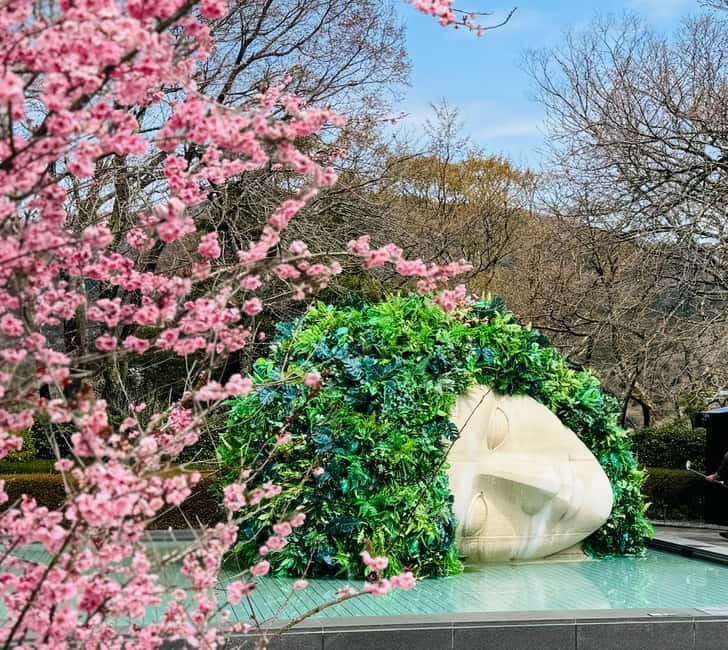
- The Hakone Open-Air Museum combines major art with gardens, sculptures, and mountain views.
- Owakudani gives you a close look at active volcanic ground, sulfurous springs, and steam vents.
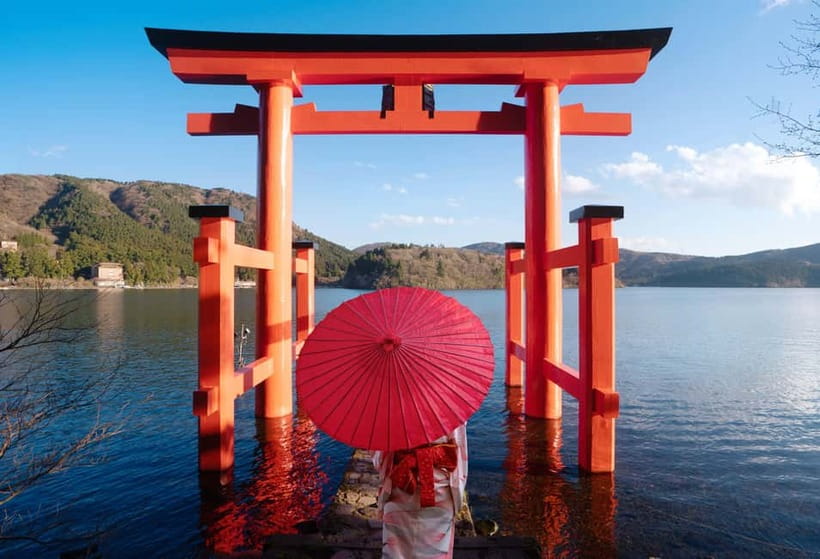
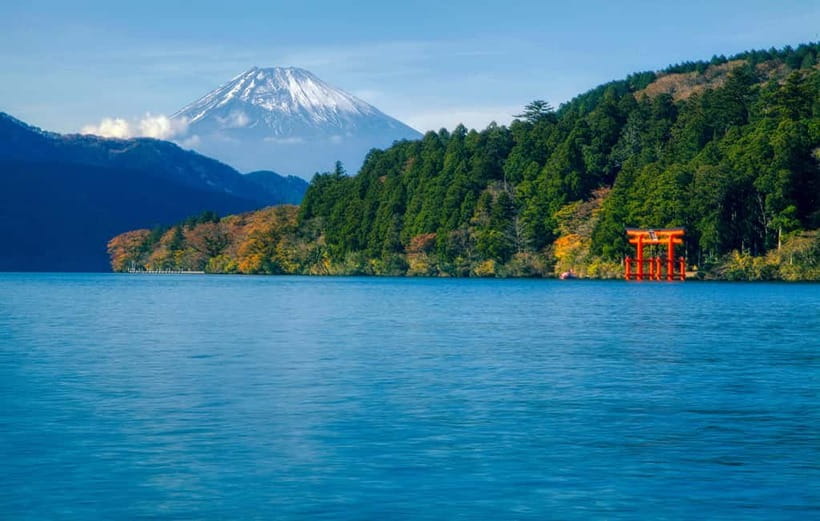
- Hakone Shrine sits beside Lake Ashi, with the famous torii gate in the water.
- The itinerary can change because of rain, traffic, crowds, and Japan’s 10-hour vehicle limit.
- Ropeway and pirate ship rides are optional and cost extra if conditions allow them.
- The $79 price includes transportation, admission, and an English or Korean-speaking guide, but not food.
Why this Hakone day trip works from Tokyo
Hakone is one of Japan’s easiest escapes from Tokyo in theory and one of the more confusing places to organize in practice. The area spreads around Lake Ashi and the lower slopes of Mount Hakone. Attractions are connected by trains, buses, boats, cable cars, and the Hakone Ropeway, but those connections take planning.
This tour gives you a vehicle and a guide for the day. You do not need to work out which station connects to which bus, or decide how to rearrange the route when heavy rain slows everything down. The guide can adjust the order while keeping the main sights in play.
That convenience is the real value here. At $79 per person, you are paying less for a slow, deeply specialized art tour and more for efficient access to several far-flung parts of Hakone. Admission tickets and transportation are included, which makes the price easier to judge.
You should still expect a full day with a fairly active schedule. This is not a stay-in-one-place outing. You will move between a museum, a volcanic valley, and a lakeside shrine, with optional transport experiences if time and weather cooperate.
More Museum Visits in Tokyo:
- Tokyo War History Tour: Yasukuni Shrine & War Museum
★ 4.5 · 6 reviews - Montserrat Museum and Monastery Entry Ticket
★ 4.5 · 1,740 reviews - Lisbon: Belem, Jeronimos Monastery, and Coach Museum Tour
★ 4.8 · 478 reviews
Starting with art at the Hakone Open-Air Museum
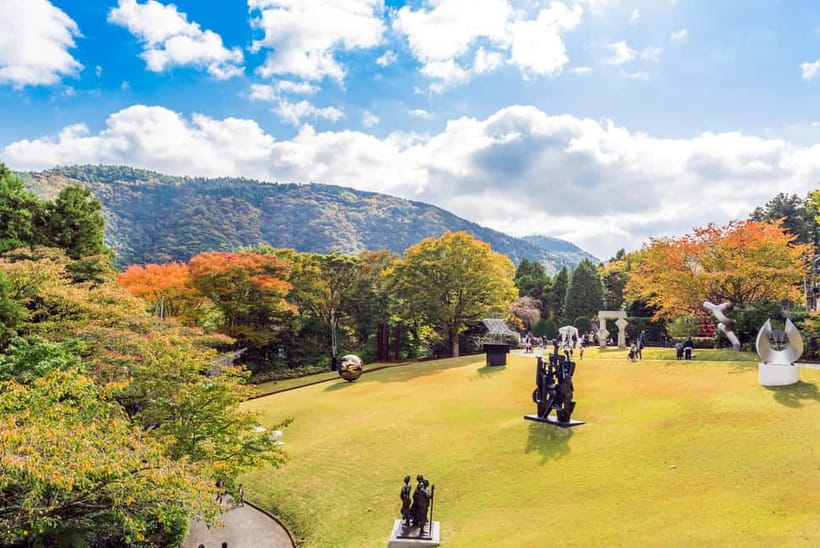
The Hakone Open-Air Museum is a strong first stop because it does not feel like a standard indoor museum. Large sculptures sit outdoors among gardens and mountain scenery, so the setting is part of the visit.
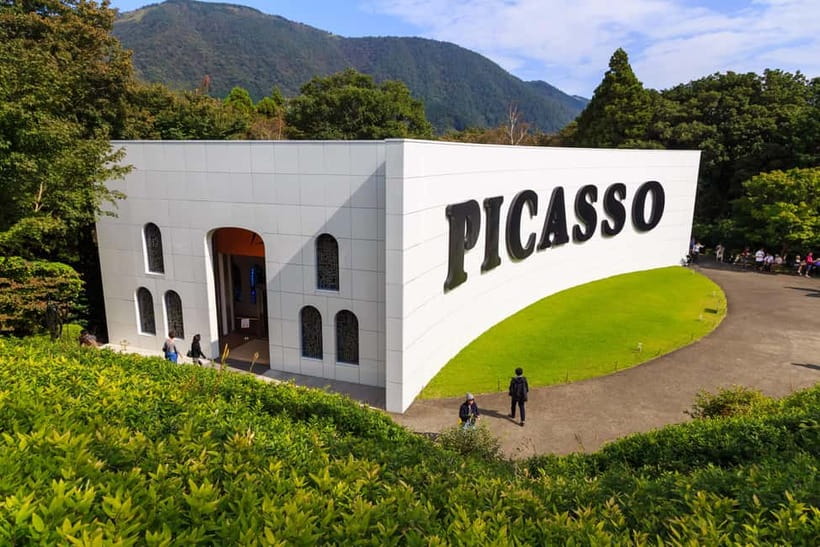
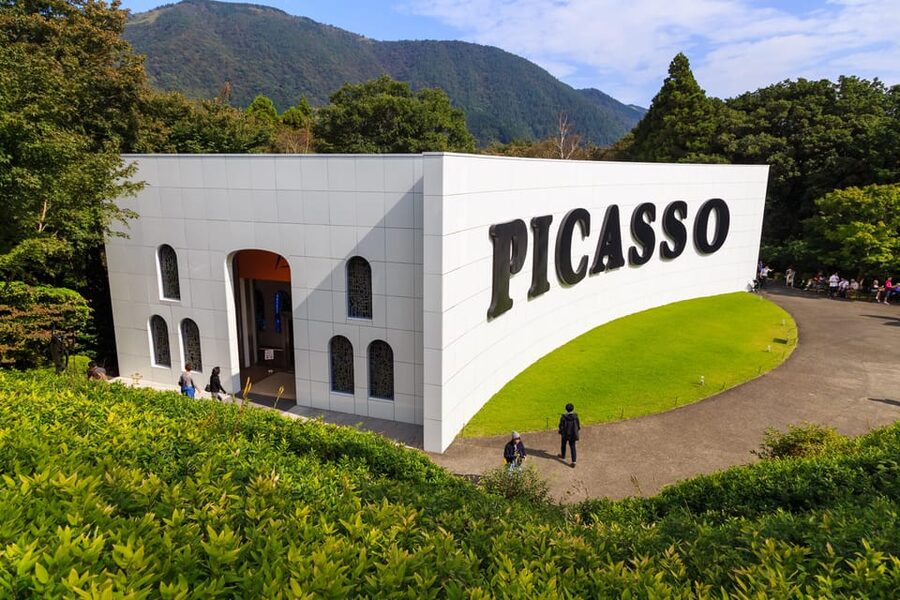
You can see work by Henry Moore and Joan Miró, along with a Picasso gallery. That gives the museum enough artistic weight for serious art lovers, while the outdoor layout keeps it approachable if you are not usually eager to spend a morning in galleries.
I like the mix of quiet walking and big, easy-to-see works. You are not confined to a series of dim rooms, and children or restless companions have more room to move. Interactive installations add another layer, though the exact amount of time you have will depend on the group and the day’s traffic.
Plan to wear comfortable shoes. The museum requires walking, and the whole tour includes several stops where you will be on your feet. The gardens are also part of the appeal, so rushing from one indoor display to another would miss much of what makes this museum different.
The tradeoff is time. An organized day trip cannot give you unlimited hours here. If you want to examine every Picasso piece or wander every path, you may prefer a separate museum visit. For a first look at Hakone, though, the open-air setting offers a good balance of culture and fresh air.
Seeing volcanic activity at Owakudani
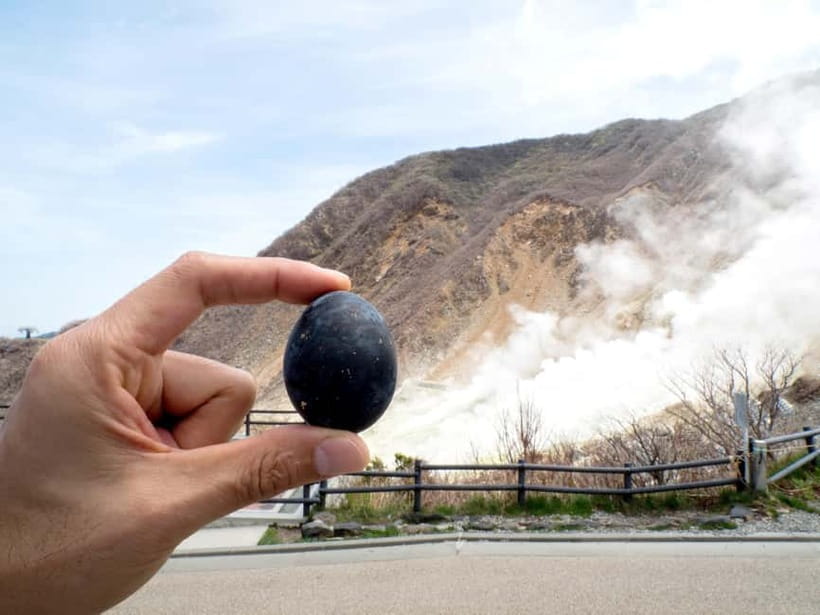
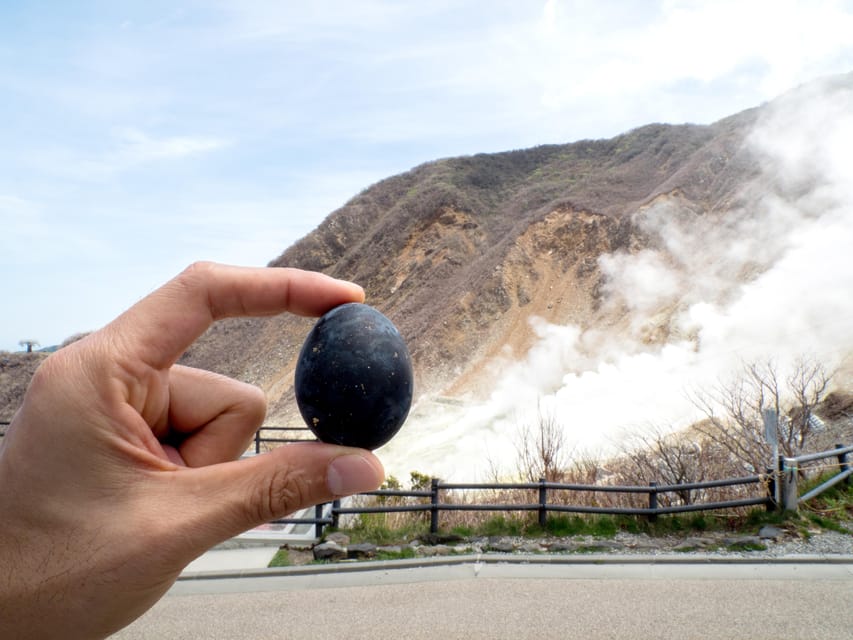
Owakudani is the most unusual stop on the route. This active volcanic valley is marked by sulfurous hot springs, steam vents, and ground shaped by ongoing volcanic activity. It is less polished than the shrine or museum, and that is precisely why it feels memorable.
You will see signs of heat and sulfur rather than a conventional scenic viewpoint. The air may carry a strong sulfur smell, and the terrain has a stark, geological character. The stop helps explain why Hakone has long been known for hot springs and mountain recreation.
If the ropeway is operating and you choose to pay for it, it can add a different view of the volcanic area. The ropeway ticket is not included, and it depends on weather and local conditions. Your guide can help you with the option, but you should not book this tour assuming the ride will always be available.
Owakudani is also where weather can affect the mood of the visit. On a clear day, you may get wider mountain views. In rain or low cloud, the volcanic vents remain the main attraction, but views can be limited.
Give yourself practical comfort here. Bring a light snack and water, wear shoes with a good grip, and be ready for changing conditions. The tour specifically recommends bringing snacks or a light lunch because meals are not included and the schedule may not leave time for a relaxed restaurant stop.
Finding calm at Hakone Shrine and Lake Ashi
Hakone Shrine offers a sharp change of pace after Owakudani. The shrine sits at the foot of Mount Hakone beside Lake Ashi, among forested surroundings and mountain scenery. Its most recognizable feature is the red torii gate standing in the lake.
This is the stop where the tour can feel most peaceful, especially if your guide places it early to avoid large groups. Icchi did exactly that during a rainy day, taking a small group to the shrine first before crowds grew. That kind of adjustment is useful because the torii gate is a popular photo spot and quiet moments may be brief.
You should allow time for the setting, not just a quick picture. The combination of the lake, trees, shrine buildings, and mountain air gives you a more reflective part of the day. The contrast with Owakudani makes both places more effective.
A small cultural tip can make the stop more meaningful. One guide explained that a five-yen coin is considered an auspicious offering at the shrine. You may also want to bring a bottle, since one tour group was told about mineral water available at the shrine. These are minor details, but they help you participate with more awareness instead of simply passing through.
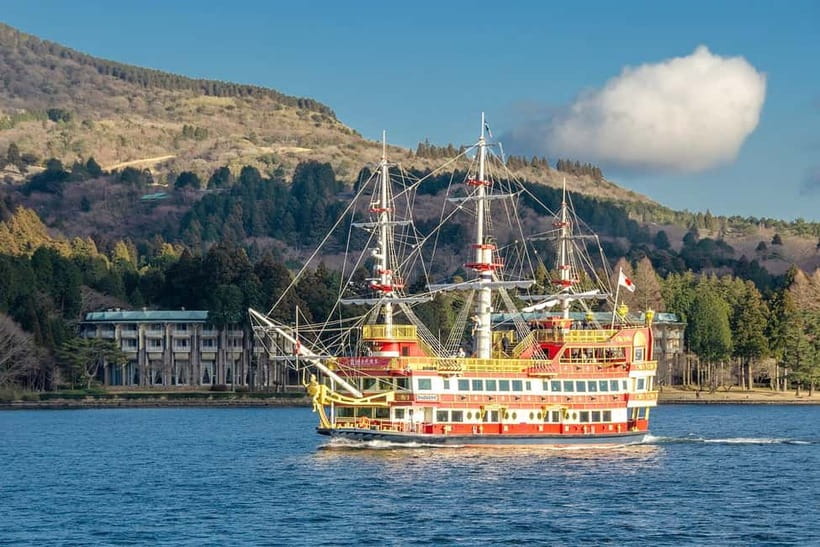
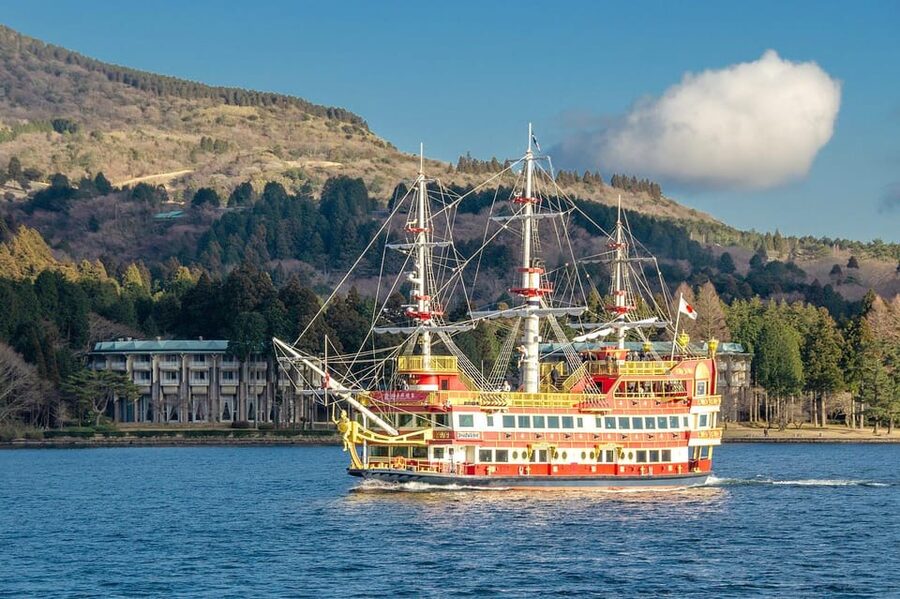
The lake itself may also be part of an optional pirate ship ride. The ticket costs extra, and the boat is subject to weather and local conditions. If you choose it, the ride can give you a broad view across Lake Ashi and a different way to connect the lakeside area with the rest of Hakone.
Other temple visits near Tokyo we have written up
- Tokyo: Asakusa Walking Tour with Sensoji Temple Visit
★ 4.8 · 1,583 reviews - Nikko: Kegon Falls, Lake Chuzenji & Toshogu Temple
★ 4.6 · 1,577 reviews - Tokyo: Nikko Toshogu Shrine and Kegon Waterfall Tour
★ 4.5 · 1,266 reviews - Tokyo Panoramic 1 Day: Meiji Shrine, Asakusa, Odaiba and SKYTREE®
★ 4.5 · 1,222 reviews
Mount Fuji views depend on the sky
The tour includes Mount Fuji in its title, but you need to treat Fuji as a possibility rather than a promise. Cloud, rain, and haze can block the mountain even when the rest of Hakone is open.
One guide, Yuichi, changed the order so the group could try for Mount Fuji views and reach Hakone Shrine and Lake Ashi early. The group then used the pirate ship and cable car before continuing to the museum. That shows how much the day can improve when the route responds to the weather.
It also shows why you should keep expectations flexible. On a cloudy or rainy day, you may not see Fuji at all. A small origami Mount Fuji keepsake helped one group end the day on a positive note despite missing the mountain itself, but no souvenir can replace a clear view if Fuji is your main goal.
I would book this for the full range of Hakone rather than for one photograph. The volcanic valley, museum, and shrine remain worthwhile when Fuji disappears. If a clear Mount Fuji view is your top priority, consider the weather forecast carefully and understand that the tour cannot control visibility.
How the guides affect the day
The guide is important here because the tour is not just a fixed bus route. Traffic, rain, crowds, and operating conditions can force changes, and the guide needs to make sensible choices quickly.
Juna was praised for staying attentive to the group’s needs. Icchi safely drove a small group of six through heavy rain and changed the order to improve the shrine visit. Yuichi rearranged the route to make a better attempt at Mount Fuji views and included the optional boat and cable car when conditions allowed.
These examples point to the kind of service you should expect: practical help, route decisions, and assistance with optional activities. The listed languages are English and Korean, so choose the language option that suits you when booking.
Group size is not fixed in the information provided. One reported outing had six people, which allowed for quick movement and personal attention, but you should not assume every departure will be that small. The vehicle cannot operate for more than 10 hours under Japanese law, so the guide may shorten or reorder parts of the day if delays build.
What the $79 price really covers
The $79 price includes transportation, admission tickets, and an English or Korean-speaking guide. That is a useful package for a day in an area where separate fares and admissions can become confusing.
The Hakone Ropeway and pirate ship are not included. Meals, travel insurance, and personal expenses are also extra. I would bring snacks or a light lunch, as the day may be too busy for a proper meal stop and the tour specifically recommends carrying food.
The value is strongest for first-time visitors who want to connect several Hakone sights in one day. You are not paying for a luxury vehicle or a slow private tour. You are paying to save planning time and reduce the risk of getting stuck between attractions.
It is less valuable if you already know Hakone well, want a long museum visit, or prefer to set your own pace. Independent visitors can spend longer at one shrine, ride every available transport link, or wait for better Fuji conditions. This tour gives you breadth and guidance instead.
Practical advice for a smoother day
Wear comfortable shoes. You will walk through the museum grounds, around the shrine area, and at the volcanic valley.
Bring snacks, water, and a small amount of cash. A five-yen coin is useful if you want to make a traditional offering at Hakone Shrine, and a bottle may be handy for mineral water at the shrine area.
Pack for changing weather. Rain can alter the order, block Fuji, and affect the ropeway or boat. The itinerary may also be reversed during peak season because of heavy traffic.
If you plan to bring a baby stroller, notify the operator in advance. Infants can join free of charge, but no seat is provided for an infant.
The meeting point depends on the option you book, and the tour ends back at the meeting point. Check the exact departure details carefully rather than assuming every version begins in the same place.
You can reserve now and pay later, and cancellation is available up to 24 hours in advance for a full refund. Those terms help if your Tokyo schedule is still shifting.
Who should book this Hakone experience
I would recommend this tour to a first-time visitor who wants art, nature, and shrine culture in one day. It also suits you if train and bus changes make you uneasy, or if you want a guide to handle the route while you look out the window.
It is a good choice for couples, families with older children, and small groups that value an efficient schedule. The open-air museum gives the day a cultural anchor, Owakudani provides the most striking natural stop, and Hakone Shrine offers a calmer finish or pause.
I would hesitate if your main goal is an uninterrupted Mount Fuji view. I would also look elsewhere if you dislike changing plans, have limited walking ability that is not addressed by the operator, or want a slow visit focused on only one Hakone attraction.
At $79, this is a sensible value for a broad introduction to Hakone. Book it for variety and practical guidance, not as a guaranteed Fuji-viewing excursion. If you keep that distinction in mind, the day has plenty to offer even when clouds move in.
FAQ
Where does the tour start and finish?
The meeting point may vary depending on the option booked. The activity ends back at the meeting point.
What attractions are included?
The tour includes the Hakone Open-Air Museum, Owakudani, and Hakone Shrine beside Lake Ashi. Mount Fuji views may be possible depending on weather.
Is transportation included?
Yes. Transportation and admission tickets are included in the tour price.
Are meals included?
No. Meals are not included. Bringing snacks or a light lunch is recommended.
Which languages are available?
The tour offers English-speaking and Korean-speaking guides.
Is the Hakone Ropeway included?
No. The Ropeway ticket is an optional on-site purchase and depends on weather and local conditions.
Is the pirate ship included?
No. The Pirate Ship ticket is an optional on-site purchase and may be affected by weather and local conditions.
Can the itinerary change?
Yes. Traffic, weather, peak-season crowds, and the Japanese 10-hour vehicle operating limit can lead the guide to change the order or adjust the itinerary.
Can infants join the tour?
Yes. Infants are free of charge, but no seat is available for an infant.
What should I bring?
Bring comfortable shoes. Snacks or a light lunch are also recommended, and a stroller should be declared in advance if you plan to bring one.
Newly written up around Tokyo
- Tokyo: Snow Monkey and Zenkoji Temple Day Trip In Low Price★ 5.0 · 5 reviews
- Tokyo: Gotokuji Culture Walk & Lucky Cat Temple Experience★ 4.9 · 5 reviews
- :Tokyo,Shibuya /Meiji Shrine tour in KIMONO/English-friendly★ 5.0 · 4 reviews
- Tokyo: Visit 5 Shrines & Collect Goshuin on Private Tour★ 5.0 · 3 reviews
- Tokyo War History Tour: Yasukuni Shrine & War Museum★ 4.5 · 6 reviews
- Tokyo: Sensoji Temple & Street Food: Private Tour with guide★ 4.6 · 8 reviews
- Tokyo: Shibuya Sky, Harajuku & Meiji Shrine Highlights Tour★ 4.5 · 9 reviews
- Tokyo: Private Meiji Shrine & Harajuku Highlights Tour★ 4.5 · 4 reviews
Museums, compared.
Belem, Jeronimos Monastery, and Coach Museum Tour
Read our review →
Rila Monastery and Optional Museum, Cave or Spa
Read our review →
Takua Pa: Food Market, Tsunami Museum, Temple, & Old Town
Read our review →
Phnom Penh City Tour, Silver Pagoda, Genocide Museum, Killing Fields
Read our review →
Archeology Museum, Gunung Kawi & Goa Gajah Temple Tour
Read our review →
Golden Temple, Jallianwala Bagh, Partition Museum & Wagha Border – #Travellouge
Read our review →
Paestum: Private Tour of Greek Temples and Archaeological Museum
Read our review →Browse the lists this tour appears in