
Reviewed · TEMPLE & WATERFALL TOURS
Tokyo: Nikko Toshogu Shrine and Kegon Waterfall Tour
Nikko gives you a sharp change of pace from Tokyo: ornate shrine buildings, cedar-covered mountain roads, a nearly 100-meter waterfall, and a high lake all fit into one long day. I especially like the contrast between Toshogu Shrine’s elaborate carvings and the quiet power of Kegon Falls. You get both culture and nature without arranging several train connections or local buses.
I also like the useful storytelling on the coach. Guides such as Tina, Zoe, Jeff, Vicki, and Jax have been praised for making the long ride worthwhile. The main drawback is the schedule: 10.5 hours is a full day, and Toshogu can feel rushed if crowds or traffic slow the group.
Key points to know before you book

- Toshogu Shrine is the cultural heart of the day, with an included entry ticket and detailed stories about Tokugawa Ieyasu.
- Kegon Falls is reached by a mountain road, so the route itself becomes part of the experience.
- Shinkyo Bridge is included from October 1, 2025, replacing the Nikko onsen stop used through September 30, 2025.
- The coach ride saves planning time, especially for Kegon Falls and Lake Chuzenji, which are less simple to combine independently.
- Bring cash and a packed meal plan, since lunch is not included and cards are not accepted at every stop.
- Expect changing mountain weather, with cold conditions by the lake and fog sometimes hiding the waterfall or lake views.
Why Nikko makes a strong day outside Tokyo
Tokyo can fill your days with shrines, shopping streets, neon, and train rides. Nikko gives you something different: a historic religious center surrounded by mountain scenery. It is far enough from the capital to feel like an outing, but close enough to reach by coach in about two and a half hours, traffic permitting.
The trip works because the stops are varied. You are not spending the whole day at one temple complex or looking at one waterfall from one viewpoint. Instead, you move from the red Shinkyo Bridge to the richly decorated Toshogu Shrine, then up a twisting road toward Kegon Falls and Lake Chuzenji.
At $84 per person, the price is reasonable if you value a simple day with transport, a bilingual guide, and the Toshogu admission included. A self-guided trip may give you more freedom, but you would need to sort out the route, mountain transport, timing, and return journey yourself. The trade-off here is clear: you gain convenience and explanation, but give up some control over how long you spend at each stop.
More Nikko and Kamakura Day Trips in Tokyo:
- Nikko: Kegon Falls, Lake Chuzenji & Toshogu Temple
★ 4.6 · 1,577 reviews - From Tokyo: Nikko Toshogu Shrine and Kegon Waterfall Tour
★ 4.0 · 42 reviews - Nara: Great Buddha, Kasuga Shrine & Deer Park Tour
★ 4.8 · 62 reviews
Starting from Tokyo and settling into the coach
The tour begins at one of two possible meeting points: Tokyo Yaesu Bus Terminal or the ground floor of the Sumitomo Mitsui Bank, Shinjuku Nishiguchi Branch. The exact location depends on the date and option you book, so check the tour schedule rather than assuming you can go to the more convenient one.
Once aboard, expect a long first leg of about two and a half hours. That may sound dull, but the guide uses the journey to explain Nikko, Japanese culture, and the places ahead. This is where guides such as Tina and Jax have received especially strong praise for giving useful background without talking nonstop.
The coach has been described as comfortable, with generous seating. Some departures have included Wi-Fi and USB charging ports. Still, bring water, a phone charger, and something to occupy you. Traffic can stretch the ride, especially during autumn color season or busy holidays.
The guide is there to accompany the group and explain the stops. This is not a private tour, and you will have free time at the sites rather than a personal guide beside you every minute. That arrangement suits you if you like context before exploring on your own.
Shinkyo Bridge: a brief but memorable opening
From October 1, 2025, the first sightseeing stop is Shinkyo Bridge. This red, arched bridge crosses the Daiya River and marks the entrance to Nikko’s sacred area. The setting is simple: bright painted bridge, rushing water below, and forested slopes around it.
You get about 20 minutes here, so think of it as a photo stop and introduction rather than a long visit. The bridge is an important Nikko symbol, and the short pause lets you stretch your legs after the coach ride.
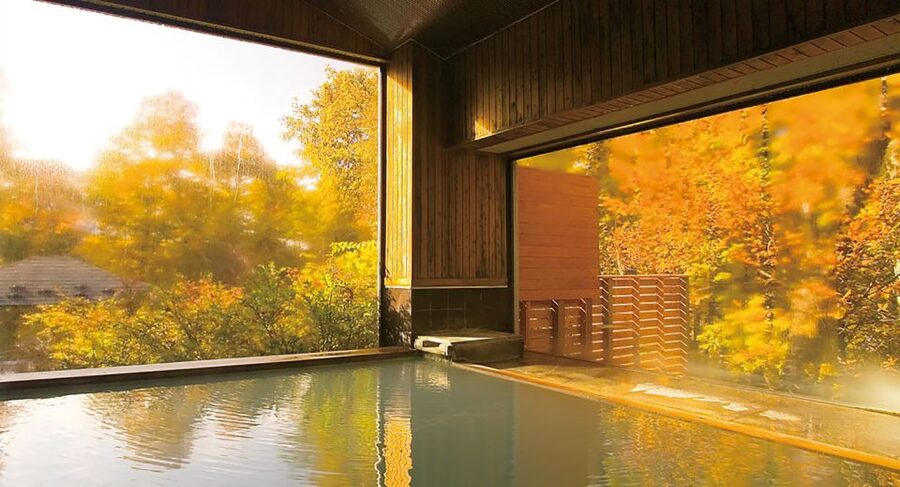
The stop has changed over time. Until September 30, 2025, the itinerary used a Nikko onsen instead. If you are comparing older information or booking based on a past description, check the date carefully. The onsen experience received warm praise from some people, but it is not the scheduled stop from October 1, 2025 onward.
Toshogu Shrine and the Tokugawa story
Toshogu Shrine is the main reason to take this trip. It is the final resting place of Tokugawa Ieyasu, founder of the Tokugawa Shogunate. The shogunate ruled Japan for more than 250 years, until 1868, during the Edo period.
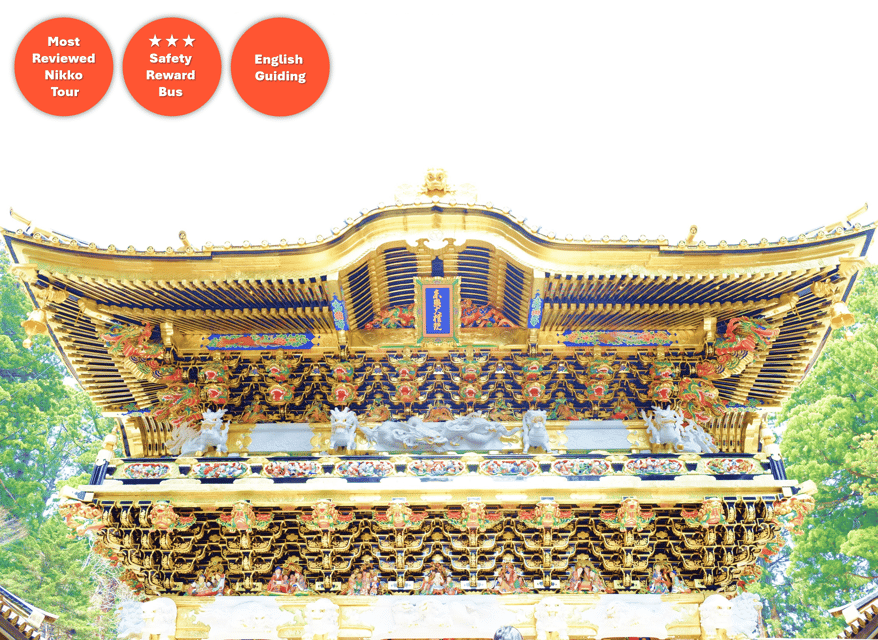
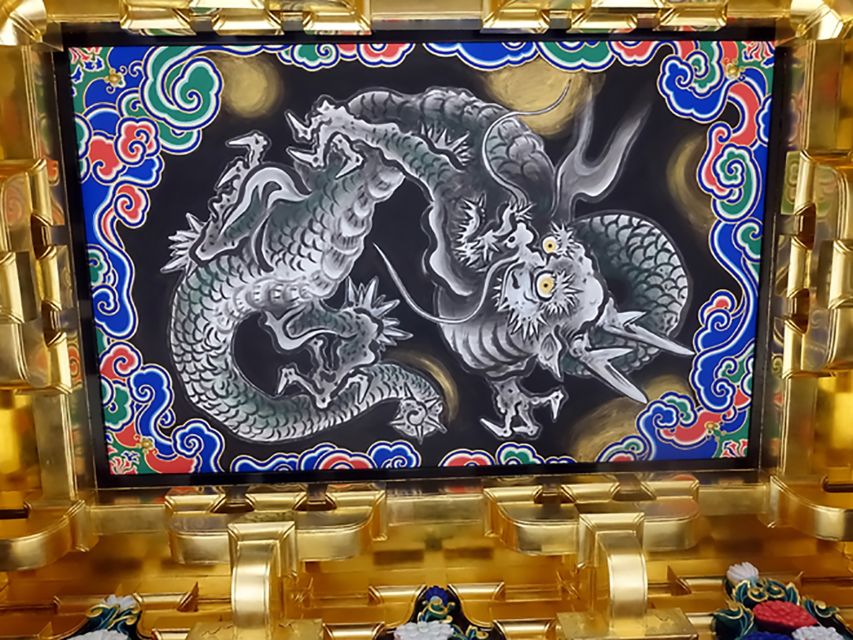
The shrine complex is part of the UNESCO World Heritage site known as the Shrines and Temples of Nikko. It is not a restrained, minimalist shrine. You will see elaborate wooden carvings, bold color, decorative gates, and buildings packed with visual detail. Give yourself time to look up, not just ahead. The workmanship rewards slow attention.
The tour allows about 75 minutes. That is enough to see the main areas and understand why the shrine matters, but it is not an open-ended visit. Several people have wished for more time here, especially when crowds make movement slow. If Toshogu is your main interest, stay focused and avoid spending too long at the first few displays.
The guide’s explanation makes a real difference. Anna from Denmark specifically appreciated receiving a history lesson before reaching the shrine, while guides including Jeff, Annie, Tina, and Zoe have been praised for explaining the buildings and Japanese customs clearly. You may also find an audio-guided option at the shrine useful if you want more detail during your free time.
One practical point: the complex includes steps and uneven walking. Wear comfortable shoes, as requested, and pace yourself. The shrine area is not simply a quick photograph beside a gate. You are walking through a substantial religious site with several sections to see.
More Temple and Waterfall Tours in Tokyo:
- Ubud: Waterfalls, Water Temple & Rice Terraces Private Tour
★ 5.0 · 5,484 reviews - North Bali: Sunrise Tour with Dolphins, Waterfalls & Temples
★ 4.6 · 831 reviews - Bali: Hidden Canyon, Waterfall & Temples Small Group Tour
★ 4.7 · 563 reviews - Bali: Munduk Waterfalls Trek, Twin Lakes and Temple Tour
★ 4.8 · 545 reviews
The Iroha Slope: the ride becomes part of the tour
After Toshogu, the coach heads toward the mountain through the Iroha Slope. This famous road has 48 sharp turns and is linked with the anime Initial D. The driver’s skill matters here, and several people have singled out the smooth driving on this winding section.
You pass through the road rather than stopping for a separate visit, with about 20 minutes listed for the ride. In autumn, the route is especially attractive when the trees turn color. Even outside fall, the climb gives you a sense of how quickly Nikko changes from a historic town into a mountain area.
If winding roads bother you, sit where you can see forward and keep water nearby. The road is an attraction, but it can also be tiring after a morning of walking. Traffic may also affect the schedule, and the itinerary can change during serious congestion.
Kegon Falls: Nikko’s big natural show
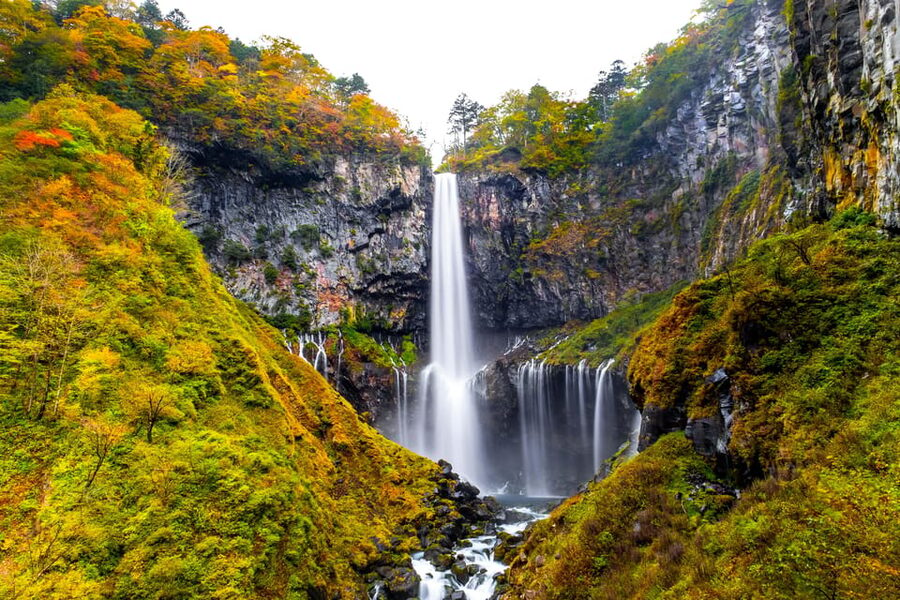
Kegon Falls drops almost 100 meters and is one of Japan’s three famous waterfalls, along with Nachi Falls in Wakayama Prefecture and Fukuroda Falls in Ibaraki Prefecture. It is the dramatic nature stop of the day.
The planned visit lasts about 75 minutes and includes time for sightseeing and lunch. The waterfall can look very different depending on the weather. On clear days, you get a strong view of the falling water and the surrounding cliffs. Fog can soften or hide the view, as happened during some spring outings. That is not a failure of the tour, but it is worth understanding before you book a mountain day.
There is an elevator viewpoint at Kegon Falls, and the cost is not included in the tour. Bring cash if you want to use it. The waterfall area also offers places to buy food, and guides have sometimes suggested local restaurants, including an udon restaurant near the falls.
Lunch is not included, so plan rather than waiting until you are hungry. You may buy food at the stop, bring your own, or follow the guide’s suggestions. The available time is useful because you can combine a meal with the waterfall visit, but a long sit-down lunch leaves less time for photographs and exploring.
This stop is a good test of your priorities. If you want a serious hike or a long nature walk, the schedule may feel limited. If you want to see one of Japan’s best-known waterfalls without handling the mountain transport yourself, 75 minutes is a practical compromise.
Lake Chuzenji and the cooler mountain air
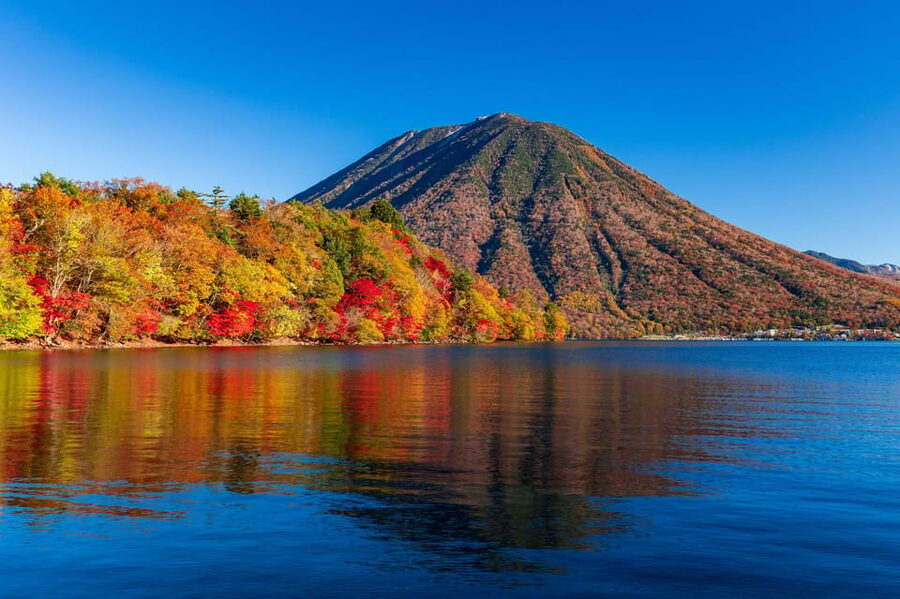
The last major stop is Lake Chuzenji, with about 45 minutes for photographs, a walk, sightseeing, and shopping. The lake sits high in the Nikko mountain area, so conditions can be much cooler than in Tokyo.
Bring an extra layer even if the capital feels warm. A November visit can be cold by the lake, and spring weather may still feel wintry. In poor weather, fog can cover much of the view. On a clear day, the lake gives you a calm final scene after the more ornate shrine and powerful waterfall.
You may have time for coffee, cake, or a short walk near the water. This is not a long lakeside hike. Think of it as a final scenic pause before the return drive.
The lake stop also gives you a little breathing room. After the focused detail of Toshogu and the crowds around Kegon Falls, the open water and mountain air can feel like a welcome reset.
The return to Tokyo and the real cost of the day
The return coach ride takes about three hours, though traffic can change that. You are dropped back at Tokyo Yaesu Bus Terminal or the Sumitomo Mitsui Bank in Shinjuku, according to your departure point and tour arrangements.
That makes this a 630-minute experience, or roughly 10.5 hours. The length is both its strength and its warning. You cover a lot of ground in one day, but you will probably be tired by the time you return.
The $84 price includes the Toshogu entry ticket and a bilingual English and Chinese guide. It does not include lunch, drinks, the Kegon Falls elevator, or other personal purchases. Credit cards are not accepted at every location, so cash is important.
The transport adds real value. Kegon Falls and Lake Chuzenji are not just a quick train ride from central Tokyo, and the mountain roads require careful timing. You are paying to avoid that planning work, not just for a seat on a bus.
What to bring and what to expect from the group
Pack light. Only one carry-on bag is allowed, and large luggage is not permitted. Do not plan to bring suitcases from a hotel transfer or airport connection.
Your useful day bag should contain:
- Comfortable walking shoes
- Water
- Cash
- A warm layer for Lake Chuzenji
- A phone charger
- Snacks or a plan for buying lunch
Children must be accompanied by an adult, and unaccompanied minors are not accepted. Tattoos are considered taboo in this area, so keep the local customs in mind when visiting religious sites and using any facilities.
The weather deserves respect. If conditions are severe enough to cancel the tour, notice is sent on or before 2:00 PM the day before. Otherwise, the itinerary may be adjusted if traffic or conditions make the planned order impractical.
Who will get the most from this Nikko day trip?
I would choose this tour if you have limited time in Tokyo and want one organized day that combines Japanese history with mountain scenery. It is also a good fit if you are uneasy about planning the Iroha Slope, Kegon Falls, and Lake Chuzenji by yourself.
History-minded visitors will get the most from Toshogu. The guide’s explanations help you understand why Tokugawa Ieyasu matters and how the shrine fits into Japan’s political past. Nature lovers will appreciate the waterfall and lake, but should remember that the outing is sightseeing by coach, not a hiking tour.
Families and older visitors may like the comfortable transport and clear structure. You still need to manage steps, walking, weather, and a long day. If you prefer to linger for hours at one shrine, eat slowly, or explore side temples, an independent visit may suit you better.
The tour is offered in English and Chinese. Guide quality can vary by departure, but names including Tina, Zoe, Jeff, Vicki, Annie, Sheila, and Jax have been associated with friendly, clear service. The best guides make the ride feel useful while leaving you free at each stop.
Should you book this Tokyo to Nikko tour?
Book it if you want a well-organized introduction to Nikko, especially Toshogu Shrine, Kegon Falls, and Lake Chuzenji in one day. At $84, the included shrine ticket, coach transport, and bilingual guide offer solid value for a long-distance outing.
Skip it if you need a flexible schedule, dislike long coach rides, or want extensive time inside Toshogu. Check the weather, bring cash, wear good shoes, and accept that mountain fog may hide the waterfall or lake. For most first-time visitors looking for a traditional side of Japan beyond Tokyo, this is a practical and rewarding choice.
FAQ
Where does the tour start?
The tour uses one of two possible meeting points: Tokyo Yaesu Bus Terminal or the ground floor of the Sumitomo Mitsui Bank, Shinjuku Nishiguchi Branch. The exact meeting point can vary by date and option, so check the tour schedule before departure.
How long does the Nikko tour last?
The stated duration is 630 minutes, or about 10.5 hours. The first coach ride takes about two and a half hours, and the return journey takes about three hours, depending on traffic.
Which languages does the guide speak?
The live tour guide service is available in English and Chinese.
Is lunch included?
No. Lunch is not included. You should bring cash or plan to buy food during the Kegon Falls stop, where the itinerary allows time for lunch.
Is the Toshogu Shrine admission included?
Yes. The Toshogu Shrine entry ticket is included in the tour price.
Is the Kegon Falls elevator included?
No. The elevator cost is not included, so bring cash if you want to use it.
What happens if the weather is very bad?
If the weather is severe enough to cancel the tour, you will be informed on or before 2:00 PM the day before. The itinerary can also be adjusted because of serious traffic problems.
Is Shinkyo Bridge included on every departure?
From October 1, 2025, the tour visits Shinkyo Bridge instead of the Nikko onsen. Departures through September 30, 2025 used the onsen stop, so check the date of your tour carefully.
Newly written up around Tokyo
- Tokyo History: Sensoji Temple & Asakusa District Private Tour★ 5.0 · 28 reviews
- Tokyo Private Tour: Temples, Culture & Modern City Highlights★ 5.0 · 56 reviews
- From Tokyo: Snow Monkey Park & Zenko-ji Temple Private Tour★ 4.9 · 42 reviews
- From Tokyo: Nikko Toshogu Shrine and Kegon Waterfall Tour★ 4.0 · 42 reviews
- Tokyo: Snow Monkey Park and Zenkoji Temple Private Day Tour★ 4.7 · 127 reviews
- Tokyo Morning Tour: Asakusa, Meiji Shrine and Tsukiji Fish Market★ 5.0 · 128 reviews
- Tokyo Zen Meditation at Private Temple with Monk★ 5.0 · 178 reviews
- From Tokyo: Private Tour Snow Monkey Park & Zenko-ji Temple★ 4.7 · 184 reviews
Temple & Waterfall Tours, compared.
Waterfalls, Water Temple & Rice Terraces Private Tour
Read our review →
North Bali: Sunrise Tour with Dolphins, Waterfalls & Temples
Read our review →
Hidden Canyon, Waterfall & Temples Small Group Tour
Read our review →
Munduk Waterfalls Trek, Twin Lakes and Temple Tour
Read our review →Monkey Forest, Water Temple, Rice Terrace, Waterfall
Read our review →
Munduk: Twin Lake Jungle Hike, Ulun Danu Temple, & Waterfall
Read our review →
Ubud Tour with Monkey Forest Waterfalls Temples and More
Read our review →
Ubud Top Attractions: Waterfalls, Temples and Rice Terraces
Read our review →Browse the lists this tour appears in