
Reviewed · FUSHIMI INARI SHRINE TOURS
Kyoto: Fushimi Inari Taisha Shrine Walking Tour with Guide
Fushimi Inari Taisha is famous for its endless tunnel of orange torii gates, but this tour gives you more than a quick photo stop. You ride the train with a Kyoto-certified guide, learn the customs behind the shrine, then trade the crowds for Sekiho-ji Temple and its quiet Jizo statues.
I like the use of public transportation, which keeps the outing practical and tied to daily Kyoto life. I also like the smaller, more reflective finish at the temple, including its Zen garden. The main consideration is the pace: this is a roughly two-hour walking tour, and train fare is extra.
Key points to know before you book
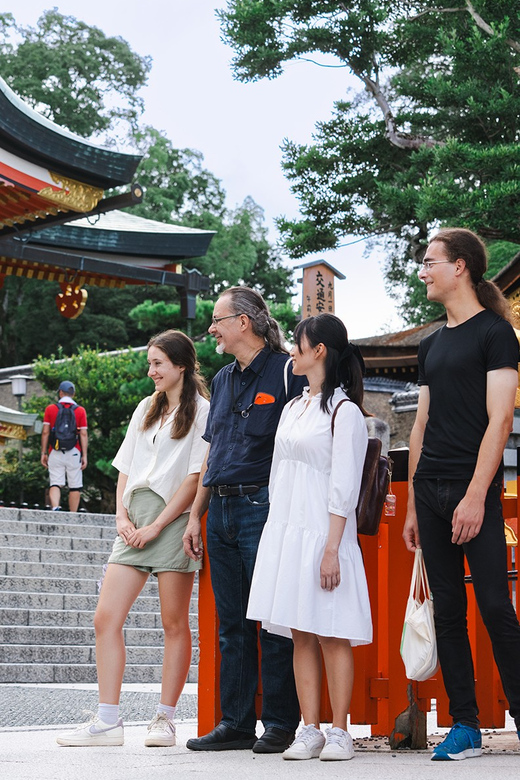
- Walk through the Senbon Torii gates: See Fushimi Inari’s famous orange gateways with context about shrine customs and etiquette.
- Ride with a local guide: The journey begins at Kyoto Station and uses public transportation rather than a private vehicle.
- Visit Sekiho-ji Temple: The temple provides a quieter counterpoint to Fushimi Inari, with Jizo statues and a Zen garden.
- Plan for about two hours on foot: Wear comfortable shoes and arrive early at the Kyoto Station meeting point.
- English only: The tour is conducted in English by a Kyoto city certified guide.
- Book for a weekday in October 2025: It operates from October 6 through October 31, excluding Saturdays and Sundays.
Starting at Kyoto Station with a local guide
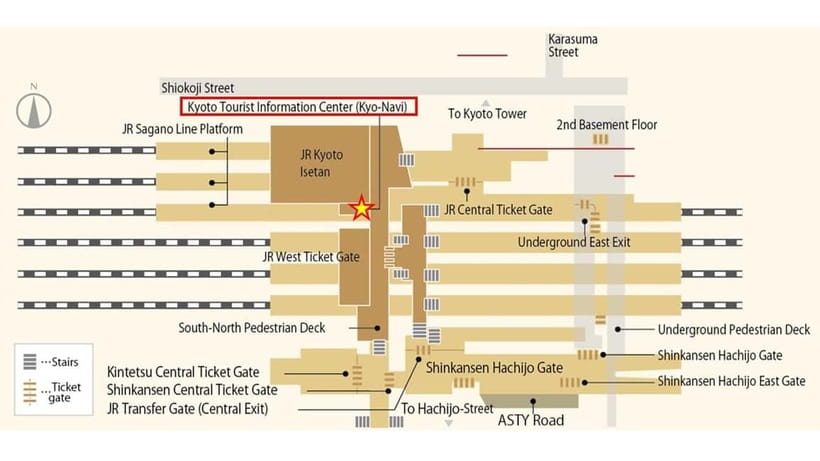
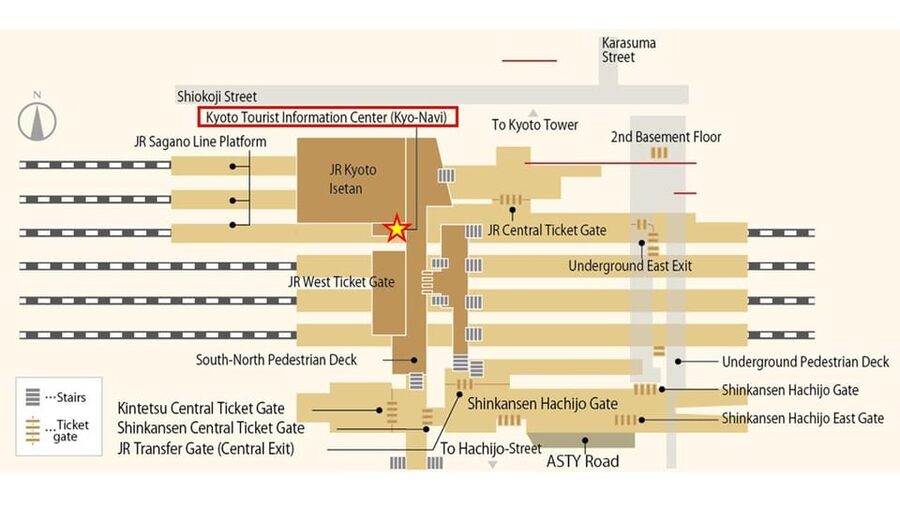
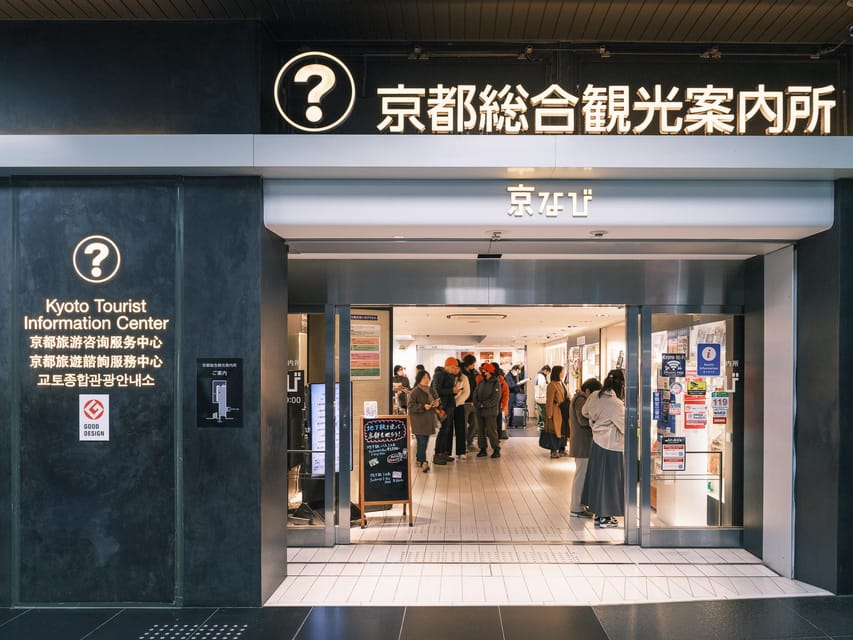
Your meeting point is Kyo-Navi, the Kyoto Tourist Information Center on the second floor of Kyoto Station. It is on the north side of the station’s pedestrian walkway, just south of the large JR Isetan department store.
Kyoto Station is a big, busy building, so allow extra time to find the center. If you get turned around, ask for Kyo-Navi, the name local people use. Your confirmation email should also contain the meeting details.
I like this starting point because it is easy to reach by train and gives you a chance to get oriented before the walk begins. It also makes the tour practical if you are already using Kyoto Station for other sightseeing.
Arrive well before the scheduled start. You cannot join after the tour begins, and a late arrival is especially risky when a train connection is part of the outing.
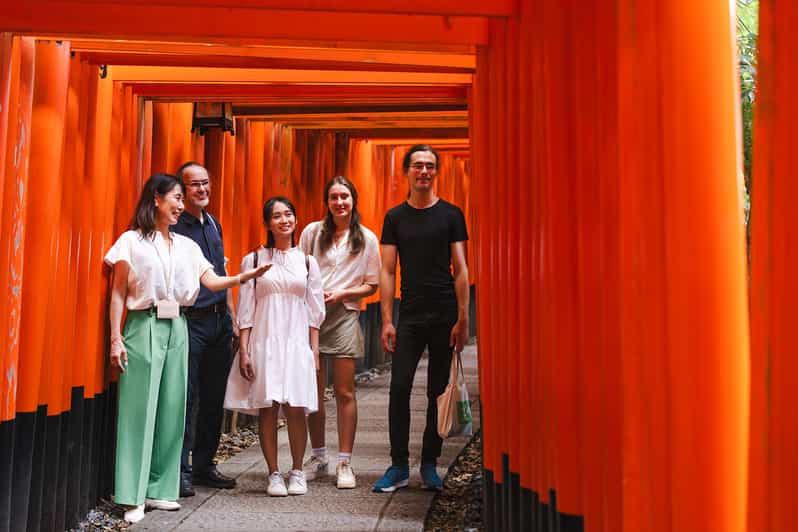
Your guide is an official Kyoto city certified guide, and the tour is conducted only in English. That matters here because the visit is not just a walk between photo spots. You will have someone explaining local customs, shrine manners, and traditions as you move through the area.
The guide also helps make the train ride part of the experience. Rather than treating public transportation as dead time, the tour uses it to show you a normal, useful part of getting around Kyoto.
More Temple Walking Tours in Japan
- Kyoto Tea Ceremony & Kiyomizu-dera Temple Walking Tour
★ 5.0 · 115 reviews - Kyoto: Fushimi Inari Shrine Walking Tour
★ 5.0 · 72 reviews - Tokyo: Asakusa Walking Tour with Sensoji Temple Visit
★ 4.8 · 1,583 reviews
Why the train ride matters
The train fare to Fushimi Inari Taisha is not included, so bring money for your own ticket. The information provided does not give the exact fare, so you should not treat the $34 tour price as covering transportation.
That extra cost is a small but important detail when you compare this outing with a private car tour. You are paying for the guide, the walking route, the cultural explanation, and entry to Sekiho-ji Temple, while handling the train fare yourself.
I like the public-transit approach for two reasons. First, it keeps the tour in step with Kyoto’s environmental goals. Second, it gives you a useful lesson in moving around the city without depending on a taxi or private vehicle.
The train portion may also help you understand how close major sights can be to ordinary neighborhoods. The tour is designed around a more sustainable way to reach Fushimi Inari, not around a vehicle waiting outside each stop.
Entering Fushimi Inari Taisha
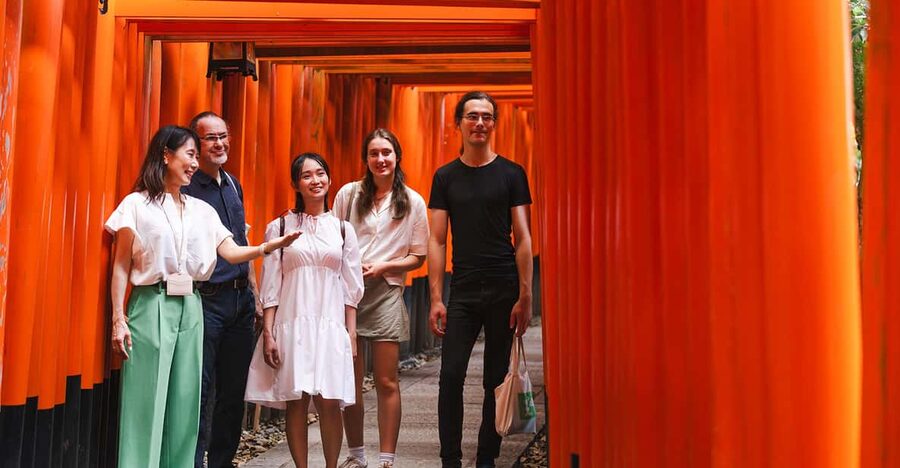
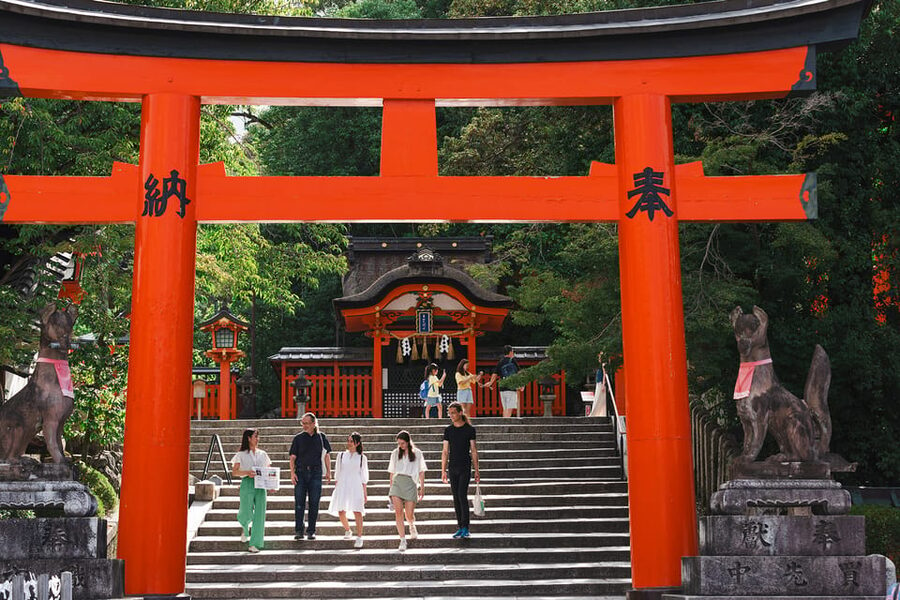
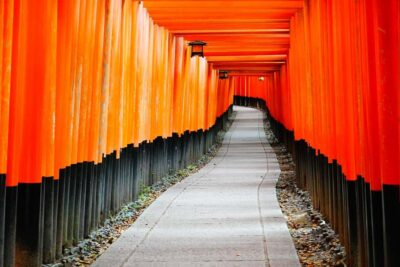
Fushimi Inari Taisha is one of Kyoto’s most recognizable sights. Its signature feature is the Senbon Torii, a long route lined with orange torii gates. Each gate creates another frame ahead of you, making the walk feel both grand and strangely intimate.
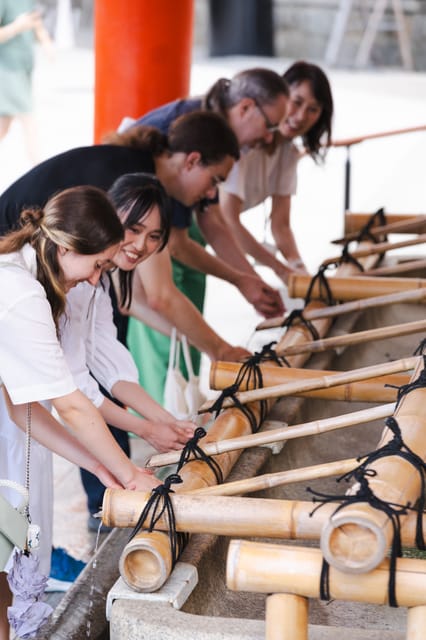
This is the part of the tour that most people will already have seen in photographs. The guide adds value by explaining the customs and traditions that shape the visit. You will learn how to behave at a major Shinto shrine and what the architecture and gates mean within the setting.
That guidance is useful because Fushimi Inari can otherwise become a fast photo stop. You walk through the gates, take pictures, and move on without understanding the place. A guide can slow your attention down and help you notice more than color and repetition.
The tour description does not promise a full climb through every section of the shrine grounds, so do not book it expecting an all-day hike up Mount Inari. The stated walking time is about two hours for the whole activity, including the temple stop and transportation.
You should still expect time on your feet. Comfortable shoes are a sensible choice, particularly if you want to enjoy the route instead of thinking about your feet.
Sekiho-ji Temple and the Jizo statues
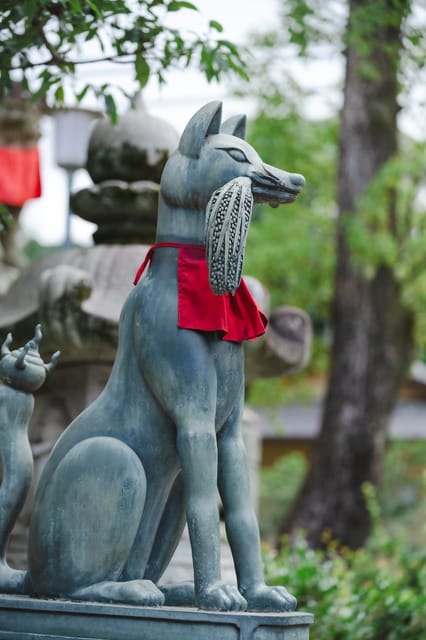
After Fushimi Inari, the route continues to Sekiho-ji Temple. This shift is one of the best reasons to choose the tour instead of visiting only the shrine on your own.
The temple is described as a quieter sanctuary with Jizo statues and a Zen garden. Jizo figures are familiar across Japan, often associated with protection and care, and their presence gives the visit a more personal feeling than the broad spectacle of the torii gates.
The Jizo statues are the unusual feature here. They offer a different kind of encounter, one based on stillness and small details rather than scale. The tour gives you a chance to ask questions and hear the stories or meanings connected with the temple setting.
Entry to Sekiho-ji Temple is included in the price. That helps the $34 cost feel more reasonable, since you are not paying only for transportation and general guiding.
The Zen garden adds another change of pace. Fushimi Inari is visually powerful and often crowded, while a garden encourages you to sit with a simpler composition. One person who enjoyed the tour specifically singled out the local neighborhood walk and the Zen garden, and I understand why. These quieter pieces can become the memories that last after the famous gate photographs blur together.
A different set of gates, same trip:
- Kyoto: Tea Ceremony Ju-An at Jotokuji Temple
★ 4.9 · 3,207 reviews - Osaka/Kyoto:Kinkakuji,Arashiyama,FushimiInariShrine,NaraPark
★ 4.1 · 1,596 reviews - Arashiyama Bamboo, Temple, Monkeys, or Secret Sake Brewery
★ 4.8 · 886 reviews - Kyoto: Arashiyama Bamboo Forest, Monkeys, Matcha & Temple Tour
★ 5.0 · 759 reviews
A guide who explains the details
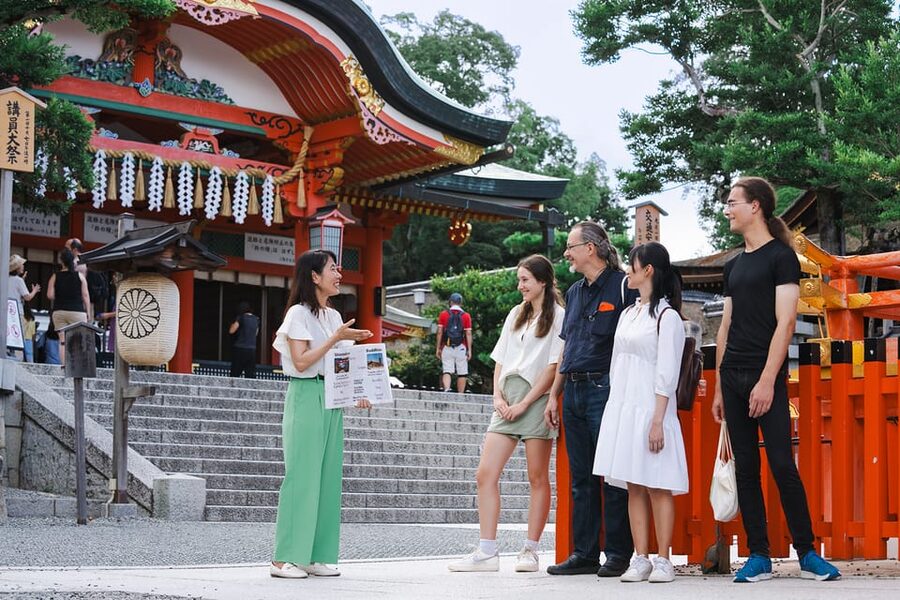
The strongest part of this experience is the guiding. The guide is there to explain customs, answer questions, and connect the places you visit.
That can be especially helpful if this is your first shrine and temple visit in Japan. The difference between a Shinto shrine and a Buddhist temple can be confusing at first, and local etiquette is easier to follow when someone explains it at the right moment.
The available feedback names Junko as an engaging and helpful guide. Another guide is described as friendly, clear, and very responsive to questions. Your assigned guide is not guaranteed to be Junko, but the experience is built around this same kind of personal explanation rather than a recorded audio track.
I would make a point of asking questions as you go. Ask about the torii gates, the Jizo statues, the Zen garden, or the customs you see other people following. The tour is short enough that a good question can make one stop much more meaningful.
The guide also provides local recommendations at the end. That is useful if Fushimi is part of a longer Kyoto day and you want ideas for what to see next.
What the $34 price includes
The cost is $34 per person. Included are the Kyoto city certified guide and admission to Sekiho-ji Temple. Train fare, food, drinks, and hotel transfers are not included.
For a two-hour tour, the price makes the most sense if you value interpretation. If you only want to walk through the torii gates, you can visit Fushimi Inari without a guide and avoid the tour fee. The added value here is the explanation of customs, the public-transit connection, the temple visit, and the chance to ask questions.
The included temple admission helps, but it is the guide who determines whether the outing feels worthwhile. A clear, attentive guide can turn familiar sights into a better-organized cultural visit. The strong praise for communication and answers to questions is encouraging on that front.
Families should note the child policy. Each paying participant may bring one child aged 0 to 6 free of charge, provided the child is accompanied by an adult. If more than one young child joins, each additional child needs an adult ticket. A luggage-service fee applies if the free child uses that service.
Unaccompanied minors are not allowed. The tour is not designed as a drop-off activity.
Timing, dates, and the end of the route
This experience runs only from October 6 through October 31, 2025, and does not operate on Saturdays or Sundays. That makes it a narrow seasonal option, so check your Kyoto dates carefully before planning around it.
The activity lasts approximately two hours. The route begins at Kyoto Station, includes the train ride and walking visits, and finishes in the Fushimi Inari area or near JR Tofukuji Station according to the route description. The meeting-point information also says the activity ends back at the meeting point, so check the final meeting details in your confirmation email if the return point matters to your plans.
That small uncertainty is worth clearing up before you book, especially if you have a dinner reservation or another timed activity. The tour does provide local recommendations at the end, which can help you continue sightseeing nearby.
There is no hotel pickup or drop-off. You need to reach Kyoto Station on your own and manage your return afterward unless your confirmation specifically states otherwise.
Who will enjoy this walking tour
I would choose this tour if you want a guided introduction to Fushimi Inari without spending half a day on a large excursion. It is a good fit for first-time visitors who want help with shrine etiquette and travelers who prefer public transportation to private cars.
It also suits anyone who wants more than the usual torii-gate photograph. The visit to Sekiho-ji Temple, its Jizo statues, and its Zen garden gives the route a second mood.
You may want to skip it if you prefer to set your own pace, spend hours exploring every part of Fushimi Inari, or avoid scheduled group activities. The tour has a fixed start, a fixed route, and a relatively short time window.
It is also less suitable if walking is difficult for you. The experience is specifically recommended for people who enjoy walking, and the full activity takes around two hours.
Practical tips for a better visit
- Arrive early at Kyoto Station. The station is large, and missing the departure means you cannot join later.
- Look for Kyo-Navi on the second floor pedestrian walkway, beside the south side of JR Isetan.
- Wear comfortable shoes for the shrine and neighborhood walking.
- Bring money for the train fare, since it is not included.
- Use the guide’s question time. Customs and temple details are a major part of what you are paying for.
- Keep the October weekday schedule in mind. Saturdays and Sundays are excluded.
- If you are bringing a young child, remember that the child must stay with an adult throughout the tour.
- Check your confirmation email for the exact meeting and end-point details.
Should you book it?
Book this tour if you want Fushimi Inari explained rather than simply photographed. The strongest reasons are the English-speaking Kyoto certified guide, the practical train ride, and the quieter visit to Sekiho-ji Temple with its Jizo statues and Zen garden.
At $34, the price is fair for a two-hour guided outing that includes temple admission, though it is not the cheapest way to see Fushimi Inari. You are paying for local context and a more thoughtful route, not for a long hike or a full-day tour.
I would recommend it most for first-time Kyoto visitors, couples, families with one young child per paying adult, and anyone curious about Japanese shrine and temple customs. If you want independence, a longer climb, or a weekend activity, choose another plan.
FAQ
Where does the tour begin?
The tour begins at Kyo-Navi, the Kyoto Tourist Information Center on the second floor of Kyoto Station. It is on the north side of the pedestrian walkway, just south of JR Isetan.
Is the tour conducted in English?
Yes. The tour is conducted only in English.
How long does the walking tour last?
The activity takes approximately two hours and includes the train journey, walking at Fushimi Inari Taisha, and the visit to Sekiho-ji Temple.
Is the train fare included?
No. Train fare to Fushimi Inari Taisha is not included in the tour price.
Is admission to Sekiho-ji Temple included?
Yes. Entry to Sekiho-ji Temple is included.
Can young children join for free?
Each paying participant can bring one child aged 0 to 6 free of charge. The child must be accompanied by an adult. Additional children must purchase an adult ticket, and a luggage-service fee applies if the free child uses that service.
More Temple Walking Tours in Kyoto
- Bangkok: City Highlights Temple and Market Walking Tour
★ 4.5 · 3,990 reviews - Bangkok: Grand Palace and Wat Phra Kaew Guided Walking Tour
★ 4.4 · 2,417 reviews - Bangkok: Wat Pho and Wat Arun Guided Walking Tour
★ 4.6 · 1,720 reviews - Chiang Mai: 3 Hour Old City and Temples Guided Walking Tour
★ 4.6 · 1,568 reviews
More Fushimi Inari Shrine Tours in Kyoto
- Osaka/Kyoto: Arashiyama, Nara & Fushimi Inari Shrine w/Lunch
★ 4.4 · 754 reviews - Kyoto: 3-Hour Fushimi Inari Shrine Hidden Hiking Tour
★ 4.9 · 270 reviews - Full Day Kyoto Tour : Bamboo Forest, Golden Temple, Fushimi Inari
★ 5.0 · 84 reviews
Newly written up around Kyoto
- Kyoto: Fushimi Inari Shrine Walking Tour★ 5.0 · 72 reviews
- Kyoto Tea Ceremony & Kiyomizu-dera Temple Walking Tour★ 5.0 · 115 reviews
- Kyoto: Calligraphy class at Buddhist temple in city center★ 5.0 · 167 reviews
- Kyoto: Zen Meditation at a Private Temple with a Monk★ 5.0 · 202 reviews
- Kyoto: Arashiyama Bamboo, Temple, Matcha, Monkeys & secret spots★ 5.0 · 219 reviews
- Kyoto: 3-Hour Fushimi Inari Shrine Hidden Hiking Tour★ 4.9 · 270 reviews
- KYOTO Tea Ceremony with kimono near by Imamiya Jinjya Shrine★ 5.0 · 343 reviews
- Kyoto Zen Meditation & Garden Tour at a Zen Temple with Lunch★ 5.0 · 441 reviews
Fushimi Inari Shrine Tours, compared.
Osaka/Kyoto:Kinkakuji,Arashiyama,FushimiInariShrine,NaraPark
Read our review →
Osaka/Kyoto: Arashiyama, Nara & Fushimi Inari Shrine w/Lunch
Read our review →
Kyoto Tea Ceremony & Kiyomizu-dera Temple Walking Tour
Read our review →Full Day Kyoto Tour : Bamboo Forest, Golden Temple, Fushimi Inari
Read our review →
Browse the lists this tour appears in