
Reviewed · PRIVATE TEMPLE TOURS
Osaka: Sumiyoshi, Osaka’s Most Iconic Shrine – Private Tour
Sumiyoshi Taisha is the kind of Osaka sight that can slip past a first-time visitor. Yet this old shrine, tied to the sea and to Osaka’s rise as a trading port, draws more than 2 million people during the first three days of each New Year. I like the chance to see a place that matters deeply to local worshippers, not just a famous photo stop. I also like the private format, which gives you room to ask about Shinto beliefs, the shrine’s symbols, and its unusual stories.
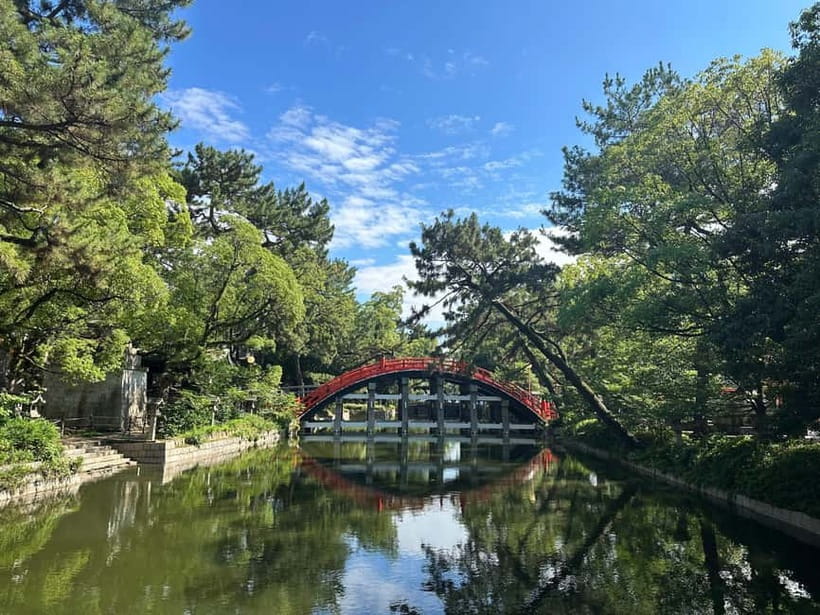
The fortune-telling stones, One-Inch Boy, rabbit messenger, and steeply arched Taiko Bridge give the visit plenty of memorable details. The main consideration is time: 90 minutes is enough for a focused introduction, but not a long, unhurried exploration of every corner of the shrine grounds.
Key points to know before you go
- A local New Year shrine: More than 2 million people visit during the first three days of the year to make wishes.
- A sea-centered place of worship: Sumiyoshi’s gods are closely linked with the sea and Osaka’s old trading connections.
- A private 90-minute tour: Your guide can focus on your questions rather than managing a large group.
- Distinctive sights: Look for the fortune-telling stones, the One-Inch Boy, and the divine rabbit messenger.
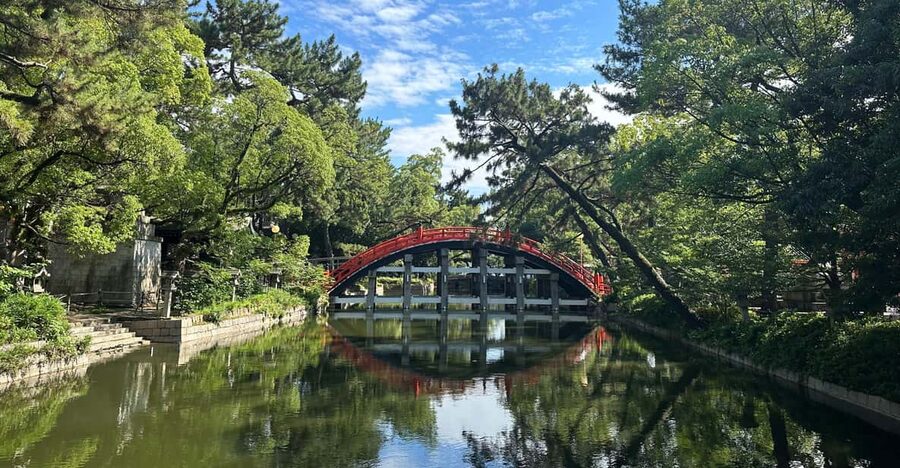
- A memorable photo stop: The steeply arched Taiko Bridge gives you one of the shrine’s most recognizable views.
- English or Japanese guidance: The tour is offered with a live guide in either language.
Why Sumiyoshi Taisha matters to Osaka
Sumiyoshi Taisha is more than a pretty shrine with a famous bridge. Its setting helps explain Osaka’s past. The shrine sits near Osaka Bay, in an area that developed around trade and movement between the bay, Nara, and Kyoto.
That connection to the sea remains central to the shrine’s identity. Local people have worshipped the sea god enshrined here for generations. When you visit, the religious purpose comes before sightseeing. The buildings, bridges, stones, and animal figures are not random decorations. They belong to a living Shinto tradition.
I find that context especially useful in Osaka, a city often associated with food, shopping, and modern city life. Sumiyoshi Taisha gives you another side of the city. It shows how waterways, trade, belief, and daily life were linked long before Osaka became the urban center you see today.
The shrine also attracts a huge crowd at New Year. More than 2 million people come during the first three days of the year to make their wishes. You will not experience that holiday rush on an ordinary tour, but knowing this helps you understand the shrine’s place in local life.
More Private Temple Tours in Japan
- Osaka: Private Tour of Shitennoji, Osaka’s Oldest Temple
★ 4.5 · 6 reviews - From Tokyo: Private Tour Snow Monkey Park & Zenko-ji Temple
★ 4.7 · 184 reviews - Tokyo Private Tour: Temples, Culture & Modern City Highlights
★ 5.0 · 56 reviews
Meeting at the West Grand Torii Gate
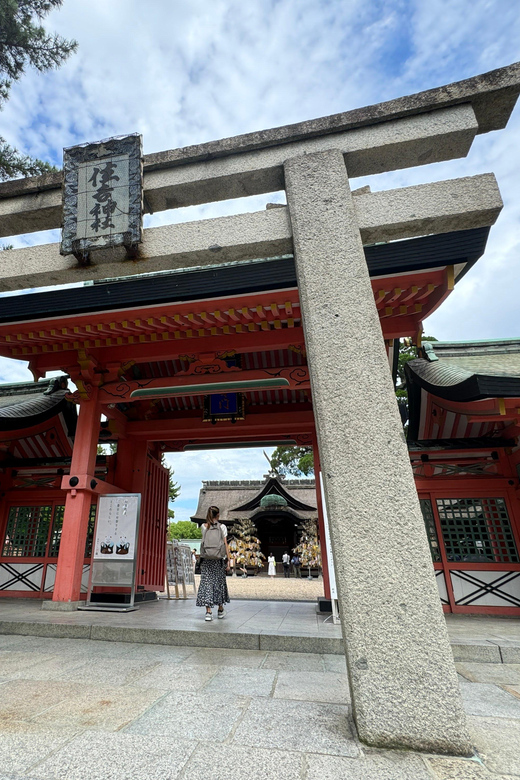
The tour begins at the West Grand Torii Gate, written in Japanese as 住吉大社 西大鳥居. This is an important detail, since a large shrine complex can have several entrances and meeting points.
Your guide will be holding a yellow sign with the DeepExperience logo. That makes the meeting point easier to identify, especially if you are arriving with limited time or cannot read Japanese signs easily.
The tour is private, with a live guide who speaks English or Japanese. A private group is useful here because you can ask direct questions about Shinto, the shrine’s symbols, and the meaning of the buildings without waiting for a whole group to move along.
No transportation is included in the activity details, so you should plan your arrival at the West Grand Torii Gate before booking a start time. The duration is 90 minutes, and available starting times can vary.
The main shrine visit, about 60 minutes
The central guided portion lasts about one hour. This is where the guide explains the history and meaning of Sumiyoshi Taisha instead of leaving you to guess what you are seeing.
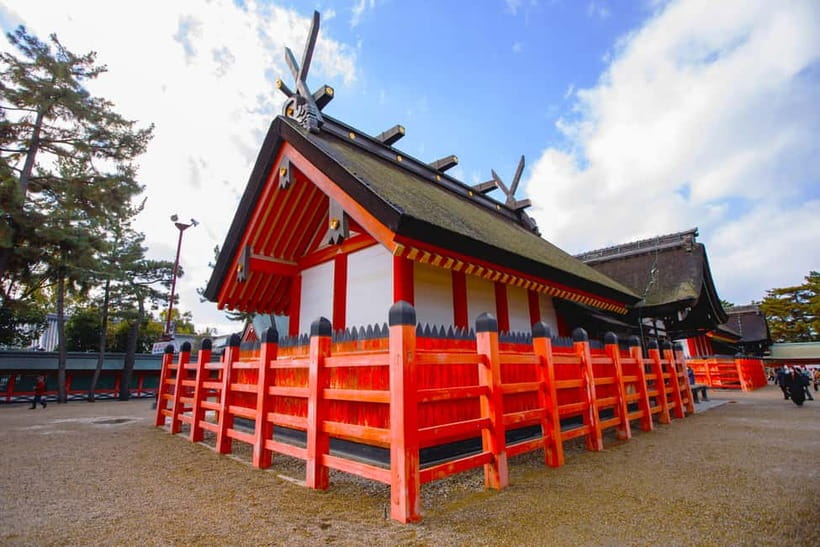
One of the most interesting points is the shrine’s architectural style. The buildings preserve one of Japan’s oldest shrine design traditions. That makes the visit valuable even if you do not usually spend much time studying architecture. You can look at the structure with a clearer sense of why it matters.
The guide also introduces the spiritual foundation of Shintoism. The goal is not simply to identify a gate or building. You learn how a Shinto shrine works as a place of worship and why natural forces, local traditions, and protective deities matter within Japanese culture.
The sea connection gives the visit a clear thread. Sumiyoshi’s worship developed in a part of Osaka linked to the bay and trade routes toward Nara and Kyoto. The shrine’s importance is therefore tied to movement, protection, and the sea, not only to its buildings.
Fortune-telling stones and the One-Inch Boy
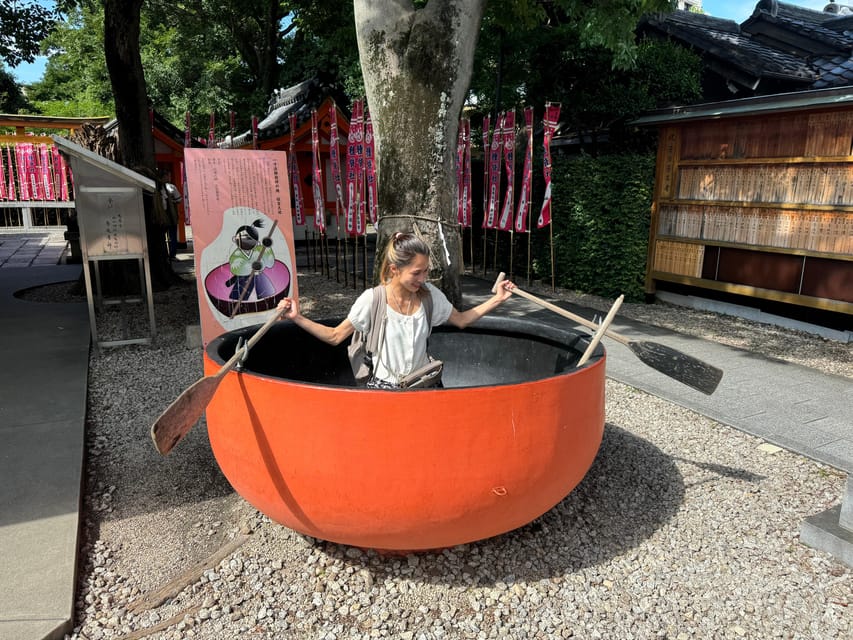
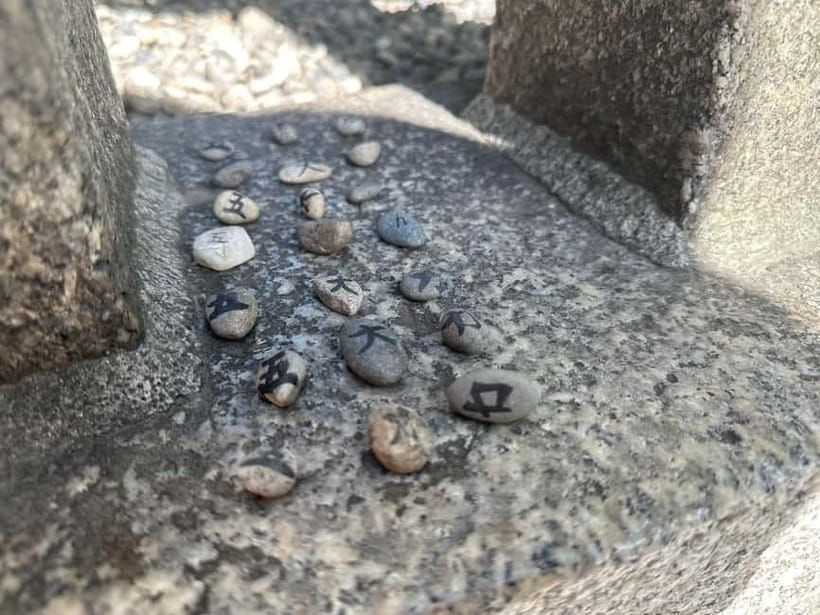
The tour includes some of the shrine’s smaller and more unusual features. The fortune-telling stones offer a detail you might easily miss if you walk through on your own.
They also give the guide a natural opening to explain how belief and everyday choices meet at a shrine. The exact experience of the stones can depend on the day and on how the guide presents them, but they are one of the specific features included in this visit.
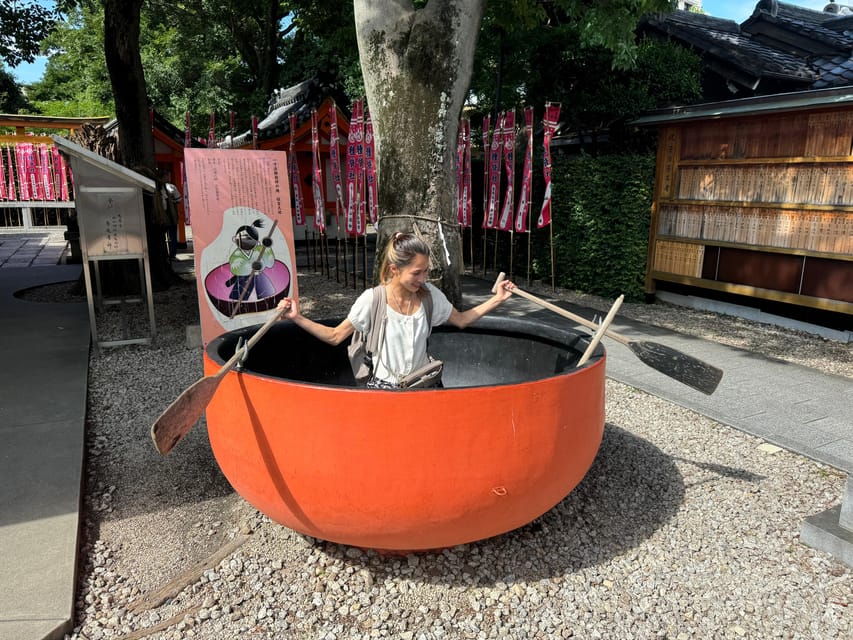
You will also hear about the One-Inch Boy. The name alone makes this a memorable stop, particularly if you are visiting with children or anyone who enjoys Japanese folklore and unusual religious figures.
The tour also points out the shrine’s cute divine rabbit messenger. These details help keep the visit from becoming a long string of unfamiliar names and dates. You get a few clear images to remember, along with a better idea of how stories and symbols work within the shrine.
Because this is a private tour, you can ask the guide to explain a symbol in more depth or keep the pace moving if you prefer a shorter explanation. That flexibility is one of the main reasons to choose this format over simply arriving with a guidebook.
More Private Temple Tours in Osaka:
- Ubud: Waterfalls, Water Temple & Rice Terraces Private Tour
★ 5.0 · 5,484 reviews - Montserrat Monastery Small Group or Private Tour Hotel pick-up
★ 5.0 · 5,144 reviews - Full-Day Angkor Wat Sunrise Private Tour with Guide from Siem Reap
★ 5.0 · 2,920 reviews - Chiang Rai Temples: Private Tour from Chiang Mai
★ 5.0 · 1,267 reviews
The Taiko Bridge and the 15-minute viewpoint
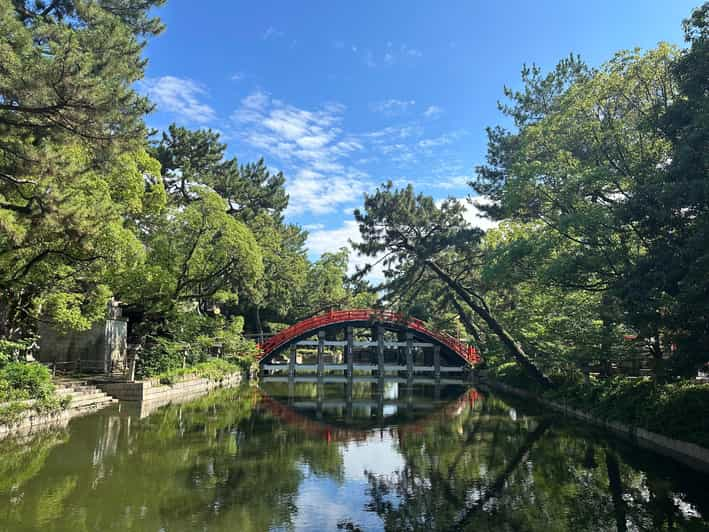
The Taiko Bridge is the shrine’s signature visual feature. Its steep arch makes it an obvious photo stop, and the tour sets aside time to commemorate your visit with a picture there.
A steep bridge is not just a useful backdrop. It changes how you move through the shrine and gives the grounds a sense of ceremony. You should take care on the incline, particularly if you are focused on taking photos rather than watching your footing.
The viewpoint portion lasts about 15 minutes. It is short, so you should expect a focused stop rather than a long period for sitting, sketching, or exploring every angle. The value comes from having the guide place the view in context and from having time to take in one of the shrine’s most recognizable spots.
The tour then includes another 15 minutes of sightseeing and a photo stop in Osaka before finishing at the stone torii gate of Daikai Shrine, written as 大海神社 石鳥居. This gives the experience a defined end point rather than sending you back vaguely into the shrine grounds.
What the private format adds
At $72 per person, the price makes the most sense if you value interpretation and personal attention. You are not paying only to enter a shrine. You are paying for a guide to connect the sea god, Osaka’s trade routes, old architecture, Shinto practice, folklore, and the shrine’s smaller details.
The value depends on group size, since the activity is private but the supplied details do not state how many people can join. For a couple, family, or small private party, the cost can be reasonable if you want a tailored explanation and a relaxed chance to ask questions.
If you are comfortable reading shrine information on your own, 90 minutes may feel expensive for a place you could visit independently. You would still see the Taiko Bridge and the buildings without a guide. The difference is that the meaning behind the fortune-telling stones, One-Inch Boy, rabbit messenger, and sea worship may be easy to miss.
I would choose this tour when Sumiyoshi Taisha is important to your Osaka plans but you do not want to spend half a day studying shrine customs alone. I would skip it if you prefer completely independent wandering or want a long photography session.
Who will enjoy this experience most
This tour suits you if you want a compact cultural visit with a clear beginning and end. The 90-minute length works well for a busy Osaka schedule, especially if you want to add the shrine without giving up most of your day.
It is also a good choice for anyone curious about Shinto but unsure how to approach a shrine respectfully or understand what they are seeing. The guide gives you a way into the subject without requiring prior knowledge.
Families may enjoy the One-Inch Boy and rabbit messenger more than a formal architectural discussion. Couples and photographers will likely appreciate the Taiko Bridge stop. History-minded visitors will find the links to Osaka Bay, Nara, Kyoto, and trade especially useful.
The tour is less suitable if you want a broad survey of Osaka’s major sights. This experience concentrates on Sumiyoshi Taisha and its immediate surroundings. It does not include a general city tour, food tasting, or other Osaka attractions.
Practical details that affect your visit
Meet in front of the West Grand Torii Gate and look for the yellow DeepExperience sign. Since the meeting point is specific, allow enough time to identify the correct gate before the tour begins.
The guide speaks English or Japanese, and the tour operates as a private group. Cancellation is free up to 24 hours before the start time, and you can reserve now and pay later. Those terms help if your Osaka plans are still shifting.
The activity lasts 90 minutes. The planned structure is about one hour at Sumiyoshi Taisha, 15 minutes at a viewpoint, and 15 minutes for sightseeing and a photo stop in Osaka before finishing at Daikai Shrine’s stone torii.
The tour provider is DeepExperience, Inc. Starting times depend on availability. Check the date and language you need before confirming.
Should you book the Sumiyoshi Taisha private tour?
Book it if you want more than a quick look at a shrine. The private guide gives meaning to the sea worship, old architecture, fortune-telling stones, One-Inch Boy, rabbit messenger, and Taiko Bridge. At 90 minutes, it is focused and easy to fit into an Osaka itinerary.
Think twice if your main goal is free exploration or if $72 per person feels high for a shrine visit you could make without help. You will get the most from this experience if you enjoy asking questions and want a direct explanation of Shinto and Sumiyoshi’s role in Osaka.
For a first visit to the shrine, I see the strongest value in the local context. Sumiyoshi Taisha is not just an attractive stop. It is a place connected to Osaka’s sea routes, trade, New Year worship, and long-running religious life. A guide helps you see those connections in the 90 minutes you have.
FAQ
Where does the Sumiyoshi Taisha tour begin?
Meet your guide in front of the West Grand Torii Gate of Sumiyoshi Taisha.
How will I identify the guide?
The guide will be holding a yellow sign with the DeepExperience logo.
How long does the tour last?
The tour lasts 90 minutes.
Is this a private tour?
Yes. The experience is offered for a private group.
What languages are available?
The live tour guide speaks English or Japanese.
What does the guided shrine visit include?
The main guided visit lasts about one hour and covers Sumiyoshi Taisha’s history, architecture, spiritual traditions, and special features.
Will I see the fortune-telling stones?
Yes. The fortune-telling stones are included among the shrine features covered during the tour.
Does the tour include the Taiko Bridge?
Yes. The experience includes a photo stop at the steeply arched Taiko Bridge.
Where does the tour finish?
The tour finishes at the stone torii gate of Daikai Shrine, written as 大海神社 石鳥居.
Can I cancel for a full refund?
Yes. You can cancel up to 24 hours in advance for a full refund.
Newly written up around Osaka
- Osaka: Mind & Spirit Balance Temple Reiki Healing★ 5.0 · 41 reviews
- Osaka Temple :Warm Bamboo Oil Massage – Deep Restore〈90min〉★ 5.0 · 14 reviews
- Osaka Temple :Warm Bamboo Oil Massage – Deep Restore〈60min〉★ 4.9 · 19 reviews
- Osaka Temple Head Spa &Matcha Facial – Refresh & Glow〈90min〉★ 5.0 · 24 reviews
- Osaka: Temple Tour and Traditional Calligraphy Lesson★ 4.9 · 24 reviews
- Osaka: Private Tour of Shitennoji, Osaka’s Oldest Temple★ 4.5 · 6 reviews
- Osaka Morning Tour: Shitennoji Temple, Shinsekai &Doutonbori★ 5.0 · 23 reviews
- Osaka: Minoh Waterfall & Katsuo-ji Temple Half-Day Tour★ 4.7 · 27 reviews
Private Temple Tours, compared.
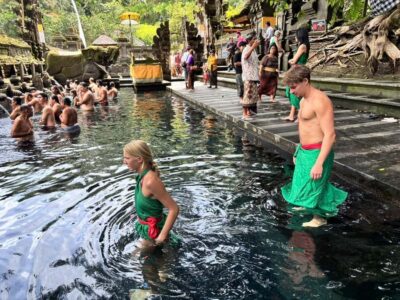
Waterfalls, Water Temple & Rice Terraces Private Tour
Read our review →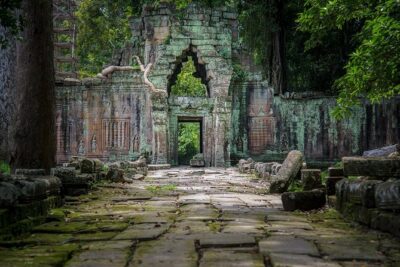
Full-Day Angkor Wat Sunrise Private Tour with Guide from Siem Reap
Read our review →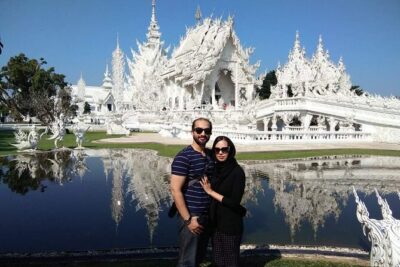
Chiang Rai Temples: Private Tour from Chiang Mai
Read our review →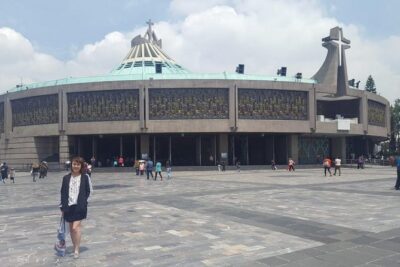
Private Tour: Teotihuacan and Guadalupe Shrine
Read our review →
Grand Palace, Wat Pho, and Wat Arun Private Tour
Read our review →
Ephesus and Temple of Artemis Private Tour from Kusadasi Port
Read our review →
Browse the lists this tour appears in