
Reviewed · JAPAN TEMPLE TOURS
From Nagoya: Ise’s Sacred Shrines and Captivating Coastlines
Ise Jingu is the heart of this day trip. Japan’s most sacred shrine sits among towering cypress trees beside the Isuzu River, and the visit gives you a clear look at Shinto practice, not just a quick photo stop. I especially like the small group limit of 14 and the fact that guides such as Camille, Kim, and Shoko make time for questions and explain customs in plain language.
I also like the easy round-trip transport from Nagoya and the mix of shrine, food street, river scenery, and coast. The main drawback is time: about four hours of the day is spent on the road, and one visitor wished there had been more time in the area. You should also expect several hours of outdoor walking, with little relief from summer heat.
Key points to know before booking
- Ise Jingu is the main event: The 90-minute guided visit gives the shrine context that is difficult to gain on your own.
- The group can feel very personal: The limit is 14, and some departures have had only four people or even two guests.
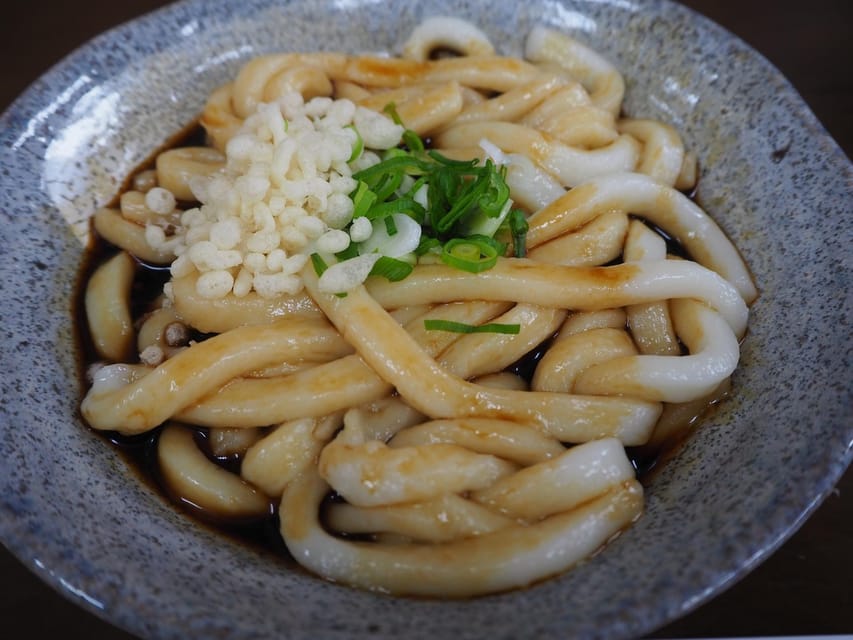
- Okage Yokocho is your lunch and shopping stop: Try Ise Udon, fried oysters, or local spiny lobster, but lunch is not included.
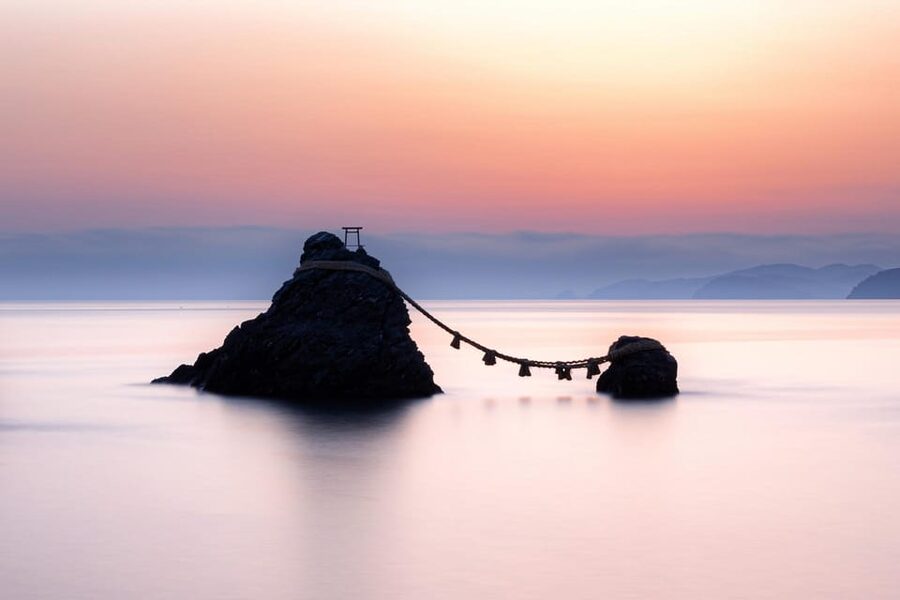
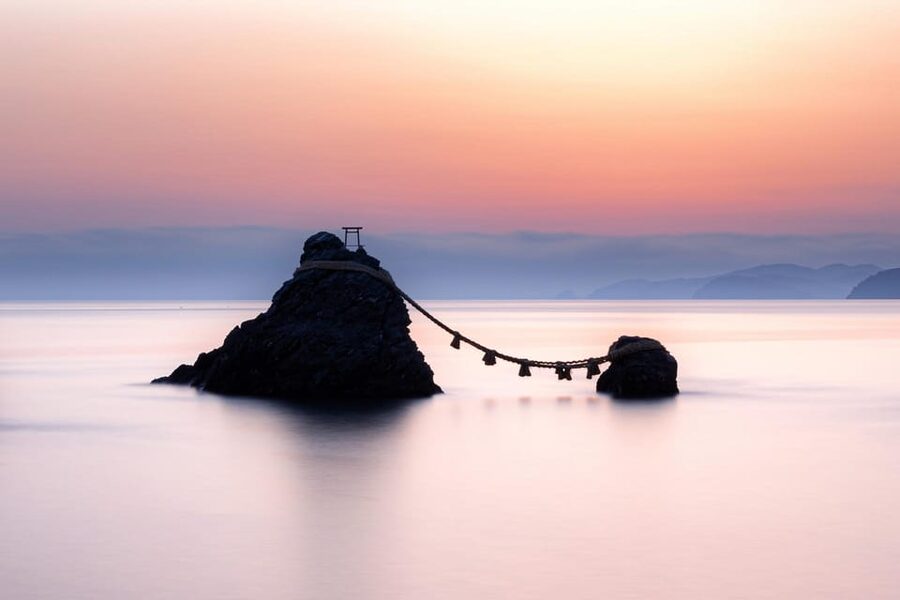
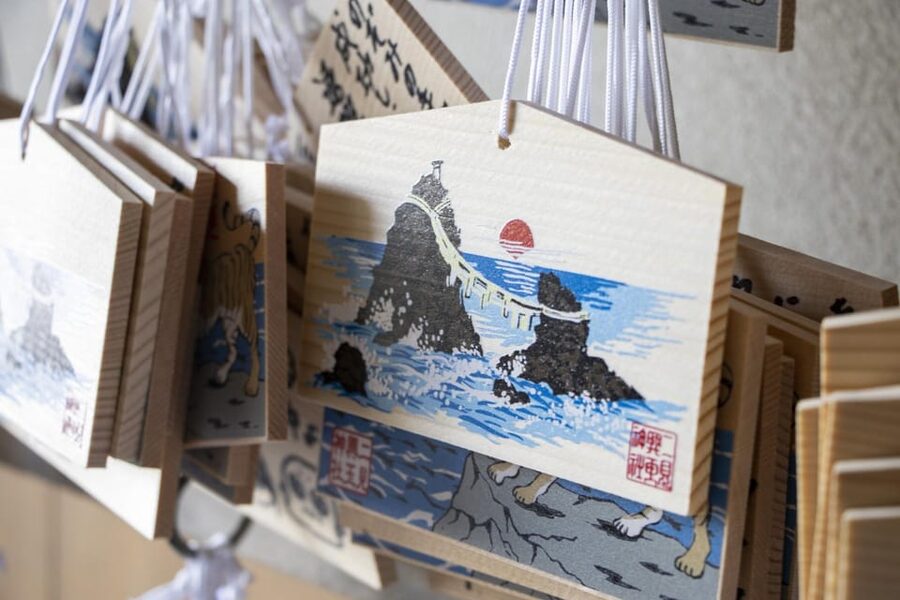
- Meoto Iwa adds a coastal finish: The Wedded Rocks and Futami-Okitama Shrine provide a sharp change from forest and shrine grounds.
- Nagoya transport removes a planning headache: You spend roughly two hours each way on the coach instead of arranging the route yourself.
- Weather matters: Summer can reach 35°C and higher with heavy humidity, while winter temperatures may sit between 0°C and 10°C.
Why Ise makes a worthwhile day from Nagoya
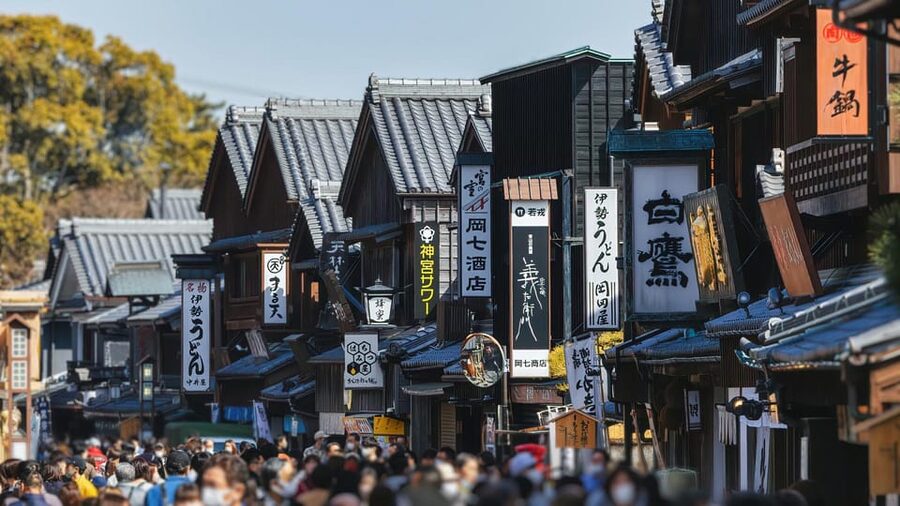
Nagoya is a useful base for central Japan, but Ise offers a very different kind of day. The setting shifts from city streets to cypress groves, the Isuzu River, old-style shopping lanes, and the indented coast of Ise Bay. You get nature and culture in the same outing, without having to change hotels.
The central reason to go is Ise Jingu, also called the Ise Grand Shrine. This is not a stop that works best as a fast walk past a famous gate. The grounds and rituals have meaning that can be easy to miss if you do not understand Shinto customs. A guide can point out what you are seeing, explain the role of the shrine, and help you approach the site with the right sense of respect.
I like that this tour does not stop at the shrine. After the solemn atmosphere of Ise Jingu, you get food and shopping at Okage Yokocho, then finish at the sea with Meoto Iwa. That change of pace keeps the day from feeling like one long religious site visit.
The tradeoff is distance. The drive from Nagoya takes about two hours each way, so this is a full day rather than a quick excursion. Still, Ise is not the easiest place to fit into a first-time Japan itinerary without planning train connections and local transport. The coach makes the day simpler, but you pay for that convenience with road time.
Other temple visits near Japan we have written up
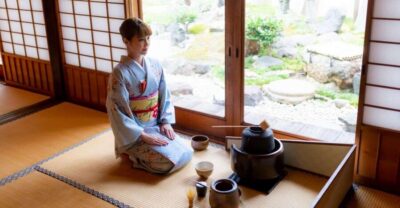
- Kyoto: Tea Ceremony Ju-An at Jotokuji Temple
★ 4.9 · 3,207 reviews - Osaka/Kyoto:Kinkakuji,Arashiyama,FushimiInariShrine,NaraPark
★ 4.1 · 1,596 reviews - Tokyo: Asakusa Walking Tour with Sensoji Temple Visit
★ 4.8 · 1,583 reviews
Meeting your guide at Nagoya Station
The meeting point is at the base of the silver clock tower outside the Shinkansen gates. If you arrive by Shinkansen, the clock should be directly in front of you as you leave the gate.
Arriving on a regular JR line takes a little more care. Follow signs for the Taiko-Dori Gate. The silver clock is inside the station, just before that exit. If you enter from outside through the Sakura-Dori side, marked by the gold clock, walk straight through the station toward Taiko-Dori.
The tour begins at 9:00 a.m., and arriving early is wise. Nagoya Station is large and crowded, so do not assume you can find the meeting point at the last second. Look for the guide holding a SNOW MONKEY RESORTS tour sign.
The guide may speak English, Chinese, French, or Spanish. The language choice matters here because the explanations at Ise Jingu are a major part of the experience. Past departures have included guides named Camille, Kim, and Shoko. Camille received especially strong praise for telling the story in an engaging way, while Kim was noted for stopping regularly, answering questions, and leaving enough time to look around.
The two-hour ride from Nagoya
Once you are aboard, the coach takes about two hours to reach Ise. That is a long ride, but it gives you a chance to rest before several hours on foot. The vehicle has been described as comfortable, and the driver is part of the tour team rather than an anonymous transfer service.
I would use this time to eat a small breakfast and keep water ready. Lunch is not included, and the first major food opportunity comes at Okage Yokocho later in the day. The coach handles the route, so you do not need to work out connections between Nagoya, Ise Jingu, Futami, and the coast.
The time on the road is the clearest weakness for anyone who dislikes long day trips. If you want an unhurried visit to every part of Ise, staying overnight would give you more freedom. If you want to see the main sights in one organized day, the transport is a fair part of the price.
Entering Ise Jingu through the cypress groves
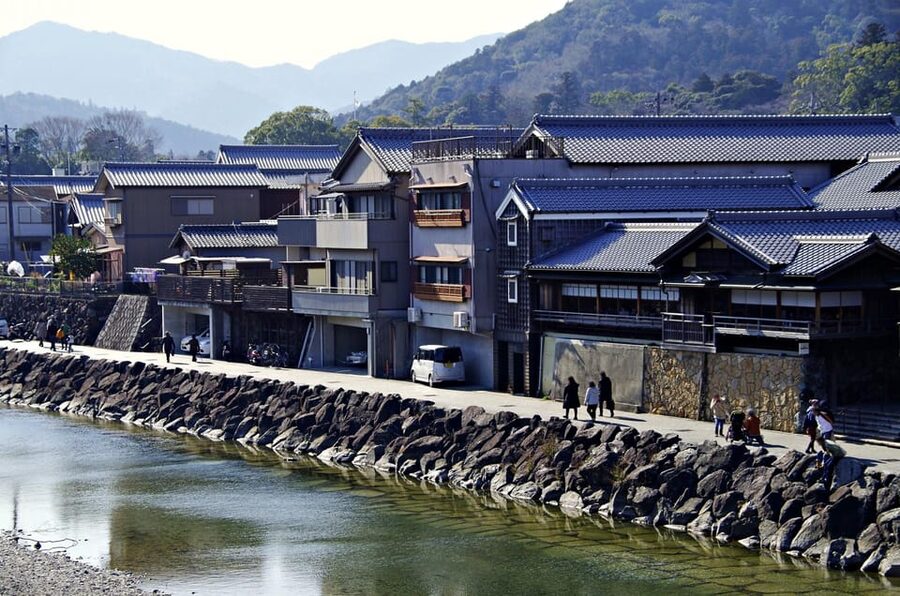
The guided visit to Ise Jingu lasts about 90 minutes. The setting does much of the work: tall cypress trees, clean paths, and the Isuzu River create a calm break from Nagoya. You will walk outdoors, so comfortable shoes matter more than stylish ones.
The guide helps turn the visit from scenery into understanding. You can expect explanations about Shintoism, the shrine’s importance, and the proper way to approach the grounds. One of the areas connected with Amaterasu is a particular focus of the visit. Without some background, you could easily admire the trees and buildings without grasping why the place matters.
The pace appears to be steady rather than rushed. Guides have built in short stops for information, then allowed time to look more closely. That is a good pattern for a sacred site, since you need both explanation and quiet time.
Do not expect a museum-style visit or a long list of indoor displays. Much of the experience comes from walking, observing, and absorbing the atmosphere of the grounds. The site may be less satisfying if you want dramatic architecture at every turn. Its appeal is restraint, ritual, forest, and the chance to see an important part of Japanese spiritual life.
Keep your voice low and follow the guide’s instructions. This is an active sacred place, not simply a sightseeing backdrop.
A different set of gates, same trip:
- Nikko: Kegon Falls, Lake Chuzenji & Toshogu Temple
★ 4.6 · 1,577 reviews - Tokyo: Nikko Toshogu Shrine and Kegon Waterfall Tour
★ 4.5 · 1,266 reviews - Tokyo Panoramic 1 Day: Meiji Shrine, Asakusa, Odaiba and SKYTREE®
★ 4.5 · 1,222 reviews - 1-Day Snow Monkeys, Zenko-ji Temple & Sake in Nagano
★ 5.0 · 1,020 reviews
A useful food break at Okage Yokocho
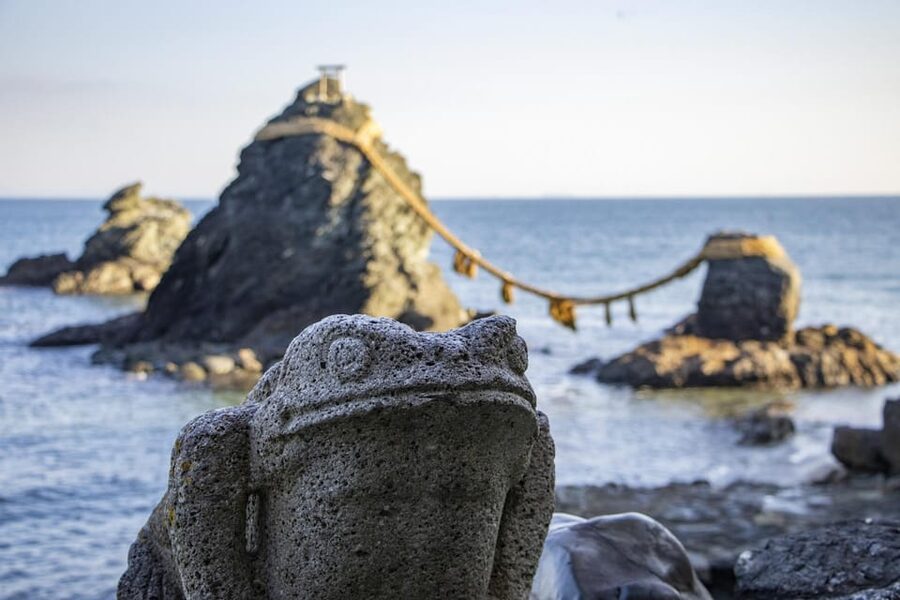
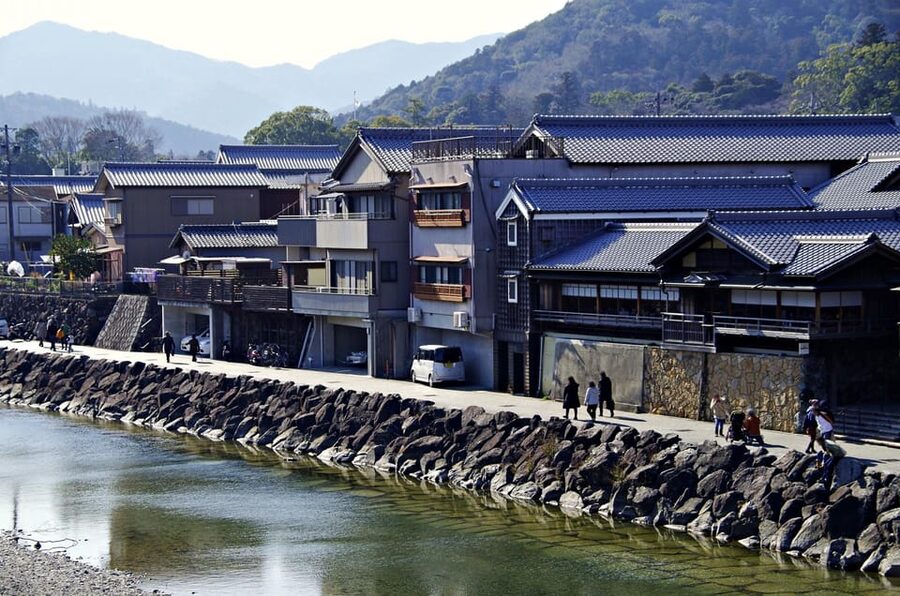
After Ise Jingu, the tour gives you about two hours at Okage Yokocho. This is where the day becomes more relaxed. You can browse shops, buy souvenirs, eat local specialties, and take a break before the final coastal stop.
Lunch is your own expense, but that also gives you choice. Depending on what appeals to you, you might try Ise Udon, fried oysters, or spiny lobster. The tour does not lock you into one restaurant or menu, which is helpful if people in your group want different foods.
Ise Udon is an obvious local choice, especially if you want something filling and simple. Seafood makes sense here too, given the coastal setting. I would ask the guide for help choosing among the food options, since Kim has been praised for practical recommendations in the shopping and dining area.
Two hours is a useful amount of time, but it can disappear quickly if you want a full meal, browsing, and photographs. Decide early whether food or shopping matters more to you. There is free time for souvenirs, so this is also the best point to pick up gifts rather than trying to shop during the shrine visit.
The drawback is that the stop can feel short for anyone who likes to browse every shop. One visitor wanted more time in the area overall. Still, the break gives you a needed change from the quiet shrine grounds and provides the only main meal window of the tour.
Meoto Iwa and the final coastal view
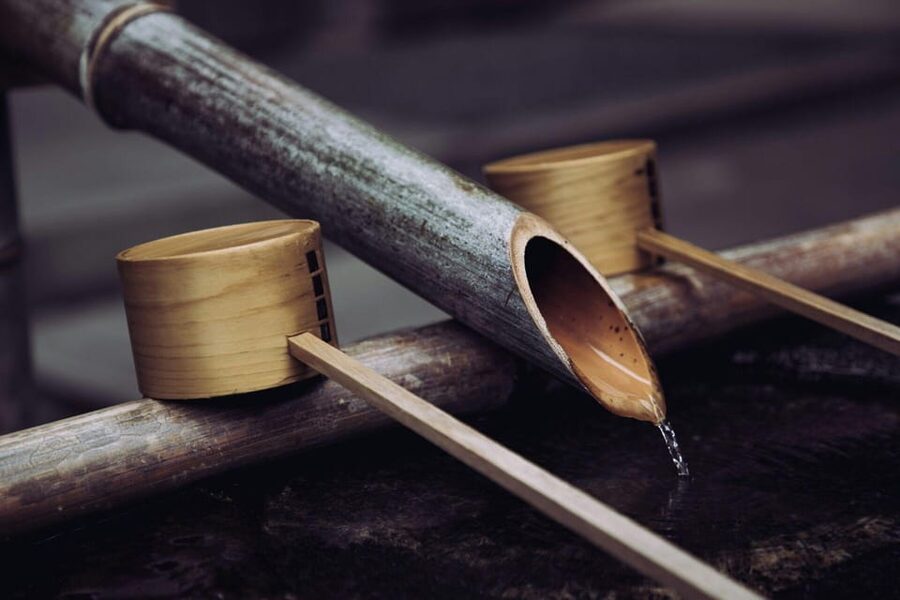
A short 15-minute coach ride takes you to Meoto Iwa, the Wedded Rocks. The guided visit lasts about 45 minutes and includes Futami-Okitama Shrine, where an omikuji, or lucky fortune, is included.
The rocks offer a strong visual contrast with Ise Jingu. Instead of forest paths and shrine buildings, you get open views toward Ise Bay and a coastal setting shaped by water and weather. The name Wedded Rocks refers to the paired rock formation, which is linked by a sacred rope.
The stop is not long, so expect a focused visit rather than a full exploration of the coast. Your guide can explain the shrine and the meaning connected with the rocks, then leave you time to look and take photographs. The omikuji is a small but enjoyable extra, especially if you like bringing home a simple part of Japanese religious custom.
This stop also depends on conditions. Wind, rain, or harsh sun can change how comfortable the visit feels. The tour information specifically advises bringing an umbrella or raincoat when needed, and the coastal stop is one reason that advice should be taken seriously.
What the small group changes
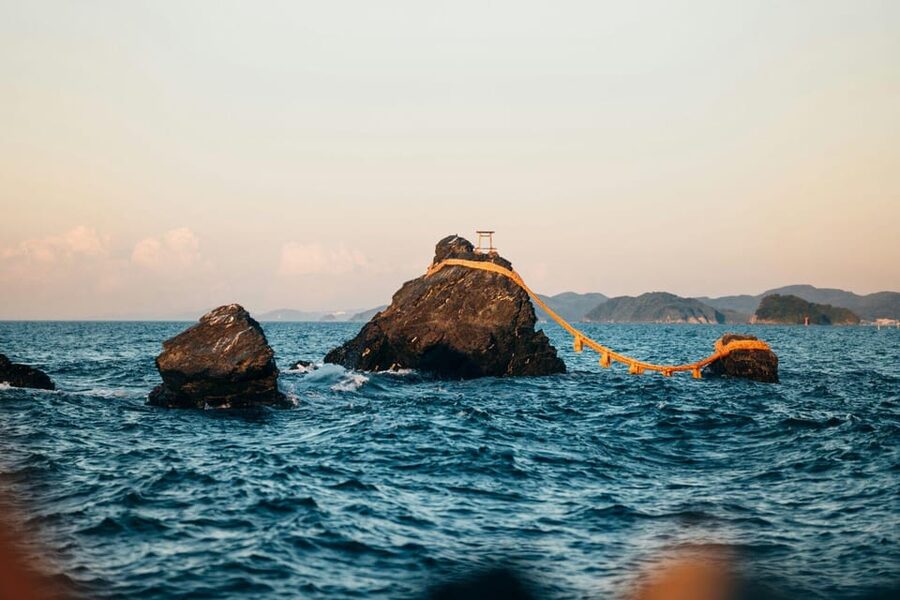
The group limit is 14 people, and that number matters most at Ise Jingu. A guide can pause for questions, keep the walking pace manageable, and help with photographs without turning the visit into a crowd-control exercise.
Some departures have been much smaller. One had four people, and another booking involved only a couple. That kind of group can feel almost like a private tour, although you should book it expecting a small shared group rather than guaranteed private service.
The guide quality is important because this is an explanation-heavy day. Camille has been praised for her clear storytelling and close attention, while Kim has been described as patient and good at providing information in manageable pieces. Shoko has also been praised for answering questions about Shintoism.
Guides can also help when language gets difficult. One Italian couple found that Kim used a translation tool to clarify points in Italian. That does not mean every explanation will be translated into every language, but it shows the practical approach you may encounter when a question needs extra help.
Price, comfort, and what you receive
At $189 per person, this is not a cheap sightseeing bus. The value depends on how much you want to avoid planning and how important guided interpretation is to you.
The price includes transport during the tour, entry fees at the listed sites, your multilingual guide, and the omikuji at Futami-Okitama Shrine. It does not include lunch, accommodation, or your transport to and from Nagoya Station. The long return ride is also part of the package, which makes the included coach service meaningful.
I think the price is reasonable for a visitor who has limited time in Nagoya and wants to cover Ise Jingu, Okage Yokocho, and Meoto Iwa in one day. A self-planned visit may cost less in some cases, but you would need to arrange the route, manage timing, and supply your own context at Ise Jingu.
The value is weaker if you prefer to travel slowly, linger over meals, or choose exactly how long to stay at each site. The fixed schedule keeps the day efficient, but it also limits freedom.
Walking, weather, and what to pack
Plan for several hours outside. Wear shoes that are comfortable on long walks and clothes that allow easy movement. The shrine grounds, river area, shopping street, and coast all require time on foot.
Summer deserves serious preparation. Temperatures can reach 35°C or higher, with extreme humidity. Wear light, airy clothing, protect yourself from sunburn, and bring water. A parasol is strongly suggested, and you should take heatstroke seriously.
Winter is much cooler, with temperatures around Nagoya and Ise averaging between 0°C and 10°C. Wear warm layers and footwear suited to cold conditions. Spring and autumn may be more comfortable, but you should still check the forecast before leaving.
Bring an umbrella or raincoat if rain is likely. A small bag for souvenirs is useful, since you have free time to shop at Okage Yokocho. I would also keep some room in your day bag for food and water, since lunch is not included.
Who should book this Ise day trip
This tour suits you if you are staying in Nagoya, want cultural context, and prefer not to handle several transport connections. It is also a strong choice if Ise Jingu is high on your list but you do not want to visit the shrine without guidance.
Families with older children, first-time visitors to Japan, and adults interested in Shintoism should find the structure useful. The guide-led format makes the sacred sites easier to understand, while Okage Yokocho and Meoto Iwa keep the day varied.
You may want another plan if you dislike long coach rides, need a flexible meal schedule, or want a full day at Ise Jingu alone. The nine-hour format is efficient, not leisurely. Also think carefully about summer heat if you struggle with humidity or long walks.
Free cancellation up to 24 hours before departure and reserve-now, pay-later booking make the commitment easier, especially if your Nagoya plans may shift.
Should you book it?
I would book this tour if you want the simplest way to see Ise from Nagoya and value a guide who can explain what you are looking at. The strongest parts are the small group, the thoughtful explanations at Ise Jingu, the comfortable transport, and the useful mix of shrine, food street, and coast.
I would skip it only if the four hours of driving feels too much or if you want to spend longer at each stop. For most visitors with one free day in Nagoya, $189 buys a well-organized introduction to one of Japan’s most important sacred areas, with enough local food and seaside scenery to keep the day from feeling one-note.
FAQ
How long does the tour last?
The tour lasts about nine hours, beginning at 9:00 a.m. and returning to Nagoya Station after the visit to Meoto Iwa.
Where do I meet the guide?
Meet at the base of the silver clock tower inside Nagoya Station, near the Taiko-Dori exit and outside the Shinkansen gates.
How early should I arrive at Nagoya Station?
Arriving early is recommended because Nagoya Station can be crowded and the meeting point may take time to find.
How long is the drive from Nagoya to Ise?
The coach ride to Ise takes about two hours, followed by another roughly two-hour ride back to Nagoya.
Which languages are available?
The tour offers English, Chinese, French, and Spanish-speaking guides.
What is the maximum group size?
The tour is limited to 14 participants.
Is lunch included?
No. Lunch is not included, but you have about two hours at Okage Yokocho to choose and buy local food.
What food can I try during the tour?
Possible local specialties include spiny lobster, fried oysters, and Ise Udon.
Is the omikuji included?
Yes. An omikuji, or lucky fortune, at Futami-Okitama Shrine is included.
What should I wear?
Wear comfortable shoes and clothing suitable for several hours of outdoor walking. Prepare for heat and humidity in summer, cold conditions in winter, and rain when the forecast calls for it.
Newly written up around Japan
- From Asakusa: Old Tokyo, Temples, Gardens and Pop Culture★ 5.0 · 47 reviews
- Goshuin Collecting tour at Asakusa Local Temples & Shrines, Tokyo★ 5.0 · 8 reviews
- Private guided tour: Mt. Aso volcano, grasslands, Aso Shrine★ 5.0 · 19 reviews
- Takayama Inari Shrine Tour with Private Transportation★ 5.0 · 5 reviews
- Tokyo: Snow Monkey and Zenkoji Temple Day Trip In Low Price★ 5.0 · 5 reviews
- Tokyo: Gotokuji Culture Walk & Lucky Cat Temple Experience★ 4.9 · 5 reviews
- :Tokyo,Shibuya /Meiji Shrine tour in KIMONO/English-friendly★ 5.0 · 4 reviews
- Tokyo: Sensoji Temple & Street Food: Private Tour with guide★ 4.6 · 8 reviews
Japan Temple Tours, compared.
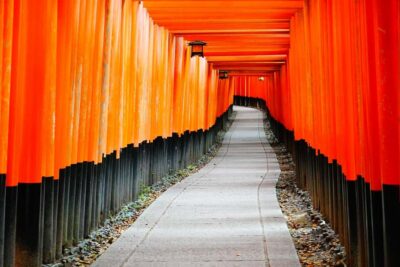
Osaka/Kyoto:Kinkakuji,Arashiyama,FushimiInariShrine,NaraPark
Read our review →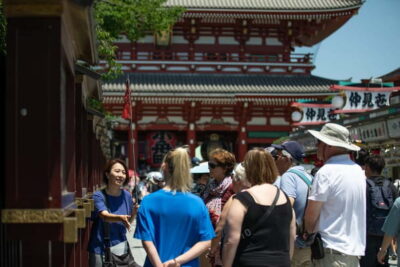
Asakusa Walking Tour with Sensoji Temple Visit
Read our review →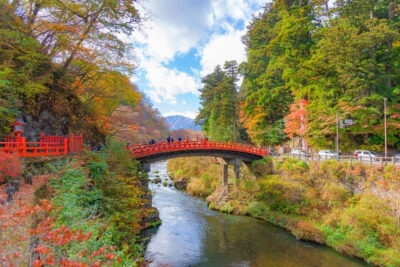
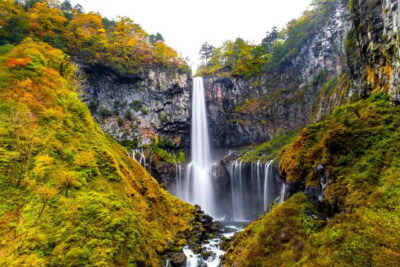
Nikko Toshogu Shrine and Kegon Waterfall Tour
Read our review →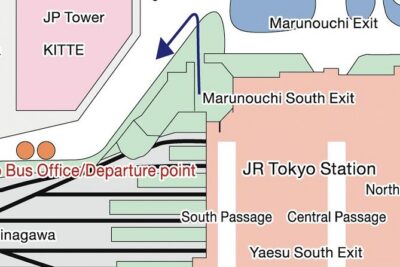
Tokyo Panoramic 1 Day: Meiji Shrine, Asakusa, Odaiba and SKYTREE®
Read our review →
1-Day Snow Monkeys, Zenko-ji Temple & Sake in Nagano
Read our review →
Arashiyama Bamboo, Temple, Monkeys, or Secret Sake Brewery
Read our review →Browse the lists this tour appears in