
Reviewed · JAPAN TEMPLE TOURS
Try Mindful Calligraphy Near Kanazawa’s Ninja Temple
Japanese calligraphy here is more than a quick brush demonstration. You sit in an actual classroom inside a 100-year-old house, learn the tools and strokes, then make a piece of art you can carry home. Naomi and her teaching team explain the writing clearly in English and Japanese, with plenty of encouragement for first-timers.
I like the calm pace and the chance to choose your own word. I also like that your final work goes directly onto a hanging scroll or folding fan, rather than ending as practice paper. The main drawback is time: one hour passes quickly, especially if you want lots of practice before making your final piece.
- Practice before the final artwork: You work on guide sheets and basic brush strokes before committing to the scroll or fan.
- A real local classroom: The session takes place in a working calligraphy school, not a staged show.
- English-friendly instruction: Naomi, Daiki, and the teaching team explain brush use, characters, and cultural context in English.
- A personal souvenir: You choose the word and take home the finished calligraphy.
- A quiet break near Nomachi: The studio is close to the Kanazawa Loop Bus and the Ninja Temple area.
- Private group format: Your party receives direct help, with extra attention possible when attendance is small.
Calligraphy in a 100-Year-Old Nomachi House
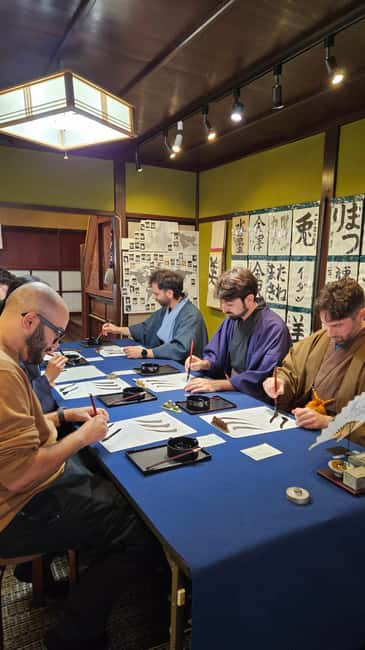
The first thing you notice is the setting. Culture Lab Nomachi operates from an old house where calligraphy works can be seen from outside. That makes the meeting point easy to spot, and the building gives the lesson a sense of place before you even pick up a brush.
This is not a theatrical performance staged for visitors. You sit in a classroom used for real calligraphy practice. On Thursdays and Saturdays after 3:00 PM, local children may also be studying in the studio. That can add a nice glimpse of calligraphy as an everyday activity, although you should expect a livelier room at those times.
The house is near Kanazawa’s Ninja Temple, in the Nomachi area. The address is 1-1-26 Nomachi, Kanazawa, Ishikawa 921-8031. A Kanazawa Loop Bus stop is nearby, which makes this an easy activity to pair with sightseeing in the central city.
Your First Brush Strokes
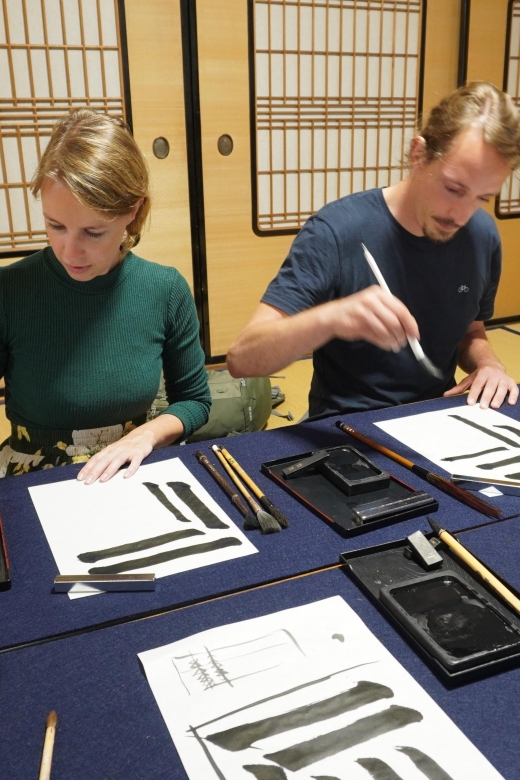
The lesson begins with an introduction to the tools. You learn how the brush, ink, paper, and related materials are used, then begin with basic strokes. This early practice matters. A calligraphy brush behaves differently from a regular pen, and the pressure of your hand changes the width and character of each line.
You work from guide sheets instead of being asked to produce a perfect character immediately. The instructors show you how to hold the brush and control its movement, then give you time to try. Naomi is known for a patient, encouraging approach, while Daiki has also taught the class in clear English.
The teaching style is useful for beginners because it takes the pressure off. You do not need to know Japanese, and you do not need previous art experience. The aim is to help you understand the movement and rhythm of the brush, not to judge you against a trained calligrapher.
That said, one hour is a compact introduction. You will get practice, but you will not become an expert in a single session. If you want repeated attempts at your final character, work efficiently during the first half of the class.
Other temple visits near Japan we have written up
- Kyoto: Tea Ceremony Ju-An at Jotokuji Temple
★ 4.9 · 3,207 reviews - Osaka/Kyoto:Kinkakuji,Arashiyama,FushimiInariShrine,NaraPark
★ 4.1 · 1,596 reviews - Tokyo: Asakusa Walking Tour with Sensoji Temple Visit
★ 4.8 · 1,583 reviews
Kanji, Hiragana, and Katakana Explained
The cultural part of the class gives your brushwork a wider context. Japanese uses three writing systems: kanji, hiragana, and katakana. Kanji characters came from Chinese writing and carry meaning as well as sound. Each character can suggest an idea or image, which is why choosing a word can feel more personal than simply copying a symbol.
Hiragana and katakana are phonetic scripts. Their flowing forms developed from Chinese characters and are used for different parts of the Japanese language. You do not need to master all three scripts during this lesson, but understanding the difference helps you see why Japanese writing has such varied shapes.
The instructors also explain the stories and ideas behind the characters. This is one reason the activity works well for people who want more than a craft souvenir. You are not just making attractive marks. You are learning how writing connects with Japanese language, design, and daily life.
Ask about the meaning of your chosen word before you begin the final piece. That small step helps you choose something that feels right and gives you a better story to tell when you display it at home.
Choosing a Word for Your Scroll or Fan
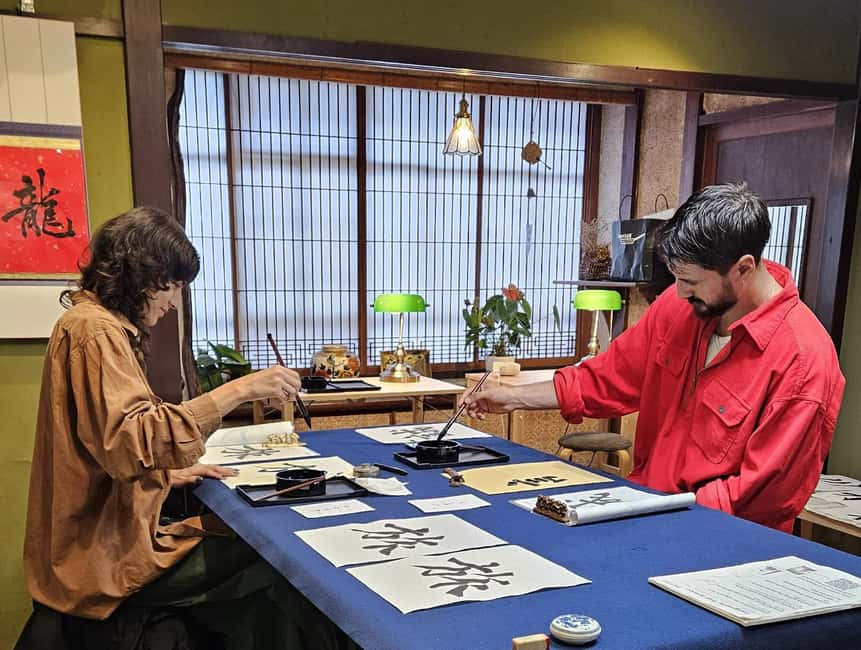
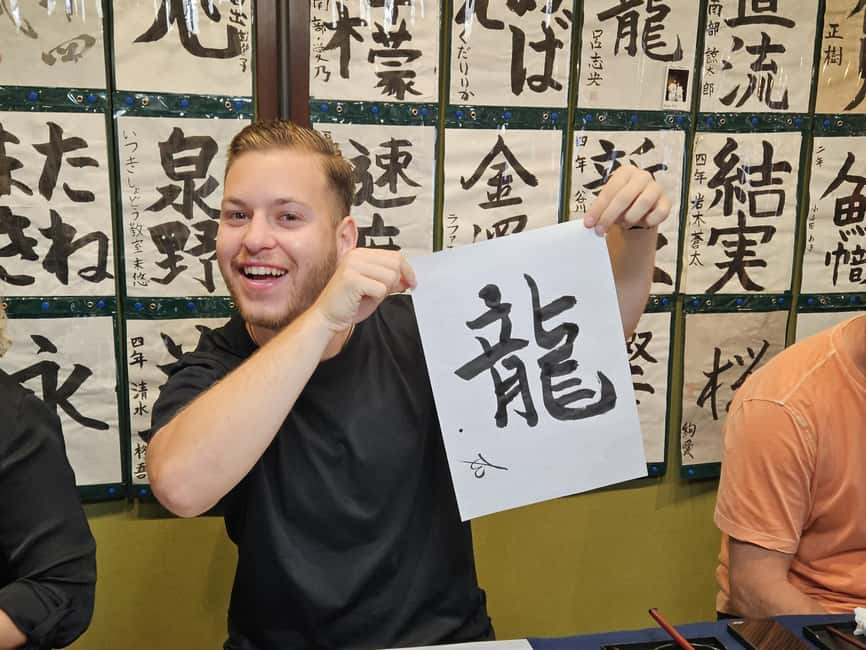
After practice, you select a word you would like to write. The final work is made directly on a hanging scroll or folding fan, depending on the format used for your session. You can take it home as a souvenir, and the fact that you made it yourself gives it more meaning than a shop-bought decoration.
This part is where the activity becomes personal. You might choose a word connected to calm, good fortune, strength, family, travel, or another idea that matters to you. The available choices and exact formats may depend on the class, so ask the instructor what works best before you settle on a character.
You then make the final attempt with guidance nearby. The instructors can help you adjust your brush technique and encourage you through the process, but the artwork remains yours. That balance is important. You get support without losing the satisfaction of making the piece yourself.
Perfection is not the point. A slightly uneven line can show the hand of the person who made it. The scroll or fan becomes a record of your first encounter with Japanese calligraphy, not a professional replica.
A Quiet Hour After Kanazawa Sightseeing
Kanazawa offers plenty of museums, temples, gardens, and old streets, so a quiet seated activity can be a welcome change. Calligraphy asks you to slow your hand and pay attention to each movement. For many people, that makes the hour feel restful rather than demanding.
I especially like this as a break in a busy sightseeing day. You are doing something creative, but the lesson does not require physical effort or a full afternoon. The one-hour length fits neatly between other plans, though the short schedule means you should arrive ready to focus.
The class also gives you a different way to experience Japanese culture. You may have seen calligraphy on signs, scrolls, menus, or temple displays. Here, you learn how those bold strokes are made. The connection between the finished work and the physical act of writing is the real value.
The experience is private for your group, which helps if you want to ask questions or need extra help with the brush. A small party can receive very direct attention. One parent and child, for example, may find the format more comfortable than a large workshop, provided the child is at least five years old.
A different set of gates, same trip:
- Nikko: Kegon Falls, Lake Chuzenji & Toshogu Temple
★ 4.6 · 1,577 reviews - Tokyo: Nikko Toshogu Shrine and Kegon Waterfall Tour
★ 4.5 · 1,266 reviews - Tokyo Panoramic 1 Day: Meiji Shrine, Asakusa, Odaiba and SKYTREE®
★ 4.5 · 1,222 reviews - 1-Day Snow Monkeys, Zenko-ji Temple & Sake in Nagano
★ 5.0 · 1,020 reviews
What the English Guidance Is Like
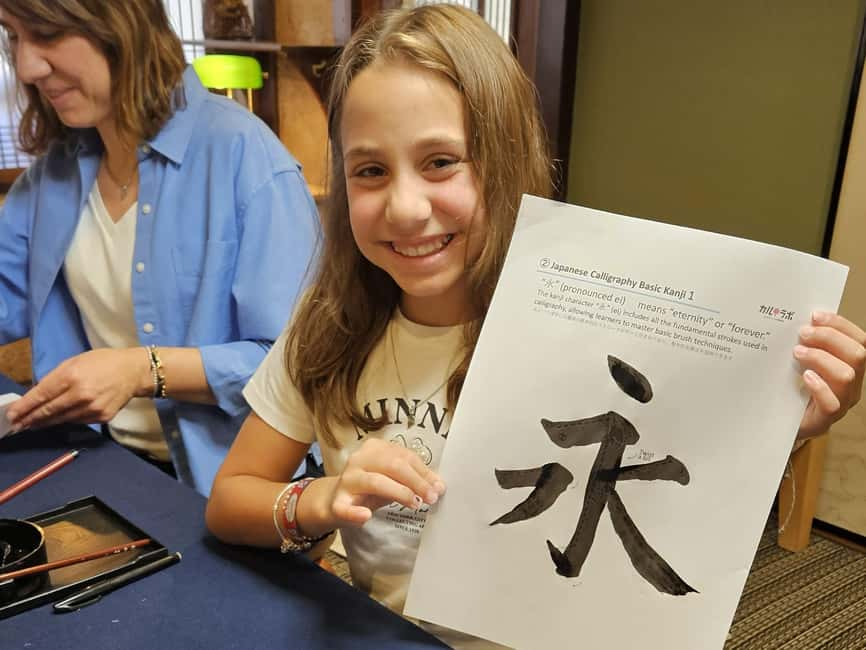
English is available throughout the lesson, along with Japanese. Naomi and Daiki have been praised for being patient and encouraging, and the teaching approach is aimed at people from outside Japan. You can ask about the tools, the characters, and the meaning of your chosen word without needing Japanese language skills.
The instructors do not simply hand you a brush and leave you alone. They explain, demonstrate, and correct your technique as you practice. Several teachers may be involved, particularly for larger private groups, so a group of six can still receive individual help.
The cultural explanations are part of the appeal. You learn why the scripts look different and how calligraphy developed as an art form. The class is not a full language course, but it gives you a useful introduction to the visual side of Japanese writing.
If you are nervous about making a mistake, say so. The instructors are accustomed to beginners, and the practical mood is supportive rather than formal. You can expect encouragement, not a test.
How Much Value You Get for $44
At $44 per person, this is not the cheapest souvenir activity in Kanazawa. The price makes more sense when you consider what is included: instruction, brush practice, cultural explanation, and a finished scroll or folding fan to take home.
You are also paying for a private group lesson in a historic house, with English support and direct help from the instructors. That makes the experience a better fit for people who value personal attention over a large demonstration.
The final artwork adds lasting value. A small item you made during your trip can remind you of Kanazawa long after the visit, and it has a clear story behind it. If you only want a quick photograph or a short demonstration, the price may feel high. If you want to learn a skill and create something personal, it is easier to justify.
The one concern is the limited time. Several people have found the hour calming and enjoyable but wished they had longer. I would book this for the guided introduction and finished artwork, not for an extensive course in brush technique.
Practical Details Before You Book
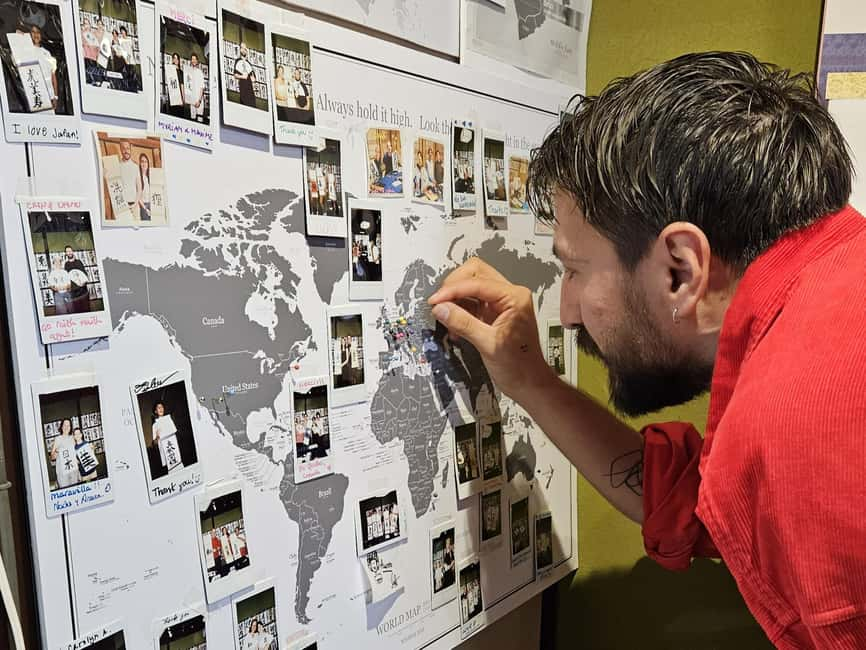
The studio should be easy to locate because calligraphy works are displayed where you can see them from outside. Use the full address in your map app, and look for the nearby Kanazawa Loop Bus stop when planning your route.
The activity lasts one hour, with starting times based on availability. Free cancellation is available up to 24 hours before the session for a full refund, and you can reserve now and pay later. Those terms help if your Kanazawa schedule is still changing.
Children under five are not suitable for this activity. Vegans should also avoid booking because traditional brushes and other calligraphy tools can contain animal-derived materials. If that matters to you, ask the provider about the materials before reserving.
On Thursdays and Saturdays after 3:00 PM, local children may be attending the school. This is not a problem if you enjoy seeing a working classroom, but choose another time if you want the quietest possible setting.
Who Will Enjoy This Most
This class suits couples, families with older children, solo visitors, and small private groups. It is especially good for you if you want a hands-on cultural activity that does not demand a full day or advanced language skills.
Art lovers will appreciate the chance to create something from scratch. Language students will enjoy learning how kanji, hiragana, and katakana differ. People who have already visited major sights may welcome an activity that lets them sit down, concentrate, and take part.
It also works well for a parent and child. The instructors are patient, and the private format allows more help when needed. Children under five are excluded, and very young children may find the quiet brushwork less engaging even when they meet the age requirement.
I would think twice if you want a long, technical lesson. The class gives you a taste of calligraphy, basic practice, and one finished piece. It is designed as an introduction, not a multi-session study program.
Should You Book the Nomachi Calligraphy Class?
Book it if you want an authentic, gentle activity near the Ninja Temple area, especially if you like bringing home something you made yourself. The English-friendly teaching, historic setting, and personal choice of word make this more meaningful than a simple souvenir stop.
Keep your expectations realistic. You will not cover every detail of Japanese calligraphy in an hour, and you may wish for more time once you get comfortable with the brush. Still, for $44, you receive instruction, cultural background, a private-group setting, and a finished scroll or fan.
I would schedule it during a busy Kanazawa day as a calm change of pace. Avoid it if you are vegan because of the traditional animal-derived materials, or if your main goal is an advanced lesson. For most first-time visitors who want a quiet cultural activity and a personal keepsake, this is a strong choice.
FAQ
Where does the calligraphy class take place?
It takes place at Culture Lab Nomachi, at 1-1-26 Nomachi, Kanazawa, Ishikawa 921-8031.
Is the studio near a bus stop?
Yes. A nearby stop is served by the Kanazawa Loop Bus.
How can I recognize the meeting point?
Calligraphy works are visible from outside the building, making the location easier to identify.
How long does the activity last?
The calligraphy lesson lasts one hour.
What languages are available?
Instruction is available in English and Japanese.
Is this a private activity?
Yes. The group type is private, so your party receives instruction together.
What will I make during the class?
You practice basic brush strokes and then create a calligraphy piece on a hanging scroll or folding fan. You can take the finished work home.
Do I need previous calligraphy experience?
No previous experience is stated as a requirement. The lesson includes explanations of the tools, guide sheets, and practice with basic strokes.
Are children allowed to join?
Children under five are not suitable for the activity.
Can vegans take part?
The activity is not suitable for vegans because traditional calligraphy tools such as brushes and ink can contain animal-derived materials.
Newly written up around Japan
- From Asakusa: Old Tokyo, Temples, Gardens and Pop Culture★ 5.0 · 47 reviews
- Goshuin Collecting tour at Asakusa Local Temples & Shrines, Tokyo★ 5.0 · 8 reviews
- Private guided tour: Mt. Aso volcano, grasslands, Aso Shrine★ 5.0 · 19 reviews
- Takayama Inari Shrine Tour with Private Transportation★ 5.0 · 5 reviews
- Tokyo: Snow Monkey and Zenkoji Temple Day Trip In Low Price★ 5.0 · 5 reviews
- Tokyo: Gotokuji Culture Walk & Lucky Cat Temple Experience★ 4.9 · 5 reviews
- :Tokyo,Shibuya /Meiji Shrine tour in KIMONO/English-friendly★ 5.0 · 4 reviews
- Tokyo: Sensoji Temple & Street Food: Private Tour with guide★ 4.6 · 8 reviews
Japan Temple Tours, compared.
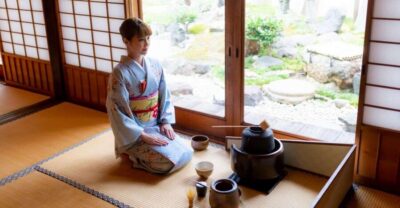
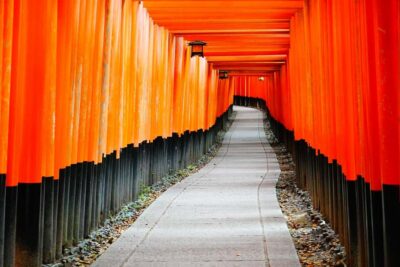
Osaka/Kyoto:Kinkakuji,Arashiyama,FushimiInariShrine,NaraPark
Read our review →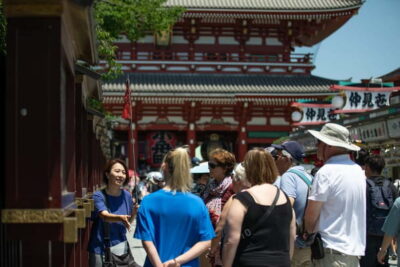
Asakusa Walking Tour with Sensoji Temple Visit
Read our review →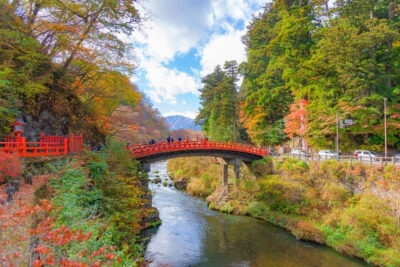
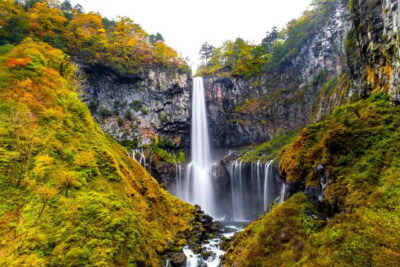
Nikko Toshogu Shrine and Kegon Waterfall Tour
Read our review →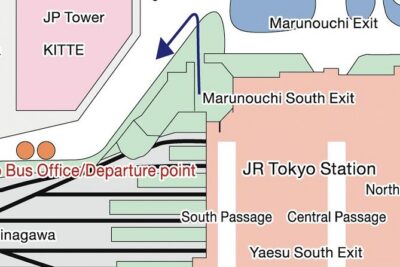
Tokyo Panoramic 1 Day: Meiji Shrine, Asakusa, Odaiba and SKYTREE®
Read our review →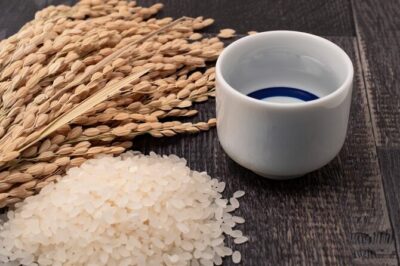
1-Day Snow Monkeys, Zenko-ji Temple & Sake in Nagano
Read our review →
Arashiyama Bamboo, Temple, Monkeys, or Secret Sake Brewery
Read our review →Browse the lists this tour appears in