
Reviewed · FUSHIMI INARI SHRINE TOURS
Kyoto Tea Ceremony & Kiyomizu-dera Temple Walking Tour
Kiyoto’s Kiyomizuzaka lanes make a fine lead-in to Kiyomizu-dera. You pass old teashops, sweet shops, and shops selling Japanese sun-dried foods before reaching one of Kyoto’s best-known temples. I like the mix of everyday street life and major sights, and I like that the tea ceremony lets you prepare your own matcha rather than simply watch someone else do it.
The main caution is timing. This is a three-hour walking tour with several stops, food samples, temple crowds, and a tea ceremony, so a late arrival or misunderstanding can cause trouble. The route also includes stairs and places that are not suitable for wheelchairs or strollers.
Key points to know
- Kiyomizuzaka comes first: Explore Kyoto’s old-style shopping streets before entering Kiyomizu-dera.
- Yasaka Koshin-do is a colorful photo stop: Small balls bearing written wishes hang throughout the temple.
- You make your own matcha: The tea lesson covers the tools, method, history, and basic Japanese phrases.
- Otowa Waterfall adds a traditional touch: You can drink its water, though a line may form.
- Local snacks are part of the walk: Your guide recommends foods at several eateries, with extra purchases paid separately.
- Guide quality matters: Akiko has been singled out for her warm help and clear cultural explanations.
Starting at Yasaka Shrine with a Three-Hour Plan
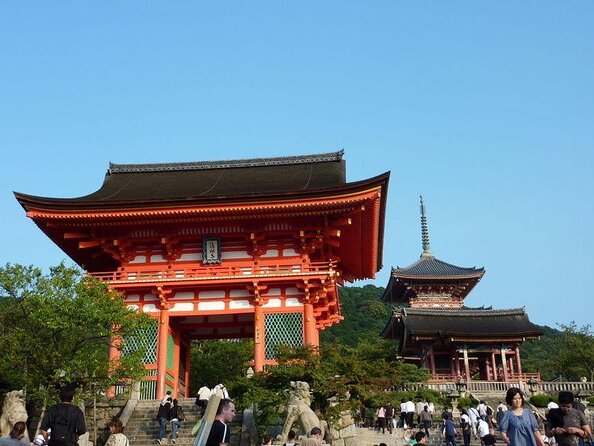
The meeting point is in front of the Yasaka Shrine statue, near the Nishiromon Gate. Look for a MagicalTrip guide holding a sign, and arrive 10 minutes early. The tour starts promptly, which matters here because the tea ceremony is tied to the walking schedule.
The experience is conducted in English and ends back at the same meeting point. That return makes the tour easy to fit into a Kyoto day, especially if you are staying near Gion or Yasaka Shrine.
You should expect a walking tour rather than a bus-based sightseeing outing. The route leads through temple approaches and narrow streets, with time spent standing at sights and stopping for snacks. Wear comfortable shoes, and bring water in summer. Kyoto can be very hot and humid, so a hat is sensible too.
The three-hour length is useful. It gives you enough time to see the main points without taking over an entire day, but it does require a steady pace. I would not schedule a train, formal meal, or another timed activity immediately afterward.
More Temple Walking Tours in Japan
- Kyoto Tea Ceremony & Kiyomizu-dera Temple Walking Tour
★ 5.0 · 115 reviews - Kyoto: Fushimi Inari Shrine Walking Tour
★ 5.0 · 72 reviews - Kyoto: Fushimi Inari Taisha Shrine Walking Tour with Guide
★ 4.8 · 18 reviews
Kiyomizuzaka, Where Kyoto Feels Close at Hand
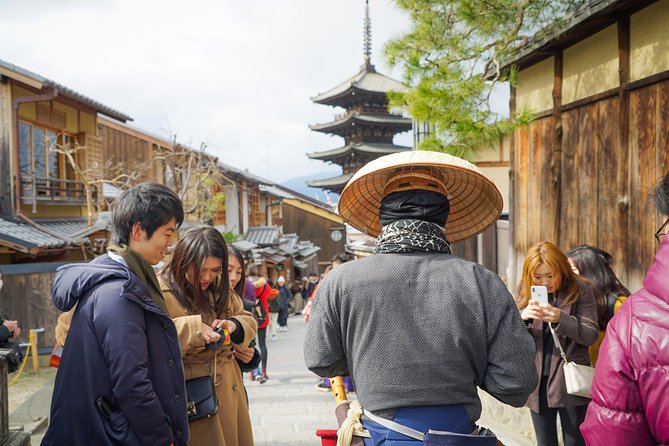
The approach to Kiyomizu-dera is one of the pleasures of this tour. Kiyomizuzaka is lined with old teashops, sweet shops, and traditional stores selling Japanese sun-dried foods. These streets have a more intimate feel than a large city avenue, and your guide helps connect the shops and customs to Kyoto life.
You may also see Maiko and Geisha moving through the area. Treat that as a passing sight, not a staged performance. The street setting gives you a chance to see how Kyoto’s traditional image fits into a working neighborhood filled with shops, religious sites, and local food.
This section is particularly helpful if you are visiting Kyoto for the first time. A guide can point out foods and small details you might otherwise walk past. Several snack stops are included, with a few samplings along the way. Extra food and drinks cost more, so carry cash if you want to buy additional treats or souvenirs.
One limitation is that the walking portion depends on the guide’s balance of history, street culture, and practical direction. The cultural explanations can be very good, but the tour description gives more detail about the shrines and temples than about Gion itself. If you want a full history of Gion’s entertainment district, this is not a dedicated Gion tour.
Yasaka Koshin-do and Its Hanging Wishes
Yasaka Koshin-do is one of Kyoto’s most colorful small temple stops. Its ceiling is decorated with many bright balls, each carrying a written wish. The display gives the visit an immediate visual focus and makes this a strong place for photographs.
It also offers a simple way to discuss Japanese religious culture. Rather than rushing from one famous site to the next, you get a smaller setting where your guide can explain what you are seeing and how written wishes fit into religious practice.
The stop is brief, but that is part of its value. Kiyomizu-dera can feel grand and crowded. Yasaka Koshin-do gives you a more compact pause, with color and detail at close range.
Bring a camera, but leave room for the guide’s explanation. The best part of this stop is not only the picture. It is understanding why the hanging wishes are there and how the site differs from the larger temple nearby.
Local Snacks Along the Old Streets
The food portion is casual and built into the walk. Your guide takes you to several eateries and recommends local snacks. A few samplings are included, while anything beyond those samples is your responsibility.
This arrangement gives you a taste of Kyoto without turning the tour into a full meal. It is useful if you like trying unfamiliar foods but do not want to choose every stop yourself. It also keeps the focus on the neighborhoods and temples.
Food restrictions need careful planning. The kitchens do not belong to MagicalTrip, so allergy-free preparation and dietary substitutions cannot be guaranteed. Tell the company about allergies or dietary requests at least one day before the tour, but understand that some stops may not be able to change what they serve. The operator says it will try to make up for missed items at other stops.
I would bring cash for extra snacks and drinks. The price includes a few samplings, not unlimited food. That distinction keeps the $63 cost reasonable, but it also means you should not arrive expecting a large lunch.
More Temple Walking Tours in Kyoto
- Kyoto: Private Walking Tour with Kiyomizu Temple & Gion
★ 5.0 · 7 reviews
Entering Kiyomizu-dera, Kyoto’s Water Temple
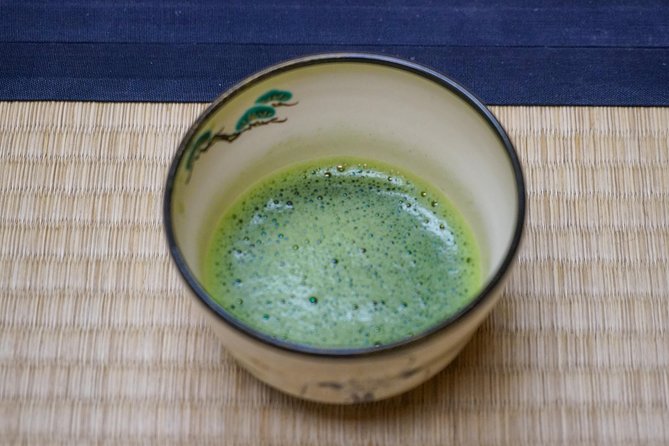
Kiyomizu-dera is the centerpiece of the outing. The temple is a UNESCO World Heritage Site and one of Japan’s most famous religious buildings. Its name means Water Temple, a reference to the Otowa Waterfall on the site.
The temple’s wooden platform gives you views toward Kyoto and the surrounding trees. In spring, cherry trees add soft color. In autumn, maple leaves change the view again. The experience depends on the season, but the platform provides the broadest outlook of the tour.
Your guide adds context about the temple and Japanese religious culture. That is important at a place where it is easy to take a few photographs and move on without understanding what you are seeing. You can ask questions as you go, though the pace may be brisk when the grounds are crowded.
Kiyomizu-dera is also the part of the tour most affected by crowds. The temple is a major Kyoto sight, and the wooden platform and approach can become busy. If you want quiet photographs, this guided visit may not deliver them. The benefit is that you do not have to manage the entrance and main route by yourself.
The temple entrance fee is included in the $63 price. That helps the value, especially when paired with the tea ceremony and food samples. You are paying for more than entry, but the temple admission removes one small extra cost.
Otowa Waterfall and the Cup of Good Luck
Near Kiyomizu-dera, you can visit Otowa Waterfall and drink a cup of its clear water. The water is traditionally associated with good luck, giving this stop a link between the physical setting and local belief.
A line may form at the waterfall. Your time there is therefore not entirely under the guide’s control. If you are trying to rush through the tour, this queue can put pressure on the later tea ceremony. Arriving early and staying with the group are the best ways to avoid problems.
The waterfall is a small but memorable part of the visit. You are not simply looking at a famous building. You are taking part in a custom connected to the temple’s name and its setting.
Making Matcha in a Traditional Tea Room
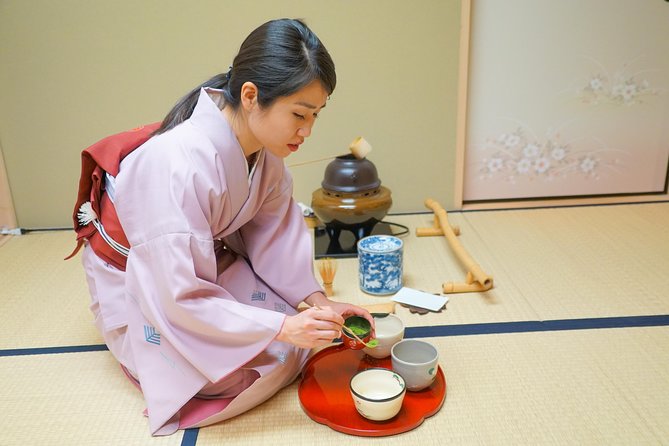
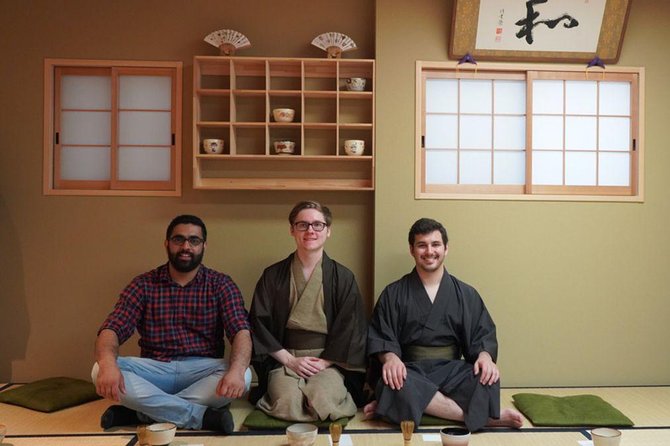
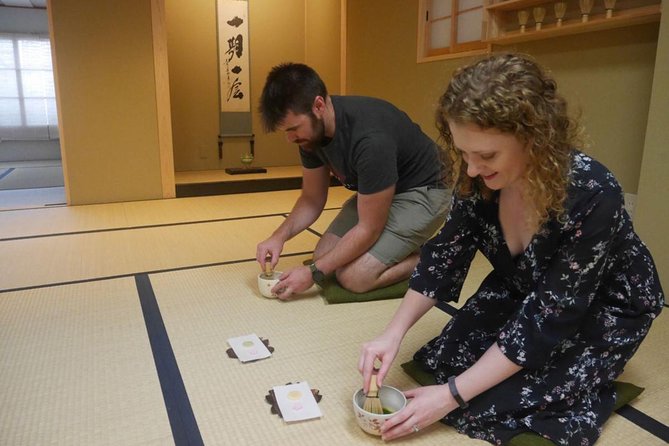
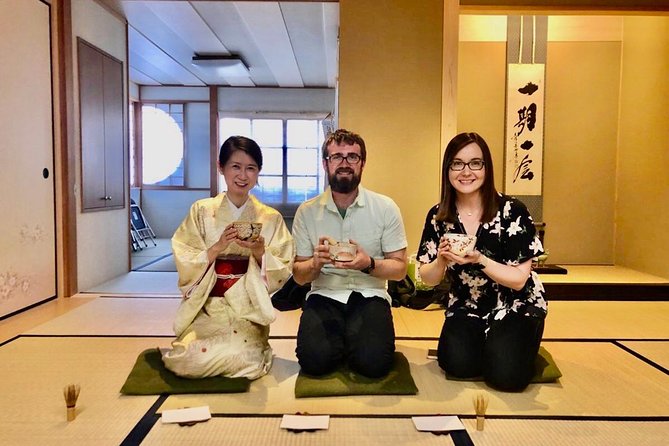
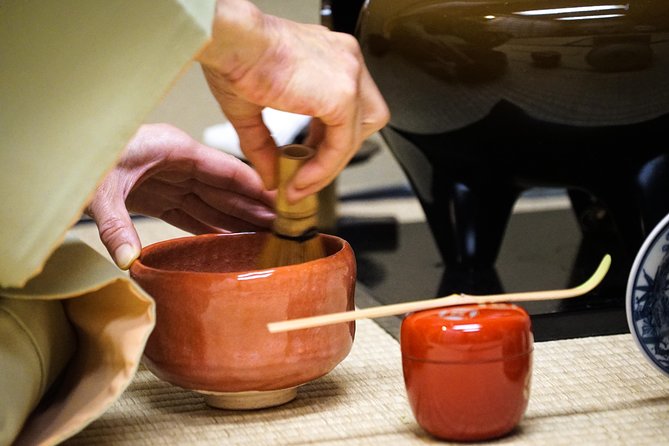
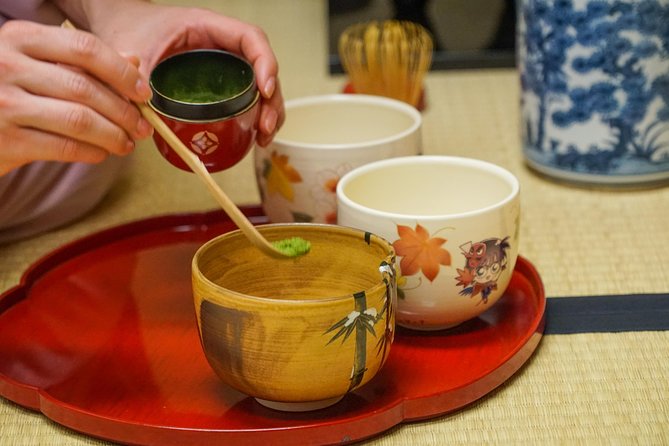
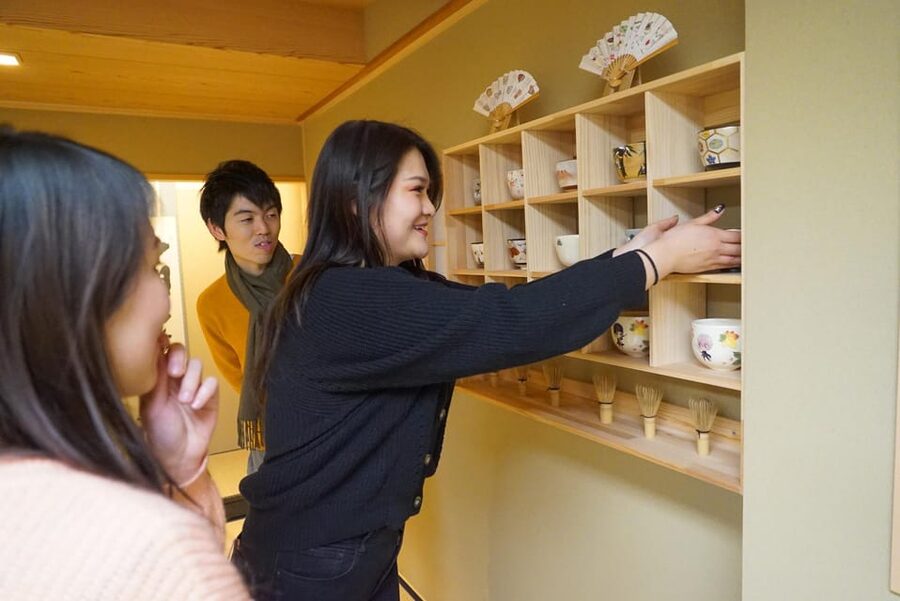
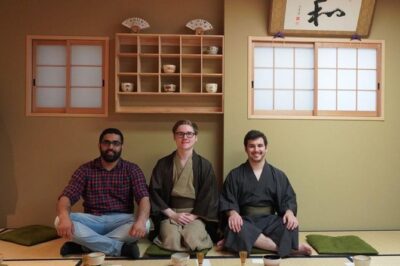
The tea ceremony is the tour’s most hands-on section. You enter a sophisticated room surrounded by tea utensils, including bamboo whisks and distinctive tea bowls. With Japanese sweets, the setting gives you a clear introduction to the formal side of tea culture.
You will learn the steps for making traditional matcha and prepare your own green tea. That practical element makes the session more useful than a demonstration alone. You can feel how the whisk works, follow the order of preparation, and see why the utensils matter.
The guide also explains Japanese phrases and the history connected with the ceremony. This gives the activity some cultural depth without requiring you to know anything about tea beforehand.
Pay close attention to the schedule. One participant missed the tea ceremony because of a timing misunderstanding, although the guide worked hard to arrange another session or a refund for people who could not return. That situation points to a simple rule: arrive early, stay close to the guide, and confirm when the tea portion begins.
For many people, this will be the strongest part of the tour. Kiyomizu-dera is famous, but you can visit a temple on many Kyoto programs. Making matcha gives you a direct activity to remember and a better sense of how tea preparation combines movement, tools, and courtesy.
What the $63 Price Includes
At $63 per person, the tour sits in the middle range for a short guided Kyoto experience. The price includes the Kiyomizu-dera entrance fee, a three-hour English-speaking guide, the tea ceremony, a few food samplings, and photos taken during the tour.
The value depends on how much structure you want. If you prefer to explore alone, you can enter Kiyomizu-dera and walk the streets for less money. You would then need to find the tea ceremony, choose food stops, and work out the route yourself.
I think the price makes sense for a first visit when you want several Kyoto experiences in one compact outing. You receive a major temple, a smaller colorful temple, local food, and a tea lesson without planning each part separately.
Extra food, drinks, and souvenirs are not included. Keep a little cash ready. The tour is not an all-you-can-eat food walk, and the samples are meant to add flavor to the sightseeing rather than replace a meal.
Who Will Get the Most From This Tour
I would recommend this experience to first-time Kyoto visitors who want a clear introduction to traditional streets, religious sites, local snacks, and tea culture. It suits people who prefer a guide to explain customs rather than simply hand over a map.
It also works well for couples, friends, and older children who can manage a three-hour walking route. Children under six are not permitted. The walking areas are not fully accessible for wheelchairs or strollers, so families should check the route carefully before booking.
Food lovers will appreciate the snack stops, though people with serious allergies need to be cautious. Tea fans will like making matcha, but anyone seeking a long, highly formal ceremony may find this introduction fairly short.
The tour is less suitable if you want a slow, private visit with lots of time for photographs. It covers several stops, and Kiyomizu-dera may be crowded. It is also not the right choice if you need guaranteed dietary substitutions or a fully step-free route.
Small Details That Make the Day Easier
Arrive 10 minutes early at the Yasaka Shrine meeting point. The guide will hold a MagicalTrip board, and the activity begins on time.
Wear shoes suited to walking and bring water, especially in summer. A hat can help in hot, humid weather. Keep cash for snacks, drinks, and souvenirs.
Tell the operator about allergies or dietary needs at least a day ahead. This does not guarantee changes at every food stop, but it gives the team a chance to plan alternatives.
The tour is conducted in English. Guide Akiko has been praised for her warm manner and helpful handling of the experience. Another guide was described as new and slightly nervous, but still able to offer useful explanations and considerate help when the tea schedule went wrong. That suggests the guide can shape the day, so staying engaged and asking questions is worthwhile.
You can reserve now and pay later, and cancellation is available up to 24 hours before the start for a full refund. Those terms help if your Kyoto schedule is still changing.
Should You Book the Kyoto Tea Ceremony and Kiyomizu-dera Tour?
Book it if you want a compact introduction to Kyoto that combines Kiyomizu-dera, local snacks, and hands-on matcha preparation. The temple visit gives you the major sight, while Yasaka Koshin-do and the old streets add smaller details that make the route feel less like a single monument stop.
The main things to watch are the walking, crowds, food limitations, and strict timing. Confirm the tea ceremony schedule with your guide, arrive early, and do not rely on the included samples as a full meal.
For $63, I find the combination fair, especially for a first visit. You can explore these areas independently, but the guide’s explanations and the tea-making session give the day more shape. Choose this tour when you want to see Kyoto and take part in it, not simply photograph it.
FAQ
Where does the tour begin?
Meet in front of the statue of Yasaka Shrine, near the Nishiromon Gate. The guide will hold a board marked MagicalTrip.
How early should I arrive?
Arrive 10 minutes before the activity begins. The tour starts promptly.
Where does the tour end?
The activity ends back at the Yasaka Shrine meeting point.
How long is the tour?
The guided experience lasts three hours.
What language is the tour conducted in?
The tour is conducted in English.
Is the Kiyomizu-dera entrance fee included?
Yes, the Kiyomizu-dera entrance fee is included.
Is the tea ceremony included?
Yes, the tea ceremony is included. You will learn how to prepare traditional matcha and have Japanese sweets.
Is food included?
A few food samplings are included. Extra food and drinks are available for purchase but are not included in the price.
Can children join the tour?
Children under six years old are not allowed to join.
Is the tour accessible with a wheelchair or stroller?
Some locations on the route are not accessible by wheelchair or stroller.
Can I request food for an allergy or special diet?
You should provide allergy or dietary information at least one day before the tour. Allergy-free preparation and substitutions cannot be guaranteed because the food comes from kitchens that do not belong to MagicalTrip.
What should I bring?
Bring comfortable walking shoes, cash for extra food, drinks, and souvenirs, and water during Japan’s hot and humid summer. A hat is also recommended in summer.
Can I drink from Otowa Waterfall?
The tour includes a visit to Otowa Waterfall, where you can drink a cup of its water. A line may form.
Can I cancel for a full refund?
You can cancel up to 24 hours before the tour for a full refund.
Can I reserve now and pay later?
Yes. The tour allows you to reserve your place and pay later.
More Fushimi Inari Shrine Tours in Kyoto
- Osaka/Kyoto:Kinkakuji,Arashiyama,FushimiInariShrine,NaraPark
★ 4.1 · 1,596 reviews - Osaka/Kyoto: Arashiyama, Nara & Fushimi Inari Shrine w/Lunch
★ 4.4 · 754 reviews - Kyoto: 3-Hour Fushimi Inari Shrine Hidden Hiking Tour
★ 4.9 · 270 reviews - Kyoto: Fushimi Inari Shrine and Tofukuji Temple E-Bike Tour
★ 5.0 · 75 reviews
Newly written up around Kyoto
- Kyoto:Kiyomizu-dera Temple Rent a kimono and ride a rickshaw★ 4.8 · 7 reviews
- KYOTO: Tempio Kiyomizu Pagode Gion “Geisya” (Guida Italiana)★ 4.7 · 17 reviews
- Kyoto: Kiyomizudera, Sanjusangendo, Ginkakuji and Higashiyama.★ 5.0 · 3 reviews
- Kyoto: Shakyo & Matcha in Historic Temple Garden★ 5.0 · 4 reviews
- KYOTO: Golden Pagoda, Bamboo Forest, Arashiyama (Italian)★ 4.9 · 5 reviews
- Kyoto:Quiet Arashiyama and Sagano Temples★ 4.8 · 5 reviews
- Kyoto kiyomizu Temple : Maiko and Samurai Couple Photoshoot★ 4.8 · 25 reviews
- Kyoto: Nara, Todaiji, Kasuga Taisha Shrine Private Full Day★ 4.9 · 18 reviews
Fushimi Inari Shrine Tours, compared.
Osaka/Kyoto:Kinkakuji,Arashiyama,FushimiInariShrine,NaraPark
Read our review →
Osaka/Kyoto: Arashiyama, Nara & Fushimi Inari Shrine w/Lunch
Read our review →
Kyoto Tea Ceremony & Kiyomizu-dera Temple Walking Tour
Read our review →Full Day Kyoto Tour : Bamboo Forest, Golden Temple, Fushimi Inari
Read our review →
Fushimi Inari Shrine and Tofukuji Temple E-Bike Tour
Read our review →
Early Morning Fushimi Inari Shrine – Beat the Crowds
Read our review →Browse the lists this tour appears in