
Reviewed · FUSHIMI INARI SHRINE TOURS
Kyoto: Early Morning Fushimi Inari Shrine – Beat the Crowds
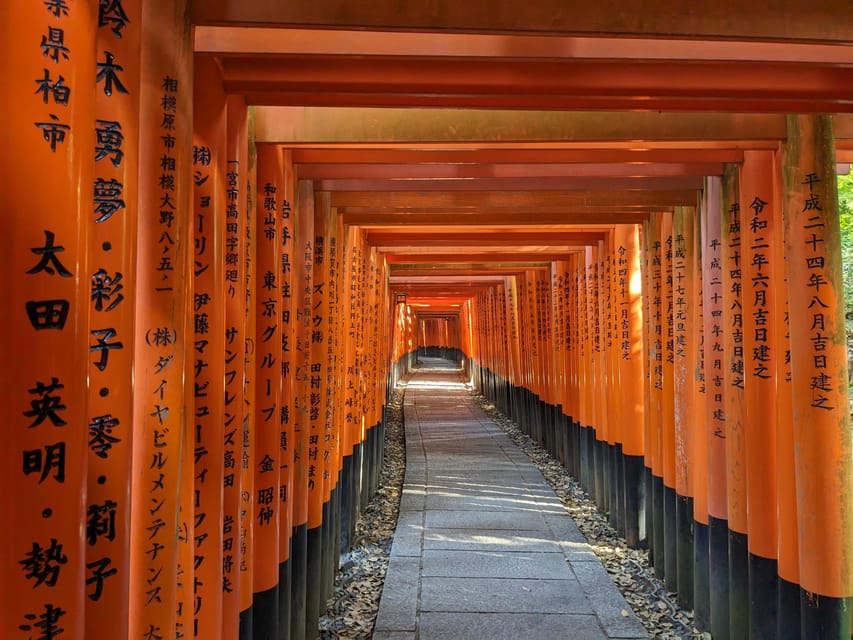
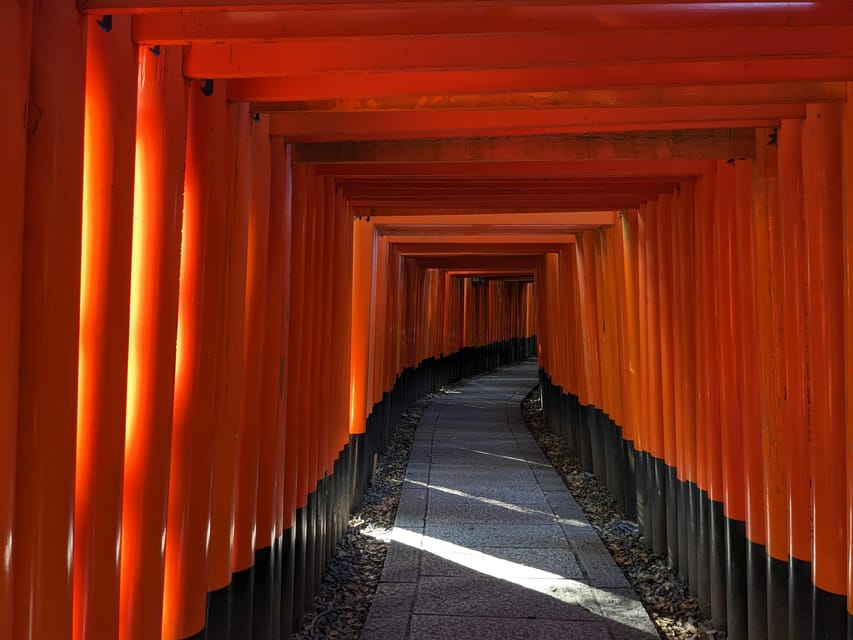
Fushimi Inari is at its best before Kyoto wakes up. This early morning walk takes you beneath the famous orange torii gates while the paths are calmer, the air is cooler, and your photos need far less crowd editing. I like the peaceful start and the chance to see the shrine as a place of worship, not just a famous backdrop.
I also like the human side of the tour. Guides such as Teppei, Akino, Hiro, Maru, Masa, and Yoshi explain shrine customs, local beliefs, and the meaning of the fox statues in clear, friendly English. The tradeoff is simple: this is a mountain walk, not a flat photo stop, and it is not suitable for children under 10, people with mobility or heart problems, or anyone with a low level of fitness.
Key points to know before booking
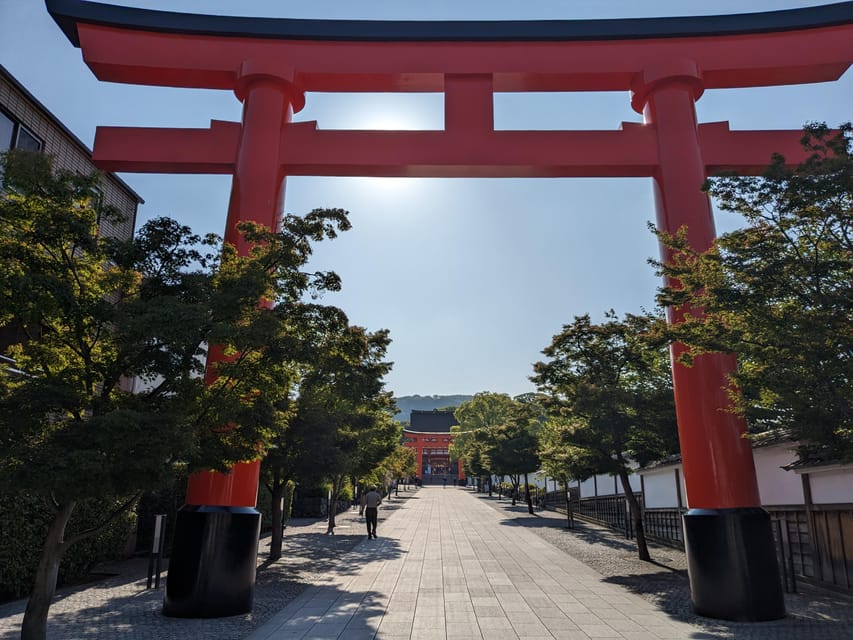
- Early access changes the mood: You get a quieter visit to one of Kyoto’s busiest sights before the daytime crowds arrive.
- The walk includes a mountain route: Expect about 2.5 hours on foot, with a scenic viewpoint and additional shrine stops.
- Local guides add cultural context: Guides explain torii gates, deities, prayer customs, fox imagery, and the shrine’s place in Kyoto life.
- The meeting point is easy to miss: Look outside, across from the main entrance to JR Inari Station, for a bright yellow DeepExperience sign.
- Your group may be private or small: The format gives you a better chance to ask questions and get help with photographs.
- The $70 price buys interpretation, not just entry: The value rests in timing, guidance, and a more meaningful route through the shrine.
Why early morning matters at Fushimi Inari
Fushimi Inari Taisha is one of Kyoto’s essential sights, and its fame creates its own problem. The orange torii gates draw a steady stream of domestic and international visitors throughout the day, especially around the lower shrine grounds and the first sections of the mountain path.
An early start gives you a better shot at quiet moments between groups. You may still meet other people, since Fushimi Inari is an active religious site rather than a private attraction, but the experience is less about squeezing through a crowd and more about walking at your own pace.
The cooler morning air also matters. The route rises through a wooded mountain setting, and the walk can feel demanding as the day warms. Several people who took this tour in summer specifically valued the early timing because it avoided both the heat and the thickest crowds.
I would not book this only for a quick photograph of the first torii tunnel. You can see that area without a guide. The real value comes from taking time to understand what you are seeing and continuing beyond the most photographed section.
More Fushimi Inari Shrine Tours in Kyoto:
- Osaka/Kyoto:Kinkakuji,Arashiyama,FushimiInariShrine,NaraPark
★ 4.1 · 1,596 reviews - Osaka/Kyoto: Arashiyama, Nara & Fushimi Inari Shrine w/Lunch
★ 4.4 · 754 reviews - Kyoto: 3-Hour Fushimi Inari Shrine Hidden Hiking Tour
★ 4.9 · 270 reviews
Meeting your guide at JR Inari Station
Your guide waits outside, across from the main entrance to JR Inari Station, holding a bright yellow DeepExperience signboard. This is a useful meeting point because the station is directly tied to the shrine visit, but you still need to pay attention to the train service you use.
One person arrived late after assuming the train from Kyoto Station would make only one stop. The non-express service took longer, and the group had to wait. Allow extra time and check whether your train is express or local before leaving.
Once you meet your guide, the rest of the morning is on foot. There is no included transport, and you should arrive ready to walk in comfortable shoes and clothes. Large bags, luggage, baby strollers, and baby carriages are not allowed on the activity.
Entering the shrine and reading the torii gates
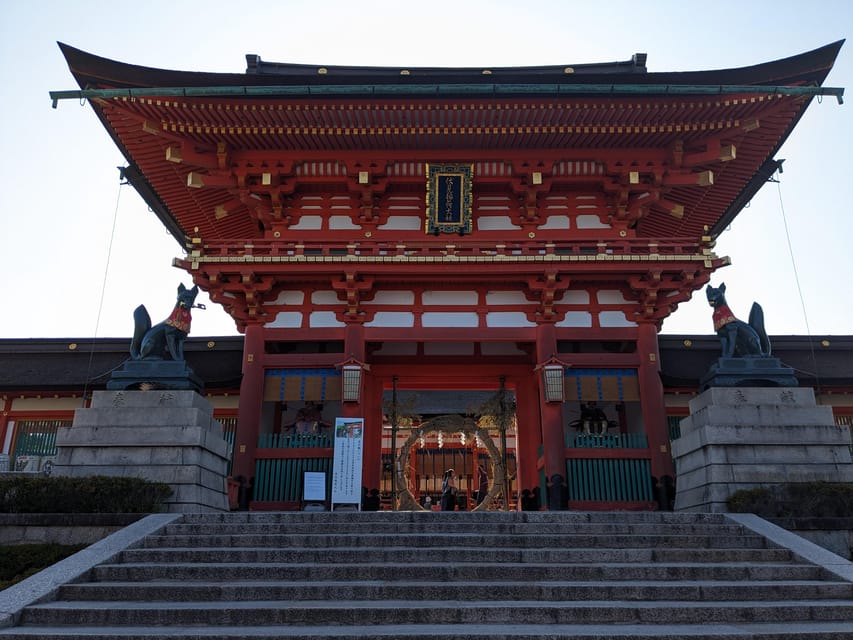
The first part of the visit focuses on Fushimi Inari Taisha itself, with about 90 minutes of guided touring. Your guide can explain how to approach the shrine respectfully, what to do at the main worship areas, and how the torii gates fit into Japanese religious practice.
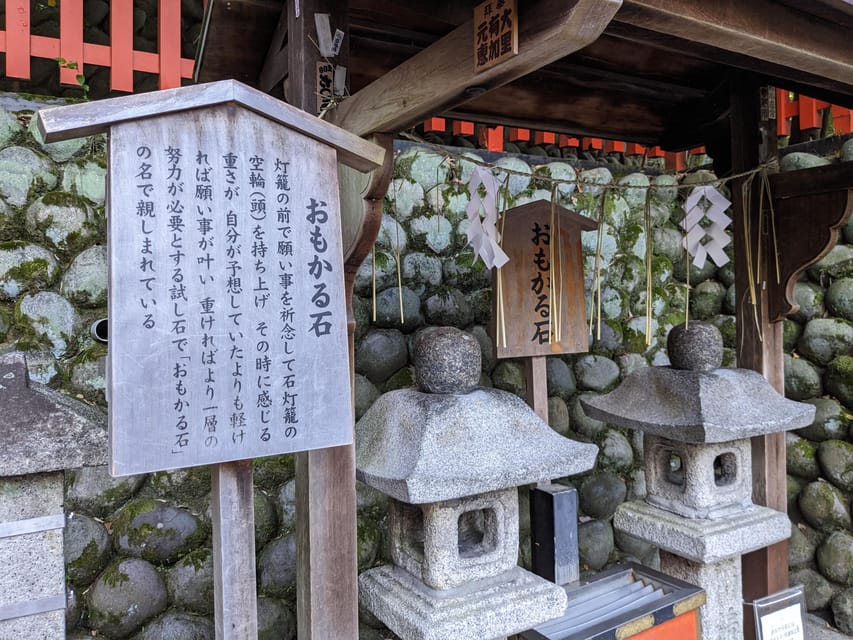
That guidance is useful because the shrine can look simple at first glance. You see an endless orange corridor, stone fox figures, small worship areas, and wooden structures, but each element has a role. The tour helps you notice details that are easy to miss when you are focused on taking pictures.
Inari is associated with prosperity, agriculture, business, and food. The fox figures connected with the shrine are treated as messengers, not as the deity itself. Your guide can put these symbols into context and explain why people continue to visit the mountain for personal and family reasons.
The color and shape of the gates also become more interesting once you understand their purpose. Many were donated by individuals or businesses, and the long corridors reflect generations of devotion. You do not need to memorize every detail, but a few clear explanations change the way you see the path.
Guides named Teppei and Hiro received particularly strong praise for explaining the shrine step by step and answering questions carefully. Akino was also singled out for making cultural information engaging while offering practical suggestions for the rest of a Kyoto trip.
Walking through the orange torii tunnels
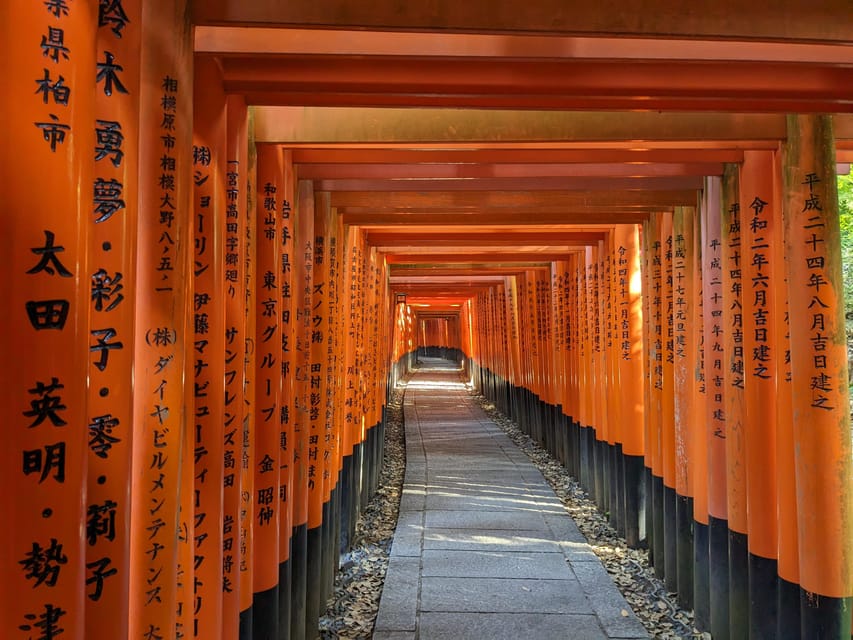
The torii gates are the visual heart of the tour. Some sections form dense tunnels of orange, while other parts open enough for views and glimpses of the mountain setting. Your guide can help you find better places for photographs and can take pictures of you along the way.
The early hour improves your chances of getting a clean image, but do not expect every gate to be empty. Fushimi Inari remains one of Japan’s most popular sights, and the shrine is open to people visiting for worship as well as sightseeing.
The best approach is to slow down. Take the photograph, then look at the lettering on the gates, the small side shrines, and the way the path changes as it climbs. A guide helps you avoid treating the entire mountain as one repeated orange corridor.
The walk is also a useful test of your fitness. The tour lasts 150 minutes and includes a mountain route, so you should be comfortable standing and walking for an extended period. People with back problems, respiratory issues, heart problems, altitude sickness, or mobility impairments should not book this activity.
Other temple visits near Kyoto we have written up
- Kyoto: Tea Ceremony Ju-An at Jotokuji Temple
★ 4.9 · 3,207 reviews - Arashiyama Bamboo, Temple, Monkeys, or Secret Sake Brewery
★ 4.8 · 886 reviews - Kyoto: Arashiyama Bamboo Forest, Monkeys, Matcha & Temple Tour
★ 5.0 · 759 reviews - Kyoto Zen Meditation & Garden Tour at a Zen Temple with Lunch
★ 5.0 · 441 reviews
The viewpoint and quieter shrine stops
The itinerary includes about 30 minutes of sightseeing at a viewpoint. The exact conditions depend on the morning, weather, and pace of the group, but the higher route gives you a different view from the crowded lower gates.
This is one reason I would choose the guided walk over a quick visit near the station. You get a sense of how the shrine spreads up the mountain, rather than seeing only the most accessible entrance area. Several people described reaching the upper part of the route as the highlight of their Kyoto visit, even when they had expected the walk to feel like a chore.
The tour also includes another 30-minute guided stop at a quieter location. One guide showed a small fountain connected with a local story about healing illness. Details like this give the route a more personal feel, though you should treat traditional stories as part of the shrine’s cultural setting rather than as medical advice.
The quieter stops are valuable because they break up the photo routine. You have room to ask about local beliefs, Kyoto customs, and the way people use the shrine. The experience becomes less about collecting images and more about understanding why the place matters.
What the guides add to the visit
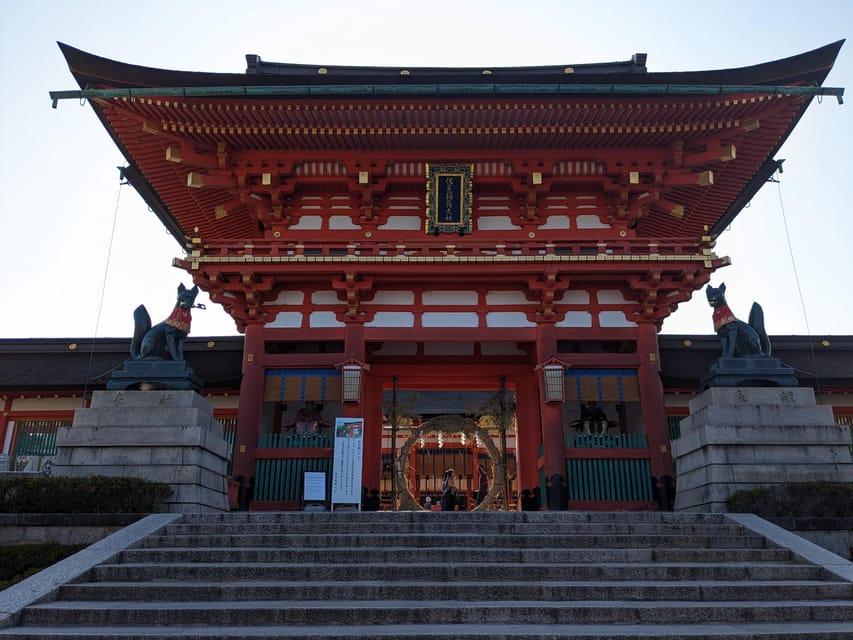
The guide is the main reason to pay for this experience. Fushimi Inari itself is free to visit, so the $70 price is not buying admission. It pays for timing, company, translation, cultural explanation, route planning, and help with photographs.
The strongest guide feedback centers on warmth and care. Teppei was praised for making explanations clear and fun, helping a reluctant walker enjoy the route, and offering useful Kyoto advice. Akino was described as passionate about Japanese culture and helpful with later travel plans. Hiro brought personal knowledge of Kyoto and explained how to show respect at the shrine.
Maru was noted for being friendly, taking photographs, and spending time on Japanese traditions. Masa helped explain the shrine during an early walk, while Yoshi was praised for being friendly, generous, and easy to recommend.
Guide quality can vary because several people lead the activity, but the consistent pattern is personal attention. A private or small-group option should make it easier to ask questions and request a slower explanation. If you want to walk alone in silence, the guide may feel unnecessary. If you want context, the extra cost makes more sense.
Is $70 a fair price?
At $70 per person, this is not the cheapest way to see Fushimi Inari. The shrine does not require an admission fee, and you can reach the lower gates independently from JR Inari Station.
The price becomes easier to justify if you value three things: avoiding the worst crowds, learning how to behave at a religious site, and getting help on a mountain route. A private or small group can also make the morning feel more tailored than a large group tour.
I would not choose this tour if your only goal is a quick picture under the first torii gates. You can do that on your own. I would consider it good value if this is your first visit to Japan, if you want cultural explanations in English, or if you are uneasy about navigating shrine customs by yourself.
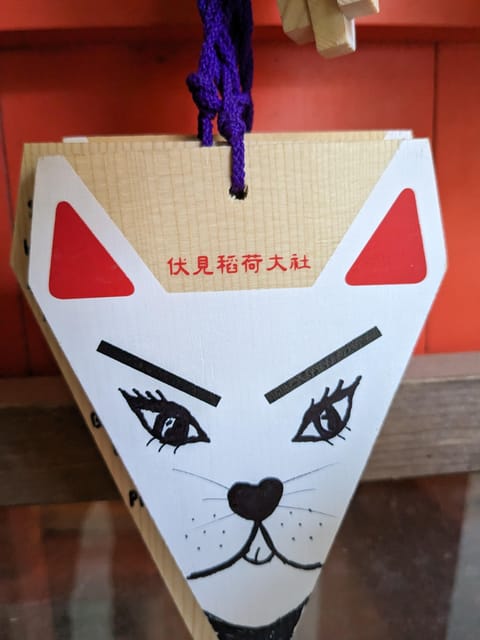
The special Inari souvenir adds a small extra touch. It is unique to Inari and not available elsewhere, according to the activity details. It will not determine the booking for me, but it is a pleasant reminder of the place after the walk.
Who should book this early walk
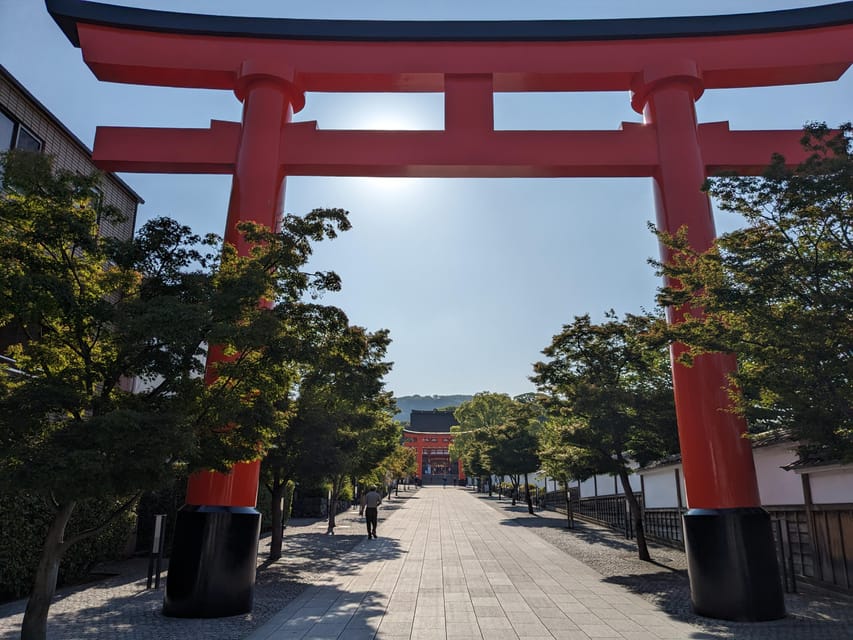
This experience suits visitors who want a deeper look at one of Kyoto’s best-known sights without spending the morning in a dense crowd. It is also a good choice for couples, friends, and families with older children who can manage a sustained uphill walk.
You should be happy walking for 2.5 hours and wearing practical shoes. Comfortable clothing matters more than dressing for photographs, since the route can be warm and tiring later in the day.
The tour is not suitable for children under 10, wheelchair users, people with mobility impairments, people with serious back or heart problems, people with respiratory issues, people over 70, or anyone with a low fitness level. These limits are important. Do not book it hoping the guide can turn a mountain walk into an easy stroll.
The experience is offered in English, and private or small-group arrangements are available. You can reserve without paying immediately, and cancellation is free up to 24 hours before the activity for a full refund.
Practical advice for a smoother morning
Wear shoes with good support. The route includes a long walk and mountain sections, so sandals or stiff new shoes could make the morning less pleasant.
Bring only what you need. Luggage, large bags, strollers, and baby carriages are not allowed, and a light load will make the walk easier in any case.
Plan your train carefully. The meeting point is outside JR Inari Station, not inside the shrine grounds. Arriving early gives you time to find the yellow sign and avoids making the group wait.
Do not arrive intoxicated. This is a religious site as well as a sightseeing stop, and respectful behavior matters.
The activity has a 4.9 rating from 48 reviews, but I would focus less on the number and more on the repeated themes: early timing, strong guide personalities, clear cultural explanations, and help with the physical route. Those are the parts most likely to shape your morning.
Should you book the Fushimi Inari early morning tour?
Book it if you want more than a quick photograph and you can handle a 2.5-hour mountain walk. The early timing is smart, the shrine is far more pleasant before the main daytime rush, and a good guide can explain the customs and symbols that an independent visit might leave unclear.
Skip it if you have limited mobility, low fitness, or only a short window for the lower shrine. You can visit Fushimi Inari independently and spend less.
For most fit visitors making a first Kyoto visit, I think the tour earns its price through the timing and personal guidance. Choose it for the quiet morning, the viewpoint, the smaller shrine stops, and the chance to ask a local guide what you are actually seeing.
FAQ
How long does the Fushimi Inari tour last?
The tour lasts 150 minutes, or 2.5 hours.
Where does the tour meet?
Your guide waits outside, across from the main entrance to JR Inari Station, holding a bright yellow DeepExperience signboard.
What language is the tour offered in?
The tour is offered in English with a live English-speaking guide.
Is the tour private or shared?
Private and small-group options are available.
What does the itinerary include?
The route includes a guided visit to Fushimi Inari Taisha, a viewpoint, and an additional quieter stop before returning to JR Inari Station.
Is admission to Fushimi Inari included?
The provided activity information lists an English-speaking local guide as included. It does not list a separate shrine admission charge.
What should I wear?
Wear comfortable clothes and comfortable shoes suitable for a mountain walk.
Can I bring luggage or a stroller?
No. Luggage, large bags, baby strollers, and baby carriages are not allowed.
Is the tour suitable for children?
The tour is not suitable for children under 10 years old.
Can I cancel the booking?
Yes. You can cancel up to 24 hours in advance for a full refund. You can also reserve now and pay later.
Newly written up around Kyoto
- Kyoto:Kiyomizu-dera Temple Rent a kimono and ride a rickshaw★ 4.8 · 7 reviews
- Kyoto: Kiyomizudera, Sanjusangendo, Ginkakuji and Higashiyama.★ 5.0 · 3 reviews
- Kyoto: Shakyo & Matcha in Historic Temple Garden★ 5.0 · 4 reviews
- KYOTO: Tempio Kiyomizu Pagode Gion “Geisya” (Guida Italiana)★ 4.7 · 17 reviews
- KYOTO: Golden Pagoda, Bamboo Forest, Arashiyama (Italian)★ 4.9 · 5 reviews
- Kyoto:Quiet Arashiyama and Sagano Temples★ 4.8 · 5 reviews
- Kyoto kiyomizu Temple : Maiko and Samurai Couple Photoshoot★ 4.8 · 25 reviews
- Kyoto: Nara, Todaiji, Kasuga Taisha Shrine Private Full Day★ 4.9 · 18 reviews
Fushimi Inari Shrine Tours, compared.
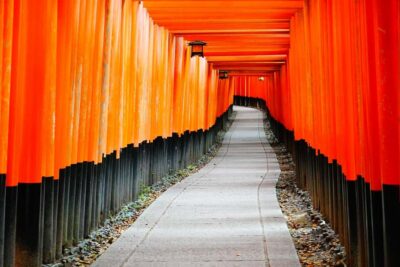
Osaka/Kyoto:Kinkakuji,Arashiyama,FushimiInariShrine,NaraPark
Read our review →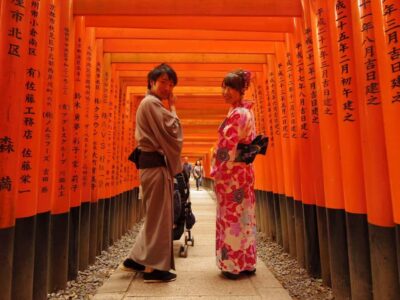
Osaka/Kyoto: Arashiyama, Nara & Fushimi Inari Shrine w/Lunch
Read our review →
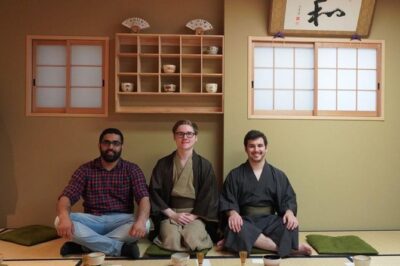
Kyoto Tea Ceremony & Kiyomizu-dera Temple Walking Tour
Read our review →Full Day Kyoto Tour : Bamboo Forest, Golden Temple, Fushimi Inari
Read our review →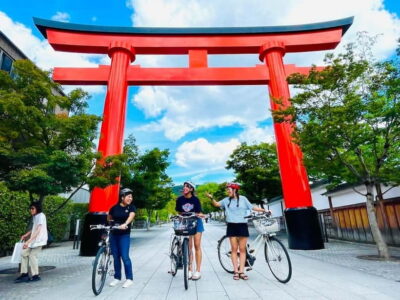
Fushimi Inari Shrine and Tofukuji Temple E-Bike Tour
Read our review →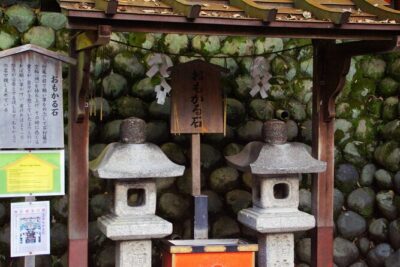

Kyoto kiyomizu Temple : Maiko and Samurai Couple Photoshoot
Read our review →Browse the lists this tour appears in