
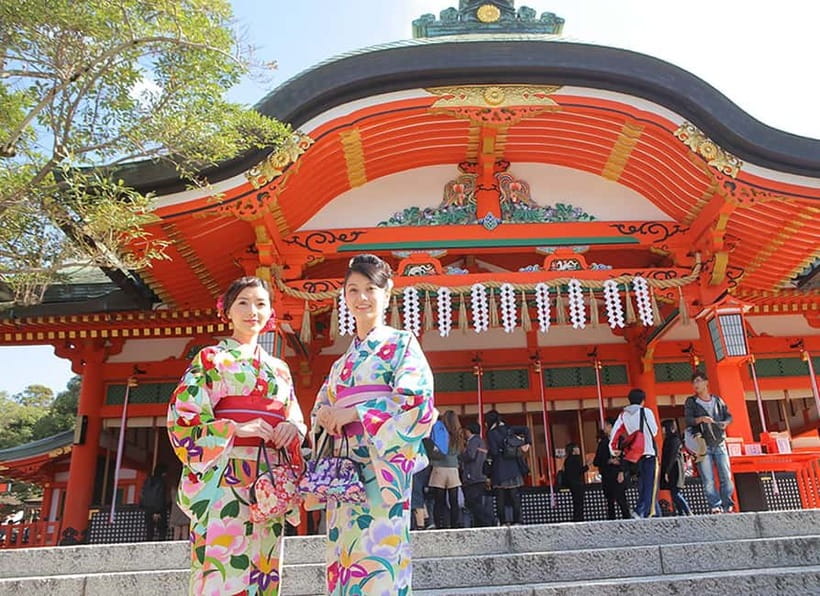
Reviewed · FUSHIMI INARI SHRINE TOURS
Kyoto:Kiyomizu-dera Temple Rent a kimono and ride a rickshaw
The best part of this Kyoto experience is the combination of dressing in a kimono and seeing Higashiyama from a rickshaw seat. You get a short guided ride first, then several hours to wander the famous lanes near Kiyomizu-dera in traditional dress.
I like the shop’s three-minute walk from Kiyomizu-dera, which makes it easy to fit into a sightseeing day. I also like the freedom after the 13-minute ride: you can continue on foot, by bus, or by taxi until returning the outfit at 5pm. The main tradeoff is that the rickshaw portion is brief, and the basic kimono rental may feel more like a fun costume experience than a formal dressing service.
Key points at a glance
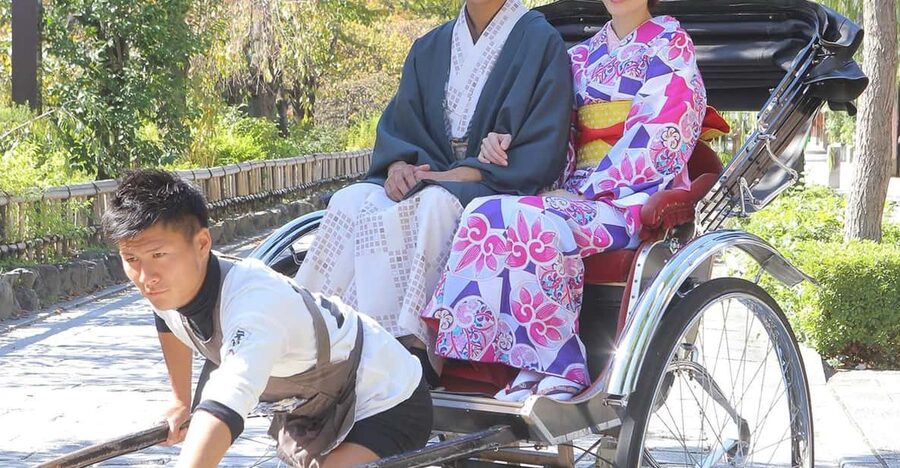
- A 13-minute rickshaw route: Ride from the rental shop along Kiyomizu-dori, back lanes, Ishin-no-michi, Koshin-do, and Kodaiji Park.
- Close to Kiyomizu-dera: The shop is about a three-minute walk from the temple, though the bus stop approach takes longer.
- Kimono freedom after the ride: Keep the kimono or yukata while you explore Kyoto until 5pm.
- Small group size: No more than four participants are accepted, which helps keep the dressing and departure process manageable.
- Driver interaction matters: Ken is praised for giving personal attention and pulling the rickshaw through town with energy.
- Good weather flexibility: The ride can still go ahead in rain, but you should be comfortable with a short outdoor activity in changing conditions.
Why the kimono and rickshaw pairing works
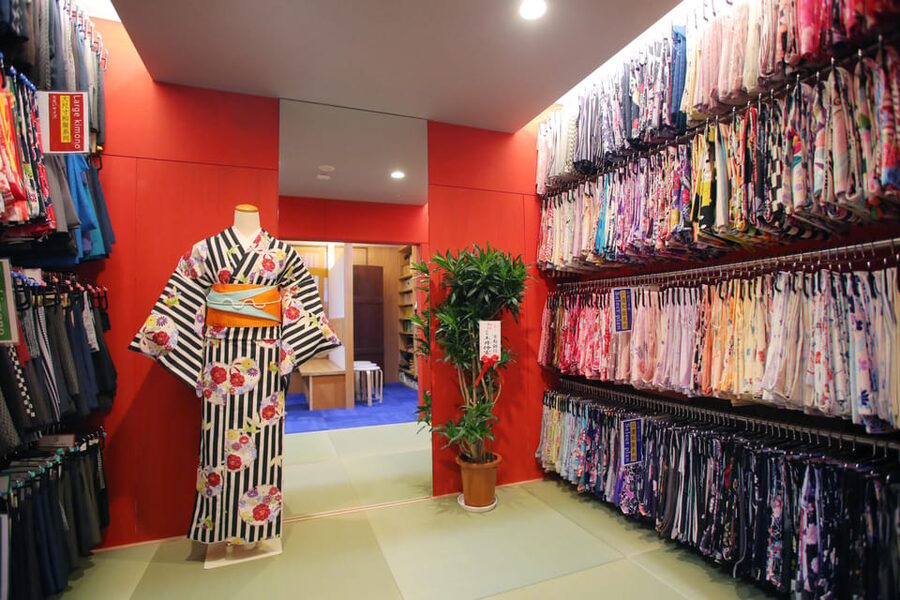
A kimono rental alone gives you a visual change for the day. A rickshaw ride alone gives you a quick tour of Higashiyama. Put them together and the experience feels more connected to the setting.
You begin near one of Kyoto’s most visited temple districts, dressed for the part, then move through streets where the old-style architecture and narrow lanes are part of the attraction. I like that the rickshaw is not treated as the whole event. It acts as a short introduction to the area, then leaves you time to explore at your own speed.
The price is $83 per person. That is not the cheapest way to rent a yukata, especially if your main goal is simply to take photos. But the cost includes the kimono set and the rickshaw ride, and you can use the outfit for the rest of the day until 5pm. For someone already planning to visit Kiyomizu-dera and the Higashiyama streets, that extra time makes the price easier to justify.
You should keep your expectations in check. The rickshaw ride lasts 13 minutes, not an hour, and an additional photo session or longer rickshaw ride costs extra. The appeal is the compact mix of dressing, a guided ride, and self-guided sightseeing.
More Fushimi Inari Shrine Tours in Kyoto:
- Osaka/Kyoto:Kinkakuji,Arashiyama,FushimiInariShrine,NaraPark
★ 4.1 · 1,596 reviews - Osaka/Kyoto: Arashiyama, Nara & Fushimi Inari Shrine w/Lunch
★ 4.4 · 754 reviews - Kyoto: 3-Hour Fushimi Inari Shrine Hidden Hiking Tour
★ 4.9 · 270 reviews
Starting near Kiyomizu-dera
The rental store is conveniently placed close to Kiyomizu-dera. The listed walking time is about three minutes from the temple, so you can place the activity before or after your temple visit without crossing much of Kyoto.
If you arrive by city bus, get off at the Kiyomizu-michi stop. From there, allow about 10 minutes on foot to reach the store. The full bus trip to the area is listed at about 20 minutes, though your actual ride depends on where you board and city traffic.
This location is useful because Higashiyama sightseeing is best handled on foot once you arrive. Kiyomizu-dera, Ninenzaka, Sannenzaka, Kodaiji Temple, Yasaka Koshin-do, and Yasaka Gojunoto are all part of the nearby sightseeing zone. Yasaka Shrine, Chion-in Temple, and Gion Hanamikoji are also within a longer walk.
Wear shoes you can manage on sloping streets. The route includes traditional lanes and the climb up Ishin-no-michi, so the area is not flat. You will want to enjoy the streets rather than spend the day worrying about each step in an unfamiliar outfit.
Choosing a kimono or yukata
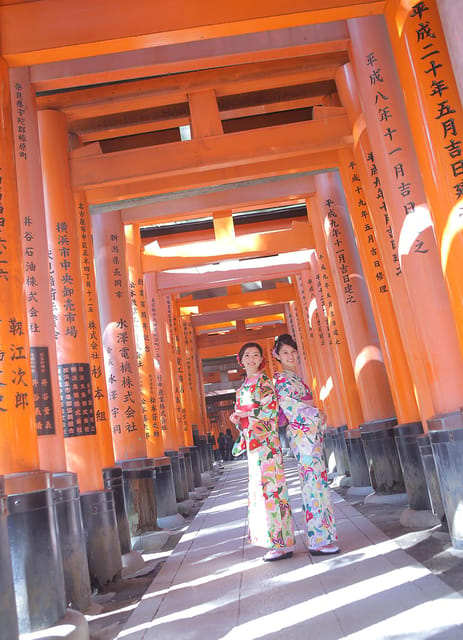
At the shop, you select a kimono or yukata set before heading to the rickshaw stand. A yukata is a lighter, more casual Japanese garment, and it can be a practical choice for a full day of sightseeing.
The wide range of available designs is one of the activity’s stronger features. You can choose an outfit that suits your taste rather than simply accepting one standard color. The details of the dressing service are not specified, so you should ask the staff about fitting time, accessories, and any limits on the available selection when you arrive.
The outfit is best viewed as part of the experience, not as a museum-quality rental. One booking described the kimono as basic but still fun for dressing up. That is a fair way to frame it. If you want a highly formal look with elaborate styling, a separate specialist photography or full transformation service may suit you better. If you want to walk around Kyoto in traditional clothing without making the entire day a formal photo session, this option makes more sense.
Plan your schedule around the dressing process. The booking information does not give a precise time for changing, so do not place a temple reservation immediately after arrival. Leave room to choose your outfit, get ready, and reach the rickshaw departure point.
The 13-minute rickshaw route
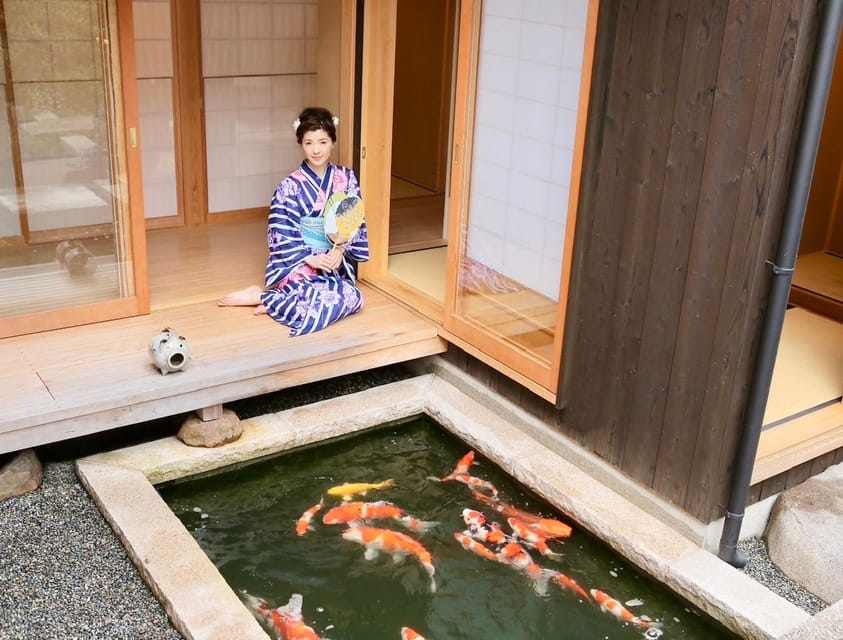
The rickshaw ride begins near the Shiki Sakura store and follows a compact route through Higashiyama. The listed course includes Kiyomizu-dori, a back alley, Ishin-no-michi, Koshin-do, and Kodaiji Park.
Kiyomizu-dori is the main approach toward Kiyomizu-dera. It is the natural starting point for the district, with the temple area ahead and plenty of movement around you. The back-alley section changes the mood. Narrow side streets give you a closer look at the older feel of Higashiyama than the main approach alone.
The route then climbs Ishin-no-michi. This is where the rickshaw helps. You can sit back while the driver handles the slope and points out parts of the neighborhood. The ride turns around at Koshin-do before continuing toward Kodaiji Park.
Your driver is an important part of the ride because the route is short. Ken is specifically praised for giving personal attention and pulling the rickshaw through town. A friendly driver can make 13 minutes feel like a useful orientation rather than a quick transport link. The driver also guides you through the streets, so you get context along with the movement.
The short duration is still the main limitation. You will not see every major Higashiyama sight from the rickshaw, and you should not book this expecting a long city tour. Its real value is the combination of a short guided introduction and the chance to continue independently in the same outfit.
Other temple visits near Kyoto we have written up
- Kyoto: Tea Ceremony Ju-An at Jotokuji Temple
★ 4.9 · 3,207 reviews - Arashiyama Bamboo, Temple, Monkeys, or Secret Sake Brewery
★ 4.8 · 886 reviews - Kyoto: Arashiyama Bamboo Forest, Monkeys, Matcha & Temple Tour
★ 5.0 · 759 reviews - Kyoto Zen Meditation & Garden Tour at a Zen Temple with Lunch
★ 5.0 · 441 reviews
Koshin-do and Kodaiji Park
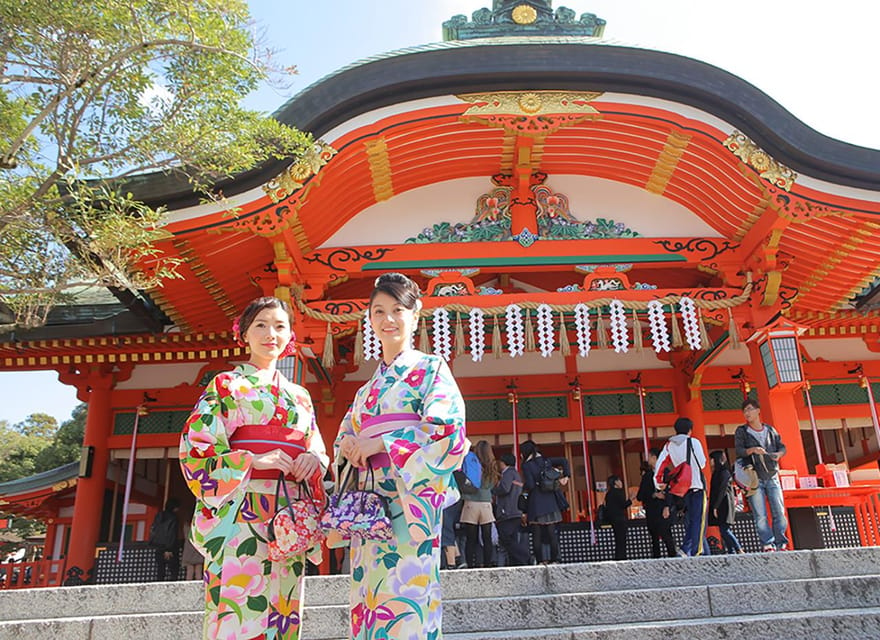
The turnaround at Koshin-do puts the ride close to several well-known Higashiyama sights. Yasaka Koshin-do is recognizable for its colorful hanging ornaments and compact temple setting. It is an easy place to include in a walking route, though the rickshaw schedule does not promise a long stop there.
Kodaiji Park is the final named point on the course. From here, you are well placed to continue toward Kodaiji Temple, Ninenzaka, or Sannenzaka. The area rewards slow walking. The lanes are part of the experience, and the kimono makes you more aware of the pace, stairs, and uneven stretches.
You should also remember that popular streets can become crowded. The activity is close to Kyoto’s most famous eastern sights, so the convenience comes with a busy setting. The rickshaw offers a brief break from walking, but once you leave it, you will be moving through the same popular district as everyone else.
Exploring Kyoto after the ride
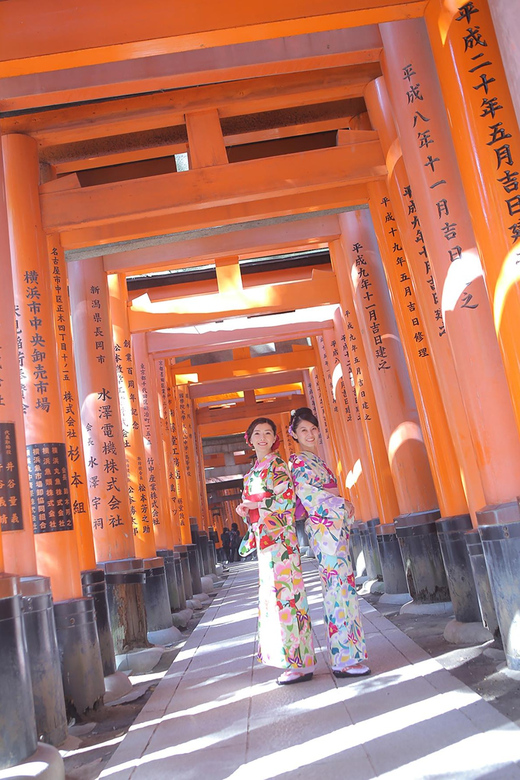
After the rickshaw ride, you can freely stroll around Kyoto while wearing the rented kimono or yukata. The outfit must be returned to the store by 5pm, so keep track of the clock.
This open period is where the experience becomes good value for a full sightseeing day. You can visit Kiyomizu-dera, walk down through Sannenzaka and Ninenzaka, stop near Kodaiji, and continue toward Yasaka Shrine or Gion Hanamikoji. You can also use a bus or taxi if the distance becomes tiring.
I would plan a simple route instead of trying to cover all of eastern Kyoto. Kiyomizu-dera and the nearby lanes can take much of your morning. Then you can choose one or two additional stops before returning the outfit. A rushed circuit of every listed sight will be less enjoyable, especially in a kimono.
The outfit may also affect how much walking you want to do. The activity does not state that special footwear or mobility support is provided, so ask the shop what comes with the rental if that matters to you. Pregnancy is not permitted, and children under five cannot join.
Is $83 a fair price?
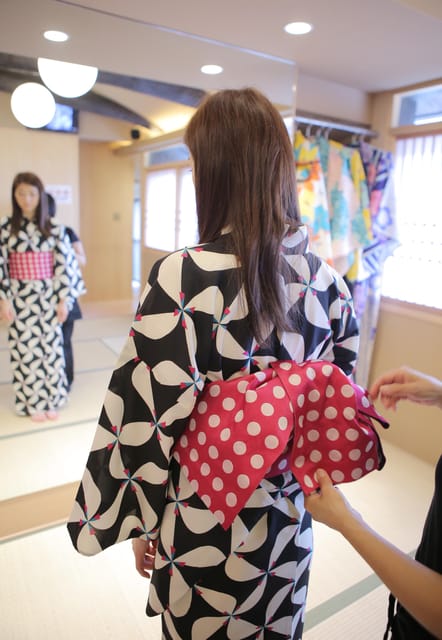
At $83, you are paying for three linked parts: the kimono or yukata set, the 13-minute rickshaw ride, and the ability to keep the outfit for the rest of the day until 5pm.
The price works best if you already plan to spend time around Kiyomizu-dera. The shop’s location saves you a separate trip, and the rickshaw gives you a guided introduction to streets you might otherwise walk through without much context. The small group limit of four also keeps the activity from feeling like a large outfit-and-photo assembly line.
The price works less well if you only want a long rickshaw tour. The ride is short, and extended rickshaw time is not included. It also may not suit you if you want a highly polished professional photo experience, since additional photoshoots cost extra and one booking described the included kimono as fairly basic.
For many people, the strongest value is the rest-of-day rental. You can use the clothing during your temple and neighborhood visits, which makes the activity more than a 13-minute ride.
Planning around weather and comfort
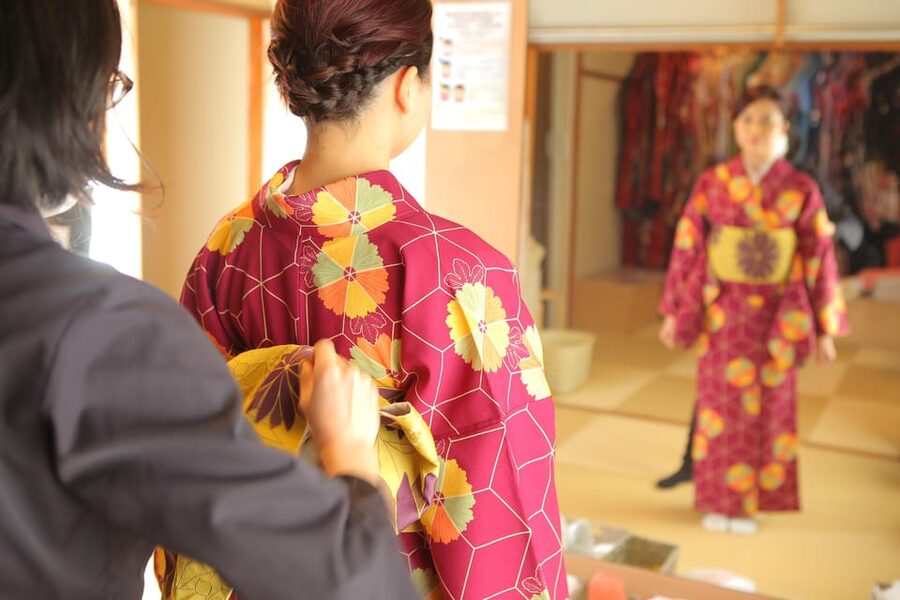
The ride can operate in rain. That is helpful in Kyoto, where weather can change your plans quickly, but it does not mean rain will be comfortable. You will be outdoors in traditional clothing, and the streets may be slick.
A rainy day can still produce a memorable ride, but bring an attitude suited to a weather-dependent activity. If you dislike outdoor plans in wet conditions, check the forecast before booking. The cancellation policy allows a full refund when you cancel at least 24 hours ahead, which gives you some room to change plans.
The small group limit is four participants. That is useful for couples, friends, or a small family group, though the age restriction means families with very young children cannot use this option. Pregnant women are also excluded from the activity.
Reserve and pay later is available, so you can hold a place without paying immediately. Starting times depend on availability, and the booking is valid for one day.
Who should book this experience?
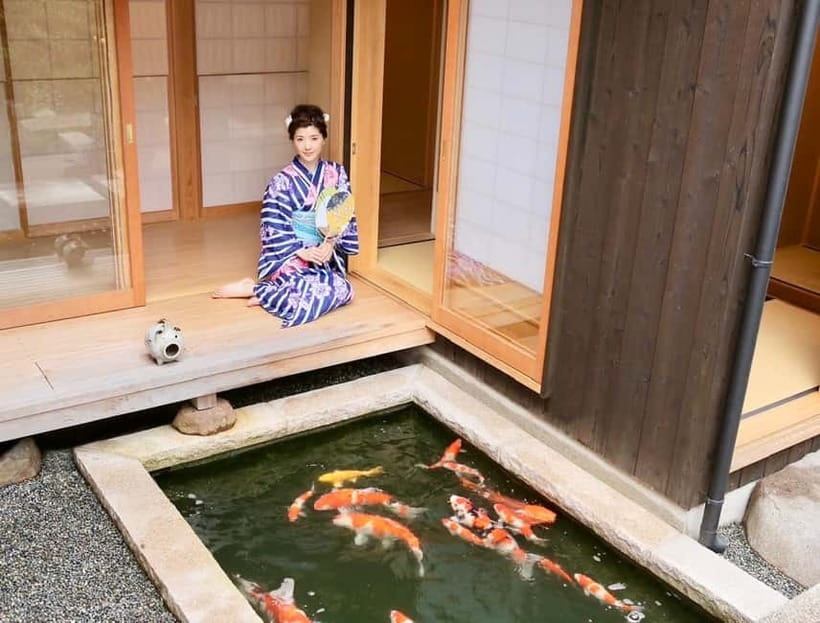
I would recommend it to you if you want a light cultural activity tied to a major Kyoto sightseeing district. It suits couples, friends, and small groups who like taking photos, walking through old lanes, and trying a traditional outfit without giving up the rest of the day.
It is also a good fit if you are already visiting Kiyomizu-dera. The nearby shop and free time after the ride make the schedule easy to combine with temple visits.
I would be more cautious if you want a long rickshaw tour, a formal kimono transformation, or an elaborate photoshoot included in the price. Those extras are not part of the standard package. You should also skip it if you are pregnant or traveling with a child under five.
Final verdict: book it for the full-day combination
Book this experience if you want the simple pleasure of wearing a kimono, riding a rickshaw through Higashiyama, and then walking Kyoto’s famous eastern streets until 5pm. The short ride is not enough on its own to justify the price for everyone, but the location and full-day rental improve the value.
The best way to use it is to visit Kiyomizu-dera and the surrounding lanes on the same day. Choose your outfit, enjoy the 13-minute ride and local guidance, then take your time around Kodaiji, Ninenzaka, Sannenzaka, and nearby Gion. That gives you the experience’s real strength: a small guided moment followed by plenty of personal freedom.
FAQ
How long is the rickshaw ride?
The included rickshaw ride lasts 13 minutes.
How late can I keep the kimono or yukata?
You must return the kimono or yukata to the store by 5pm.
Where does the rickshaw route go?
The route runs near the Shiki Sakura store, along Kiyomizu-dori, through a back alley, up Ishin-no-michi, to Koshin-do, and then to Kodaiji Park.
How close is the store to Kiyomizu-dera Temple?
The store is about a three-minute walk from Kiyomizu-dera Temple.
How many people can join?
The experience is limited to four participants.
Can I cancel for a full refund?
Yes. You can cancel up to 24 hours before the activity for a full refund.
Newly written up around Kyoto
- Kyoto: Kiyomizudera, Sanjusangendo, Ginkakuji and Higashiyama.★ 5.0 · 3 reviews
- Kyoto: Shakyo & Matcha in Historic Temple Garden★ 5.0 · 4 reviews
- KYOTO: Tempio Kiyomizu Pagode Gion “Geisya” (Guida Italiana)★ 4.7 · 17 reviews
- KYOTO: Golden Pagoda, Bamboo Forest, Arashiyama (Italian)★ 4.9 · 5 reviews
- Kyoto:Quiet Arashiyama and Sagano Temples★ 4.8 · 5 reviews
- Kyoto: Nara, Todaiji, Kasuga Taisha Shrine Private Full Day★ 4.9 · 18 reviews
- Kyoto kiyomizu Temple : Maiko and Samurai Couple Photoshoot★ 4.8 · 25 reviews
- Kyoto : Kiyomizu-dera Temple : kimono and Indoor photo shoot★ 4.6 · 5 reviews
Fushimi Inari Shrine Tours, compared.
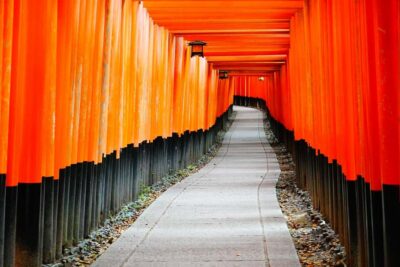
Osaka/Kyoto:Kinkakuji,Arashiyama,FushimiInariShrine,NaraPark
Read our review →
Osaka/Kyoto: Arashiyama, Nara & Fushimi Inari Shrine w/Lunch
Read our review →
Kyoto Tea Ceremony & Kiyomizu-dera Temple Walking Tour
Read our review →Full Day Kyoto Tour : Bamboo Forest, Golden Temple, Fushimi Inari
Read our review →
Fushimi Inari Shrine and Tofukuji Temple E-Bike Tour
Read our review →
Early Morning Fushimi Inari Shrine – Beat the Crowds
Read our review →Browse the lists this tour appears in