
Reviewed · NAGANO TEMPLE TOURS
Nagano: Snow Monkeys, Zenko-ji Temple, and Lake Nojiri Tour
The snow monkeys are the star here, soaking in steaming pools while winter closes in around them. You also get a useful slice of northern Nagano, from Zenko-ji Temple and its ancient Buddhist traditions to the chestnut sweets of Obuse. I like the private format and the freedom to shape the day with your driver.
I also like the practical comfort: hotel pickup, a clean air-conditioned car, Wi-Fi, highway fees, fuel, and taxes are included. The catch is important: the advertised one-hour visits and long list of possible stops can make the day feel rushed, and entrance fees and meals are not included.
Key points at a glance
- Jigokudani’s hot-spring macaques: See Japanese snow monkeys in their natural setting, especially striking in cold weather.
- A private group of up to six: Share the $593 vehicle price with your party rather than paying per person.
- Several possible Nagano routes: Add Obuse, Shibu Onsen, Yudanaka, Togakushi, Matsushiro, or Lake Nojiri according to your priorities.
- Zenko-ji with a local driver: Pair the famous monkey park with one of Japan’s most important Buddhist temples.
- Helpful door-to-door transport: Hotel pickup, Wi-Fi, fuel, highway fees, and air conditioning are covered.
- Plan for walking and extra costs: Comfortable shoes are essential, and admission tickets, food, and any hot-spring use cost extra.
Why the snow monkeys make this Nagano day special
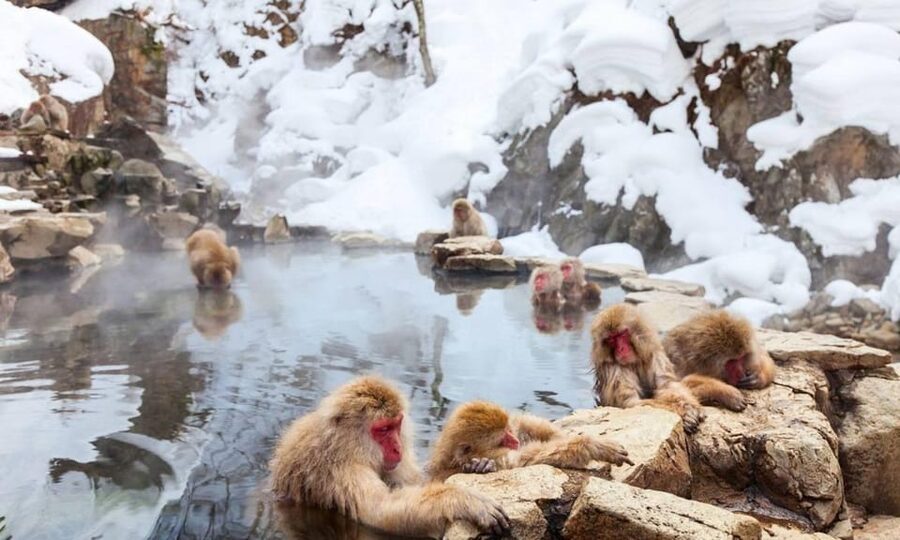
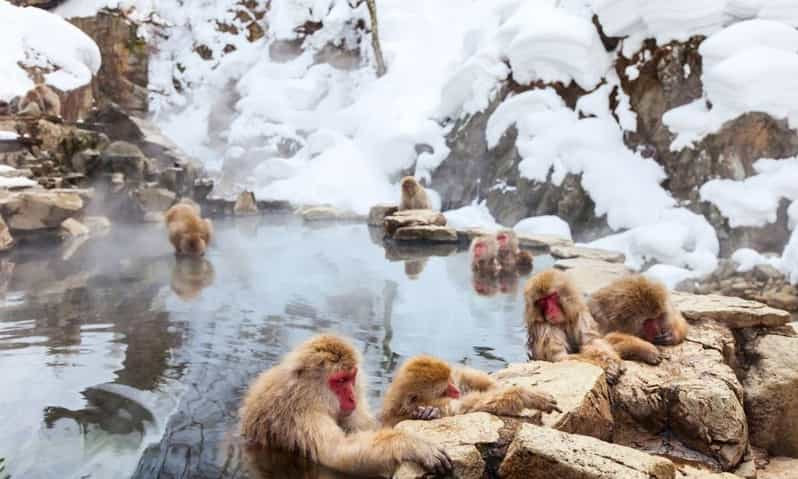
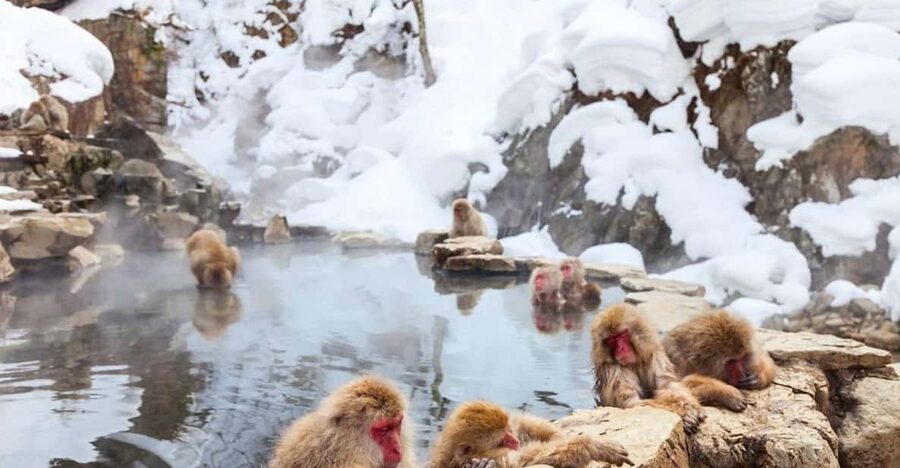
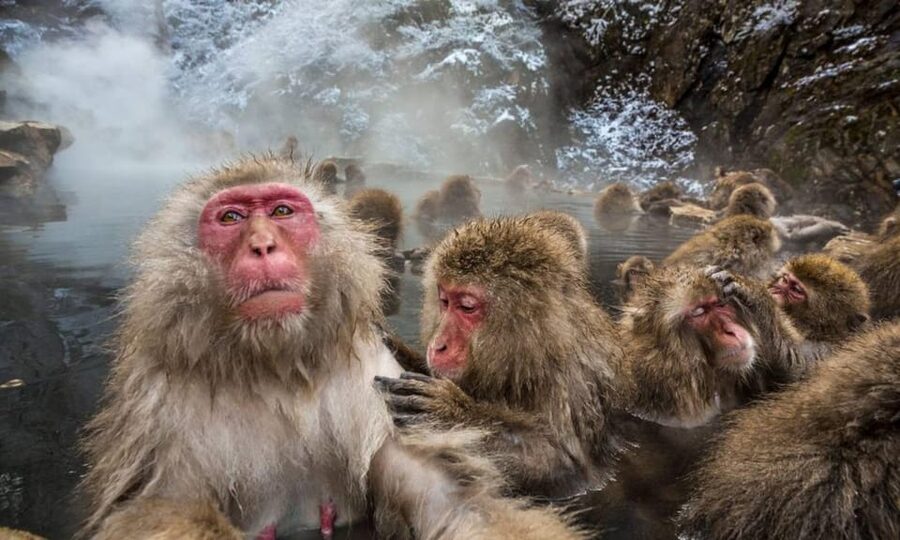
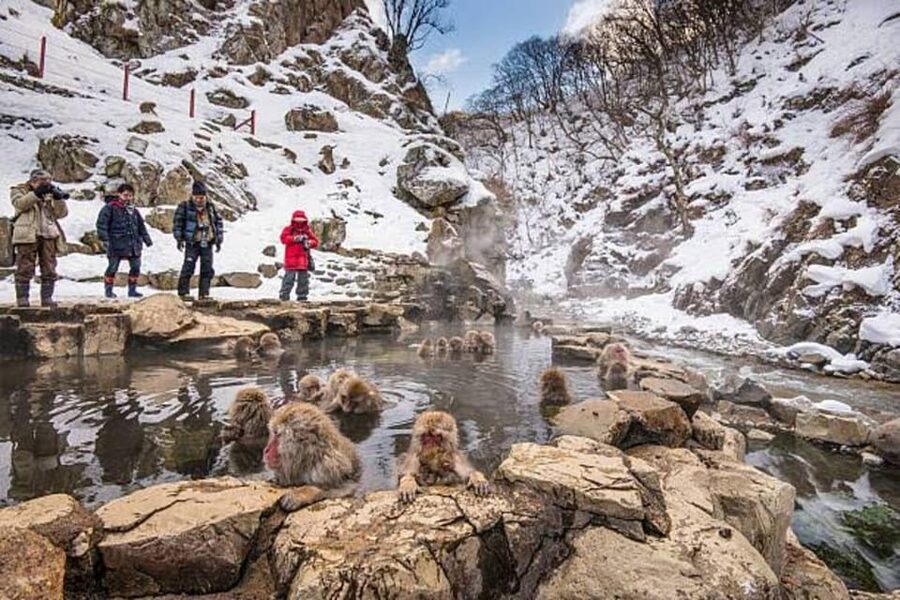
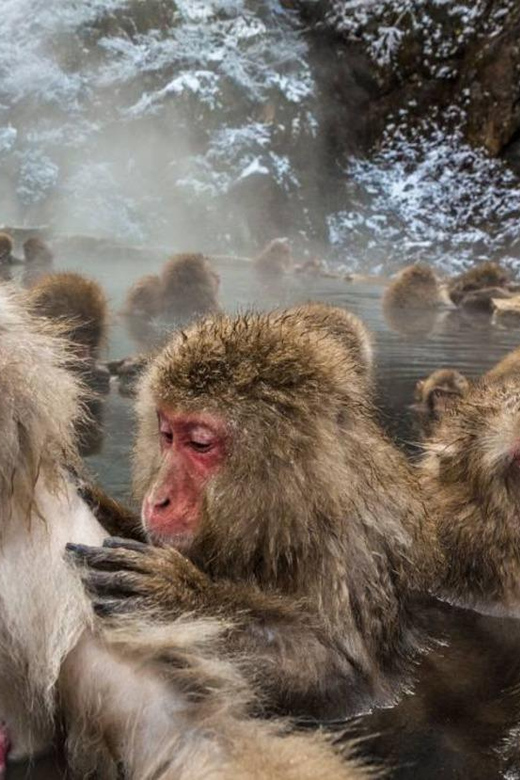
Jigokudani Snow Monkey Park gives you one of Japan’s most memorable animal encounters without placing the animals in a zoo. Japanese macaques come to the natural hot springs, and you can watch them from close range as they sit in the warm water, groom one another, or simply stare back at the people with the calm expression of creatures that know they are the main event.
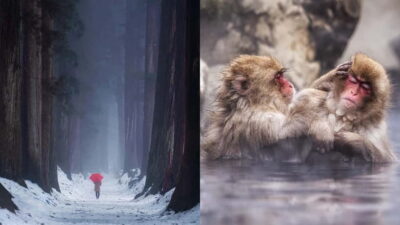
Winter gives the scene its famous look. Snow covers the surrounding hills, steam rises from the pools, and the monkeys’ pink faces contrast with the cold white setting. The exact conditions vary by season, so you should not assume a thick blanket of snow every day. The monkeys are the reason to come, not a guaranteed photo setup.
You will need comfortable walking shoes. The park is not a drive-up attraction where you step from the car straight into the viewing area. The supplied information does not give a precise walking time, so ask your driver about the current approach and allow enough energy for walking on uneven or wintry surfaces.
The planned visit is about one hour. That can be enough to see the pools and take photographs, but it leaves little room for a slow visit if the path is busy or weather makes walking harder. If Jigokudani is your main reason for booking, make it your priority and keep the rest of the day modest.
Other temple visits near Japan we have written up
- Kyoto: Tea Ceremony Ju-An at Jotokuji Temple
★ 4.9 · 3,207 reviews - Osaka/Kyoto:Kinkakuji,Arashiyama,FushimiInariShrine,NaraPark
★ 4.1 · 1,596 reviews - Tokyo: Asakusa Walking Tour with Sensoji Temple Visit
★ 4.8 · 1,583 reviews
Zenko-ji connects the day to old Nagano
Zenko-ji gives the excursion a cultural anchor. This grand Buddhist temple dates to the seventh century and is associated with the first Buddhist statue brought to Japan. It is not simply a quick photo stop. The scale of the architecture, the temple grounds, and the quieter garden areas give you a different kind of experience from the animated monkey park.
I like this pairing because the two major stops balance each other. Jigokudani is about wildlife and weather. Zenko-ji is about worship, architecture, and centuries of daily religious life. After watching monkeys soak in warm water, you can walk through a place that has shaped Nagano’s identity for generations.
The planned time at each location is one hour, so you should not expect an exhaustive temple visit. Use the time to take in the main architecture, walk the grounds, and pay attention to the atmosphere rather than trying to inspect every detail.
Entrance fees are not included. The information does not specify which parts of Zenko-ji require admission, so ask your driver what is covered before choosing any paid interior visit. That small check helps avoid surprises when you are working with a full day and a fixed budget.
Shibu Onsen and Yudanaka offer a slower Nagano
Shibu Onsen is a traditional hot-spring town with more than 1,300 years of history. Its appeal is not a single landmark. It is the chance to walk through an old bathing town, see the public hot springs, and get a feel for a Japanese custom that remains part of local life.
The tour information says you may soak in one of the public baths. Bring suitable clothing and be ready for the fact that bathing is a cultural activity, not just a quick sightseeing stop. Since no admission or bathing fee is included, confirm the cost and access arrangements with the driver.
Nearby Yudanaka Onsen offers another choice. You can walk around the town, stop for lunch, or use the time for a hot spring experience. This is useful if you want a calmer break after Jigokudani, but it also creates a planning question: Shibu Onsen and Yudanaka are similar in theme, so visiting both may take time away from Obuse or Togakushi.
I would choose one as a main stop unless hot springs are central to your day. Shibu Onsen is the better pick if you want a traditional old-town stroll. Yudanaka may suit you better if you want lunch and a relaxed pause near the monkey park. Your driver can help adjust the order.
Obuse brings chestnuts and Hokusai into the route
Obuse is a small town known for chestnuts, traditional buildings, and art. It gives the day a more polished town visit after the natural setting of Jigokudani and the religious setting of Zenko-ji.
The local chestnut connection is practical as well as cultural. You might try chestnut sweets during your walk, making this a pleasant place for a snack rather than another major meal. Food is not included, so budget separately for anything you buy.
The Hokusai Museum is the main art option listed for Obuse. It focuses on Katsushika Hokusai, the ukiyo-e artist whose work is known around the world. The tour information does not state the museum admission price or opening days, so check before making it the centerpiece of your stop.
Obuse works best for you if you enjoy small-town streets, local food, and art more than grand monuments. With only about an hour planned, choose either the museum or a relaxed walk with time for a sweet. Trying to do everything may leave you hurrying through both.
A different set of gates, same trip:
- Nikko: Kegon Falls, Lake Chuzenji & Toshogu Temple
★ 4.6 · 1,577 reviews - Tokyo: Nikko Toshogu Shrine and Kegon Waterfall Tour
★ 4.5 · 1,266 reviews - Tokyo Panoramic 1 Day: Meiji Shrine, Asakusa, Odaiba and SKYTREE®
★ 4.5 · 1,222 reviews - 1-Day Snow Monkeys, Zenko-ji Temple & Sake in Nagano
★ 5.0 · 1,020 reviews
Togakushi Shrine trades crowds for cedar trees
Togakushi Shrine is a group of ancient Shinto shrines in the mountains. The setting is the attraction: peaceful shrine grounds, tall cedar trees, and a more secluded feel than a city temple.
This stop suits you if you want a quiet walk and a strong sense of place. It is also known for soba, or buckwheat noodles, so it can double as a lunch stop. Food remains extra, but the local specialty gives you a clear reason to eat here rather than treating lunch as an afterthought.
Togakushi is not the simplest add-on to a crowded itinerary. The mountain setting and shrine complex call for walking, and one hour may give you only a taste. If this is your preferred stop, tell the driver early and let it take priority over one of the other optional towns.
The same advice applies to clothing. Warm layers matter in the mountain area, and comfortable shoes matter more than stylish ones. Carry water, especially if you plan to walk several sites in one day.
Matsushiro and Lake Nojiri suit a different kind of day
Matsushiro offers a historical alternative. You can walk through preserved samurai residences and visit Matsushiro Castle in the old Matsushiro Samurai District, once linked to a powerful samurai clan.
This is a good choice if you are more interested in military history and traditional houses than hot springs. It also gives you a chance to walk through a historic district instead of moving from one isolated attraction to another. As with the other stops, entrance fees are not included.
Lake Nojiri provides the most open, restful setting on the list. Mountains surround the lake, and the area is suited to boating, hiking, and nature walks, depending on the season and what is available during your visit.
Do not expect Lake Nojiri to feel like another major monument. Its value is the pause. If you want quiet scenery and time outside, it can be a welcome choice. If your priority is the snow monkeys and Zenko-ji, adding the lake may spread the day too thin.
Because the tour presents several possible stops rather than one tightly defined route, confirm the actual plan before departure. A day that includes Jigokudani, Zenko-ji, Obuse, Togakushi, Matsushiro, and Lake Nojiri would involve a great deal of driving and very brief visits. The private format is most useful when you choose a few places well.
The private car is the main practical advantage
The price is $593 for a group of up to six. For one or two people, that is a serious outlay. For six people, the cost works out to about $99 per person before food and admission tickets, which makes the arrangement much easier to justify.
You are paying for private transportation, hotel pickup and drop-off, air conditioning, Wi-Fi, fuel, highway fees, taxes, and a driver who can adjust the route. That matters in rural Nagano, where combining several attractions by public transportation would require more planning and might leave you tied to fixed schedules.
The vehicle also gives you a dry, warm place between stops. In winter, that is not a minor comfort. Cold weather, wet paths, and mountain roads can make a day of public transportation tiring.
Still, the private car does not turn every attraction into a fully guided tour. The driver is described as an expert English-speaking driver, with Hindi also available, but the experience is primarily transport with local assistance. One negative account specifically objected that the service was mainly a drive to and from the destination and did not include entry costs. That is a fair warning. You should not book this expecting a museum guide, a formal temple lecture, or admission tickets bundled into the price.
Two drivers received especially positive personal feedback. Mirza was described as kind, accommodating, efficient, easy to communicate with, and punctual. Muhammad was praised for being friendly, helpful, and attentive to comfort, with a clean and comfortable car. One useful detail is that Mirza took a group to a good local restaurant on the return route. That kind of flexibility can make the day feel more personal, but restaurant arrangements and meals are not promised inclusions.
What to budget beyond the $593
The headline price covers the vehicle package, not the complete day. You need extra money for:
- Entrance fees at attractions
- Lunch and snacks
- Chestnut sweets in Obuse
- Any paid hot-spring bathing
- Optional museum visits
- Personal purchases
The final cost depends on how many places you enter and how much you eat. If you are a group of six and mainly want the monkey park, Zenko-ji grounds, and town walks, the shared price can be good value. If you are a couple paying the full amount and adding several admission fees, the value is less convincing.
Ask for a clear route before setting out. The one-hour timing is useful as a rough guide, but you should decide which stops matter most. A focused plan is likely to feel better than trying to collect every name on the list.
Who will enjoy this day most
I would recommend this tour to a small group that wants door-to-door transport and the freedom to shape a Nagano day. Families, friends, and couples sharing the vehicle can make the price work, especially if they value comfort and do not want to arrange several train and bus connections.
It also suits you if the snow monkeys are high on your Japan list but you want more than a single wildlife stop. Zenko-ji gives the day cultural weight, while Obuse, Shibu Onsen, Togakushi, Matsushiro, and Lake Nojiri let you choose between food, bathing, art, mountain shrines, samurai history, and nature.
It is less suitable if you use a wheelchair or have back problems. The tour involves walking, and the information specifically says it is not suitable for wheelchair users or people with back problems. Smoking is not allowed.
Wear warm clothing, walking shoes, and bring water and a camera. The weather can shape the experience, especially at Jigokudani and Togakushi, so avoid building your expectations around one perfect photograph.
Should you book the Nagano snow monkey tour?
Book it if you want a private vehicle, hotel pickup, and a flexible day built around Jigokudani and Zenko-ji. The strongest points are the comfortable transport, the small group size, and the chance to pair the famous monkeys with places such as Obuse or Togakushi.
Before paying, decide which two or three stops matter most and ask the driver to confirm the route, timing, and expected extra fees. If you want a fully guided cultural tour with admissions included, this is not the right product. If you want a convenient private ride with a helpful driver and room to adjust the day, it can be a smart Nagano splurge, especially for a group of four to six.
Cancellation is allowed up to 24 hours before the tour for a full refund, and you can reserve now and pay later. Those terms help if your Japan plans are still moving, but they do not change the basic advice: make the monkeys and your top cultural stop the day’s anchors, then add only what fits.
FAQ
What is included in the Nagano private tour?
The tour includes hotel pickup and drop-off, air-conditioned transportation, complimentary Wi-Fi, highway fees, fuel, taxes, and a planned one-hour visit at each location.
Are meals and entrance fees included?
No. Meals and entrance fees are not included, so you should budget separately for temples, museums, hot springs, lunch, and snacks.
How many people can join the private tour?
The price of $593 covers a private group of up to six people.
Which languages are available?
The listed languages are English and Hindi.
Is the tour suitable for wheelchair users or people with back problems?
No. The tour is specifically described as unsuitable for wheelchair users and people with back problems.
What should I bring?
Bring comfortable shoes, warm clothing, a camera, and water. Smoking is not allowed during the experience.
Newly written up around Japan
- From Asakusa: Old Tokyo, Temples, Gardens and Pop Culture★ 5.0 · 47 reviews
- Goshuin Collecting tour at Asakusa Local Temples & Shrines, Tokyo★ 5.0 · 8 reviews
- Private guided tour: Mt. Aso volcano, grasslands, Aso Shrine★ 5.0 · 19 reviews
- Takayama Inari Shrine Tour with Private Transportation★ 5.0 · 5 reviews
- Tokyo: Snow Monkey and Zenkoji Temple Day Trip In Low Price★ 5.0 · 5 reviews
- Tokyo: Gotokuji Culture Walk & Lucky Cat Temple Experience★ 4.9 · 5 reviews
- :Tokyo,Shibuya /Meiji Shrine tour in KIMONO/English-friendly★ 5.0 · 4 reviews
- Tokyo: Sensoji Temple & Street Food: Private Tour with guide★ 4.6 · 8 reviews
Nagano Temple Tours, compared.

1-Day Snow Monkeys, Zenko-ji Temple & Sake in Nagano
Read our review →
Nagano: Snow Monkeys, Zenkoji Temple & Sake Day Trip
Read our review →
Food & Cultural Walking Tour around Zenkoji temple in Nagano
Read our review →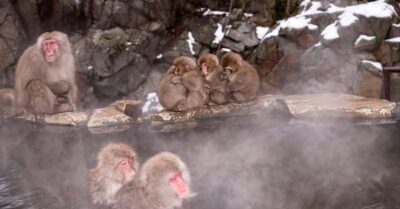
Nagano: Snow Monkeys & Togakushi Shrine Two-Spot in-One Day
Read our review →Food & Cultural Walking Tour around Zenkoji temple in Nagano
Read our review →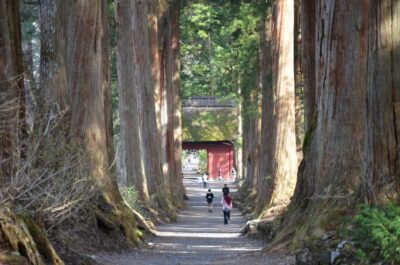
1-Day Togakushi: Soba making, Ninja Town and Hidden Shrines
Read our review →Browse the lists this tour appears in