
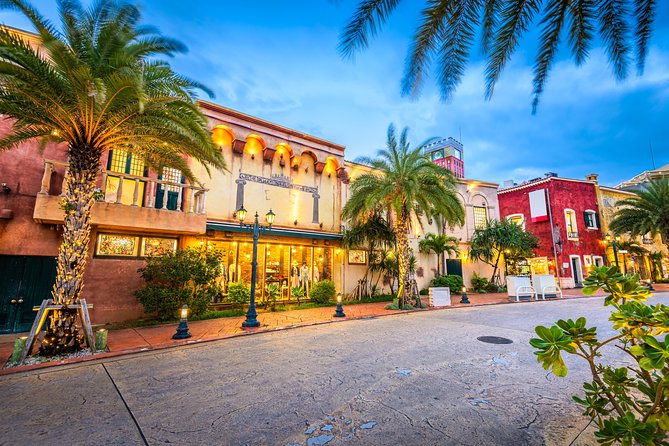
Reviewed · JAPAN TEMPLE TOURS
Okinawa Explorer: Shrines, Markets & Vibrant Streets
Naha’s best short city walk links a sea-facing shrine, downtown streets, a food market, and Okinawa’s pottery quarter. The route gives you a quick look at both the sacred and everyday sides of the city, ending where local ceramics still shape the character of the neighborhood.
I like the private group format, which lets your party of up to four set its own pace, and I like the walk from Naminoue Shrine to Tsuboya Pottery Street. The guide’s humor and useful explanations can make the two hours pass quickly.
The main concern is value. At $458 per group, this is expensive for a two-hour walk, and one guide was still learning the route and needed help from a phone map. The stops are worthwhile, but you should book only if private guiding matters to you.
Key points at a glance
- Naminoue Shrine begins the tour with ocean views and a calm spiritual setting.
- The route connects several central Naha districts on foot, with no separate transport included.
- HARBOR NAHA receives a 30-minute guided stop, but the supplied details specify seeing its exterior.
- Makishi Public Market is a short stop, best approached as a quick look rather than a full food tour.
- Tsuboya Pottery Street is the strongest finish for anyone interested in Okinawan ceramics.
- The private rate favors four people sharing, while solo guests may find the price hard to justify.
Starting at Naminoue Shrine above the water
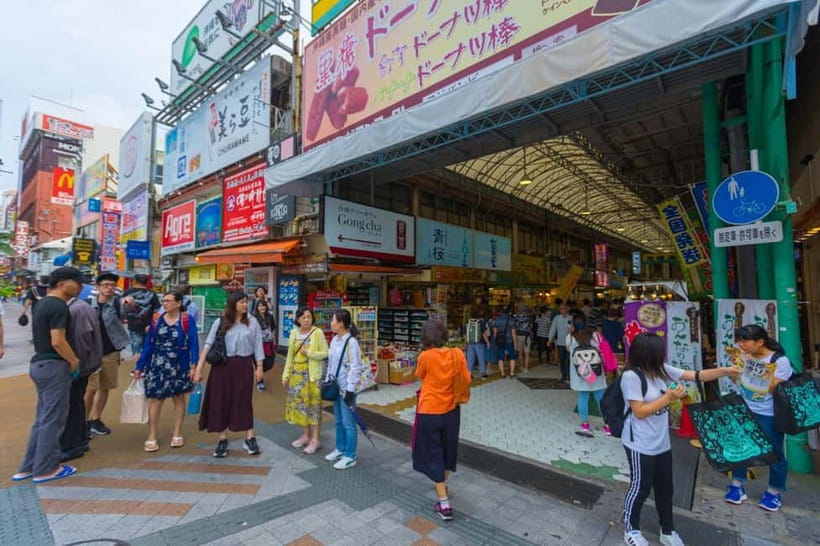
Meet your guide by Naminoue Shrine, the tour’s starting point. This is a good place to begin because it gives you a quieter introduction to Naha before you move into its shopping streets and markets.
The shrine sits above the water, with scenic ocean views that add a sense of space to the visit. You can expect a short explanation of the site and time to take in the setting. The spiritual mood is the first useful contrast of the day: Naha is not only shops, food, and traffic. It also has places where daily life slows down.
The shrine is interesting on its own, but the value of a guide depends on how clearly the history and customs are explained. The strongest feedback about this tour points to an informative guide with a good sense of humor. That combination matters at a shrine, where a few simple explanations can help you understand what you are seeing instead of merely taking photographs.
Give yourself a moment to look around before setting off. Since the meeting point is by Naminoue Shrine and the activity ends there, you also have a clear place to return to if you want to continue exploring afterward.
Other temple visits near Japan we have written up
- Kyoto: Tea Ceremony Ju-An at Jotokuji Temple
★ 4.9 · 3,207 reviews - Osaka/Kyoto:Kinkakuji,Arashiyama,FushimiInariShrine,NaraPark
★ 4.1 · 1,596 reviews - Tokyo: Asakusa Walking Tour with Sensoji Temple Visit
★ 4.8 · 1,583 reviews
A 30-minute walk through 3-chōme-1-1 Tsuji
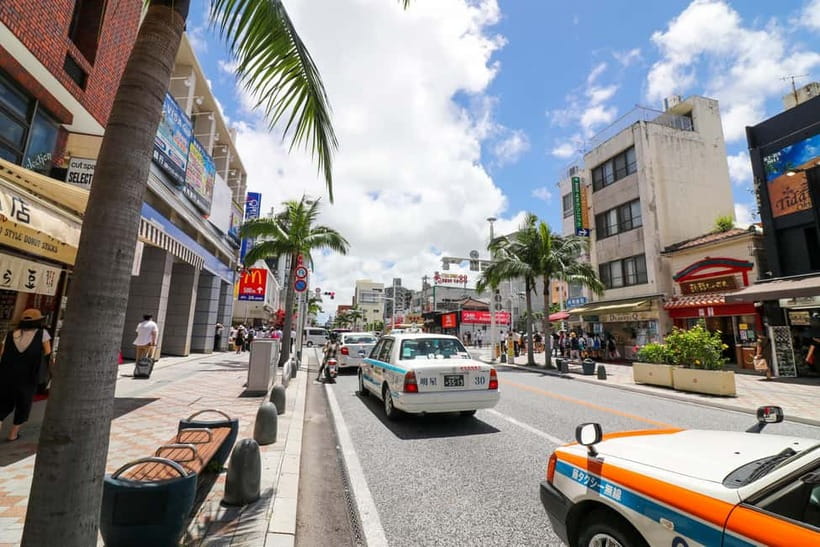
The next listed stop is 3-chōme-1-1 Tsuji, where the guide spends about 30 minutes with you. The supplied details do not identify a specific attraction at this address, so you should think of this portion as part of the walk and neighborhood orientation rather than a major sight with a ticketed entrance.
That can still be useful. A local guide can point out the changes between the shrine area and central Naha, helping you understand how quickly the city shifts from a sacred site to ordinary streets, businesses, and urban activity.
This is also where the walking character of the tour becomes clear. You are not being driven between isolated sights. You are moving through Naha under your own power, which gives you more contact with the city but also means you should be ready to walk continuously for most of the two hours.
One practical issue deserves attention. A guide on one early tour needed to pull out a phone to find the route. If you expect polished navigation and detailed commentary at every corner, this may feel less smooth than a more established private tour. If you are patient and mainly want company, local context, and a sensible route, it may not trouble you.
Seeing HARBOR NAHA from the downtown side
HARBOR NAHA, identified in the details as a bar called HARBOR NAHA, receives a 30-minute guided stop. The tour information specifically describes seeing its exterior and noticing its place in downtown Naha, so do not book this expecting a long indoor visit or a full bar experience.
This stop works as an urban contrast to Naminoue Shrine. You move from a traditional religious setting into a modern part of town, where food, drinks, and city life shape the mood. A guide can help place the venue within the wider downtown setting, though the appeal here will depend heavily on your personal interest in urban nightlife and local businesses.
The time allocation is generous compared with the 20-minute stops later in the tour. That gives your guide room to explain the area, answer questions, or adjust the pace for your group. It also means the tour is not simply a rushed checklist of photo stops.
Still, the attraction itself may not be a major reason to choose this experience. If you are most interested in Okinawan religion, food, or pottery, the shrine, market, and Tsuboya section will probably matter more to you.
Walking Kokusai-dori for 20 minutes
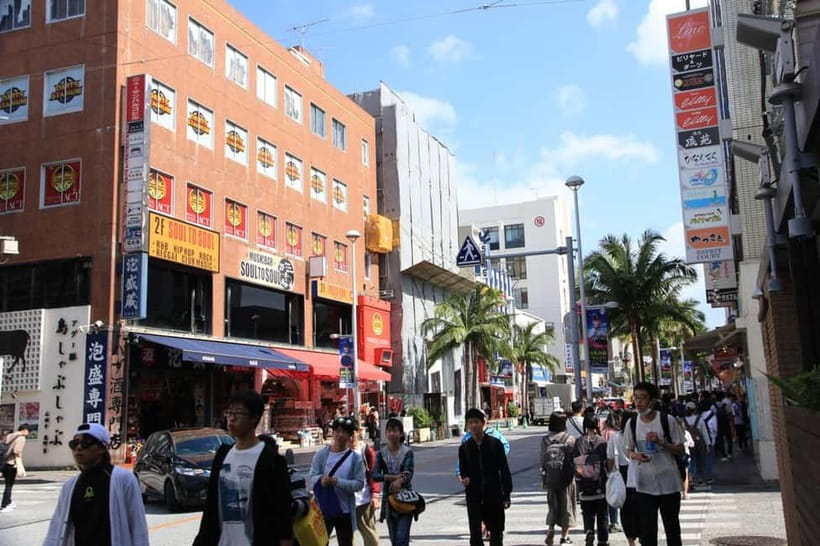
Kokusai-dori is Naha’s famous main shopping and dining street. The tour gives you about 20 minutes here, enough for an introduction but not enough for a relaxed browse through every shop or a proper meal.
This is the part of the route where Naha’s energy is most obvious. You can expect shops and eateries, along with the steady movement that makes the street one of the city’s main public corridors. The short guided visit is useful if you want someone to point out what you are seeing, but you will need extra time later if you want to shop, compare souvenirs, or stop for food.
I would treat this as a preview. Pay attention to the places that catch your eye, then return on your own if you want a slower look. Because the tour ends back at Naminoue Shrine, you can ask the guide for general direction during the walk, but the details do not promise extended free time on Kokusai-dori.
This stop also shows why timing matters. The supplied information warns that access and crowd conditions can vary by time of day. Kokusai-dori may feel easy to navigate at one time and much more crowded at another, so keep your group together and allow the guide to set a practical pace.
A different set of gates, same trip:
- Nikko: Kegon Falls, Lake Chuzenji & Toshogu Temple
★ 4.6 · 1,577 reviews - Tokyo: Nikko Toshogu Shrine and Kegon Waterfall Tour
★ 4.5 · 1,266 reviews - Tokyo Panoramic 1 Day: Meiji Shrine, Asakusa, Odaiba and SKYTREE®
★ 4.5 · 1,222 reviews - 1-Day Snow Monkeys, Zenko-ji Temple & Sake in Nagano
★ 5.0 · 1,020 reviews
A short look inside Makishi Public Market
Makishi Public Market is the food-focused stop, with about 20 minutes of guided time. It is a natural place to sample the everyday side of Okinawa, especially if you enjoy looking at fresh ingredients and local food stalls.
The time limit is the key detail. Twenty minutes is enough to look around and get a feel for the market, but it is not enough for an unhurried meal or a careful survey of every counter. One account of the tour found the market itself worth only a brief visit, roughly five minutes, while the walk there was more enjoyable. That is useful advice: keep your expectations modest and treat Makishi as a quick stop within a larger city walk.
If food is your main reason for booking, this tour may not provide enough time. You are not promised a tasting menu, a cooking demonstration, or a sit-down meal. You will see the market with a guide, but you should not assume food purchases or meal costs are included.
The market can still be valuable because it breaks up the sightseeing pattern. You get to see where food fits into daily Naha life, then decide if you want to return later for a longer visit. If you find a small restaurant nearby that appeals to you, save its location for another meal. The tour’s short schedule leaves little room for a spontaneous restaurant stop.
Finishing among the ceramics of Tsuboya Pottery Street
Tsuboya Pottery Street is the final major stop and likely the best match for anyone who wants a lasting connection to Okinawa beyond photographs. The area is linked with the island’s famous ceramics, and the tour gives you about 20 minutes to see the pottery shops and learn about the craft.
The guide-led walk from Naminoue-gu to Tsuboya pottery street was described as time well spent. That praise points to the route itself, not just the destination. By the time you reach Tsuboya, you have crossed several sides of Naha, and the pottery quarter gives the walk a clear finish.
You might find traditional vessels, decorative pieces, and shop displays that show how Okinawan ceramics fit both craft and daily use. The supplied details do not promise a workshop, purchase, or demonstration, so consider this a guided introduction rather than a hands-on pottery class.
Twenty minutes is short if you want to browse carefully. If a particular piece catches your eye, note the shop and return after the tour. The unhurried option is especially useful here because ceramics are better examined at your own pace. You can compare shapes, glazes, and prices without trying to keep up with a group.
Ending at Tsuboya also gives the route a stronger sense of purpose. Kokusai-dori and Makishi show the commercial side of Naha, while Tsuboya adds craft and tradition. The combination makes the walk feel more varied than a simple shopping tour.
What the two-hour format really gives you
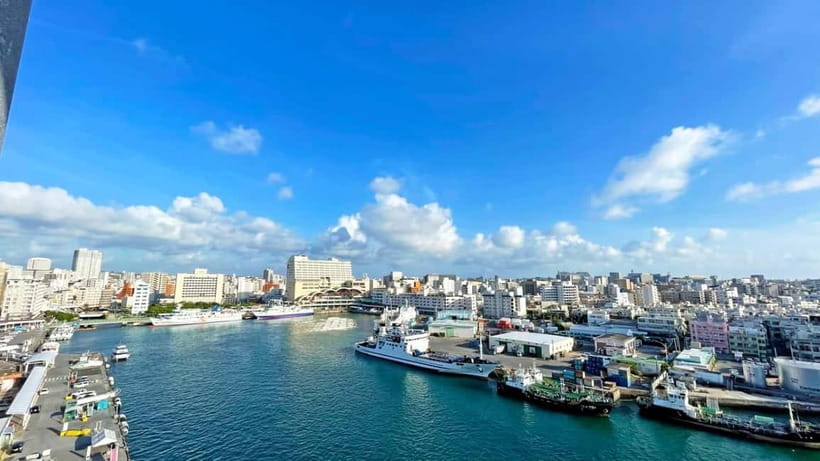
This activity lasts two hours, with listed stops of 30, 30, 20, 20, and 20 minutes after the starting shrine. In real use, walking time and transitions are part of the experience, so you should not read those numbers as guaranteed time inside each attraction.
The pace will be brisk. You will see several parts of central Naha, but you will not have time to linger everywhere. That makes this a good orientation tour for a first visit or a port-of-call schedule, especially if you want a local guide to connect places that might otherwise feel separate.
It is less suitable if you want long meals, extended shopping, or detailed study at every site. The route gives you a taste of each area and leaves you to choose what deserves a return visit.
The private format helps. A group of up to four can ask questions, slow down briefly, or move along without waiting for a large crowd. It also makes the $458 price easier to assess. Split four ways, the cost is $114.50 per person. Split two ways, it becomes $229 per person. For one person, the price is difficult to defend against a short duration.
Guide quality and the importance of expectations
The guide is the heart of this experience. One guide was informative and used humor well, which can make a walking tour feel relaxed rather than like a lecture. That guide also led the full walk from the shrine area to Tsuboya, and the time was considered well spent.
At the same time, one English-speaking guide was leading a first tour and had to use a phone map to find the route. That does not mean every departure will feel the same, but it is a fair reason to keep expectations realistic. You are booking a local English-language guide, not a guaranteed senior historian or a tightly rehearsed production.
If you enjoy asking questions and sharing the pace with a private guide, this setup could work nicely. If you want exact historical detail, flawless navigation, and a tightly managed schedule, ask about the guide’s experience before committing if the booking system allows it.
The tour is in English, and the group is private. Those two points matter more than they might at first seem. You do not have to adjust your questions for a mixed-language group, and you can focus on the parts of Naha that interest you most.
Price, cancellation, and who gets the best value
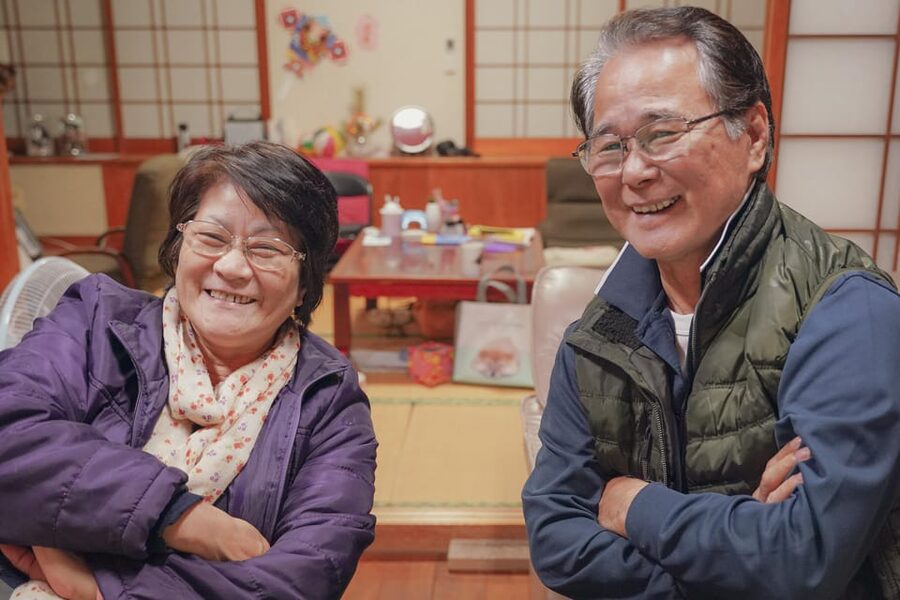
The price is $458 for a private group of up to four. Since the rate is set by group rather than by individual, it makes much more sense for a family or group of friends sharing the booking. A party of four pays far less per person than a solo guest.
The package includes a professional local guide. It does not list food, drinks, shopping, pottery, or other purchases as included, so plan to pay separately for anything you buy along the way.
You can cancel up to 24 hours before the activity for a full refund, and the reserve-now, pay-later option gives you some flexibility. Starting times depend on availability, so check the date and time before you commit, especially if you are matching the walk to a cruise, flight, or other fixed plan.
This is a good value only when you want a private introduction to several central Naha areas in a single outing. It is poor value if you mainly want to visit Makishi Market or shop on Kokusai-dori, since you could spend more time at those places without paying for a guide.
Should you book the Naha Explorer?
Book this tour if you have a small group, want an English-speaking guide, and prefer a compact walk that joins Naminoue Shrine, downtown Naha, Makishi Market, and Tsuboya Pottery Street. The strongest reasons to choose it are the private format, the variety of neighborhoods, and the chance to finish with Okinawan ceramics rather than another shopping street.
Think twice if you are alone, want a food-centered outing, or expect every stop to receive detailed attention. The $458 price is high for two hours, and the market and Kokusai-dori visits are brief.
For four people who value a private introduction and plan to explore their favorite stops afterward, I can see the logic. For anyone seeking a long, polished, specialist-led tour, this may feel too short and uneven.
FAQ
Where does the tour begin?
The tour begins by Naminoue Shrine in Naha, Okinawa.
Where does the activity end?
The activity ends back at the meeting point by Naminoue Shrine.
How long does the tour last?
The tour lasts two hours. Available starting times depend on the date you select.
What language is the tour in?
The live tour guide speaks English.
Is this a private tour?
Yes. The activity is for a private group of up to four people.
How much does the tour cost?
The price is $458 per group of up to four people.
What places are included?
The route includes Naminoue Shrine, 3-chōme-1-1 Tsuji, HARBOR NAHA, Kokusai-dori, Makishi Public Market, and Tsuboya Pottery Street.
Can I cancel for a full refund?
Yes. You can cancel up to 24 hours in advance for a full refund.
Newly written up around Japan
- From Asakusa: Old Tokyo, Temples, Gardens and Pop Culture★ 5.0 · 47 reviews
- Goshuin Collecting tour at Asakusa Local Temples & Shrines, Tokyo★ 5.0 · 8 reviews
- Private guided tour: Mt. Aso volcano, grasslands, Aso Shrine★ 5.0 · 19 reviews
- Takayama Inari Shrine Tour with Private Transportation★ 5.0 · 5 reviews
- Tokyo: Snow Monkey and Zenkoji Temple Day Trip In Low Price★ 5.0 · 5 reviews
- Tokyo: Gotokuji Culture Walk & Lucky Cat Temple Experience★ 4.9 · 5 reviews
- :Tokyo,Shibuya /Meiji Shrine tour in KIMONO/English-friendly★ 5.0 · 4 reviews
- Tokyo: Sensoji Temple & Street Food: Private Tour with guide★ 4.6 · 8 reviews
Japan Temple Tours, compared.
Osaka/Kyoto:Kinkakuji,Arashiyama,FushimiInariShrine,NaraPark
Read our review →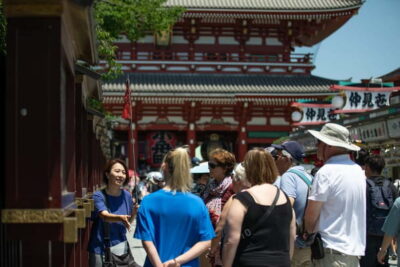
Asakusa Walking Tour with Sensoji Temple Visit
Read our review →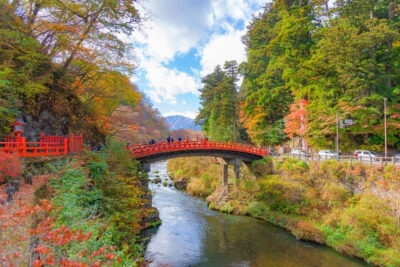
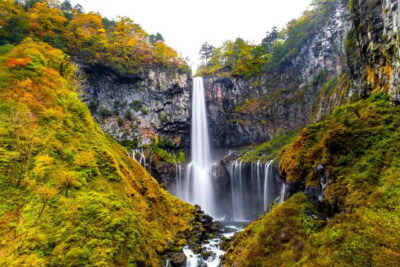
Nikko Toshogu Shrine and Kegon Waterfall Tour
Read our review →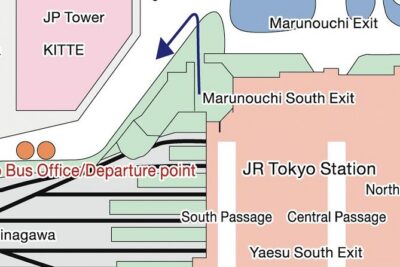
Tokyo Panoramic 1 Day: Meiji Shrine, Asakusa, Odaiba and SKYTREE®
Read our review →
1-Day Snow Monkeys, Zenko-ji Temple & Sake in Nagano
Read our review →
Arashiyama Bamboo, Temple, Monkeys, or Secret Sake Brewery
Read our review →Browse the lists this tour appears in