
Reviewed · FUSHIMI INARI SHRINE TOURS
Kyoto Tea Ceremony & Kiyomizu-dera Temple Walking Tour
Kiyomizu-dera and a Japanese tea ceremony make a fine first look at Kyoto. This three-hour walk links the city’s most famous temple with old shopping lanes, Otowa Waterfall, matcha, and small food samples. Guide Hide has a gift for making temple customs understandable, with a little baseball talk and a few dad jokes along the way.
I like the small size, limited to six people, and the way the tour handles a busy part of Kyoto without asking you to study a map. I also like the mix of sights and participation: you see the wooden stage and city views, then learn how to drink matcha and take part in a formal tea ceremony.
The main drawback is the walking. Kiyomizu-zaka, Sannenzaka, and Ninenzaka are sloping streets, often crowded near the temple, so this is not a gentle, flat stroll. The meeting point can also take a little care to find, so arrive early at Yasaka Shrine’s Western Tower Gate.
Key points to know before booking
- A six-person maximum keeps the walk personal: You can ask questions without shouting across a large group.
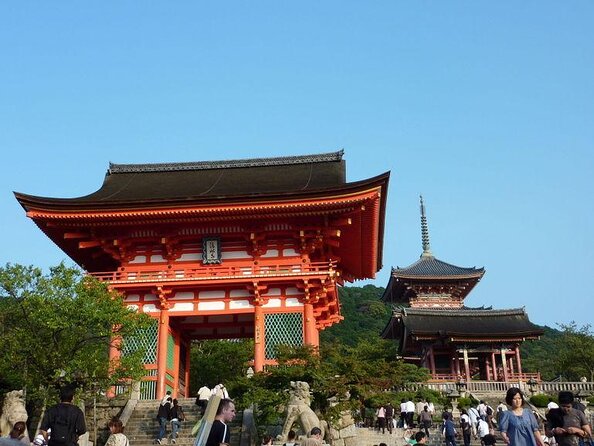
- Kiyomizu-dera is the main event: See the famous wooden stage, Otowa Waterfall, and broad views toward Kyoto.
- The old lanes are part of the experience: Kiyomizu-zaka, Sannenzaka, and Ninenzaka bring you past sweets, pickles, teahouses, and souvenirs.
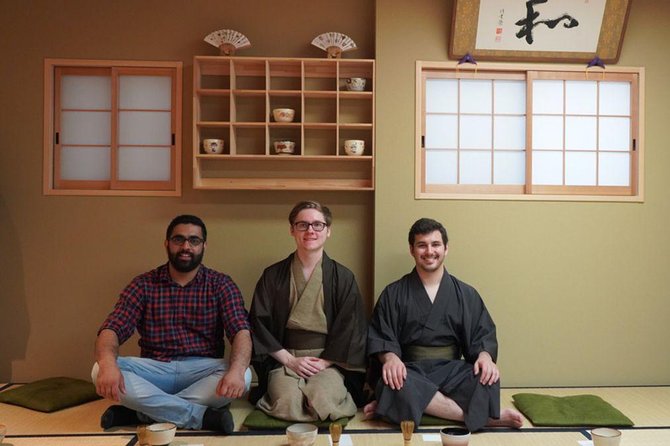
- The tea ceremony adds real cultural context: You do not only drink matcha. You learn the manners and meaning behind the ritual.
- Hide receives especially strong praise: His temple explanations, relaxed manner, photos, and humor help the walk feel easy.
- Come ready for hills and heat: Summer in Kyoto is hot and humid, so bring water and a hat.
Why this three-hour Kyoto walk works
Kyoto can be difficult to read at street level. A map shows Kiyomizu-dera, but it does not explain why the approach streets feel different from ordinary shopping roads, or how Shinto and Buddhist customs appear side by side.
This tour gives you a local guide for that interpretation. You move from Yasaka Shrine toward the Kiyomizu area, stopping for photos and short explanations instead of rushing directly to the temple gate. The route covers famous ground, but the guide helps turn it into a connected story.
At three hours, the tour is short enough to fit into a busy Kyoto day. You can use it as an introduction on your first morning, then return later to shop or revisit a favorite lane. It is also long enough to include a temple visit, a waterfall, food samples, and tea without feeling like a quick photo stop.
The experience costs $109.39 per person. That is not a bargain if you only want entry to Kiyomizu-dera. The value comes from combining the temple admission, a local guide, a small group, tea ceremony instruction, matcha, snacks, and photos in one outing. For a first visit, I think the price makes more sense than paying for a temple-only walk, especially if you want cultural explanation rather than sightseeing alone.
More Temple Walking Tours in Japan
- Kyoto: Fushimi Inari Shrine Walking Tour
★ 5.0 · 72 reviews - Kyoto: Fushimi Inari Taisha Shrine Walking Tour with Guide
★ 4.8 · 18 reviews - Tokyo: Asakusa Walking Tour with Sensoji Temple Visit
★ 4.8 · 1,583 reviews
Meeting at Yasaka Shrine at 9:00 am
The tour begins at Yasaka Jinja’s Nishiromon Gate, also called the Western Tower Gate, at 625 Gionmachi Kitagawa in Kyoto’s Higashiyama Ward. The meeting point is near public transportation, and the activity returns to the same place at the end.
Give yourself extra time to locate the correct gate. One person found the start confusing, even though the walk itself went very well once it began. That is a small issue, but it matters when a tour has a fixed start time. I would arrive early, keep the mobile ticket ready, and look for the Western Tower Gate rather than simply heading toward Yasaka Shrine in general.
Starting at Yasaka Shrine places you near Gion and several of Kyoto’s best-known historic streets. The tour does not treat the shrine as a long standalone visit, but its location helps set the tone for the morning. You begin in one of the city’s major traditional districts before heading toward Kiyomizu-dera.
Kiyomizu-zaka and the old Kyoto streets
The walk takes you through Kiyomizu-zaka, an area made up of several traditional streets. Old teahouses, Japanese sweets shops, and stores selling dried foods line the route. You might also see maiko and geisha moving through the area, though their appearance is not something any tour can promise.
This is one of the most enjoyable parts for me because the streets provide more than a path to the temple. You can look at Kyoto sweets, pickles, yatsuhashi, souvenirs, and small craft shops while your guide explains what makes the district distinct.
The route includes Yasakakoshindo, described as one of Kyoto’s most colorful temples. It gives you a smaller, more decorative stop before the grand scale of Kiyomizu-dera. Your guide can also point out details that are easy to miss when you are focused on reaching the main temple.
The approach is not flat. Kiyomizu-zaka rises toward the temple, and the combination of stone paving, shop crowds, and slopes calls for sensible shoes. You will have opportunities for pictures, but do not treat the walk as a relaxed shopping session. The group has a schedule, and some shops may be passed rather than entered.
Entering Kiyomizu-dera after the climb
Kiyomizu-dera was built on the site of Otowa Waterfall about 1,200 years ago. Its name comes from the waterfall’s pure water, which gives the temple and the later water ritual a clear connection.
The temple’s wooden stage is the visual high point. It reaches about 13 meters above the ground and looks across trees toward Kyoto. In cherry blossom season, the view is framed by pale flowers. In autumn, maple leaves add color. Even outside those seasons, the height gives you a useful sense of how the temple sits above the surrounding streets.
Your guide can explain the temple’s background and answer questions about worship, Buddhist traditions, and nearby Shinto customs. Hide is especially good for this part of the walk. His explanations cover both Shinto and Buddhism, and his relaxed style keeps the history from feeling like a lecture.
The site can be crowded. A small group helps you stay connected to the guide, but it cannot make Kiyomizu-dera quiet. Keep your expectations realistic: this is one of Japan’s most famous temples, and its best viewpoints attract plenty of people.
The admission fee is included. That matters because you can focus on the visit rather than stopping to arrange another ticket. The temple visit is not self-guided, so you also have someone to explain the main structures and worship customs as you move through the grounds.
A different set of gates, same trip:
- Kyoto: Tea Ceremony Ju-An at Jotokuji Temple
★ 4.9 · 3,207 reviews - Osaka/Kyoto:Kinkakuji,Arashiyama,FushimiInariShrine,NaraPark
★ 4.1 · 1,596 reviews - Arashiyama Bamboo, Temple, Monkeys, or Secret Sake Brewery
★ 4.8 · 886 reviews - Kyoto: Arashiyama Bamboo Forest, Monkeys, Matcha & Temple Tour
★ 5.0 · 759 reviews
Drinking from Otowa Waterfall
Otowa Waterfall is one of the tour’s most memorable hands-on moments. Its water divides into three streams, each linked with a different benefit. You choose one stream, use a cup attached to a long pole, and drink the water as part of the Japanese worship practice.
The ritual is simple, but the guide’s presence helps. You learn how to approach the waterfall and why people choose among the streams. It is a good example of the difference between seeing a place and taking part in a local custom.
There may be a queue at the waterfall, and you should not expect a long private session. The appeal is the shared ritual, not extended time at the basin. If you prefer quiet temple visits, this will feel more public and organized than contemplative.
The tour includes the temple entrance and the waterfall visit, so this part does not require another payment. Follow the guide’s instructions and be mindful of the pole, cup, and other people waiting nearby.
Sannenzaka, Ninenzaka, and Kiyomizu-zaka
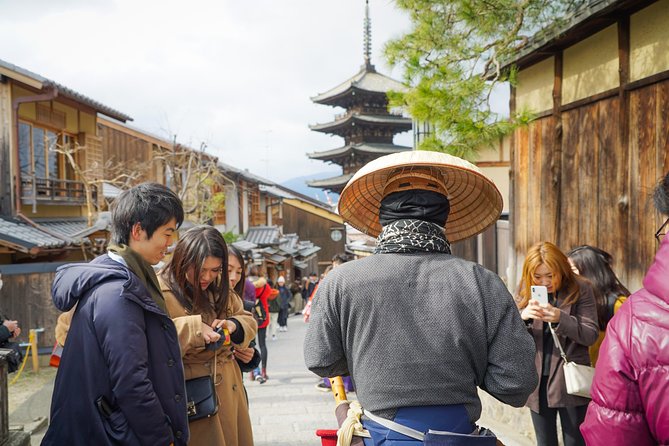
The route passes along several historic streets near Kiyomizu-dera. Kiyomizu-zaka is roughly a one-kilometer pilgrimage route toward the temple. Its lower stretch is quieter, while the upper section fills with souvenir shops and food sellers.
Sannenzaka and Ninenzaka are especially photogenic. Their traditional buildings and sloping lanes create the old Kyoto feeling many people hope to find. The streets are also practical places to browse for pickles, yatsuhashi, Japanese sweets, and other gifts.
Sannenzaka has a well-known warning attached to its name. One legend says that falling on the slope means you will die within three years, or lose three years from your life. The story has different versions, and the more useful lesson is simple: watch your step.
That advice is worth taking seriously. The stones and slopes can be tiring, and the area can become crowded. You will enjoy the lanes more if you wear comfortable shoes and keep your hands free for climbing, pictures, and perhaps a small purchase.
The tour passes through these areas rather than promising a long shopping break. If you want to inspect every shop, plan a return visit after the three-hour walk. The guided route gives you orientation first, which makes it easier to come back on your own.
The tea ceremony and matcha
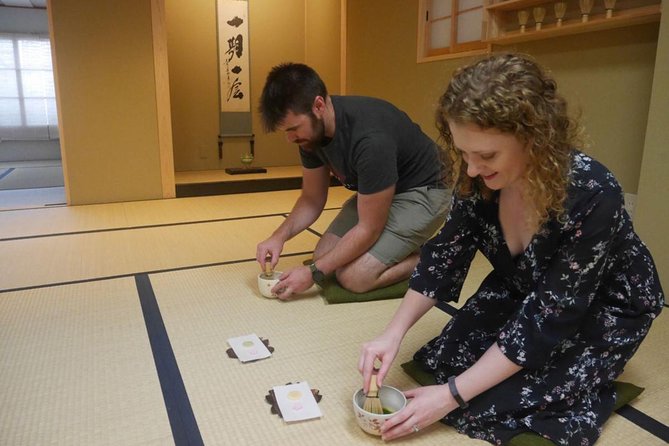
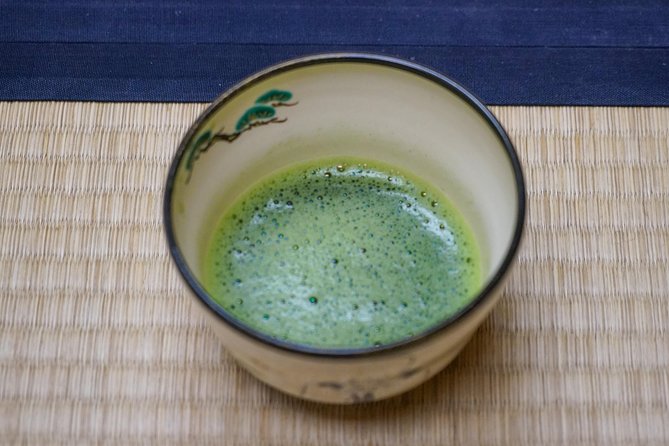
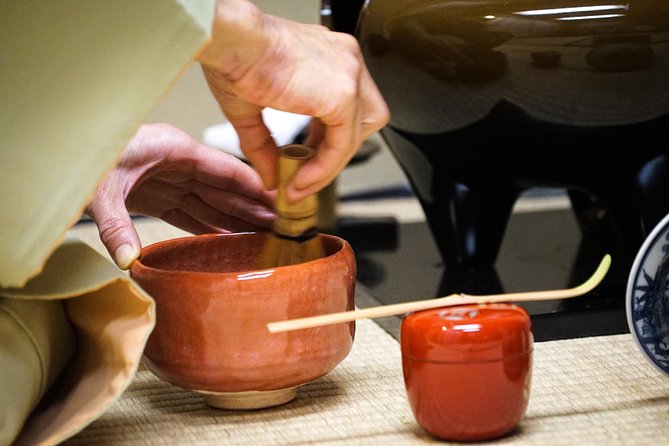
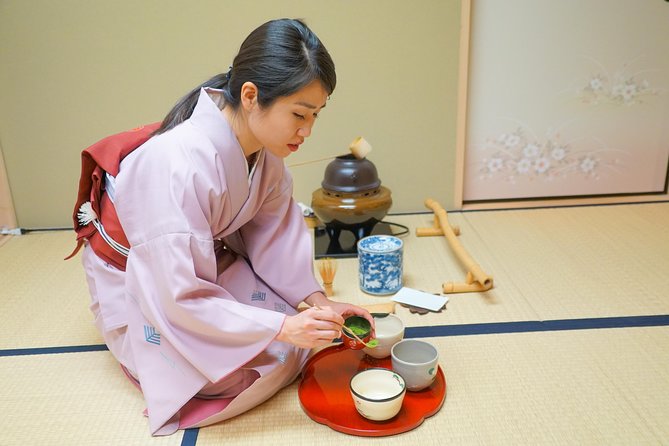
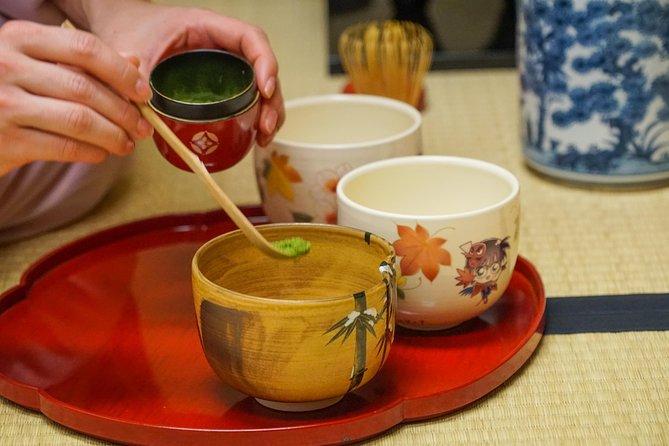
The tea ceremony is the cultural heart of the experience. After the temple and street walk, you sit down for a formal Japanese tea presentation and drink matcha. You also receive snacks and a few food samples during the tour.
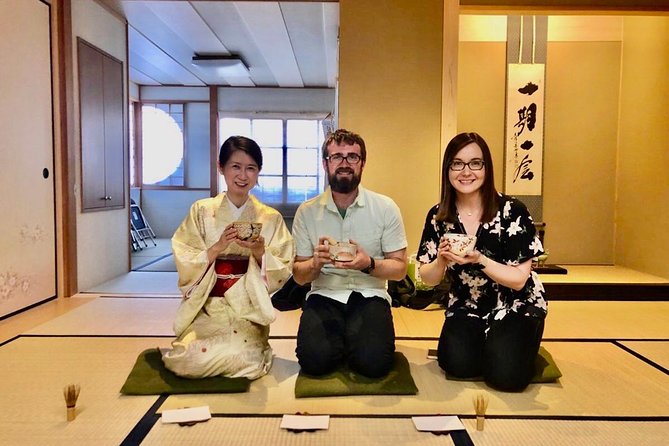
Haruki leads the tea ceremony and is described as warm, entertaining, and attentive to the people taking part. The ceremony is not just a cup of green tea served at the end. You learn about the formal movements and the care involved in preparing and presenting the drink.
A separate account also praised the woman who performed the ceremony, noting the skill and artistry involved. The exact tea presenter may vary, so I would treat the listed names as examples rather than a guarantee. The important point is that the tea portion is guided, explained, and designed as a cultural experience.
Matcha has a strong, distinct flavor. If you usually drink sweet tea, expect something different. The included snacks help balance the experience, but additional food and drinks cost extra.
Food restrictions need careful attention. The operator cannot guarantee allergy-free food or accommodate every dietary restriction because the food is prepared in kitchens it does not control. Substitutions may not be possible at every stop, although efforts may be made to compensate elsewhere. If you have a serious allergy or strict dietary need, contact the provider before booking and do not assume the snacks are safe.
What the guides add
A good guide matters in this part of Kyoto because the route is easy to walk but harder to understand. Hide has received particularly strong praise for explaining temple formalities, discussing Shinto and Buddhism, taking photos, and keeping the mood relaxed.
The personal photos are a useful bonus. You can concentrate on the experience instead of asking someone in your group to document every stop. Hide’s humor, including baseball talk and dad jokes, also helps break up the more formal parts of the morning.
A small group of no more than six makes questions practical. You can ask about a shrine detail, a tea custom, or a shop without waiting for a large crowd to catch up. It also makes it easier for the guide to take group photos and notice if someone is struggling with the hills.
The tone is friendly rather than academic. If you want a specialist lecture on temple architecture, this may feel light. If you want a clear introduction with history, customs, and local conversation, it is a better fit.
Timing, weather, and physical effort
The 9:00 am start is useful. You get onto the route early in the day, and the three-hour format leaves time for lunch or another Kyoto sight afterward. The experience ends back at Yasaka Shrine, so you do not need to arrange a pickup from a different neighborhood.
Most people can take part, but children under six are not allowed. The walking includes slopes and busy streets, so think about your own comfort with hills rather than judging the activity only by its three-hour length.
Kyoto summers are hot and humid. Bring water and wear a hat to reduce the risk of heat exhaustion. Light clothing, comfortable walking shoes, and a small bag are sensible choices.
The tour is offered with a mobile ticket, and confirmation arrives at booking. It is often booked about 30 days ahead, so I would not leave it until the last moment if your Kyoto dates are fixed.
Free cancellation is available up to 24 hours before the start time for a full refund. Changes or cancellations inside that window are not accepted for a refund, and cut-off times use local Kyoto time.
Who should book this experience?
I would choose this tour for a first morning in Kyoto, especially if you want help making sense of the Higashiyama area. It suits you if you value a small group, prefer guided context to wandering alone, and want a cultural activity that includes participation rather than only photographs.
It is also a good match for couples, friends, and older children over six who can manage the slopes. The temple, old streets, snacks, and tea ceremony create a varied morning, so you are not relying on one attraction to carry the whole experience.
I would hesitate if your main goal is shopping. The route passes many good shops, but the schedule is built around a guided walk, not free browsing. I would also think twice if you need strict control over food ingredients or find steep streets difficult.
Should you book the Kiyomizu-dera and tea tour?
Book it if you want a compact introduction to Kyoto that joins major sights with local customs. The strongest reasons are the six-person limit, the clear temple explanations, the Otowa Waterfall ritual, and the tea ceremony with matcha and snacks.
The $109.39 price is fair when you would otherwise pay separately for guidance, admission, tea instruction, and a small food experience. It is less attractive if you only want to enter Kiyomizu-dera or spend most of the morning shopping.
Arrive early at Yasaka Shrine, bring water, wear shoes suited to slopes, and leave room in your schedule to return to Sannenzaka or Ninenzaka later. With those expectations, this tour gives you a useful first look at Kyoto’s temples, traditions, and old streets without overwhelming you.
FAQ
Where does the tour start?
The tour starts at Yasaka Jinja Nishiromon Gate, also called the Western Tower Gate, at 625 Gionmachi Kitagawa in Kyoto’s Higashiyama Ward.
What time does the tour begin?
The start time is 9:00 am.
Where does the tour end?
The activity ends back at the Yasaka Shrine meeting point.
How long does the experience last?
The tour lasts approximately three hours.
Is the Kiyomizu-dera entrance fee included?
Yes. The Kiyomizu-dera Temple entrance fee is included.
Is the tea ceremony included?
Yes. The tea ceremony experience and matcha are included, along with snacks and a few food samples.
Can children under six join the tour?
No. Children under six years old are not allowed to participate.
More Temple Walking Tours in Kyoto
- Bangkok: City Highlights Temple and Market Walking Tour
★ 4.5 · 3,990 reviews - Bangkok: Grand Palace and Wat Phra Kaew Guided Walking Tour
★ 4.4 · 2,417 reviews - Bangkok: Wat Pho and Wat Arun Guided Walking Tour
★ 4.6 · 1,720 reviews - Chiang Mai: 3 Hour Old City and Temples Guided Walking Tour
★ 4.6 · 1,568 reviews
More Fushimi Inari Shrine Tours in Kyoto
- Osaka/Kyoto: Arashiyama, Nara & Fushimi Inari Shrine w/Lunch
★ 4.4 · 754 reviews - Kyoto: 3-Hour Fushimi Inari Shrine Hidden Hiking Tour
★ 4.9 · 270 reviews - Full Day Kyoto Tour : Bamboo Forest, Golden Temple, Fushimi Inari
★ 5.0 · 84 reviews
Newly written up around Kyoto
- Kyoto: Fushimi Inari Taisha Shrine Walking Tour with Guide★ 4.8 · 18 reviews
- Kyoto: Fushimi Inari Shrine Walking Tour★ 5.0 · 72 reviews
- Kyoto: Calligraphy class at Buddhist temple in city center★ 5.0 · 167 reviews
- Kyoto: Zen Meditation at a Private Temple with a Monk★ 5.0 · 202 reviews
- Kyoto: Arashiyama Bamboo, Temple, Matcha, Monkeys & secret spots★ 5.0 · 219 reviews
- Kyoto: 3-Hour Fushimi Inari Shrine Hidden Hiking Tour★ 4.9 · 270 reviews
- KYOTO Tea Ceremony with kimono near by Imamiya Jinjya Shrine★ 5.0 · 343 reviews
- Kyoto: Zen Experience in a Hidden Temple★ 5.0 · 437 reviews
Fushimi Inari Shrine Tours, compared.
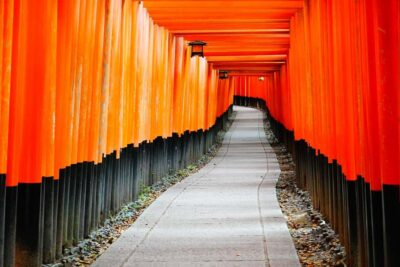
Osaka/Kyoto:Kinkakuji,Arashiyama,FushimiInariShrine,NaraPark
Read our review →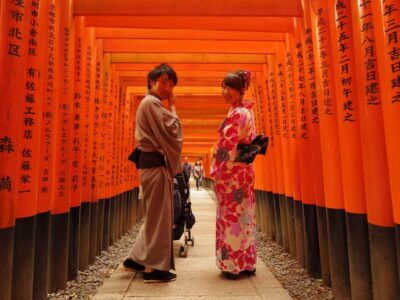
Osaka/Kyoto: Arashiyama, Nara & Fushimi Inari Shrine w/Lunch
Read our review →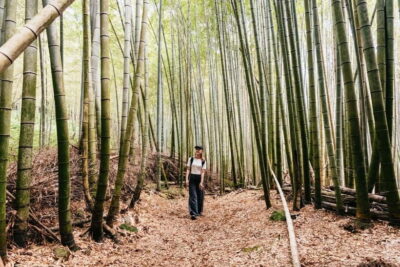
Full Day Kyoto Tour : Bamboo Forest, Golden Temple, Fushimi Inari
Read our review →
Fushimi Inari Taisha Shrine Walking Tour with Guide
Read our review →Browse the lists this tour appears in