
Reviewed · JAPAN TEMPLE TOURS
A trip to visit Ise Grand Shrine and experience Ama culture
The best part of this private Ise-Shima day is the contrast: you move from the quiet rituals of Ise Grand Shrine to a smoky seafood lunch with Ama women, then on to pearls and coastal culture. It is a useful way to connect Japan’s spiritual traditions with the working life of the sea.
I like the flexible, car-based format, especially for a first visit to the region. I also like the chance to meet people linked directly to Ama culture, rather than seeing only displays in a museum. The main consideration is that the plan can change, and the advertised Ama demonstration may not run if Mikimoto Pearl Island is closed.
- Ise Jingu and Okage Yokocho: Visit Japan’s most famous shrine, then browse an old-style shopping street nearby.
- Seafood at an Ama hut: Eat local seafood while hearing stories about the women who traditionally gather food from the sea.
- Mikimoto Pearl Island: Learn about pearls and watch an Ama demonstration when the site is operating.
- Private car tour: Travel between Ise, Toba, and Shima with an English-speaking local guide.
- Flexible schedule: The day can change with seasonal work, weather, site conditions, or your interests.
- Important cost check: Food, admissions, transportation fees, and some pickup costs are not included.
A full day linking shrine, street, sea, and pearl
This tour works because the stops tell one broad story about Ise-Shima. Ise Grand Shrine represents Shinto worship and Japanese tradition. Okage Yokocho shows the food and shopping culture that grew around the shrine. The Ama hut brings you closer to coastal life, while Mikimoto Pearl Island explains the region’s pearl trade and Ama heritage.
The day is arranged as a private tour, not a fixed coach outing. You meet at 9:00 in Ise City, Toba City, or Shima City, then travel by car between the main stops. The stated end time is 17:00. The activity information also calls it a nine-hour private tour, while the listed schedule runs for eight hours, so I would confirm the exact timing before booking.
That small timing mismatch matters. Ise, Toba, and Shima are spread across the peninsula, and the time spent on the road affects how long you have at each stop. A private guide can adjust the order, but you still want a clear plan for shrine visits, lunch, admission fees, and the final drop-off.
Ise Grand Shrine: start with Japan’s spiritual center
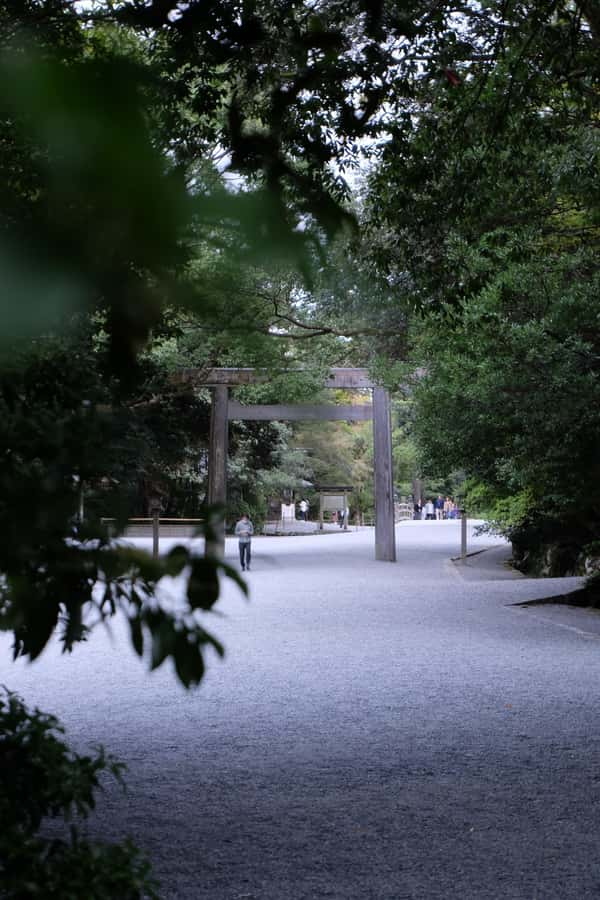
Ise Jingu is the heart of the day. It is widely regarded as Japan’s most important Shinto shrine, and the visit gives you a direct look at customs that can feel very different from the grand temple complexes of Kyoto or Nara.
You can expect a walking visit rather than a quick photo stop. Your guide explains Shinto customs and how to approach the shrine, which is useful if you are unsure about bowing, purification, or proper behavior. Emiko, one of the guides, has been praised for explaining Shinto religion and customs clearly in English and German. Kyohei has also guided this route.
The shrine itself is not about ornate interiors or long written explanations. Its appeal comes from the quiet setting, careful rituals, and sense of continuity. You will get more from it if you slow down and notice the approach, the trees, the gates, and the way people behave at the worship area.
This is also where a local guide adds real value. Without context, Ise Jingu can seem like a beautiful but reserved place. With an explanation of Shinto practice, the visit becomes easier to understand.
Wear shoes suited to walking. The tour includes a walking component, and this is not a good fit for wheelchair users. If you have limited mobility but can walk independently, explain your needs before the day begins so the guide can discuss what can be adjusted.
Other temple visits near Japan we have written up
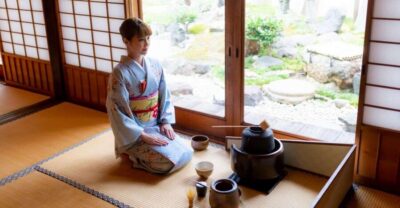
- Kyoto: Tea Ceremony Ju-An at Jotokuji Temple
★ 4.9 · 3,207 reviews - Osaka/Kyoto:Kinkakuji,Arashiyama,FushimiInariShrine,NaraPark
★ 4.1 · 1,596 reviews - Tokyo: Asakusa Walking Tour with Sensoji Temple Visit
★ 4.8 · 1,583 reviews
Okage Yokocho: food, souvenirs, and an old-town feel
Near Ise Jingu, Okage Yokocho gives you a more relaxed change of pace. This traditional-style town is made for strolling, eating, and browsing. It is a useful place to see how shrine culture connects with everyday commerce.
You can look through small shops, try local foods, and take a break from the formal atmosphere of the shrine. I would treat this stop as a chance to get your bearings rather than a major historical tour. The appeal is the old Japanese street setting and the chance to sample regional specialties at your own pace.
Because the tour is private, you can tell the guide if you want more time here. If you are keen on sweets, snacks, or small gifts, Okage Yokocho may deserve extra attention. If your priority is the Ama lunch or Mikimoto Pearl Island, you may prefer to keep this stop shorter.
Food and drinks are not included in the tour price. That is worth remembering, since Okage Yokocho is one of the places where you may be tempted to buy an extra snack or drink.
Lunch at Hachiman Kamado and the reality of Ama culture
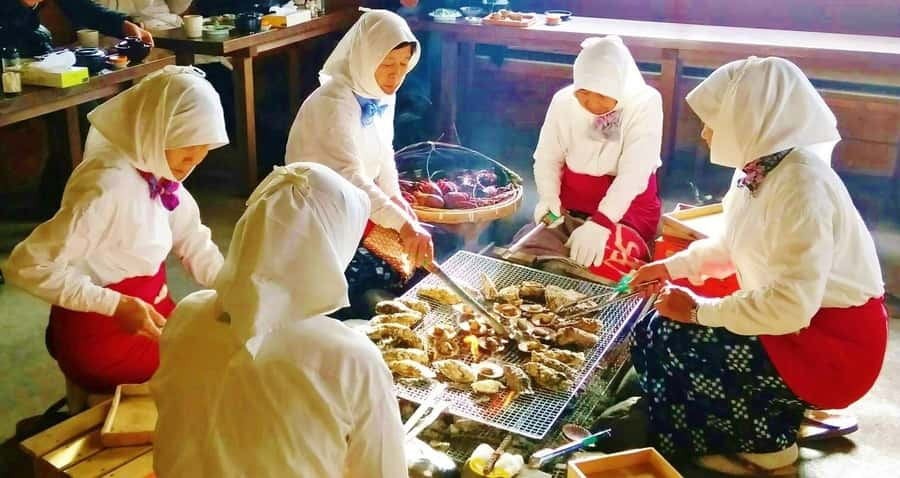
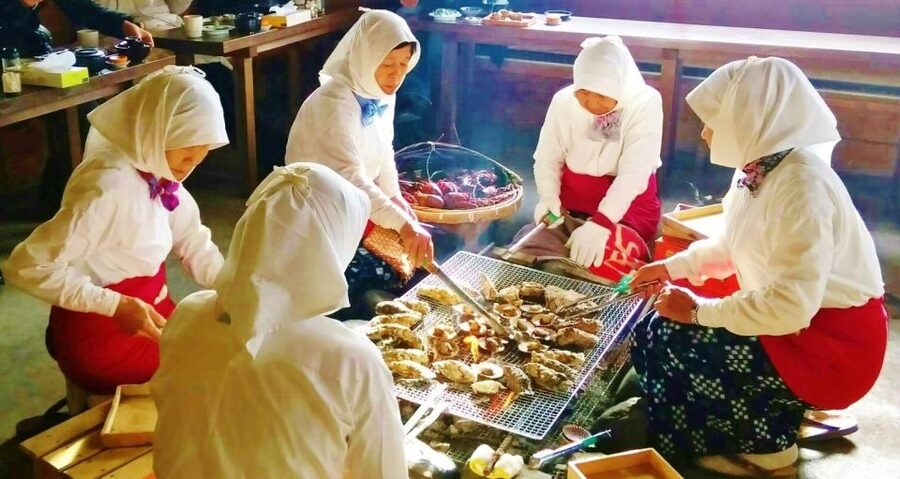
The lunch stop is meant to be one of the day’s most personal experiences. At Hachiman Kamado, an Ama hut restaurant, you eat local seafood while hearing stories about Ama women and their work.
The setting matters. A meal in a traditional hut can feel far more connected to the area than a standard restaurant lunch. Seafood is prepared in a simple barbecue style, and the meal becomes a chance to listen as well as eat. You are not just being served a regional dish. You are hearing about a way of life that is now carried by an aging generation.
One point needs careful clarification. The tour description presents lunch at a traditional Ama hut, but one booking had the seafood barbecue at a restaurant run by an Ama woman instead. Another day did take place at a real Ama hut. I would ask the operator which venue is planned for your date rather than assuming the setting will always be identical.
That difference does not make the meal unworthy, but it changes the experience. A restaurant run by an Ama woman still connects you with the culture, while a hut visit may feel more intimate and atmospheric.
There is also an important cost issue. Food prices are excluded, and one booking reported being charged for the guide’s lunch as well as the customer’s own meal. Ask in advance whether the guide’s meal is your responsibility. This is the kind of small detail that can affect the value of a private tour.
Kyohei has a personal connection to the sea and works as a local diver for abalone and sea cucumber. That gives him a useful link to the subject, though the quality of English explanations can vary. One booking found communication difficult with the guide, while other outings praised Kyohei for being reliable, funny, attentive, and easy company.
Meeting the last generation of Ama workers
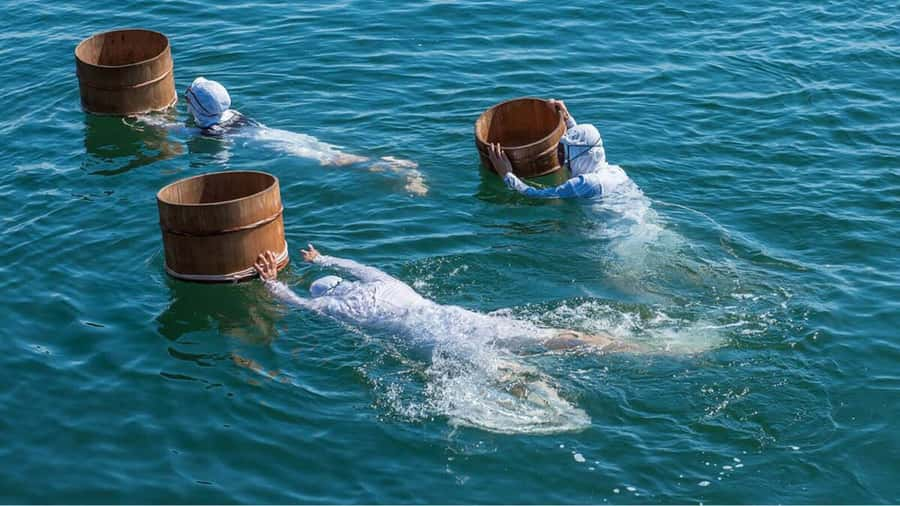
Ama culture is the emotional center of the day. Ama women traditionally gather seafood by free-diving without modern breathing equipment, relying on skill, breath control, and knowledge of the coast. The work is physically demanding, and older Ama women still carry much of this tradition.
At the hut, you can hear stories while eating. The experience is valuable because it puts a human face on a tradition that can otherwise be reduced to a photograph or a short museum label. One family described the women as the last generation and was struck by the fact that some continue working at an advanced age.
You should approach this part with respect. It is not a staged fantasy of old Japan. It is a working culture facing change. The best guides help you understand the people involved rather than treating them as an attraction.
Seasonal conditions may also alter the plan. During wakame season, one tour replaced the Ama show with a visit to fishermen processing wakame seaweed. The group spoke with people in the village and took part in processing the seaweed. That kind of change can be a plus if you prefer a real working activity to a fixed performance, but you should not book this day expecting every listed event to happen exactly as printed.
A different set of gates, same trip:
- Nikko: Kegon Falls, Lake Chuzenji & Toshogu Temple
★ 4.6 · 1,577 reviews - Tokyo: Nikko Toshogu Shrine and Kegon Waterfall Tour
★ 4.5 · 1,266 reviews - Tokyo Panoramic 1 Day: Meiji Shrine, Asakusa, Odaiba and SKYTREE®
★ 4.5 · 1,222 reviews - 1-Day Snow Monkeys, Zenko-ji Temple & Sake in Nagano
★ 5.0 · 1,020 reviews
Mikimoto Pearl Island: pearls and the Ama show
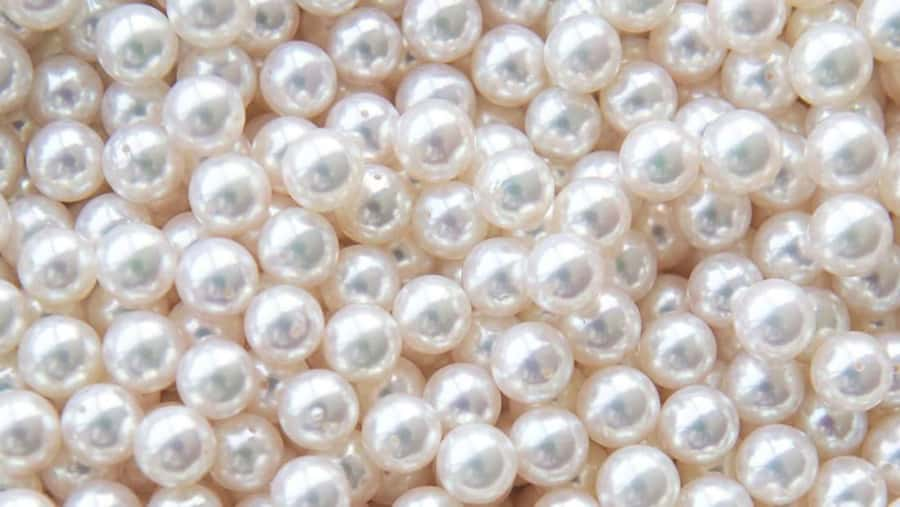
Mikimoto Pearl Island adds another side of Toba’s coastal culture. The island is associated with pearl cultivation and the history of Ama women working in the sea. The visit is intended to include a traditional Ama demonstration and more information about pearls.
When the show is operating, it gives you a clear visual introduction to the Ama tradition. It also helps connect the seafood lunch with the wider story of the region. You see how coastal work, local identity, and the pearl industry have grown together.
But this is the stop where you need to verify opening conditions. One booking arrived to find the island closed, meaning the Ama demonstration could not take place. The guide was criticized for not checking ahead of time. If the show is a key reason for booking, contact the operator before your travel date and confirm that Mikimoto Pearl Island will be open and that the demonstration is scheduled.
The experience provider is lucky happy Inc., and the activity is sold with an English-speaking guide. Still, English ability is not identical among all guides. Kyohei received strong praise for care and company, while another booking found communication hard. If you need detailed explanations, request a guide with strong English and confirm the language when you book.
What the private car format does well
The private format is a real advantage in this part of Japan. You are not tied to a large group, and the guide can discuss changing the order or adjusting the length of a stop. One family traveling with toddlers found that Kyohei and his colleagues took care of the group well and helped shape a comfortable day.
The car also makes sense because the tour covers several places in Ise, Toba, and Shima. Public transport can be less convenient for a schedule that combines a shrine, a shopping street, a coastal lunch, and an island attraction.
Pickup is available from your accommodation, but extra charges apply outside Ise City. You can also arrange pickup from an agreed hotel, station, or address. Transportation fees used during the tour are not included, so confirm exactly what you will pay for the car, parking, tolls, or other travel costs.
Drop-off needs a specific conversation. One booking ended at a distant train station rather than the original pickup point, creating a 90-minute return trip. If you need to catch a train, state your preferred final location clearly and ask the guide to confirm it in writing.
How much value does this day offer?
No price is provided here, so I cannot judge the exact cost. The value depends on how much you want a private guide, door-to-door driving, and personal contact with Ama culture.
For a couple or family, a private car and flexible guide can be worth more than a cheaper group excursion, especially when you are staying outside central Ise. The day covers several locations that would take more planning on your own. Families with young children may also appreciate being able to adjust the rhythm.
The value is weaker if you expect every admission and meal to be bundled into one simple price. You pay separately for food, drinks, admissions, and transportation used on the tour. The guide’s lunch may also be charged to you, so ask about the full daily cost before committing.
I would also compare the tour with booking Ise Jingu and Okage Yokocho independently, then arranging a separate Toba or Shima activity. That may suit confident planners. This private outing makes more sense if you want one person to connect the stops and handle the driving.
Who should book this Ise-Shima experience?
I would recommend it to you if you want more than a shrine visit and prefer meeting local people connected with coastal work. It is especially suitable for couples, families, and small private groups who value flexibility.
It is also a good choice if you are staying in Ise, Toba, or Shima and want a full day without arranging several separate transfers. Guides such as Kyohei and Emiko can add useful context, and Kyohei’s own connection to local sea work gives the Ama topic a personal angle.
I would hesitate if you need a guaranteed Ama performance, exact English fluency, or a fully inclusive price. The Ama show may be replaced or canceled, the lunch venue may vary, and communication quality is not consistent across every guide. The tour is also not suitable for wheelchair users.
The activity allows free cancellation up to 24 hours before the start time, and you can reserve now and pay later. Those terms give you some flexibility, but they do not remove the need to confirm opening days, meal arrangements, pickup, and drop-off.
Final call: book it with a few checks
Book this tour if you want a personal introduction to Ise-Shima that joins religion, food, pearls, and coastal life in one day. The strongest parts are the shrine explanation, the private driving, and the chance to hear directly about Ama culture over seafood.
Before paying, confirm four things: the exact tour length, whether Hachiman Kamado will be a hut or another Ama-run restaurant, whether Mikimoto Pearl Island and the Ama show are open on your date, and where you will be dropped off. Also ask whether you pay for the guide’s meal and which transport charges are extra.
With those details settled, this can be a thoughtful and unusual day in Japan. Just treat the itinerary as a flexible cultural outing, not a guaranteed sequence of performances.
FAQ
How long does the tour last?
The schedule runs from 9:00 to 17:00, which is eight hours. The activity information also describes the private tour as nine hours, so confirm the exact duration when booking.
Where can pickup and drop-off take place?
Pickup and drop-off can be arranged in Ise City, Toba City, or Shima City. Pickup from accommodation is included in the stated service, but extra charges apply outside Ise City.
Is the tour private?
Yes. It is offered as a private group tour exclusively for your party.
What language does the guide speak?
The listed tour language is English. Guides named in the information include Kyohei and Emiko. English ability may vary, so request the level of explanation you need when booking.
Are food and drinks included?
No. Food and drink prices are not included. Ask in advance whether you must also pay for the guide’s meal.
Are admission fees included?
No. Admission fees are not included in the tour price.
Will the Ama demonstration always take place?
No. The demonstration depends on Mikimoto Pearl Island being open and the scheduled program running. Seasonal activities can also change the plan, such as replacing the Ama show with wakame processing.
Is the tour suitable for wheelchair users?
No. The activity is listed as unsuitable for wheelchair users and includes walking between locations.
Newly written up around Japan
- From Asakusa: Old Tokyo, Temples, Gardens and Pop Culture★ 5.0 · 47 reviews
- Goshuin Collecting tour at Asakusa Local Temples & Shrines, Tokyo★ 5.0 · 8 reviews
- Private guided tour: Mt. Aso volcano, grasslands, Aso Shrine★ 5.0 · 19 reviews
- Takayama Inari Shrine Tour with Private Transportation★ 5.0 · 5 reviews
- Tokyo: Snow Monkey and Zenkoji Temple Day Trip In Low Price★ 5.0 · 5 reviews
- :Tokyo,Shibuya /Meiji Shrine tour in KIMONO/English-friendly★ 5.0 · 4 reviews
- Tokyo: Gotokuji Culture Walk & Lucky Cat Temple Experience★ 4.9 · 5 reviews
- Tokyo: Sensoji Temple & Street Food: Private Tour with guide★ 4.6 · 8 reviews
Japan Temple Tours, compared.
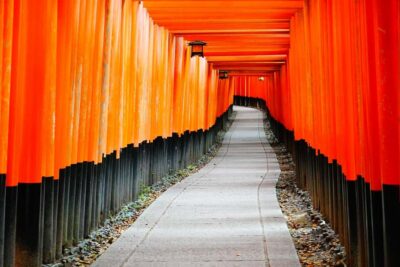
Osaka/Kyoto:Kinkakuji,Arashiyama,FushimiInariShrine,NaraPark
Read our review →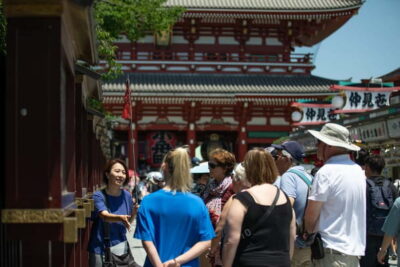
Asakusa Walking Tour with Sensoji Temple Visit
Read our review →
Nikko Toshogu Shrine and Kegon Waterfall Tour
Read our review →
Tokyo Panoramic 1 Day: Meiji Shrine, Asakusa, Odaiba and SKYTREE®
Read our review →
1-Day Snow Monkeys, Zenko-ji Temple & Sake in Nagano
Read our review →
Arashiyama Bamboo, Temple, Monkeys, or Secret Sake Brewery
Read our review →Browse the lists this tour appears in