
Reviewed · JAPAN TEMPLE TOURS
From Fukuoka: Miyazaki, Takachiho Gorge and Shrines Day Tour
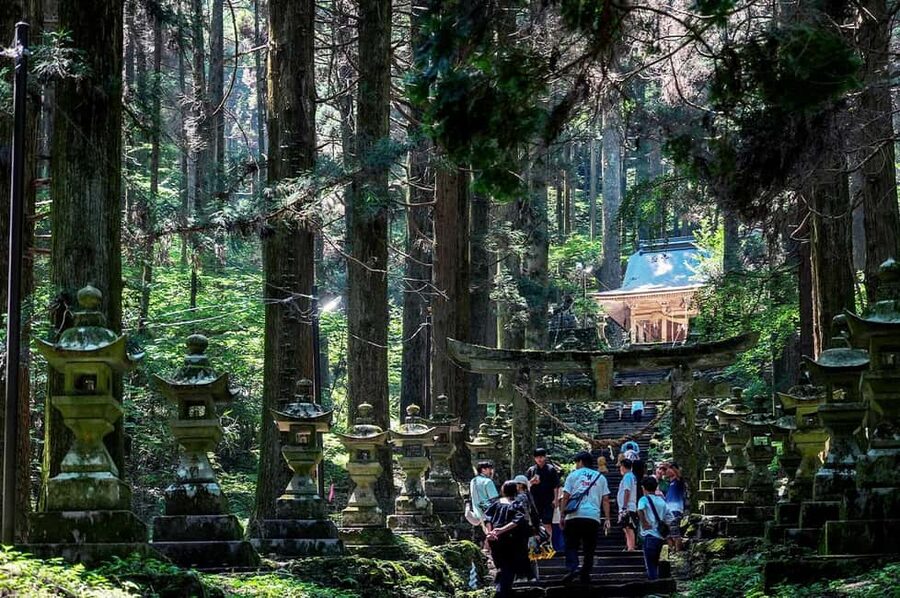
Takachiho Gorge is the star here, but the shrines give the day its deeper flavor. You’ll walk beneath nearly 100 lanterns at Kamishikimi Kumanoimasu Shrine, stack stones at Amano Yasugawara, then follow the gorge path toward the 17-meter Manai Waterfall and the famous Three Bridges. Japanese mythology and volcanic scenery arrive in one packed day.
I like the $50 price, which covers the long round trip, tolls, parking, fuel, driver, and multilingual guide. I also like the ease of it: you can leave the driving to someone else and hear stories from guides such as Sun, Helen, Thomas, Jyo, and Lina. The tradeoff is simple: this is a 10-hour outing with roughly six hours on the bus, and some stops can feel brisk.
Key points to know before you book
- Takachiho Gorge gets the most time: You have about 80 minutes for the gorge, waterfall views, bridges, and walking paths.
- The mythology is part of the appeal: Amano Iwato is linked to the sun goddess Amaterasu, while stone towers at Amano Yasugawara carry personal wishes.
- The bus makes remote sights practical: Round-trip transport removes the need to rent a car or manage rural roads.
- Boat tickets are not included: They can sell out, and high water may stop the boat operation altogether.
- Bring walking shoes and cash: Hills, stairs, and uneven paths are part of the day, and cards may not work everywhere.
- The schedule depends on traffic and weather: A late return is possible, so avoid booking an evening commitment afterward.
Why this $50 Kyushu day trip works
This tour is built around access. Fukuoka is an easy base for Kyushu, but the shrines and gorge are far enough away that public transport can turn the day into a puzzle of connections and waiting. Here, you meet at 8 a.m. beside the Lawson Fukuoka Oriental Hotel near Hakata Station’s Chikushiguchi, climb aboard, and let the driver handle the highway.
At $50 per person, the value is unusually strong. Highway tolls, fuel, parking, a professional driver, and a live guide are included. You still pay for food, drinks, personal purchases, and any Takachiho Gorge boat ticket, but the main transport costs are already handled.
The price does come with a clear compromise. This is a shared group tour, and the guide may switch between English, Traditional Chinese, and Japanese. Guides such as Sun and Helen have received especially strong praise for keeping people informed across languages, while one English-speaking passenger found the explanations less polished than expected. If you need a private, slow-moving tour with long conversations in one language, this will not be the right format.
For most people, though, the bus is the point. You can look out at southern Kyushu, rest between stops, and avoid the stress of driving an unfamiliar route. The bus has air conditioning, though one tall passenger found the seating a little cramped.
Other temple visits near Japan we have written up
- Kyoto: Tea Ceremony Ju-An at Jotokuji Temple
★ 4.9 · 3,207 reviews - Osaka/Kyoto:Kinkakuji,Arashiyama,FushimiInariShrine,NaraPark
★ 4.1 · 1,596 reviews - Tokyo: Asakusa Walking Tour with Sensoji Temple Visit
★ 4.8 · 1,583 reviews
Kamishikimi Kumanoimasu Shrine and its lantern path
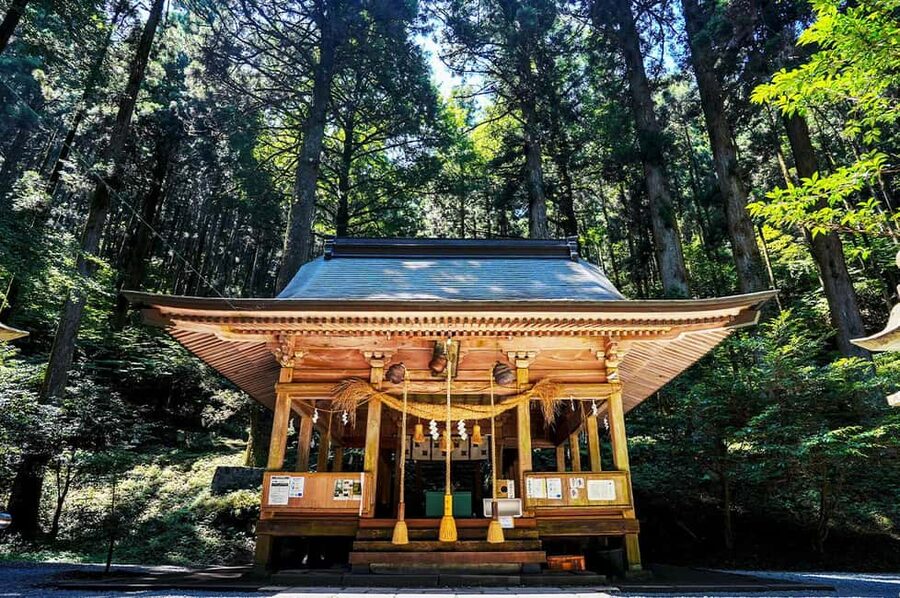
The first major stop is Kamishikimi Kumanoimasu Shrine, with about 40 minutes for a visit. A path lined with almost 100 stone lanterns leads you toward the wooded shrine. The effect is quiet and otherworldly, especially compared with the city streets of Fukuoka.
The shrine is also known for its appearance in anime such as Hotarubi no Mori e and Natsume’s Book of Friends. You do not need to be an anime fan to enjoy the setting, but those connections add a useful layer if you recognize the scenes or want a memorable photo location.
Look for Tooriwa Rock, a huge natural opening associated with good luck and success. It is also linked with prayers for love and prosperity. The rock gives this stop a clear focus, so you are not simply walking through a pretty wooded shrine without knowing what to notice.
Forty minutes is enough to walk the main route and take photos, but it is not a leisurely shrine visit. You will want comfortable shoes, and you should listen carefully to the guide’s meeting instructions before heading off. A group tour cannot wait for a long photo session at every lantern.
Amano Iwato Shrine and the story of Amaterasu
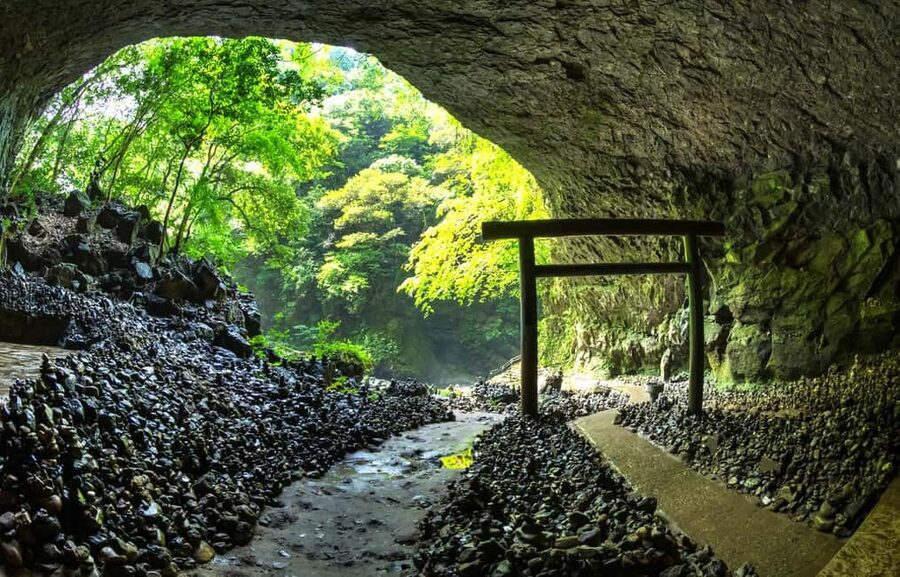
The next stop is Amano Iwato Shrine, with about 30 minutes of guided sightseeing. This is one of the most important mythic places on the route. According to Japanese tradition, the sun goddess Amaterasu hid in a cave here after a conflict, leaving the world in darkness.
That story matters because it connects the physical setting with one of Japan’s best-known creation myths. Your guide will explain the tale, and the site becomes more meaningful when you understand why the cave and surrounding river area carry such spiritual weight.
The schedule is tight. Several people who enjoyed the tour still wished for another 15 or 20 minutes here. If you like reading every sign, taking your time at religious sites, or stopping for a relaxed lunch, you may feel hurried.
The practical answer is to keep your visit focused. Hear the main explanation, enjoy the setting, and follow the guide’s timing. If you want to save time, bringing your own lunch may help, since food stops can eat into a short sightseeing window.
A key booking detail deserves attention: the option that includes a boat ride and lunch replaces Amano Iwato Shrine and Amano Yasugawara with Mount Aso Volcano and Kusasenri Grassland. Check the exact package before paying. The two versions are not interchangeable.
Amano Yasugawara and the stone towers
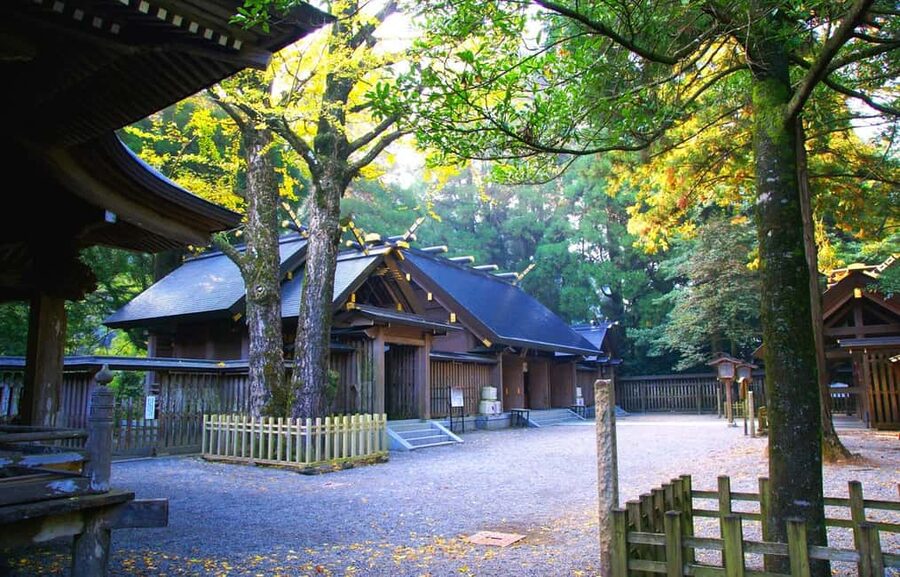
Amano Yasugawara is visited for about 30 minutes. This is where the tour’s mythology becomes hands-on. People stack small stones into towers while making wishes, creating a field of tiny personal monuments along the riverbank.
The activity is simple, but it gives you something to do beyond looking and listening. You can make your own wish tower, take a photo, and then step back to see how thousands of individual hopes have shaped the place.
This is also a stop where good footwear matters. The day includes walking up hills and stairs, and summer heat can make the climbs harder. One summer passenger specifically advised against choosing the tour on a very hot day if you are not comfortable with exertion.
Do not expect a long, quiet meditation. Thirty minutes passes quickly, especially if the group must regroup and continue to Takachiho. Still, the stop earns its place because it gives the day a personal ritual rather than another scenic viewpoint.
A different set of gates, same trip:
- Nikko: Kegon Falls, Lake Chuzenji & Toshogu Temple
★ 4.6 · 1,577 reviews - Tokyo: Nikko Toshogu Shrine and Kegon Waterfall Tour
★ 4.5 · 1,266 reviews - Tokyo Panoramic 1 Day: Meiji Shrine, Asakusa, Odaiba and SKYTREE®
★ 4.5 · 1,222 reviews - 1-Day Snow Monkeys, Zenko-ji Temple & Sake in Nagano
★ 5.0 · 1,020 reviews
Takachiho Gorge, Manai Waterfall, and the Three Bridges
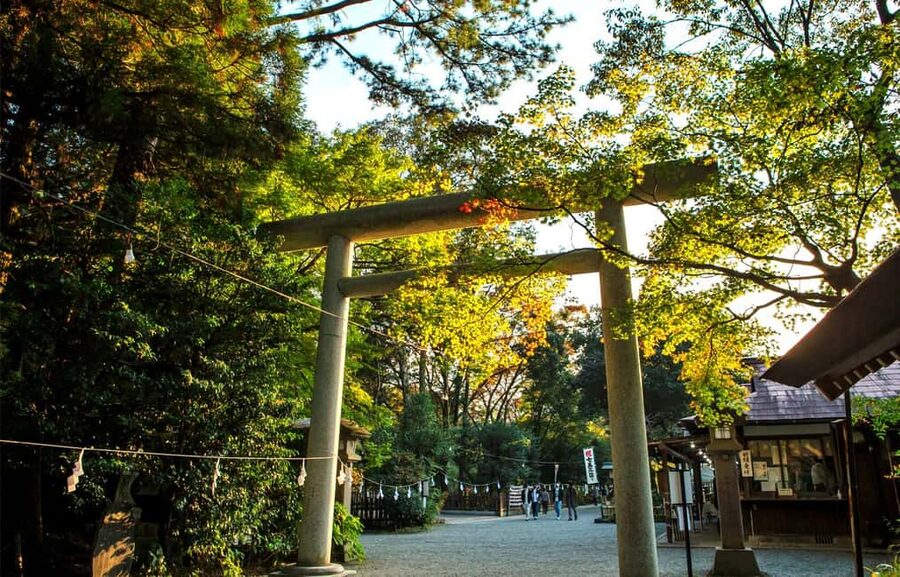
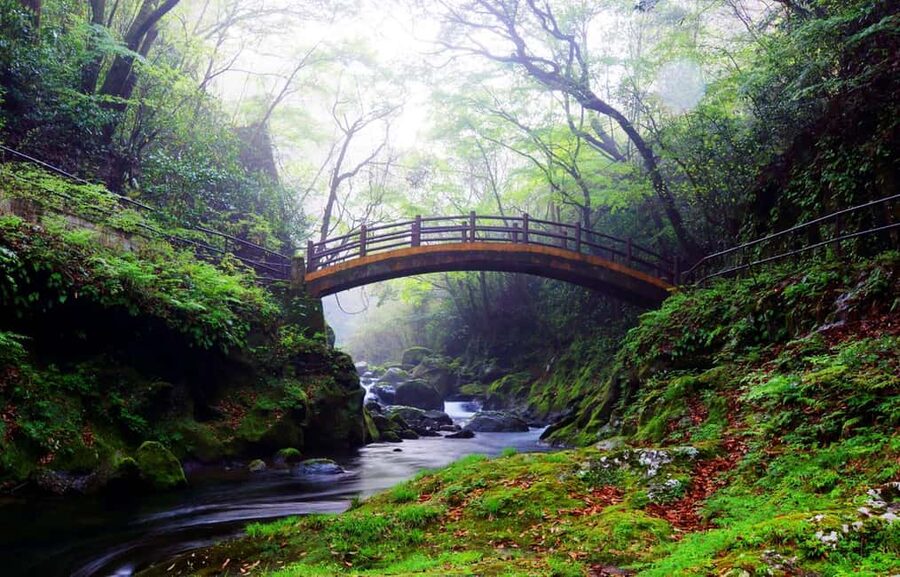
Takachiho Gorge is the payoff, with about 80 minutes of free time. The gorge was formed by ancient volcanic activity, leaving tall rock walls beside the Gokase River. A walking route of about one kilometer gives you the best chance to see the main scenery.
The 17-meter Manai Waterfall is the view to prioritize. Water drops over the dark cliff face into the river below, framed by steep rock walls and green forest. It is one of Japan’s top 100 waterfalls, but you do not need a checklist to appreciate it. The combination of height, water, and narrow volcanic rock makes the scene genuinely dramatic.
The Three Bridges of Takachiho are another useful photo target. Each bridge represents a different era, and the three structures can be seen together from selected points along the gorge. Onihashi Rock, a 200-ton boulder wrapped with sacred rope, adds a strong cultural detail to the natural setting.
Also look for Sennin-no-Byobu Rock, which rises about 70 meters. The scale of the gorge becomes clearer when you compare the people, path, water, and cliff walls below it.
Eighty minutes is enough for a purposeful visit, but not for every possible activity. You can walk, take photos, and see the main formations, yet you may not have time to linger over lunch, sit quietly by the river, and take a boat ride.
The boat is not included in the tour price, and advance planning matters. It may sell out before you arrive, and one afternoon service was unavailable because the water was too high. If riding the boats is a priority, check availability before departure and treat it as an extra, not a guaranteed part of the day.
Crowds can also affect this stop. Takachiho Gorge is popular, so the path may feel busy, particularly at favored viewpoints. The tour still removes the bigger headache of getting there, but it cannot give you an empty gorge.
The long ride back to Hakata
After the gorge, the bus returns to the Lawson Fukuoka Oriental Hotel. The listed return drive is about three hours, though traffic, weather, and holiday congestion can make the overall day longer than planned.
This is where the tour’s value and its cost become two sides of the same coin. You are using the bus to reach places that are difficult to combine independently, but you are also giving up a large part of the day to road time. One passenger estimated that about 70 percent of the day was spent sitting on the bus.
I would keep your evening open. Do not schedule a nonrefundable dinner, airport transfer, or performance immediately after the expected arrival. Delays may lead to a later return, less time at a stop, or changes caused by road conditions.
The ride is also a chance to rest. Guides often share food suggestions for Fukuoka, and Sun was praised for recommending local dishes and places to eat after returning to Hakata. Several guides have also handed out small local gifts at the end of the day, though you should treat that as a pleasant extra rather than a promised feature.
Guides, languages, and group rhythm
The guide can speak English, Traditional Chinese, and Japanese, with explanations repeated or adapted for a mixed group. That takes skill, and names such as Sun, Helen, Thomas, Jyo, Lina, Emily, and Emy appear often in strong feedback about clear organization, humor, and care with timing.
Jyo was praised for switching quickly between languages. Sun was noted for his friendly manner, food recommendations, and simple explanations before each stop. Helen was repeatedly described as attentive and good at keeping people accounted for. Thomas received praise for fluent explanations and helpful advice about shopping and dinner in Hakata.
The experience can vary with the assigned guide. One person found the English guide’s language needed improvement, while another felt a guide repeated information too often. That is normal on a multilingual group outing, where the guide must balance several audiences and repeat key instructions.
The best way to enjoy the format is to accept a little repetition and stay close to the timing. You will get more from the day if you hear the short explanation, explore independently, and return to the bus when asked.
What to bring and how to pace yourself
Arrive at least 15 minutes early for the 8 a.m. meeting. The pickup point is in front of the Lawson Fukuoka Oriental Hotel, at 4-23 Hakataekichuogai, Hakata Ward, near Hakata Station’s Chikushiguchi. Late arrivals and no-shows are not refunded.
Wear shoes suited to hills, stairs, and a roughly one-kilometer gorge path. Bring water, weather protection, and some cash, since cards may not be accepted at every stop. Check the forecast before leaving. Rain does not erase the beauty of Takachiho, but it can make paths less pleasant and alter the schedule.
Meals and drinks are not included. You may find food at stops, but the short timetable means bringing something small can be smart. This is especially useful if you want to spend the full 80 minutes at the gorge rather than using part of it for lunch.
The operator sends driver, vehicle, and guide details by email around 7 p.m. to 9 p.m. the night before. Watch for that message, since it helps you identify the bus and contact information before departure.
Who should book this tour?
I would recommend it to you if you are based in Fukuoka, want to see rural Kyushu without renting a car, and are comfortable with a full day away from the city. It is especially good for first-time visitors who want a clear introduction to shrines, mythology, volcanic rock, waterfalls, and mountain scenery in one trip.
It also suits budget-minded people. At $50, the included transport and guide cover a lot of ground for less than the likely cost and effort of arranging every segment yourself.
I would hesitate if your main goal is the Takachiho boat ride, a slow lunch, or quiet time at each shrine. You should also think twice if long bus rides, stairs, heat, or a multilingual group will wear you down.
Book it if you want maximum scenery with minimum planning. Skip it if you would rather spend a full day in Takachiho at your own pace. For the right kind of visitor, this is an unusually affordable way to see a striking side of Kyushu that is far removed from Fukuoka’s city streets.
FAQ
Where does the tour leave from?
It leaves from in front of the Lawson Fukuoka Oriental Hotel near Hakata Station’s Chikushiguchi, at 4-23 Hakataekichuogai, Hakata Ward, Fukuoka.
What time should I arrive?
The pickup time is 8 a.m. You should arrive at least 15 minutes early. Late arrivals and no-shows are not refunded.
How long does the tour last?
The scheduled duration is 10 hours, although traffic, weather, and holiday congestion may make the return later than planned.
Which languages are available?
The live guide service is available in English, Traditional Chinese, and Japanese.
Is transportation included?
Yes. Round-trip bus transportation, highway tolls, parking fees, fuel costs, and a professional driver are included.
Are meals and drinks included?
No. Meals, drinks, and personal expenses are not included.
Is the Takachiho Gorge boat ride included?
No. Boat tickets are not included. Boat availability can be limited, and high water may stop the service.
What happens if I choose the boat and lunch option?
That option replaces Amano Iwato Shrine and Amano Yasugawara with Mount Aso Volcano and Kusasenri Grassland. Check the selected option carefully before booking.
What should I bring?
Bring comfortable walking shoes, weather protection, and some cash. Credit cards may not be accepted at certain locations.
Can I cancel for a refund?
You can cancel up to 24 hours before the tour for a full refund. The reserve now and pay later option is also available.
Newly written up around Japan
- Kyoto: Fushimi Inari Taisha Shrine Walking Tour with Guide★ 4.8 · 18 reviews
- Kyoto: Fushimi Inari Shrine Walking Tour★ 5.0 · 72 reviews
- Tokyo History: Sensoji Temple & Asakusa District Private Tour★ 5.0 · 28 reviews
- Tokyo Private Tour: Temples, Culture & Modern City Highlights★ 5.0 · 56 reviews
- From Tokyo: Snow Monkey Park & Zenko-ji Temple Private Tour★ 4.9 · 42 reviews
- Osaka Temple Cool Foot Bath & Matcha Experience〈45min〉★ 4.9 · 82 reviews
- Full Day Kyoto Tour : Bamboo Forest, Golden Temple, Fushimi Inari★ 5.0 · 84 reviews
- From Tokyo: Nikko Toshogu Shrine and Kegon Waterfall Tour★ 4.0 · 42 reviews
Japan Temple Tours, compared.
Osaka/Kyoto:Kinkakuji,Arashiyama,FushimiInariShrine,NaraPark
Read our review →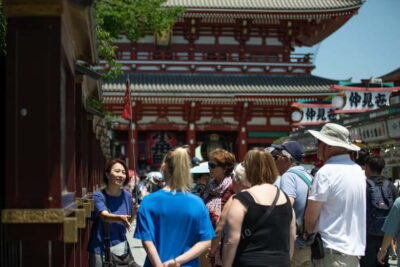
Asakusa Walking Tour with Sensoji Temple Visit
Read our review →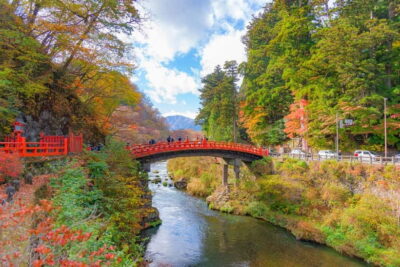
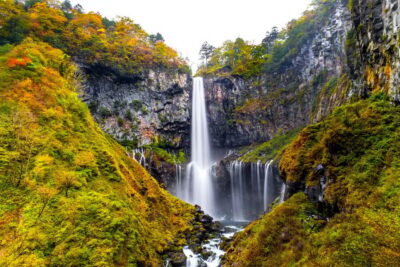
Nikko Toshogu Shrine and Kegon Waterfall Tour
Read our review →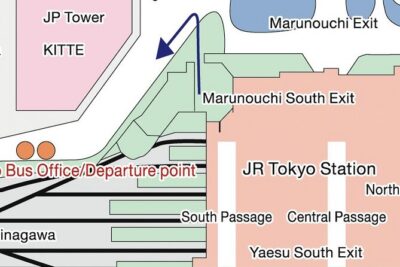
Tokyo Panoramic 1 Day: Meiji Shrine, Asakusa, Odaiba and SKYTREE®
Read our review →
1-Day Snow Monkeys, Zenko-ji Temple & Sake in Nagano
Read our review →
Arashiyama Bamboo, Temple, Monkeys, or Secret Sake Brewery
Read our review →Browse the lists this tour appears in