
Reviewed · JAPAN TEMPLE TOURS
Miyajima: Private Rickshaw Tour to Itsukushima Shrine
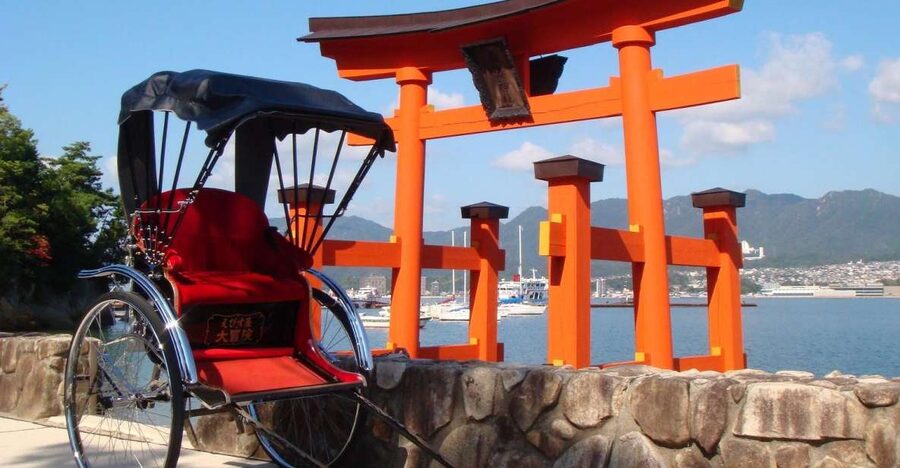
The striking sight here is the huge orange torii of Itsukushima Shrine, set in the water at high tide. You ride toward it in a private rickshaw, with a local guide pointing out old townhouses, the shopping arcade, deer, and small details you could easily miss on foot. I like the personal pace and the chance to reach scenic corners without turning the visit into a long hike.
I also like the choice of tour lengths. A short ride gives you a quick introduction, while the 70-minute option adds Daishoin Temple and its broad island views. The main drawback is space: two adults share a 74-centimeter-wide seat, and the ride is not recommended for people with back problems or pregnant women.
Key points to know before you book
- The 45-minute ride is a quick orientation: It covers central Miyajima, the old streets, waterfront, and the Itsukushima Shrine area.
- The 70-minute option adds Daishoin Temple: You get temple visits and a fine view over the island.
- The 130-minute option reaches Senjokaku Shrine: Bring 100 yen if you want to enter, since admission is separate.
- The 190-minute route is the fullest choice: It includes scenic park and seaside roads and allows more room for personal requests.
- Two adults fit, but the seat is narrow: Individual rickshaws may be more comfortable for some couples or friends.
- Your guide can shape the ride: Guides including Kim, Jose, and Shinemasa have been praised for humor, photos, local stories, and adapting when English gets tricky.
A rickshaw is a smart way to meet Miyajima
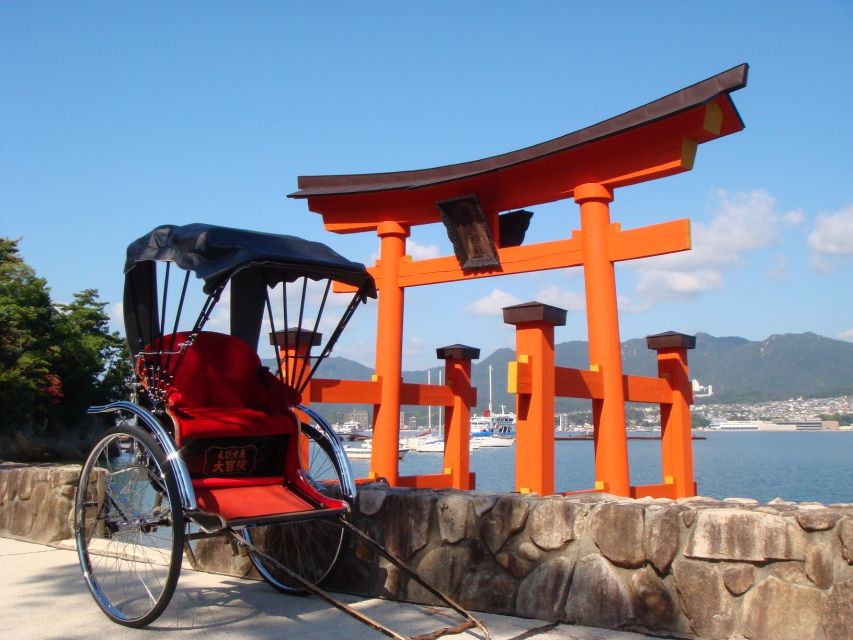
Miyajima is easy to associate with one famous view: the large vermilion torii in front of Itsukushima Shrine. But the island is more than a photo stop. Its old lanes, waterfront paths, temples, deer, and wooded routes reward a slower look.
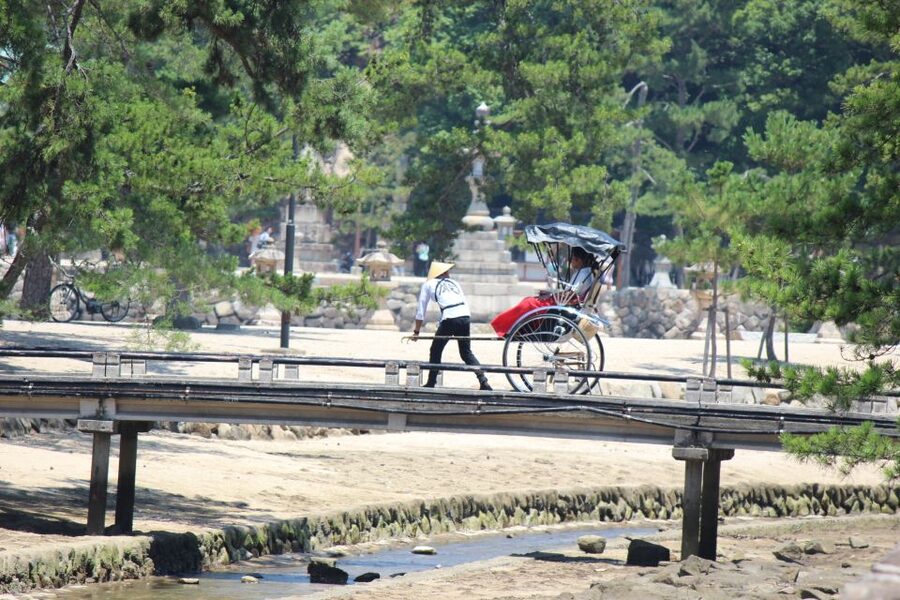
A rickshaw gives you that look without asking you to find every corner yourself. Your guide does the pulling and the navigating while you sit above the street, taking in the details. You can ask questions, stop for views, and hear how the island fits into Japanese religious and cultural life.
I especially like this format if Miyajima is one stop in a busy Japan itinerary. The ride gives you quick bearings after you leave the ferry, then turns the walk between sights into part of the visit. You are not simply being driven from one attraction to the next. The streets and waterfront are part of the experience.
The tour is private, so you are not sharing the ride with a larger group. That matters when you want photos, have a particular interest, or need a little flexibility with the route. The guide can modify the tour around your preferences and can finish at a place that works for your plans.
Other temple visits near Japan we have written up
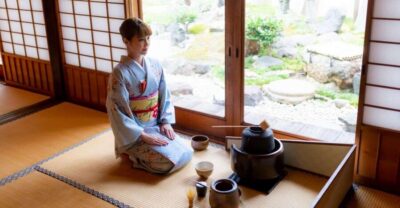
- Kyoto: Tea Ceremony Ju-An at Jotokuji Temple
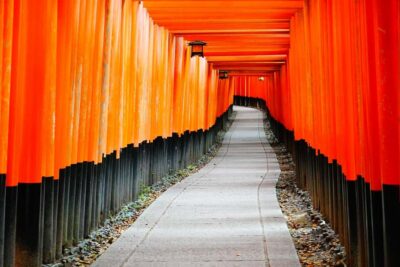
★ 4.9 · 3,207 reviews - Osaka/Kyoto:Kinkakuji,Arashiyama,FushimiInariShrine,NaraPark
★ 4.1 · 1,596 reviews - Tokyo: Asakusa Walking Tour with Sensoji Temple Visit
★ 4.8 · 1,583 reviews
Meeting the guide outside the ferry terminal
The meeting point is just outside the Miyajima Ferry Terminal. This is practical, since you do not need to search through the island after arriving by boat. After booking, the local operator sends a map and a photograph showing the meeting place.
That photo is worth checking before you arrive. Miyajima can feel busy around the ferry landing, especially when several boats unload at once. Having the meeting image ready on your phone should make the first few minutes easier.
The ride begins with the streets leading toward the center of town. This is where the rickshaw earns its keep. You can watch the island shift from ferry traffic to traditional townhouses and the old-fashioned shopping arcade, while your guide fills in the background.
The guide is Japanese-speaking, and the quality of communication may depend on the individual guide and the topic. That said, specific guides named in feedback include Kim, Jose, and Shinemasa. Kim was praised for enthusiasm, humor, photos, and explanations of Japanese customs. Jose was noted for friendly storytelling and taking guests to places they might otherwise miss. Shinemasa was described as attentive and well acquainted with the island.
One useful detail is that guides may use Google Translate when a difficult point is hard to explain in English. I would treat this as a locally led tour with some language flexibility, not as a formal English lecture. For many people, that is part of the charm. The guide’s gestures, route choices, and local knowledge still add a great deal.
From townhouses to the floating torii
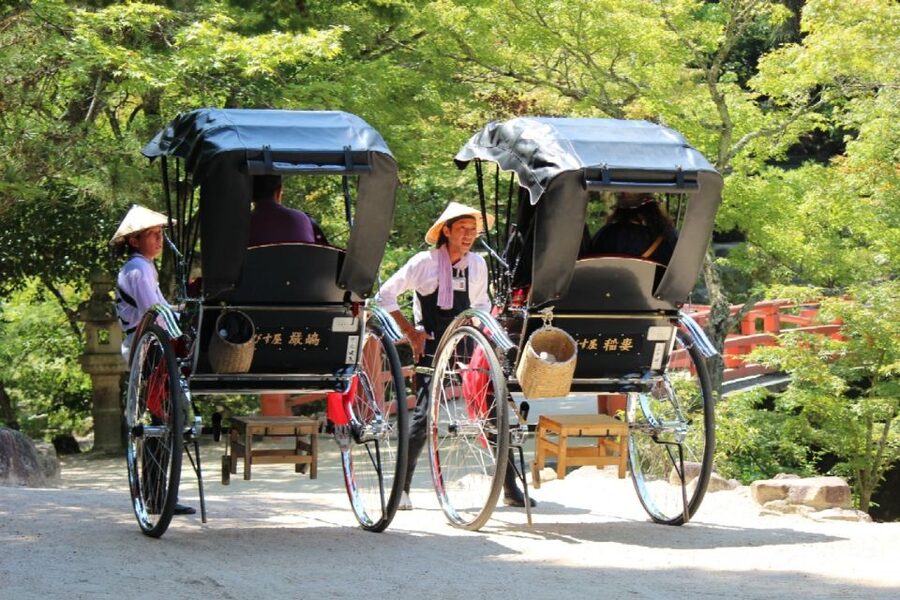
The central town portion lets you see Miyajima at street level without having to weave through every lane on foot. You pass traditional townhouses and the shopping arcade, where the island’s food and souvenirs are concentrated.
The ride then continues along the waterfront. This is the key moment for many people because the view opens toward Itsukushima Shrine and its large orange torii. At high tide, the gate appears to float in the sea. Tide conditions matter here, so you should not assume the same water-level view at every departure time.
The torii is a powerful sight, but the guide helps place it in context. Its position in the water is tied to the island’s sacred character and the approach to the shrine. Seeing it from the waterfront gives you a different feel from simply walking up for a photograph.
The short option is listed at 45 minutes. It suits you if your main goal is an introduction to Miyajima, a ride through the old center, and the shrine view. It is also the sensible choice if you already have plans for the shrine, shopping streets, or a mountain visit.
One Italian booking holder felt that 30 minutes was enough. That is useful advice for anyone who wants only a taste of the ride. The listed short tour is 45 minutes, though, so think of it as a compact introduction rather than a full island outing.
Daishoin Temple and the 70-minute choice
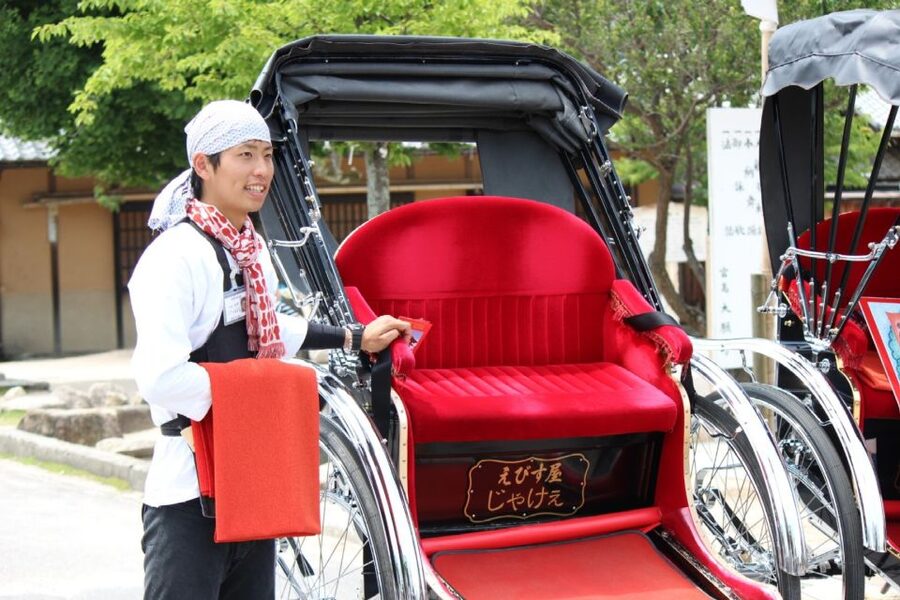
The 70-minute option adds Daishoin Temple, a temple with about 1,200 years of history. It is described as a power spot, a place associated with renewed energy and good fortune. You do not need to share that belief to appreciate the setting and the quiet change of pace from the shopping streets.
The temple also gives you a strong view over Miyajima. That makes this option a better fit if you want more than the famous torii photograph. You get a religious site, a higher viewpoint, and more time with the guide.
I would choose 70 minutes for a first visit if your schedule allows it. The 45-minute route can give you an overview, but Daishoin adds substance. It also reduces the sense that you only came to Miyajima for one Instagram image.
Temple admission is not included in the tour price. The information supplied does not give a separate Daishoin admission cost, so check the current amount when booking or at the entrance. Food and drinks are also your responsibility.
A different set of gates, same trip:
- Nikko: Kegon Falls, Lake Chuzenji & Toshogu Temple
★ 4.6 · 1,577 reviews - Tokyo: Nikko Toshogu Shrine and Kegon Waterfall Tour
★ 4.5 · 1,266 reviews - Tokyo Panoramic 1 Day: Meiji Shrine, Asakusa, Odaiba and SKYTREE®
★ 4.5 · 1,222 reviews - 1-Day Snow Monkeys, Zenko-ji Temple & Sake in Nagano
★ 5.0 · 1,020 reviews
Senjokaku Shrine on the 130-minute tour
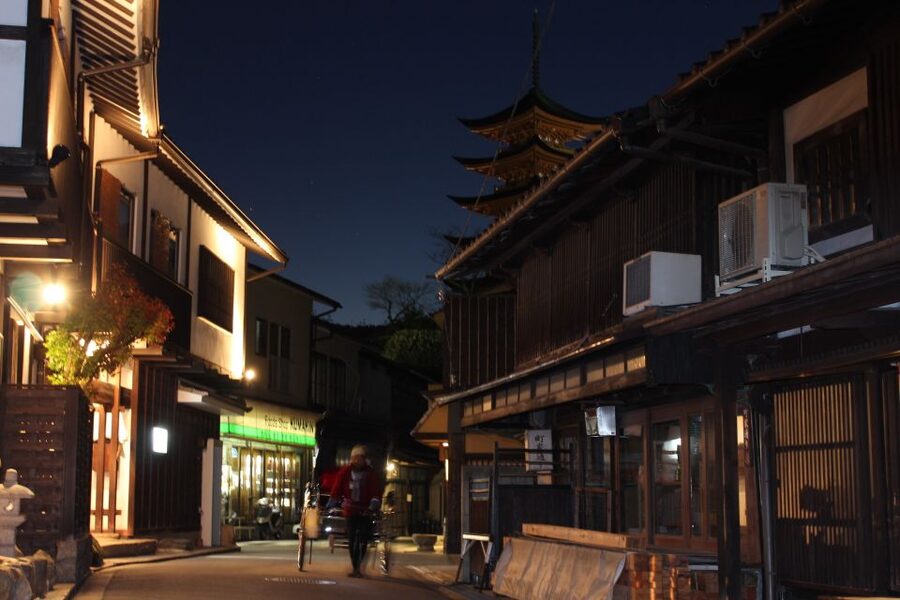
The 130-minute option includes the sights from the shorter tours and adds Senjokaku Shrine. The shrine was built under the order of Toyotomi Hideyoshi, the former shogun, and the guide explains its place in the island’s past.
The setting is part of the appeal. You can take in views toward the sea while learning why the site was created. The longer ride gives your guide more time to explain rather than rushing you through a stop.
Entry to Senjokaku Shrine costs 100 yen and is not included. Keep a small amount of yen handy if you want to go inside. That fee is modest, but it is exactly the sort of detail that can catch you out when carrying only a card.
This option makes sense for visitors who want a fuller cultural visit but do not need the longest scenic route. You get two major religious stops, the waterfront, the old town, and more time for questions. If you have only a morning or afternoon on the island, 130 minutes may be the best balance.
The 190-minute route goes beyond the main sights
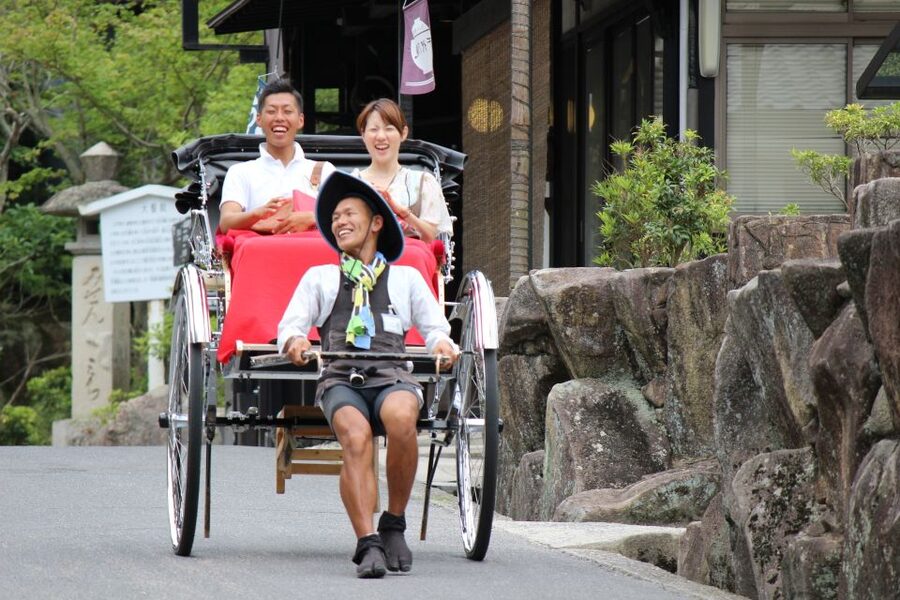
The 190-minute tour is the most flexible choice. Along with Itsukushima Shrine, Daishoin Temple, and Senjokaku Shrine, it uses scenic routes through parks and along the seaside.
These quieter roads change the rhythm of the outing. Instead of focusing only on the busiest central area, you have time to see more of the island’s natural setting and coastal views. The information does not promise a specific park or viewpoint, so you should ask the guide what route is available on the day.
The long tour is also the best fit if you want to shape the outing around your interests. You might ask for more temple time, additional photo pauses, or a slower ride along the water. The endpoint can be chosen by you, which is useful if you want to finish near a particular part of the island.
At nearly three hours, this is not a quick add-on. It uses a substantial part of your Miyajima visit, so compare it with your other plans before booking. If you want to hike, spend a long time inside Itsukushima Shrine, or browse the shopping arcade at leisure, the 190-minute ride may leave less unstructured time.
Deer, photos, and the small details
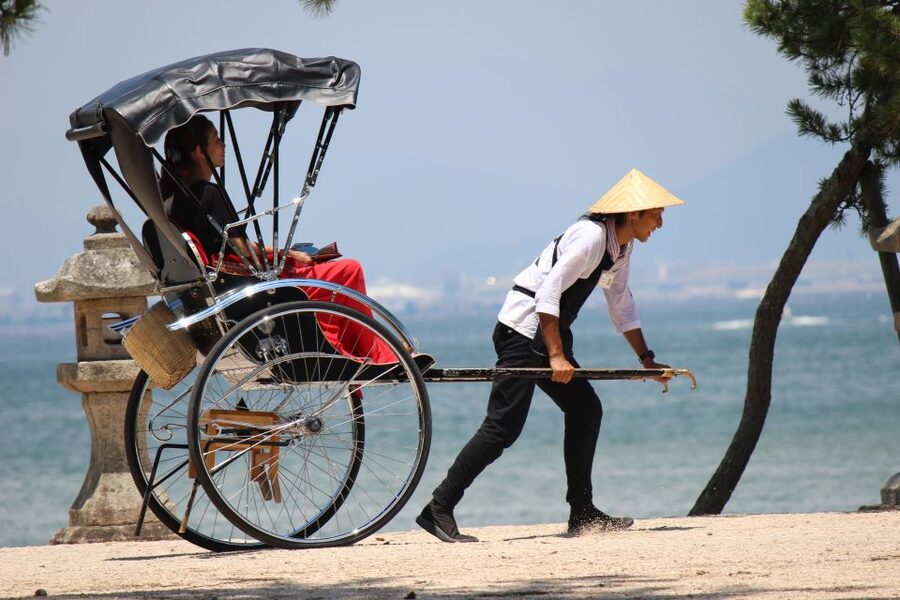
Miyajima’s deer are one of the island’s memorable features. You may see them around the town and public areas, and the tour description specifically highlights greeting them. They add a playful note to a visit otherwise centered on shrines and temples.
I would still treat the deer as part of the street scene rather than a guaranteed personal encounter. The tour includes time around the island where you may see them, but no exact animal stop is promised.
Photos are another strong point. Guides named in the feedback have been praised for taking pictures, and a private rickshaw makes it easier to pause without holding up a group. Ask your guide early if you want photos at the torii, along the waterfront, or at a temple viewpoint.
You also receive a souvenir postcard and sticker. These are small extras, not a reason by themselves to book, but they make a pleasant reminder of the ride.
Selfie sticks are not allowed. That rule matters around a moving rickshaw and crowded public spaces. Use your phone normally, and follow the guide’s directions when stopping near roads or waterfront paths.
Is the $51 price good value?
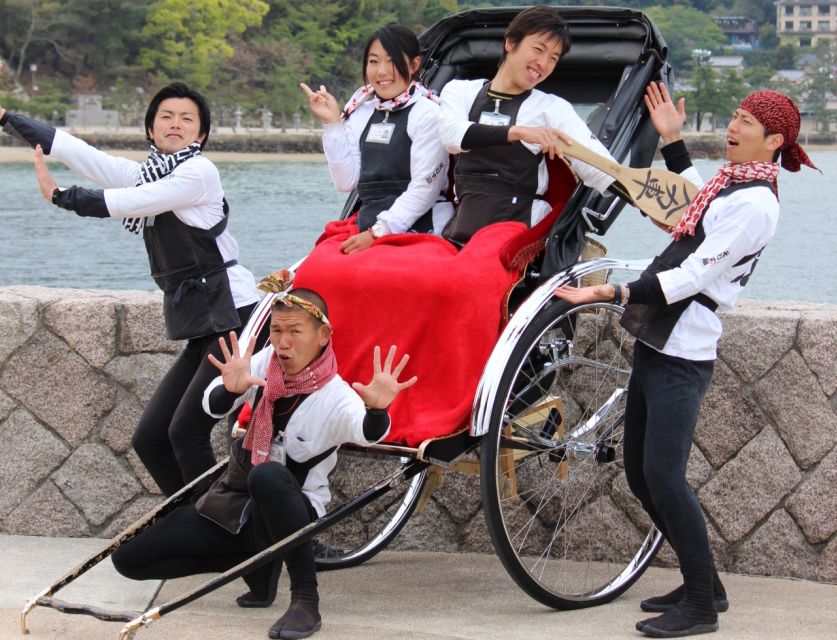
At about $51 per person, the tour costs more than simply walking around Miyajima. You are paying for a private vehicle, a local guide, route planning, and the ability to cover more ground with less effort.
The value is strongest when two adults share a rickshaw and choose at least the 70-minute option. You receive personal attention rather than joining a large group, and the ride combines transport with interpretation. It can also save energy if you have already spent the day sightseeing elsewhere in Japan.
The short ride is less of a bargain if you only want a quick trip from the ferry to the torii area. Miyajima is walkable, and one booking holder felt a very short ride was enough. The tour makes more financial sense when you use the guide’s local perspective and include Daishoin, Senjokaku, or the scenic coastal roads.
Admission fees are extra, and food and drinks are not covered. Budget for the 100 yen Senjokaku entry if you choose that route. The price can be reserved with payment later, and cancellation is free up to 24 hours before the start, which helps if your ferry or wider Japan plans are still changing.
Comfort, seating, and who should skip it
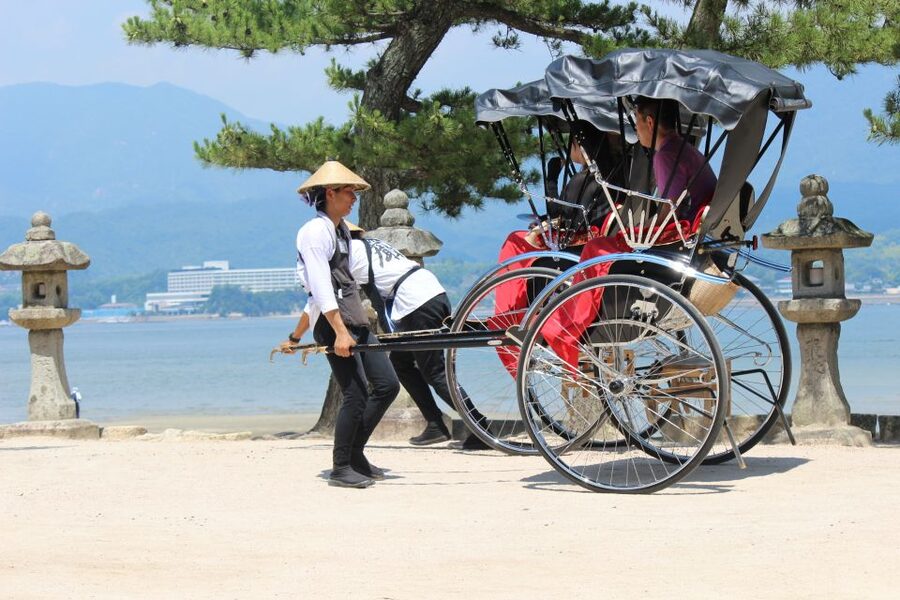
Each rickshaw holds up to two adults. The seat measures 74 centimeters, or about 29.1 inches, across. Two average-sized adults can sit side by side, but you may prefer separate rickshaws if you value personal space or find narrow seating uncomfortable.
Children aged six and under can ride free on an adult’s lap, with one child per adult. A child aged six or older who uses one of the two seats must be booked as an adult. The stated limit is two adults and two young children per rickshaw.
The ride is not recommended for pregnant women in the first 16 weeks and is listed as unsuitable for pregnant women generally. It is also not suitable for people with back problems. Do not book on the assumption that a private ride will solve a mobility or comfort concern.
A rickshaw is not a wheelchair transfer or an accessible transport service based on the information provided. If you have a specific physical need, contact the operator before paying.
How to choose the right duration
Choose the 45-minute option if you want a quick introduction, the old town, the waterfront, and the torii area.
Choose 70 minutes if Daishoin Temple and its view matter to you. This is my pick for many first-time visitors because it adds a meaningful cultural stop without taking up most of the day.
Choose 130 minutes if you want Senjokaku Shrine as well. It offers a more complete temple and shrine visit, though you should carry 100 yen for admission.
Choose 190 minutes if you want a relaxed private outing with scenic park and seaside routes. It is best when you want the guide to adapt the ride and you have enough time to give Miyajima more than a quick look.
Should you book the Miyajima rickshaw tour?
I would book this tour if you want a personal introduction to Miyajima, appreciate local stories, or prefer to cover the island without doing every connection on foot. The strongest reasons are the private format, the flexible route, the torii view, and the chance to add Daishoin or Senjokaku.
I would choose 70 minutes for the best mix of price and content, or 130 minutes if you want both major temple stops. Pick 190 minutes only if the scenic routes and customized pace are central to your plan.
Skip it if you mainly want a self-guided walk, need a wide and stable seat, or have back or pregnancy concerns. For everyone else, this is a cheerful, practical way to see more of Miyajima while giving the island’s streets, shrines, and waterfront the attention they deserve.
FAQ
Where does the Miyajima rickshaw tour meet?
Your guide waits just outside the Miyajima Ferry Terminal at the scheduled time. After booking, the local operator sends a map and photograph of the meeting place.
How long is the tour?
The available durations range from 45 to 190 minutes. Options include 45, 70, 130, and 190 minutes.
What language does the guide speak?
The live guide language is Japanese. Guides may use Google Translate when needed for communication.
How many people can ride in one rickshaw?
A rickshaw can carry a maximum of two adults. The seat is 74 centimeters wide, so some people may prefer an individual rickshaw for each passenger.
Can children ride for free?
Children aged six and under can ride free while sitting on an adult’s lap. Only one child can sit with each adult, with a maximum of two adults and two children per rickshaw.
Is Senjokaku Shrine admission included?
No. Entry to Senjokaku Shrine costs 100 yen and is paid separately.
Is the tour suitable for pregnant women or people with back problems?
No. The tour is not recommended for expecting mothers in their first 16 weeks and is listed as unsuitable for pregnant women and people with back problems.
Can I cancel the booking?
Yes. You can cancel up to 24 hours before the tour for a full refund. You can also reserve now and pay later.
Newly written up around Japan
- From Asakusa: Old Tokyo, Temples, Gardens and Pop Culture★ 5.0 · 47 reviews
- Goshuin Collecting tour at Asakusa Local Temples & Shrines, Tokyo★ 5.0 · 8 reviews
- Private guided tour: Mt. Aso volcano, grasslands, Aso Shrine★ 5.0 · 19 reviews
- Takayama Inari Shrine Tour with Private Transportation★ 5.0 · 5 reviews
- Tokyo: Snow Monkey and Zenkoji Temple Day Trip In Low Price★ 5.0 · 5 reviews
- Tokyo: Gotokuji Culture Walk & Lucky Cat Temple Experience★ 4.9 · 5 reviews
- :Tokyo,Shibuya /Meiji Shrine tour in KIMONO/English-friendly★ 5.0 · 4 reviews
- Tokyo: Sensoji Temple & Street Food: Private Tour with guide★ 4.6 · 8 reviews
Japan Temple Tours, compared.
Osaka/Kyoto:Kinkakuji,Arashiyama,FushimiInariShrine,NaraPark
Read our review →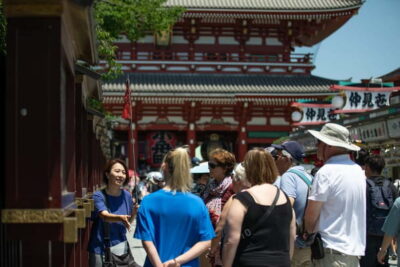
Asakusa Walking Tour with Sensoji Temple Visit
Read our review →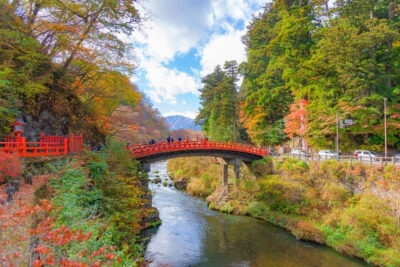
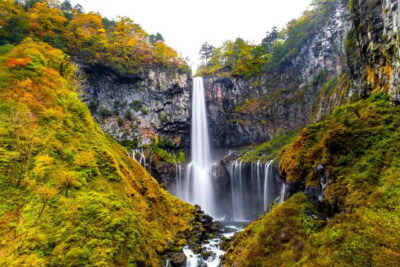
Nikko Toshogu Shrine and Kegon Waterfall Tour
Read our review →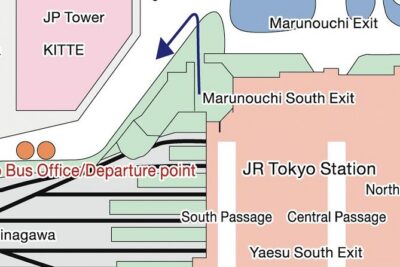
Tokyo Panoramic 1 Day: Meiji Shrine, Asakusa, Odaiba and SKYTREE®
Read our review →
1-Day Snow Monkeys, Zenko-ji Temple & Sake in Nagano
Read our review →
Arashiyama Bamboo, Temple, Monkeys, or Secret Sake Brewery
Read our review →Browse the lists this tour appears in