
Reviewed · JAPAN TEMPLE TOURS
Takayama: Onigiri and miso soup making at a buddhist temple
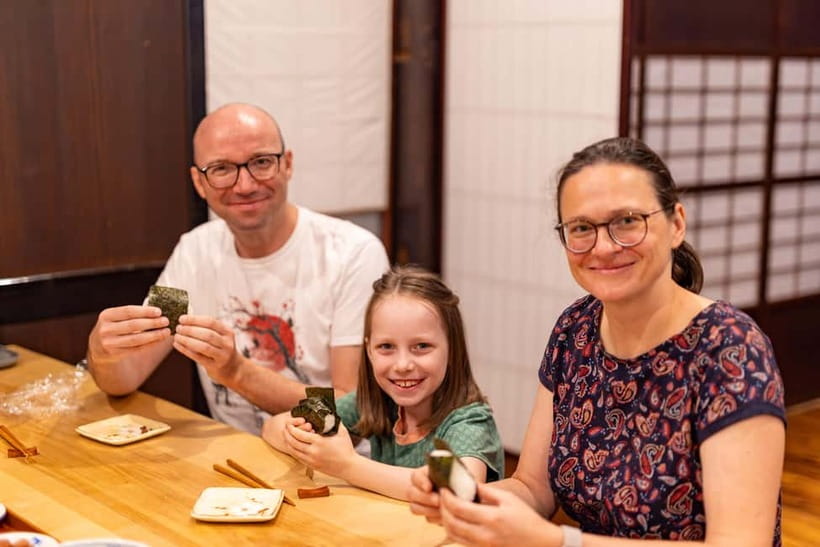
Making a meal inside a Buddhist temple gives this short Takayama class more weight than an ordinary cooking lesson. You prepare onigiri and miso soup in the temple’s kuri, then sit down to eat what you made in a quiet setting.
I like the clear, hands-on instruction and the chance to learn about food through Buddhist ideas of gratitude and respect. I also like the small-group feel, which gives instructors such as Kazuki and Tama time to guide each person. The main limitation is the one-hour format: you learn the basics, but there is not much time for a long cultural talk or a leisurely meal.
Key points at a glance
- Cook in the temple kuri: The class takes place in the kitchen space of a Buddhist temple rather than a busy restaurant.
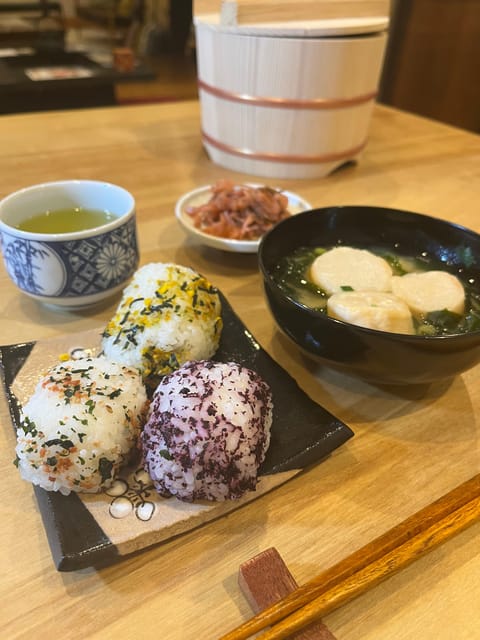
- Make two Japanese staples: You prepare onigiri, Japan’s familiar rice balls, and miso soup, then eat your own work.
- English instruction: The class is conducted in English, with step-by-step help from the instructor.
- A spiritual element: Some sessions begin with a prayer or include paying respects to the temple’s patron.
- Good value for a short activity: At $25 per person, the price covers instruction, ingredients, and a breakfast or lunch.
- Plan your arrival carefully: Transportation is not included, and you should arrive 10 minutes early.
A quiet start inside Takayama’s temple kitchen
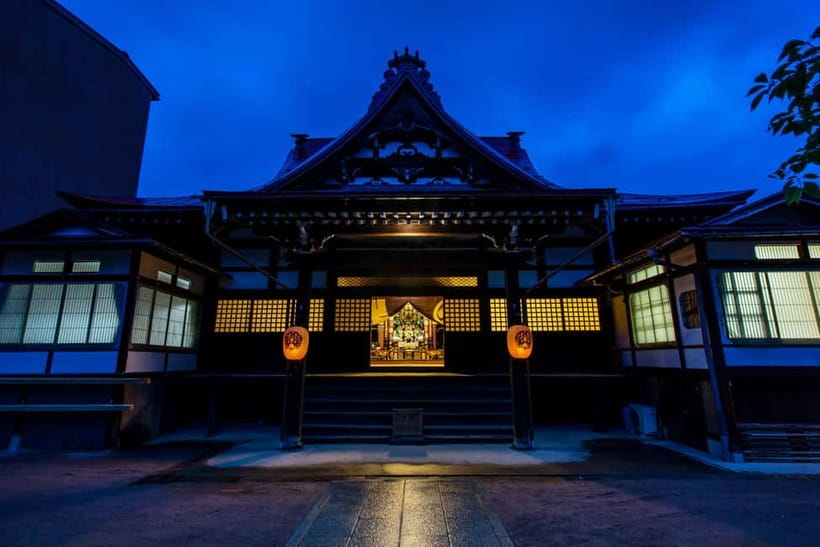
The experience begins at a Buddhist temple in Takayama, in the mountain city of Gifu Prefecture. You’ll recognize the meeting point by the two gates in front of the temple. Enter through the gate closer to the traffic lights, walk straight toward the entrance, and follow the directions there.
That arrival detail matters. The meeting instructions are simple, but the temple grounds may not feel like a standard tour meeting point. Give yourself enough time to identify the correct gate and reach the entrance without rushing.
Inside, the class moves to the kuri, the temple kitchen. This setting changes the mood straight away. You are not simply learning how to shape rice at a commercial cooking studio. You are preparing food in a working temple environment, where meals connect with daily practice, hospitality, and gratitude.
The activity lasts one hour, so expect a compact lesson rather than a full morning course. That is useful if you have only a day or two in Takayama, or if you want to fit a cultural activity around sightseeing, but the schedule also means the instructor keeps things moving.
Other temple visits near Japan we have written up
- Kyoto: Tea Ceremony Ju-An at Jotokuji Temple
★ 4.9 · 3,207 reviews - Osaka/Kyoto:Kinkakuji,Arashiyama,FushimiInariShrine,NaraPark
★ 4.1 · 1,596 reviews - Tokyo: Asakusa Walking Tour with Sensoji Temple Visit
★ 4.8 · 1,583 reviews
Step by step: shaping onigiri by hand
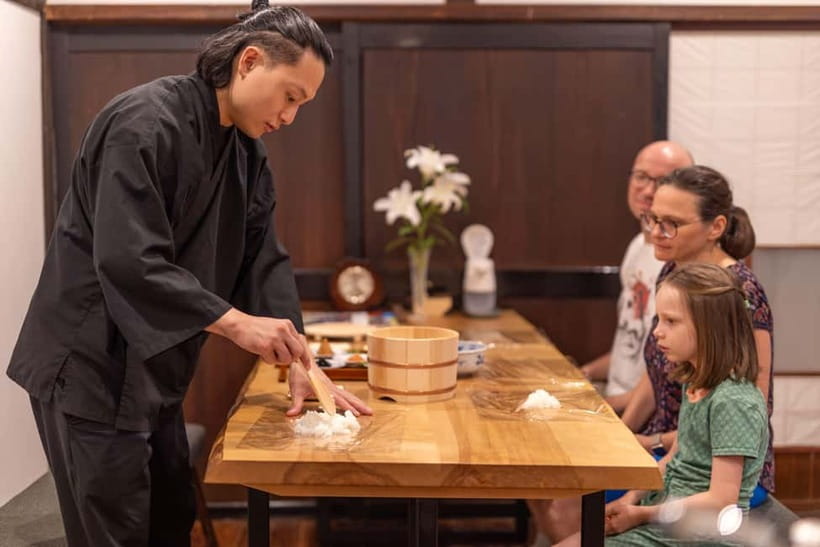
The central task is making onigiri, a simple Japanese rice ball that is easy to recognize but surprisingly particular in its preparation. You’ll work with rice and fresh seasonal ingredients, then shape the rice by hand under the instructor’s guidance.
This is the sort of cooking task where small instructions help. The instructor can show you how to handle the rice, add the filling or other ingredients, and form the rice into a shape that holds together. You do not need advanced cooking skills. The appeal is in taking part, not producing restaurant-perfect food.
The class is especially useful for anyone who has eaten onigiri from a convenience store or train station and wants to understand the dish more closely. You learn why fresh rice, simple fillings, and careful handling matter. You also get to eat the finished result while it is fresh, rather than treating onigiri as a packaged snack.
Several instructors have been praised for their patient, friendly teaching. Kazuki is noted for explaining the process clearly and discussing ingredients and food traditions in excellent English. Tama is another warm and helpful guide associated with the experience. The exact instructor can vary, but English communication is part of the activity.
The class may include more than one style or variation of the food. One session included three variations of mochi, though the main advertised dishes are onigiri and miso soup. Do not book expecting a long menu or a large cooking spread. The value is the practical lesson and the setting.
Miso soup and the meaning of a Japanese meal
Miso soup sounds straightforward, but it offers the best opening for talking about everyday Japanese food. You’ll learn how the soup is prepared, how the miso is used, and how ingredients work together in a dish that is often served as part of a wider meal.
The soup is prepared alongside the rice balls, giving you two different kinds of kitchen work. Onigiri is tactile and direct. You shape it with your hands. Miso soup asks you to pay closer attention to balance, timing, and the character of the ingredients.
Seasonal ingredients are part of the experience, and vegetarian options are available. If you follow a vegetarian diet, mention it when booking or at the start of the class so the staff can guide you to the suitable choices. The supplied information does not promise options for every other dietary restriction, so you should ask ahead if you have allergies or special requirements.
The food is also a way into Buddhist ideas. The lesson may touch on mindful preparation, respect for ingredients, and gratitude before eating. Some sessions begin with a prayer, and one participant was invited to attend morning prayer the following day. That invitation is not described as a standard part of every booking, but it shows how the class can connect with the wider life of the temple.
You should not expect a formal religious lecture. The spiritual side is woven into the cooking and meal rather than presented as a long talk. That balance works well for people who want cultural context without turning a one-hour food class into a theology lesson.
Eating what you made in a peaceful setting
The best part of the schedule comes at the end, when you eat the onigiri and miso soup you prepared. This gives the class a clear purpose. You are not just watching a demonstration or copying a recipe. You finish with a meal that reflects your own work.
The food serves as breakfast or lunch, depending on the starting time. It is not described as a large restaurant meal, but the portions have been considered plentiful and satisfying in past sessions. The miso soup receives especially strong praise, with several people calling it the highlight of the meal.
The quiet temple setting adds something you cannot get from a standard food hall. You can slow down, talk with the instructor, and think about the connection between preparation and eating. I like this part because it turns a basic meal into a cultural lesson without making the experience feel stiff.
The atmosphere also suits solo visitors. You can focus on the instructor and the food without needing a large group to create energy. Couples and small groups should find it easy to take part together, while families should note that children under 10 are not accepted.
A different set of gates, same trip:
- Nikko: Kegon Falls, Lake Chuzenji & Toshogu Temple
★ 4.6 · 1,577 reviews - Tokyo: Nikko Toshogu Shrine and Kegon Waterfall Tour
★ 4.5 · 1,266 reviews - Tokyo Panoramic 1 Day: Meiji Shrine, Asakusa, Odaiba and SKYTREE®
★ 4.5 · 1,222 reviews - 1-Day Snow Monkeys, Zenko-ji Temple & Sake in Nagano
★ 5.0 · 1,020 reviews
What the English guidance is really like
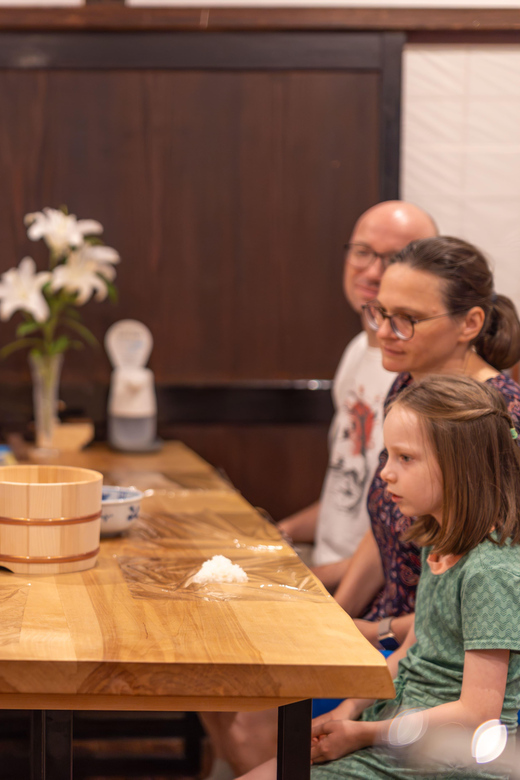
English is the working language of the class. That is important because the value depends on more than following hand movements. You want to understand the ingredients, the method, and the cultural explanation.
The instructors are described as clear and friendly, with a step-by-step teaching style. One instructor was praised for explaining both dishes in a way that made the process easy to follow. Another was able to discuss Japanese cuisine, local customs, and personal views about food in English.
The quality of conversation can vary with the group size and the instructor on the day. In a very small group, you may receive close attention and have plenty of time to ask questions. In a fuller class, the pace may feel quicker.
One useful detail is that a recipe may be provided to take home. That turns the experience into something practical rather than a one-off holiday memory. You can try the dishes again after returning home, using the class as a starting point rather than a final answer.
What the $25 price includes
At $25 per person, this is a fair price for a one-hour activity in Takayama. The fee includes the onigiri and miso soup, ingredients, English guidance, and the use of the temple kitchen for the lesson.
The value is strongest if you want cultural context as well as food. A meal alone could cost less, but it would not give you the preparation lesson, contact with temple staff, or the chance to ask about Japanese food customs.
The price is less compelling if you want a long cooking course with several dishes. You are paying for a focused introduction, not a half-day culinary program. One hour gives you enough time to learn the main techniques and eat, but not enough for an extended discussion of regional cuisine or Buddhist practice.
The reserve-now, pay-later option can help if your Takayama plans are still shifting. You can also cancel up to 24 hours before the activity for a full refund. Check the available start times before booking, since the class can work as breakfast or lunch depending on the schedule.
Getting there and choosing the right time
Transportation to the temple is not included, so you must make your own way to the meeting point. The directions refer to the two temple gates and the gate closer to the traffic lights. Arrive 10 minutes early, especially if you are unfamiliar with the area.
Parking deserves a quick check before you go. One booking note raised confusion about parking, so do not rely on assumed on-site parking or on a casual verbal promise. Confirm your transport plan in advance, particularly if you are driving.
The class works well as a morning activity before a day of sightseeing, or as a relaxed lunch stop. A morning booking may feel especially fitting if you value the temple atmosphere and want to begin the day quietly. A midday booking gives you a useful break from walking around Takayama.
The experience is not suitable for wheelchair users, and children under 10 cannot join. The information also lists people with altitude sickness as unsuitable, so take that restriction seriously when deciding if the activity is right for you.
Who will enjoy this one-hour class
I would recommend this experience to you if you want a direct way to meet Japanese culture through food. It suits people who enjoy cooking, first-time visitors looking for context, and anyone who prefers a small activity with a strong sense of place.
It is also a good choice if you have limited time. One hour is long enough to learn, eat, and ask questions, yet short enough to fit around Takayama’s other sights.
The class may not suit you if you need full wheelchair access, are traveling with young children, or want a long and technically demanding cooking course. It may also feel too brief if your main interest is detailed Buddhist history rather than food.
For vegetarians, the available options make this easier to consider, though you should still confirm ingredients if you have allergies. For solo visitors, the English-speaking instruction and small-group atmosphere can make the activity feel personal rather than awkward.
Should you book the temple cooking experience?
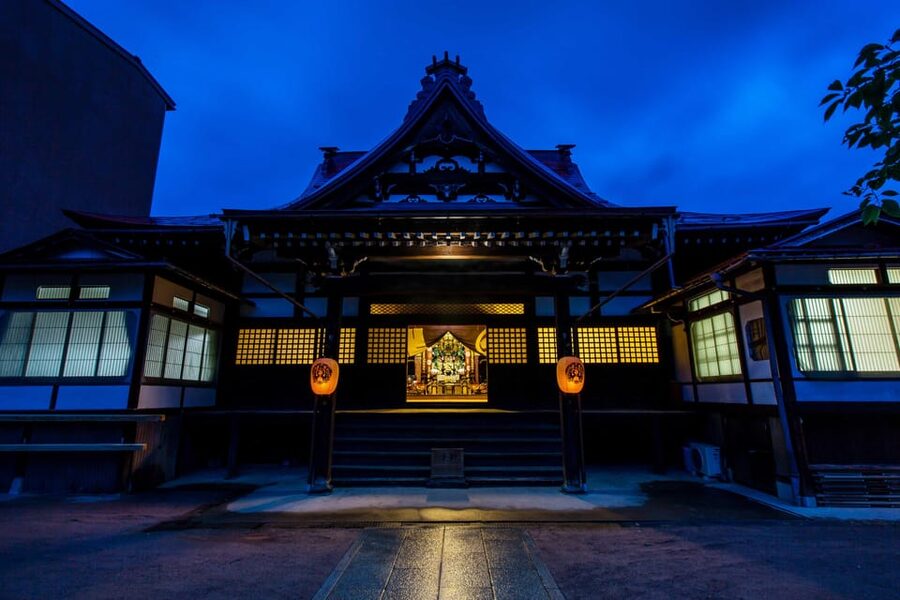
Yes, if you want a modestly priced activity that links food, place, and Japanese spirituality. The strongest reasons to book are the peaceful temple kitchen, the friendly English instruction, and the chance to eat food you have just prepared.
Book it with the right expectations. You will learn the basics of onigiri and miso soup in one focused hour, not complete a long chef’s course. Arrive early, plan your transport, check the start time, and ask about dietary needs before the class begins.
For $25, this is one of the more memorable ways to spend an hour in Takayama. You leave with a meal, a recipe, and a better sense of why simple Japanese food can carry so much meaning.
FAQ
How long does the onigiri and miso soup class last?
The activity lasts one hour. Check the available start times when booking.
What food will I prepare?
You will prepare onigiri and miso soup using fresh, seasonal ingredients. Some sessions may also include other Japanese foods, such as mochi variations.
Is the class conducted in English?
Yes. The instructor teaches in English, and English-speaking guides such as Kazuki and Tama have led sessions.
Is food included in the price?
Yes. Your $25 fee includes the onigiri and miso soup you prepare and eat as breakfast or lunch.
Are vegetarian options available?
Yes. Vegetarian-friendly options are available. If you have allergies or other dietary needs, ask about suitable ingredients before the class.
Where do I meet the instructor?
Look for the two gates in front of the temple. Enter through the gate closer to the traffic lights, walk straight to the entrance, and follow the directions.
How early should I arrive?
Arrive 10 minutes before the scheduled start time. Transportation to the temple is not included, so plan your route in advance.
Newly written up around Japan
- From Asakusa: Old Tokyo, Temples, Gardens and Pop Culture★ 5.0 · 47 reviews
- Goshuin Collecting tour at Asakusa Local Temples & Shrines, Tokyo★ 5.0 · 8 reviews
- Private guided tour: Mt. Aso volcano, grasslands, Aso Shrine★ 5.0 · 19 reviews
- Takayama Inari Shrine Tour with Private Transportation★ 5.0 · 5 reviews
- Tokyo: Snow Monkey and Zenkoji Temple Day Trip In Low Price★ 5.0 · 5 reviews
- Tokyo: Gotokuji Culture Walk & Lucky Cat Temple Experience★ 4.9 · 5 reviews
- :Tokyo,Shibuya /Meiji Shrine tour in KIMONO/English-friendly★ 5.0 · 4 reviews
- Tokyo: Sensoji Temple & Street Food: Private Tour with guide★ 4.6 · 8 reviews
Japan Temple Tours, compared.
Osaka/Kyoto:Kinkakuji,Arashiyama,FushimiInariShrine,NaraPark
Read our review →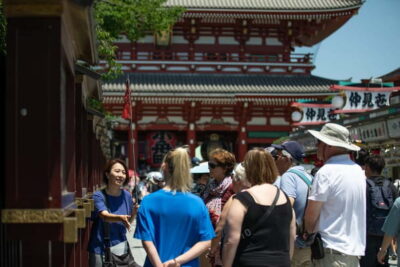
Asakusa Walking Tour with Sensoji Temple Visit
Read our review →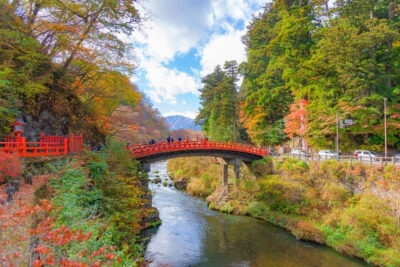
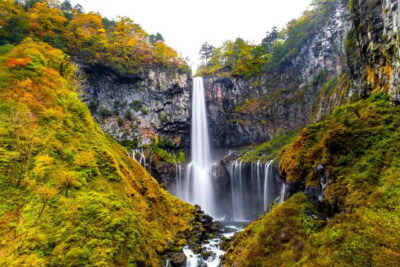
Nikko Toshogu Shrine and Kegon Waterfall Tour
Read our review →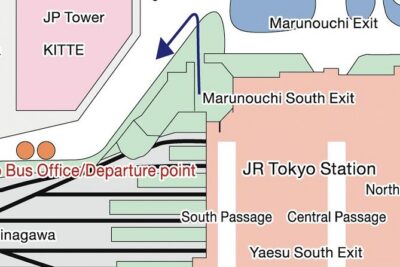
Tokyo Panoramic 1 Day: Meiji Shrine, Asakusa, Odaiba and SKYTREE®
Read our review →
1-Day Snow Monkeys, Zenko-ji Temple & Sake in Nagano
Read our review →
Arashiyama Bamboo, Temple, Monkeys, or Secret Sake Brewery
Read our review →Browse the lists this tour appears in