
Reviewed · KYOTO TEMPLE TOURS
Kyoto: Kifune Shrine and the Sacred Kifune Valley Day Trip
Kifune Valley gives you a quiet side of Kyoto, where clear mountain streams, tall trees, and the sacred grounds of Kifune Shrine replace the city’s crowded lanes. The trip combines a scenic Eizan Railway ride with a guided visit to the shrine’s main hall and Nakamiya, the middle shrine.
I like the simple mix of nature and Shinto spirituality, and I like that this is a private group rather than a large bus outing. Guides Yoshi and Kisho Hasegawa have earned praise for their kindness and cultural explanations. The main caution is meeting-point confusion, so check your exact starting location carefully before setting out.
Key points to know before booking
- A scenic train ride leads you from Kyoto toward Kifune Valley, adding a pleasant rural stretch to the outing.
- Kifune Shrine includes more than one sacred stop, with time at the main site and Nakamiya, the middle shrine.
- The Mizu-ura fortune ritual gives the visit a hands-on spiritual element, rather than making it only a sightseeing walk.
- This is a private-group experience, with Japanese and English guide options.
- The day can last from 90 minutes to four hours, depending on the option and schedule you book.
- Meeting details need close attention, since the starting point may vary and one booking was affected by a wrong meeting location.
Why Kifune Valley makes a good break from Kyoto
Kyoto is famous for temples, gardens, and busy streets. Kifune offers a different rhythm. The valley sits in the mountains outside the city, beside clear streams and thick woodland. The setting does much of the work here. You are not simply checking another shrine off a list. You are walking through a place where water, forest, and worship are closely linked.
I like this kind of short outing because it gives you a change of pace without requiring a full overnight trip. The journey from Kyoto includes a ride on the Eizan Railway, which carries you from Demachiyanagi Station toward Kifune-guchi Station. The train ride is part of the pleasure, since the city gradually gives way to quieter countryside.
The experience is also a good fit if you want cultural context but do not want a packed program of several unrelated sights. The focus stays on one valley and its sacred sites. That makes the visit feel more coherent and gives your guide room to explain what you are seeing.
Do not expect a full-day tour packed with stops. Depending on your selected option, the experience lasts between 90 minutes and four hours. That range matters. Some departures may be brief and focused, while others allow more time for the train journey, walking, shrine visits, and return to Kyoto.
More Day Trips in Kyoto:
- Athens: Cape Sounion & Poseidon Temple Sunset Half-Day Trip
★ 4.8 · 8,241 reviews - From Aswan: Abu Simbel Temple Day Trip with Hotel Pickup
★ 4.4 · 2,807 reviews - From Malta: Gozo Day Trip Including Ggantija Temples
★ 4.2 · 2,399 reviews
Starting in Kyoto and riding toward Kifune
The journey begins with directions connected to Kyoto Station’s JR West Exit and continues to Demachiyanagi Station. From there, you board the Eizan Railway for the ride toward Kifune-guchi.
This transfer requires some attention. The meeting point may vary by booking, and the available starting options are listed as Kifune Ichinotani Sightseeing Toilet and Kurama Mountain Great Tengu. Those names are unusual enough that you should not rely on memory or a general map pin. Check the precise instructions attached to your reservation.
One booking lost time after the group went to the wrong meeting point. That is the clearest practical warning connected with this outing. I would confirm the meeting location, the starting time, and whether you are expected to begin near Kyoto or already in the Kifune area. A few minutes of checking can protect a large part of a short tour.
The train portion gives the day a gentle start. You get a look at Kyoto beyond its central streets before arriving at Kifune-guchi Station. The provided details do not specify how much of the route is guided or how transfers are handled, so ask if you are unsure about where to meet the guide.
Exploring Kifune Shrine’s main grounds
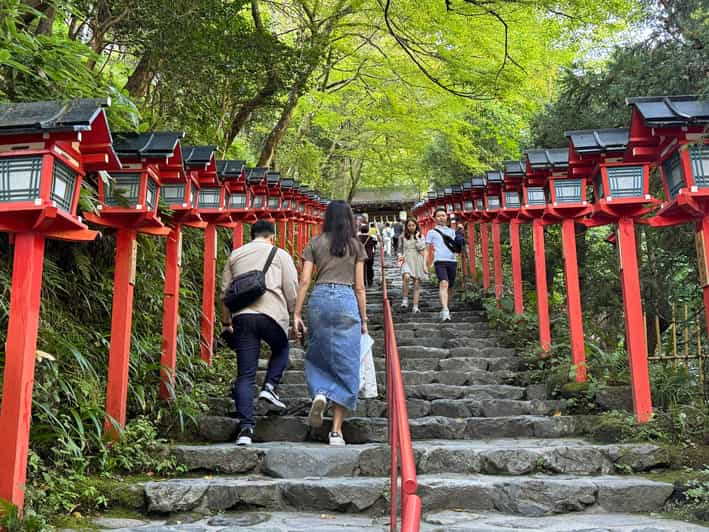
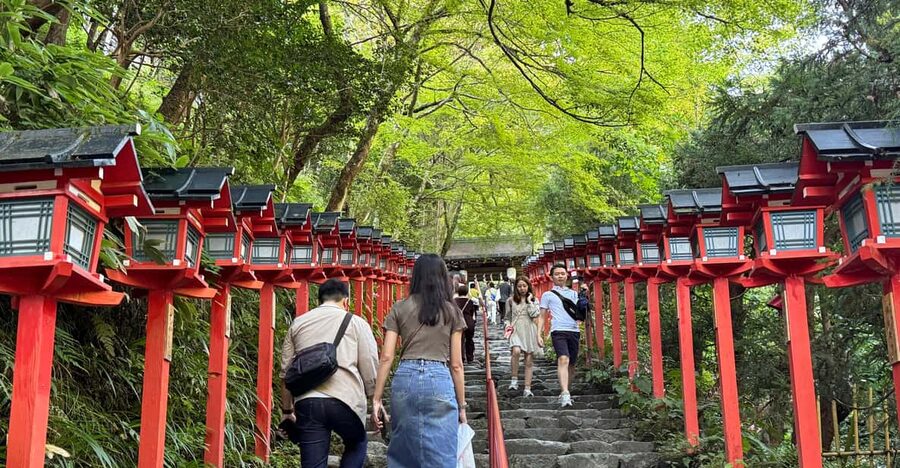
At the main site, you have about 30 minutes listed for exploring the shrine grounds, while the broader guided shrine visit is described as lasting about 1.5 hours. That suggests the exact timing can vary by option. The central visit includes sightseeing and walking, so comfortable shoes are essential.
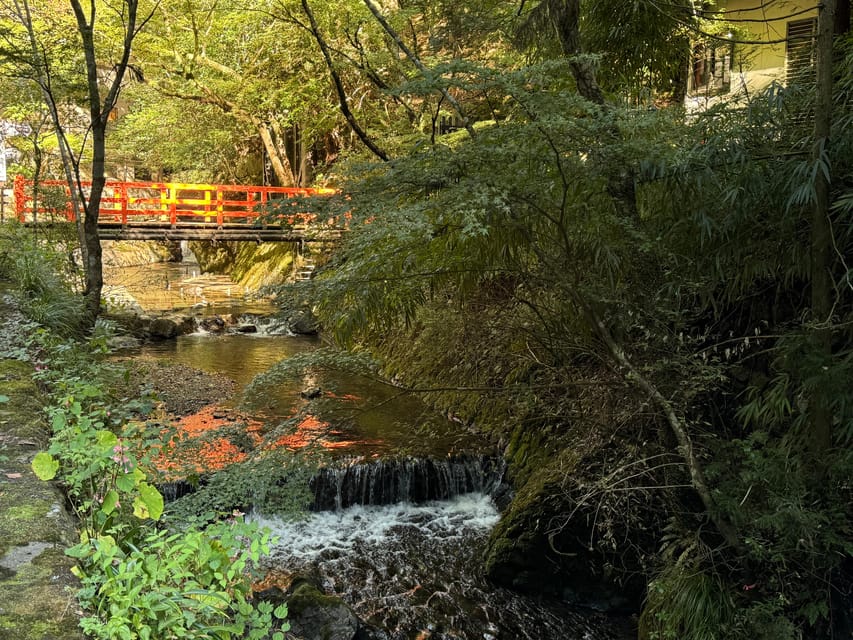
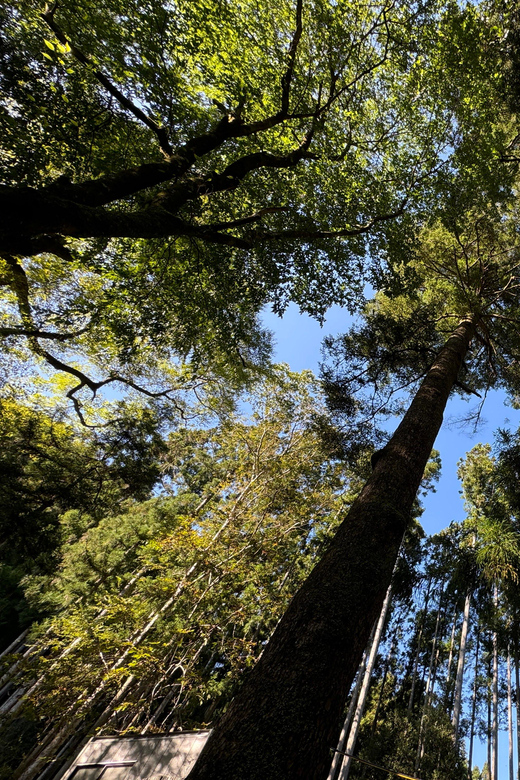
Kifune Shrine is surrounded by forest and mountain water. That setting is the key reason to make the trip. The grounds should appeal to you if you prefer quiet places where the natural surroundings are part of the religious experience, not just a backdrop for photos.
Your guide can give meaning to the details that are easy to miss when you visit alone. The Japanese and English guide options make the tour useful for visitors who want explanations as they walk. Yoshi is praised for being kind and for explaining Japan’s past and culture clearly. Kisho Hasegawa is also praised for his courteous manner and cultural knowledge.
The shrine visit is not built around a long list of attractions. It is slower and more focused. You may spend time looking at the main hall, listening to the guide, and noticing the relationship between the shrine and the stream nearby. Bring a camera, but leave room for quiet observation too. The strongest part of Kifune is its calm atmosphere.
Nakamiya and the wider spiritual meaning
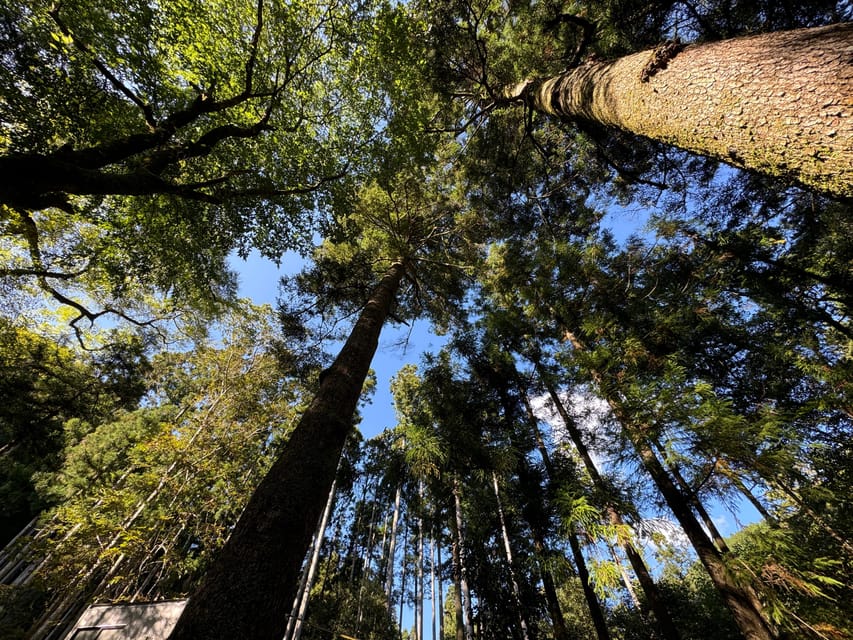
The visit continues to Nakamiya, described as Kifune Shrine’s middle shrine. This second stop gives the tour more depth than a quick visit to the main hall alone. It helps you see the shrine as a group of connected sacred places rather than one isolated building.
The information provided does not give a detailed route between the sites, so you should expect walking and possible uneven ground. The tour is not suitable for wheelchair users, and comfortable walking shoes are specifically recommended. If you have limited mobility, contact the provider before booking so you can confirm whether the route works for you.
Nakamiya is valuable for visitors who want more than a photograph at the most recognizable part of the shrine. The extra stop creates space for your guide to explain the spiritual importance of the valley and the role of water in the site’s traditions. You get a better sense of why this particular mountain setting matters.
I also like that the visit leaves room for reflection. Not every Kyoto activity needs to be loud, crowded, or packed with facts. A private group can make it easier to ask questions and pause when something interests you.
Other temple visits near Kyoto we have written up
- Kyoto: Tea Ceremony Ju-An at Jotokuji Temple
★ 4.9 · 3,207 reviews - Osaka/Kyoto:Kinkakuji,Arashiyama,FushimiInariShrine,NaraPark
★ 4.1 · 1,596 reviews - Arashiyama Bamboo, Temple, Monkeys, or Secret Sake Brewery
★ 4.8 · 886 reviews - Kyoto: Arashiyama Bamboo Forest, Monkeys, Matcha & Temple Tour
★ 5.0 · 759 reviews
Trying the Mizu-ura water fortune ritual
One distinctive feature is the chance to try the Mizu-ura fortune ritual, a rare water divination experience. This adds a practical and memorable element to the shrine visit. Instead of only looking at buildings, you take part in a traditional fortune practice connected with water.
The supplied details do not explain the exact steps of the ritual, so your guide will be the best source for instructions on the day. Treat it as an optional cultural experience rather than the sole reason to book. The real appeal of Kifune comes from the combination of the shrine, forest, stream, and guided context.
The ritual is especially useful if you enjoy learning through participation. You can ask your guide what the fortune means and how the practice fits into the shrine’s traditions. If you prefer simple sightseeing, you can still appreciate the setting without making the ritual the center of your visit.
How much value do you get for $81?
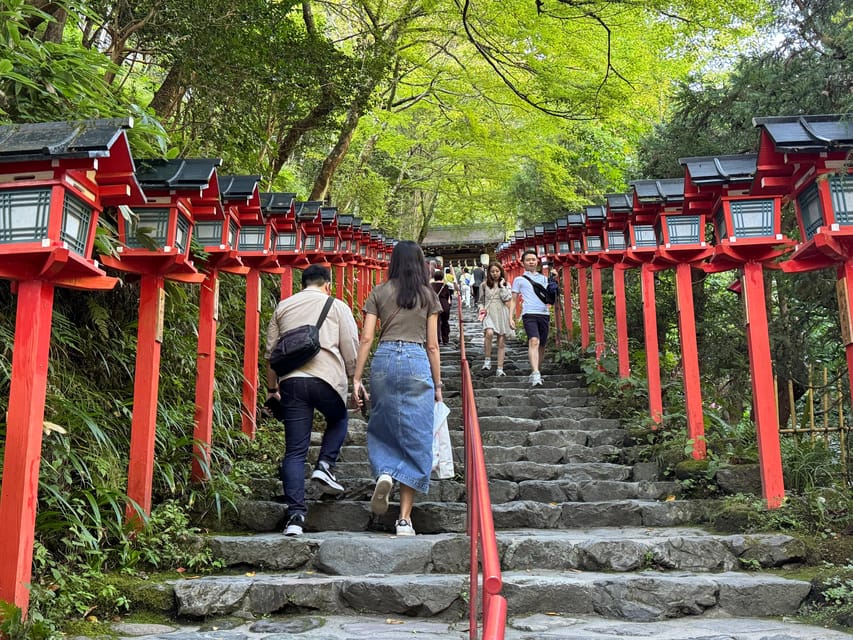
At $81 per person, the price is not just paying for entry to a shrine. You are paying for a private-group format, a live guide in Japanese or English, help with the route, and access to an outing that combines train travel with a mountain shrine visit.
The value depends heavily on the duration you receive. If your booking runs close to four hours, the price is easier to justify for someone who wants transportation guidance, cultural explanation, and a carefully arranged visit outside central Kyoto. If the option you choose lasts closer to 90 minutes, compare it with the cost and effort of reaching Kifune independently.
A private group can be worth more than a cheaper shared outing if you want to ask questions or move at your own pace. It also avoids the feel of being herded between stops. On the other hand, meals and drinks are not included, so budget separately for refreshments.
I would view the price as reasonable for a visitor who values a guide and wants a straightforward introduction to Kifune. It is less compelling for an experienced Kyoto visitor who is comfortable navigating trains and shrine visits alone. In that case, the main benefit is the guide’s explanation and the convenience of an organized plan.
The guides can shape the whole experience
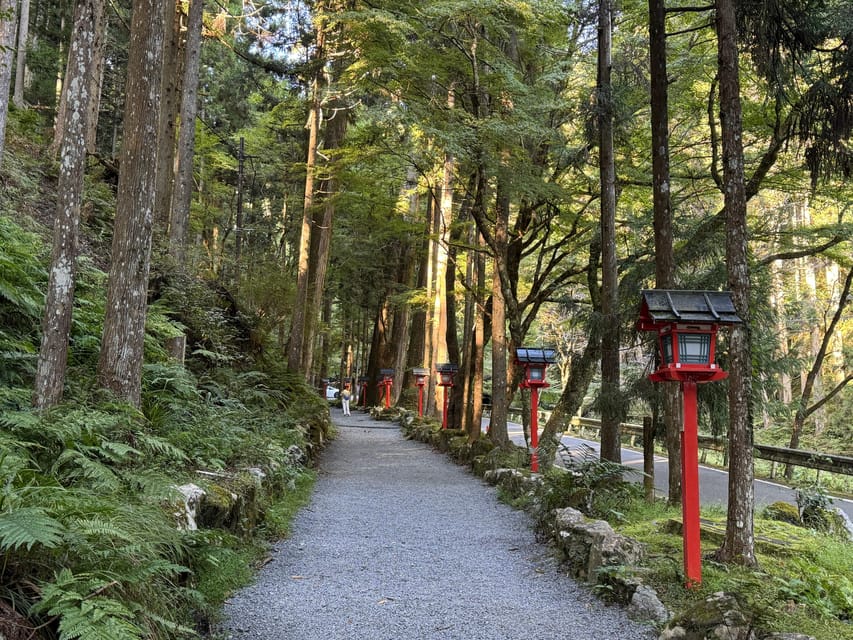
The strongest praise is directed at the guides. Yoshi is described as kind and very well informed about Japan’s culture and past. Kisho Hasegawa receives similar praise for his friendly manner and ability to explain cultural facts.
That matters here because Kifune’s appeal is subtle. You can see the trees, water, and shrine buildings without a guide. The added value comes from understanding why the site is sacred and how the different shrine areas relate to one another.
The experience is offered in Japanese and English. Since the group is private, you may have a more personal conversation than you would on a large scheduled tour. If you have a particular interest in Shinto customs, the Mizu-ura ritual, or the history of the shrine, prepare a few questions in advance.
The overall rating is 4.4 from four reviews, which is positive but based on a small sample. The individual feedback is mostly very strong, while one booking had a serious meeting-point problem. I would give the guide quality real weight, but I would also treat the logistics as something you must verify for yourself.
Timing, walking, and what to bring
This outing is best for you if you can walk comfortably and handle a day that includes train travel, sightseeing, and shrine paths. Bring water and a camera. Wear shoes made for walking rather than sandals or stiff city footwear.
The return to Kyoto is planned for late afternoon, with the day concluding by 16:00 in the described schedule. That leaves some time for an evening meal or another activity in Kyoto, although you should confirm the exact end time for your selected option.
The duration range of 90 minutes to four hours is unusually broad. Check availability and the start time before booking, then make sure the option matches your plans. A shorter outing may work well if you have only a small gap in your Kyoto schedule. A longer option gives the valley more room to breathe.
There are no meals or beverages included. Kifune has a peaceful mountain setting, but do not assume that food is part of this booking. Carry water, especially if you are visiting during a warm season.
Who should book this Kifune outing?
I would recommend it to you if you want a quiet half-day away from Kyoto’s central sights, enjoy sacred places in natural settings, and prefer a private guide to explain what you are seeing. It is also a strong choice if navigating Japanese train connections makes you uneasy.
The trip suits couples, families with older children, and small private groups who want a calm cultural outing. It may also appeal to repeat visitors who have already seen Kyoto’s major temples and want a less familiar setting.
I would think twice if you dislike walking, need wheelchair access, or want a food-focused day. I would also hesitate if you are looking for a long list of attractions. Kifune is about one valley, one shrine complex, and the feeling of getting away from the city.
Finally, take the meeting point seriously. The biggest avoidable problem is not the shrine or the train. It is arriving at the wrong place and losing time. Confirm the location and option details before you leave Kyoto.
Should you book it?
Book this experience if you want a private, guided visit to Kifune Shrine with a scenic train ride, mountain air, Nakamiya, and the Mizu-ura fortune ritual. The guides, especially Yoshi and Kisho Hasegawa, add useful cultural context, and the setting offers a welcome pause from central Kyoto.
Skip it if you are confident traveling independently, need step-free access, or want a full day of many different sights. For everyone else, $81 can be fair value, provided you choose a longer option and confirm the meeting point carefully.
FAQ
Where does the experience take place?
It takes place in Kifune Valley in Kyoto, on Honshu, Japan, with travel from Kyoto toward Kifune-guchi Station and visits to Kifune Shrine.
How long does the activity last?
The available duration is listed as 90 minutes to four hours. Check the available options and start times before booking.
Is transportation included?
The experience includes a scenic train journey from Kyoto toward Kifune Valley as part of the described route. The route begins through Kyoto and continues from Demachiyanagi Station to Kifune-guchi Station.
Which languages are available?
The live guide is available in Japanese and English.
Is this a private tour?
Yes. The activity is offered for a private group.
What is included in the visit?
The visit includes Kifune Shrine, the surrounding mountain setting, and the chance to try the Mizu-ura water fortune ritual.
Are meals and drinks included?
No. Meals and beverages are not included.
Is the activity suitable for wheelchair users?
No. The activity is listed as not suitable for wheelchair users. Comfortable walking shoes are recommended.
Newly written up around Kyoto
- Kyoto:Kiyomizu-dera Temple Rent a kimono and ride a rickshaw★ 4.8 · 7 reviews
- Kyoto: Kiyomizudera, Sanjusangendo, Ginkakuji and Higashiyama.★ 5.0 · 3 reviews
- Kyoto: Shakyo & Matcha in Historic Temple Garden★ 5.0 · 4 reviews
- KYOTO: Tempio Kiyomizu Pagode Gion “Geisya” (Guida Italiana)★ 4.7 · 17 reviews
- KYOTO: Golden Pagoda, Bamboo Forest, Arashiyama (Italian)★ 4.9 · 5 reviews
- Kyoto:Quiet Arashiyama and Sagano Temples★ 4.8 · 5 reviews
- Kyoto kiyomizu Temple : Maiko and Samurai Couple Photoshoot★ 4.8 · 25 reviews
- Kyoto: Nara, Todaiji, Kasuga Taisha Shrine Private Full Day★ 4.9 · 18 reviews
Kyoto Temple Tours, compared.
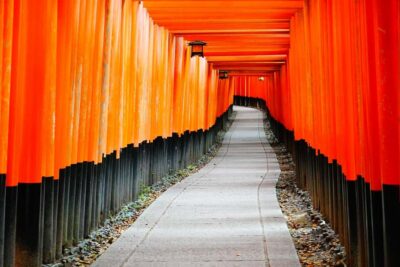
Osaka/Kyoto:Kinkakuji,Arashiyama,FushimiInariShrine,NaraPark
Read our review →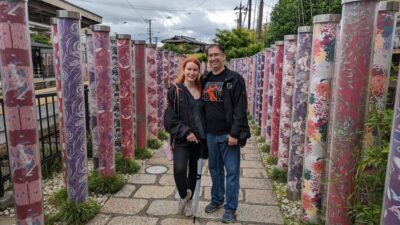
Arashiyama Bamboo, Temple, Monkeys, or Secret Sake Brewery
Read our review →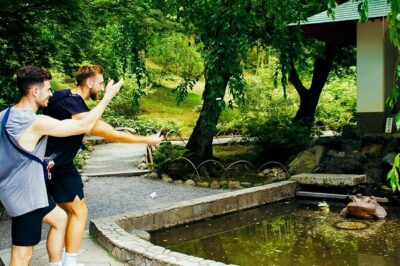
Arashiyama Bamboo Forest, Monkeys, Matcha & Temple Tour
Read our review →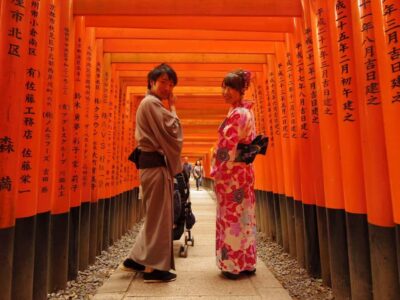
Osaka/Kyoto: Arashiyama, Nara & Fushimi Inari Shrine w/Lunch
Read our review →
Kyoto Zen Meditation & Garden Tour at a Zen Temple with Lunch
Read our review →
KYOTO Tea Ceremony with kimono near by Imamiya Jinjya Shrine
Read our review →Browse the lists this tour appears in