
Reviewed · KYOTO TEMPLE TOURS
KYOTO: Golden Pagoda, Bamboo Forest, Arashiyama (Italian)
Kyoto’s most famous sights come together here in one well-planned half-day: the Sagano Bamboo Forest and Kinkaku-ji, the Golden Pagoda. I like that the tour uses public transport rather than hiding you in a private vehicle, and I like the Italian-speaking local guide, especially if you want more than a quick photo stop. The guide named Omae has been praised for polished Italian, broad cultural knowledge, warmth, and memorable local curiosities.
The trade-off is pace. You have about an hour at each main sight, with several train, bus, and subway rides between them. That makes this a useful introduction to northwestern Kyoto, but not a slow, unhurried day for exploring every lane, garden, or shop.
Key points to know before booking
- Two Kyoto icons in five hours: Visit the Sagano Bamboo Forest and Kinkaku-ji in one compact outing.
- Italian-speaking local guidance: Ask about imperial relatives, aristocrats, samurai, Japanese customs, and daily life.
- Public transport is part of the experience: The route uses trains, a bus, and the subway, with transportation included.
- Kyoto Station is both start and finish: The central meeting point makes this easy to fit into a larger Kyoto plan.
- One hour at each main stop: Enough for an introduction and guided walk, but limited for a leisurely visit.
- Strong value for a guided outing: At $117 per person, the price covers the guide, transport, and monument admission.
Why this pairing works so well
Kyoto can feel spread out, especially when you are trying to connect Arashiyama with Kinkaku-ji. They sit in the city’s northwestern area, but they are not next door to each other. This outing handles the connections for you and gives the route a clear shape: begin at Kyoto Station, head toward Arashiyama, continue to the Golden Pagoda, then return to the station.
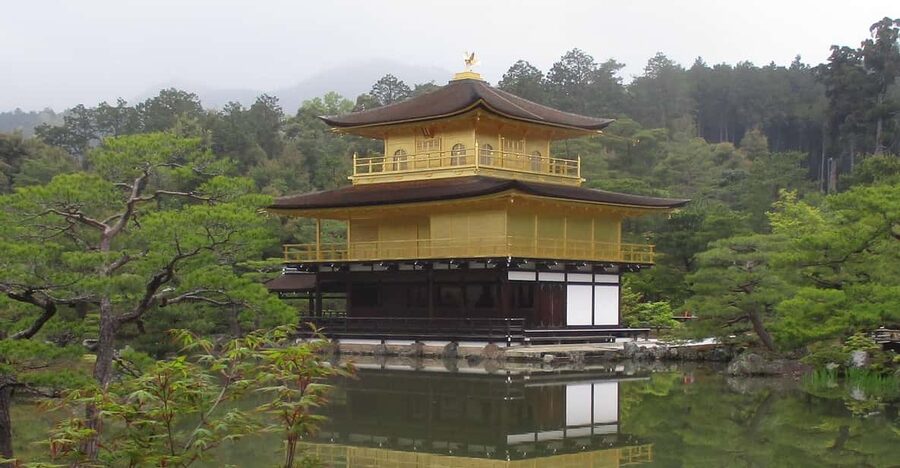
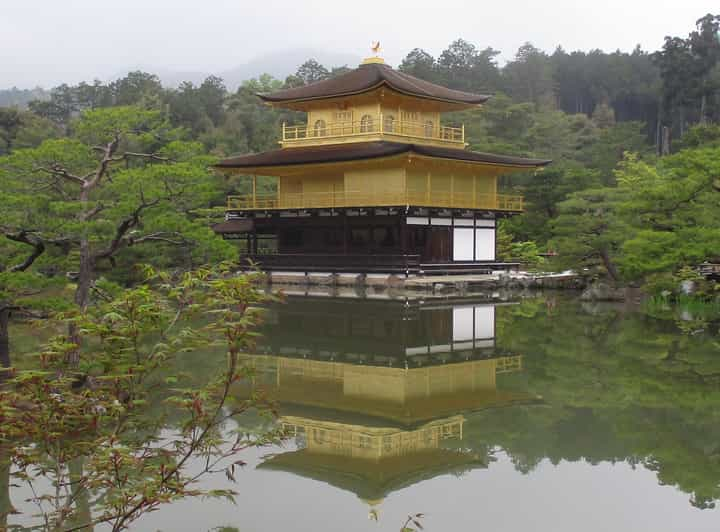
I like the contrast between the two main stops. The Bamboo Forest is a walk through a narrow, wooded path with tall bamboo rising above you. Kinkaku-ji offers a highly composed temple setting, with the gold-covered pavilion reflected in its pond. One stop is about movement through nature. The other is about viewing a carefully framed religious and aristocratic site.
The guide adds the context that can be hard to pick up on your own. You will hear about the historic capital, the lives of imperial relatives and aristocrats, the old literary class, samurai society, and ordinary Japanese life. This is particularly useful if your Japanese history is limited to a few famous names and buildings.
The experience is conducted in Italian. That matters more than it may seem. A guide can explain small cultural details, answer follow-up questions, and clarify ideas that are easy to miss when you rely only on signs or an audio guide. The comments about Omae point to a guide who combines a friendly manner with strong cultural knowledge and fluent, polished Italian.
Other temple visits near Kyoto we have written up
- Kyoto: Tea Ceremony Ju-An at Jotokuji Temple
★ 4.9 · 3,207 reviews - Osaka/Kyoto:Kinkakuji,Arashiyama,FushimiInariShrine,NaraPark
★ 4.1 · 1,596 reviews - Arashiyama Bamboo, Temple, Monkeys, or Secret Sake Brewery
★ 4.8 · 886 reviews
Meeting at Kyoto Station without confusion
The meeting point is outside the central north entrance of Kyoto Station, at the Karasuma-guchi side. Look for the open space between the four escalators in front of the taxi terminal, not the bus terminal. Kyoto Tower should be in front of you, toward the upper left from this position.
That taxi-versus-bus detail is worth taking seriously. Kyoto Station is large, and a rushed morning search can waste time before the group even leaves. You receive a message by the day before with confirmation and more precise meeting instructions, so check it before setting out.
Starting at Kyoto Station is practical. You can arrive by train or subway, and you finish at the same major transport hub. If you are staying elsewhere in Kyoto, you do not need to find an obscure neighborhood meeting place. If this is your last activity of the day, you can also continue from the station to dinner, a hotel, or another part of the city.
The first train ride to Sagano
The first leg takes about 20 minutes by train. This is not dead time. You get an early look at how the tour functions, with the guide able to answer questions and explain what you are seeing as the group moves away from central Kyoto.
The route leads to the Sagano area, where the Bamboo Forest is located. The forest is one of Kyoto’s best-known sights, so expect it to be a major reason for booking. Your time there is about one hour, including the guided visit, sightseeing, and an opportunity to browse or shop.
The one-hour limit gives you a focused walk rather than a full exploration of Arashiyama. You can take in the tall bamboo, listen to the guide, and pause for photographs, but you should not expect to cover every nearby attraction. The supplied plan does not include a longer visit to the wider Arashiyama district, so keep your expectations centered on the forest area.
For photography, the value of a guide is not just pointing out the path. The guide can give the setting social and historical meaning, explaining how the area connects with the older recreational and retired lives of people close to the imperial court, aristocrats, and literary figures. You see more than bamboo when you understand why this part of Kyoto attracted people seeking a quieter setting.
If you want extensive shopping time, this is not the ideal format. Shopping is included as part of the stop, but the visit remains a guided one-hour portion of a larger route. I would treat any purchases as a pleasant extra, not the purpose of the morning.
Moving across Kyoto by bus
After Sagano, the group takes another train for about 20 minutes, followed by a bus ride of roughly 15 minutes. These changes show both the usefulness and the limitation of the experience.
The benefit is clear: you do not need to work out the connections yourself. Kyoto’s transport network is manageable, but connecting outlying sights can still take planning. With transport included, you can focus on the guide’s explanations and the places ahead.
The limitation is that transport takes a meaningful share of a five-hour tour. You are not spending five full hours at the monuments. The half-day includes the ride from the station, transfers between the two areas, and the return trip. That is a fair trade if you want structure, but less appealing if you prefer to spend an entire day at one district.
A different set of gates, same trip:
- Kyoto: Arashiyama Bamboo Forest, Monkeys, Matcha & Temple Tour
★ 5.0 · 759 reviews - Osaka/Kyoto: Arashiyama, Nara & Fushimi Inari Shrine w/Lunch
★ 4.4 · 754 reviews - Kyoto Zen Meditation & Garden Tour at a Zen Temple with Lunch
★ 5.0 · 441 reviews - Kyoto: Zen Experience in a Hidden Temple
★ 5.0 · 437 reviews
Kinkaku-ji and the Golden Pagoda
Kinkaku-ji is the visual centerpiece of the second half. The name means Golden Pavilion, and the building is famous for its gold exterior and its position beside a pond. You have about one hour for the visit and guided tour.
The setting helps explain why this area appealed to powerful and cultured figures in earlier periods. The pavilion and grounds present a polished, formal view of Kyoto, quite different from the more enclosed path through the bamboo. The guide can connect the temple site with the older lives of imperial family members, aristocrats, and literary figures who spent time in Kyoto’s quieter northern and western areas.
You should expect the visit to follow a set route rather than allow unlimited wandering. The available time is enough to see the main view, hear the explanation, and appreciate the grounds, but you may want longer if gardens are a major interest for you. Kinkaku-ji is also a place where a short explanation can make a big difference. Without context, you may simply see a striking gold building. With the guide, you can place it within Kyoto’s religious, political, and cultural story.
This is also the point where the guide’s style matters most. The strongest praise attached to this experience concerns a guide who is prepared without being dull, cordial without losing substance, and able to add unusual details. That combination suits Kinkaku-ji well. The building is famous enough that a basic description is easy to find, while the less obvious stories are what make a guided visit worthwhile.
The return to Kyoto Station
The return journey includes a bus of about 15 minutes and a subway ride of about 15 minutes before arriving back at Kyoto Station. The tour is designed as a complete loop, so you do not need to arrange a separate return from Kinkaku-ji.
You are also free to leave halfway through. That flexibility can be useful if you want to remain in the Arashiyama area after the Bamboo Forest, or if you have another plan near Kinkaku-ji. Before leaving, make sure you understand where you are and how you will continue, since the included group transport is planned around the full route.
For most people, finishing at Kyoto Station is the simplest choice. It gives you a known endpoint and leaves you in the city’s main transport center. It also makes the tour easy to combine with another Kyoto activity, provided you leave enough time between plans. The five-hour duration is approximate enough to require sensible scheduling, especially if you have a timed reservation afterward.
What the $117 price covers
The cost is $117 per person. That is not a budget walk, but it includes three useful parts: an Italian-speaking guide, all planned transportation, and entrance fees for the monuments on the route.
I see the value mainly in the language support and the transport planning. If you already know Kyoto well, speak Japanese, and are comfortable sorting out train and bus connections, you may prefer to visit these sights independently. You would have more control over timing and could stay longer at one place.
If you want an Italian explanation of Kyoto’s past and present, the calculation is different. You are paying for access to a local guide who can answer questions, interpret the sites, and explain subjects ranging from aristocratic life to samurai culture and modern daily routines. The included admission and transport also make the price easier to judge because you do not have to add those costs separately.
The value is strongest for a first visit or for a short stay. In five hours, you see two major sights that can otherwise require careful route planning. It is less compelling for someone who wants a private, slow-paced tour, since the details describe a group or individual format but do not promise a fully private vehicle or a custom schedule.
Who will get the most from this tour
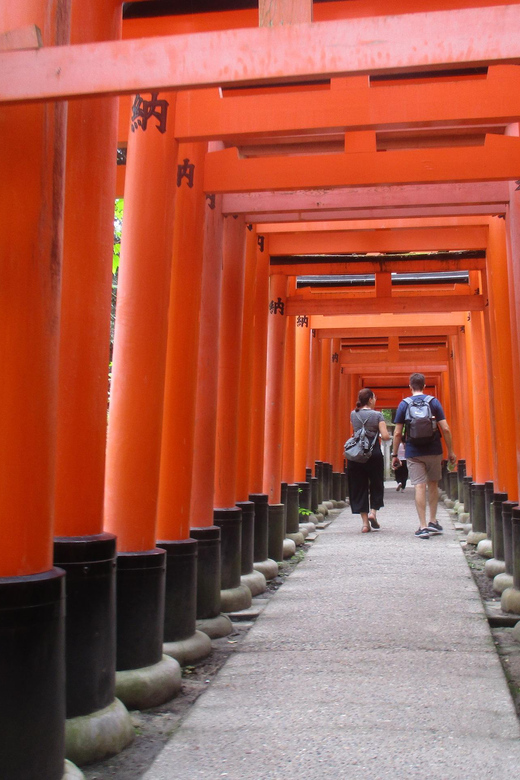
I would choose this outing if you want to see the Golden Pagoda and Bamboo Forest but prefer not to organize the connections yourself. It is also a good match if Italian is your preferred language for historical explanations and conversation.
It suits visitors who want a broad introduction to Kyoto. You receive a compact look at nature, religious architecture, the old elite, samurai society, and everyday life. The guide’s role is not limited to naming buildings. You can ask questions and use the journey between sights to build a clearer picture of the city.
The tour may work well for families or mixed-age groups because the route is structured and the guide can adapt explanations through conversation. The activity is listed as wheelchair accessible, which may help some participants, though the supplied information does not describe the exact surfaces, vehicle arrangements, or accessibility details at each stop. If that matters to you, ask for precise information before booking.
I would hesitate if you want a long, quiet visit in Arashiyama or at Kinkaku-ji. One hour at each main stop is a useful introduction, not a full day of discovery. I would also avoid packing another fixed appointment immediately afterward unless you leave plenty of extra time.
Practical planning for the five-hour schedule
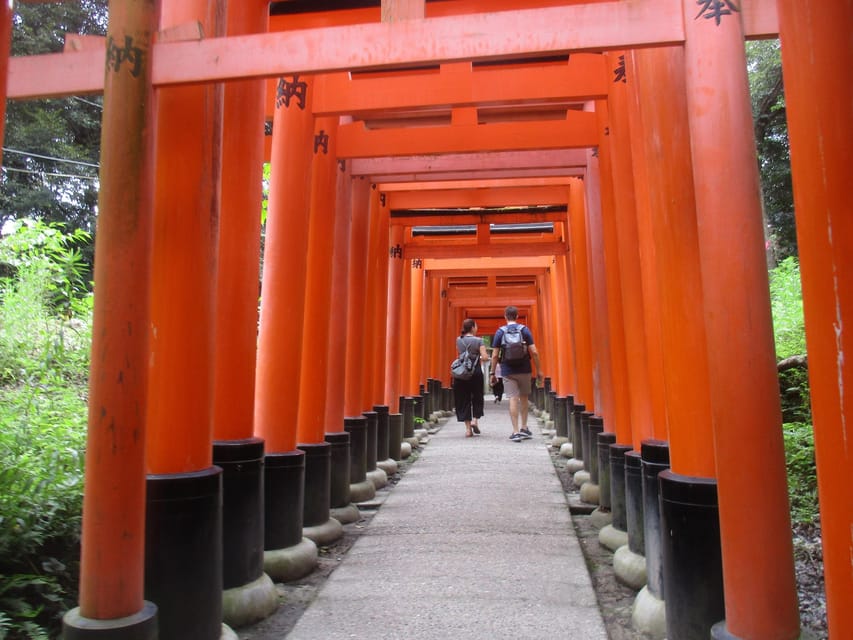
Wear shoes suitable for walking. The route includes a forest visit, monument grounds, station connections, and several transfers. The information provided does not give an exact walking distance, so you should plan for regular movement rather than a vehicle-based sightseeing trip.
Keep the meeting instructions saved on your phone. The distinction between the taxi terminal and bus terminal is important, and the correct space is outside the central north entrance, near the four escalators and facing Kyoto Tower.
Allow the full five hours. The route includes approximately 20 minutes by train to Sagano, about an hour at the Bamboo Forest, another 20-minute train ride, a 15-minute bus, about an hour at Kinkaku-ji, and the return bus and subway connections. The stated duration also includes the movement between these parts.
The activity offers free cancellation up to 24 hours before departure and allows you to reserve now and pay later. Those terms are helpful if your Kyoto schedule is still changing. Starting times vary, so check availability before choosing the rest of your day.
Should you book it?
Book this tour if you want two major Kyoto sights, Italian guidance, and handled transport in one half-day. The strongest reason to choose it is the guide. The praise centers on a warm, well-prepared Italian-speaking guide who adds cultural detail rather than repeating obvious facts.
Skip it if you want to set your own pace, spend hours in Arashiyama, or explore Kinkaku-ji without a fixed group schedule. At $117, the tour earns its price through the guide, admissions, and transport rather than through long stays at each attraction.
For an Italian-speaking visitor making a first trip to Kyoto, I would consider it a sensible introduction. You get the city’s famous gold pavilion, the atmospheric bamboo walk, and a local voice to connect the sights with Japanese history and daily life.
FAQ
Where does the tour begin?
It begins at Kyoto Station, at the North entrance on the Karasuma-guchi side. Meet in the space between the four escalators in front of the taxi terminal, not the bus terminal.
How can I identify the meeting area?
From the meeting area, you should see Kyoto Tower in front of the station toward the upper left. You will receive an email by the day before confirming and detailing the meeting point.
How long does the tour last?
The full experience lasts five hours, including transport between Kyoto Station, Sagano, Kinkaku-ji, and the return to Kyoto Station.
Which languages are available?
The tour is conducted in Italian by an Italian-speaking guide.
Which sights are included?
The tour includes the Sagano Bamboo Forest and Kinkaku-ji, also known as the Golden Pagoda.
Is transportation included?
Yes. The planned trains, bus rides, subway ride, and entrance fees for the scheduled monuments are included.
Can I leave the tour before it ends?
Yes. You are free to leave partway through the experience.
Can I cancel for a refund?
You can cancel up to 24 hours in advance for a full refund. You can also reserve now and pay later.
Newly written up around Kyoto
- Kyoto:Kiyomizu-dera Temple Rent a kimono and ride a rickshaw★ 4.8 · 7 reviews
- Kyoto: Kiyomizudera, Sanjusangendo, Ginkakuji and Higashiyama.★ 5.0 · 3 reviews
- Kyoto: Shakyo & Matcha in Historic Temple Garden★ 5.0 · 4 reviews
- KYOTO: Tempio Kiyomizu Pagode Gion “Geisya” (Guida Italiana)★ 4.7 · 17 reviews
- Kyoto:Quiet Arashiyama and Sagano Temples★ 4.8 · 5 reviews
- Kyoto kiyomizu Temple : Maiko and Samurai Couple Photoshoot★ 4.8 · 25 reviews
- Kyoto: Nara, Todaiji, Kasuga Taisha Shrine Private Full Day★ 4.9 · 18 reviews
- Kyoto : Kiyomizu-dera Temple : kimono and Indoor photo shoot★ 4.6 · 5 reviews
Kyoto Temple Tours, compared.
Osaka/Kyoto:Kinkakuji,Arashiyama,FushimiInariShrine,NaraPark
Read our review →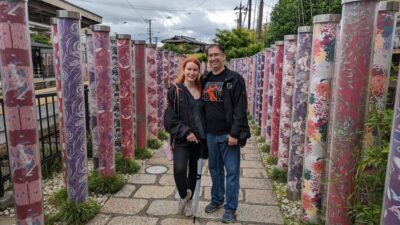
Arashiyama Bamboo, Temple, Monkeys, or Secret Sake Brewery
Read our review →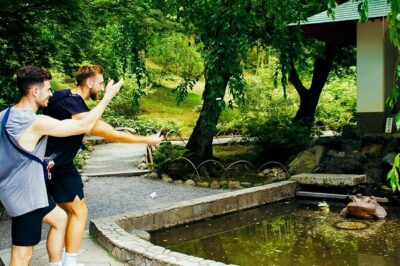
Arashiyama Bamboo Forest, Monkeys, Matcha & Temple Tour
Read our review →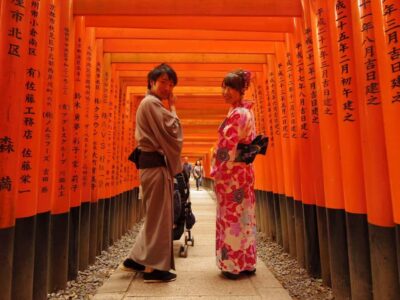
Osaka/Kyoto: Arashiyama, Nara & Fushimi Inari Shrine w/Lunch
Read our review →
Kyoto Zen Meditation & Garden Tour at a Zen Temple with Lunch
Read our review →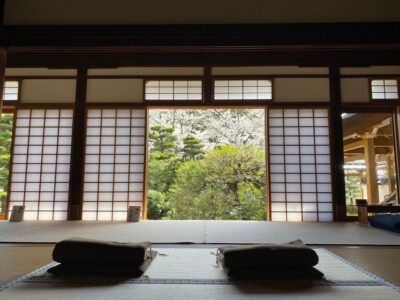
KYOTO Tea Ceremony with kimono near by Imamiya Jinjya Shrine
Read our review →Browse the lists this tour appears in