
Reviewed · LUNCH EXPERIENCES
Kyoto: Zen Meditation and Garden Tour at a Temple with Lunch
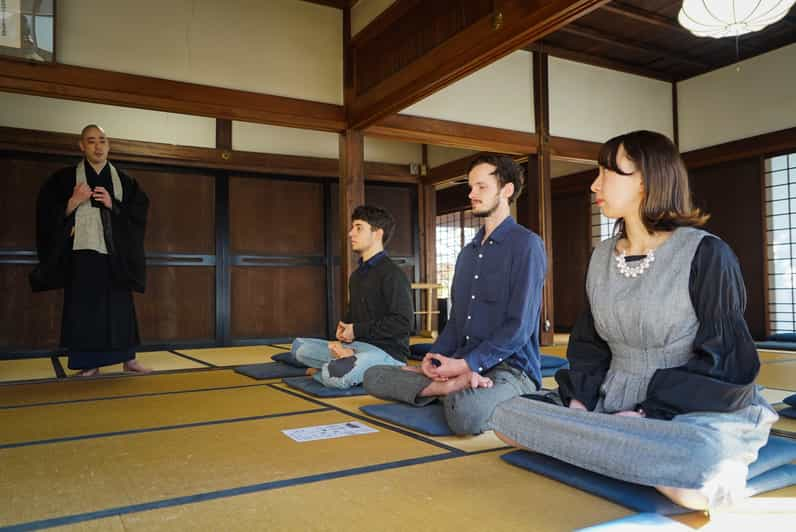
Kyoto’s Zen tradition makes the most sense when you slow down and sit with it. This four-and-a-half-hour tour takes you through quiet temple grounds, a carefully arranged garden, and a one-hour zazen session with a monk before ending with a traditional Buddhist lunch. The meditation is the main event, but the garden visit gives you useful context first.
I like the small group, capped at seven, and the chance to ask questions through a guide such as Yutaka, who has been praised for his humor and clear explanations. I also like the balance of learning and doing: you do not just look at a temple, you practice sitting, breathing, and posture. The main consideration is group size during meditation, since one session was held in a room with about 30 people, despite the tour itself being small.
Key points to know before booking
- Kōmyō-in begins the tour with 40 minutes in a Zen garden, helping you understand the ideas behind the design before meditation.
- The zazen session lasts about one hour and covers posture, breathing, method, and basic Zen ideas.
- A monk may join the discussion afterward, but the monk may not speak English, so your guide may translate.
- Shojin ryori lunch includes vegetable, mushroom, and seaweed dishes, with dashi fish broth and some dairy, so it is not strictly vegan.
- The meeting point is outside Tofukuji Station Exit 2, beside Family Mart, and the tour leaves on time.
- The experience suits adults and children age 12 and older, but it is not suitable for people with gluten intolerance.
Why this Zen experience works in Kyoto
Kyoto has no shortage of temples. The trouble is that temple sightseeing can become a blur of gates, roofs, gardens, and polished wooden floors. This tour gives you a way to connect those sights with a practice.
You begin by looking at a garden before you sit for meditation. That order matters. Your guide introduces basic Zen ideas and explains how to view the garden, so the rocks, moss, gravel, and open spaces become more than pretty scenery. You start to notice restraint, balance, and the value of empty space.
The tour then moves from observation to action. You learn how to sit and breathe, and you spend a full hour trying zazen in a temple setting. You do not need to arrive as an experienced meditator. The purpose is not to perform meditation perfectly. It is to give you a clear first experience of how Zen practice feels in its traditional setting.
I also appreciate the small-group format. With a maximum of seven participants on the tour, your guide has a better chance to answer questions about Buddhism, symbols, temple customs, and Japanese culture. Guides named in the feedback include Yutaka, Eri, Louis, and Tammy, though your guide will depend on the date.
More temple visits with lunch in Japan:
- Osaka/Kyoto: Arashiyama, Nara & Fushimi Inari Shrine w/Lunch
★ 4.4 · 754 reviews - Kyoto Zen Meditation & Garden Tour at a Zen Temple with Lunch
★ 5.0 · 441 reviews - Teotihuacan, Guadalupe Shrine & Tlatelolco Day Tour with Lunch
★ 5.0 · 11,603 reviews
Meeting at Tofukuji Station
The tour begins outside Tofukuji Station Exit 2, next to Family Mart. This is a practical meeting point, but you need to get it right. One person had trouble after a taxi driver dropped them at the temple rather than the station, so do not simply tell a taxi driver Tofukuji and assume you will arrive at the correct place.
From Kyoto Station, take the JR line. Both rapid and local trains work. From Shijō-Keihan, take the Keihan line, but do not use an express train. Sub-express, semi-express, and local trains are accepted according to the meeting instructions.
Arrive early. The tour does not wait for late arrivals, and missing the group means no joining later, refund, or rescheduling. That firm policy is important here because the tour moves between temples and meditation times cannot easily be shifted.
The full activity lasts 270 minutes, or four and a half hours. Wear shoes you can remove without fuss, since temple buildings may require you to leave footwear at the entrance. In winter, thick socks are a smart choice because temple floors can feel cold. In Kyoto’s hot, humid summer, bring water and wear a hat.
Kōmyō-in and the first look at a Zen garden
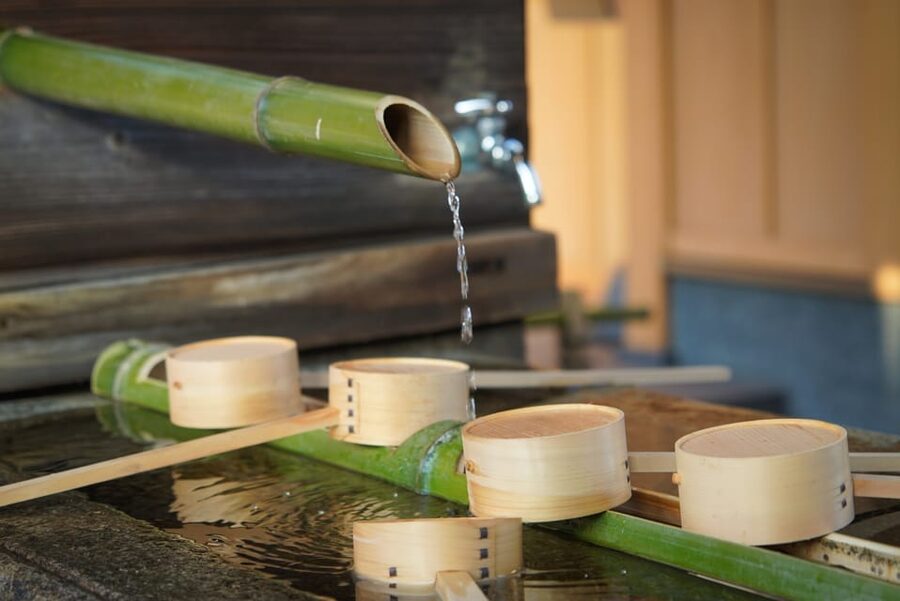
Your first substantial stop is Kōmyō-in Temple, where you spend about 40 minutes. This is the quiet introduction to the day.
Your guide explains how Zen gardens are meant to be viewed and gives you basic background on Zen meditation. That explanation is useful because Zen can seem vague, even to Japanese people. Rather than presenting it as a simple slogan about calmness, the guide helps connect the garden to attention, silence, form, and disciplined practice.
The garden is also a good place to settle into the pace of the tour. You are not rushing from one famous sight to the next. You have time to look, listen, and ask questions. Several people especially valued the garden explanations and the chance to visit less crowded temple spaces.
Do not expect an extended formal garden lecture or a private garden viewing. The stop lasts 40 minutes, and the tour has a schedule to keep. Still, it gives you the visual vocabulary needed for the meditation session that follows.
Tofukuji’s grand gates and temple details
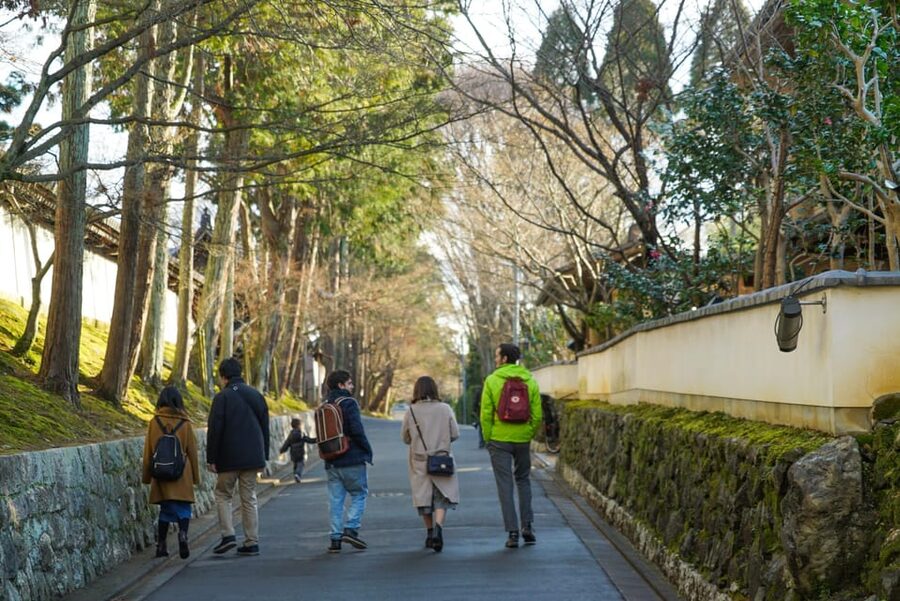
After Kōmyō-in, the group visits Tofukuji Temple for about 10 minutes. Tofukuji is one of Kyoto’s five major Zen temples and has served as a place of residence and Zen practice for monks since the 13th century.
This is a short stop, so think of it as a focused look rather than a full temple tour. You may see the impressive San-mon gate, dragon paintings on a ceiling, and the oldest surviving toji, or temple toilet. The details are unusual enough to make this more than a quick photo stop.
The short timing has an upside. You receive context without spending the whole afternoon in one large complex. The drawback is that anyone hoping to explore Tofukuji at length may want to return independently on another day.
The tour uses Tofukuji as a bridge between the garden and the sitting practice. You see the scale and institutional side of Zen, then move toward a smaller temple intended for zazen.
Other temple visits near Japan we have written up
- Kyoto: Tea Ceremony Ju-An at Jotokuji Temple
★ 4.9 · 3,207 reviews - Osaka/Kyoto:Kinkakuji,Arashiyama,FushimiInariShrine,NaraPark
★ 4.1 · 1,596 reviews - Tokyo: Asakusa Walking Tour with Sensoji Temple Visit
★ 4.8 · 1,583 reviews - Nikko: Kegon Falls, Lake Chuzenji & Toshogu Temple
★ 4.6 · 1,577 reviews
One hour of zazen at Shōrin-ji
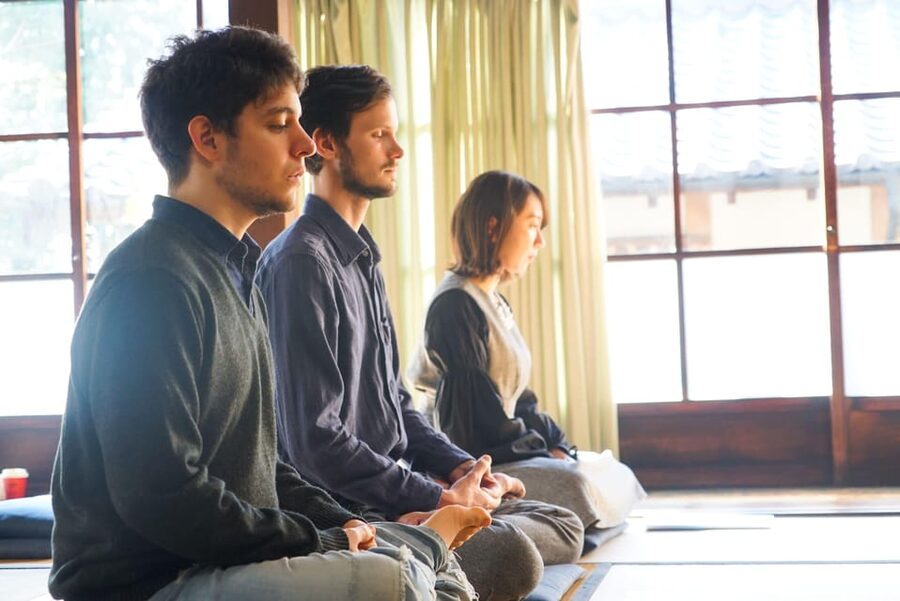
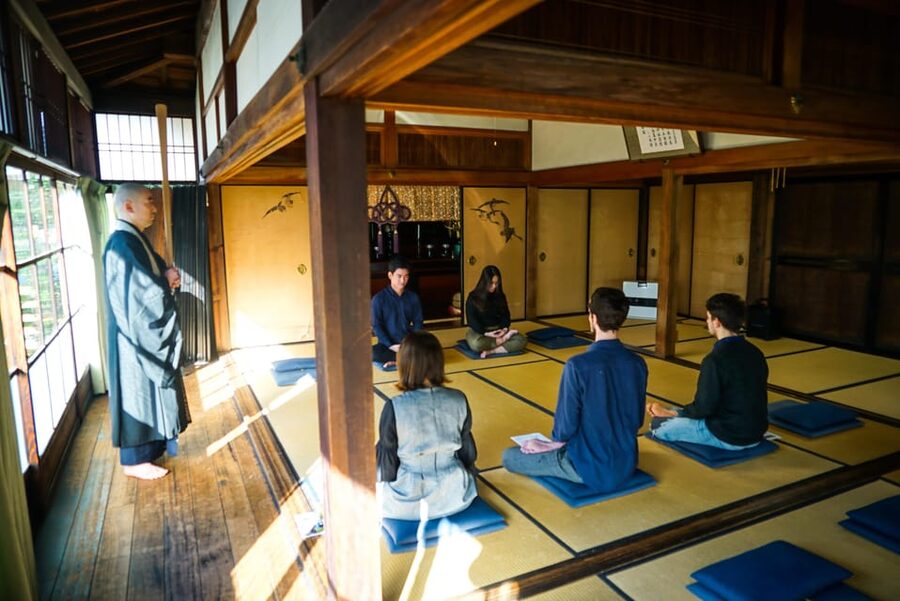
The heart of the experience takes place at Shōrin-ji, also called Bishamon-dō Temple, where you spend about 70 minutes. The zazen session itself lasts roughly one hour.
Here, your guide explains posture, breathing, meditation methods, and the ideas connected with zazen. During the actual sitting, the guide remains silent out of respect for the practice and for the other people in the room. You receive written material to read quietly instead.
That format is worth understanding before you book. You should not expect a nonstop English explanation during the meditation. If you need constant guidance, the silent period may feel unusual. If you welcome a real pause from conversation, it can be the most valuable part of the afternoon.
The meditation may not always be limited to the tour’s seven people. One session took place in a large L-shaped room with about 30 other participants. That setting can make the experience feel less private, and one person found the larger room frustrating. At the same time, sitting with local participants and other people interested in zazen can give the practice a more genuine temple setting.
Afterward, there is a short discussion with the monk. The monk may not speak English, so the guide can help translate questions. This is one of the most useful features of the tour because it lets you move beyond a prepared explanation and ask about what you just experienced.
Guide Yutaka has been praised for patiently explaining Zen Buddhism and helping with questions. Other guides have also been described as warm, prepared, and enthusiastic. The exact personality of your afternoon will depend on the guide assigned to your date, but the format gives the guide an important role.
What meditation feels like for beginners
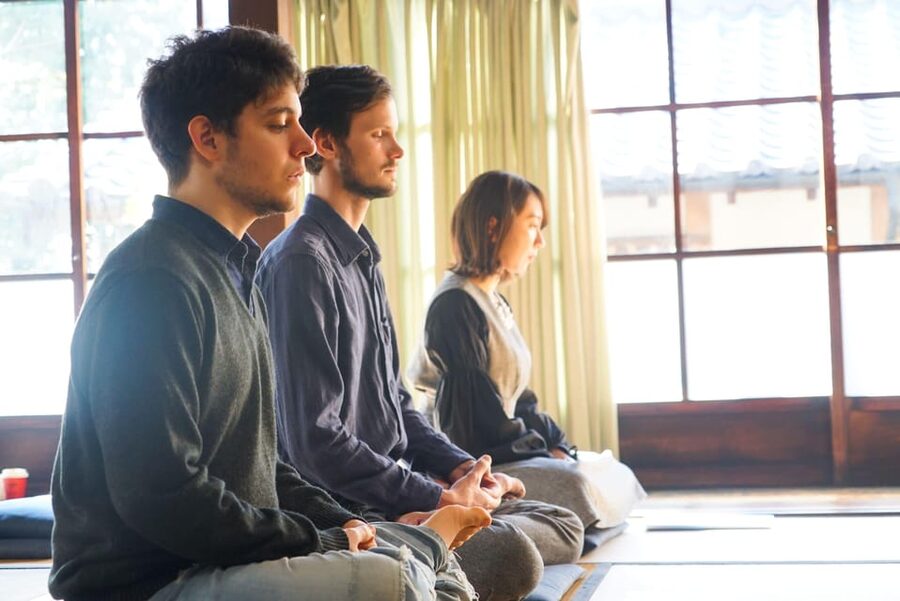
You do not need years of meditation practice to take part. The instruction covers the basics, and the goal is to learn how zazen is approached rather than to achieve some special state.
Expect stillness, physical awareness, and a fair amount of time noticing your own breathing. Sitting for an hour may be challenging if you are unused to it. The quiet rules also mean you cannot chat privately during the session or ask for repeated verbal reminders.
That is not a flaw, but it is a choice. This tour offers a traditional experience rather than a relaxed wellness class. You are asked to adapt to the temple’s rhythm.
People who already meditate may find the temple setting adds something that a hotel room or smartphone app cannot. One experienced meditator described the session as offering a deeper sense of practice through the temples, the slow walking pace, and the presence of a real monk. Beginners, meanwhile, get a structured introduction without needing to study Buddhism in advance.
Shojin ryori lunch after meditation
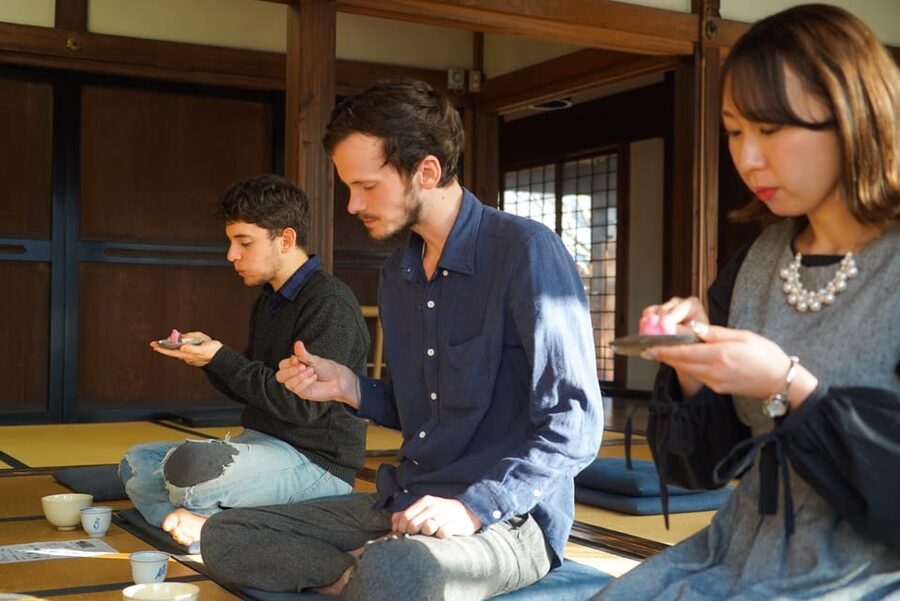
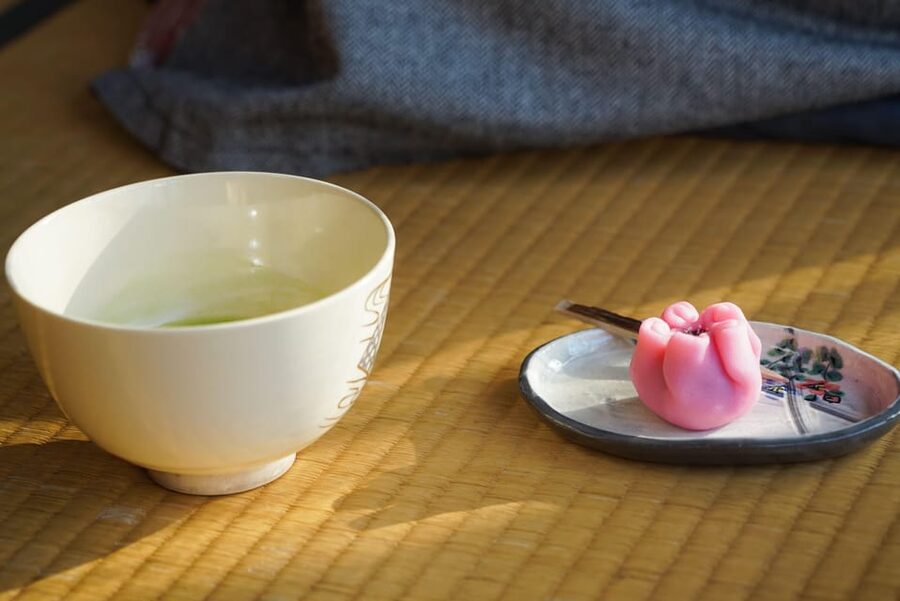
After the temple visit, the group takes a short walk to a local restaurant for lunch. The meal is shojin ryori, the Buddhist cuisine traditionally associated with Japanese monks since the 13th century.
The meal centers on vegetables, mushrooms, and seaweed rather than meat and fish. You can expect several small dishes rather than one large plate, giving you a better sense of how Buddhist cooking uses texture, color, and simple seasoning.
There is an important dietary detail: the meal includes dashi made with fish, and a little dairy may be included. It is therefore not strictly vegan or fully vegetarian by every modern definition. The experience is not suitable for people with gluten intolerance, so check carefully before booking.
The lunch is a strong ending because it turns the day’s ideas into something practical. You have just learned about restraint and attention, then sit down to a meal built around careful preparation and modest ingredients. Several people found the food better and more varied than expected.
The restaurant visit lasts about 45 minutes. If you choose a 10:45 start, lunch is scheduled for about 2:15 in the afternoon. Eat a proper breakfast or early snack, since the wait may be long for you if you are hungry by noon.
What you get for $107
At $107 per person, this is not the cheapest way to see Kyoto temples. The value depends on how much help you want connecting the sights, the meditation, and the meal.
You are paying for four and a half hours, temple and garden admission, an English-speaking guide, the zazen session, photographs during the tour, and lunch. You also receive translation help when questions arise after meditation, plus practical explanations about Buddhism and Japanese culture.
If you visited the temples alone, you would likely pay less for admission and food. You would not necessarily understand the garden, know how to prepare for zazen, or have a guide available to explain symbols and customs. For me, the price makes sense if you want a guided cultural experience rather than a simple temple visit.
The small-group limit improves the value, though the meditation room itself may be larger than the tour group. You should book this for the instruction, access, and structure, not because you expect a private meditation room.
Who should book this tour
I would recommend it to adults and older teenagers who want more than scenic temple photographs. It fits especially well if you are curious about Buddhism, have tried meditation before, or want a calm half-day between Kyoto’s busier sightseeing stops.
It also works for first-time visitors who feel unsure how to approach a Zen temple. Your guide supplies the context, explains behavior, and helps you ask questions. The photographs are a nice extra, especially if you want a few personal memories without stopping to manage your own camera.
I would hesitate if you dislike sitting still, need a fully private experience, or want extensive time at Tofukuji itself. The tour is also a poor match for children under 12, people with gluten intolerance, and anyone expecting a fully vegan meal.
Book with enough time to reach the station, and do not treat the 10:45 start as a normal lunch-hour outing. The late meal matters. Bring water in summer, thick socks in winter, and patience for the silent meditation period.
Should you book it?
Book this experience if you want to practice Zen in a temple setting, not simply look at Zen architecture. The garden, the zazen instruction, the monk discussion, and the shojin ryori lunch form a sensible half-day sequence.
The strongest parts are the clear guidance, the chance to sit with a monk, the smaller tour group, and the traditional meal. The main limits are the possibility of a larger meditation room, a monk who does not speak English, and the fish-based dashi in the lunch.
For the right person, $107 buys a thoughtful introduction to a part of Kyoto that is easy to admire but harder to understand alone. If you want a quiet, structured cultural experience and can accept a shared meditation room, I would make room for it in your Kyoto plans.
FAQ
Where does the tour meet?
Meet outside Tofukuji Station Exit 2, next to Family Mart.
How do I reach Tofukuji Station from Kyoto Station?
Use the JR line from Kyoto Station. Both rapid and local trains are suitable.
Which train should I use from Shijō-Keihan?
Use the Keihan line. Sub-express, semi-express, and local trains are suitable, but do not use an express train.
How long does the tour last?
The tour lasts 270 minutes, or four and a half hours.
Is lunch strictly vegan?
No. The meal is based on shojin ryori, but the dashi contains fish broth and a small amount of dairy may be included.
Can children join the tour?
Children under 12 cannot join. The experience is intended for participants age 12 and older.
Newly written up around Japan
- From Asakusa: Old Tokyo, Temples, Gardens and Pop Culture★ 5.0 · 47 reviews
- Goshuin Collecting tour at Asakusa Local Temples & Shrines, Tokyo★ 5.0 · 8 reviews
- Private guided tour: Mt. Aso volcano, grasslands, Aso Shrine★ 5.0 · 19 reviews
- Takayama Inari Shrine Tour with Private Transportation★ 5.0 · 5 reviews
- Tokyo: Snow Monkey and Zenkoji Temple Day Trip In Low Price★ 5.0 · 5 reviews
- Tokyo: Gotokuji Culture Walk & Lucky Cat Temple Experience★ 4.9 · 5 reviews
- :Tokyo,Shibuya /Meiji Shrine tour in KIMONO/English-friendly★ 5.0 · 4 reviews
- Tokyo: Visit 5 Shrines & Collect Goshuin on Private Tour★ 5.0 · 3 reviews
Lunch Experiences, compared.
Angkor Wat Sunset Small Group Tour with Lunch Included
Read our review →
White, Red/Black & Blue Temples Tour with Lunch
Read our review →
The Old Siam: Ayutthaya Temples Small Group Tour with Lunch
Read our review →
Osaka/Kyoto: Arashiyama, Nara & Fushimi Inari Shrine w/Lunch
Read our review →
Small Group Tour to Ayutthaya Temples from Bangkok with Lunch
Read our review →
Abu Simbel Temple Private Guided Day Trip with Lunch
Read our review →Browse the lists this tour appears in