
Reviewed · KYOTO TEMPLE TOURS
Kyoto: Zen Meditation at a Private Temple with a Monk
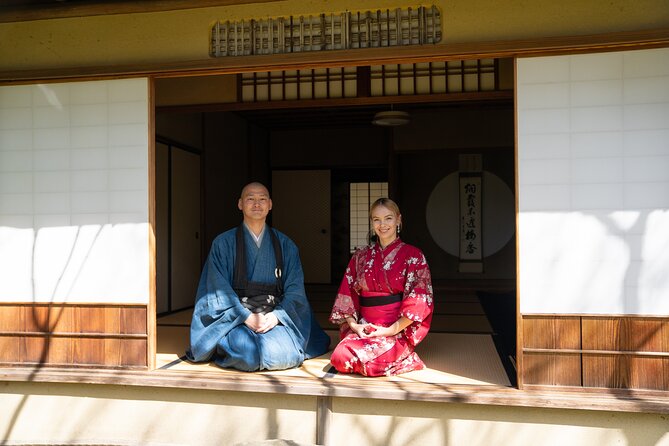
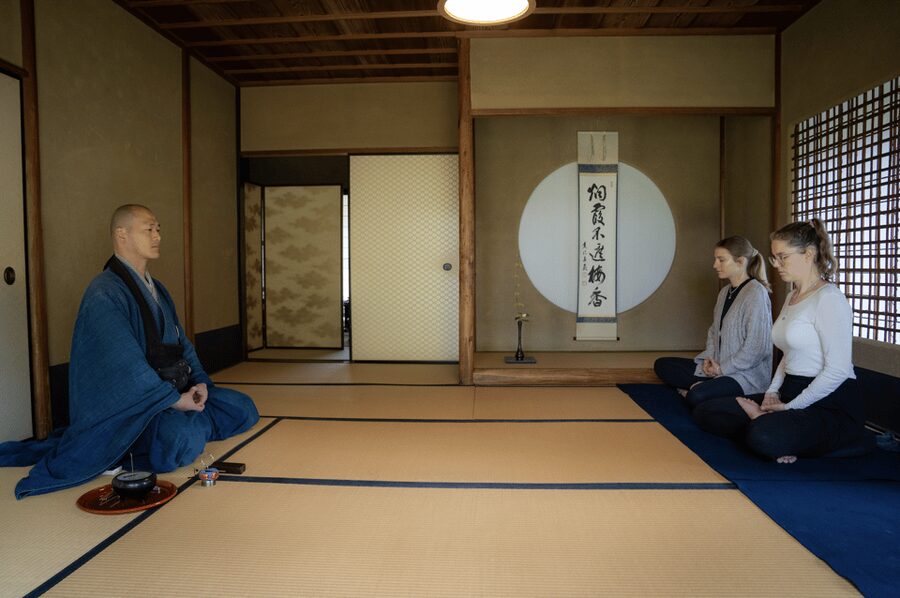
Kyoto has plenty of famous temples, but this experience takes you somewhere most sightseers cannot enter. After a short walk from Kodaiji Park, you sit with a monk in a private temple, learn the basics of Zazen, and practice in a quiet setting with a moss garden nearby. It is less about checking off a sight and more about giving your mind 90 calm minutes.
I like two things here: the monk explains meditation in a practical way, including posture and breathing, and the English-speaking guide helps carry the conversation between you and the monk. I also like the tea, sweets, garden visit, and time for questions afterward. The main drawback is the price, $91 per person for 90 minutes, plus a meeting point that can be confusing if you rely only on map directions.
Key points at a glance
- Private temple access: You visit a temple that is not open to the general public.
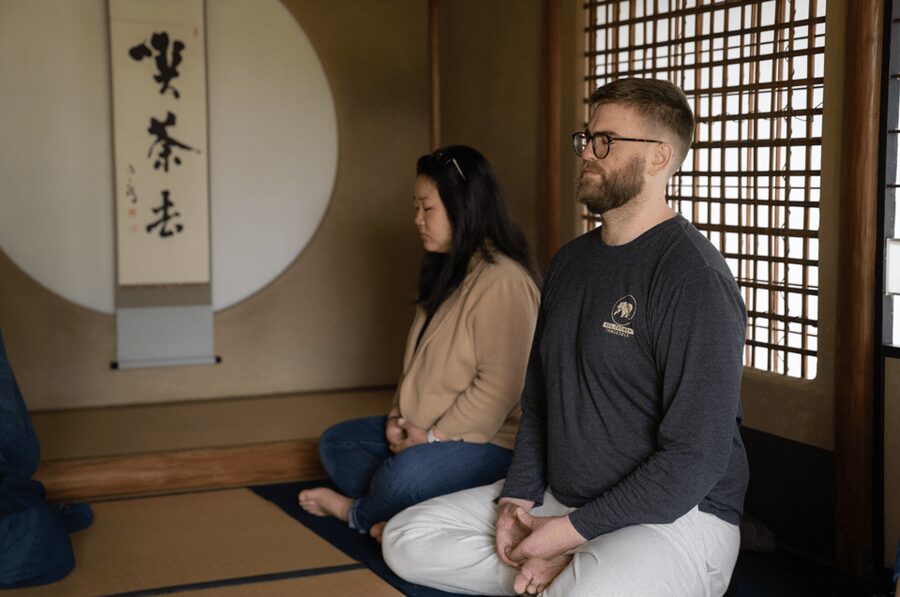
- A real introduction to Zazen: The monk explains seated meditation, breathing, posture, and the purpose behind the practice.
- English interpretation: Guides such as Soma, Satoru, Kohtaro, and Ruko have helped explain the monk’s teaching in English.
- Tea and garden time: Matcha, sweets, conversation, and a walk through the grounds give the meditation context.
- Small-group feel: Private and small-group options are available, and some sessions have only a few people.
- Plan the arrival carefully: Meet at the toilet on the north side of Kodaiji Park, not simply in the middle of the park shown by some map pins.
Why this Kyoto meditation feels different
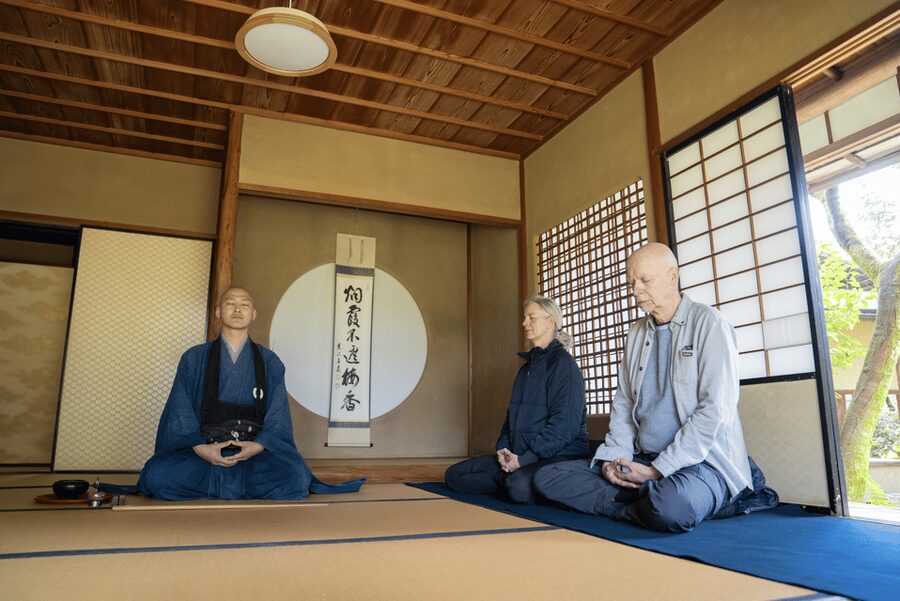
A typical Kyoto temple visit asks you to look, photograph, and move on. This one asks you to sit still. That simple change makes the temple feel less like a backdrop and more like a place with a living purpose.
You will not be handed a vague lecture about finding inner peace. The monk explains how to sit, how to breathe, and how to deal with the steady stream of thoughts that appears when you try to be quiet. For a first-time meditator, that practical help matters. You are not expected to arrive with any experience.
The teaching centers on Zazen, the seated meditation practice associated with Zen Buddhism. The point is not to force your mind blank. Instead, you learn to notice thoughts and return your attention to the body and breath. That makes the session approachable for someone curious about Buddhism, as well as someone who already meditates at home.
The private setting adds value. Kyoto’s best-known temples can be crowded, especially around the Higashiyama sights. Here, you step away from the main flow of people and enter a quieter place near the famous Nene no Michi stone-paved street. It is a small change in distance but a big change in mood.
Other temple visits near Kyoto we have written up
- Kyoto: Tea Ceremony Ju-An at Jotokuji Temple
★ 4.9 · 3,207 reviews - Osaka/Kyoto:Kinkakuji,Arashiyama,FushimiInariShrine,NaraPark
★ 4.1 · 1,596 reviews - Arashiyama Bamboo, Temple, Monkeys, or Secret Sake Brewery
★ 4.8 · 886 reviews
Meeting at Kodaiji Park and walking to the temple
Your meeting point is the toilet at Kodaiji Park. The guide waits on the northern side of the building. This is worth taking seriously because the location pin can place you in the middle of the park rather than directly at the meeting spot.
I would arrive early and check any same-day message from the guide. One participant found the meeting point confusing, but the problem was quickly fixed. The simplest plan is to identify the toilet first, then look for the guide on its north side. Do not assume that entering Kodaiji Park means you have arrived.
From there, you walk for about 10 minutes. Transportation is not included, though none is needed for this short transfer. The walk helps create a useful break between sightseeing and meditation. You leave the busy streets behind and arrive at a place that feels more residential and private.
Because the walk is short but the route may include ordinary Kyoto streets and park paths, comfortable shoes are sensible. The activity is not suited to people with mobility impairments, and you should also take note of the stated restrictions for people with claustrophobia or a fear of heights.
Entering a temple closed to the public
The temple is the heart of the experience. It is presented as a private or restricted place rather than another major sightseeing stop, and that gives the visit a more personal quality. You are not simply viewing an old building from behind a rope. You are entering a working religious space with a monk who is willing to explain his practice and answer questions.
The setting has been identified in past sessions as Korin-in, a quiet temple near Nene no Michi. The exact guide and arrangements can vary, so follow the instructions you receive for your booking. The main value remains the same: a chance to sit in a peaceful temple space that is normally not open to general visitors.
Expect an introduction to Japanese culture and Zen before the meditation begins. This short explanation helps place Zazen in context. You will hear about the purpose of seated meditation and the relationship between the physical act of sitting and the larger Zen approach to attention, discipline, and awareness.
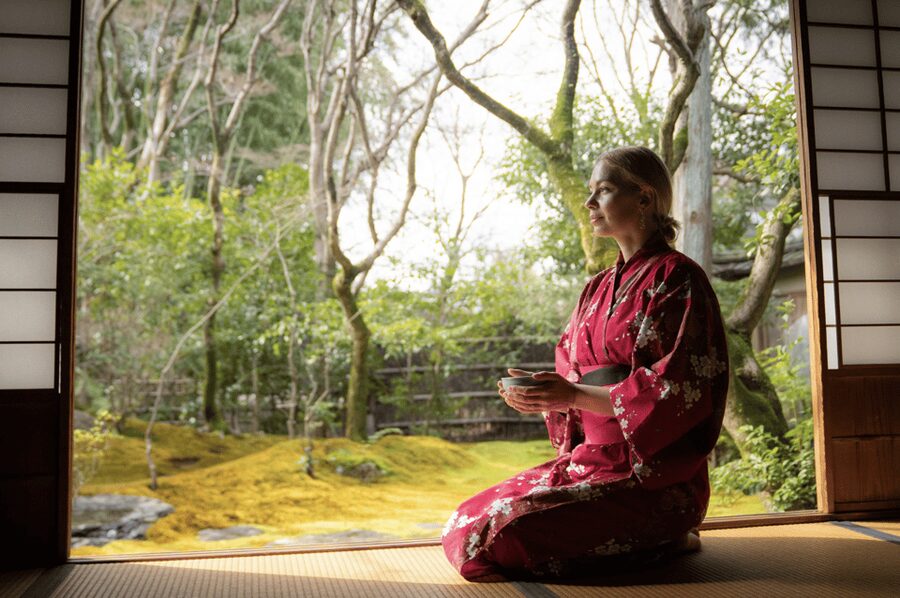
The garden is an important part of the visit. Reports of moss, greenery, and quiet paths are consistent with the setting described by the provider. You will have time to look around, take photographs, and appreciate the garden without treating it as a rushed photo stop.
Learning posture, breathing, and Zazen
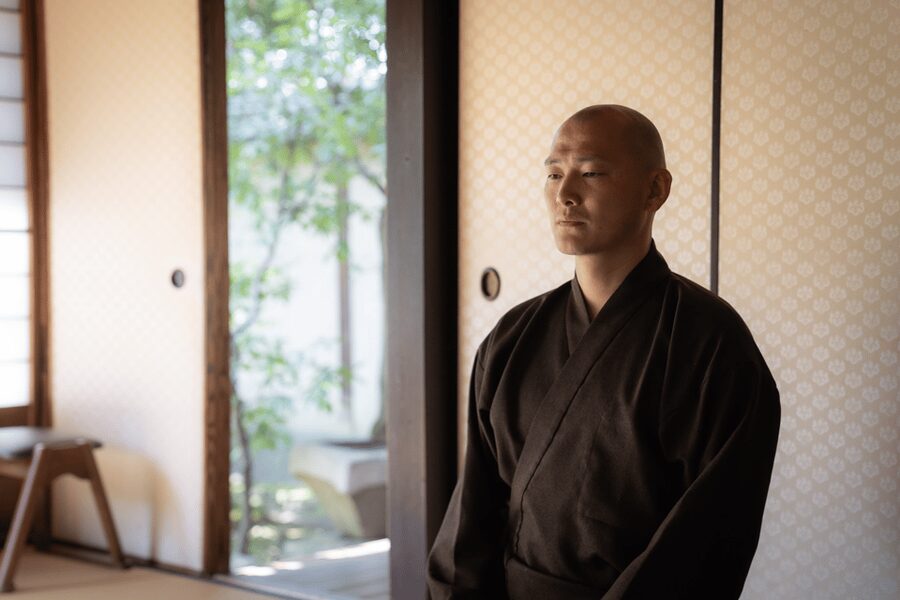
The monk gives a lecture on Zazen principles and techniques, then leads you through the practice. The session includes instruction on posture and rhythmic breathing. These details may sound basic, but they are exactly what many beginners need.
When you meditate alone, it is easy to sit awkwardly, breathe in a strained way, or become frustrated when thoughts keep appearing. A monk can correct the basic idea before you form bad habits. The guide also helps interpret the teaching, which is especially useful when the monk speaks Japanese.
The meditation may last around 20 minutes in silence, based on the way the session has been described by participants. The exact rhythm can vary, but you should expect a period of stillness rather than a quick demonstration. That is long enough to notice how your mind reacts, yet not so long that a beginner is likely to feel trapped in the practice.
You do not need to be Buddhist, spiritual, or experienced. The session is designed as an introduction. You might find the silence calming, or you might spend much of it noticing how often your mind wanders. Both responses are normal. The value lies in learning a method you can try again later, not in producing a perfect meditation on your first attempt.
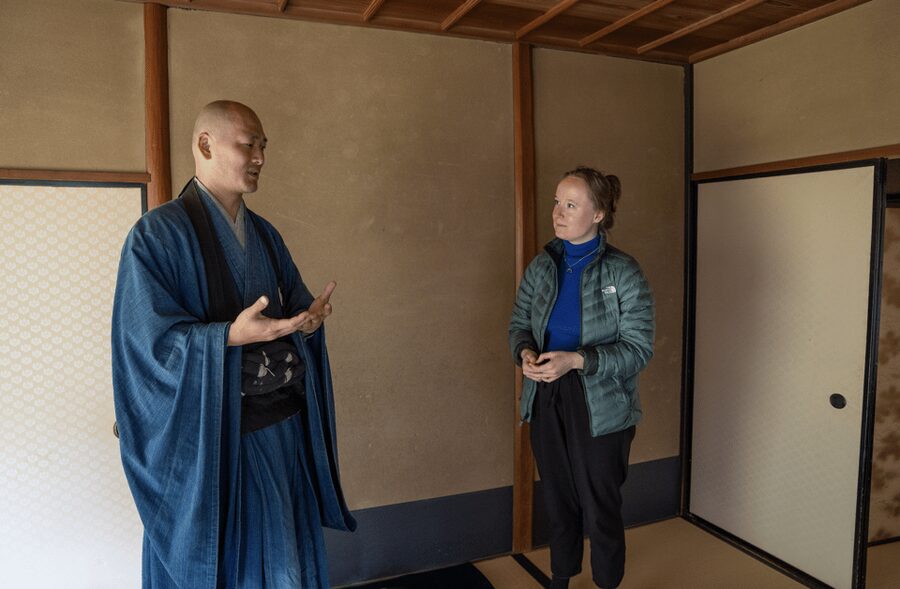
The monk’s role is one of the strongest parts of the experience. Several sessions have included open conversation about his daily life, Buddhist practice, and the meaning of meditation. This turns the lesson into a cultural exchange rather than a staged performance.
A different set of gates, same trip:
- Kyoto: Arashiyama Bamboo Forest, Monkeys, Matcha & Temple Tour
★ 5.0 · 759 reviews - Osaka/Kyoto: Arashiyama, Nara & Fushimi Inari Shrine w/Lunch
★ 4.4 · 754 reviews - Kyoto Zen Meditation & Garden Tour at a Zen Temple with Lunch
★ 5.0 · 441 reviews - Kyoto: Zen Experience in a Hidden Temple
★ 5.0 · 437 reviews
The guide and the English translation
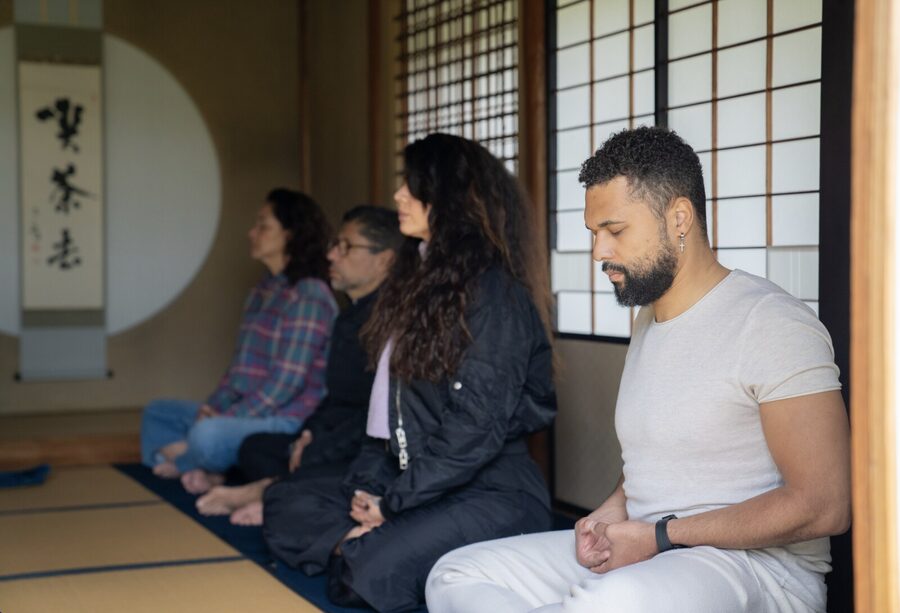
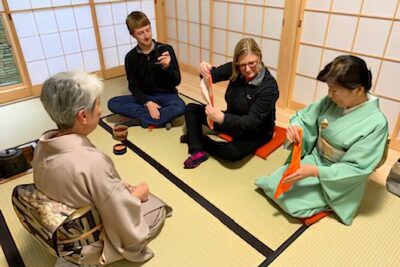
The guide is not just there to lead you from the park. The guide explains the setting, interprets the monk’s teaching, manages questions, and often helps with photographs. English ability has been praised repeatedly, and clear translation is important here because the meaning of the session depends on small distinctions.
Guides named in past sessions include Soma, Satoru, Kohtaro, and Ruko. The person assigned to your booking may differ. Soma and Satoru are especially associated with warm introductions and careful interpretation, while Ruko has also helped with photographs and translation. These names are useful to know, but the central point is that the guide acts as a bridge between you and the monk.
Interpretation naturally adds a little pause to the conversation. The monk speaks, the guide translates, and then you ask a question through the guide. That is not a flaw. It gives you time to think, and the slower pace fits the subject.
Small groups make the exchange easier. A private booking gives you more control over questions, while a small group can add a pleasant shared feeling during the meditation. You may sit quietly with people from different countries, then compare impressions during the tea conversation.
Matcha, sweets, and questions after meditation
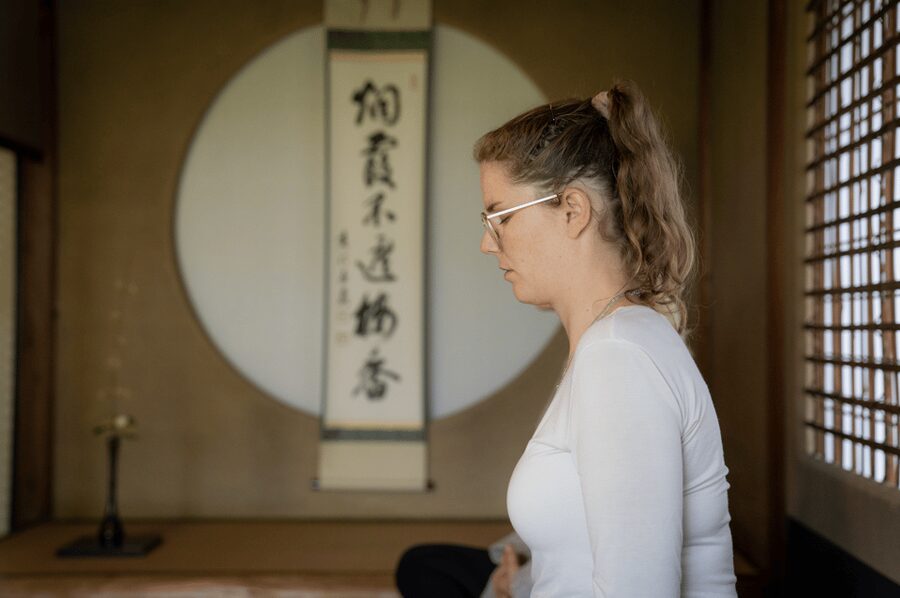
Tea comes at the right time. After sitting quietly, a cup of matcha and traditional sweets gives the experience a gentle social finish. It also shows how meditation fits into a wider pattern of Japanese hospitality and attention to small rituals.
The tea ceremony here should not be confused with a long formal tea-school lesson. It is part of the closing exchange, not a separate several-hour class. You drink tea, enjoy the garden view, and talk with the monk and guide.
This conversation may be the part you value most. You can ask about Buddhist life, meditation, the temple, or how to continue the practice at home. One session even continued beyond the planned time so the monk could answer additional questions. That extra time is not guaranteed, but the format allows for a personal exchange rather than a quick goodbye.
The tone is friendly rather than solemn throughout. You can ask direct questions, and the monk is presented as approachable. Some sessions have included photographs with the monk, and the guide may take pictures for you. Ask politely before taking any photograph, especially inside the temple or near family members.
Garden time and photographs
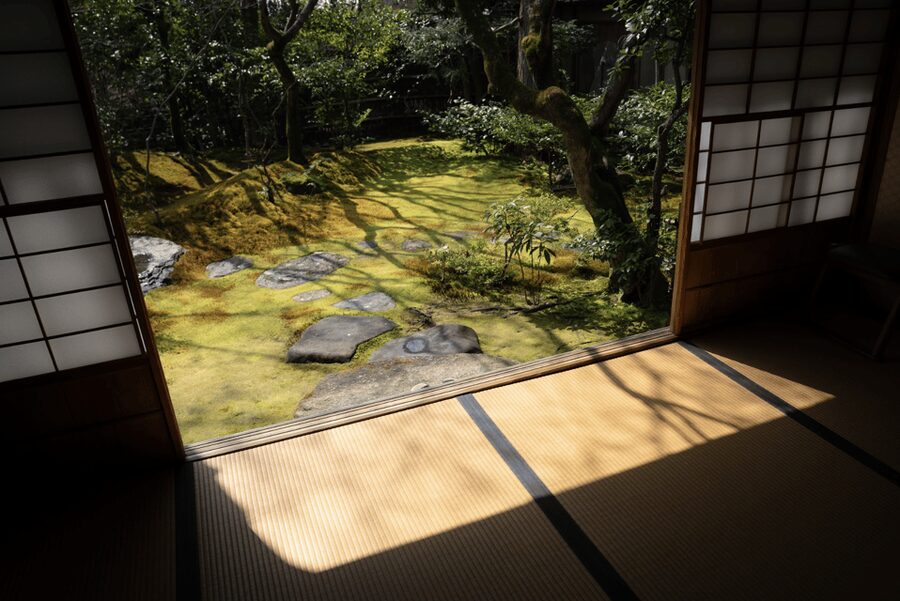
The garden gives you a chance to let the lesson settle. You may stroll through moss and greenery, look at the temple details, and take photographs. The setting is especially appealing in the morning, when the area around Nene no Michi can be quieter.
Photography is allowed as part of the experience, including pictures within the temple and with the monk when appropriate. Still, this is a religious space, not a photo studio. Keep your camera use respectful and follow the guide’s instructions.
The garden is not the only reason to book this activity, but it makes the meditation easier to remember. A quiet view, a cup of matcha, and a conversation with a monk give you several ways to connect with the visit. You are not left with only a 20-minute sitting session and a rushed exit.
Is $91 a fair price?
At $91 per person, this is expensive for 90 minutes if you measure value by time alone. You are paying more than you would for entry to a public temple, and the temple visit itself is relatively short.
The price makes more sense if you value access and personal attention. It covers entry to a place normally closed to the public, instruction from a monk, an English-speaking guide, a meditation session, tea, garden time, and a question period. You are also paying for a small-group or private format rather than a large public demonstration.
I would compare it with other paid cultural activities in Kyoto. A standard temple visit can show you architecture and gardens, but it usually cannot give you a direct conversation with a monk. A meditation class outside Japan might teach posture and breathing, but it cannot place those lessons in a private Kyoto temple.
For a couple or small group with a serious interest in Zen, the cost can be reasonable. For a budget traveler who only wants to see a temple garden, it is harder to justify. The experience is best understood as a personal cultural appointment, not as a sightseeing ticket.
Who should book this experience?
I would recommend it to first-time meditators who want clear instruction without feeling judged. The monk’s guidance makes the practice less mysterious, and the short format is manageable during a busy Kyoto stay.
It also suits experienced meditators who want to ask questions and compare their own practice with Japanese Zen traditions. The session is not presented as an advanced retreat, so do not book it expecting hours of silence or intensive religious training.
This is a strong choice for couples, solo visitors, and small groups. It can also work for teenagers aged 12 and older who are genuinely interested in meditation. Children under 12 are not accepted.
The activity is less suitable if you dislike sitting still, want a fast sightseeing stop, or prefer to keep religious experiences at a distance. The price and limited time also mean you should choose it for the conversation and instruction, not only for the garden.
Timing your visit in a busy Kyoto schedule
The activity lasts 90 minutes, including the walk to and from the meeting area, the temple session, meditation, tea, and discussion. Check the available starting times when you book. Sessions have taken place in the morning and evening, and both can work well for different reasons.
A morning appointment can provide a quiet start before the Higashiyama streets fill up. It can also help you begin a busy sightseeing day with a calmer frame of mind. An evening session offers a pause after a full day of temples and shops.
Do not schedule a major attraction immediately afterward if you want time for questions and photographs. The formal activity has a set length, but the pace of conversation may vary. Give yourself enough time to walk back, get your bearings, and continue your day without rushing.
Free cancellation is available up to 24 hours before the start time, and you can reserve now and pay later. That flexibility helps if your Kyoto plans are still shifting, but you should still confirm the meeting details close to the date.
Should you book the Kyoto Zen meditation?
Book this if you want more than a photograph of a temple. You will receive a useful introduction to Zazen, a quiet private setting, English interpretation, matcha and sweets, and a chance to speak directly with a monk.
I would hesitate only if $91 feels too high for a 90-minute activity or if you are looking for a formal, extended meditation retreat. For everyone else, especially first-time meditators and visitors who want a calmer cultural experience, this is a thoughtful use of part of your Kyoto schedule.
Pay close attention to the meeting instructions, arrive at the north side of the Kodaiji Park toilet, and bring a willingness to sit quietly. If you do that, the experience offers something many Kyoto visits do not: time to stop, listen, and take part rather than simply look.
FAQ
How long does the Kyoto Zen meditation experience last?
The experience lasts 90 minutes. It includes the walk from Kodaiji Park, the temple visit, the lecture, Zazen practice, tea, garden time, and discussion.
Where is the meeting point?
Meet at the toilet in Kodaiji Park. The guide waits on the northern side of the toilet.
How far is the temple from Kodaiji Park?
The route from Kodaiji Park to the temple takes about 10 minutes on foot.
Is transportation included?
No. Transportation is not included, but the activity begins with a short walk from Kodaiji Park.
Is the activity offered in English?
Yes. The activity includes a live English-speaking guide. The guide interprets the monk’s teaching and helps with questions.
Can beginners join the meditation?
Yes. The monk explains Zazen principles, posture, breathing, and techniques before you practice. No previous meditation experience is required in the provided activity information.
Are children allowed to participate?
Children under 12 are not permitted. The activity is suitable for participants aged 12 and older.
Can I cancel the booking?
You can cancel up to 24 hours in advance for a full refund. You can also reserve now and pay later, subject to the booking terms.
Newly written up around Kyoto
- Kyoto: Fushimi Inari Taisha Shrine Walking Tour with Guide★ 4.8 · 18 reviews
- Kyoto: Fushimi Inari Shrine Walking Tour★ 5.0 · 72 reviews
- Kyoto Tea Ceremony & Kiyomizu-dera Temple Walking Tour★ 5.0 · 115 reviews
- Kyoto: Calligraphy class at Buddhist temple in city center★ 5.0 · 167 reviews
- Kyoto: Arashiyama Bamboo, Temple, Matcha, Monkeys & secret spots★ 5.0 · 219 reviews
- Kyoto: 3-Hour Fushimi Inari Shrine Hidden Hiking Tour★ 4.9 · 270 reviews
- KYOTO Tea Ceremony with kimono near by Imamiya Jinjya Shrine★ 5.0 · 343 reviews
- Kyoto Zen Meditation & Garden Tour at a Zen Temple with Lunch★ 5.0 · 441 reviews
Kyoto Temple Tours, compared.
Osaka/Kyoto:Kinkakuji,Arashiyama,FushimiInariShrine,NaraPark
Read our review →
Arashiyama Bamboo, Temple, Monkeys, or Secret Sake Brewery
Read our review →
Arashiyama Bamboo Forest, Monkeys, Matcha & Temple Tour
Read our review →
Osaka/Kyoto: Arashiyama, Nara & Fushimi Inari Shrine w/Lunch
Read our review →
Kyoto Zen Meditation & Garden Tour at a Zen Temple with Lunch
Read our review →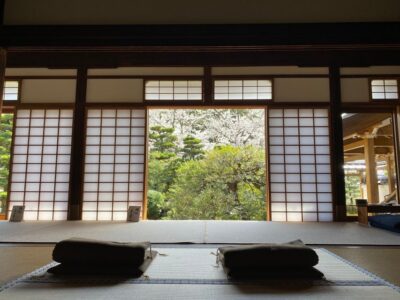
KYOTO Tea Ceremony with kimono near by Imamiya Jinjya Shrine
Read our review →Browse the lists this tour appears in