
Reviewed · PRIVATE TEMPLE TOURS
Nara: Essential Private Tour with Deer Park and Temples
Nara makes an excellent first taste of old Japan: tame deer wander through wooded parkland while enormous wooden temples preserve the city’s sacred past. This private tour links the main sights on foot, with guide Masa explaining what you are seeing rather than leaving you to decode temple gates and statues alone.
I like the private format, which lets you ask questions and set a comfortable pace. I also like the route’s balance: Kōfuku-ji and Tōdai-ji supply major cultural sights, while Nara Park and Yoshikien Garden give you breathing room outdoors. The main drawback is the tight three-hour schedule. You will see the highlights, but this is an introduction, not a leisurely full-day look at Nara.
Key points at a glance
- Guide Masa’s patient style: He is praised for clear English, careful explanations, and practical help along the way.
- A strong first visit to Nara: The route covers Kōfuku-ji, Nara Park, Tōdai-ji, Himuro Shrine, and Yoshikien Garden.
- Deer with useful guidance: You can learn how to approach and feed the deer without being surrounded by them.
- A true private tour: Your group has an English-speaking guide rather than joining a large mixed party.
- Three hours, start to finish: The tour begins and ends at Kintetsu Nara Station, which makes it easy to fit into a day trip.
- Some physical demands: Expect walking, outdoor exposure, and temple grounds that are not suitable for wheelchair users.
Why this Nara route works well
Nara was Japan’s first permanent capital, and its importance is easy to grasp once you move from the modern station area into the temple district. The city does not depend on one isolated sight. Its appeal comes from the way sacred buildings, gardens, forested paths, and deer share the same setting.
That mix is the best reason to choose this tour. You are not spending three hours inside one temple complex or rushing from one photo stop to another. Instead, the route moves through several parts of Nara’s identity, from a shopping street and historic Buddhist site to a major shrine, a huge temple, and a quiet garden.
The private setup matters here. Nara’s famous sights can feel confusing at first, particularly when several temple buildings and gates appear close together. Your guide can explain what deserves your attention, answer questions as they come up, and adjust the conversation to your interests.
Masa is the guide most closely associated with this experience. His strengths are patience, friendly conversation, and detailed explanations. He has also helped with shop translation, finding an ATM, and practical needs such as an umbrella. Those small services can be useful when you are trying to make the most of a short visit.
The pace is designed to be comfortable rather than frantic. One past participant specifically appreciated seeing the requested sights without feeling hurried. Still, three hours is a firm limit, and the listed stops account for nearly the entire time. You should arrive ready to walk and avoid planning a long meal or shopping break during the tour.
More Private Temple Tours in Japan
- From Tokyo: Private Tour Snow Monkey Park & Zenko-ji Temple
★ 4.7 · 184 reviews - Tokyo Private Tour: Temples, Culture & Modern City Highlights
★ 5.0 · 56 reviews - Nagano/Tokyo: Snow Monkey and Zenkoji Temple Private Tour
★ 4.8 · 54 reviews
Meeting at Kintetsu Nara Station
The tour begins at Kintetsu Nara Station, a convenient choice for reaching Nara’s central sights. After leaving through the East Gate, head toward Exit 3. At Exit 3, take either the stairs or the escalator beside them, then look for the tourist information center.
Your guide waits nearby with a Get Your Guide sign. This arrangement is simple, but station areas can be busy, so allow enough time to reach the meeting point. The tour also returns to the same station, which is helpful if you are continuing by train or want to collect shopping bags before leaving.
Starting at Kintetsu Nara Station puts you close to the first stop and avoids the wasted time of a distant hotel pickup. Hotel pickup and drop-off are not included, so you will need to reach the station independently.
Higashimuki Shopping Street: a short local introduction
The first guided stop is Higashimuki Shopping Street, with about 20 minutes set aside. This covered shopping arcade gives you a quick look at the everyday side of Nara before the route turns toward temples and parkland.
Do not expect a long shopping session. The value here is orientation. You can see the sort of shops and food businesses that serve local life, ask your guide about regional specialties, and get a sense of how close the modern city is to Nara’s old religious center.
If you want souvenirs, note down places that interest you and return after the tour. Twenty minutes is enough for a brief look, but not enough for relaxed browsing, a full meal, and temple sightseeing all at once.
Kōfuku-ji: reading Nara through its temple grounds
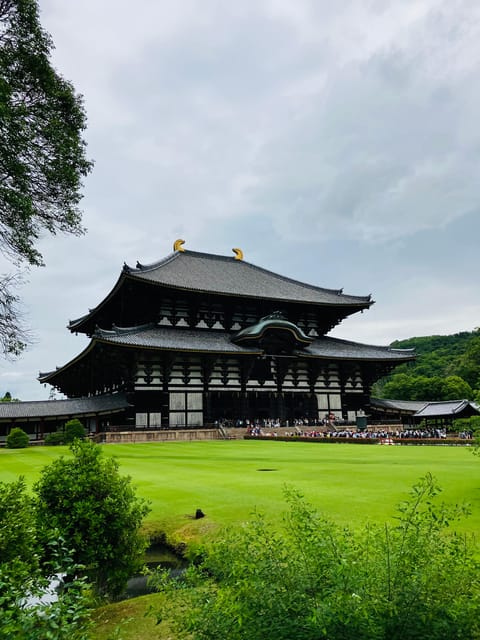
Kōfuku-ji receives about 30 minutes of guided attention. It is an important stop because it introduces the religious power that shaped Nara, rather than treating the city as only a deer park with a famous statue.
Your guide can help you understand the role of the temple buildings and point out details you could easily pass without context. The stop is also a useful warm-up for Tōdai-ji, since you begin seeing how architecture, sculpture, and religious practice fit together.
The limitation is time. Thirty minutes gives you a focused visit, not a complete examination of every building or collection. If Kōfuku-ji becomes your main interest, you may want to return on your own after the tour.
A different set of gates, same trip:
- Kyoto: Tea Ceremony Ju-An at Jotokuji Temple
★ 4.9 · 3,207 reviews - Osaka/Kyoto:Kinkakuji,Arashiyama,FushimiInariShrine,NaraPark
★ 4.1 · 1,596 reviews - Tokyo: Asakusa Walking Tour with Sensoji Temple Visit
★ 4.8 · 1,583 reviews - Nikko: Kegon Falls, Lake Chuzenji & Toshogu Temple
★ 4.6 · 1,577 reviews
Nara Park: deer, etiquette, and open space
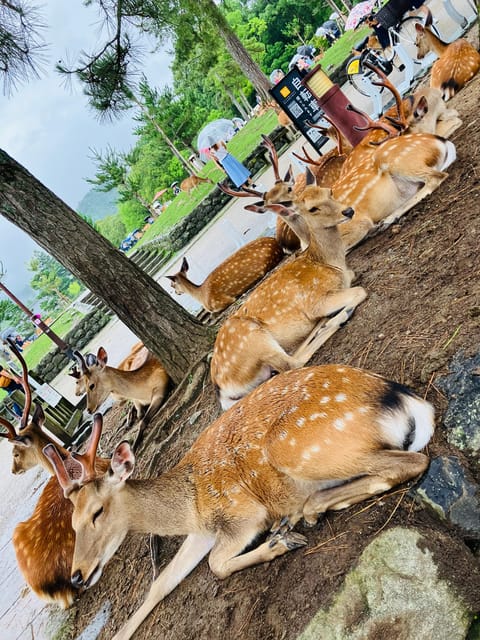
Nara Park is the most recognizable part of the experience. About 30 minutes are devoted to the park and its deer, giving you time to encounter the animals while your guide explains how to behave around them.
The deer are friendly, but friendly does not mean predictable. They may approach quickly, especially if food is present. Masa has been praised for showing people how to feed and interact with them without getting swarmed, which is practical advice for first-time visitors.
Follow your guide’s instructions and keep your attention on the animals around you. Do not assume every deer will react calmly, and do not let the excitement of a close photo replace basic care. People with animal allergies should skip this tour, and the experience is not suitable for anyone who knows that close contact with deer may cause a problem.
Thirty minutes is enough for the central experience, but Nara Park deserves longer if you want a slow walk or more photographs. The tour gives you a well-managed introduction, then moves on to the main temple sights.
Himuro Shrine: a quieter change of pace
Himuro Shrine receives around 20 minutes. Compared with Tōdai-ji, it is a smaller and calmer stop, and that contrast is useful. You get a glimpse of Shinto practice alongside the Buddhist temples that dominate much of Nara’s sightseeing.
A short visit works well here. Your guide can explain the shrine’s place in the area while you notice the setting, gates, and ritual details. The stop also breaks up the larger attractions and gives your eyes a rest from monumental architecture.
Do not expect a lengthy shrine visit or a long period for private reflection. The point is to add another layer to the day, not to make Himuro Shrine the central focus.
Tōdai-ji: the tour’s main event
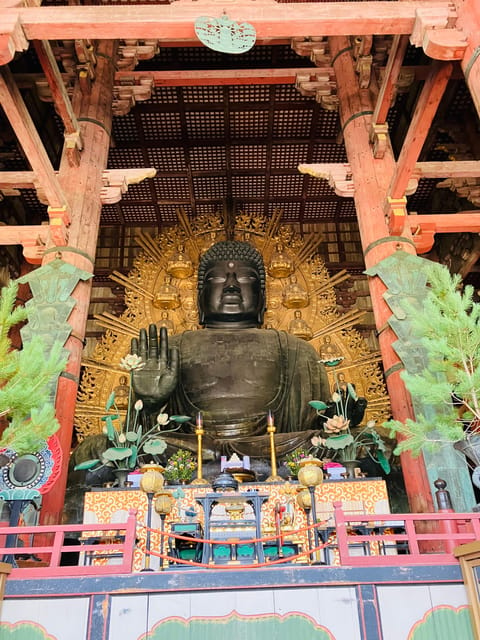
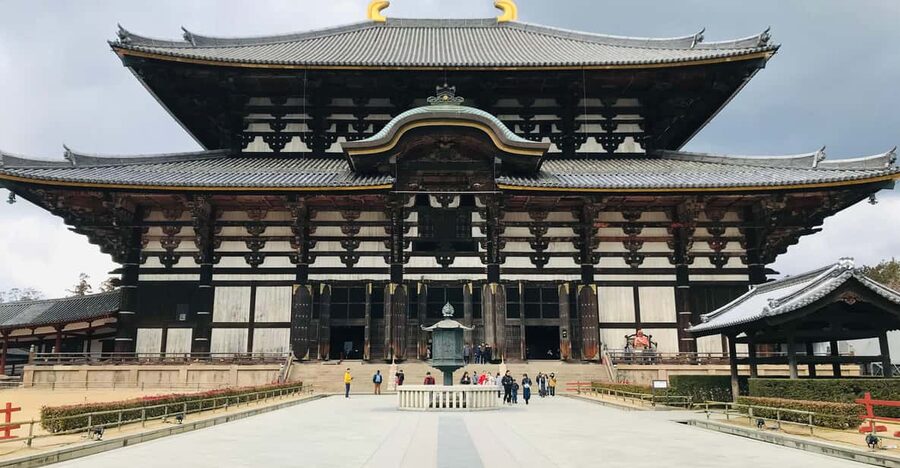
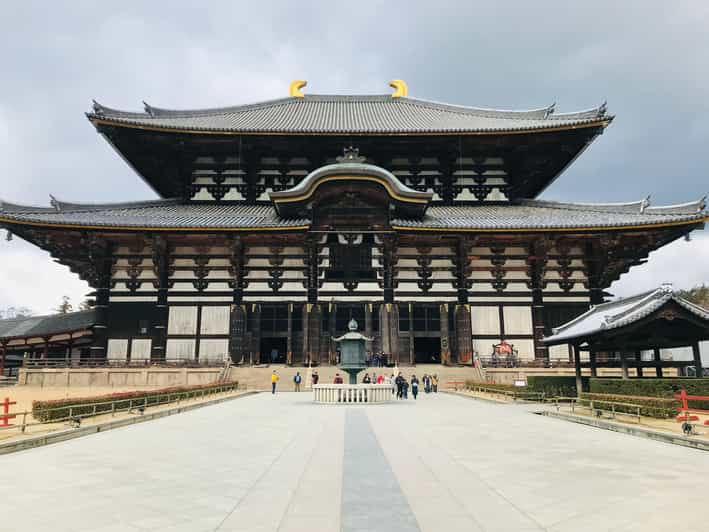
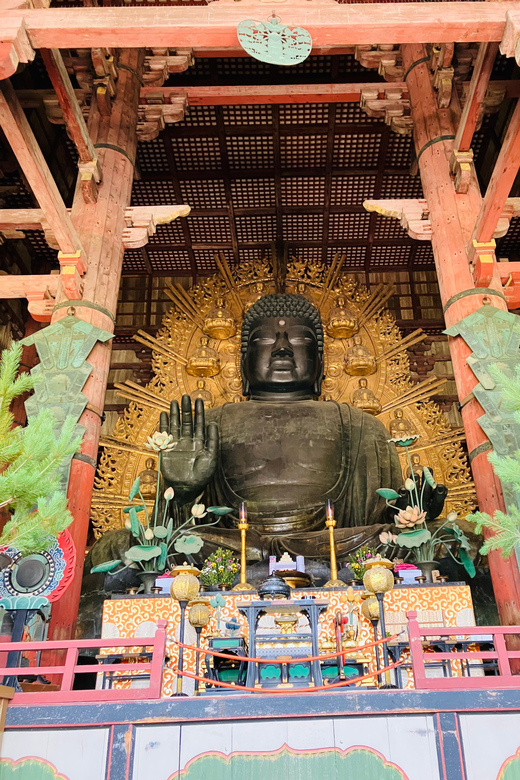
Tōdai-ji gets about one hour, making it the longest stop and the clearest sign of the tour’s priorities. This is where the scale of Nara’s religious heritage becomes most dramatic.
The great temple is not simply a large building to photograph from the outside. Inside, the statue and the surrounding structure give you a better sense of the city’s former importance. Your guide can explain the meaning of the temple and its statues, which helps turn a grand but unfamiliar interior into a place you can understand.
An hour is a sensible amount of time for a first visit. You have enough room to look carefully, ask questions, and avoid the rushed feeling that can spoil major sights. Even so, Tōdai-ji can easily fill a longer visit if you are interested in architecture, Buddhist art, or the history of the capital.
Flash photography is not allowed, so bring your camera but use it respectfully. Comfortable shoes matter here and throughout the route. You will be moving across public paths and temple grounds rather than riding between each sight.
Yoshikien Garden: a quiet final stop
The final sightseeing stop is Yoshikien Garden, with about 20 minutes set aside. After the large crowds, deer, and monumental temple, a garden offers a gentler finish.
This is one of the route’s smartest choices. It gives you a chance to slow down and notice smaller details instead of ending with one more major building. The garden also reinforces the tour’s wider theme: Nara is not only about old structures, but also about carefully shaped outdoor spaces.
Twenty minutes is brief, so treat this as a taste rather than a full garden visit. If you enjoy gardens, you may want to make a note of the area and return later, provided your schedule allows.
What $126 means for the value
At $126 per person, this is not the cheapest way to wander through Nara. You can reach the city independently and visit many sights without paying for a private guide. The price makes more sense when you value explanation, navigation, and a flexible conversation over simply checking off entrances.
Admission to the temples and parks is included, as is the English-speaking guide. Personal expenses, drinks, souvenirs, and a tip are extra. Since the tour ends back at the station, you also avoid paying for a separate return transfer.
For a solo visitor, couple, or small private group, the cost buys concentrated help during a short visit. It is particularly useful if you have limited time in Nara, feel unsure about temple customs, or want someone to explain the statues and sites as you go.
For a family or larger private group, compare the total price against several individual tickets and a self-guided visit. The guide’s practical support is the main value, not transportation or luxury. If you already know Nara well, the price may be harder to justify.
Walking, weather, and what to bring
Wear comfortable shoes. This is a walking tour with several outdoor sections, and the itinerary leaves little room for changing footwear or taking a long rest.
Bring a hat, sunscreen, and a camera. Weather protection matters because Nara Park and the paths between sights expose you to the elements. A past participant appreciated that Masa carried an extra umbrella, but you should still prepare for the conditions yourself rather than count on borrowed equipment.
Smoking and flash photography are not allowed. Bring money for drinks, food, or purchases, since those costs are not included. A guide gratuity is optional and appreciated, but it is not part of the tour price.
The tour is not suitable for pregnant women, wheelchair users, or people with animal allergies. The combination of walking, outdoor movement, temple grounds, and close contact with deer makes this a poor fit if you need step-free access or must avoid animals.
Who will get the most from this tour
I would choose this tour for a first visit to Nara, especially if you have only part of a day. The route covers the major sights without making you plan station exits, temple order, deer etiquette, and local context on your own.
It also suits people who learn best through conversation. You can ask why a statue matters, what makes a shrine different from a temple, or how to behave around the deer. The private format means you are not limited to a fixed group’s questions.
Masa’s patient manner should appeal to families, older couples who prefer a steady pace, and anyone who wants practical assistance as well as sightseeing. He has provided translated material for some participants and helped with everyday tasks, though the advertised tour language is English.
I would hesitate if you want long periods for photography, shopping, or quiet contemplation. The tour touches six main stops after the station meeting point, and each has a planned window. You will gain breadth and guidance, but not unlimited time at every site.
Should you book it?
Book this private Nara tour if you want the city’s main sights explained clearly in three hours, with deer, temples, a shrine, a garden, and a straightforward station meeting point. The strongest reasons are Masa’s patient approach, his practical help, and the route’s good balance of culture and outdoor time.
Skip it if you prefer complete independence, need wheelchair access, have an animal allergy, or want to spend half a day at only one or two temples. For a first-time visitor with a busy Japan itinerary, though, $126 can be fair value for a focused introduction that leaves you better prepared to explore Nara on your own.
FAQ
How long does the Nara private tour last?
The tour lasts three hours, including the meeting at Kintetsu Nara Station and the return to the same station.
Where does the tour meet?
Meet at Kintetsu Nara Station after exiting through the East Gate. Go toward Exit 3 and look near the tourist information center for a guide holding a Get Your Guide sign.
Which language is the tour offered in?
The tour is offered with an English-speaking live guide.
Is this a private group tour?
Yes. The tour is arranged for a private group rather than a shared public group.
Are temple and park admission fees included?
Yes. Admission to the temples and parks is included. Personal expenses such as drinks and souvenirs are not included.
Can I take photographs during the tour?
You can bring a camera, but flash photography is not allowed.
Is the tour suitable for wheelchair users or people with animal allergies?
No. The tour is not suitable for wheelchair users, pregnant women, or people with animal allergies.
Newly written up around Japan
- From Asakusa: Old Tokyo, Temples, Gardens and Pop Culture★ 5.0 · 47 reviews
- Goshuin Collecting tour at Asakusa Local Temples & Shrines, Tokyo★ 5.0 · 8 reviews
- Private guided tour: Mt. Aso volcano, grasslands, Aso Shrine★ 5.0 · 19 reviews
- Takayama Inari Shrine Tour with Private Transportation★ 5.0 · 5 reviews
- Tokyo: Snow Monkey and Zenkoji Temple Day Trip In Low Price★ 5.0 · 5 reviews
- Tokyo: Gotokuji Culture Walk & Lucky Cat Temple Experience★ 4.9 · 5 reviews
- :Tokyo,Shibuya /Meiji Shrine tour in KIMONO/English-friendly★ 5.0 · 4 reviews
- Tokyo: Sensoji Temple & Street Food: Private Tour with guide★ 4.6 · 8 reviews
Private Temple Tours, compared.
Waterfalls, Water Temple & Rice Terraces Private Tour
Read our review →
Full-Day Angkor Wat Sunrise Private Tour with Guide from Siem Reap
Read our review →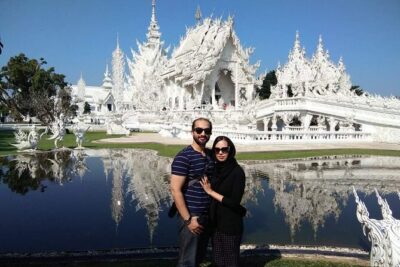
Chiang Rai Temples: Private Tour from Chiang Mai
Read our review →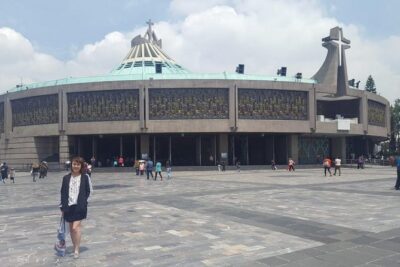
Private Tour: Teotihuacan and Guadalupe Shrine
Read our review →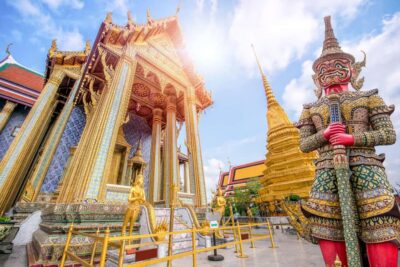
Grand Palace, Wat Pho, and Wat Arun Private Tour
Read our review →
Ephesus and Temple of Artemis Private Tour from Kusadasi Port
Read our review →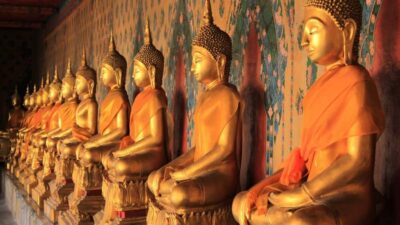
Browse the lists this tour appears in