
Reviewed · KYOTO TEMPLE TOURS
KYOTO Tea Ceremony with kimono near by Imamiya Jinjya Shrine
Putting on a kimono is the heart of this Kyoto experience. You choose a color and pattern, then a team helps with your hair and the many layers of traditional dress. After a quick photo session, you sit with a tea master, learn the meaning behind the ceremony, and prepare your own bowl of tea. I especially like the hands-on tea preparation and the chance to see how much care goes into wearing a kimono properly.
The intimate setting is another strength. The tea room has been used for three generations, and the teacher has studied tea ceremony for 30 years. The main consideration is time: 90 minutes goes quickly, and getting dressed can feel rushed if everyone arrives at once, so arrive early and have an idea of which kimono colors you prefer.
Key points to know before booking
- Three generations of tea-room history: The ceremony takes place in a traditional room near Daitoku-ji, an area closely tied to Kyoto tea culture.
- Kimono dressing is part of the lesson: Staff help with your hair, layers, accessories, and final fit rather than simply handing you a costume.
- You do more than watch: After the tea master’s demonstration, you can prepare tea yourself and practice the basic movements.
- Seasonal sweets accompany the tea: The sweets add a small but important part of the ceremony’s balance and presentation.
- Small-group format: The experience accepts a maximum of 12 people, keeping the setting more personal than a large stage-style show.
- Arrive ready to choose: The kimono selection moves quickly, so knowing your preferred colors can save time.
Choosing a Kimono in Kyoto’s Nishijin Tradition
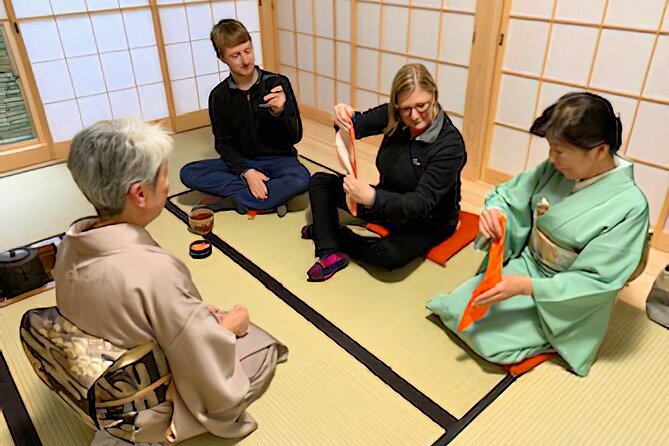
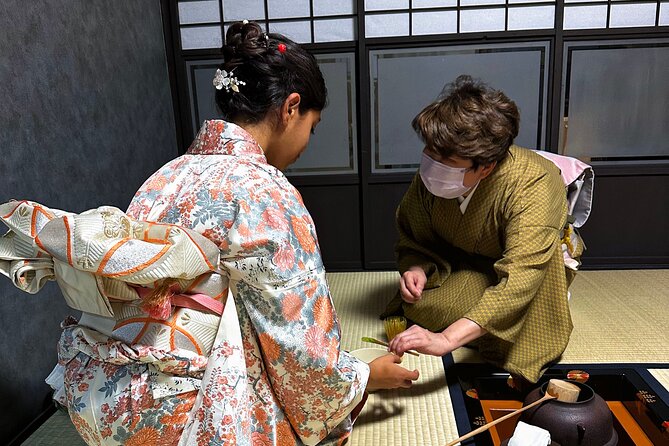
The experience begins with a choice from a collection of kimonos associated with Nishijin, Kyoto’s famous textile district. You select a color and pattern, then staff help you into the garment. This is not a simple robe tied around your waist. Several layers and careful adjustments are involved, and the dressing process gives you a better feel for why formal kimono wear takes skill.
I like this part because it turns the clothing into more than a photo prop. Your guide explains the meaning of different patterns, and the staff make sure the kimono sits properly. The process can involve several people, especially when a group arrives together, so the first few minutes may feel busy.
Women can also have their hair arranged before the kimono is put on. The hair styling is described as efficient, and the staff work quickly. If you care about your color choice, arrive with a general preference in mind. The selection process may move fast, and you will want enough time to enjoy it instead of making a last-second decision.
Men and women can take part, and families have used this experience together. It has also worked well for solo participants, since everyone has a chance to take part in the tea preparation rather than simply watching from the side.
Other temple visits near Kyoto we have written up
- Kyoto: Tea Ceremony Ju-An at Jotokuji Temple
★ 4.9 · 3,207 reviews - Osaka/Kyoto:Kinkakuji,Arashiyama,FushimiInariShrine,NaraPark
★ 4.1 · 1,596 reviews - Arashiyama Bamboo, Temple, Monkeys, or Secret Sake Brewery
★ 4.8 · 886 reviews
A Photo Session That Has a Purpose
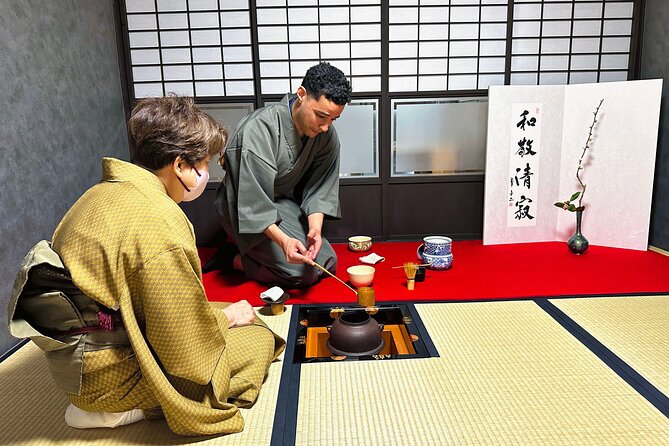
Once dressed, you have a short photo session. Staff help with poses and take pictures, giving you a chance to record the moment before the tea ceremony begins. The photos are one of the clearest practical benefits of the tour, especially if you are traveling alone or with a group that wants everyone included.
The photo time is simple rather than a full studio session. It should be viewed as a pleasant part of the program, not a professional portrait package. Still, the setting, kimono, styled hair, and careful dressing make for much better photographs than a quick rental-shop snapshot.
The staff also use this time to make sure you are comfortable. That matters because a kimono is fitted closely, and you will be sitting in it during the ceremony. The clothing is beautiful, but it is not casual sightseeing wear. Plan to move gently and pay attention to how you sit.
Entering a Three-Generation Tea Room
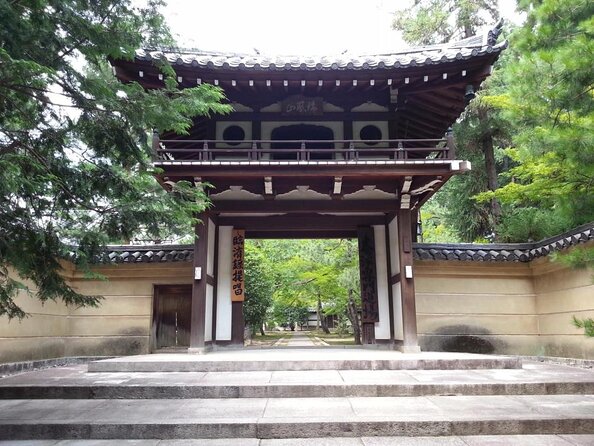
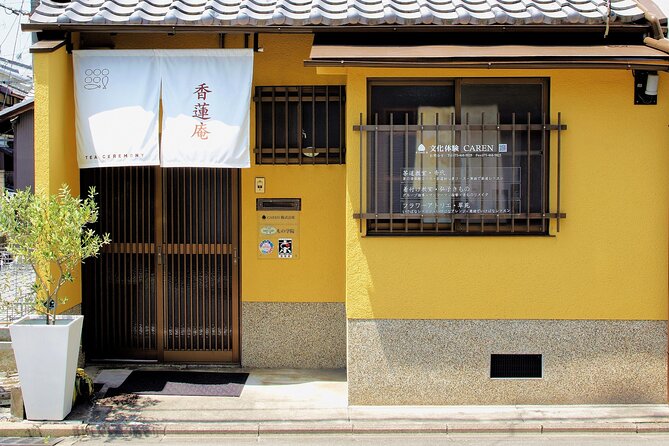
The tea room is near Daitoku-ji Temple, an important part of Kyoto’s tea culture, and the meeting address is Tea Ceremony Caren at 74-4 Murasakino Daitokujicho in Kita Ward. The experience ends where it begins. It is near public transportation, but private transportation is not included, so you need to make your own way there.
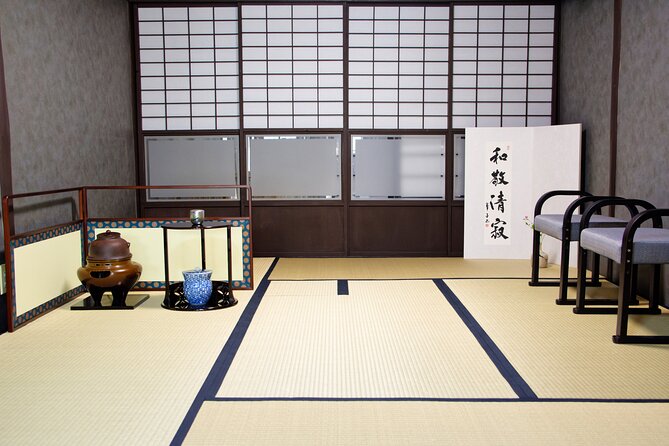
The room has been used by three generations. It is described as somewhat old, which is worth knowing before you arrive. That age is part of the appeal for many people, since the setting feels like a working traditional space rather than a newly built attraction. If you prefer polished, modern interiors, the room may feel plain. If you want a more personal setting, its age adds character.
Some accounts describe a walk to a nearby shrine or temple as part of the occasion, but the confirmed meeting point is the Caren tea ceremony location, and the activity ends there. Check the exact directions and meeting instructions supplied with your booking rather than assuming the program includes a full temple tour.
The group size is capped at 12. That is small enough for questions and individual encouragement, though the room may feel active when a full group is being dressed or photographed. A smaller booking will likely feel calmer, while a full session may have a little more waiting during the preparation stage.
Watching the Tea Master Prepare Matcha
The ceremony itself begins with a demonstration. A tea master with 30 years of study shows how the tea is prepared and served. The movements are deliberate, and the order matters. You learn that the ceremony is not simply about drinking matcha. It is also about manners, attention, hospitality, and respect for the people sharing the room.
The instructor explains the steps and the background in a way intended for first-time participants. Commentary is provided in English through the guide or interpreter, and the tea master performs the ceremony in its traditional form. The use of translation can make the presentation feel more formal and connected to the original Japanese setting.
You receive tea and a seasonal sweet. The sweet is not just a snack placed beside the bowl. In a tea ceremony, the flavors help balance the bitterness of matcha, and the timing of serving matters. The combination gives you a small taste of how the ceremony joins food, movement, season, and conversation.
This is also the quietest part of the activity. The room offers a break from Kyoto’s busy sightseeing routes. You are asked to pay attention to small actions, from how the bowl is handled to how you receive the tea. It is a good fit if you enjoy cultural activities that ask you to slow down rather than rush from one sight to the next.
A different set of gates, same trip:
- Kyoto: Arashiyama Bamboo Forest, Monkeys, Matcha & Temple Tour
★ 5.0 · 759 reviews - Osaka/Kyoto: Arashiyama, Nara & Fushimi Inari Shrine w/Lunch
★ 4.4 · 754 reviews - Kyoto Zen Meditation & Garden Tour at a Zen Temple with Lunch
★ 5.0 · 441 reviews - Kyoto: Zen Experience in a Hidden Temple
★ 5.0 · 437 reviews
Preparing Your Own Bowl of Tea
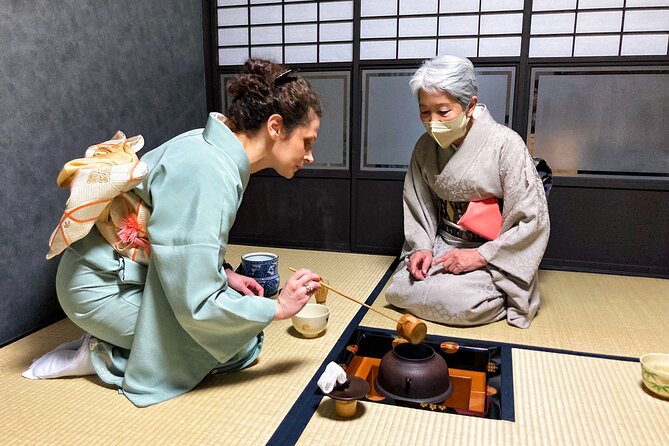
After watching the tea master, you have the chance to make tea yourself. This is the part I value most. You move from observer to participant, even if your first attempt is not perfectly precise. The guide explains what to do and encourages you through the steps.
The hands-on format helps the ceremony make sense. You see the tools, practice the movements, and learn why etiquette matters. It also removes the pressure of having to perform perfectly. This is an introductory cultural experience, not an examination in tea school.
The opportunity is especially useful for families and groups of friends. One person can prepare tea for another, creating a shared moment rather than a demonstration directed only toward the audience. Solo participants are included as well, so you are not left out simply because you arrived alone.
You should expect a guided practice, not unlimited time with the tea utensils. With a 90-minute schedule, each portion has to move along. The kimono dressing, photographs, demonstration, explanation, tasting, and practice all share the same time block.
What the Price Includes at $99.49
At $99.49 per person, this is not the cheapest way to wear a kimono in Kyoto. The price makes more sense if you want several elements together: clothing, hair styling, photographs, instruction, seasonal sweets, tea, and a guided ceremony.
A basic kimono rental may cost less, but it may not include a tea master or a structured lesson. A formal tea ceremony without dressing may also cost less, but it will not give you the same photographs or the feeling of being prepared for the event. Here, you pay for the combination.
The value depends on your interests. If your main goal is a long kimono walk around Kyoto, this is not the right product. The time in the kimono is focused around the tea room, and the activity returns to the meeting point. If you want an organized cultural introduction with personal assistance, the price is easier to justify.
A 99 percent recommendation rate and a 5.0 rating from 343 reviews suggest that the experience has been consistently well received, but those figures should not replace your own judgment. The main tradeoff is clear: you get a carefully organized cultural activity, but it is short and structured rather than an open-ended day in traditional dress.
Who Will Enjoy This Experience Most
I would recommend this for a first visit to Kyoto, especially if you want an activity that explains a custom instead of simply presenting a performance. It suits couples, families, older relatives, teenagers, and solo visitors. Several family groups have found that even teenagers enjoyed the dressing and ceremony.
It is also a thoughtful choice for someone who has always wanted to wear a kimono but may feel unsure about the process. Staff handle the complicated dressing, hair, and photographs. You do not need prior knowledge of tea ceremony.
The experience is less suitable if you dislike formal clothing, sitting still, or guided instruction. The kimono can feel restrictive, and the ceremony follows a set order. You should also avoid booking it as a substitute for seeing Daitoku-ji or Imamiya Shrine themselves. The location gives useful cultural context, but this is a tea ceremony experience, not a full shrine and temple sightseeing tour.
Because the program depends on good weather and a minimum number of participants, a cancellation is possible. If the operator cancels for those reasons, you are offered another date or experience, or a full refund. You can cancel for a full refund up to 24 hours before the start time. Inside that window, refunds are not provided.
Practical Tips for a Smoother Visit
Arrive early. One useful piece of advice is that the dressing process can become hectic when everyone arrives at once. A little extra time gives the staff room to help you and lets you choose your kimono without feeling hurried.
Think about your preferred color before you enter. You do not need a detailed fashion plan, but knowing whether you want a light, dark, bright, or understated color will make the choice easier.
Wear something that allows you to change comfortably. The activity includes help with several layers, so patience is more useful than speed. The supplied details do not specify a required dress code beyond the kimono itself, so follow any current instructions sent after booking.
Keep your schedule flexible after the session. The stated duration is about 90 minutes, but dressing and group movement can affect the pace. If you plan to visit another attraction immediately afterward, leave a reasonable gap.
Use the location as part of a wider northern Kyoto day if that fits your plans. The meeting point is near Daitoku-ji and Imamiya Shrine, giving you a reason to combine the ceremony with nearby sightseeing. Private transportation is not included, so check your route to 74-4 Murasakino Daitokujicho before setting out.
Should You Book the Kimono Tea Ceremony?
Book it if you want more than a staged photo. The strongest part is the combination of proper kimono dressing, a tea master’s demonstration, historical explanation, and the chance to prepare your own tea. The three-generation tea room and small maximum group size add a personal feel.
Skip it if you want a long outdoor kimono rental, a full temple tour, or a quiet private ceremony with no other participants. The 90-minute format is compact, and the preparation stage may feel busy in a full group.
For most first-time visitors who want a clear, respectful introduction to Kyoto tea culture, this is a good use of part of an afternoon. Arrive early, choose your kimono with care, and treat the ceremony as a lesson in attention rather than a quick photo stop.
FAQ
How long does the tea ceremony experience last?
The experience lasts approximately 1 hour and 30 minutes.
Where does the activity begin?
It begins at Tea Ceremony Caren, 74-4 Murasakino Daitokujicho, Kita Ward, Kyoto, 603-8231, Japan.
Does the activity end at the meeting point?
Yes. The activity ends back at the meeting point.
Is a kimono included?
Yes. You choose an authentic kimono from the available collection, and staff assist with putting it on.
Is hair styling included?
Yes. The program includes help with setting your hair before the kimono is put on.
Will I get to make tea myself?
Yes. After watching the tea master, you have the opportunity to prepare your own tea.
Are tea and sweets included?
Tea is included, and the ceremony includes seasonal sweets.
How many people can join the experience?
The activity has a maximum of 12 participants.
What is the cancellation policy?
You can cancel at least 24 hours before the start time for a full refund. Cancellations or changes made less than 24 hours before the start time are not refunded or accepted. If the operator cancels because of poor weather or because the minimum number of participants is not reached, you are offered another date or experience, or a full refund.
Newly written up around Kyoto
- Kyoto: Fushimi Inari Taisha Shrine Walking Tour with Guide★ 4.8 · 18 reviews
- Kyoto: Fushimi Inari Shrine Walking Tour★ 5.0 · 72 reviews
- Kyoto Tea Ceremony & Kiyomizu-dera Temple Walking Tour★ 5.0 · 115 reviews
- Kyoto: Calligraphy class at Buddhist temple in city center★ 5.0 · 167 reviews
- Kyoto: Zen Meditation at a Private Temple with a Monk★ 5.0 · 202 reviews
- Kyoto: Arashiyama Bamboo, Temple, Matcha, Monkeys & secret spots★ 5.0 · 219 reviews
- Kyoto: 3-Hour Fushimi Inari Shrine Hidden Hiking Tour★ 4.9 · 270 reviews
- Kyoto Zen Meditation & Garden Tour at a Zen Temple with Lunch★ 5.0 · 441 reviews
Kyoto Temple Tours, compared.
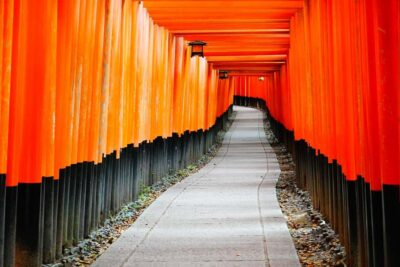
Osaka/Kyoto:Kinkakuji,Arashiyama,FushimiInariShrine,NaraPark
Read our review →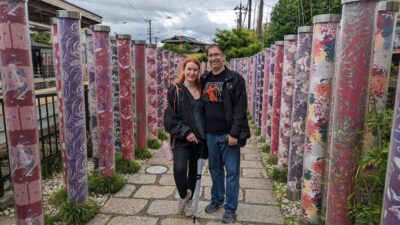
Arashiyama Bamboo, Temple, Monkeys, or Secret Sake Brewery
Read our review →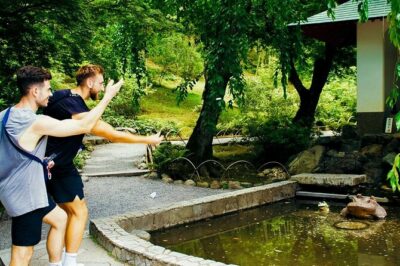
Arashiyama Bamboo Forest, Monkeys, Matcha & Temple Tour
Read our review →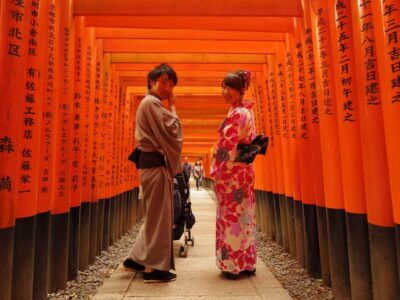
Osaka/Kyoto: Arashiyama, Nara & Fushimi Inari Shrine w/Lunch
Read our review →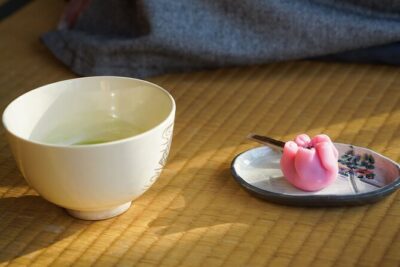
Kyoto Zen Meditation & Garden Tour at a Zen Temple with Lunch
Read our review →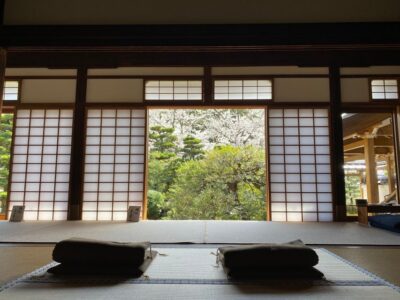
Browse the lists this tour appears in